![Sendai-hira Silk Hakama: Japan’s Finest Formal Hakama Cloth [2026]](https://jpmono.com/wp-content/uploads/2026/06/sendai-hira-silk-hakama-where-to-buy-2026-featured.jpg)
Sendai-hira (仙台平, “Sendai flat-weave”) is the silk cloth that Japan settled on as its formal standard for men’s hakama — the pleated, skirt-like trousers worn over a montsuki kimono at the most ceremonial occasions. It is woven in Sendai, the castle town of Miyagi Prefecture in the Tōhoku region, and its reputation rests on one unusual physical property: a crisp, papery stiffness the weavers call hari, which lets the cloth hold a knife-sharp pleat through a long day of standing, bowing, and sitting.
The fabric is not a recent revival or a tourist souvenir. Its lineage runs back to the Genroku era of the late 17th century, when Date Tsunamura, the fourth lord of the Sendai domain, brought in weavers trained in Kyoto’s Nishijin techniques and turned high-grade silk weaving into a domain industry. Over the following century, Sendai-hira became the cloth that Edo-period formal dress was measured against, and the weaving technique sits today within the highest tier of traditional Japanese craft recognition.
This guide is written for the international reader weighing a genuine Honba Sendai-hira hakama — for a wedding, a tea-ceremony qualification, a graduation, or simply as a serious textile acquisition. We cover what the cloth actually is, who should buy it and who should not, how to read the listing, where it sits on the map of Japan, and the practical paths for buying it from outside the country.
🔄 Last updated: June 4, 2026
⏱️ Read time: ~12 min

- Who this is for — and who should skip it
- Product overview (from published specs)
- Which finish should you choose?
- Where this comes from — place, era, and the craft tradition
- Price snapshot across stores
- What it does well
- Weaknesses and things to verify before buying
- Conclusion — which buyer type are you?
- Other ways to approach this purchase
- 🏆 Editor’s Pick
- ❓ Frequently Asked Questions
Who this is for — and who should skip it
- Need genuinely formal hakama for a wedding, tea-ceremony rank, or graduation, and want the cloth that the occasion’s standard is built around
- Value a crisp, structured drape that holds a sharp pleat over a soft, casual fall
- Appreciate restrained tate-jima (vertical stripe) over loud pattern
- Are buying a textile with documented craft heritage, not a costume reproduction
- Are comfortable hand-airing and professionally cleaning a silk garment
- Want an everyday or martial-arts (aikido, kendo) hakama — cotton or tetron is cheaper, tougher, and washable
- Need a costume or cosplay piece where the fiber does not matter
- Are price-sensitive — genuine silk Sendai-hira sits well above synthetic hakama
- Cannot accommodate dry-clean-only, humidity-sensitive silk care
- Expect machine-washable convenience
Product overview (from published specs)
The data available for this specific listing is thin. Only the Amazon JP listing snapshot is available; live pricing may have shifted since the writing date, and several attributes are not published in a verifiable form. Where a value is not confirmed in the listing or maker data, it is marked rather than guessed.
| Attribute | Value | Source |
|---|---|---|
| Item | Honba Sendai-hira silk hakama (men’s formal montsuki hakama) | Amazon JP Global Store listing |
| Material | Raw silk (kinu), hand-woven | Listing / maker tradition |
| Pattern | Subtle tate-jima (vertical stripe) | Listing |
| Origin | Sendai, Miyagi Prefecture, Tōhoku, Japan | Craft designation |
| Key property | Hari — crisp stiffness that holds a sharp pleat | Craft tradition |
| Size / measurements | Unconfirmed — check listing options before ordering | — |
| Weight | Unconfirmed — check manufacturer site | — |
| ASIN | B07485J63W | Amazon JP |
📖 Glossary — key terms in this article
- hakama (袴) — pleated, skirt- or trouser-like garment worn over a kimono, central to Japanese formal men’s dress.
- montsuki (紋付) — a kimono or haori bearing the family crest (mon); the most formal grade, worn with hakama.
- haori (羽織) — the formal jacket worn over the kimono; a montsuki haori with hakama is the standard men’s formal set.
- hari (張り) — the crisp, springy stiffness of a textile; the property that lets Sendai-hira hold a sharp pleat.
- tate-jima (縦縞) — vertical stripe; the restrained patterning typical of formal Sendai-hira.
- Nishijin (西陣) — Kyoto’s historic high-end weaving district, whose techniques seeded Sendai-hira.
- Honba (本場) — “the genuine home / authentic source,” used to mark cloth woven in its place of origin by the recognized tradition.
- shokunin (職人) — a trained craftsperson; the hands that weave the cloth.
Which finish should you choose?
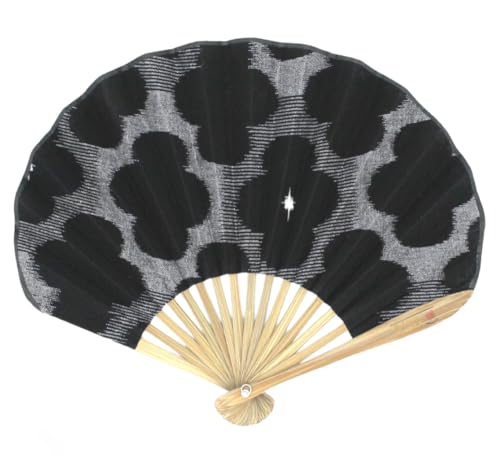
This piece is listed in 5 options. The photos below are the actual サイズ options on the listing right now — pick the one you want and confirm it on the product page before ordering, since hand-finished wares vary slightly piece to piece.
![Sendai-hira Silk Hakama: Japan's Finest Formal Hakama Cloth [2026] — M finish](https://m.media-amazon.com/images/I/41JJZN+xmLL._SL500_.jpg)
Sendai-hira sits within a wider family of Japanese silk and regional textiles we cover. If you are weighing fiber, region, or formality, these related guides help place it.
 Iwate Homespun Scarf
Tōhoku neighbor — wool, not silk
 Kiryu-ori Silk Necktie
Another formal silk weave, Gunma
 Nishijin Silk Card Case
The Kyoto tradition that seeded Sendai-hira
 Chichibu Meisen Stole
Patterned silk, different drape
Yuki Tsumugi Necktie
UNESCO-listed silk, soft hand
 Ueda Tsumugi Gamaguchi
Pongee silk small-goods, Nagano
Hirosaki Kogin Coasters
Tōhoku textile, embroidery tradition
Where this comes from — place, era, and the craft tradition

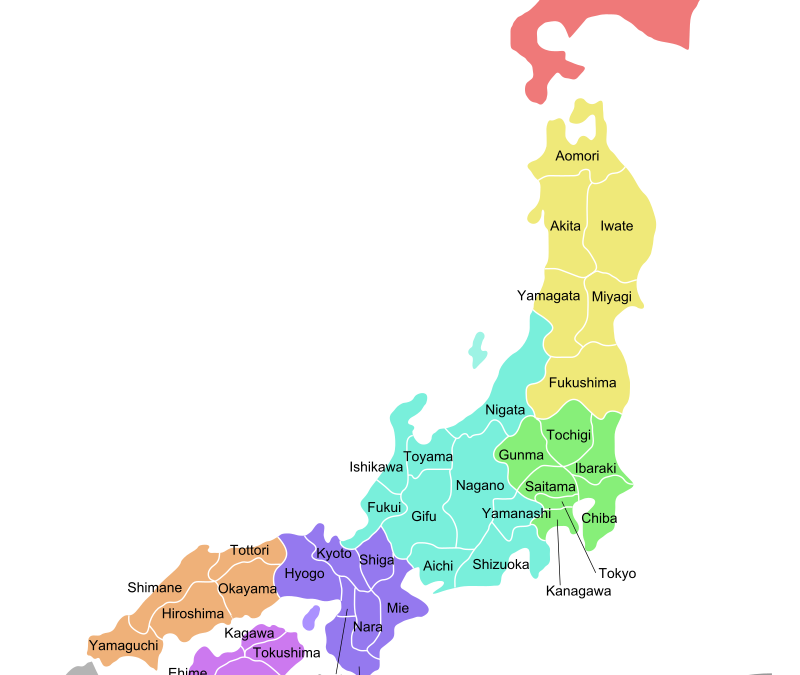
Sendai is the seat of Miyagi Prefecture and the largest city in Tōhoku, the northern third of Japan’s main island of Honshu. It lies on the Pacific side, sheltered by the Ōu mountain range to the west and opening onto Sendai Bay to the east — a temperate, four-season climate with cold winters that historically suited the careful, indoor work of silk weaving. The city grew as a planned castle town rather than an organic settlement, which matters: the crafts here were seeded deliberately, by domain policy, rather than emerging piecemeal.
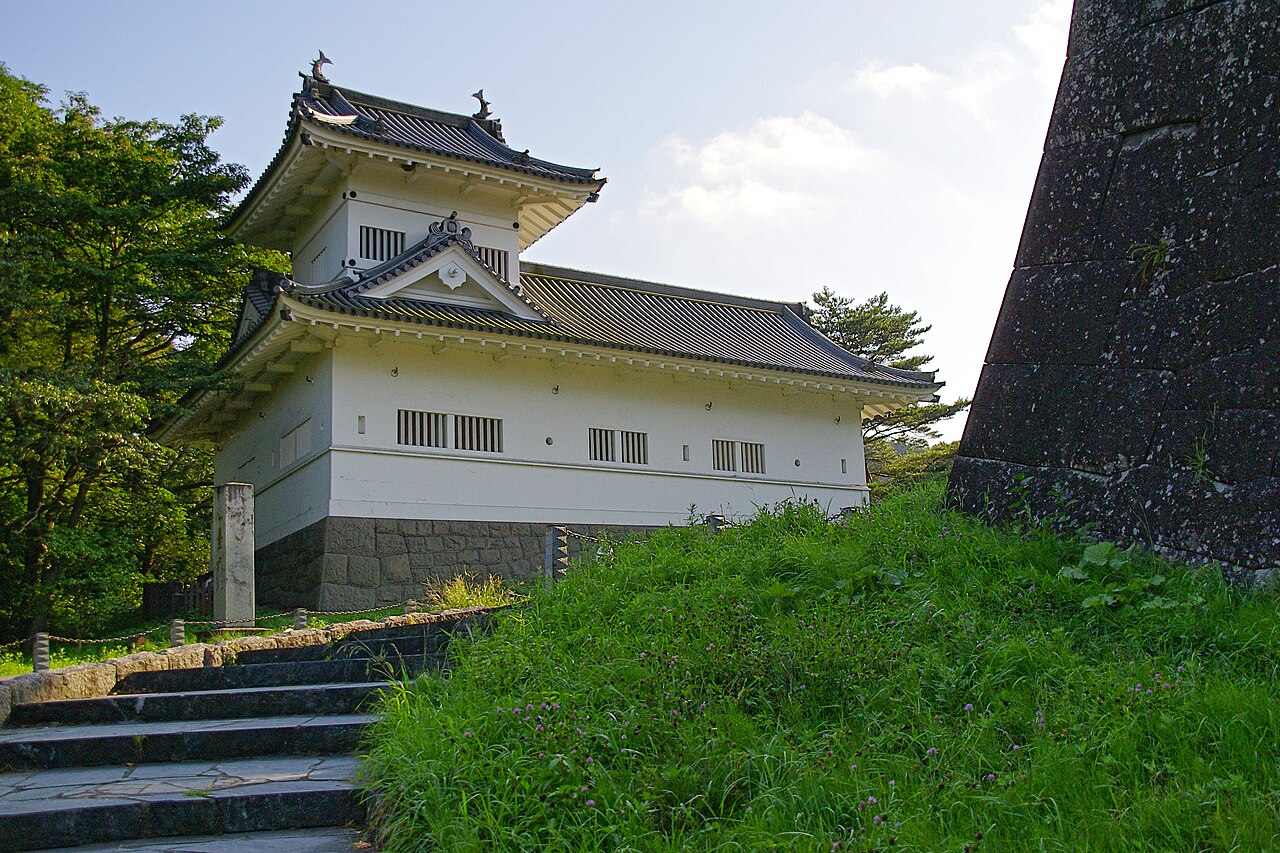
The castle town was founded by Date Masamune, one of the most powerful regional lords of his era, who began building Sendai (Aoba) Castle in 1601 and established the city as his domain’s capital. The Date house ruled the Sendai domain for the entire Edo period, and its court culture was unusually refined for a provincial seat — Masamune cultivated connections to Kyoto and to overseas trade, and his successors invested in the arts and crafts that signaled rank. That patronage is the backstory to Sendai-hira.
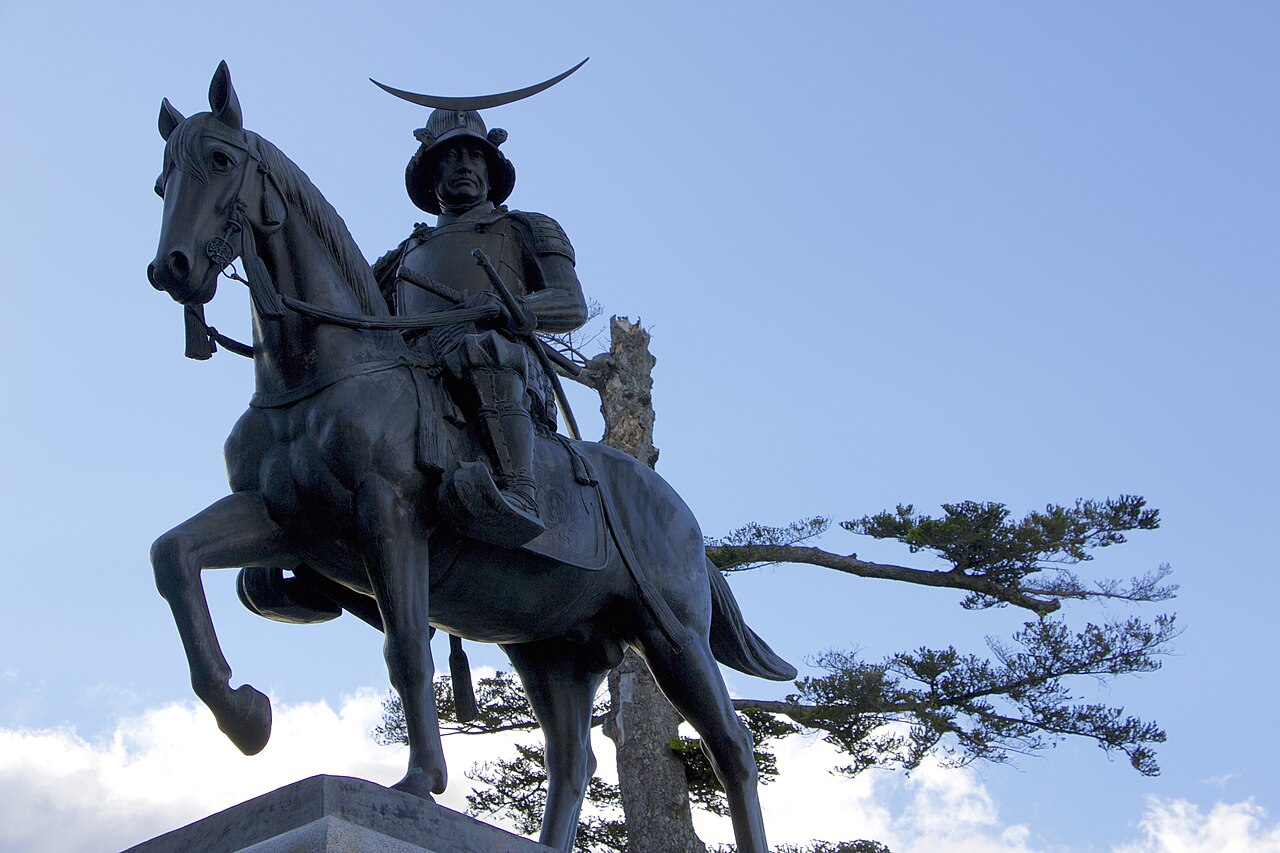
The decisive moment came in the Genroku era, near the close of the 17th century, when Date Tsunamura — the fourth lord of the domain — invited master weavers trained in the techniques of Kyoto’s Nishijin district to settle in Sendai. Their charge was to establish high-grade silk weaving as a domain industry. The cloth they produced, with its disciplined vertical stripe and distinctive crisp hari, was adopted for formal hakama, and over the following century it became the cloth against which formal men’s dress across Japan was measured.
- 1601 — Date Masamune begins building Sendai (Aoba) Castle, founding the castle town.
- 1636 — Masamune dies; he is entombed the following year at the lavish Zuihoden mausoleum.
- Genroku era (1688–1704) — 4th lord Date Tsunamura invites Kyoto Nishijin-trained weavers; Sendai-hira is established as a domain industry.
- 18th–19th c. — Sendai-hira becomes the national standard for formal men’s hakama, worn with montsuki haori.
- 20th c. — The weaving technique is recognized within the highest tier of traditional craft (Important Intangible Cultural Property lineage).
- 2026 — Honba Sendai-hira is still hand-woven in Sendai for the most formal ceremonies.
“Sendai-hira is not woven to be noticed. It is woven so that, when a man stands to bow at the most formal moment of his life, the pleats fall and hold without a wrinkle — and no one thinks about the cloth at all.”
What does “still being made here” mean in practice? Genuine Honba Sendai-hira is the product of a very small number of hands. The technique is recognized at the level reserved for the most significant traditional crafts, which in Japan means the working line is narrow — a handful of weavers carrying a technique that is documented, protected, and slow. A single formal hakama length is the output of patient hand-weaving, which is the main reason the genuine article commands the price it does and why synthetic substitutes dominate the everyday market.
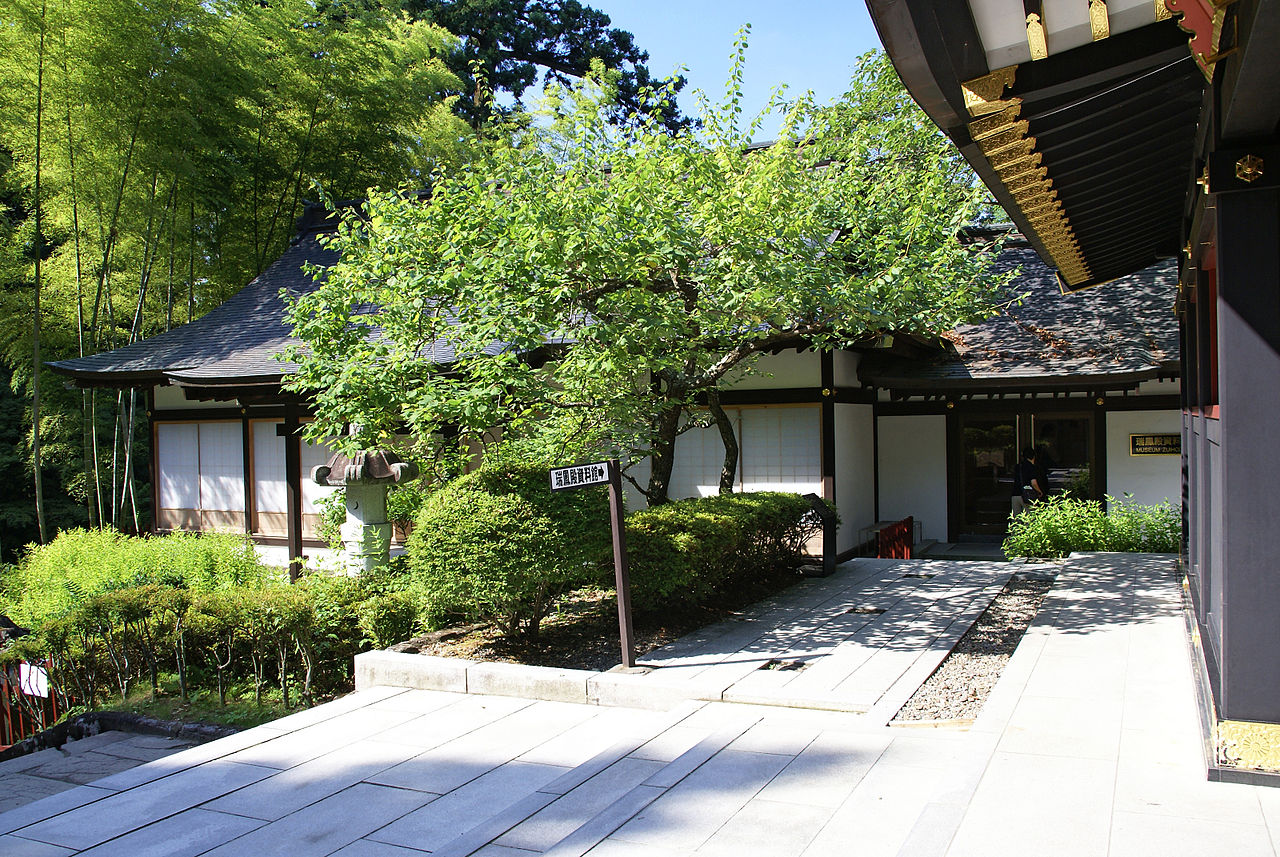
The cloth’s home in the ceremonial year is steady rather than seasonal: weddings, coming-of-age and graduation ceremonies, tea-ceremony qualifications, and the formal observances held at Sendai’s own landmark shrines. A montsuki haori paired with Sendai-hira hakama remains the recognized formal standard for Japanese men, which is exactly why the fabric’s reputation has outlasted the domain that created it.
Price snapshot across stores
JPY (¥) is the authoritative price for the specific listed item; USD figures are approximate estimates at a ¥150/USD baseline as of mid-2026. At the time of writing, a confirmed live price for this listing was not available in our data; verify the current figure at the retailer before purchasing.
| Store | Item / Variant | Price (JPY / USD est.) | Notes |
|---|---|---|---|
| 🇺🇸 Amazon US (search) | Browse Japanese silk hakama & formal wear | varies (USD) | Best if you are shopping from the US — Prime shipping, USD pricing, no international customs. Amazon US carries Japanese kimono and hakama from various makers; genuine Honba Sendai-hira is sourced from Japan (next row). |
| 🇯🇵 Amazon JP Global Store | Honba Sendai-hira silk hakama (ASIN B07485J63W) | Check live price | Where this specific item is sourced. Ships internationally from Japan to most major destinations. Live price was unavailable in our data at the time of writing. |
| Maker direct | Honba Sendai-hira weavers / specialist kimono shops | Varies (¥, USD est.) | Specialist kimono retailers may carry tailored or made-to-order Sendai-hira; pricing and international shipping vary by shop. Unconfirmed in our data — inquire directly. |
| Proxy services (Buyee / Tenso) | Forwarding for Japan-only listings | Item price + forwarding fee | Useful if a listing does not ship to your country directly; adds a service fee and a consolidation/forwarding step. Expect customs duties on orders above your local threshold. |
What it does well
The defining hari keeps formal pleats crisp through a long ceremony — the practical reason it became the standard.
A traceable lineage from Genroku-era Nishijin technique, recognized at the highest tier of traditional craft.
The subtle tate-jima reads as formal rather than decorative — appropriate for the most serious occasions.
Hand-woven raw silk gives a depth of surface and drape that synthetic hakama cloth does not replicate.
Weaknesses and things to verify before buying
- Price. Genuine silk Sendai-hira sits far above cotton or tetron hakama. If budget is the priority, this is not the category to economize in — buy a synthetic hakama instead.
- Care. Silk is dry-clean-only and sensitive to humidity, perspiration, and rain. It demands airing, careful storage, and professional cleaning — not a wash-and-go garment.
- Sizing. Hakama length and waist are not standardized the way Western trousers are; measurements for this specific listing are unconfirmed in our data. Confirm the size chart and your own measurements before ordering.
- Authenticity. “Sendai-hira style” or “Sendai-hira-pattern” synthetic hakama exist and are not the same as Honba (genuine, origin-woven) silk. Verify the listing actually states silk and genuine origin.
- Use case mismatch. For martial arts (kendo, aikido, iaido), formal silk is the wrong tool — those disciplines want tough, washable cotton or tetron that survives heavy movement.
- Live pricing and stock. A confirmed current price was not available in our data at the time of writing; both price and availability fluctuate. Verify at the retailer before committing.
- It is hakama only. A complete formal set also needs a montsuki kimono, a haori, and accessories. Budget for the full ensemble, not the hakama alone.
Conclusion — which buyer type are you?
You want the genuine article for a once-in-a-lifetime formal occasion and value heritage and pleat-hold over price. Honba Sendai-hira silk is exactly your category.
You attend formal events occasionally and want a respectable hakama without top-tier cost. A mid-grade silk or high-quality silk-blend may serve; weigh it against the genuine article.
You need a hakama for cost-conscious or repeated use. Cotton or tetron is washable, durable, and a fraction of the price — the sensible choice.
You need martial-arts or costume hakama, or cannot manage silk care. Genuine Sendai-hira is the wrong purchase — choose a synthetic alternative.
Other ways to approach this purchase
Demand for formal wear peaks around graduation and coming-of-age season; specialist shops sometimes adjust stock and pricing off-season. There is no harm in timing a non-urgent purchase.
High-quality silk hakama enter the second-hand kimono market in good condition because they are worn rarely. A vetted pre-owned piece can be a sensible path — inspect for stains and odor.
For a high-ticket textile, marketplace points or card rewards meaningfully offset the cost. Check whether your platform is running a points campaign before checkout.
For a single ceremony, a formal-wear rental set is far cheaper than owning genuine silk. If you will wear it once, renting — or skipping ownership entirely — is the rational option.
🏆 Editor’s Pick
❓ Frequently Asked Questions
What exactly is Sendai-hira, and why is it considered the formal standard?
Sendai-hira is a hand-woven silk cloth made in Sendai, Miyagi, used primarily for formal men’s hakama. It was established as a domain industry in the Genroku era under the Date lords using Kyoto Nishijin techniques. Its crisp hari, which holds a sharp pleat, and its restrained vertical stripe made it the cloth Edo-period formal dress was measured against, and the weaving technique is recognized at the highest tier of traditional craft.
Does it ship internationally?
The specific item is sourced from the Amazon JP Global Store, which ships to most major destinations from Japan. If a particular listing does not ship to your country, a proxy/forwarding service such as Buyee or Tenso can receive and re-ship it. Expect customs duties on orders above your local threshold, and verify shipping options at checkout.
How do I care for a silk Sendai-hira hakama?
Treat it as dry-clean-only. Silk is sensitive to humidity, perspiration, and rain; air the garment after wearing, store it flat or folded away from direct light, and use a professional kimono cleaner for stains. It is not machine-washable.
Is this suitable for kendo, aikido, or other martial arts?
No. Martial-arts hakama should be tough, washable cotton or tetron that withstands heavy movement and frequent laundering. Genuine silk Sendai-hira is a formal-dress garment and the wrong choice for training or competition.
How do I know I am buying genuine Honba Sendai-hira and not a synthetic look-alike?
Check that the listing explicitly states silk (kinu) and genuine origin (Honba / 本場 Sendai-hira), not “Sendai-hira style” or “Sendai-hira pattern.” Synthetic hakama imitating the stripe exist at much lower prices; the fiber and stated origin are the distinguishing details.
What is the current price?
A confirmed live price was not available in our data at the time of writing, and prices for genuine silk hakama fluctuate by grade, size, and seller. JPY is the authoritative figure for the specific listed item; any USD shown elsewhere is an estimate at a ¥150/USD baseline. Verify the current price at the retailer before purchasing.
Do I need anything besides the hakama for a complete formal outfit?
Yes. A complete men’s formal set pairs the hakama with a montsuki kimono, a haori (formal jacket), and accessories. The hakama is one component; budget for the full ensemble rather than the cloth alone.
jpmono.com is curated by a Japan-based editorial team (working out of Toyama in the Hokuriku region and Nara in Kansai) and is independent. We do not take payment from the makers we feature; income comes from affiliate links. We do not physically test every product — we read maker specs and source listings.
This article was prepared with AI assistance and reviewed against the available listing and craft-tradition data. Where listing data was thin or unconfirmed, that is stated plainly rather than filled with assumptions.
Affiliate disclosure: jpmono.com may earn a commission on qualifying purchases made through links on this page, at no additional cost to you.