![Imado-yaki Maneki-neko Lucky Cat: Tokyo Clay Figurine Where to Buy [2026]](https://jpmono.com/wp-content/uploads/2026/06/imado-yaki-maneki-neko-lucky-cat-figurine-where-to-buy-2026-featured.jpg)
The maneki-neko (招き猫, “beckoning cat”) is one of the most widely recognized objects in the world that almost nobody can place geographically. It sits in restaurant windows from Los Angeles to Lisbon, usually as a battery-powered plastic figure with a waving paw. What far fewer people know is that one of the two leading origin legends of the lucky cat points to a single low-fired earthenware tradition in old Tokyo: Imado-yaki (今戸焼), the clay craft of the Imado district of Asakusa.
Imado-yaki grew up along the Sumida River from the early Edo period, when kilns there turned out everyday goods for the commoners of the shogun’s capital — roasting pans, braziers, roof tiles — and, importantly, clay dolls and engimono (縁起物, “good-luck figures”). The beckoning cat is the most famous of those figures. An authentic, hand-shaped, hand-painted Imado cat is a very different object from the molded ceramic and plastic versions sold worldwide, and today only a handful of workshops still make them.
This guide is written from a Japan-based editor’s perspective for international readers who want the real thing rather than a souvenir-shop copy. We cover what the craft actually is, the Edo-Asakusa history behind it, who the figure suits and who should skip it, how it compares to other Japanese clay figures and Tokyo crafts we have profiled, and the realistic paths to buying one from outside Japan.
🔄 Updated:
⏱️ Read time: ~11 min

- Who this is for — and who should skip it
- Product overview (from published specs)
- Which finish should you choose?
- Price snapshot across stores
- What it does well
- Weaknesses and things to verify before buying
- Conclusion — which buyer type are you?
- Other ways to approach this purchase
- Where this comes from
- 🏆 Editor’s Pick
- ❓ Frequently Asked Questions
Who this is for — and who should skip it
- Want a lucky cat with genuine provenance — a specific Tokyo kiln tradition, not a generic import
- Appreciate hand-shaped, hand-painted earthenware where small irregularities are the point
- Are buying a meaningful housewarming, shop-opening, or new-business gift
- Care about the Edo-merchant fortune symbolism (right paw vs. left paw)
- Collect Japanese clay dolls and regional engimono
- Just want an inexpensive waving-paw cat for a counter — a molded version costs far less
- Need a battery-powered or solar moving-arm cat (Imado cats are static)
- Expect flawless, machine-uniform finish — earthenware shows tool and brush marks
- Want something dishwasher-safe or food-use; this is a decorative figure
- Need it tomorrow and live outside Japan — international shipping takes time
Product overview (from published specs)
Source data for this specific listing was thin at the time of writing: only the Amazon JP Global Store listing snapshot was available, and the automated price/spec feed returned no figures. Where a value could not be verified, the table says so rather than guessing. Live pricing and availability may have shifted since the writing date — always confirm at the retailer.
| Attribute | Detail | Source |
|---|---|---|
| Craft | Imado-yaki (今戸焼) — low-fired earthenware | Maker / craft tradition |
| Object | Maneki-neko (beckoning lucky cat) figurine | Listing |
| Material | Hand-shaped clay, hand-painted | Listing / craft tradition |
| Origin | Imado, Asakusa, Taito Ward, Tokyo | Craft tradition |
| Use | Decorative engimono (good-luck figure) | Craft tradition |
| Size / weight | Unconfirmed — check the live listing | Not in fetched data |
| ASIN | B0FYFFRB6Q | Amazon JP Global Store |
Spec sources: Amazon US search (primary, moonill-20) + Amazon JP Global Store (secondary, moonill-22, sourced listing) + maker/craft-tradition reference. Numeric specs absent from the feed are marked “Unconfirmed.”
📖 Glossary — key terms
- Imado-yaki (今戸焼) — low-fired earthenware made in the Imado district of Asakusa, Edo (now Tokyo), from the early Edo period.
- Maneki-neko (招き猫) — the “beckoning cat,” a clay or ceramic good-luck figure with a raised paw.
- Engimono (縁起物) — a good-luck object believed to invite fortune; the maneki-neko is the best-known example.
- Horoku (焙烙) — a shallow earthenware roasting pan, one of the everyday goods Imado kilns mass-produced.
- Edo period — 1603–1868, when the Tokugawa shogunate ruled from Edo (renamed Tokyo in 1868).
- Asakusa — the historic downtown district of Tokyo around Senso-ji temple, near the old Imado kilns.
Which finish should you choose?
This piece is listed in 10 finishes. The photos below are the actual 色 options on the listing right now — pick the one you want and confirm it on the product page before ordering, since hand-finished wares vary slightly piece to piece.
![Imado-yaki Maneki-neko Lucky Cat: Tokyo Clay Figurine Where to Buy [2026] — 金手赤 finish](https://m.media-amazon.com/images/I/31uc5-WJO+L._SL500_.jpg)
![Imado-yaki Maneki-neko Lucky Cat: Tokyo Clay Figurine Where to Buy [2026] — 金手白 finish](https://m.media-amazon.com/images/I/21awtRXiTSL._SL500_.jpg)
![Imado-yaki Maneki-neko Lucky Cat: Tokyo Clay Figurine Where to Buy [2026] — ブラック finish](https://m.media-amazon.com/images/I/31Ni1-hTauL._SL500_.jpg)
![Imado-yaki Maneki-neko Lucky Cat: Tokyo Clay Figurine Where to Buy [2026] — 薄水 finish](https://m.media-amazon.com/images/I/21bOdElxNkL._SL500_.jpg)
![Imado-yaki Maneki-neko Lucky Cat: Tokyo Clay Figurine Where to Buy [2026] — レッド finish](https://m.media-amazon.com/images/I/31wqzryZ9pL._SL500_.jpg)
![Imado-yaki Maneki-neko Lucky Cat: Tokyo Clay Figurine Where to Buy [2026] — ブラック finish](https://m.media-amazon.com/images/I/311N7fh-p0L._SL500_.jpg)
![Imado-yaki Maneki-neko Lucky Cat: Tokyo Clay Figurine Where to Buy [2026] — 薄水 finish](https://m.media-amazon.com/images/I/21wU3ooJGnL._SL500_.jpg)
![Imado-yaki Maneki-neko Lucky Cat: Tokyo Clay Figurine Where to Buy [2026] — レッド finish](https://m.media-amazon.com/images/I/31av9leDAVL._SL500_.jpg)
![Imado-yaki Maneki-neko Lucky Cat: Tokyo Clay Figurine Where to Buy [2026] — calico ミケ finish](https://m.media-amazon.com/images/I/31AIX+6NYkL._SL500_.jpg)
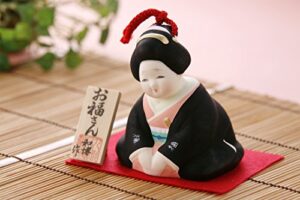
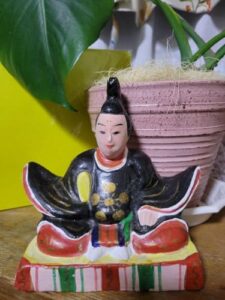
Related Tokyo crafts and Japanese clay figures we have profiled, for context on materials, price tiers, and gifting.
Price snapshot across stores
Live pricing was unavailable from the feed at the time of writing; the JPY price for the specific listing is the authoritative figure once confirmed on the listing page. USD figures are approximate at a ¥150/USD baseline as of mid-2026.
| Store | Item / variant | Price (JPY + USD est.) | Notes |
|---|---|---|---|
| 🇺🇸 Amazon US (search) | Browse Japanese maneki-neko & clay figurines | varies (USD) | Best if you are shopping from the US — Prime shipping, USD pricing, no international customs. Amazon US carries many Japanese lucky-cat and clay figures for comparison; the authentic Imado-yaki piece ships from Japan (next row). |
| 🇯🇵 Amazon JP Global Store | Imado-yaki maneki-neko (ASIN B0FYFFRB6Q) | Check listing (USD est. at ¥150/USD) | The sourced listing for this exact item. Ships internationally from Japan to most major destinations. |
| Maker direct | Workshop / kiln pieces | Varies | Only a handful of Imado-yaki workshops remain; some sell on-site in Asakusa with limited online ordering. |
| Proxy services (Buyee / Tenso) | Domestic-only listings | Item price + proxy fee + forwarding | Useful for Japan-only shop listings; adds handling and consolidated-shipping fees, and customs may apply. |
What it does well
Tied to a specific Edo-era Tokyo kiln tradition and one of the maneki-neko’s two birth legends — not a generic import.
Hand-shaped and hand-painted; each cat carries small variations that mass-molded versions cannot.
Deep Edo-merchant fortune symbolism makes it a fitting housewarming, shop-opening, or new-business present.
With only a few workshops still hand-making Imado cats, an authentic piece is genuinely scarce.
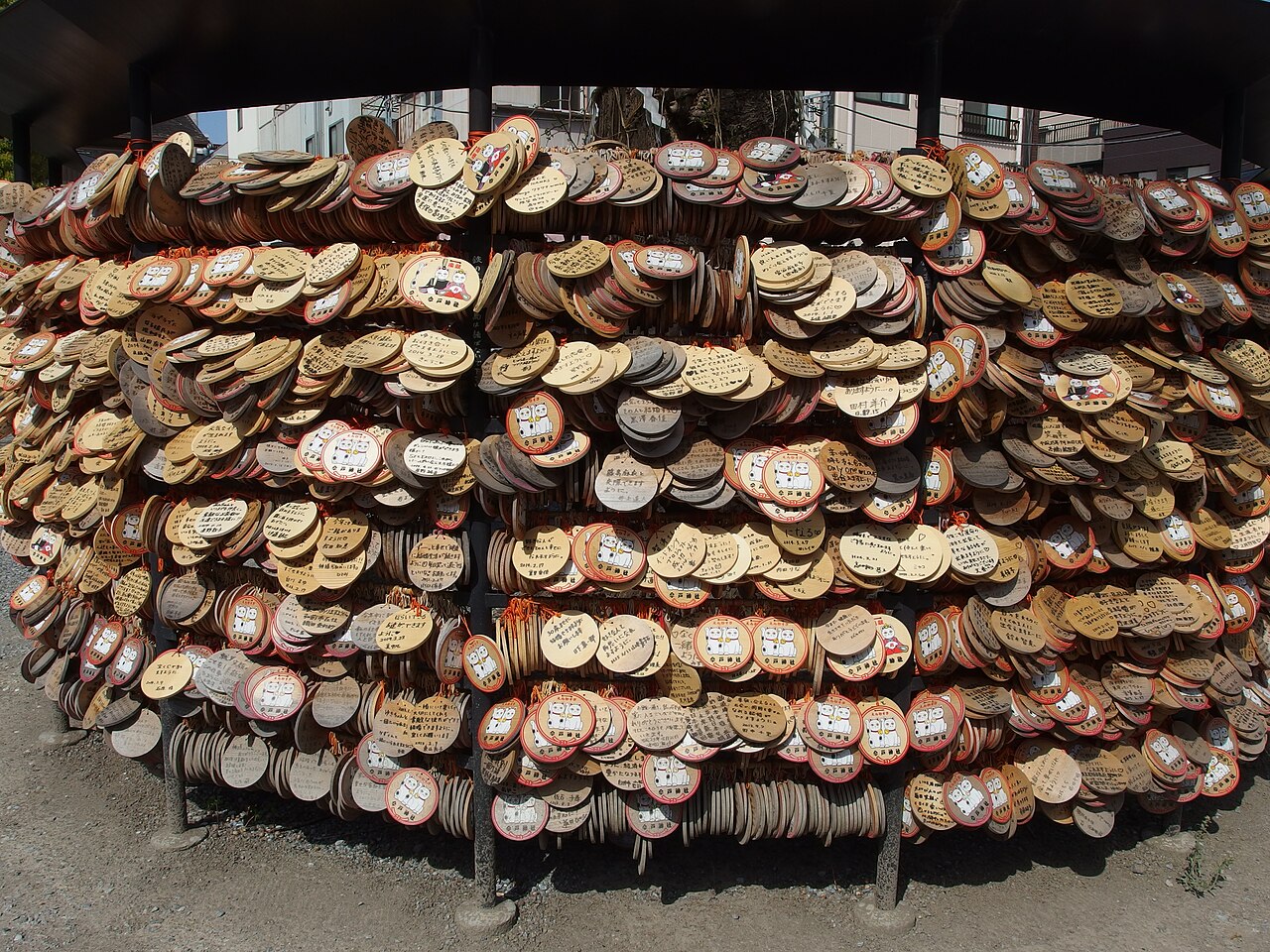
“The maneki-neko is recognized in restaurant windows worldwide — yet the clay it was first shaped from came from a single bend of the Sumida River in old Asakusa.”
Weaknesses and things to verify before buying
- Price and size are unconfirmed in the feed. The automated snapshot returned no numeric specs; confirm dimensions and current price on the live listing before ordering.
- It is a static decorative figure. There is no moving paw, battery, or solar mechanism — if you want a waving cat, this is not it.
- Earthenware is fragile. Low-fired clay chips and breaks more easily than stoneware or porcelain; international shipping raises the breakage risk, so check packaging and return terms.
- Hand-painting varies. Colors, expression, and brushwork differ piece to piece; the photo is representative, not exact.
- “Imado-yaki” is sometimes used loosely. Because the name carries cachet, verify the seller actually identifies the workshop or kiln rather than applying the label to a generic clay cat.
- Not for food or water use. Treat it as a display object only; do not wash it in a dishwasher or soak it.
- Lead time from Japan. International delivery takes longer than domestic Prime; order well ahead if it is a dated gift.
Conclusion — which buyer type are you?
You want the authentic, hand-shaped Imado-yaki cat with documented provenance and accept the cost and lead time. Buy the sourced JP listing.
You like the heritage story but want choice and faster shipping. Browse Japanese lucky cats on Amazon US, then decide.
You mainly want a beckoning-cat look for a counter. A molded ceramic version costs far less and is fine for the purpose.
You need a moving-arm or food-safe item, or cannot wait for shipping from Japan. This figure will disappoint.
Other ways to approach this purchase
Amazon JP Global Store pricing fluctuates with the yen; a weaker yen lowers the USD-equivalent cost for overseas buyers.
A few Asakusa workshops sell on-site; visiting or contacting them can secure a documented, kiln-named piece.
If you buy through Amazon US, Prime members can offset cost with card points and shipping benefits.
For Japan-only shop listings, a proxy service (Buyee / Tenso) forwards the parcel — at extra handling cost.
Where this comes from

Imado is a district of Asakusa, in the northeast of central Tokyo, on the west bank of the Sumida River in present-day Taito Ward. In the Edo period this was the heart of the shogun’s capital — the working, mercantile downtown known as shitamachi. Two things made it a natural home for earthenware: soft alluvial clay deposited along the riverbank, and the Sumida itself, which carried both raw material and finished goods to households across the city.
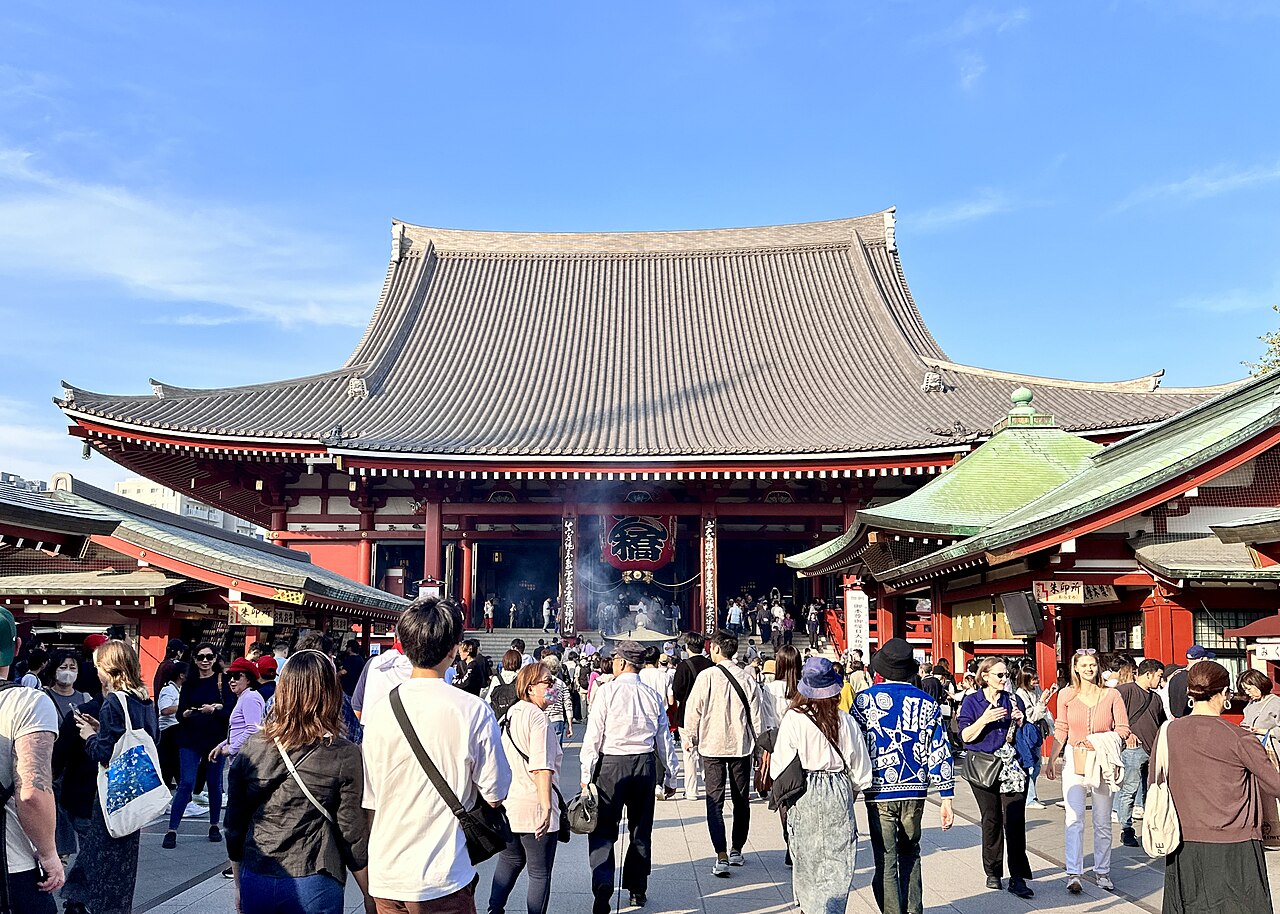
From the early Edo period, kilns in Imado mass-produced the unglamorous goods that everyday Edo life ran on: horoku roasting pans, hibachi braziers, and roof tiles. Edo was the most populous city in the world by the eighteenth century, and that demand kept the kilns busy. Alongside the utilitarian ware, the same potters shaped clay dolls and engimono — good-luck figures for ordinary townspeople who could not afford fine porcelain.
The most famous of those figures is the maneki-neko. Imado is one of the two leading origin legends of the beckoning cat. The story attached to Imado Shrine tells of an impoverished old woman who, forced to part with her cat, was visited by it in a dream and told to make its likeness in clay; she sold the clay cats and escaped poverty. It is a folk legend, traditionally believed rather than documented, but it is why the Imado name and the lucky cat are so tightly bound.
- 1603 — The Edo period begins; the Tokugawa shogunate makes Edo the seat of power.
- Early Edo (1600s) — Kilns are established in the Imado district of Asakusa along the Sumida River.
- 17th–18th c. — Imado-yaki mass-produces horoku roasting pans, hibachi braziers, and roof tiles for Edo households.
- Edo period — Clay dolls and engimono become an Imado specialty for the city’s commoners.
- Mid-1800s (late Edo) — The maneki-neko legend tied to Imado Shrine spreads; clay beckoning cats become a signature product.
- 1868 — Edo is renamed Tokyo; the city modernizes rapidly in the Meiji era.
- 20th c. — As Asakusa urbanizes, most Imado kilns close and the craft nearly dies out.
- 2026 — Only a handful of workshops still hand-shape and hand-paint authentic Imado-yaki cats.
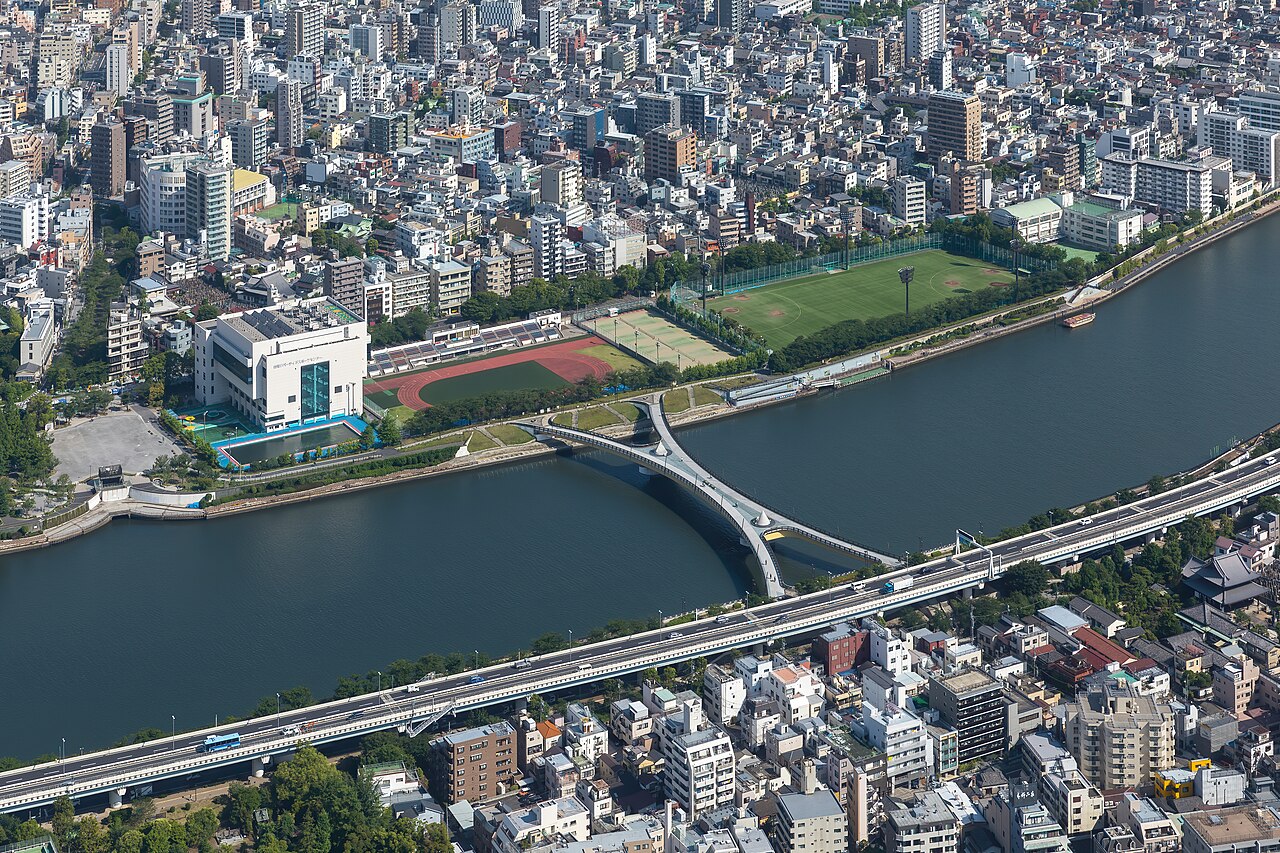
What “still being made here” means today is, frankly, a story of survival rather than scale. As Asakusa urbanized through the twentieth century, the kilns that once lined the riverfront disappeared, and Imado-yaki came close to extinction. The craft now rests with only a small number of workshops that continue to hand-shape and hand-paint the cats in the old way. That scarcity is exactly why an authentic Imado piece differs so sharply from the molded ceramic and plastic lucky cats produced by the millions elsewhere.
The figure carries specific Edo-merchant symbolism worth knowing before you buy. A raised right paw is traditionally said to beckon money and good fortune; a raised left paw is said to beckon customers and people — which is why shops often favor the left-paw cat. The symbolism is folk tradition, not a rule, but it shapes which cat a Japanese buyer chooses for a home versus a business.
🏆 Editor’s Pick
❓ Frequently Asked Questions
What is the difference between an Imado-yaki cat and a regular lucky cat?
Imado-yaki is a specific low-fired earthenware tradition from the Imado district of Asakusa, Tokyo, dating to the early Edo period. Authentic pieces are hand-shaped and hand-painted, whereas most lucky cats sold worldwide are mass-molded ceramic or plastic. Imado is also one of the two leading origin legends of the maneki-neko itself.
What do the raised paws mean?
By folk tradition, a raised right paw is said to beckon money and good fortune, while a raised left paw is said to beckon customers and people. Shops often choose the left-paw cat for that reason. These are traditional beliefs rather than documented rules.
Does it ship internationally?
The sourced listing is on Amazon JP Global Store, which ships to most major destinations from Japan. For Japan-only shop listings, a proxy service such as Buyee or Tenso can forward the parcel for an extra fee. Customs duties may apply above your local threshold.
How fragile is it, and how should I care for it?
It is low-fired earthenware, which chips and breaks more easily than stoneware or porcelain. Treat it as a decorative display object: dust gently, keep it away from edges and curious pets, and do not wash it in a dishwasher or soak it in water.
Is it a good gift?
Yes. The Edo-merchant fortune symbolism makes it a fitting housewarming, shop-opening, or new-business present. A left-paw cat suits a business; a right-paw cat suits a home wishing for prosperity.
How much does it cost?
Only the Amazon JP listing snapshot was available at the time of writing and the price feed returned no figure, so confirm the current JPY price on the listing page. The JPY price is authoritative; any USD figure is an approximate estimate at a ¥150/USD baseline.
Can I buy it directly from the maker?
A few Imado-yaki workshops remain in the Asakusa area and some sell on-site, which is the surest way to get a kiln-named, documented piece. Online maker-direct ordering is limited, so the Amazon JP Global Store listing is usually the more practical path for overseas buyers.
jpmono.com is curated by a Japan-based editorial team (working out of Toyama in the Hokuriku region and Nara in Kansai) and is independent. We do not take payment from the makers we feature; income comes from affiliate links.
Note: This article was prepared with AI assistance and reviewed against the available listing data. Specs and prices not present in the source data were marked unconfirmed rather than estimated.
Affiliate disclosure: jpmono.com may earn a commission on qualifying purchases made through links on this page, at no additional cost to you.