![Tosa Uchihamono Kuro-uchi Nakiri: Hand-Forged Vegetable Knife [2026]](https://jpmono.com/wp-content/uploads/2026/06/tosa-uchihamono-kurouchi-nakiri-where-to-buy-2026-featured.jpg)
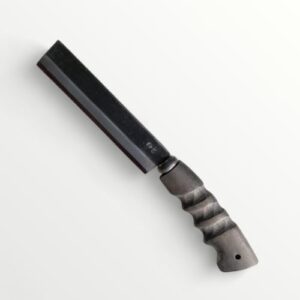
The nakiri (菜切, “vegetable cutter”) is the quiet workhorse of the Japanese home kitchen — a flat, rectangular, double-bevel blade built to drop straight down through cabbage, daikon, and onion without the rocking motion a Western chef’s knife relies on. The version covered here comes from Tosa, the old name for what is now Kochi Prefecture on the Pacific side of Shikoku, and it wears the trade’s signature look: a kuro-uchi (黒打, “black forge finish”) body where the dark iron forge-scale is left on the blade rather than polished away, with only the cutting edge ground bright.
Tosa Uchihamono (土佐打刃物, “Tosa forged blades”) is not a boutique revival. It grew out of a working-tool economy: Kochi is the most heavily forested prefecture in Japan, and for centuries its smiths supplied the axes, hatchets, billhooks, and sickles that the timber trade and mountain farms consumed in volume. Out of that pressure came jiyu-tanzo (自由鍛造, “free forging”) — shaping each blade to order, by hand, without fixed templates. The craft was recognized as a national Traditional Craft by Japan’s Ministry of Economy, Trade and Industry (METI) in 1998.
This guide is for the cook who wants a practical, evergreen carbon-steel vegetable knife with real regional provenance rather than a display piece — and who is comparing where, and how, to buy one from outside Japan. Below we cover who the knife suits, what the listing actually states, the place and history behind it, a price snapshot across stores, strengths and caveats, and an Editor’s Pick with both a US search path and the sourced Japan listing.
🔄 Updated: June 14, 2026
⏱️ Read time: ~10 min

- Who this is for — and who should skip it
- Product overview (from published specs)
- 📍 Where this comes from — place, era, and the craft tradition
- 📌 How does it compare?
- Price snapshot across stores
- What it does well
- Weaknesses and things to verify before buying
- Conclusion — which buyer type are you?
- Other ways to approach this purchase
- 🏆 Editor’s Pick
- ❓ Frequently Asked Questions
Who this is for — and who should skip it
- Do a lot of vegetable prep and want a flat edge that cuts cleanly to the board in one push-down stroke
- Like the rustic look of a kuro-uchi black finish and don’t need a mirror polish
- Accept carbon steel’s trade-off: a keener, easier-to-sharpen edge in exchange for regular drying and oiling
- Value provenance — an actual METI-designated regional forging tradition, not a generic import
- Want an affordable, repairable everyday knife rather than a collector’s piece
- Want a zero-maintenance knife — carbon steel rusts if left wet and the bare forge-scale is not stainless
- Prefer a rocking-motion chef’s knife or a curved gyuto for mixed tasks (a nakiri is vegetable-specialized)
- Need a dishwasher-safe blade (hand-wash and dry only)
- Expect a uniform, factory-perfect cosmetic finish — free-forged blades vary piece to piece
- Are buying a heavy-duty meat or bone knife — a thin nakiri is the wrong tool for that
Product overview (from published specs)
Based on the listing and the maker tradition, the table below summarizes what can be stated with confidence. One honest caveat up front: the live data snapshot for this keyword returned no captured price or attribute fields at the time of writing, so figures sourced only from the live listing are marked “Not captured — verify at listing.” Specs described below reflect the Tosa Uchihamono category and the kuro-uchi nakiri product type rather than invented numbers.
Tosa Uchihamono Kuro-uchi Nakiri
土佐刃物 包丁 黒打ち 菜切り包丁 白鋼 1号 165mm
残り10点(入荷予定あり) · Sold by Amazon.co.jp · ASIN B00DLYIE2I
Price and availability as of 2026-09-01 05:22 JST. The Amazon listing at the time of purchase is authoritative. jpmono.com earns a commission on qualifying purchases at no extra cost to you.
| Attribute | Detail | Source |
|---|---|---|
| Product type | Nakiri (菜切) — flat double-bevel vegetable knife | Maker tradition |
| Tradition | Tosa Uchihamono, Kochi Prefecture; METI Traditional Craft (1998) | Maker direct |
| Blade finish | Kuro-uchi (black forge-scale body, bright ground edge) | Maker tradition |
| Steel | Carbon steel (non-stainless); easy to sharpen, requires drying/oiling | Maker tradition |
| Forging | Jiyu-tanzo (free forging), hand-shaped per piece | Maker tradition |
| Blade length / weight | Not captured — verify at listing | Amazon JP Global Store |
| ASIN | B00DLYIE2I | Amazon JP Global Store |
Sources: Amazon US search (primary, moonill-20) + Amazon JP Global Store (secondary, moonill-22, sourced listing) + maker direct. Only the Amazon JP listing snapshot is available; live pricing and exact dimensions may have shifted since the writing date.
📖 Glossary — key terms
- Nakiri (菜切) — “vegetable cutter”; a flat, rectangular double-bevel knife used with a straight up-and-down chop rather than a rocking motion.
- Tosa Uchihamono (土佐打刃物) — “Tosa forged blades”; the blacksmithing tradition of Kochi Prefecture (old Tosa province).
- Kuro-uchi (黒打) — “black forging”; a finish that leaves the dark iron forge-scale on the blade body, grinding only the edge bright.
- Jiyu-tanzo (自由鍛造) — “free forging”; shaping each blade by hand to order, without fixed dies or templates.
- Carbon steel — non-stainless blade steel that takes a very keen edge and sharpens easily, but will rust if not dried and lightly oiled.
- METI — Japan’s Ministry of Economy, Trade and Industry, which designates official Traditional Crafts (dentō kōgeihin).
📍 Where this comes from — place, era, and the craft tradition

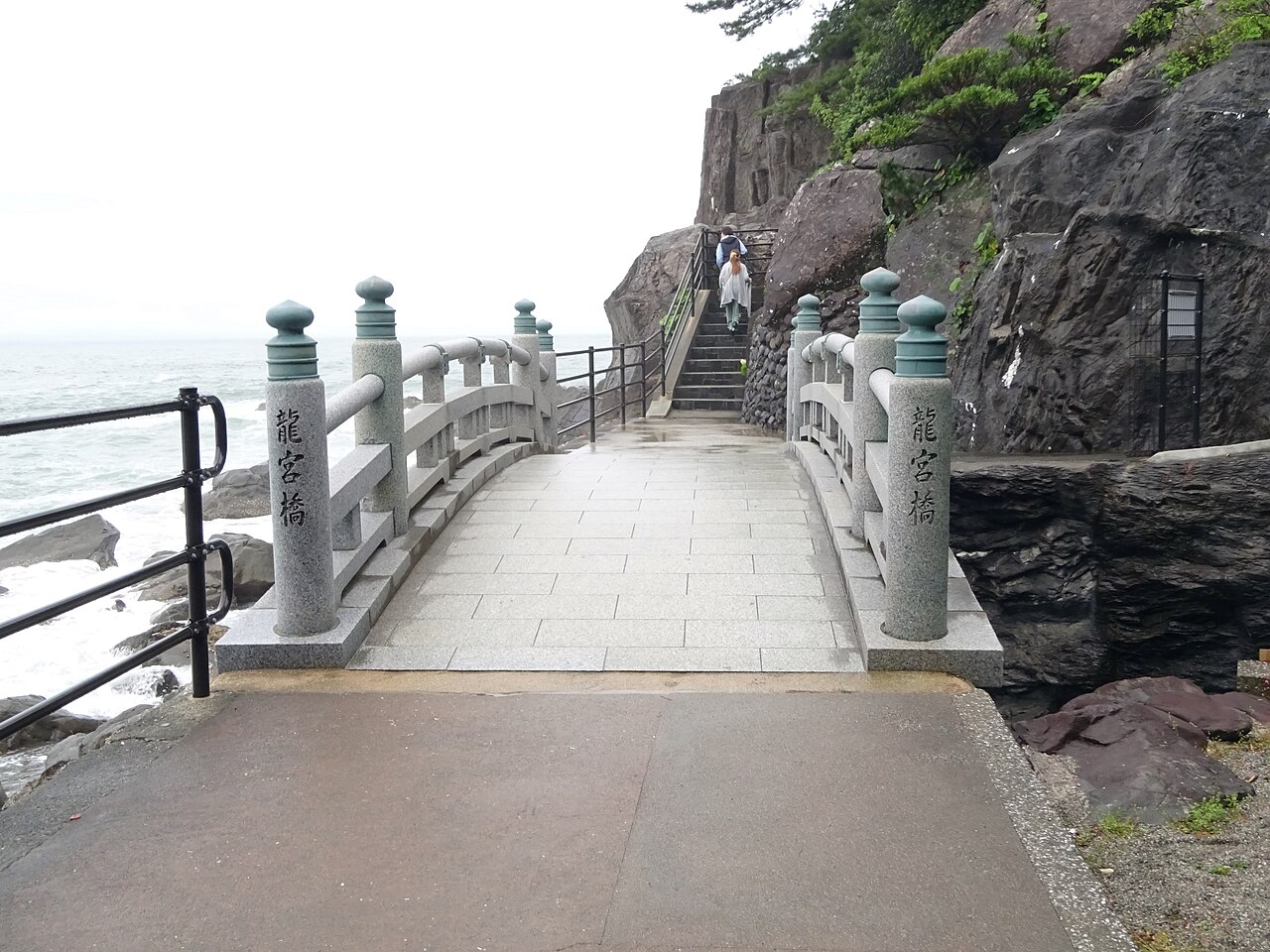
Kochi occupies the entire southern half of Shikoku, the smallest of Japan’s four main islands, facing the open Pacific. It is mountain country: roughly 84% of the prefecture is forest, the highest ratio in Japan, and the land is cut by the Shimanto — often called the country’s last clear-flowing major river — and the Niyodo. That geography is the whole story behind the knife. A timber-and-farming economy in steep, wet terrain needs axes, hatchets, billhooks, and sickles by the thousand, and it needs them repairable and cheap. The demand made the smiths.
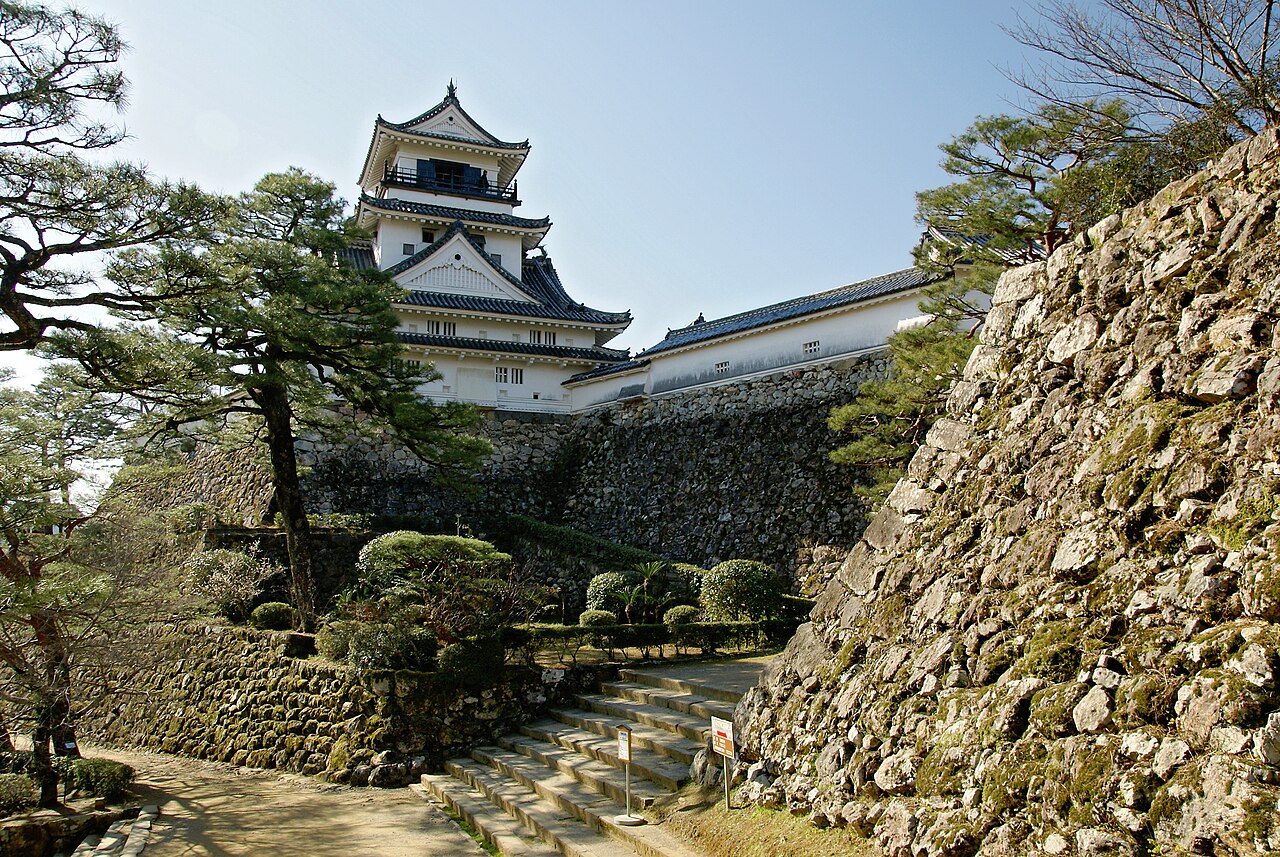
The historical anchor is the early Edo period. After the Battle of Sekigahara in 1600, Yamauchi Kazutoyo was granted Tosa and his clan established their seat at Kochi Castle — today one of only twelve surviving original castle keeps in Japan. The Yamauchi domain ran an aggressive forestry and afforestation policy, treating the prefecture’s woodlands as a managed economic resource. The surging need for forestry and farm tools is what concentrated and sharpened the local blacksmithing trade.
- 1600 — Battle of Sekigahara; Yamauchi Kazutoyo is granted the Tosa domain.
- Early 1600s — Kochi Castle town established; the domain’s forestry policy drives demand for axes, hatchets, and sickles.
- Edo period — Smiths develop jiyu-tanzo (free forging), making tools to order without templates to keep them cheap and practical.
- Edo-period records — Hundreds of smiths are already counted around the castle town.
- 1998 — METI designates Tosa Uchihamono an official Traditional Craft.
- 2026 — Kuro-uchi free-forged blades are still made by Kochi workshops today.
What sets Tosa apart from pattern-stamped blade towns is the method. Rather than forge to a fixed range of standardized shapes, Tosa smiths worked by jiyu-tanzo — free forging, shaping each blade to order. That flexibility kept tools affordable and practical, let one smith serve farmers, foresters, and households alike, and built a trade that shipped nationwide. The same hand-forging logic carries straight into a kitchen knife: a nakiri is, in spirit, a smaller relative of the billhooks and sickles the region has always made.
“The most heavily forested prefecture in Japan did not collect blacksmiths by accident — the trees made the demand, and the demand made the blades.”
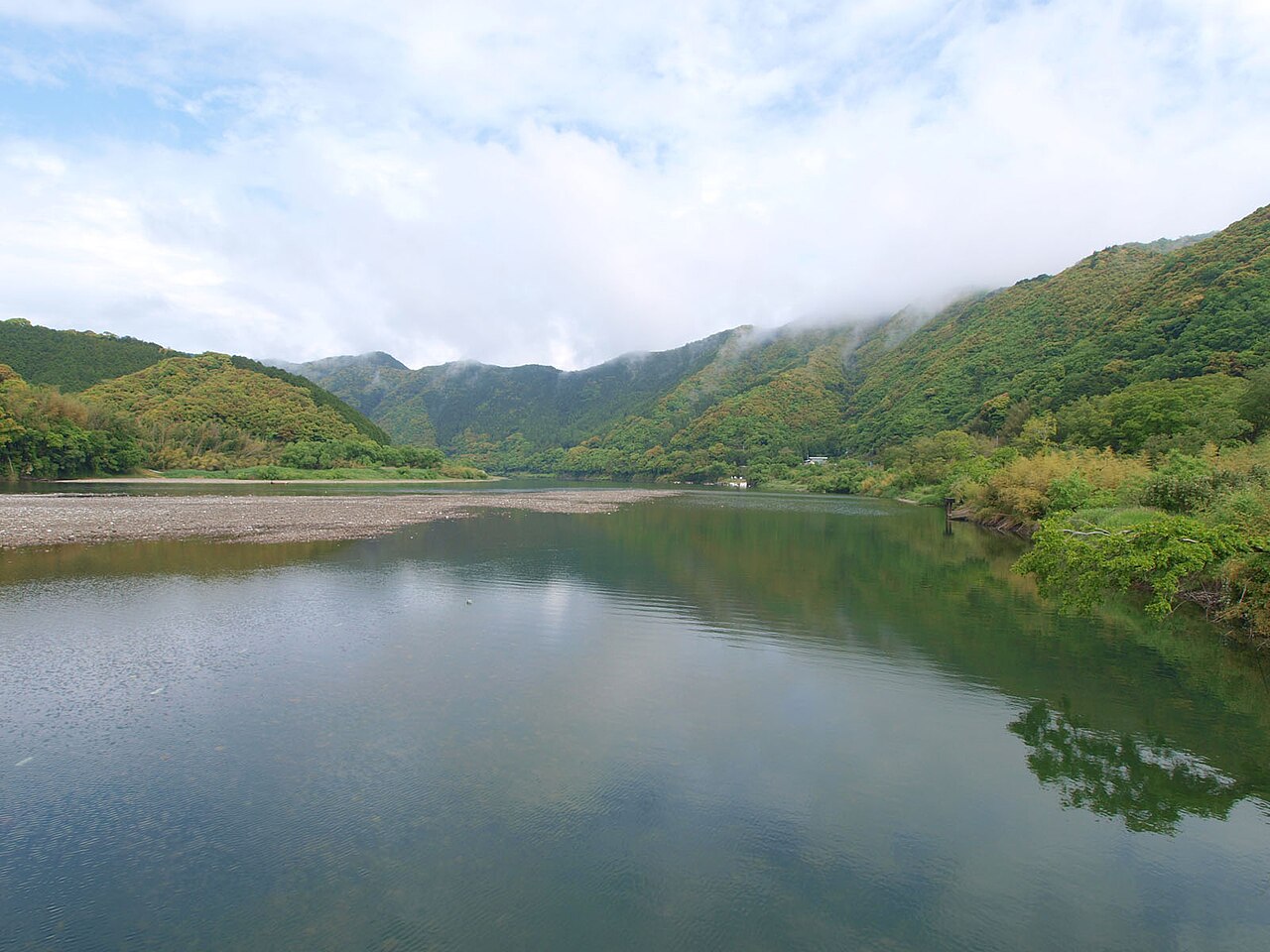
The continuity is real and ongoing. The trade survived the late-19th-century collapse of the sword market that hurt many Japanese smithing towns, precisely because Tosa’s output was working tools and household blades, not weapons. Today Kochi workshops still hand-forge kuro-uchi knives and edge tools, and the 1998 METI designation formalized what the records already showed: an unbroken, demand-driven craft. The kuro-uchi finish you see on this nakiri is not a styling choice added for export — it is the same forge-scale surface that a working tool has always worn.
📌 How does it compare?
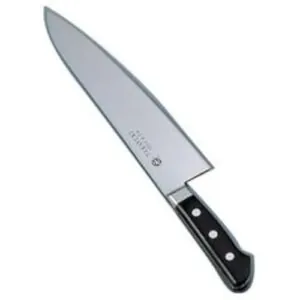
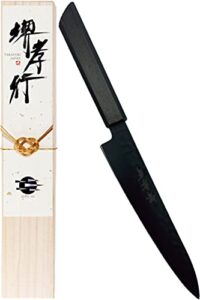
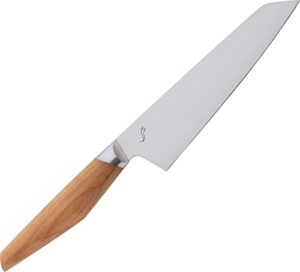
Related jpmono guides — other Kochi/Shikoku crafts and comparable Japanese blades:
Price snapshot across stores
JPY is the authoritative price for the specific listed item; USD figures elsewhere are approximate (¥150/USD baseline as of mid-2026). The live snapshot for this keyword did not capture a price, so the JP listing’s current figure should be confirmed at the link before purchase.
| Store | Item / Variant | Price (JPY + USD est.) | Notes |
|---|---|---|---|
| 🇺🇸 Amazon US (search) | Browse Japanese kitchen knives | varies (USD) | Best if you’re shopping from the US — Prime shipping, USD pricing, no international customs. Amazon US carries hand-forged Japanese kitchen knives from various makers for comparing geometry and steel; the exact Tosa kuro-uchi piece is sourced from Japan (next row). |
| 🇯🇵 Amazon JP Global Store | Tosa kuro-uchi nakiri (ASIN B00DLYIE2I) | Not captured — verify at listing | The sourced listing for the specific item in this guide. Ships internationally from Japan to most major destinations. |
| Maker direct | Tosa workshop / regional retailers | Varies | Some Kochi smiths and Tosa craft cooperatives sell directly or via Japanese craft shops; selection is wider but international shipping is not always offered. |
| Proxy services (Buyee / Tenso) | Japan-only listings forwarded abroad | Item price + forwarding fee | Useful for listings that don’t ship internationally; adds a service fee and a second shipping leg. Factor in customs duties above local thresholds. |
What it does well
Weaknesses and things to verify before buying
- Carbon steel rusts. The blade is not stainless. It must be hand-washed, dried immediately, and lightly oiled for storage; leaving it wet will produce spotting and eventually rust.
- Not dishwasher safe. Heat, prolonged moisture, and detergent will harm both the carbon-steel edge and any wooden handle.
- Vegetable-specialized. A nakiri is not a do-everything knife — it is poor at slicing protein off a bone, breaking down meat, or any task that wants a curved, rocking edge.
- Free-forged variation. Because each blade is shaped by hand, exact dimensions, weight, and the look of the kuro-uchi finish vary piece to piece; do not expect factory uniformity.
- Specs not captured in the live snapshot. Blade length, total weight, handle material, and current price were not returned in the data for this keyword — confirm all of them on the listing before buying.
- Initial patina. Carbon steel will discolor (gray/blue patina) with use, which is normal and protective but surprises buyers expecting a permanently bright blade.
- International handling. Knives can face shipping or customs restrictions to some countries; verify your destination accepts bladed-goods imports before ordering.
Conclusion — which buyer type are you?
Other ways to approach this purchase
🏆 Editor’s Pick
❓ Frequently Asked Questions
Does Amazon JP Global Store ship this knife internationally?
Amazon JP Global Store ships many household and kitchen items to most major destinations, and the sourced listing is set up for international delivery. Bladed goods can face country-specific import rules, so confirm both the listing’s ship-to coverage and your country’s rules before ordering.
Is the carbon-steel blade hard to maintain?
It needs a simple routine: hand-wash, dry immediately, and apply a thin film of food-safe oil before storage. Do not leave it wet or run it through a dishwasher. In return you get an edge that sharpens easily and cuts keenly.
Why is the blade black? Is that a coating?
The black is kuro-uchi — the natural iron forge-scale left on the blade body during hand-forging, with only the edge ground bright. It is the working surface of a real forged tool, not a painted-on finish.
How is a nakiri different from a santoku or gyuto?
A nakiri is flat-edged and vegetable-specialized, used with a straight up-and-down chop. A santoku and gyuto have curved edges suited to a rocking motion and to mixed tasks including meat. If you want one knife for everything, a santoku or gyuto is more versatile; for dedicated vegetable prep, the nakiri is cleaner.
What exactly is Tosa Uchihamono?
It is the blacksmithing tradition of Kochi Prefecture (old Tosa province), built on the region’s forestry-and-farming demand for tools and on jiyu-tanzo free forging. It was designated an official Traditional Craft by Japan’s METI in 1998.
Why does the Editor’s Pick lead with a US search link instead of the exact product?
For US and EU readers, Amazon US offers Prime shipping, USD pricing, and no international customs, so it is the easier first stop for browsing comparable Japanese knives. The specific Tosa piece in this guide is sourced from the Amazon JP Global Store, which is the second button.
Can I use a proxy service if the listing won’t ship to me?
Yes. Proxy and forwarding services such as Buyee or Tenso can receive a Japan-only order and re-ship it abroad for a fee. Expect an added service charge, a second shipping leg, and possible customs duties above your country’s threshold.
jpmono.com is curated by a Japan-based editorial team (working out of Toyama in the Hokuriku region and Nara in Kansai) and is independent. We do not take payment from the makers we feature; income comes from affiliate links.
This article was prepared with AI assistance and reviewed against the source listing data. Specs and prices reflect the data available at the time of writing and may have changed.
Affiliate disclosure: jpmono.com may earn a commission on qualifying purchases made through links on this page, at no additional cost to you.