![Kawanabe Makie Lacquer Kogo Incense Container: Where to Buy [2026]](https://jpmono.com/wp-content/uploads/2026/05/japan-map-regions-and-prefectures-800x1050.png)
A kōgo (香合, “incense container”) is one of the smallest objects on a Japanese altar, yet it carries an outsized history. The piece covered here is a gold makie (蒔絵, “sprinkled-picture” lacquer) kōgo from Kawanabe in southern Kagoshima — a lidded urushi-lacquer box, finished with kinpaku (金箔, gold leaf), built to hold the small pellets or chips of incense burned in worship. It descends directly from the Buddhist-altar (butsudan) workshops of Minamikyushu City, where gilding, makie, and fine joinery were concentrated into a single town.
What makes Kawanabe notable internationally is not the gold alone — it is why the gold is there at all. For roughly three centuries the Satsuma (Shimazu) domain banned Pure Land Buddhism, and devotees kept their faith alive in secret, worshipping hidden altars in river caves. When the ban lifted in 1876, that long-suppressed devotion surfaced as a booming altar-craft industry. The kōgo is a quiet survivor of that story.
This guide is written for international buyers weighing whether a Kawanabe makie kōgo is the right object for an altar, a tea-ceremony incense set, or a collection of Japanese lacquer. It explains the makie technique, how to read lacquer specifications, who may appreciate the form, and practical ways to seek the craft beyond Japan.
🔄 Updated:
⏱️ Read time: ~11 min
- Who this is for — and who should skip it
- Product overview (from published specs)
- Where this comes from — Kawanabe, Satsuma, and the hidden faith
- Buying considerations
- What it does well
- Weaknesses and things to verify before buying
- Conclusion — which buyer type are you?
- Other ways to approach this purchase
- ❓ Frequently Asked Questions
Who this is for — and who should skip it
- Maintain a Japanese altar (butsudan) and want a kōgo that matches gilded altar fittings
- Practice or study kōdō / tea-ceremony incense and need a small lidded container
- Collect Japanese lacquer and value makie with a documented regional lineage
- Appreciate objects whose history (the Satsuma hidden-faith story) is part of the value
- Are comfortable buying a sourced Japan-listed item and shipping it internationally
- Expect a dishwasher-safe, everyday trinket box (urushi lacquer needs gentle care)
- Need a large container — a kōgo is deliberately small, for incense, not storage
- Are sensitive to urushi (lacquer can cause skin reactions before fully cured)
- Prefer machine-made uniformity over hand-finished variation in gilding and grain
Product overview (from published specs)
Published specifications for Kawanabe makie lacquer kogo incense containers vary by maker and by the density of the maki-e work. The table below reflects what is verifiable from the regional craft record plus the established attributes of Kawanabe makie altar craft; unconfirmed fields are marked rather than guessed.
| Attribute | Detail (per available data) |
|---|---|
| Object type | Kōgo (香合) — small lidded incense container |
| Craft tradition | Kawanabe butsudan lacquerwork — nationally designated traditional craft |
| Material / finish | Wood core with urushi (漆) lacquer; makie and kinpaku gold-leaf decoration |
| Origin | Kawanabe, Minamikyushu City, Kagoshima Prefecture, Kyūshū |
| Dimensions / weight | Varies by maker |
| Source | Role | What it tells us |
|---|---|---|
| 🇺🇸 Amazon US (search) | Primary path | Comparable Japanese lacquer & incense goods in USD; the exact kōgo is sourced from Japan |
| Maker direct | Reference | Kawanabe altar workshops; typically Japan-domestic ordering only |
| Proxy services (Buyee / Tenso) | Fallback | Forwarding for Japan-only shops |
📖 Glossary — key terms
Kōgo (香合) — a small lidded container for incense, used on Buddhist altars and in the tea ceremony. The piece in this guide is a kōgo.
Makie (蒔絵, “sprinkled picture”) — a decorative technique in which a design is drawn in wet urushi, then metal powder (often gold) is sprinkled onto it and fixed as the lacquer cures.
Urushi (漆) — the sap of the lacquer tree, refined and applied in many thin coats. It cures into a hard, water-resistant film. Uncured urushi can irritate skin.
Kinpaku (金箔) — gold leaf, hammered into sheets thinner than paper and applied to lacquer surfaces; central to Kawanabe altar gilding.
Butsudan (仏壇) — a household Buddhist altar. Kawanabe is one of Japan’s designated centers of butsudan craftsmanship.
Kakure nenbutsu (隠れ念仏, “hidden nenbutsu”) — the secret practice of Pure Land devotion in Satsuma during the centuries the domain banned it.
Gama (がま) — a cave; the riverside caves near Kawanabe where hidden worship took place.
Where this comes from — Kawanabe, Satsuma, and the hidden faith

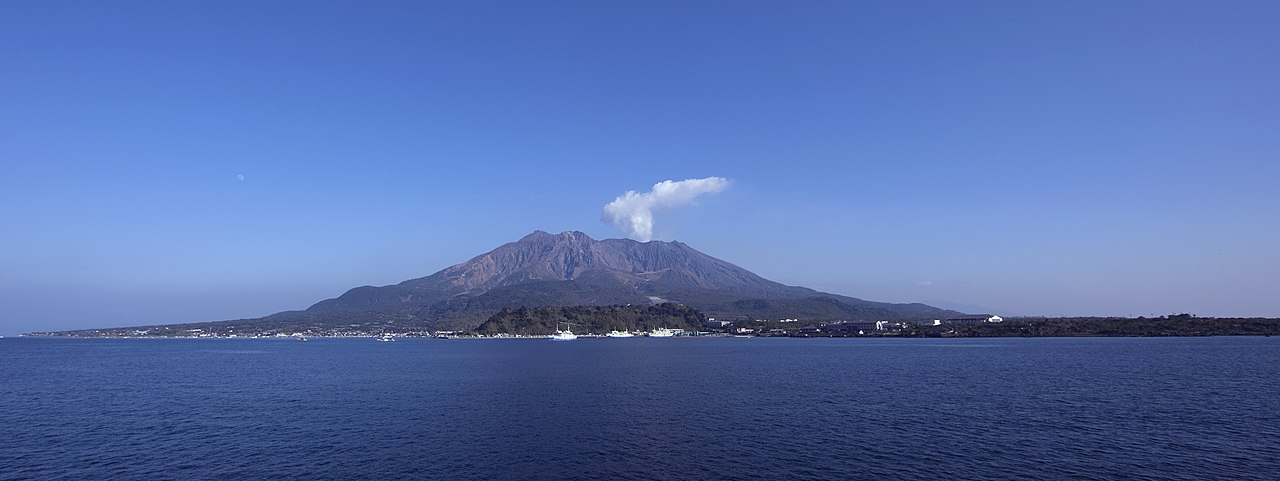
Kagoshima sits at the southern end of Kyūshū, the southwesternmost of Japan’s four main islands — roughly 1,000 km from Tokyo and far enough south that its climate is nearly subtropical. The Satsuma Peninsula, where Kawanabe lies, faces Kagoshima Bay and the constantly smoking cone of Sakurajima. This was the old Satsuma domain, the most remote of the great feudal territories, governed for centuries by the Shimazu clan.
That remoteness shaped its culture. Satsuma developed crafts of its own — Satsuma-yaki pottery, Satsuma Kiriko cut glass, and the gilded altar work of Kawanabe — under a domain that was both a patron of elite craft and, toward common religious practice, unusually severe.
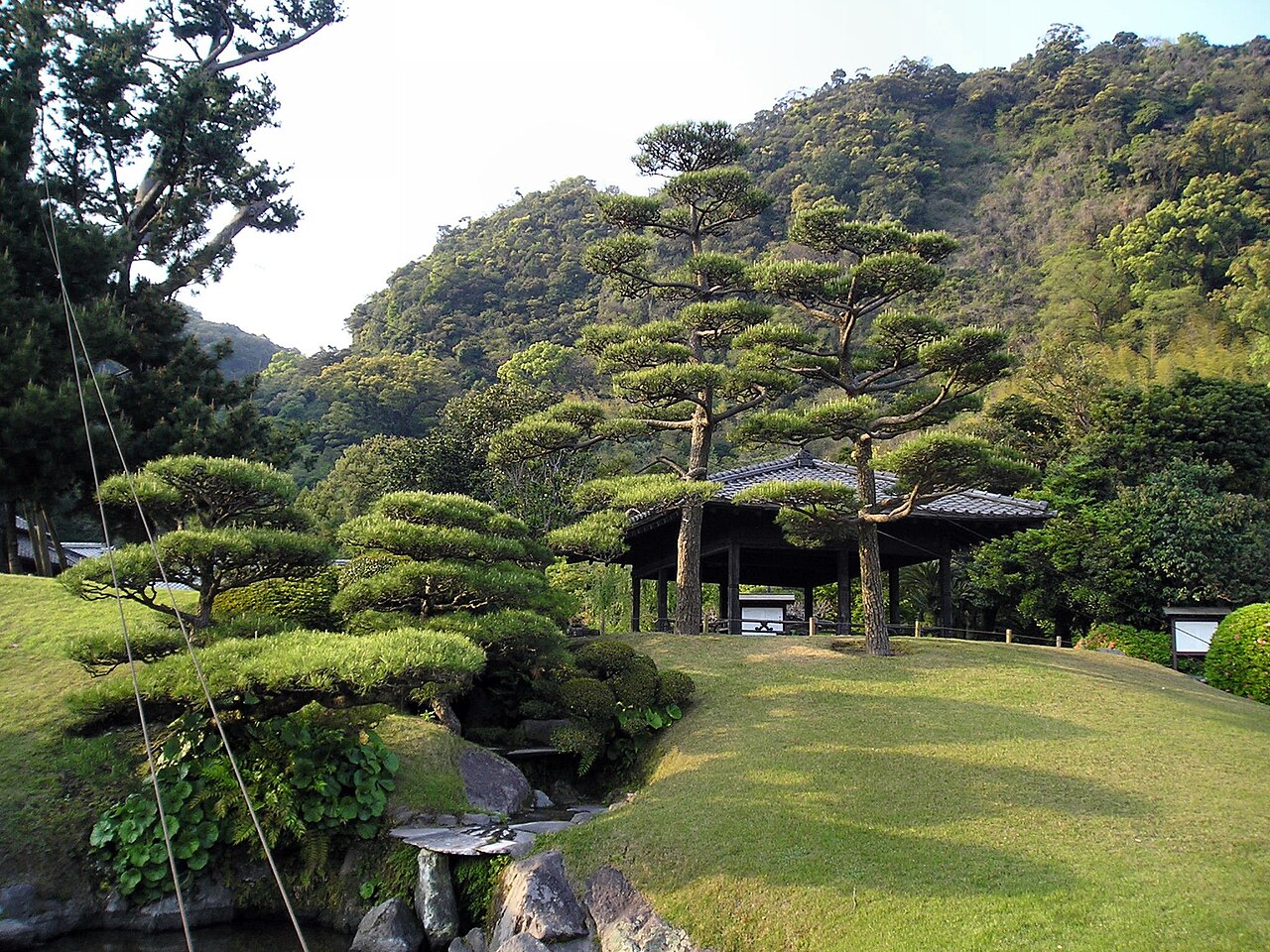
Here is the part that sets Kawanabe apart from every other Japanese lacquer center. For roughly three centuries the Satsuma domain banned Jōdo Shinshū — the Ikkō Pure Land school — fearing its egalitarian congregations as a threat to feudal control. Believers did not abandon the faith. They drove it underground, into a practice known as kakure nenbutsu (“hidden nenbutsu”), secretly worshipping small altars and devotional images in caves (gama) along the Manose River near Kawanabe.
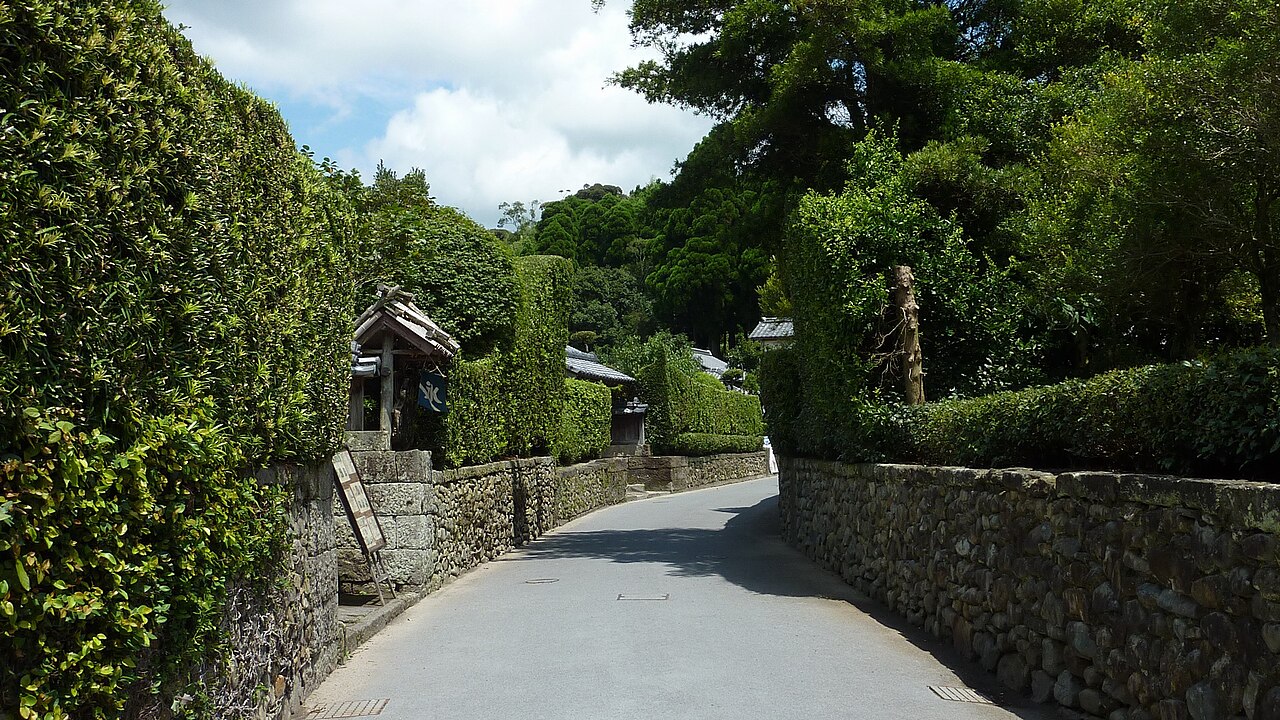
“For three centuries the faith was kept in caves. When the ban finally lifted, it came out into the light as gold.”
The ban was formally lifted in 1876, in the early Meiji years. What followed was unusual: a region that had been forbidden altars for generations suddenly wanted them, all at once. That pent-up demand erupted into a concentrated altar-making industry, and Kawanabe became one of its centers — pulling together kinpaku gold-leaf gilding, makie, wood joinery, and metal fittings in a single town. The kōgo in this guide is a small descendant of that boom, an incense container from workshops where gilded lacquer and worship were never separate things.
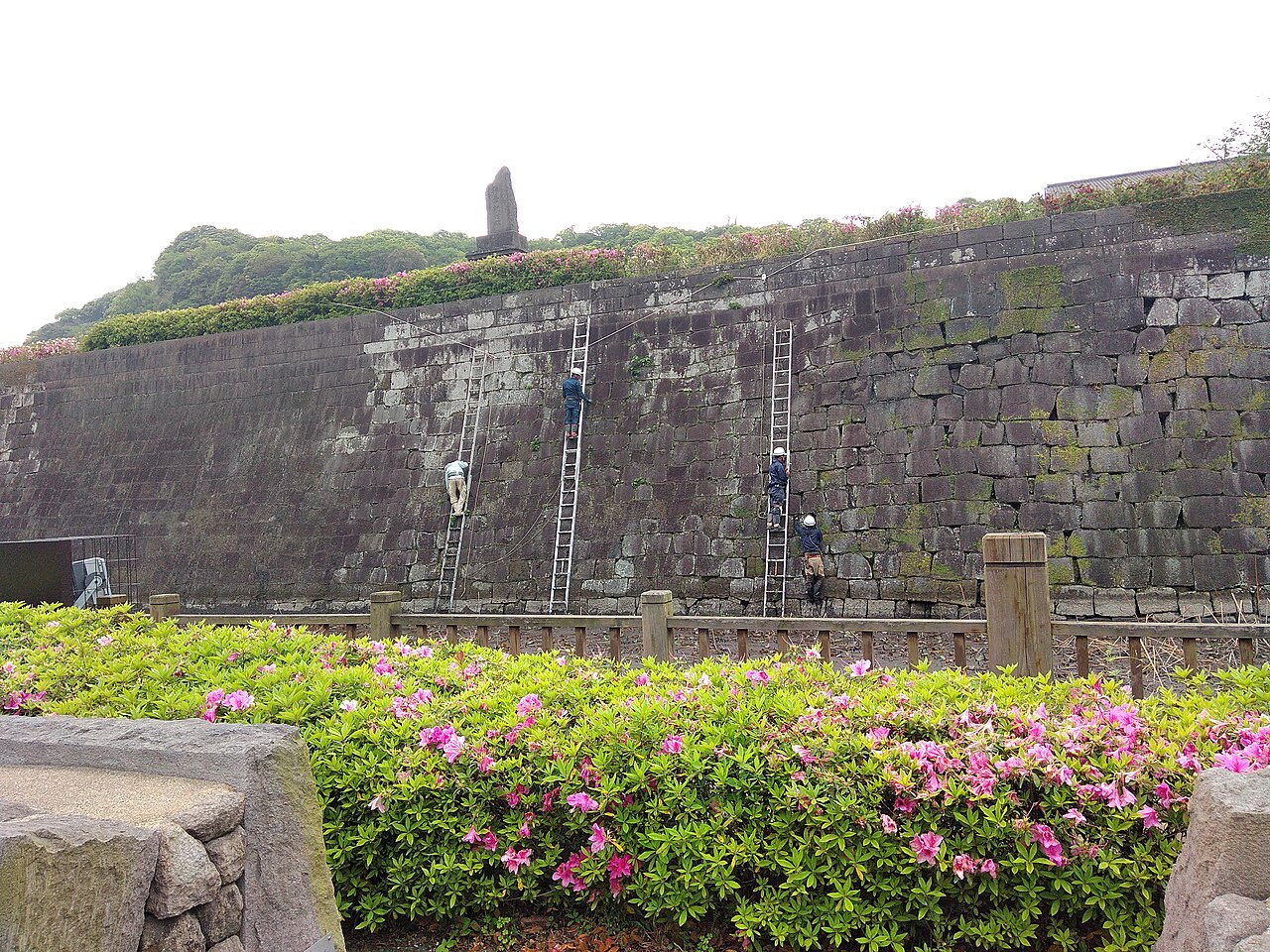
- Late 1500s — The Shimazu rulers of Satsuma ban Jōdo Shinshū (Ikkō) Pure Land Buddhism.
- 1600s–1800s — Believers practice kakure nenbutsu, worshipping hidden altars in caves along the Manose River.
- 1868 — The Meiji Restoration ends Shimazu domain rule and reorders religious policy.
- 1876 — The ban on Pure Land Buddhism is formally lifted; suppressed devotion surfaces openly.
- 1880s onward — A concentrated altar-making (butsudan) industry takes root in Kawanabe.
- 1974 — Japan enacts the Densan traditional-craft law; Kawanabe Buddhist altars are among the crafts nationally designated under it.
- 2007 — Kawanabe becomes part of the newly formed Minamikyushu City, where the workshops continue today.
Today Kawanabe remains one of Japan’s recognized butsudan-producing districts, and the gilding and makie skills built for altars still serve smaller devotional objects — incense containers, stands, and fittings. Buying a kōgo from this lineage is, in a real sense, buying a fragment of a craft that exists because a faith refused to die.
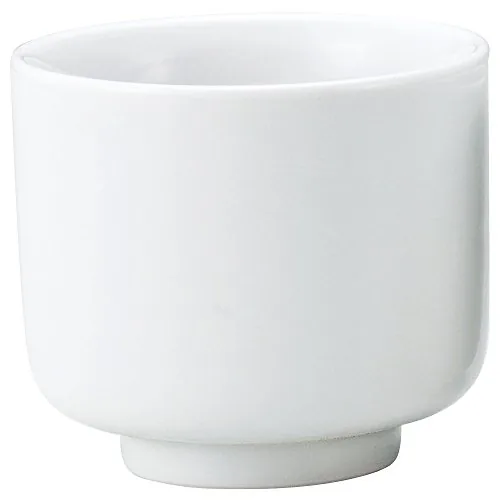 🍶 Shiro-Satsuma sake cup (same prefecture)
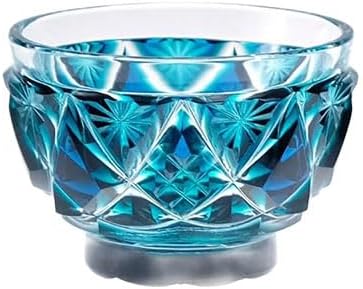 💎 Satsuma Kiriko jewel cup (Shimazu craft)
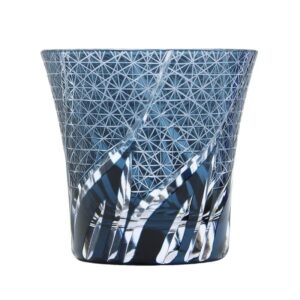 🥃 Satsuma Kiriko rocks glass (Kagoshima)
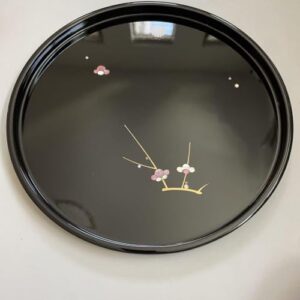
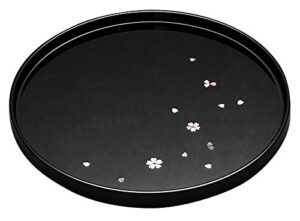 🌌 Nara Shikki raden tray (lacquer)
 🐚 Takaoka raden lacquer box (lacquer)
🍶 Wajima Nuri sakazuki pair (lacquer)
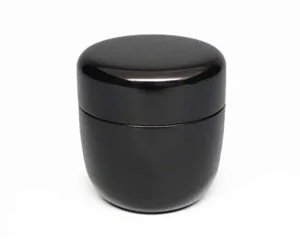 🍵 Sanuki kinma natsume (lacquer)
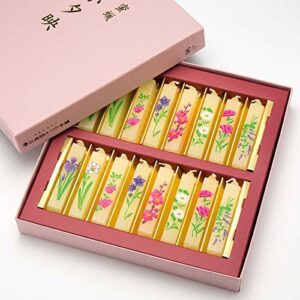 🕯️ Aizu painted altar candles (devotional craft)
Buying considerations
Prices and stock fluctuate; the figures below reflect data at the time of writing. JPY is the authoritative price for the specific listed item — USD figures are approximate estimates at a ¥150/USD baseline.
| Store | Item / variant | Price (JPY + USD est.) | Notes |
|---|---|---|---|
| 🇺🇸 Amazon.com (US) | Browse Japanese lacquer kōgo & incense goods | varies (USD) | Best if you’re shopping from the US — Prime shipping, USD pricing, no international customs. Amazon US carries Japanese lacquer incense containers and altar goods from various makers; this exact Kawanabe kōgo is sourced from Japan (next row). |
| Amazon JP Global Store | Kawanabe makie kōgo | — | The specific item in this guide. Ships internationally from Japan to most major destinations. |
| Maker direct | Kawanabe altar workshops | — | Workshop ordering is generally Japan-domestic; English support is limited. |
| Proxy services (Buyee / Tenso) | Forwarding for Japan-only shops | item price + fees + forwarding | Useful when a Japan-only shop does not ship abroad directly; adds service and consolidated-shipping fees. |
Prices in USD are approximate and depend on the current exchange rate. International orders may incur customs duties above local thresholds.
What it does well
Weaknesses and things to verify before buying
- Size varies. A kōgo is small by design; choose one that suits your altar or incense set.
- Urushi requires gentle care. Genuine lacquer is not dishwasher- or scrubbing-friendly; wipe with a soft cloth and keep it out of prolonged direct sun and dry heat.
- Possible urushi sensitivity. A small number of people react to lacquer, especially on pieces that are very freshly finished. Handle a new piece carefully at first.
- Hand-finished variation. Gold-leaf coverage and makie detail can vary piece to piece; if you expect machine-identical uniformity, this is not that.
- Verify the international-shipping route. Confirm that the retailer serves your country directly, or budget for a proxy forwarder (Buyee / Tenso) plus possible customs duty.
Conclusion — which buyer type are you?
Other ways to approach this purchase
❓ Frequently Asked Questions
What exactly is a kōgo, and what do you put in it?
Why is Kawanabe lacquer connected to “hidden faith”?
Does Amazon ship this kōgo internationally?
How do I care for urushi lacquer with gold makie?
Why does the article show an Amazon US search link first?
Is the price reliable?
jpmono.com is curated by a Japan-based editorial team (working out of Toyama in the Hokuriku region and Nara in Kansai) and is independent. We do not take payment from the makers we feature; income comes from editorial work. We do not physically test every product — we read maker specifications and craft sources.
This article was prepared with AI assistance and reviewed against craft-tradition sources. Facts about Kawanabe’s history are drawn from the provided data notes; folk-historical claims are presented as traditionally held rather than independently verified.
Affiliate disclosure: jpmono.com may earn a commission on qualifying purchases made through links on this page, at no additional cost to you.