![Nara Butsugu Brass Incense Burner (Koro): Where to Buy [2026]](https://jpmono.com/wp-content/uploads/2026/05/japan-map-regions-and-prefectures-800x1050.png)
A koro (香炉, “incense burner”) is one of the quietest objects in a Japanese household, and one of the oldest in continuous production. A brass koro from Nara — lidded, with pierced fretwork (sukashibori) cut into the cover so a thread of smoke can rise — descends directly from the metal-casting craft that produced the bronze Great Buddha of Todai-ji in 752 AD. The same city that concentrated casters, gilders, and altar-metal artisans twelve centuries ago still makes butsugu (仏具, Buddhist altar implements): bells, candlesticks, and censers for the dense cluster of temples around Nara Park.
What makes a Nara koro notable internationally is not novelty but lineage. Hand-cast brass holds heat slowly and develops a soft patina with use, and the form is functional in two settings at once — on a home altar (butsudan), and on a desk or tea table for incense appreciation. It sits at the exact junction where temple-and-incense culture meets everyday domestic use.
This guide is written for international readers deciding whether a hand-cast brass koro is the right purchase, how to choose one, and how to find it from outside Japan. We cover what the form does well, what to verify before buying, how prices vary across makers, and how it relates to other Nara and Japanese metal crafts.
🔄 Last updated: June 7, 2026
⏱️ Read time: ~9 min
- Who this is for — and who should skip it
- Product overview (from published specs)
- Where this comes from — place, era, and the craft tradition
- Buying options across stores
- What it does well
- Weaknesses and things to verify before buying
- Conclusion — which buyer type are you?
- Other ways to approach this purchase
- ❓ Frequently Asked Questions
Who this is for — and who should skip it
- Keep a home altar (butsudan) or a small memorial space and want an altar-grade censer.
- Burn stick or coil incense for appreciation (kōdō-adjacent) and want a lidded burner that contains and shapes the smoke.
- Value hand-cast metalwork that develops a patina over years rather than a mass-finished consumer object.
- Want a piece with verifiable regional craft lineage (Nara butsugu) and a clear international shipping path.
- Prefer brass for its weight, warmth, and the way it ages.
- Want a dishwasher-safe, maintenance-free object — brass needs occasional hand polishing.
- Only ever burn cone incense on a flat plate; a deep lidded koro is more than you need.
- Expect a low, commodity price — hand-cast brass costs more than pressed or imported burners.
- Need certified food-contact or electrical specs; this is a ritual/decorative object.
- Dislike the upkeep of patina and prefer a permanently bright, plated finish.
Product overview (from published specs)
Published data on Nara-butsugu brass incense holders is limited to retailer snapshots and curatorial notes. Where a source does not state a value, the table below says so rather than guessing. The general tradition points to a hand-cast brass body with a lidded, pierced-fretwork cover in the Nara butsugu idiom; exact dimensions and weight should be confirmed with the maker or current retailer.
| Attribute | Detail (per item) | Source |
|---|---|---|
| Item | Hand-cast brass koro (incense burner), lidded with pierced fretwork | International store option |
| Tradition | Nara butsugu (Buddhist altar metalwork) | Maker direct / regional craft record |
| Material | Brass (copper–zinc alloy), cast | Amazon JP Global Store |
| Cover | Lidded, with pierced cutwork (sukashibori) for smoke | Amazon JP Global Store |
| Dimensions / weight | — | — |
| Origin | Nara Prefecture, Kansai, Japan | Regional craft record |
| Price | — | — |
📖 Glossary — key terms
- koro (香炉) — an incense burner; a lidded vessel in which incense smolders.
- butsugu (仏具) — Buddhist altar implements: bells, candlesticks, censers, and related metalwork.
- butsudan (仏壇) — a household Buddhist altar; the cabinet where a koro often sits.
- sukashibori (透かし彫り) — pierced or open fretwork cut through metal, here letting smoke escape the lid.
- Daibutsu (大仏) — “Great Buddha”; the monumental bronze figure cast at Todai-ji in 752 AD.
- shokunin (職人) — a skilled craftsperson working within an established trade tradition.
Where this comes from — place, era, and the craft tradition

Nara sits in an inland basin in the Kansai region of western Japan, ringed by low wooded hills, about 40 km south of Kyoto and roughly 370 km west of Tokyo. It is one of the few places in the world where a single craft lineage — large-scale metal casting — can be traced, in the same district, across more than twelve centuries.
Nara served as Japan’s capital from 710 to 794, the period that takes its name from the city. When the imperial court settled here, it concentrated bronze-casters, gilders, paper-makers, and lacquer artisans into permanent workshops for the first time.
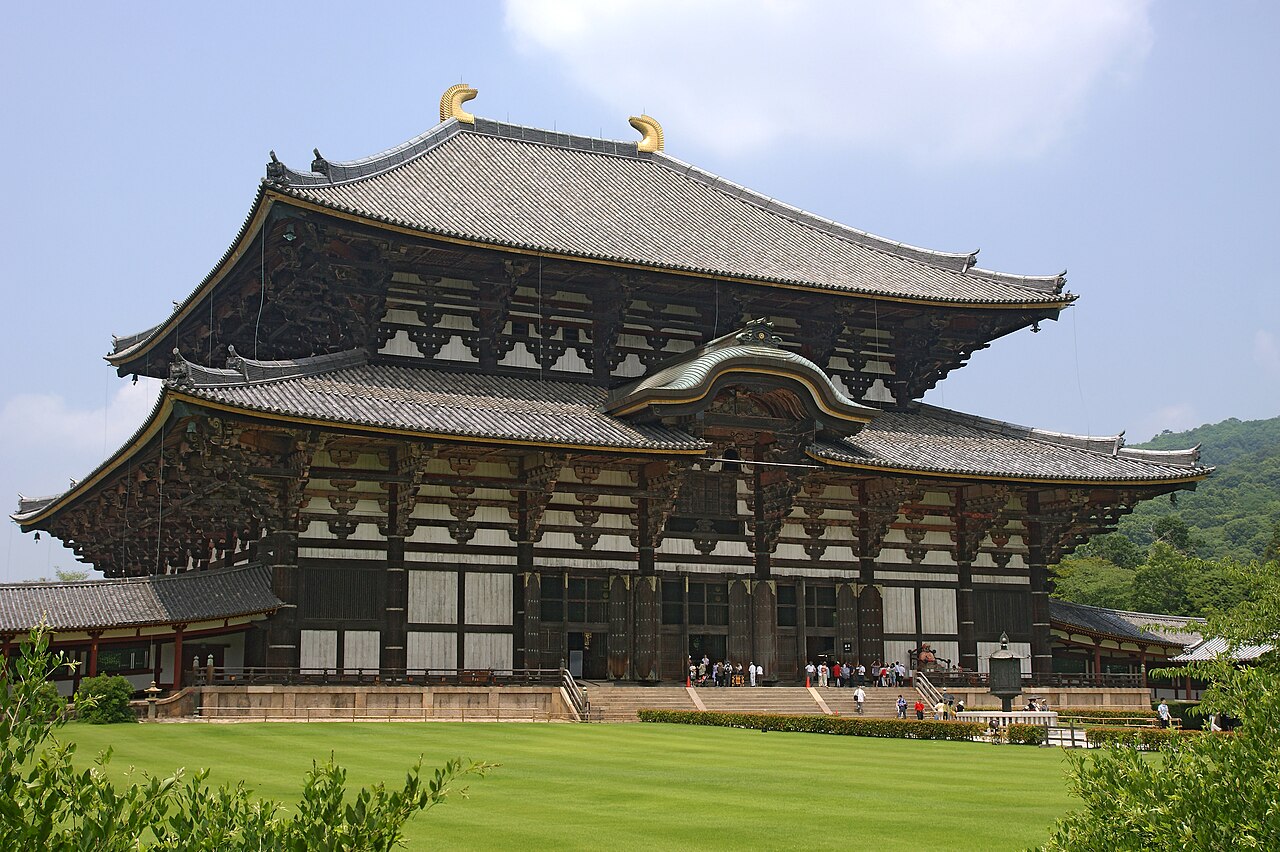
The defining event came in 752 AD, when the bronze Great Buddha (Daibutsu) of Todai-ji was cast and consecrated under Emperor Shomu. The project drew metalworkers from across the country, and the casting, gilding, and finishing skills they brought did not disperse when the work ended. They stayed, and they found ongoing demand in the temples that filled the new capital.
- 710 — Heijō-kyō (Nara) becomes Japan’s imperial capital.
- 752 — The bronze Great Buddha is cast and consecrated at Todai-ji under Emperor Shomu.
- 768 — Kasuga Taisha is founded; its bronze hanging lanterns shape Nara’s sacred metalwork.
- 794 — The capital moves to Kyoto, but the metal artisans and the temples remain in Nara.
- Edo period — The Naramachi merchant quarter develops; temple metal skills carry into household goods.
- Today — Nara butsugu workshops still supply censers, bells, and altar metal to temples and homes.
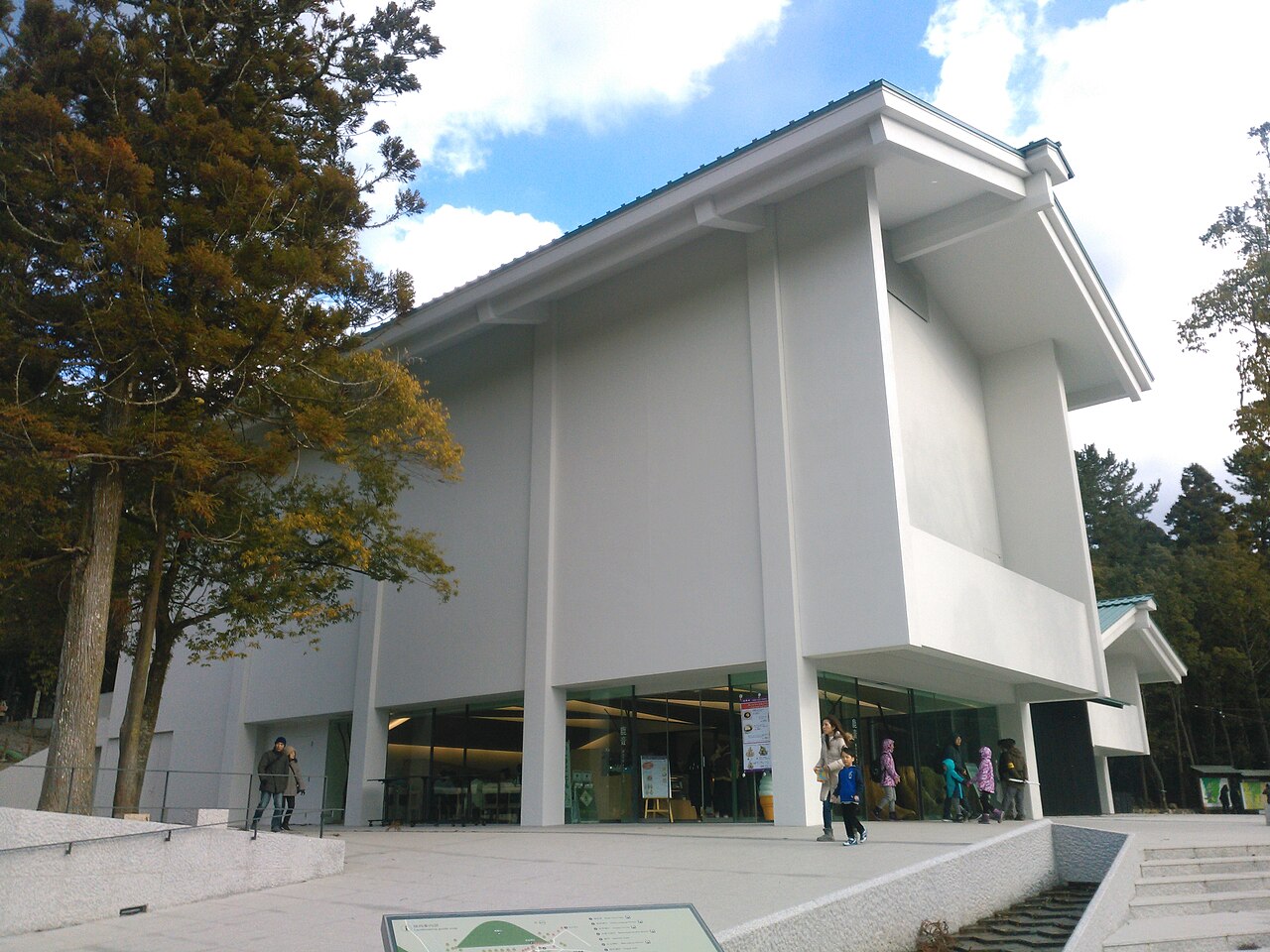
That continuity is the point. The metal trade in Nara did not become a museum exhibit when the court left for Kyoto; it became butsugu — the working hardware of Buddhist practice. Bells, candlesticks, lotus stands, and censers were needed in quantity by the temple district around Nara Park, and the casters who once worked on the Daibutsu now answered that steady ritual demand.
“The same hands that learned to pour bronze for a fifteen-meter Buddha later learned to cut a lid small enough to release a single thread of incense smoke.”
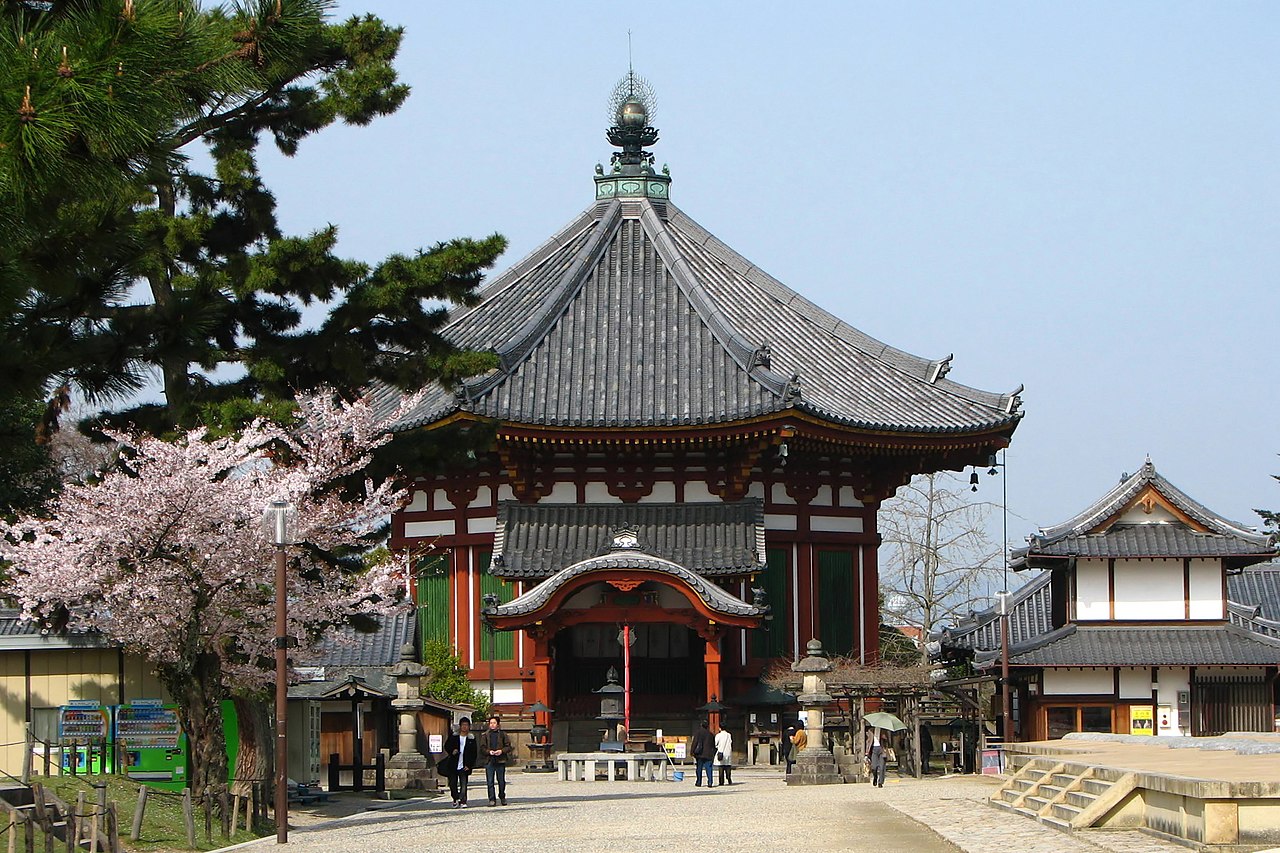
Incense culture is woven through that demand. A koro is used in temples to scent ritual space, and in homes on the butsudan to honor ancestors. The lidded form, with its pierced fretwork, is functional: the cover tempers the burn and lets smoke rise in a controlled curl rather than billowing. The same object also serves secular incense appreciation on a desk or tea table.
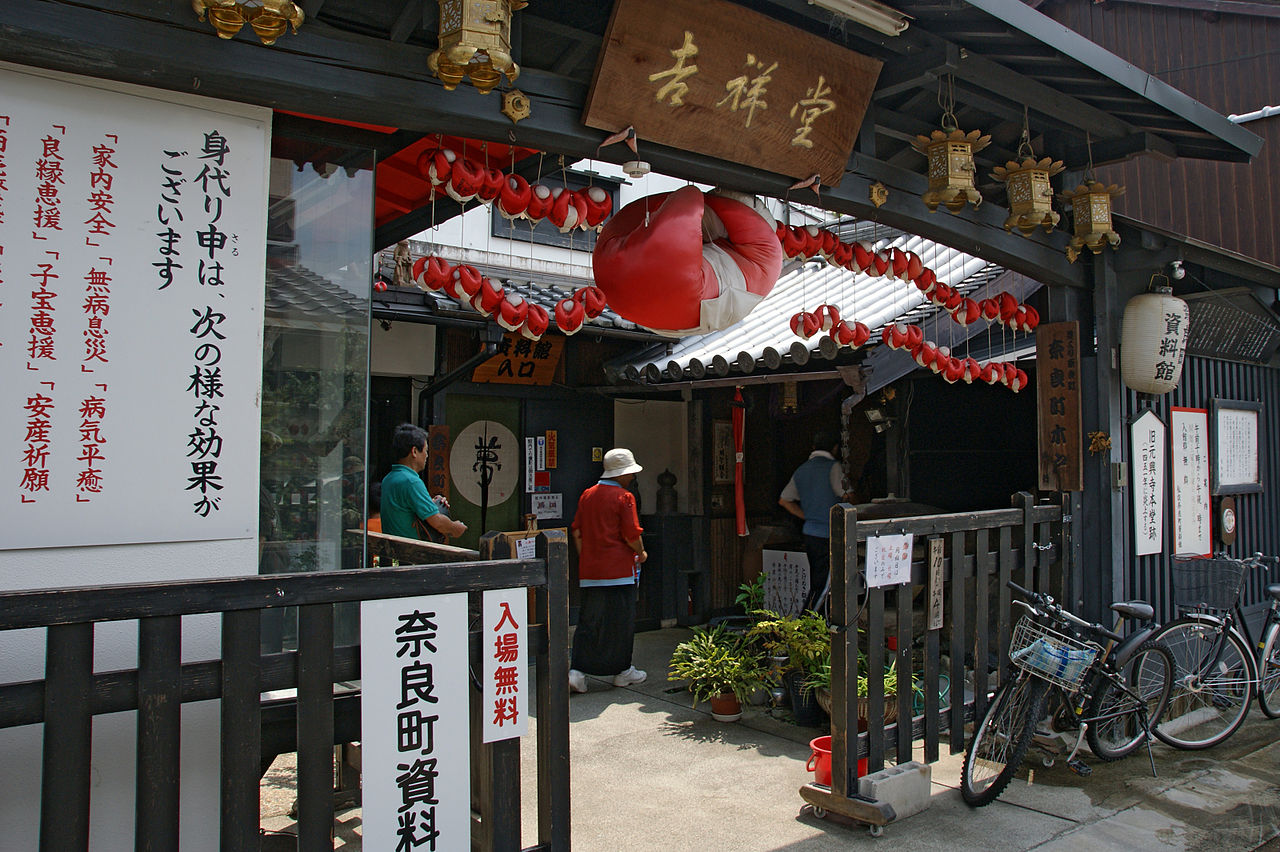
By the Edo period, the Naramachi merchant quarter had grown up beside the temples, and craft that began as sacred metalwork moved naturally into household objects. A brass koro made in Nara today stands at that exact seam — temple lineage on one side, the home altar and the incense table on the other.
Related crafts and Nara-region pieces covered elsewhere on jpmono — useful for comparing material, region, and price tier.
Buying options across stores
JPY (¥) is the authoritative price. Live pricing for Nara-butsugu brass koro varies by maker and finish, and not every workshop publishes a current figure online; confirm the price with the maker or current retailer before buying. USD figures elsewhere in this guide are explicit estimates at a ¥150/USD baseline as of mid-2026.
| Store | Item / Variant | Price (JPY + USD est.) | Notes |
|---|---|---|---|
| 🇺🇸 Amazon.com (US) | Browse Japanese brass incense burners & koro | varies (USD) | Best if you are shopping from the US — Prime shipping, USD pricing, no international customs. Amazon US carries brass and bronze incense burners from various makers for comparing size and price tiers; the specific Nara piece is sourced from Japan (next row). |
| 🇯🇵 Amazon JP Global Store | Nara butsugu hand-cast brass koro (this item) | — | Ships internationally from Japan to most major destinations. |
| Maker direct | Nara butsugu workshop / specialist altar shop | Varies | Specialist butsugu retailers may carry a wider range; many do not ship internationally without arrangement. |
| Proxy services (Buyee / Tenso) | Japan-only purchases forwarded abroad | Item price + forwarding fee | Useful when a piece is only listed on Japan-domestic stores; adds a service fee and consolidated international shipping. |
Prices in USD are approximate and depend on the current exchange rate. Prices and stock fluctuate — follow the affiliate link for current data.
What it does well
The lidded cover with pierced fretwork tempers the burn and shapes a steady thread of smoke instead of an open billow.
Nara butsugu descends from the metal-casting craft documented since the 752 AD Todai-ji Daibutsu — heritage you can actually trace.
Cast brass has a reassuring heft and warm tone, and it ages into a soft patina rather than looking worn.
Works on a home altar and equally for secular incense appreciation on a desk or tea table.
Weaknesses and things to verify before buying
- Choose the intended scale. A koro for a small butsudan differs greatly from a large altar censer.
- Brass needs upkeep. It will tarnish and develop patina; if you want a permanently bright surface you will need to polish it periodically, or choose a different finish.
- Hand-cast brass.
- Incense type matters. Confirm whether the interior suits stick, coil, or loose-incense-on-ash use; not every koro is set up for every method.
- International shipping and customs. Amazon JP Global Store ships many household items abroad, but confirm the item ships to your country, and budget for possible customs duties above local thresholds.
- It is a ritual/decorative object, not certified food-contact or electrical hardware — do not expect kitchen or appliance certifications.
Conclusion — which buyer type are you?
Choose hand-cast Nara butsugu with clear information about its dimensions, construction, and intended use, especially when you value traditional lineage.
You want a quality brass koro and easy delivery. Compare options on Amazon US, then weigh the specific Nara piece from JP.
You mainly want function. A simpler pressed or imported burner will serve; hand-cast brass may be more than you need.
You only burn cone incense on a plate, or you dislike metal upkeep. A lidded cast-brass koro is not for you.
Other ways to approach this purchase
Prices for hand-cast brass vary with size, finish, ornament, and maker, so compare examples over time if you are not in a hurry.
Brass butsugu lasts for generations; a vintage koro via a proxy service can be a good value, patina included.
If you already hold Amazon balance or card points, applying them softens the cost of a higher-tier piece.
If you rarely burn incense, a simple plate is enough — there is no need for a dedicated lidded censer.
❓ Frequently Asked Questions
Does Amazon JP Global Store ship a Nara brass koro internationally?
Major Japanese retailers, including the Amazon JP Global Store, ship many household items to most major destinations, but availability varies by item and country. Confirm with the maker or retailer that the item ships to your address before ordering, and budget for possible customs duties above your local threshold.
How do I care for a brass koro?
Brass tarnishes and develops a patina over time. Many owners leave the patina as it is; if you prefer a brighter surface, polish it occasionally with a brass cleaner and a soft cloth. Empty and wipe out ash between uses to keep the interior clean.
What kind of incense does it take?
A lidded koro suits stick, coil, or loose incense burned on a bed of ash, but the exact setup depends on the piece. Confirm the interior arrangement with the maker or seller for the method you intend to use.
What is the difference between a koro and a plain incense plate?
A plate simply holds a stick or cone in the open. A koro is a vessel, usually lidded, in which incense smolders; the pierced cover tempers the burn and shapes the smoke. It is the altar-grade and appreciation-grade form rather than a casual one.
Is a Nara brass koro suitable as a gift?
Yes. A hand-cast brass koro with Nara butsugu lineage is a substantial, long-lasting gift for someone who keeps a home altar or appreciates incense. Confirm the dimensions so the piece fits the recipient’s space.
Why does the price not appear in this guide?
Published snapshots did not capture a current figure for Nara-butsugu brass koro at the time of writing. Rather than guess, we direct you to the maker or current retail source for the authoritative JPY price, which fluctuates over time.
jpmono.com is curated by a Japan-based editorial team (working out of Toyama in the Hokuriku region and Nara in Kansai) and is independent. We do not take payment from the makers we feature; income comes from affiliate links. We do not physically test every product — we read maker specifications and regional craft sources.
This article was prepared with AI assistance and reviewed against regional craft records and maker information. Facts that vary by piece are identified rather than filled with assumptions; confirm specifications and pricing with the maker or seller before buying.
Affiliate disclosure: jpmono.com may earn a commission on qualifying purchases made through links on this page, at no additional cost to you.