![Kokuji-yaki Ame-Glaze Katakuchi Spouted Bowl: Iwate Folk Pottery, Where to Buy [2026]](https://jpmono.com/wp-content/uploads/2026/06/kokuji-yaki-ame-glaze-katakuchi-where-to-buy-2026-featured.jpg)
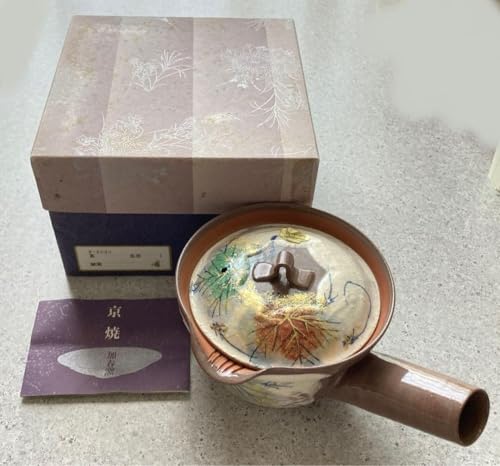
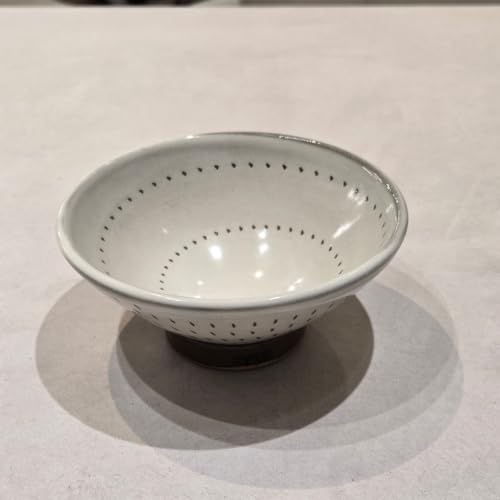
Kokuji-yaki (小久慈焼, “Kokuji ware”) is a folk pottery from the Kokuji district of Kuji, on the far-northern Pacific coast of Iwate Prefecture. The kiln is traditionally said to have been opened during the Bunsei era — around 1818 — by a potter named Kumagai Jinzaburō, and it remains the northernmost active kiln in the prefecture. The piece covered here is its signature form: a katakuchi (片口), a spouted serving bowl finished in the kiln’s characteristic two-glaze style — an amber ame-yū (飴釉, “candy glaze,” an iron glaze) poured over or against a white glaze.
What makes Kokuji ware interesting to an international reader is not novelty but lineage. It is a plain, useful object made for the everyday tables of the old Nambu domain’s northern frontier, and it was singled out by Japan’s mingei (民藝, “folk craft”) movement — the circle around Yanagi Sōetsu and the potter Hamada Shōji — for exactly that unaffected utility. The katakuchi, with its generous lip and the soft boundary where amber meets white, is the form most associated with the kiln.
This guide is for readers deciding whether a Kokuji katakuchi belongs on their table—for pouring sauces, dressings, or sake—and for those comparing it with other Tōhoku and Japanese folk-pottery forms. It explains the shape, use, care, and regional craft context.
🔄 Updated:
⏱️ Read time: ~10 min
- Who this is for — and who should skip it
- Product overview (from published specs)
- 📍 Where this comes from — place, era, and the craft tradition
- 📦 Shipping & where to buy from outside Japan
- Where to buy
- What it does well
- Weaknesses and things to verify before buying
- Conclusion — which buyer type are you?
- Other ways to approach this purchase
- ❓ Frequently Asked Questions
Who this is for — and who should skip it
- Want a daily-use serving vessel with genuine folk-craft provenance, not a display piece
- Like the warm, irregular character of ame iron glaze against white
- Pour sauces, dressings, broth, or sake and want a dedicated spouted bowl
- Are building a Tōhoku or mingei pottery collection and want a northern-Iwate kiln represented
- Appreciate that small color and shape variation is the point, not a defect
- Need exact, repeatable dimensions and color — handmade stoneware varies piece to piece
- Want a dishwasher-and-microwave-proof guarantee in writing; care ratings vary by product
- Expect a fixed, confirmed price today — current prices can change
- Prefer crisp white porcelain or glossy machine-made tableware
- Are unwilling to hand-wash and occasionally season unglazed footrings
Product overview (from published specs)
The Kokuji-yaki katakuchi in this style has an amber-and-white glaze. The article focuses on the form, glaze, and maker tradition; dimensions, capacity, and other piece-specific details vary and should not be treated as universal.
| Attribute | Detail | Source |
|---|---|---|
| Material | Stoneware with iron-bearing local clay | Maker tradition |
| Glaze | Ame-yū (amber iron glaze) with white glaze, applied as a two-color pour-over | Maker tradition |
| Origin | Kokuji district, Kuji, Iwate Prefecture (Tōhoku) | Maker tradition |
| Dimensions / capacity | Unconfirmed | — |
| Weight | Unconfirmed | — |
| Care (dishwasher / microwave) | Unconfirmed; hand-wash recommended for folk stoneware | — |
Dimensions, capacity, and care can vary between Kokuji-yaki pieces. Confirm those details with the maker or seller before purchase.
📖 Glossary — key terms
- Katakuchi (片口) — a bowl with a single pouring spout; used for sauces, dressings, broth, or decanting sake.
- Ame-yū (飴釉) — “candy glaze,” an iron-based glaze that fires to a translucent amber-brown, like barley sugar.
- Mingei (民藝) — the folk-craft movement led by Yanagi Sōetsu, which valued anonymous, useful, everyday objects.
- Nambu (南部) — the domain and clan that governed much of northern Iwate; the same lineage behind Nambu ironware.
- Kakewake (掛け分け) — “divided application,” the technique of laying two glazes side by side so they meet on one piece.
- Ama (海女) — the traditional women free-divers of the Sanriku coast near Kuji.
📍 Where this comes from — place, era, and the craft tradition

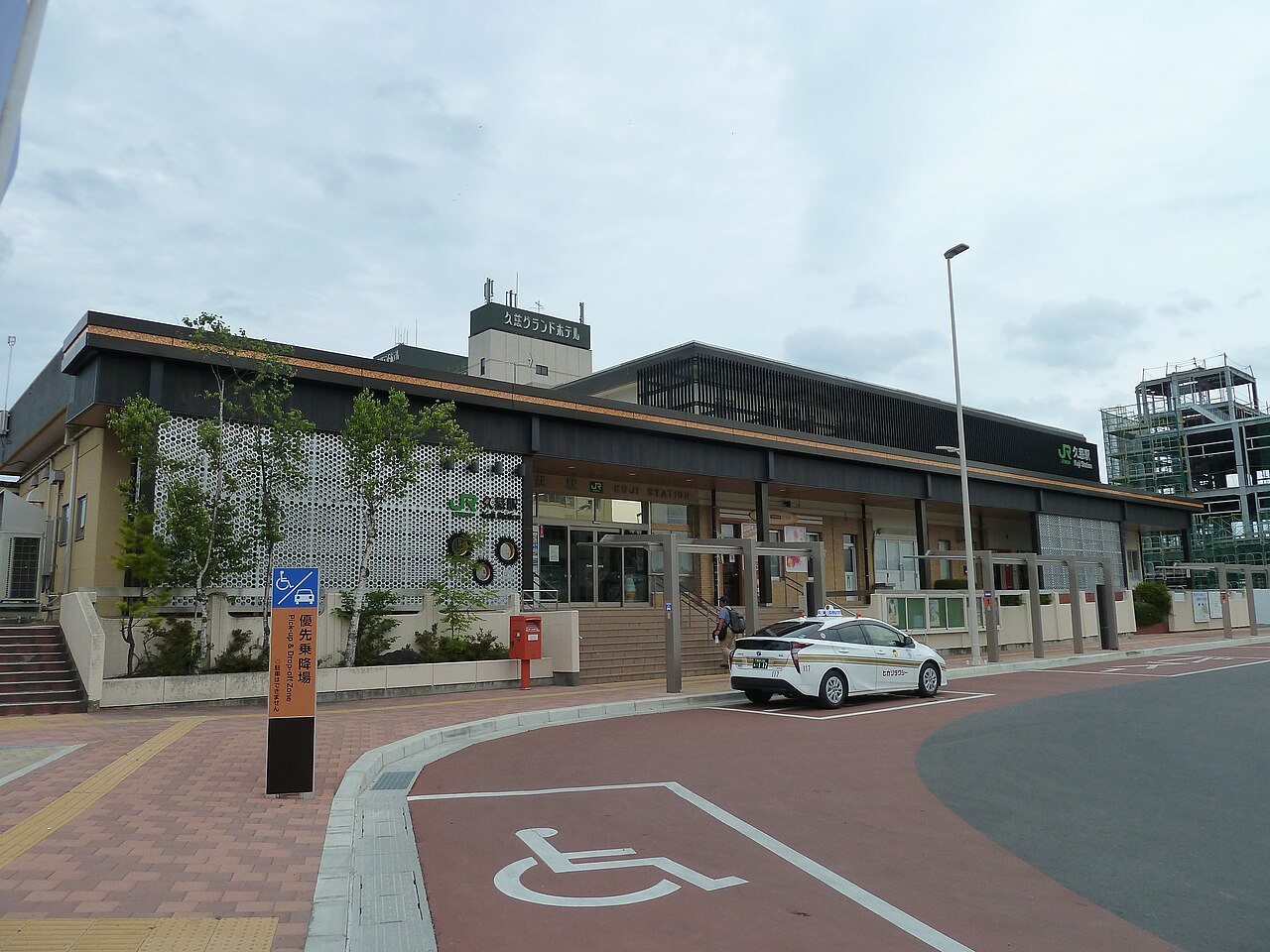
Kuji sits at the top of Iwate’s Pacific coastline, where the Kitakami highlands meet the rugged Sanriku shore. This is one of the more remote corners of Honshū — a frontier region historically, far from the old capitals of Nara and Kyoto, and even today a long journey north of Tokyo. The local clay carries iron, which is part of why an iron-rich amber glaze became the kiln’s hallmark: the material was close at hand, and the glaze made a virtue of it.
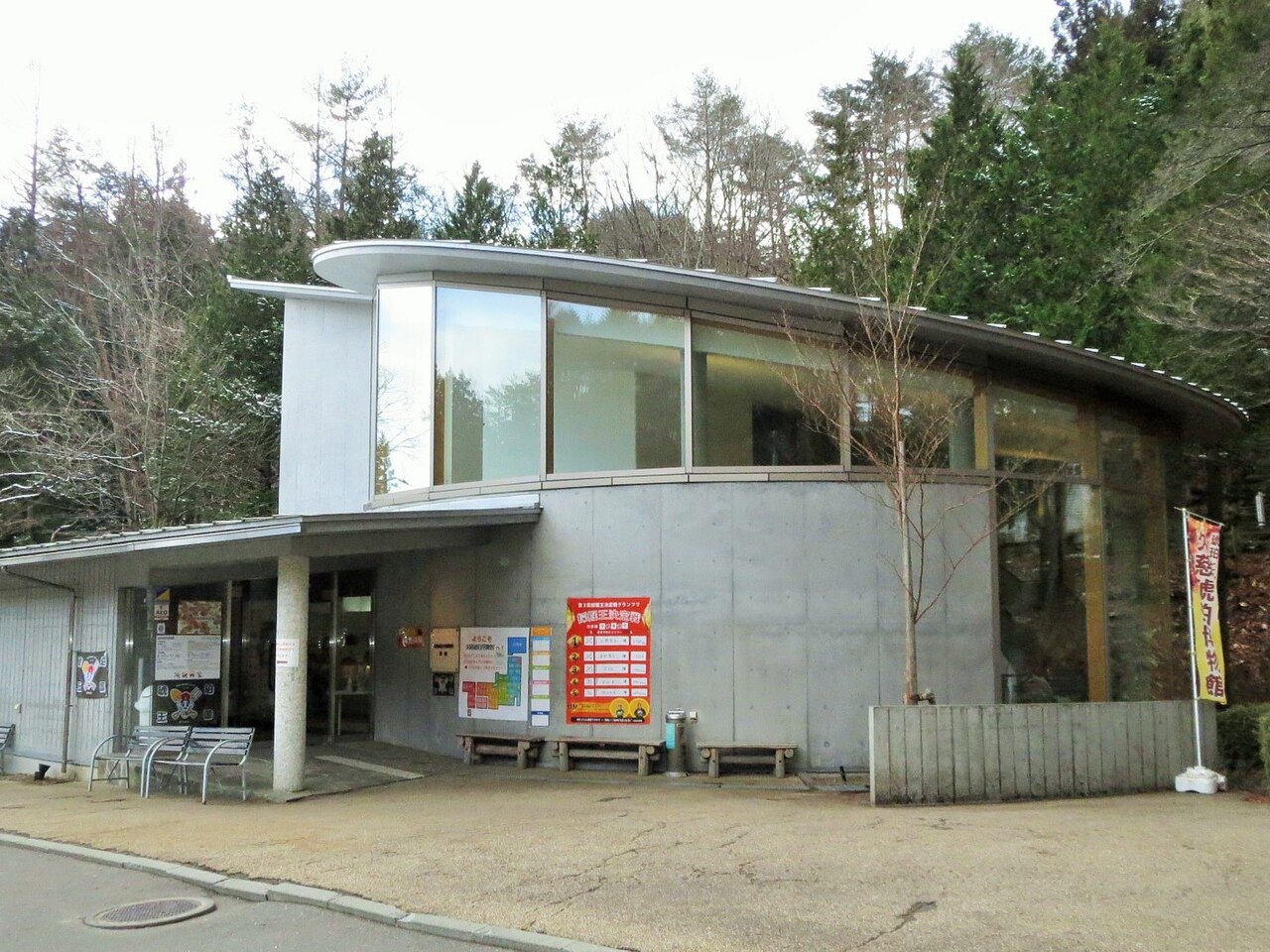
There is a quiet rhyme between the kiln and its town. Kuji is Japan’s largest amber-producing region, and amber is fossilized resin in tones that run from honey to deep brown — almost exactly the palette of the kiln’s ame glaze. Neither caused the other, but they belong to the same place: a coast whose geology, light, and material culture lean amber.
The region belonged to the old Nambu domain, the northern-Iwate lineage that also produced Nambu ironware (南部鉄器). That shared heritage gives the folk pottery a long historical backdrop. North-central Iwate connects, through that lineage, to Hiraizumi — the Fujiwara family’s golden-age seat, where Chūson-ji’s Konjikidō was completed in 1124 — so the area’s history runs deep even though Kokuji-yaki itself is an Edo-period kiln.
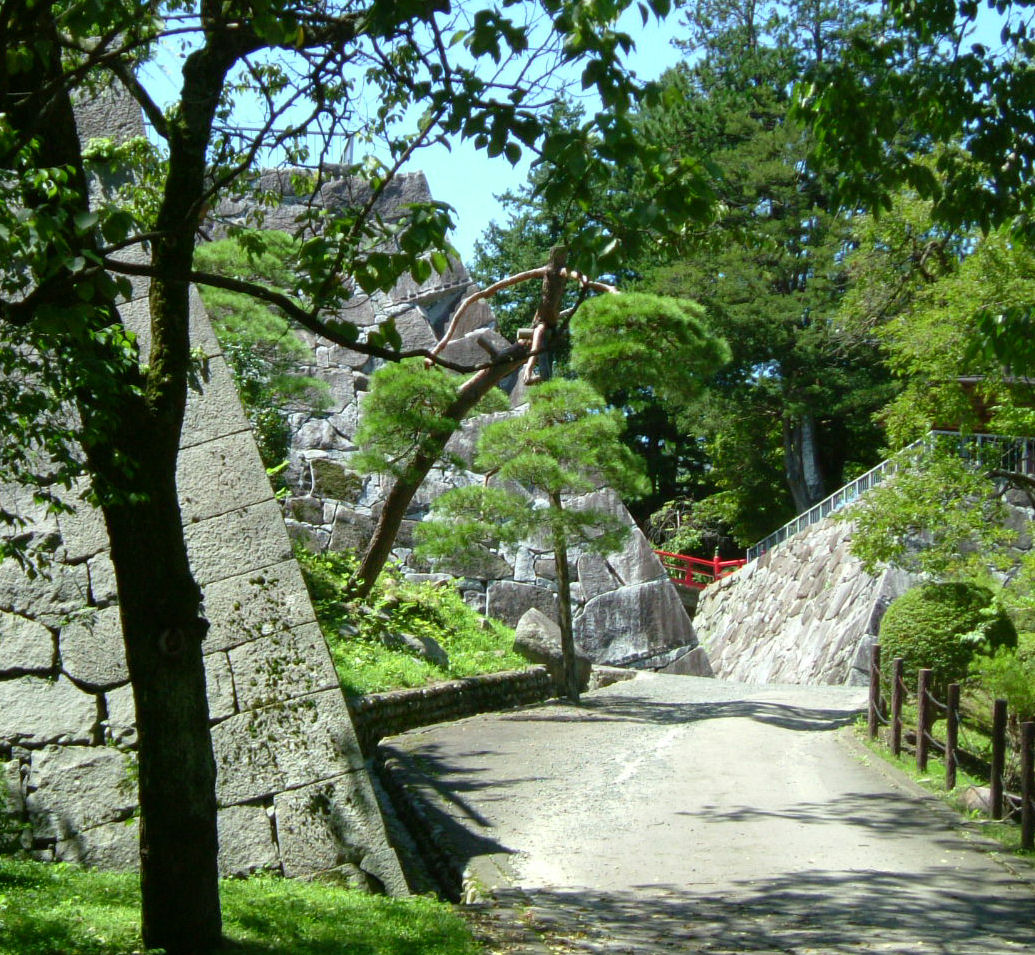
- 1124 — Chūson-ji’s Konjikidō completed at Hiraizumi, the golden-age anchor of northern-Iwate history.
- 17th c. — The Nambu domain administers the northern Iwate frontier, including the Kuji coast.
- c. 1818 — The Kokuji kiln is traditionally said to have been founded by Kumagai Jinzaburō in the Bunsei era.
- Late Edo — The kiln supplies plain everyday ware to the Nambu domain’s northern frontier.
- 20th c. — The mingei circle around Yanagi Sōetsu and Hamada Shōji praises the Kokuji katakuchi for its honest utility.
- 2013 — NHK’s Amachan, set in a fictionalized northern Sanriku modeled on Kuji, brings the area national fame.
- 2026 — Kokuji-yaki remains Iwate’s northernmost active kiln, still firing its two-glaze ware.
The continuity case here is modest and real. Kokuji-yaki is not a giant industry; it is a small kiln that has held its ground in a remote place for roughly two centuries, making the same kind of useful, two-glaze ware. The katakuchi is the form that carried its reputation into the mingei conversation, where the value placed on anonymous, well-used objects matched exactly what a frontier kiln had always made.
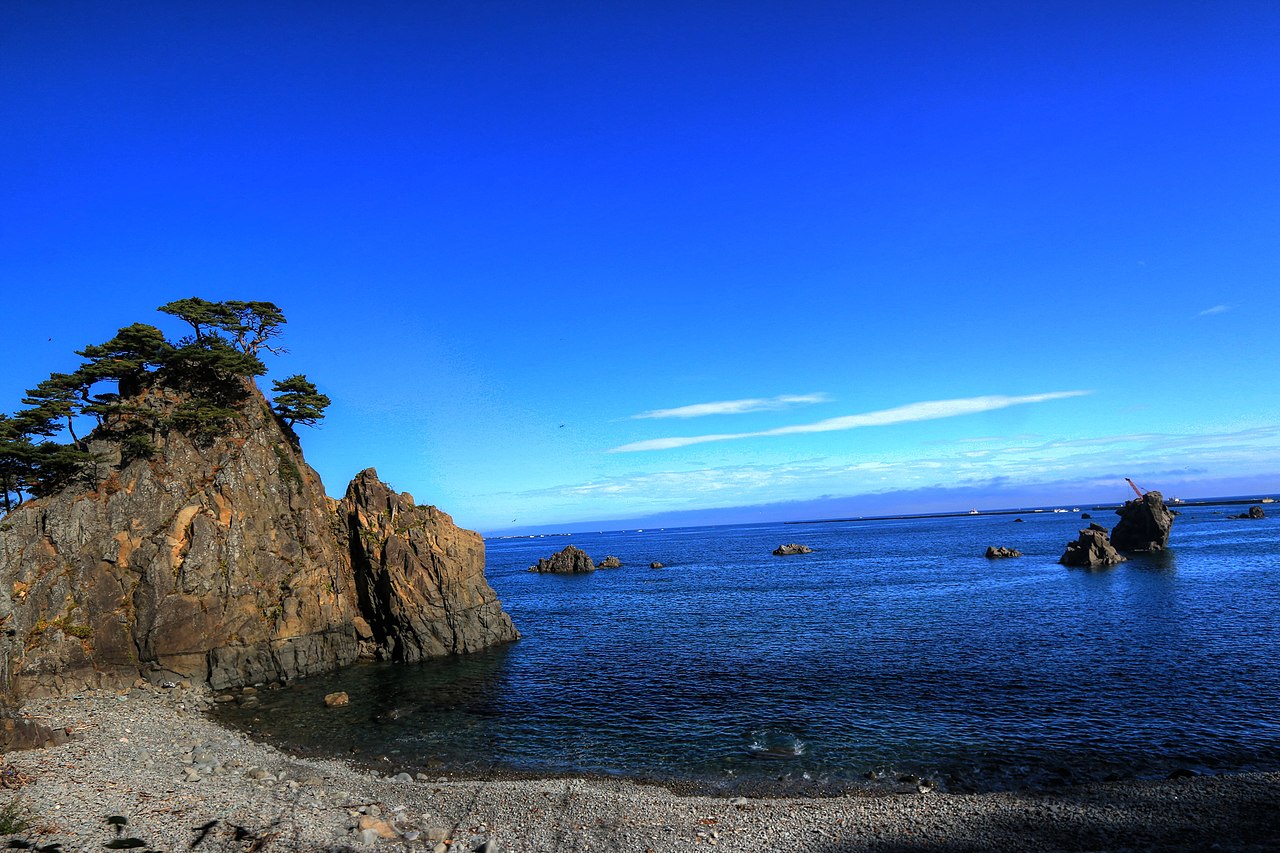
“On a coast known for amber, a kiln learned to pour amber into glaze — and to leave the white edge where the two meet honest and unhidden.”
Seasonally, the katakuchi earns its keep year-round. In colder months it warms and pours sake or a thin broth; in warmer months it serves a chilled ponzu, a dressing, or a dipping sauce at the table. That everyday flexibility — one vessel, many small jobs — is the practical reason a folk-craft spouted bowl outlives more decorative tableware.
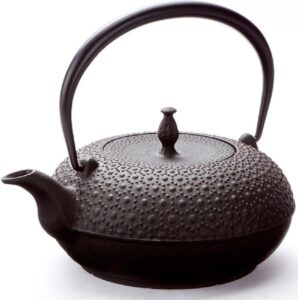 Oigen Nambu Tetsubin (Iwate)
Same Nambu-domain lineage, in cast iron
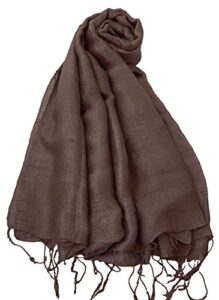 Iwate Homespun Wool Scarf
Another Iwate craft, in textile
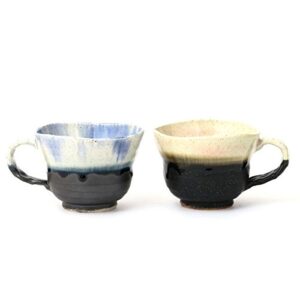 Tsutsumi-yaki Tumbler (Tōhoku)
Neighboring Tōhoku folk kiln
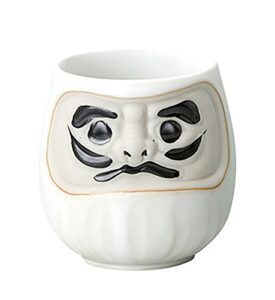 Shiraiwa-yaki Yunomi (Akita)
Neighboring Tōhoku pottery
Fujina-yaki Slipware Plate
Another mingei kiln, related glaze family
Mashiko-yaki Kaki-Glaze Bowl
Iron-glaze mingei reference point
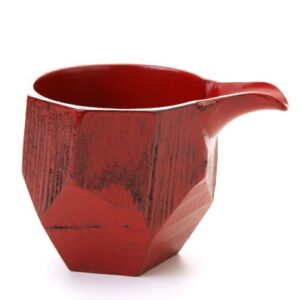 Tosa Lacquer Katakuchi
Same form, in lacquer rather than clay
📦 Shipping & where to buy from outside Japan
Kokuji-yaki is stoneware; for international purchases, allow for careful packing, carrier charges, and possible customs duties. Related Japanese pottery can help buyers compare forms and glazes across regions.
Where to buy
| Store | Item / Variant | Price (JPY + USD est.) | Notes |
|---|---|---|---|
| 🇺🇸 Amazon US (search) | Browse Japanese folk pottery & katakuchi bowls | varies (USD) | Best if you are shopping from the US — Prime shipping, USD pricing, no international customs. Amazon US carries comparable Japanese pottery from various makers; the exact Kokuji piece ships from Japan (next row). |
| 🇯🇵 Amazon JP Global Store | Kokuji-yaki ame-glaze katakuchi | Unconfirmed | International availability and current price vary by seller. |
| Maker direct | Kokuji-yaki kiln catalog | Unconfirmed — check maker site | The kiln may sell directly; domestic-only fulfillment is common for small kilns. |
| Proxy services (Buyee / Tenso) | Forwarding from JP retailers | Item price + forwarding fee | Useful if a Japan-only store does not ship abroad; adds a service fee and consolidated shipping. |
Prices in USD are approximate and depend on the current exchange rate (¥150/USD baseline as of mid-2026). The JPY price is authoritative for the specific item. Prices and stock fluctuate — verify at the retailer before purchasing.
What it does well
Weaknesses and things to verify before buying
- Price unconfirmed. Compare current offers before ordering.
- Size and capacity vary. Choose a katakuchi suited to your use, from a small sauce pourer to a larger serving bowl.
- Handmade variation. Color, glaze boundary, and shape differ piece to piece. This is intrinsic to folk stoneware, not a defect, but it means your bowl will not match the photo exactly.
- Care instructions unverified. Treat dishwasher and microwave use as unconfirmed; hand-washing is the safe default for iron-glaze stoneware, and unglazed footrings can mark surfaces.
- International shipping and customs. Cross-border shipping adds cost and time, and duties may apply above local thresholds. A single ceramic item is also fragile in transit — confirm packaging.
- Limited stock. Small-kiln output is low-volume; availability can lapse or sell out, and restocks are irregular.
Conclusion — which buyer type are you?
Other ways to approach this purchase
❓ Frequently Asked Questions
What is a katakuchi used for?
A katakuchi is a single-spouted bowl for pouring. It serves sauces, dressings, and broth at the table, and is also used to decant or pour sake. Its broad lip pours cleanly without a separate spout.
What does the “ame” glaze look like?
Ame-yū is an iron glaze that fires to a translucent amber-brown, like barley sugar. On Kokuji-yaki bowls of this style it is set against a white glaze, so each bowl shows a soft boundary where the two colors meet.
Where is Kokuji-yaki made?
In the Kokuji district of Kuji, in far-northern Iwate Prefecture, Tōhoku. The kiln is traditionally said to date to around 1818 and is the northernmost active kiln in the prefecture.
Can I buy it from outside Japan?
For overseas buyers, compare shipping options and import costs with the seller, and consider a proxy service for Japan-domestic craft shops.
How much does it cost?
Prices for Kokuji-yaki vary with kiln, form, glaze, size, and handwork. Compare current prices from reputable craft sellers; shipping and customs costs are separate.
How should I care for it?
Care details for iron-glaze folk stoneware vary by maker. Hand-washing is a safe default, avoid sudden temperature changes, and protect unglazed footrings from soft surfaces.
How does it differ from a lacquer katakuchi?
Same pouring form, different material. A lacquer katakuchi (such as Tosa lacquerware) is lightweight wood-and-lacquer with a smooth finish; the Kokuji piece is fired stoneware with a glazed surface and more weight. The choice is between warm ceramic character and lacquer’s lightness and sheen.
jpmono.com is curated by a Japan-based editorial team (working out of Toyama in the Hokuriku region and Nara in Kansai) and is independent. We do not take payment from the makers we feature; we read maker specifications and craft references rather than physically testing every product.
This article was prepared with AI assistance and reviewed against craft references. Specifications and prices vary by maker and piece.
Affiliate disclosure: jpmono.com may earn a commission on qualifying purchases made through links on this page, at no additional cost to you.