![Ojiya Chijimi Ramie Crepe Table Runner: Snow-Bleached Echigo Linen [2026]](https://jpmono.com/wp-content/uploads/2026/05/japan-map-regions-and-prefectures-800x1050.png)
Ojiya-chijimi (小千谷縮, “Ojiya crepe”) is the ramie crepe cloth of the heavy-snow Uonuma district of old Echigo province — today’s Niigata Prefecture. Ramie has been woven in this corner of the Sea-of-Japan snow country since antiquity, but the crinkled shibo texture that defines chijimi was fixed in the 1670s, when a masterless samurai from the Akashi domain carried a high-twist weft technique north into the snow. Presented here as a table runner, that same cloth brings its crisp, off-the-skin summer hand to the dining table.
What makes Ojiya-chijimi internationally notable is not a single workshop but a whole climate of practice. The strongly twisted weft is set by hot-water kneading so the surface buckles into fine ridges; the woven cloth is then laid out on the spring snow for yukizarashi bleaching, a process recorded nearly two centuries ago in Suzuki Bokushi’s Hokuetsu Seppu. In 2009 Ojiya-chijimi, together with the finer Echigo-jōfu, was inscribed by UNESCO as an Important Intangible Cultural Property of Japan.
This guide is written for international readers comparing Japanese textile home goods, especially table runners. It explains what Ojiya-chijimi is, how ramie crepe behaves against cotton and silk alternatives, where the craft comes from, and which buyer it suits.
🔄 Updated:
⏱️ Read time: about 12 min
- Who this is for — and who should skip it
- Product overview (from published specs)
- 📦 Shipping & where to buy from outside Japan
- 📍 Where this comes from — place, era, and the craft tradition
- What it does well
- Weaknesses and things to verify before buying
- Conclusion — which buyer type are you?
- Other ways to approach this purchase
- ❓ Frequently Asked Questions
Who this is for — and who should skip it
- Want a textured, breathable natural-fiber runner rather than a flat printed cotton one
- Appreciate ramie (choma) and the crisp, slightly stiff hand it keeps even in humid summer
- Are drawn to the snow-bleached, undyed linen tone and a quiet, neutral table setting
- Value documented craft heritage — a UNESCO-inscribed textile tradition
- Are comfortable with hand-wash or gentle care for a bast-fiber textile
- Want a soft, drapey fabric — ramie crepe is deliberately crisp, not plush
- Need a machine-wash-and-tumble-dry runner for daily heavy use
- Expect a bold printed pattern; this tradition favors texture and tone over print
- Are shopping for the lowest possible price — handwoven ramie sits above mass cotton
- Need confirmed exact dimensions before buying (see the caveats section)
Product overview (from published specs)
Ojiya-chijimi ramie table runners vary between makers and runs, including width and length. The descriptive attributes below reflect the Ojiya-chijimi tradition rather than a single standardized specification.
| Attribute | Value (craft tradition) | Source |
|---|---|---|
| Material | Ramie / choma (苧麻, karamushi bast fiber) | Craft tradition (data notes) |
| Weave / texture | High-twist weft crepe; crinkled shibo surface | Craft tradition (data notes) |
| Color / tone | Natural snow-bleached linen tone | Recommendation hint |
| Origin | Ojiya / Uonuma district, Niigata Prefecture, Japan | Craft tradition (data notes) |
| Dimensions | Not specified | — |
| Price | Unconfirmed — live pricing unavailable at time of writing | — |
| Designation | UNESCO Intangible Cultural Heritage (2009, with Echigo-jōfu) | Craft tradition (data notes) |
📖 Glossary — key terms
Chijimi (縮) — literally “crepe” or “shrink-weave”; a cloth whose surface is deliberately puckered into fine ridges using a strongly twisted weft yarn.
Shibo (シボ) — the crinkled, three-dimensional surface texture raised by that high-twist weft. It is what holds the cloth slightly off the skin (or table), keeping it cool and crisp.
Ramie / choma (苧麻, karamushi) — a bast fiber from the nettle family, stronger and crisper than flax linen, prized in humid climates for its breathability and quick drying.
Yukizarashi (雪晒し) — “snow-bleaching”; spreading woven cloth over spring snow so that ozone released as the snow melts naturally whitens and brightens it.
Echigo (越後) — the old province name for most of present-day Niigata Prefecture.
Echigo-jōfu (越後上布) — the finer, higher-grade ramie cloth of the same district, inscribed by UNESCO alongside Ojiya-chijimi in 2009.
Related jpmono guides — other Niigata crafts and other natural-fiber table and wrapping textiles worth weighing against this runner.
Niigata lacquer bowlGohara Shikki kijiro mulberry bowl
Niigata Tsubame flatwareTsubame stainless steel cutlery set
Indigo cotton table runnerYumihama-gasuri indigo cotton runner
Hokuriku silk scarfJohana shike-ginu silk scarf
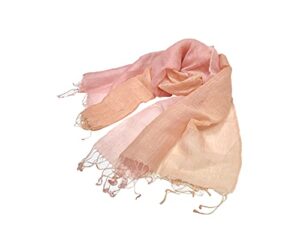
Snow-country silk stoleYonezawa-ori safflower silk stole
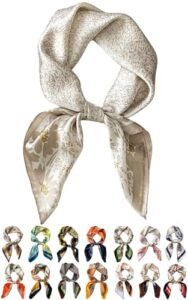
Chichibu meisen stoleChichibu meisen silk stole
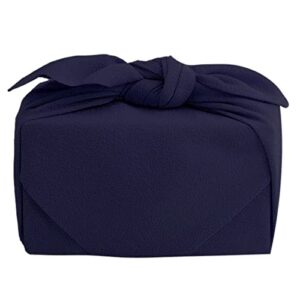
Kyoto yuzen furoshikiKyo-yuzen furoshiki wrapping cloth
📦 Shipping & where to buy from outside Japan
Ojiya-chijimi table runners are a Japanese textile, so international buyers should compare shipping options and allow for customs duties when ordering from Japan.
International shipping for a lightweight cloth like this is typically modest. Expect roughly $15–$40 to the US or EU via the JP Global Store, higher to other regions. Orders above your local duty threshold may attract customs charges; a single table runner usually sits below most thresholds, but verify for your country. Because this is an undyed natural-fiber textile and not an electrical product, there are no voltage or certification concerns.
| Store | Item / variant | Price (JPY + USD est.) | Notes |
|---|---|---|---|
| 🇺🇸 Amazon.com (US) | Browse Japanese ramie & linen table runners | varies (USD) | Best if you are shopping from the US — Prime shipping, USD pricing, no international customs. Amazon US carries ramie and linen table textiles from various makers, useful for comparing texture and size. The exact Ojiya-chijimi piece ships from Japan (next row). |
| 🇯🇵 Amazon JP Global Store | Ojiya-chijimi ramie crepe table runner | Varies by seller | Ships internationally from Japan. |
| Maker direct | Ojiya weavers’ cooperative / individual ateliers | Varies; often Japan-domestic only | Widest selection of grades and textures, but many sites do not ship abroad directly. Often requires a proxy. |
| Proxy services (Buyee / Tenso) | Forward from any JP-domestic shop | Item price + forwarding + shipping | Use when a piece is only sold on a Japan-domestic site. Adds a forwarding fee and a second shipping leg. |
Prices in this category can vary with the workshop, width, length, and run. Treat any currency conversion as approximate.
📍 Where this comes from — place, era, and the craft tradition

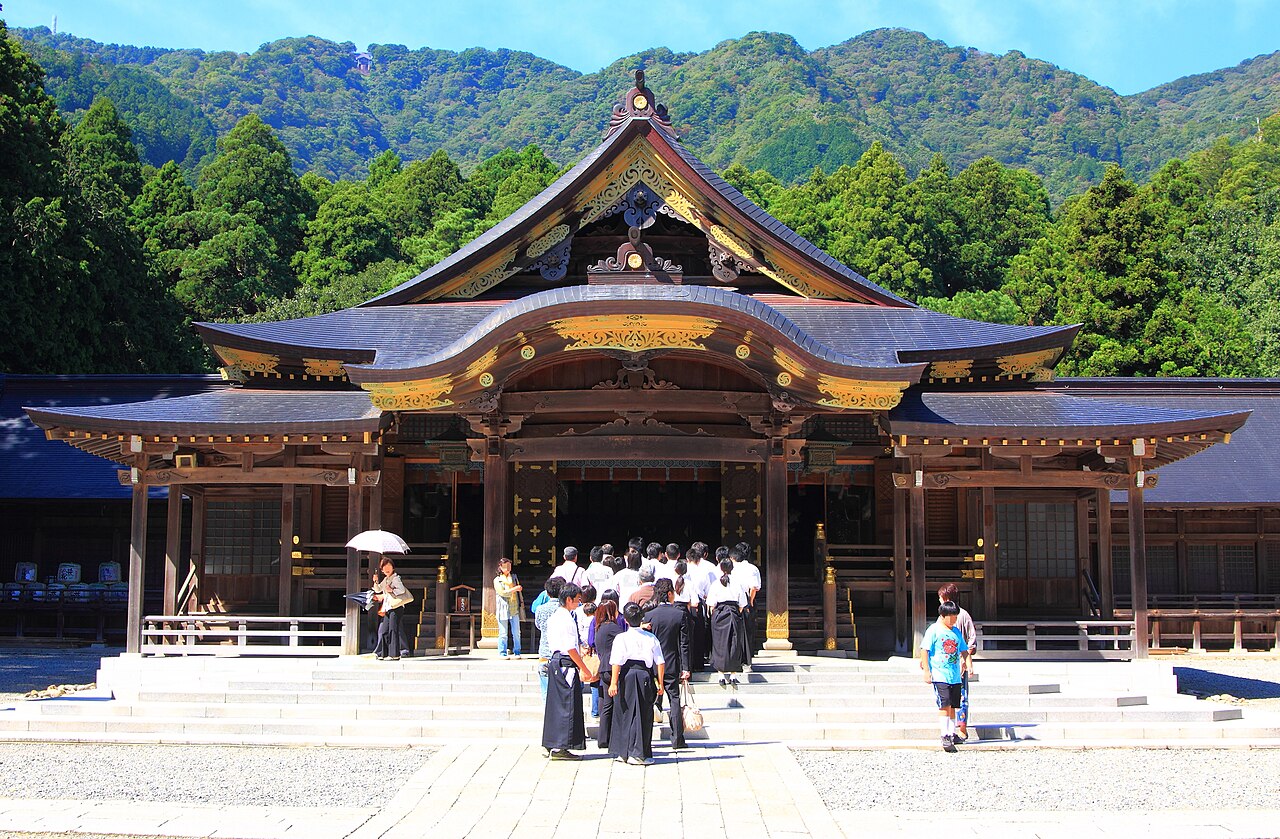
Niigata Prefecture occupies the long Sea-of-Japan coast of central Honshū, in the region Japan calls Chūbu. Before the prefectural system, this was Echigo — a province defined by water and by snow. The Shinano, Japan’s longest river, drains through it to the sea, and the mountains that wall it off from the Pacific side trap moisture coming in off the Sea of Japan. The Uonuma district around Ojiya, on the river’s middle reaches, receives some of the deepest seasonal snowfall of any inhabited place in the world.
That snow is not incidental to the cloth — it is the reason for it. Long winters confined to the house gave farming households the time for fine, slow handwork, and ramie (choma) grew and was processed across the province. Ramie cloth was woven in Echigo since antiquity, well before the crepe technique arrived. The crisp bast fiber suited the humid summers, and the abundant clean snowmelt of the Shinano basin gave weavers the water they needed to wash, twist, and finish it.
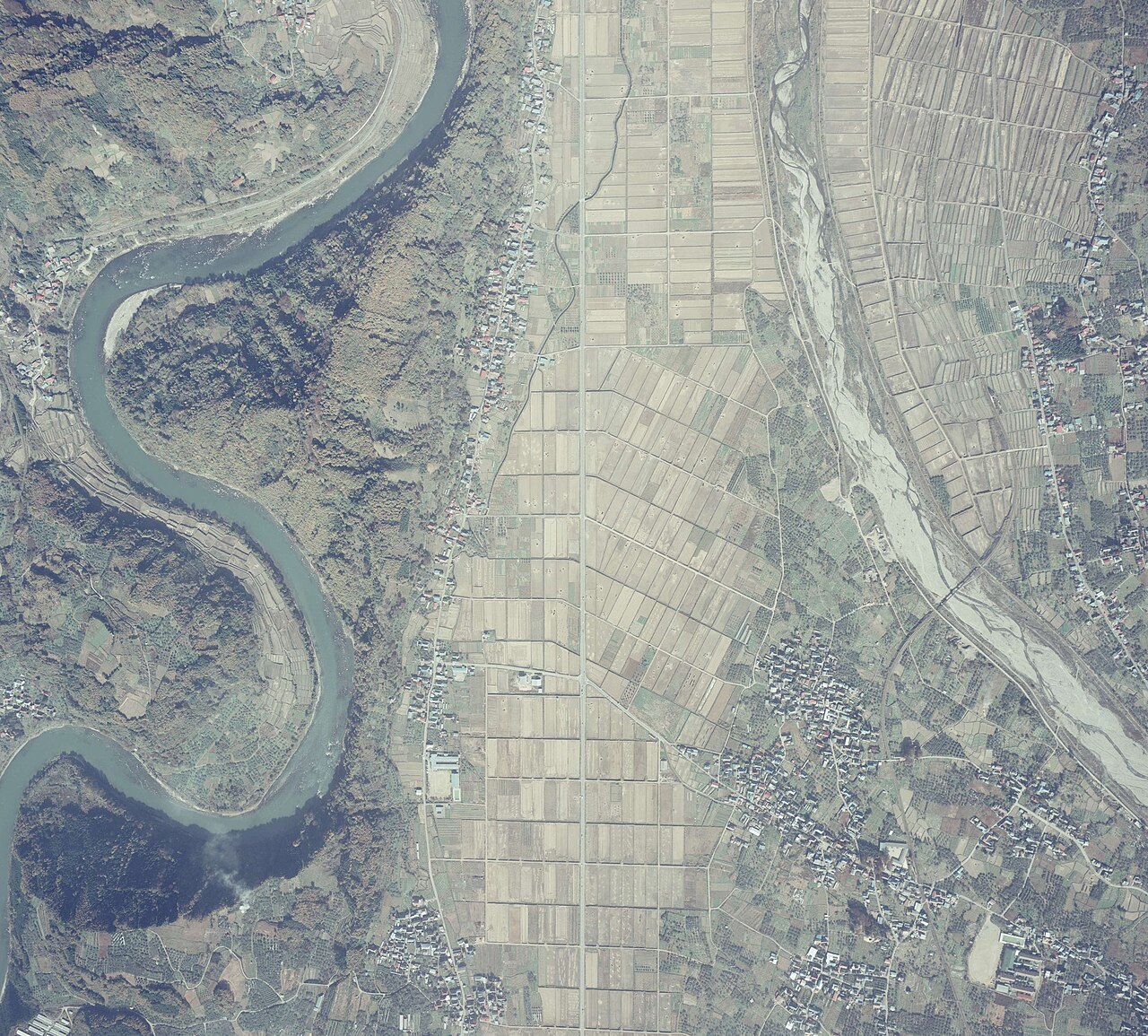
The decisive moment came in the 1670s. A masterless samurai (rōnin) named Hori Jirō Masatoshi, from the Akashi domain in what is now Hyōgo, transmitted to Ojiya the high-twist weft method behind Akashi-chijimi. Twisting the weft yarn hard and then setting it by kneading the woven cloth in hot water makes the surface contract into fine, even ridges — the shibo. A crepe surface does not lie flat against skin, so it stays cool and dry through a sticky summer. The technique took root, and Ojiya became the crepe town of the snow country.
-
Antiquity — Ramie (choma) cloth woven across snowbound Echigo, long before the crepe technique. -
1670s — Hori Jirō Masatoshi, a rōnin from the Akashi domain, transmits the high-twist weft crepe method to Ojiya. -
1837 — Suzuki Bokushi’s Hokuetsu Seppu documents the snow country, including the yukizarashi snow-bleaching of the cloth. -
2009 — Ojiya-chijimi, with Echigo-jōfu, inscribed by UNESCO as an Important Intangible Cultural Property of Japan. -
2026 — Ramie crepe still woven and finished in the Ojiya district, now reaching tables abroad as runners and panels.
The cloth’s most distinctive finishing step belongs entirely to the snow. In early spring, woven ramie is spread out flat over the lingering snowfields. As the snow melts under the strengthening sun, it releases ozone, and that ozone gently whitens and brightens the cloth — a bleaching done by climate rather than chemistry. This is the yukizarashi recorded by Suzuki Bokushi in his celebrated account of the snow country, Hokuetsu Seppu.
“The cloth is whitened not with bleach but with melting snow — a finishing step that can only happen where the winters are long enough to bury the fields.”
Two designations confirm the standing of this tradition. Ojiya-chijimi and the finer Echigo-jōfu were inscribed together by UNESCO in 2009 as an Important Intangible Cultural Property of Japan — recognition that the craft’s twisting, weaving, and snow-finishing techniques are worth preserving as living practice, not museum objects. The continuity case is straightforward: the cloth is still produced in the Ojiya district today, using the same high-twist weft and, where conditions allow, the same snow-bleaching, by weavers carrying a line that runs back to the 1670s transmission.
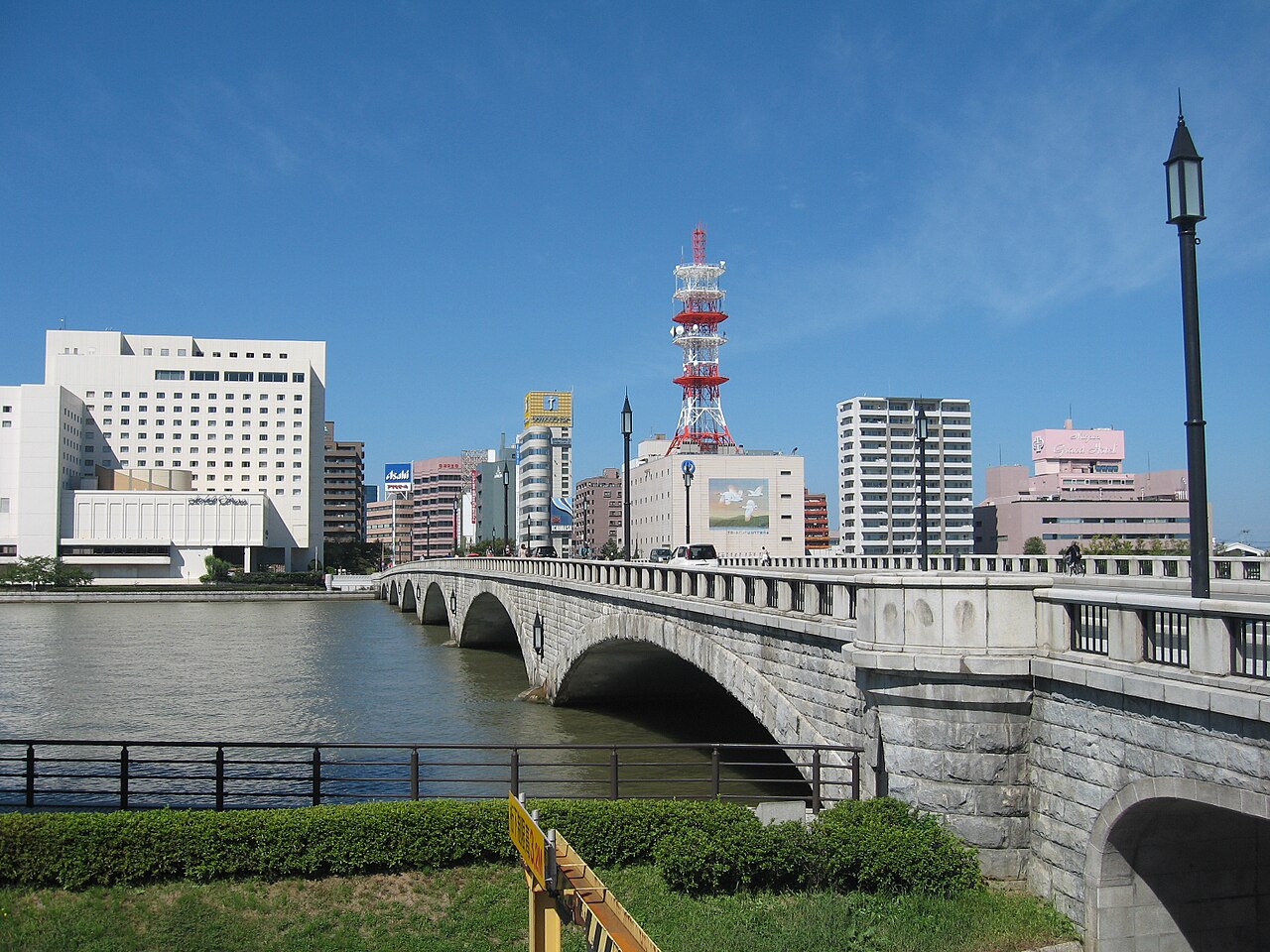
Niigata is also a textile region in the broader sense — Echigo’s snow gave rise to a cluster of fiber crafts, and the prefecture’s metalworking towns of Tsubame and Sanjō sit not far downriver. On a summer table, the seasonal logic of Ojiya-chijimi is exactly the one the weavers intended centuries ago: a crisp, cooling cloth for the hot months, when a flat-woven fabric would cling and a crepe one will not.
What it does well
The shibo texture lifts the cloth off the surface beneath it, so it reads as light and summery rather than flat and heavy.
A natural snow-bleached tone and a three-dimensional weave give visual interest without a loud printed pattern — easy to set under most tableware.
A UNESCO-inscribed tradition with a traceable 350-year history — a piece you can explain, not just display.
Ramie is strong and quick-drying. Cared for gently, a ramie textile can last and soften gracefully over years of seasonal use.
Weaknesses and things to verify before buying
- Size varies. Choose a runner that fits your table.
- Price could not be confirmed. Live pricing was unavailable at the time of writing. Treat any figure you see at the retailer as the current authority, and expect handwoven ramie to sit well above mass-produced cotton runners.
- The hand is crisp, not soft. Crepe ramie is deliberately stiff and textured. If you want a plush, drapey runner, this is the wrong fabric.
- Care is more demanding. Bast-fiber crepe generally prefers hand-washing or gentle care; the shibo can relax with aggressive machine washing or hot tumble-drying. Follow the maker’s care guidance.
- Natural-tone, low-pattern aesthetic. This tradition favors texture and undyed tone. Buyers wanting bold color or graphic print will not find it here.
- “Ojiya-chijimi” is a regional craft name, not a single guaranteed grade. Quality and finishing, including whether genuine snow-bleaching was used, vary by maker. Read the maker’s description rather than assuming the top grade.
- International returns can be slow. If the item ships from Japan, a return or exchange means a return leg to Japan. Confirm the seller’s policy before ordering.
Conclusion — which buyer type are you?
You want a documented, snow-bleached ramie crepe from a UNESCO-inscribed tradition and will pay for verified quality. Read the maker grade carefully and buy the best you can confirm.
You want one beautiful, breathable summer runner with a story. Ojiya-chijimi suits a table setting where lightness and texture are part of the appeal.
Handwoven ramie crepe will stretch a tight budget. Consider the indigo cotton runner in the comparison box, or wait for a sale.
You want a soft, machine-washable, boldly printed runner for daily heavy use. A crisp natural-tone ramie crepe is not what you are after.
Other ways to approach this purchase
Seasonal textiles may be easier to find outside peak summer demand. If you are not in a hurry, compare options during the cooler months.
Ojiya ateliers and the local cooperative offer the widest range of grades and textures, though many do not ship abroad without a proxy.
If you already hold Amazon points or rewards, a small home textile is a low-risk way to spend them.
If crisp natural-fiber texture is not what your table needs, a cotton or printed runner — see the comparison box — will serve better.
❓ Frequently Asked Questions
What is Ojiya-chijimi made of?
What is the crinkled texture, and why does it matter?
What is yukizarashi snow-bleaching?
Does Amazon JP ship this internationally?
How do I care for a ramie crepe runner?
How is this different from a cotton or linen runner?
Does it make a good gift?
jpmono.com is curated by a Japan-based editorial team working out of Toyama in the Hokuriku region and Nara in Kansai, and is independent. We do not take payment from the makers we feature; income comes from affiliate links. We do not physically test every product. Read more about our editorial standards.
Affiliate disclosure: jpmono.com may earn a commission on qualifying purchases made through links on this page, at no additional cost to you.