![Matsushiro-yaki Yunomi: Sanada Domain Blue-Green Pottery from Nagano, Where to Buy [2026]](https://jpmono.com/wp-content/uploads/2026/06/matsushiro-yaki-aoryu-yunomi-where-to-buy-2026-featured.jpg)
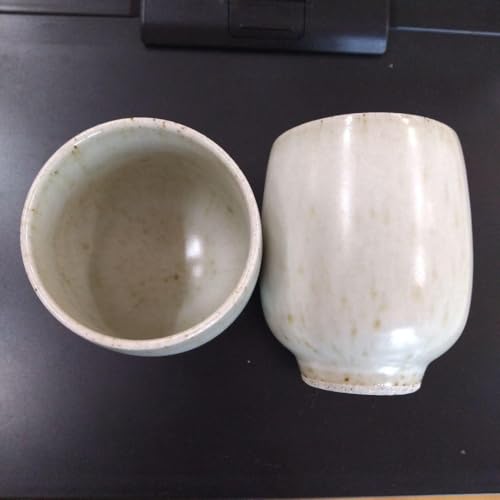
Matsushiro-yaki (松代焼, “Matsushiro ware”) is an ash-glazed pottery from the old castle town of Matsushiro, on the southern edge of Nagano City in central Japan. Its defining feature is the aoryu (青流, “blue current”) glaze — a deep blue-green skin, born from local plant and mountain ash, that runs and pools in the recesses of a cup so that no two pieces drain the same way. This guide looks at one everyday form of it: a yunomi (湯のみ), the lidless cup most Japanese households reach for when pouring green tea at home.
What makes Matsushiro-yaki worth a foreign reader’s attention is not volume but lineage. The kiln was promoted as a domain industry under the Sanada clan, the same family whose castle town gave the region its name, and it sits on the Chikuma River plain beside the Kawanakajima battlefields where the Takeda and Uesugi armies fought through the 1550s and 1560s. Production lapsed once the feudal domains were dissolved, then was revived in the modern era as a small-output regional ware. That history is the reason this cup reads differently from a mass-market mug.
This article is written for readers shopping from outside Japan who want a quiet, characterful daily tea cup rather than a display piece, and who want to understand the place and tradition before they weigh the price. We cover who it suits, what the glaze actually does, how it compares with other Japanese regional cups, and the realistic paths to buying one internationally. Where the data is thin, we say so plainly rather than guess.
🔄 Updated:
⏱️ Read time: about 11 minutes

- Who this is for — and who should skip it
- Product overview (from published specs)
- 📍 Where this comes from — place, era, and the craft tradition
- 📌 How does it compare?
- Price snapshot across stores
- What it does well
- Weaknesses and things to verify before buying
- Conclusion — which buyer type are you?
- Other ways to approach this purchase
- 🏆 Editor’s Pick
- ❓ Frequently Asked Questions
Who this is for — and who should skip it
- Want a daily-use green-tea cup with real regional character, not a display object.
- Like glazes that vary piece to piece — pooling, running, and tonal shifts are the point.
- Are drawn to crafts with a documented domain-era lineage (here, the Sanada clan’s Matsushiro).
- Prefer muted blue-green and earth tones over bright, uniform color.
- Are comfortable buying a small-output ware where stock and exact finish vary.
- Need an exact, repeatable color match across a multi-cup set.
- Want a handled mug for coffee or a microwave-and-dishwasher workhorse without caveats.
- Expect guaranteed in-stock availability and fast domestic-US shipping.
- Prefer crisp, machine-perfect industrial ceramics with no glaze irregularity.
- Are shopping purely on lowest price rather than provenance.
Product overview (from published specs)
Source data for this specific listing is thin at the time of writing: the automated fetch returned no live Amazon US or marketplace rows, and no captured price. The item is identified by its Amazon catalog ID (ASIN B0H4X8H4TP), a Matsushiro-yaki aoryu ash-glaze yunomi from a Nagano kiln (listed under the Karakusa-an / Matsushiro pottery line). Treat the table below as a structural snapshot, and verify the exact dimensions, weight, and price on the live listing before buying.
Matsushiro-yaki Yunomi
松代焼 松井窯 陶器 湯呑み 箱付き
通常7~8日以内に発送します。 · Sold by さらさショップ · ASIN B0H4X8H4TP
Price and availability as of 2026-09-01 05:22 JST. The Amazon listing at the time of purchase is authoritative. jpmono.com earns a commission on qualifying purchases at no extra cost to you.
| Attribute | Detail | Source |
|---|---|---|
| Ware | Matsushiro-yaki (松代焼), ash-glazed stoneware | Maker tradition / data notes |
| Form | Yunomi (lidless tea cup) | Article spec |
| Glaze | Aoryu blue-green ash glaze, from local plant / mountain ash | Data notes |
| Origin | Matsushiro, Nagano City, Nagano Prefecture (Chūbu) | Data notes |
| Catalog ID | ASIN B0H4X8H4TP | Article spec |
| Dimensions / weight | Unconfirmed — check the listing | Not in fetched data |
| Price | Not captured at time of writing — verify on listing | Not in fetched data |
Spec sheets indicate ash-glazed stoneware behaves as a stoneware cup; the data suggests no electrical or voltage considerations apply. Where a cell reads “Unconfirmed,” the value was absent from both the fetched data and the linked references, so it is left open rather than guessed.
📖 Glossary — key terms for this cup
- Yunomi (湯のみ) — a tall, lidless Japanese tea cup for everyday green tea, held in one hand. Distinct from the lidded, handled cups used for guests.
- Matsushiro-yaki (松代焼) — pottery from Matsushiro, the Sanada clan’s castle town in present-day Nagano City.
- Aoryu (青流) — literally “blue current”: the blue-green to teal ash glaze that flows and pools, the ware’s signature look.
- Ash glaze / hai-yū (灰釉) — a glaze made using wood, plant, or mountain ash; the minerals in the ash give the fired surface its color and depth.
- Sanada (真田) — the daimyō clan that governed the Matsushiro domain from 1622 through the Edo period and patronized local industry.
- Shokunin (職人) — a craftsperson or artisan working within an established trade tradition.
📍 Where this comes from — place, era, and the craft tradition

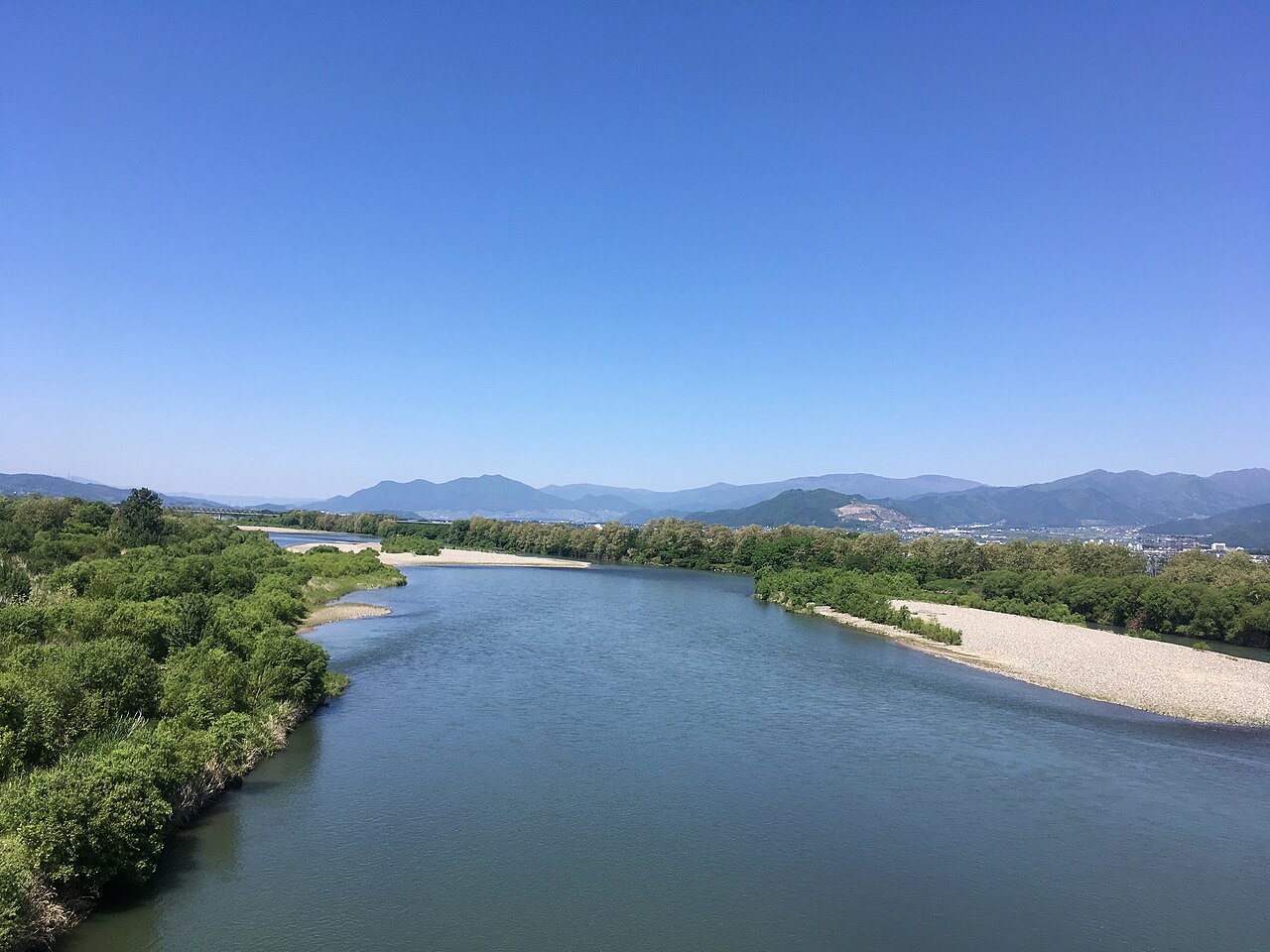
Matsushiro is not a coastal craft town; it is an inland one. It lies on the Chikuma River plain at the southern edge of present-day Nagano City, hemmed by mountains on most sides. That setting matters for an ash-glazed ware: a wooded, mountainous hinterland supplies exactly the plant and mountain ash that give the aoryu glaze its color, and the river plain supplies the clay. The craft took root here because the raw materials were local and the local lord had reason to encourage them.
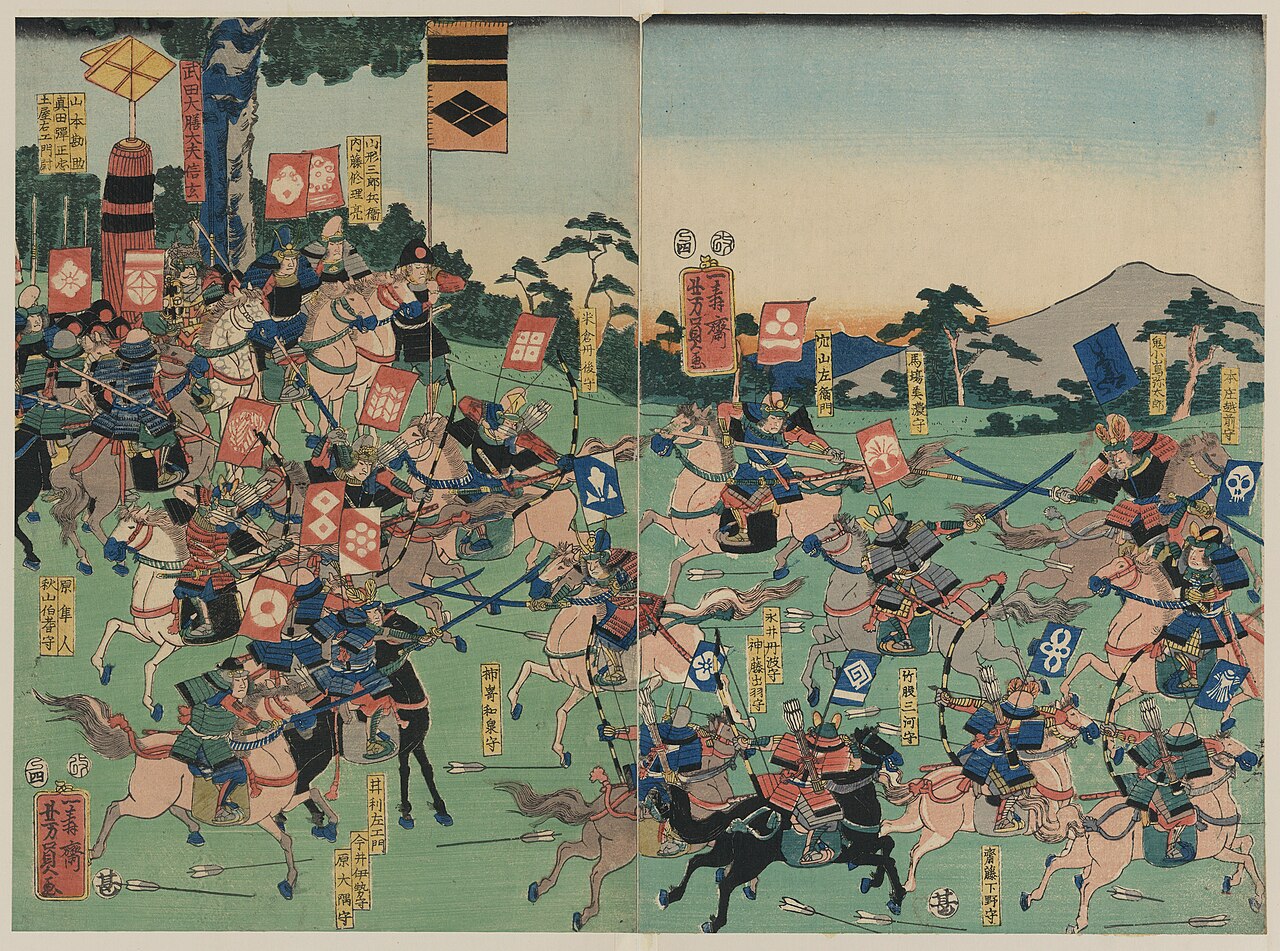
This plain has deep historical weight. Through the 1550s and 1560s, the warlords Takeda Shingen and Uesugi Kenshin clashed repeatedly here in the battles of Kawanakajima — among the most storied confrontations of Japan’s Warring States era. The land that would become a quiet pottery district was, four centuries earlier, contested ground between two of the period’s great houses.
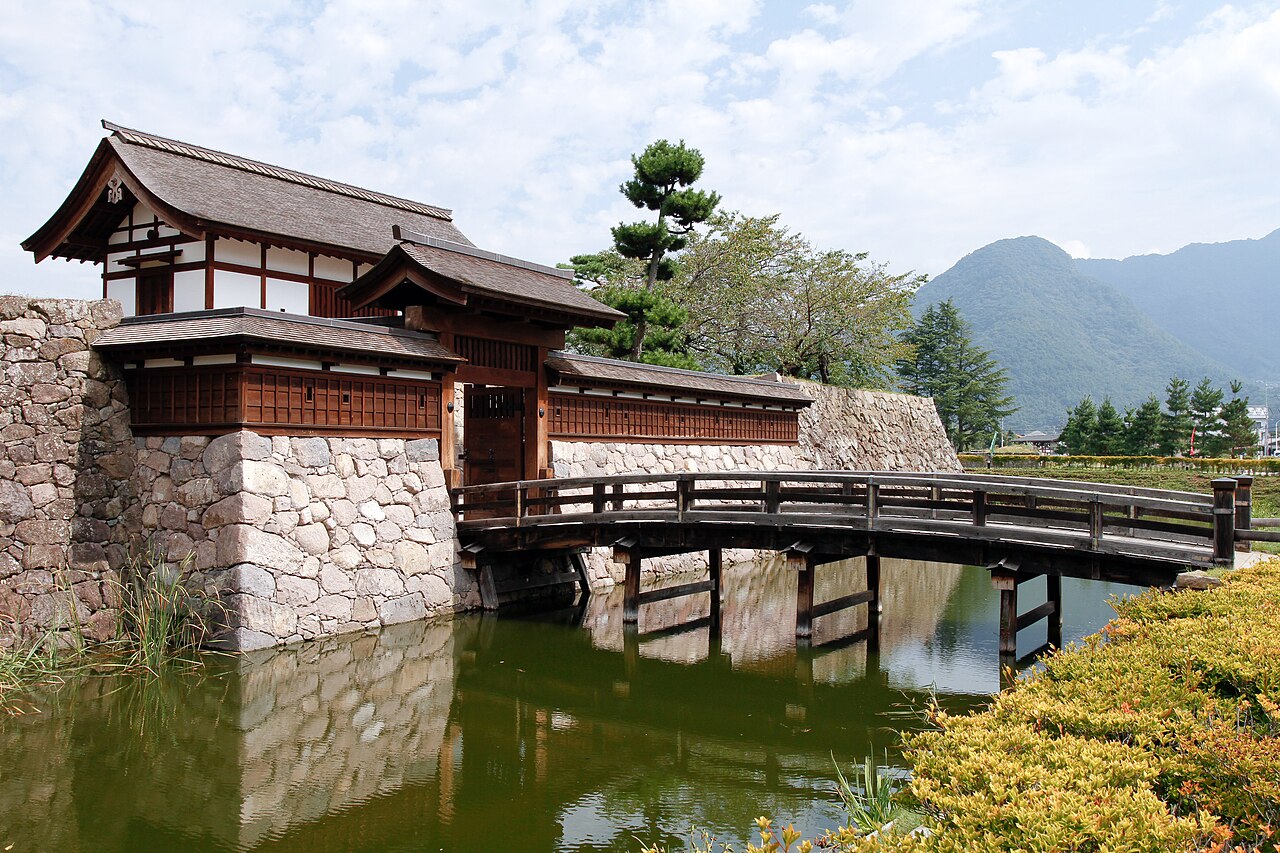
The pottery’s institutional story begins in 1622, when Sanada Nobuyuki was transferred to the Matsushiro domain. The Sanada clan governed the castle town for the remainder of the Edo period, and the kiln was promoted as a domain industry — a deliberate act of local economic patronage rather than a spontaneous folk craft. The signature aoryu glaze, fired to a deep teal-to-cobalt that pools in the recesses, became the ware’s recognizable face.
- 1550s–1560s — Takeda and Uesugi clash repeatedly at Kawanakajima, on the Chikuma River plain beside what becomes Matsushiro.
- 1622 — Sanada Nobuyuki is transferred to the Matsushiro domain; the Sanada clan governs the castle town through the Edo period.
- Edo period — The domain promotes ceramic production as a local industry; the aoryu ash glaze becomes the ware’s signature.
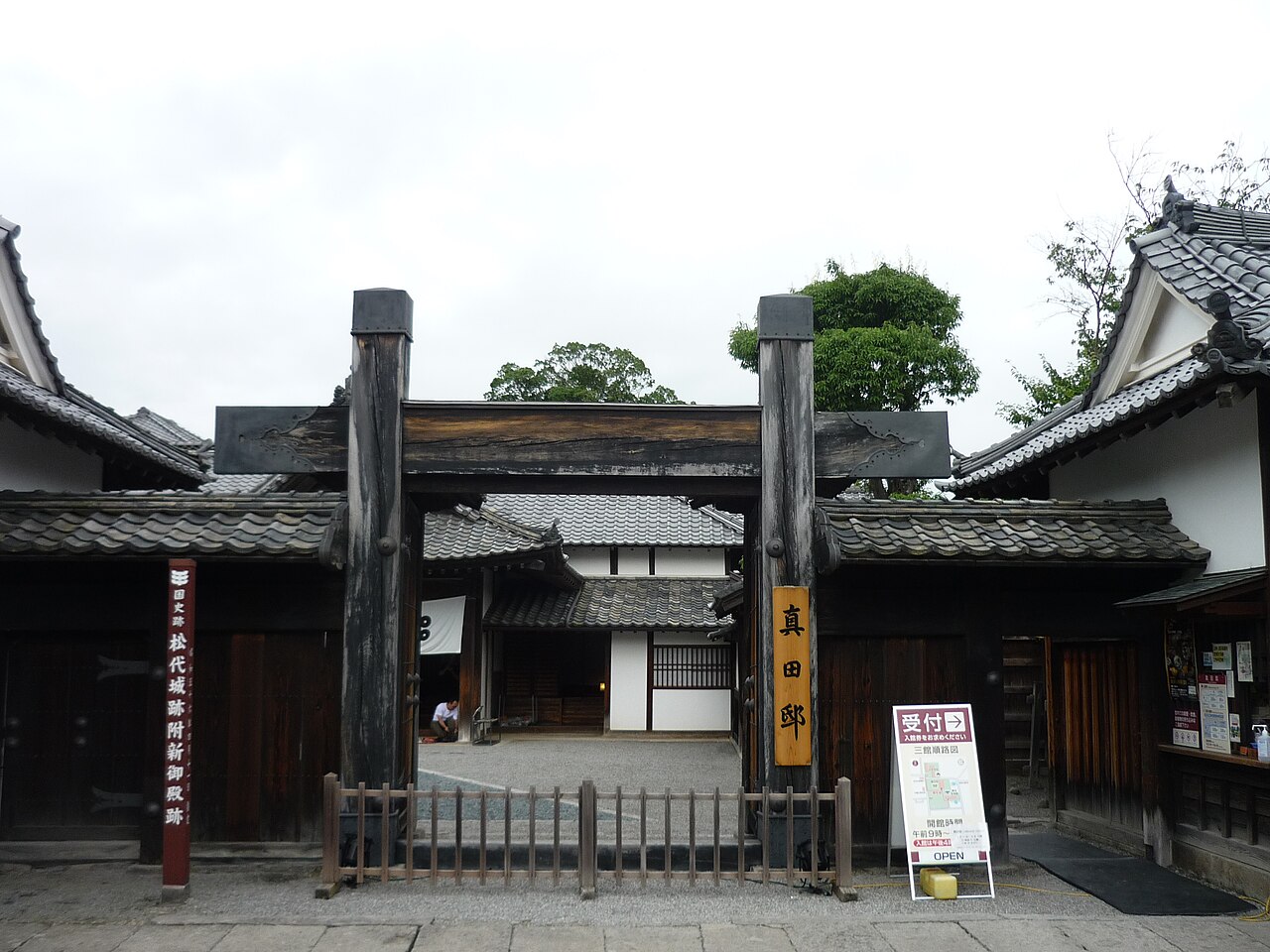
- Mid-19th century — Matsushiro flourishes as a domain seat of learning; the Sanada residence and the Bunbu academy date from this era and still stand.
- Meiji era onward — The feudal domains are dissolved and Matsushiro-yaki production lapses.
- 20th century — Local kilns revive the ware as a small-output regional craft.
- 2026 — Matsushiro-yaki is still fired in Nagano in limited quantities.
What “still being made here” means for Matsushiro-yaki is honest and modest. This is not one of the large, continuously running production centers; the line was broken when the domain system ended and was deliberately revived later. The result is a small-output ware made by a limited number of kilns, which is precisely why availability fluctuates and why each aoryu cup carries visible individuality rather than factory uniformity.
“The same blue-green that pools in the foot of the cup is, quite literally, the ash of the mountains that ring Matsushiro — fired back into a surface you drink from.”
For a reader assembling a sense of Nagano’s crafts, this cup completes a picture. The prefecture is better known abroad for wood and textile — the Kiso valley’s combs and lacquer, the Sanada-linked Ueda tsumugi silk — and Matsushiro-yaki fills in the pottery. Tellingly, the same Sanada name links the ceramic to the textile: the clan that patronized the kiln also presided over the silk-weaving district downriver.
📌 How does it compare?
If you are weighing this yunomi against other Japanese regional cups and crafts, these existing jpmono guides cover the closest comparisons — two Nagano neighbors, a same-prefecture silk piece, and several other regional tea cups and mugs.
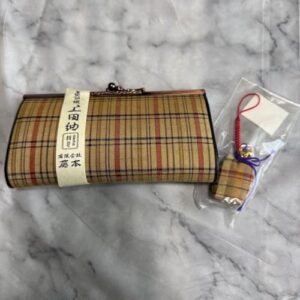 Ueda Tsumugi (Nagano, Sanada domain)Same prefecture, same clan lineage — silk rather than clay.
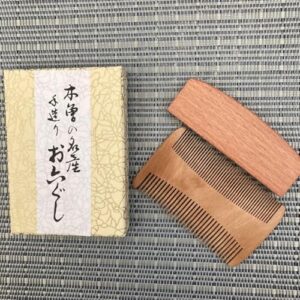 Kiso Oroku-gushi comb (Nagano)A Nagano woodcraft from the Kiso valley.
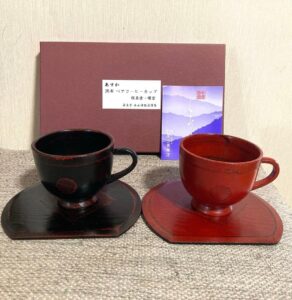 Honyama Shikki Kiso lacquer (Nagano)A Nagano drinking vessel in lacquer, for contrast.
 Mashiko-yaki celadon mugA handled celadon mug from a larger pottery center.
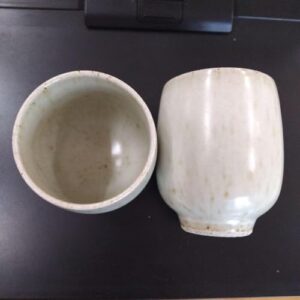 Hirashimizu-yaki yunomiAnother regional yunomi — direct same-form comparison.
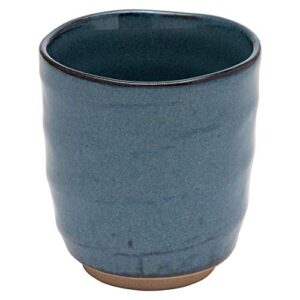 Shitoro-yaki yunomiA glazed yunomi from a different regional kiln.
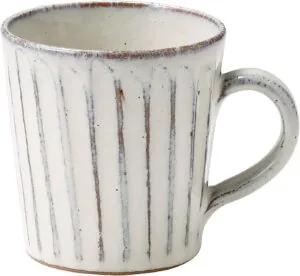 Shigaraki Hechimon mugA Shigaraki stoneware mug, for a handled alternative.
Price snapshot across stores
JPY (¥) is the authoritative price for the specific listed item; USD figures are approximate estimates at a ¥150/USD baseline (mid-2026). Note: live pricing was not captured for this listing at the time of writing — confirm the current figure at the retailer before buying.
| Store | Item / variant | Price (JPY + USD est.) | Notes |
|---|---|---|---|
| 🇺🇸 Amazon US (search) | Browse Japanese pottery yunomi tea cups | varies (USD) | Best if you are shopping from the US — Prime shipping, USD pricing, no international customs. Amazon US carries Japanese tea cups and yunomi from various kilns; this exact Matsushiro-yaki piece is sourced from Japan (next row). |
| 🇯🇵 Amazon JP Global Store | Matsushiro-yaki aoryu yunomi (ASIN B0H4X8H4TP) | Price not captured — verify on listing | The sourced listing for the specific item. Ships internationally from Japan to most major destinations via the Global Store. |
| Maker direct | Matsushiro / Karakusa-an kiln line | Unconfirmed | Small-output kiln; a direct sales channel may exist but was not confirmed in the fetched data. Often Japanese-language only. |
| Proxy services (Buyee / Tenso) | Any Japan-domestic listing of the cup | Item price + proxy fee + forwarding | Useful when a piece is listed only on Japan-domestic shops; adds a service fee and a forwarding-shipping leg. |
What it does well
Weaknesses and things to verify before buying
- No captured price or dimensions. The fetched data returned no price, weight, or measurements for this listing. Confirm all of these on the live page before ordering.
- Glaze varies piece to piece. Because the aoryu glaze runs and pools, the cup you receive will not exactly match any single product photo. This is intrinsic to the ware, not a defect — but it can disappoint buyers expecting a precise color match.
- Small-output availability. Matsushiro-yaki is a revived, limited-production ware. Stock can lapse, and a specific listing may go unavailable without a like-for-like replacement.
- International shipping adds cost and time. The specific item ships from Japan via the JP Global Store; expect an international shipping fee, longer transit, and possible customs handling depending on your country.
- Care assumptions unconfirmed. Microwave, dishwasher, and oven suitability were not stated in the fetched data. Treat it as hand-wash stoneware unless the listing says otherwise.
- Single-cup purchase, not a guaranteed set. If you want a matched multi-cup set, verify whether the listing offers one; individually glazed cups will differ.
Conclusion — which buyer type are you?
Other ways to approach this purchase
🏆 Editor’s Pick
❓ Frequently Asked Questions
What is the aoryu glaze, and why does each cup look different?
Aoryu (青流, “blue current”) is the blue-green ash glaze that defines Matsushiro-yaki. It is made using local plant and mountain ash, and during firing it runs and pools in the recesses of the cup. Because that flow is never identical twice, each piece has its own pattern of teal-to-cobalt shading rather than a uniform color.
Does this ship internationally from Japan?
The specific item is sourced from the Amazon JP Global Store, which ships internationally to most major destinations. Expect an international shipping fee, longer transit than a domestic order, and possible customs handling depending on your country. Always confirm that your destination is served before ordering.
How much does it cost?
Live pricing was not captured in the data used for this article, so we do not quote a figure here. JPY is the authoritative currency for the sourced listing; any USD amount is an approximate estimate at roughly ¥150/USD. Check the current price directly on the listing before buying.
How should I care for a Matsushiro-yaki yunomi?
Microwave and dishwasher suitability were not stated in the fetched data, so treat it as hand-wash stoneware: rinse and wipe gently, avoid sudden temperature shocks, and dry it fully. If the listing specifies otherwise, follow the maker’s guidance.
Is Matsushiro-yaki an old, continuous tradition?
It originated under the Sanada clan’s Matsushiro domain after Sanada Nobuyuki moved there in 1622 and was promoted as a domain industry. Production lapsed once the feudal domains were dissolved in the modern era, and it was later revived as a small-output regional ware. So the lineage is documented but not unbroken — today’s cups come from kilns that restored the tradition.
How does it compare with other Japanese yunomi?
Versus glazed regional yunomi like Hirashimizu-yaki or Shitoro-yaki, the draw of Matsushiro-yaki is specifically its blue-green ash glaze and its Sanada-domain provenance. Against a handled stoneware mug such as a Shigaraki piece, the difference is form: a yunomi is a lidless, handle-free cup built for green tea. The comparison cards above link guides to each.
Can I buy it if it is not on Amazon US?
Yes. Many hand-made Japanese craft items are not individually listed on amazon.com. The specific cup is available through the Amazon JP Global Store, and where a piece appears only on Japan-domestic shops, a proxy service such as Buyee or Tenso can forward it to you for an added fee.
jpmono.com is curated by a Japan-based editorial team (working out of Toyama in the Hokuriku region and Nara in Kansai) and is independent. We do not take payment from the makers we feature; income comes from affiliate links. We do not physically test every product — we read maker’s specs and source listings.
🤖 This article was prepared with AI assistance for drafting and formatting, then reviewed against the source listing and craft references. Where source data was thin, the gaps are stated rather than filled with guesses.
Affiliate disclosure: jpmono.com may earn a commission on qualifying purchases made through links on this page, at no additional cost to you.