![Ojiya Chijimi Ramie Noren: Snow-Country Crepe Curtain Buying Guide [2026]](https://jpmono.com/wp-content/uploads/2026/06/ojiya-chijimi-ramie-noren-where-to-buy-2026-featured.jpg)
- What it is: A hand-woven ramie (choma) crepe noren doorway curtain in indigo or stripe, made in Ojiya, Niigata.
- Made in: Ojiya, Niigata (Chūbu region) — Ojiya Chijimi (小千谷縮) is a UNESCO Intangible Cultural Heritage craft (inscribed 2009) and Important Intangible Cultural Property (1955).
- Price band: Mid-to-upper for hand-loomed home textiles — genuine hand-woven ramie sits well above machine-printed cotton noren (see live listing for the current figure).
- Best for: Buyers who want a breathable summer doorway curtain with real craft provenance, not a printed reproduction.
- Skip if: You want a machine-washable, opaque privacy curtain or a low-cost decorative panel.
- Shipping: ships internationally from Amazon Japan — jump to our pick ↓
In the deep-snow winters of Ojiya, weavers once carried finished bolts of cloth out onto the melting spring snowfields and left them to whiten in the sun. The technique has a name — yukisarashi (雪晒し, “snow-bleaching”) — and the ozone released by sun on snow is what lifted the color of the ramie. That single detail separates Ojiya Chijimi (小千谷縮) from almost every other doorway curtain you can buy: it is a textile whose finishing step depends on a specific climate.
Ojiya Chijimi is a fine crepe woven from ramie (choma / karamushi), a bast fiber that is crisp, cool, and quick to shed moisture. Its signature is the shibo — a fine, all-over pucker created by weft yarn that has been over-twisted so hard that it crinkles the moment the woven cloth is soaked. That crinkle lifts the fabric off the skin and off the air, which is exactly why a ramie noren reads as a summer object in Japan. The craft was refined in the mid-1600s, documented in a famous 1837 book about snow-country life, designated an Important Intangible Cultural Property in 1955, and inscribed on UNESCO’s Intangible Cultural Heritage list in 2009.
This guide is written for international buyers deciding whether a genuine hand-woven Ojiya Chijimi noren is worth its price over a printed lookalike. We cover how the cloth is actually made, what “hand-woven ramie” changes about care and feel, how it compares to other Japanese woven and indigo-dyed textiles, and the practical question of buying one from outside Japan. The specific listing this guide is built around is the hand-woven ramie noren (ASIN B0FBGJTX54); live pricing was not in our data snapshot, so the linked listing is the authoritative source for the current figure.
ℹ️ Live pricing and some listing-specific specs were not in our snapshot — the linked Amazon listing is authoritative; unconfirmed attributes are marked below.
🗓️ Published: July 22, 2026 · ♻️ Last updated: July 22, 2026 · ⏱️ Read time: ~9 min

- Who this is for — and who should skip it
- Product overview (from published specs)
- 📍 Where this comes from — place, era, and the craft tradition
- Price snapshot across stores
- 📦 Shipping & where to buy from outside Japan
- What it does well
- Weaknesses and things to verify before buying
- Conclusion — which buyer type are you?
- Other ways to approach this purchase
- 🏆 Editor’s Pick
- ❓ Frequently Asked Questions
Who this is for — and who should skip it
- Want a breathable, summer-weight doorway curtain that lets air pass
- Value real hand-weaving and UNESCO-listed craft provenance over a printed pattern
- Like the crisp, dry hand of ramie and the textured pucker of crepe
- Appreciate indigo or stripe classic Japanese interior styling
- Are comfortable hand-washing a delicate natural-fiber textile
- Need an opaque privacy or blackout curtain — ramie noren are semi-sheer
- Want a machine-washable, tumble-dry, low-maintenance panel
- Are shopping mainly on price — printed cotton noren cost a fraction
- Dislike the naturally crisp, slightly stiff hand of ramie
- Expect winter insulation — this is a warm-season textile
Product overview (from published specs)
The table below summarizes what is confirmable from the listing snapshot and the craft’s documented characteristics. Live pricing was not captured in our snapshot; treat the linked listing as authoritative. Where an attribute varies by the specific woven piece, it is marked as such — hand-woven cloth is not identical piece to piece.
| Attribute | Detail (per listing / documented craft facts) |
|---|---|
| Item | Ojiya Chijimi (小千谷縮) hand-woven noren doorway curtain |
| Material | Ramie / choma (苧麻, karamushi) — a crisp bast fiber |
| Weave | Hand-woven crepe with shibo pucker from over-twisted weft |
| Design | Indigo or stripe (varies by piece — check the live listing) |
| Origin | Ojiya, Niigata Prefecture (Chūbu / Echigo snow country) |
| Dimensions | Unconfirmed in snapshot — check listing for panel width and drop |
| Designation | Important Intangible Cultural Property (1955); UNESCO Intangible Cultural Heritage (2009) |
| ASIN | B0FBGJTX54 (Amazon JP Global Store) |
| Sources | Amazon US search (moonill-20) · Amazon JP Global Store (moonill-22, sourced listing) · maker direct · proxy where relevant |
📖 Glossary — key terms
- Ojiya Chijimi (小千谷縮, “Ojiya crepe”) — the ramie crepe woven in Ojiya, Niigata.
- Ramie / choma (苧麻, karamushi) — a bast fiber from the ramie plant; crisp, cool, and moisture-shedding.
- Shibo (シボ) — the fine, all-over crinkle or pucker of the cloth, produced by over-twisted weft yarn that crimps when the woven fabric is wetted.
- Yukisarashi (雪晒し, “snow-bleaching”) — laying finished cloth on spring snowfields, where sun-on-snow ozone whitens the fiber.
- Echigo-Jofu (越後上布) — the older, high-grade Echigo ramie cloth whose methods Ojiya Chijimi adapted.
- Noren (暖簾) — a split fabric curtain hung in a doorway, traditionally at shop entrances and interior thresholds.
📍 Where this comes from — place, era, and the craft tradition


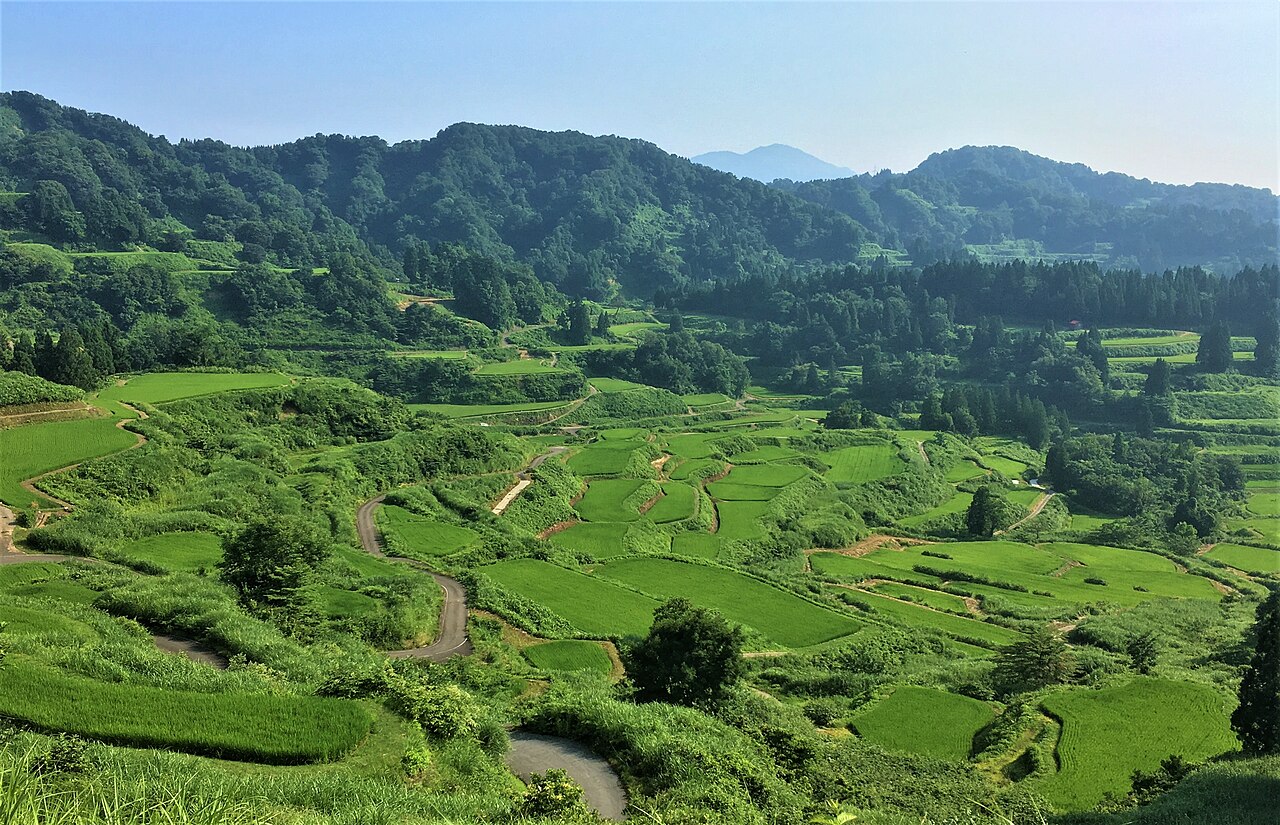
Ojiya sits in south-central Niigata Prefecture, on the banks of the Shinano River — Japan’s longest — in the part of the old Echigo province known for some of the heaviest snowfall in the inhabited world. This is the Sea of Japan side of the country, where winter storms sweeping off the water dump meters of snow across the valleys. For most of the year the region’s identity is defined by that snow, and the craft that grew here is inseparable from it.
Two things the snow country provided made the cloth possible: water and time. The Shinano River’s clean, mineral-soft snowmelt was essential for washing and setting the crepe, and the long, housebound winter gave farming households the hours to spin, twist, and weave ramie by hand. The finishing step — the snow-bleaching — literally required a snowfield.
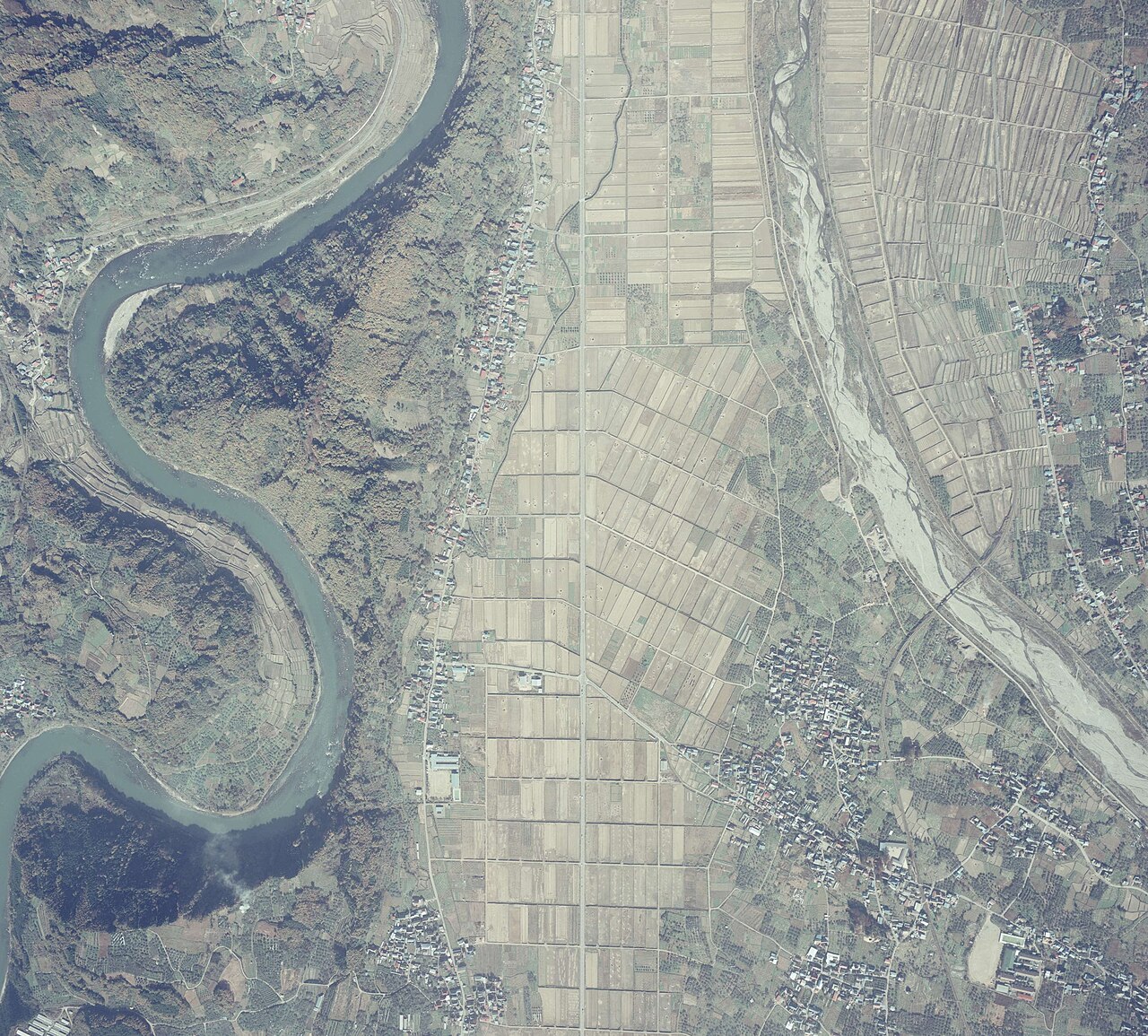
The technique as we know it was refined in the mid-1600s, when Horikoshi Jofu adapted the methods of the older, high-grade Echigo-Jofu ramie cloth into the lighter, crepe-textured Ojiya Chijimi. Nearly two centuries later, in 1837, the Ojiya-born merchant and writer Suzuki Bokushi published Hokuetsu Seppu (北越雪譜, “Snow Country Tales of the North”), a landmark account of snow-country life that documented the world in which this cloth was made. It remains one of the reasons the craft’s context is so well recorded.
-
Pre-1600s — Echigo-Jofu ramie weaving established in the region — the predecessor technique. -
Mid-1600s — Horikoshi Jofu refines Ojiya Chijimi crepe from older Echigo-Jofu methods. -
1837 — Suzuki Bokushi publishes Hokuetsu Seppu, documenting the snow-country life around the cloth. -
1955 — Designated an Important Intangible Cultural Property of Japan. -
2009 — Inscribed on UNESCO’s Intangible Cultural Heritage list. -
2026 — Still hand-woven in Ojiya, alongside machine-woven pieces sold under the same regional name.
The snow-bleaching itself is worth understanding, because it is the step that most defines the craft. After weaving, the cloth was spread across the spring snowfields. As the sun struck the melting snow, it drove off ozone, and that ozone is traditionally credited with whitening the ramie and brightening its dyed colors. It is a slow, weather-dependent finish — the opposite of an industrial bleach bath — and it only works in a place with reliable spring snow.
“This is a curtain whose whiteness was, historically, set by sunlight on a snowfield — a finishing step that only a specific climate can provide.”

Ojiya’s snow-country identity extends past cloth. The town is also the birthplace of Nishikigoi (錦鯉, ornamental koi), the patiently bred, brilliantly colored carp now kept in ponds worldwide. Both traditions — the crepe and the koi — grew out of the same isolated, snowbound, long-winter culture, where patience and close attention to color were rewarded. A noren woven here carries that lineage, even when the specific atelier is not named on the listing.
Related Japanese textiles and regional crafts we’ve covered — useful for comparing weave, fiber, indigo dyeing, and price tier.
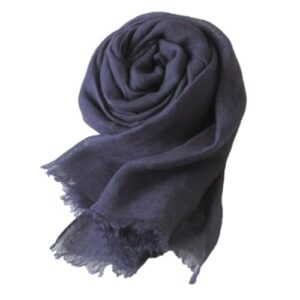 Another ramie craft: Omi-Jofu stole
Indigo home textile: Yumihama-gasuri runner
Indigo cloth: Buaisou Awa aizome tenugui
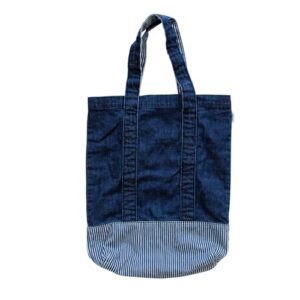 Woven textile: Kojima selvedge denim
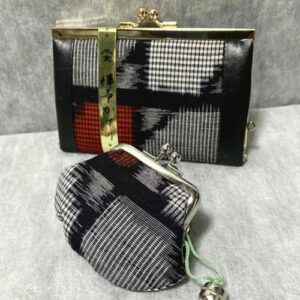 Kasuri weave: Iyo-gasuri coin purse
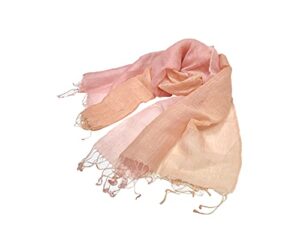 Tohoku dyed weave: Yonezawa-ori stole
Price snapshot across stores
Live pricing was not in our snapshot, so the linked listing is authoritative. JPY (¥) is the authoritative currency for the specific item; any USD figures are approximate estimates at a ¥150/USD baseline (mid-2026).
| Store | Item / Variant | Price | Notes |
|---|---|---|---|
| 🇺🇸 Amazon.com (US) | Browse Japanese noren & ramie home textiles | varies (USD) | Best if you’re shopping from the US — Prime shipping, USD pricing, no international customs. Amazon US carries Japanese noren and linen/ramie home textiles from various makers, useful for comparing style and price tiers. The specific Ojiya-woven piece in this guide is sourced from Japan (next row). |
| 🇯🇵 Amazon JP Global Store | Ojiya Chijimi hand-woven ramie noren (B0FBGJTX54), indigo / stripe | Check live listing (¥, USD est.) | The sourced listing for this exact item. Ships internationally from Japan to 65+ countries — including Canada, the UK and Australia — with import fees estimated at checkout. |
| Maker direct | Ojiya weavers’ / cooperative shops | Varies | Ojiya ateliers and the local textile cooperative sell direct; selection is broadest but international shipping is not always offered. |
| Proxy services (Buyee / Tenso) | Forwarding from JP-only shops | Item + forwarding fee | Use when a maker or gallery ships only within Japan; the proxy receives the parcel domestically and forwards it abroad. |
📦 Shipping & where to buy from outside Japan
The specific listing in this guide is on the Amazon JP Global Store, which ships internationally from Japan to 65+ countries — including Canada, the UK, and Australia. For most destinations Amazon estimates and collects import fees at checkout, so there are no surprise customs charges on delivery. Expect shipping to run roughly $15–$40 to the US, EU, Canada, the UK, or Australia depending on weight and speed.
If you find a noren only on a maker’s or gallery’s Japan-only site, a proxy forwarder such as Buyee or Tenso can receive the parcel domestically and re-ship it to you. Because a noren is light and flat, forwarding costs are usually modest compared with the item itself.
- 🧺 Washing: hand-wash gently in cool water is safest for hand-woven ramie; avoid harsh wringing that could distort the cloth. Follow the listing’s care label.
- 🌀 The shibo crepe: the texture comes from over-twisted yarn that crinkles when soaked — do not press or iron the cloth flat, as flattening removes the pucker that defines it.
- 💧 Drying: air-dry away from prolonged direct sun; ramie sheds moisture quickly.
- 🔧 Repairs / re-dyeing: not documented in our snapshot — ask the seller or an Ojiya cooperative about maintenance for a genuine piece.
What it does well
Weaknesses and things to verify before buying
- Price. Genuine hand-woven ramie sits well above machine-printed cotton noren. If budget is the priority, this is not the right pick.
- Delicate care. Ramie crepe needs gentle hand-washing and must not be pressed flat, or it loses the shibo that defines it — more maintenance than a wash-and-hang cotton panel.
- Semi-sheer. A ramie noren filters light and air rather than blocking them; it is not a privacy or blackout curtain.
- Not for winter. This is a warm-season textile; it provides no insulation.
- Hand-woven vs. machine-woven under one name. “Ojiya Chijimi” covers both hand- and machine-woven cloth today. Confirm the listing specifies hand-woven if that is what you want.
- Unconfirmed dimensions and price in our snapshot. Panel width, drop, and live price were not captured — verify them on the listing before buying, especially for a specific doorway.
- Indigo behavior. Natural or deep indigo can rub off (crock) or shift slightly with washing and sun; treat a dark-dyed piece accordingly.
Conclusion — which buyer type are you?
Other ways to approach this purchase
🏆 Editor’s Pick
❓ Frequently Asked Questions
What exactly is Ojiya Chijimi?
It is a fine ramie (choma) crepe woven in Ojiya, in Niigata’s deep-snow Echigo region along the Shinano River. Its signature crinkled texture, called shibo, comes from over-twisted weft yarn that crimps when the cloth is soaked. It was refined in the mid-1600s and is both an Important Intangible Cultural Property (1955) and a UNESCO Intangible Cultural Heritage craft (2009).
Is this noren hand-woven or machine-woven?
The listing in this guide is described as hand-woven. Note that the name “Ojiya Chijimi” today covers both hand- and machine-woven cloth, so if hand-weaving matters to you, confirm that the specific listing states it before buying.
Can I machine-wash a ramie noren?
Gentle hand-washing in cool water is safest for hand-woven ramie, and you should not press or iron the cloth flat — flattening removes the shibo crepe that defines it. Always follow the care label on the specific listing.
Does Amazon Japan ship a noren internationally?
Yes. The Amazon JP Global Store ships to 65+ countries, including Canada, the UK, and Australia, and estimates import fees at checkout for most destinations. A noren is light and flat, so shipping is usually modest.
Why is it more expensive than a printed noren?
The cost reflects hand-woven ramie and the over-twisting that creates the crepe, versus a design simply printed onto machine-made cotton. If you want the look at a low price, a printed cotton noren is the honest alternative.
What is the snow-bleaching (yukisarashi) step?
Traditionally, finished cloth was spread on spring snowfields; ozone released by sun on melting snow is credited with whitening the ramie and brightening its colors. It is a slow, weather-dependent finish that only works in a reliably snowy climate like Ojiya’s.
Will a ramie noren give me privacy at a doorway?
Not fully. A ramie noren is semi-sheer and designed to filter light and air rather than block them, and it provides no insulation. For privacy or blackout, choose a conventional opaque curtain instead.
jpmono.com is curated by a Japan-based editorial team (working out of Toyama in the Hokuriku region and Nara in Kansai) and is independent. We don’t take payment from the makers we feature; income comes from affiliate links. Read more about our editorial standards.
This article was drafted with AI assistance and reviewed against the source listing and documented craft facts before publication. Where live data (price, dimensions) was unavailable, the linked listing is authoritative.
Affiliate disclosure: jpmono.com may earn a commission on qualifying purchases made through links on this page, at no additional cost to you.