![Ojiya Chijimi Ramie Noren: Niigata Snow-Country Linen Curtain [2026]](https://jpmono.com/wp-content/uploads/2026/06/ojiya-chijimi-ramie-noren-where-to-buy-2026-featured.jpg)
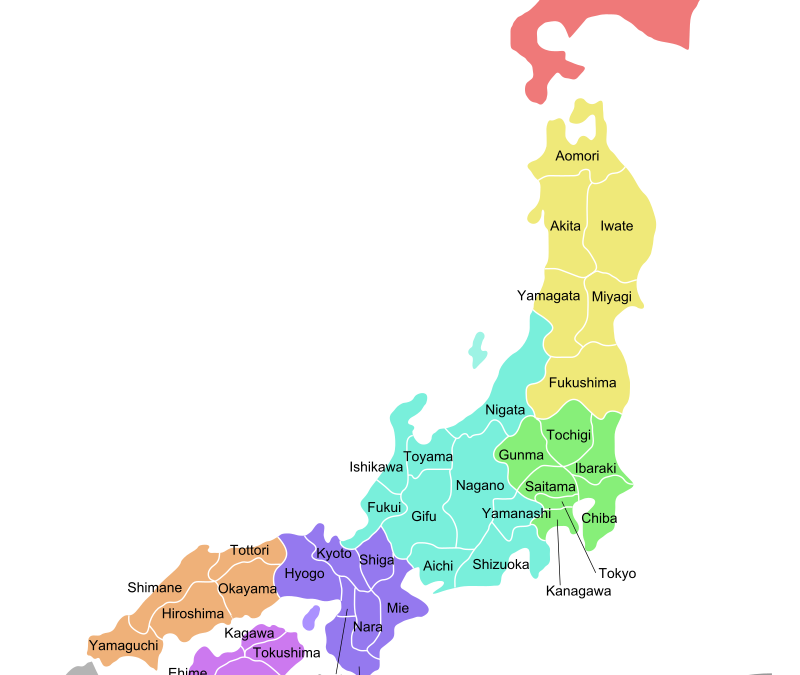
Ojiya chijimi (小千谷縮, “Ojiya crepe”) is a ramie cloth from the snow country of Niigata Prefecture, woven from choma (苧麻, ramie) fiber and finished with a crinkled surface that lifts the fabric off the skin. As a noren (暖簾) — the split door curtain hung in a doorway — it does the one thing a summer textile should: it lets air move. The material is hand-twisted hard before weaving, which is what produces the puckered shibo (しぼ) texture that gives chijimi its name.
What makes this cloth notable internationally is not novelty but lineage. Ojiya chijimi is the crepe descendant of Echigo-jōfu (越後上布), the high-grade hand-spun ramie of old Echigo province, a weaving tradition that was designated an Important Intangible Cultural Property in 1955 and inscribed jointly on the UNESCO Representative List of the Intangible Cultural Heritage of Humanity in 2009. Its finishing rite, yukisarashi (雪晒し, “snow-bleaching”), lays the woven bolts out on spring snowfields so that sunlight and ozone whiten and brighten the fiber — a process tied directly to the local climate rather than to any factory.
This guide is written for international readers deciding whether a Niigata ramie noren belongs in their home. It covers what the cloth is, where it comes from, how to buy it from outside Japan, what it does well, where it falls short, and which buyer type each path suits. Note up front: the data fetched for this item was thin — only the search keyword resolved, with no live Amazon price snapshot — so pricing below is described in general terms and should be verified at the listing.
🔄 Updated: June 14, 2026
⏱️ Read time: ~10 min

- Who this is for — and who should skip it
- Product overview (from published specs)
- Where this comes from
- Price snapshot across stores
- What it does well
- Weaknesses and things to verify before buying
- Conclusion — which buyer type are you?
- Other ways to approach this purchase
- 🏆 Editor’s Pick
- ❓ Frequently Asked Questions
Who this is for — and who should skip it
- Want a genuinely breathable summer door curtain, not a decorative cotton panel
- Value cloth with a documented cultural-property and UNESCO lineage
- Appreciate the matte, dry hand of ramie over the sheen of silk
- Are comfortable hand-washing or gentle-cycling a natural bast fiber
- Like textiles whose finishing is tied to a real place and season
- Want a wrinkle-free, throw-in-the-dryer curtain — ramie creases readily
- Need a heavy, light-blocking drape; noren are deliberately light and open
- Expect a low fast-fashion price; authentic Echigo ramie is labor-intensive
- Need confirmed dimensions today — listing specs were not in the fetched data
- Prefer machine-printed patterns over woven/hand-finished cloth
Product overview (from published specs)
The fetched dataset for this item returned only the search keyword — there was no live Amazon US result and no JP price snapshot at the time of writing. The table below therefore states what is structurally known about Ojiya chijimi as a category and the sourced JP listing identifier, and marks unconfirmed fields plainly rather than guessing.
Ojiya Chijimi Ramie Noren
麻の縮のれん 錦鯉(にしきごい) W86xH120cm 【和風モダン】【新潟県小千谷市】【職人が手染め】
残り1点 ご注文はお早めに · Sold by IONOストア · ASIN B09BJF8DFM
Price and availability as of 2026-08-31 02:30 JST. The Amazon listing at the time of purchase is authoritative. jpmono.com earns a commission on qualifying purchases at no extra cost to you.
| Attribute | Detail | Source |
|---|---|---|
| Material | Ramie (choma, 苧麻) — bast fiber, the classic Echigo summer cloth | Maker direct / category |
| Weave / finish | Hard-twisted weft producing the crinkled shibo crepe surface | Category data_notes |
| Product type | Noren door curtain (split-panel doorway curtain) | Spec |
| Dimensions / weight | Unconfirmed — check manufacturer / listing | Not in fetched data |
| Origin | Ojiya, Niigata Prefecture (Chūbu region) | Spec |
| Heritage status | Important Intangible Cultural Property (1955); UNESCO ICH list (2009) | data_notes |
| Sourced listing | Amazon JP Global Store, item ID B09BJF8DFM | Spec |
| Price | Not captured in fetched data — verify at listing | — |
Sources: Amazon US search (primary, moonill-20) + Amazon JP Global Store (secondary, moonill-22, sourced listing) + maker direct + category notes. Only the JP listing identifier was available; live pricing may have shifted since the writing date.
📖 Glossary — key terms
- Chijimi (縮) — “crepe”; cloth given a crinkled surface by hard-twisting the yarn before weaving.
- Shibo (しぼ) — the puckered, crinkled texture of the finished crepe; it lifts the cloth off the skin for airflow.
- Choma / ramie (苧麻) — a bast fiber spun from the ramie plant; crisp, matte, strong, and very breathable.
- Echigo-jōfu (越後上布) — the high-grade hand-spun ramie cloth of old Echigo province (now Niigata); chijimi’s parent tradition.
- Yukisarashi (雪晒し) — “snow-bleaching”; laying woven bolts on spring snowfields so sunlight and ozone whiten the fiber.
- Noren (暖簾) — a split fabric curtain hung in a doorway, used at shop entrances and between rooms.
- Jibata (地機) — a low, body-tensioned backstrap loom used for the finest Echigo ramie.
Related jpmono guides — other Niigata makers, and other Japanese woven cloths worth weighing against a ramie noren.
 Suwada nipper (Niigata)
Yumihama-gasuri runner
 Chichibu meisen stole
 Kaga Yuzen scarf
Johana silk scarf
 Kiryu-ori necktie
 Iwate homespun scarf
Where this comes from

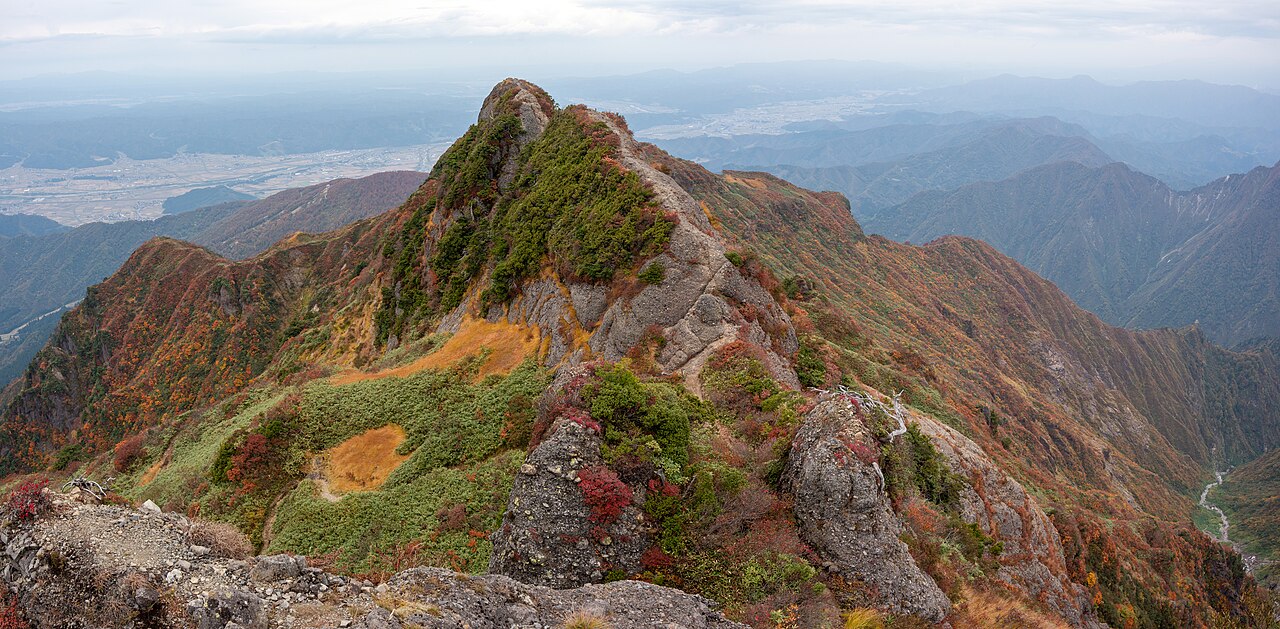
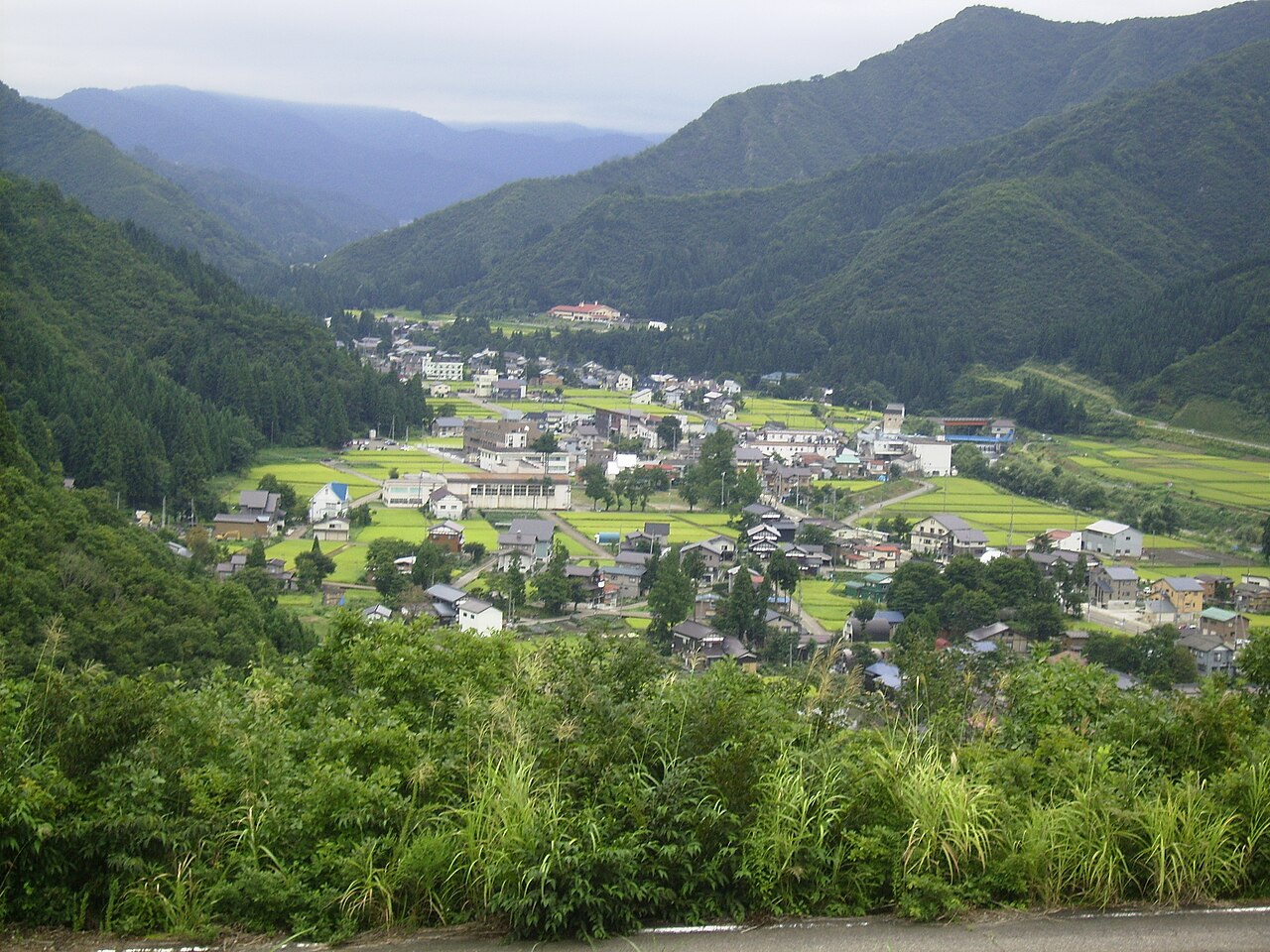
Ojiya sits in central Niigata Prefecture, on the Sea of Japan side of Honshū, where the Shinano River runs through the Uonuma snow basin. Winters here are extraordinary: moist air off the Sea of Japan meets the mountain spine and drops some of the deepest seasonal snow on any populated land on Earth. That single climatic fact explains the whole craft. When fields are buried for months, indoor work fills the winter — and humid winter air keeps fine ramie threads supple enough to spin and weave without snapping.
The cloth’s parent is Echigo-jōfu, the high-grade hand-spun ramie of the old province of Echigo — the name Niigata carried before the modern prefecture. Ramie, or choma, is a crisp bast fiber, matte and strong, and it has long been the summer cloth of the region. In the early Edo period, an Ojiya weaver named Horikoshi Jirokichi added a hard twist to the weft, and the cloth came off the loom with a crinkled, puckered surface. That surface — the shibo — is the entire point. It holds the fabric a few millimeters off the skin, so air moves and sweat does not cling. The crepe variant took the name chijimi, literally “shrunk” or “crinkled.”

- Pre-Edo — Echigo province already known for fine hand-spun ramie (jōfu).
- Early Edo (1600s) — Ojiya weaver Horikoshi Jirokichi adds hard twist, creating the shibo crepe — chijimi is born.
- Edo period (1603–1868) — Echigo chijimi trades nationally as a prized summer cloth.
- 1837 — Suzuki Bokushi publishes Hokuetsu Seppu, documenting snow-country weaving life.
- 1955 — Designated an Important Intangible Cultural Property of Japan.
- 2009 — Inscribed on the UNESCO Intangible Cultural Heritage list (Ojiya-chijimi / Echigo-jōfu).
- 2026 — Still woven in Ojiya and the surrounding Echigo snow country.
The most distinctive step comes at the very end, when winter breaks. The woven bolts are carried out onto fields still covered in spring snow and left in the sun. As snow evaporates it releases ozone, and the combination of sunlight and ozone bleaches and brightens the fiber, softening colors and lifting whites. This is yukisarashi, snow-bleaching — a finishing rite that cannot be moved to a factory because it requires snow, sun, and a particular week of spring.

“The snow that buries Ojiya for half the year is not the enemy of the cloth — it is the final tool that finishes it.”
The snow-country writer Suzuki Bokushi recorded this whole world in Hokuetsu Seppu (“Snow Country Tales”), a 19th-century account of life under the Echigo snow that describes the weaving households and their winter rhythm. That continuity matters: the same humid valleys, the same ramie, and the same spring snowfields still anchor the craft today. The 1955 cultural-property designation and the 2009 UNESCO inscription recognized not a museum object but a living practice still carried out by a limited number of households in and around Ojiya.
Price snapshot across stores
Live pricing was not captured in the fetched data for this listing, so the JPY figure below is shown as unconfirmed rather than invented. USD estimates use a ¥150/USD baseline as of mid-2026; the JPY price is the authoritative one. Verify the current figure at the listing before buying.
| Store | Item / Variant | Price (JPY + USD est.) | Notes |
|---|---|---|---|
| 🇺🇸 Amazon US (search) | Browse Japanese ramie & noren door curtains | varies (USD) | Best if you are shopping from the US — Prime shipping, USD pricing, no international customs. Amazon US carries Japanese ramie and linen noren from various makers; the specific Ojiya cloth ships from Japan (next row). |
| 🇯🇵 Amazon JP Global Store | Ojiya chijimi ramie noren (item B09BJF8DFM) | ¥— (unconfirmed) — verify at listing | The sourced listing for this exact cloth. Ships internationally from Japan to most major destinations. |
| Maker direct | Ojiya weaving cooperatives / individual workshops | Varies (often higher for jōfu-grade) | Best selection of authentic grades; many sites are Japanese-language and may not ship abroad directly. |
| Proxy services (Buyee / Tenso) | Forwarding for JP-only listings | Item price + forwarding fee | Useful when a workshop or marketplace ships only within Japan; adds a service fee and a second shipping leg. |
Prices in USD are approximate and depend on the current exchange rate. Prices and stock fluctuate; follow the affiliate link for current data.
What it does well
Weaknesses and things to verify before buying
- Dimensions were not in the fetched data. Noren come in many widths and drops; confirm the panel size and whether it is single- or split-panel at the listing before ordering.
- Price was unconfirmed at the time of writing. Authentic Echigo ramie ranges widely, and true jōfu-grade hand-spun pieces command serious prices. Check the live figure.
- Ramie creases. Like all bast fibers it wrinkles readily; that is part of the look, but buyers wanting a crisp, never-crease panel should pass.
- Care is gentler than cotton. Hand-wash or a gentle cycle, reshape damp, and avoid machine drying; treat it as a natural-fiber textile, not a wash-and-forget curtain.
- “Chijimi” is a technique, not a single grade. Listings labeled chijimi can range from machine-assisted ramie to fully hand-spun, hand-woven jōfu. Read the description for fiber and weaving method.
- International shipping adds cost and possible duties. Orders above your local threshold may attract customs charges; budget for both shipping and duty.
Conclusion — which buyer type are you?
Other ways to approach this purchase
🏆 Editor’s Pick
❓ Frequently Asked Questions
Does Amazon JP ship an Ojiya chijimi noren internationally?
Yes. The sourced listing is on the Amazon JP Global Store, which ships many household textiles internationally to most major destinations. Confirm your country and the shipping estimate at checkout, and budget for possible customs duties above your local threshold.
What is the difference between chijimi and Echigo-jōfu?
Both are Echigo ramie cloth. Echigo-jōfu is the flat, high-grade hand-spun ramie; chijimi is the crepe variant, made by hard-twisting the yarn so the finished cloth has a crinkled shibo surface. The two share the same UNESCO inscription.
How do I care for a ramie noren?
Treat it as a delicate natural fiber: hand-wash or use a gentle cycle in cool water, avoid wringing, reshape while damp, and air-dry out of harsh sun. Ramie creases naturally, so expect some wrinkling as part of the look rather than a flaw.
Why is authentic Ojiya chijimi expensive?
The highest grades are hand-spun, hand-woven, and snow-bleached over a particular week of spring, which is slow and labor-intensive. Machine-assisted ramie costs less. Read each listing for the fiber and weaving method to know which grade you are buying.
Is a ramie noren a good gift?
It can be, for someone who appreciates natural-fiber textiles and Japanese craft. It is light, seasonal, and carries a recognizable cultural lineage. For a recipient who wants a heavy, formal drape, it is the wrong gift.
What is yukisarashi?
Yukisarashi is snow-bleaching: the woven bolts are laid on spring snowfields where evaporating snow releases ozone and, with sunlight, whitens and brightens the fiber. It is a finishing rite tied to the local climate and cannot be replicated in a factory.
jpmono.com is curated by a Japan-based editorial team (working out of Toyama in the Hokuriku region and Nara in Kansai) and is independent. We do not take payment from the makers we feature; income comes from affiliate links. We do not physically test every product — we read maker specs and source listings.
This article was prepared with AI assistance and reviewed against the source listing data available at the time of writing. Specifications, pricing, and availability should be confirmed at the retailer before purchase.
Affiliate disclosure: jpmono.com may earn a commission on qualifying purchases made through links on this page, at no additional cost to you.