![Sabae Titanium Reading Glasses: Fukui’s Japan-Made Eyewear [2026]](https://jpmono.com/wp-content/uploads/2026/06/sabae-titanium-reading-glasses-where-to-buy-2026-featured.jpg)
Sabae, a small city in Fukui Prefecture on the Sea of Japan coast, makes something most people use every day without thinking about where it came from. Over 90% of every eyeglass frame manufactured in Japan is forged, filed, and assembled here, in a dense cluster of small workshops that have specialized in eyewear for more than a century. The reading glasses covered in this guide are a direct product of that ecosystem: a lightweight, Japan-made titanium frame designed for close reading.
Sabae’s claim to international attention is specific and verifiable. In 1981, makers here achieved the world’s first mass production of pure-titanium eyeglass frames — light, hypoallergenic, and corrosion-resistant. That breakthrough, layered on top of an industry deliberately founded in 1905 to give snow-bound rice farmers skilled winter work, is what separates a Sabae titanium frame from a generic drugstore reader.
This article is written for international readers comparing where to buy a genuine Japan-made titanium reading frame, and what to verify before paying for one. We cover the spec snapshot, the place and craft history behind it, the buying paths (Amazon US, Amazon JP Global Store, maker-direct, and proxy services), the strengths, the caveats, and an Editor’s Pick. Where today’s data is thin, the article says so plainly rather than guessing.
📅 Published: · 🔄 Last updated: · ⏱️ Read time: about 11 minutes

- Who this is for — and who should skip it
- Product overview (from published specs)
- Where this comes from — place, era, and the craft tradition
- Price snapshot across stores
- What it does well
- Weaknesses and things to verify before buying
- Conclusion — which buyer type are you?
- Other ways to approach this purchase
- 🏆 Editor’s Pick
- ❓ Frequently Asked Questions
Who this is for — and who should skip it
- Want a genuinely lightweight reader and find acetate or steel frames heavy on the nose
- Have sensitive skin or react to nickel — titanium is hypoallergenic
- Value Japan-made manufacturing and the Sabae craft lineage specifically
- Need a durable frame for daily desk, kitchen, or travel reading
- Are comfortable buying fixed-diopter readers (not a custom prescription)
- Need a true prescription (astigmatism, progressive lenses, or precise PD)
- Want the cheapest possible reader and do not care about origin
- Expect same-day local returns and fittings — international orders complicate this
- Require a specific diopter that the listing does not stock
- Dislike spring-hinge temples or very thin metal frames
Product overview (from published specs)
The data fetched for this guide is thin: the live Amazon snapshot returned no structured price or full spec block at the time of writing, so the table below lists only what can be stated with confidence from the product identity and the maker context. Unconfirmed fields are marked rather than guessed. Always verify the exact diopter, dimensions, and current price on the listing before buying.
| Attribute | Value | Source |
|---|---|---|
| Item type | Reading glasses (fixed diopter) | Amazon JP Global Store (sourced listing) |
| Frame material | Titanium | Listing + maker context |
| Origin | Sabae, Fukui Prefecture, Japan | Maker direct |
| Approx. weight | ~10–15 g (frame, typical for Sabae titanium readers) | Maker context — confirm on listing |
| Hinges | Spring hinges | Listing |
| Available diopters | Unconfirmed — check listing | — |
| Lens / frame dimensions | Unconfirmed — check listing | — |
| Price | Not available in fetched data — verify at retailer | — |
| ASIN (JP) | B00M88BRUO | Amazon JP Global Store |
📖 Glossary — key terms
Sabae (鯖江) — a city in Fukui Prefecture and the center of Japan’s eyewear industry, producing the large majority of Japan-made frames.
Monozukuri (ものづくり) — literally “the making of things”; a Japanese term for craftsmanship as a disciplined, continuous manufacturing culture.
Fuyu-shigoto (冬仕事) — “winter work”; off-season indoor handwork that snow-country farmers took up to earn a living through long winters. Sabae’s eyewear industry began as exactly this.
Titanium frame — a frame forged from titanium rather than steel or acetate; prized for being light, corrosion-resistant, and hypoallergenic.
Diopter — the unit of optical power for reading lenses (for example +1.5, +2.0). Reading glasses are sold by fixed diopter rather than a full prescription.
Spring hinge — a temple hinge with a small internal spring that lets the arms flex slightly outward, reducing pressure and stress on the frame.
Other Japanese-craft pieces we have covered — useful for comparing material, price tier, and maker lineage across regions.
Where this comes from — place, era, and the craft tradition

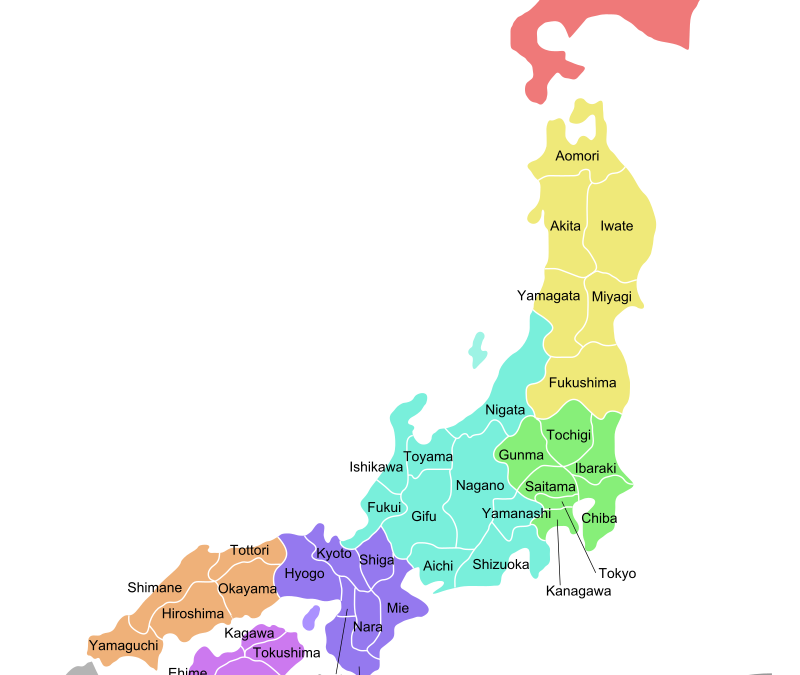
Fukui is a Sea-of-Japan prefecture in the Hokuriku region, wedged between the mountains and a rugged coastline. Sabae lies in the Fukui plain between the prefectural capital and the textile city of Echizen. The defining environmental fact here is winter: heavy, sustained snowfall closes the fields for months. That climate is not incidental to the craft — it is the reason the craft exists.

The eyewear industry in Sabae was not an organic accident but a deliberate economic project. In 1905, a local figure named Masunaga Gozaemon brought frame artisans from Osaka and Tokyo to snow-bound Sabae specifically so that rice farmers had skilled, indoor winter side-work — the fuyu-shigoto (冬仕事, “winter work”) pattern shared by many Hokuriku crafts. Frame-making is detailed, sit-down, indoor labor; it fit the long Fukui winter exactly.

- 1244 — Eihei-ji, the great Sōtō Zen monastery, is founded in the Fukui mountains.
- 1576 — The Maruoka Castle keep is raised — among the oldest surviving in Japan.
- 1905 — Masunaga Gozaemon invites Osaka/Tokyo frame artisans to Sabae as farmers’ winter side-work.
- 1981 — Sabae makers achieve the world’s first mass production of pure-titanium eyeglass frames.
- 1990s — Sabae supplies roughly 90% of Japan-made frames; titanium becomes a global export staple.
- 2026 — Sabae still forges over 90% of Japan’s eyeglass frames across 200+ specialized processes.
Over a century, the town accumulated a dense web of specialized workshops covering more than 200 distinct frame-making processes — cutting, forging, soldering, plating, polishing, hinge assembly. No single shop does everything; the strength is the network. That accumulated specialization is what made the 1981 leap possible.
“Titanium is notoriously hard to machine — and Sabae was the first place on earth to mass-produce eyeglass frames out of it.”
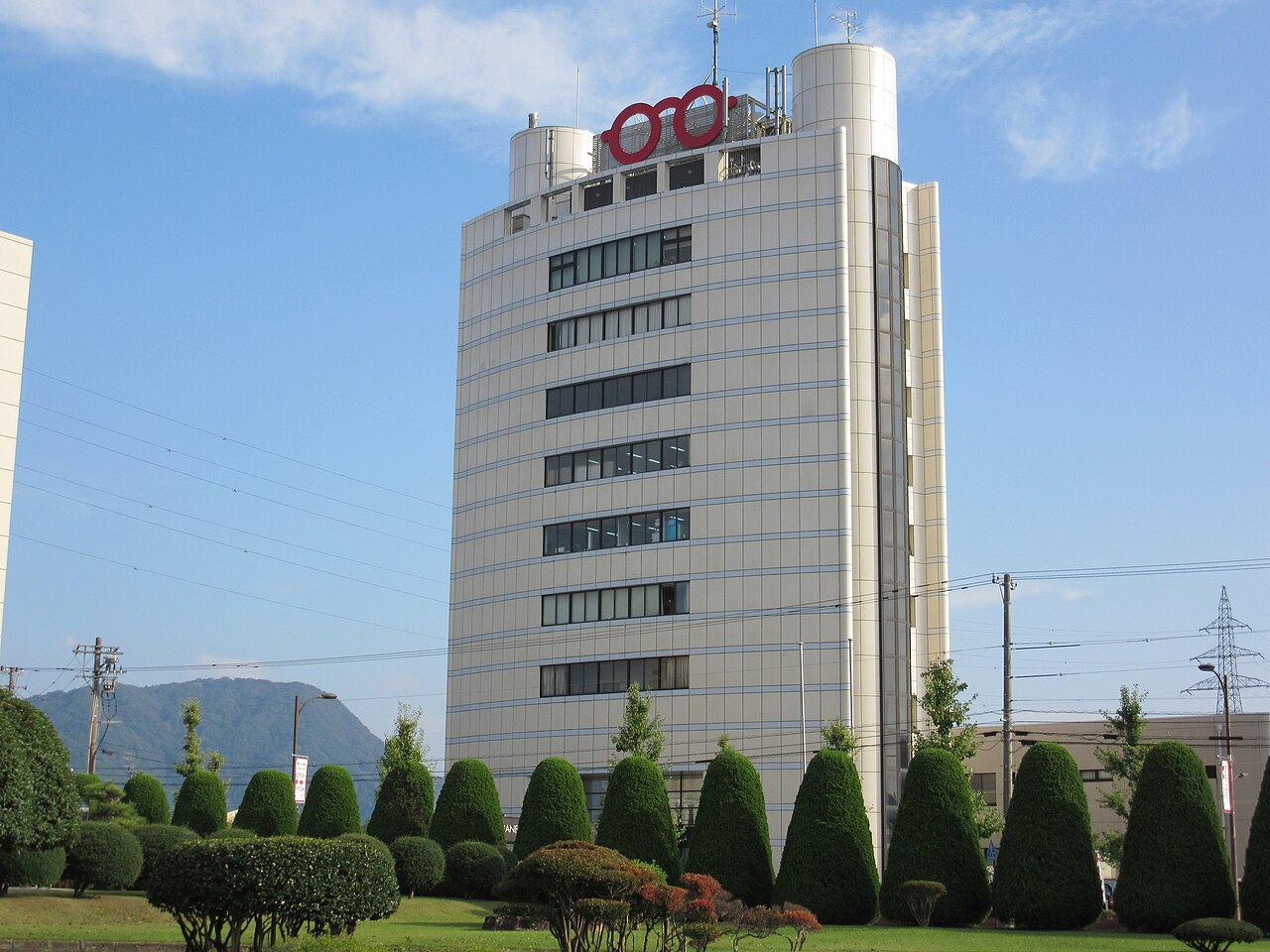
The 1981 milestone — the world’s first mass production of pure-titanium frames — is the single fact that cemented Sabae’s global leadership. Titanium is light, hypoallergenic, and corrosion-resistant, but it resists conventional machining and soldering; solving that at scale required the deep process knowledge the town had built since 1905. A Sabae titanium reading frame is the consumer end of that engineering lineage.

This same monozukuri lineage runs through Fukui’s other crafts — Echizen hand-forged blades and Echizen lacquer both rest on the same patient, winter-paced hand-finishing. The eyewear is younger than the blades, but it grew from the same soil: a snow-country economy that turned long, idle winters into skilled, exportable work.
Price snapshot across stores
The fetched dataset for this item did not include a live price, so the figures below are intentionally left as “verify at retailer.” JPY (¥) is the authoritative price for the specific sourced listing; any USD figures elsewhere are approximate at a ¥150/USD baseline as of mid-2026. Prices and stock fluctuate — confirm on the listing before buying.
| Store | Item / Variant | Price (JPY + USD est.) | Notes |
|---|---|---|---|
| 🇺🇸 Amazon.com (US) | Browse Japanese titanium reading glasses | varies (USD) | Best if you are shopping from the US — Prime shipping, USD pricing, no international customs. Amazon US carries titanium and Japan-made readers from several makers for comparing tiers; the exact Sabae listing in this guide ships from Japan (next row). |
| 🇯🇵 Amazon JP Global Store | Sabae titanium reading glasses (ASIN B00M88BRUO) | Verify at retailer — not in fetched data | The sourced listing. Ships internationally from Japan to most major destinations; confirm the diopter you need is in stock. |
| Maker direct | Sabae workshop / brand site | Varies — check site | Some Sabae makers sell direct, but many do not ship abroad; English support is limited. |
| Proxy services (Buyee / Tenso) | Forwards a JP-only listing | Item price + forwarding fee | Useful if a specific shop will not ship to you directly; adds a service fee and a second leg of shipping. |
What it does well
Weaknesses and things to verify before buying
- Fixed diopter, not a prescription. These are reading glasses sold by set strength. They do not correct astigmatism, do not offer progressive lenses, and are not fitted to your pupillary distance.
- Diopter availability is unconfirmed in the data. Verify the listing actually stocks the strength you need (for example +1.5 or +2.5) before ordering.
- Price was not in the fetched data. Treat any figure you see as “verify at retailer.” The JPY price on the listing is authoritative.
- Frame and lens dimensions are unconfirmed. If fit matters to you (narrow or wide face), check measurements on the listing rather than assuming.
- International returns are awkward. Buying from Japan means cross-border return shipping if the strength or fit is wrong — slower and costlier than a local store.
- Thin metal is not indestructible. Titanium is durable and corrosion-resistant, but very thin frames can still bend if sat on or crushed; a hard case is worth budgeting for.
Conclusion — which buyer type are you?
Other ways to approach this purchase
🏆 Editor’s Pick
❓ Frequently Asked Questions
Where are Sabae titanium reading glasses made?
Why titanium instead of a steel or plastic frame?
How light are these reading glasses?
Does Amazon JP Global Store ship internationally?
Are these prescription glasses?
How do I choose the right strength (diopter)?
How do I care for a titanium frame?
jpmono.com is curated by a Japan-based editorial team (working out of Toyama in the Hokuriku region and Nara in Kansai) and is independent. We do not take payment from the makers we feature; income comes from affiliate links. We do not physically test every product — we read maker specs and source listings.
This article was prepared with AI assistance and reviewed against the source listing data available at the time of writing. Specifications, pricing, and availability should be confirmed at the retailer before purchase.
Affiliate disclosure: jpmono.com may earn a commission on qualifying purchases made through links on this page, at no additional cost to you.