![Sanuki Shikki Kinma Lacquer Tray: Kagawa’s Carved-and-Inlaid Obon, Where to Buy [2026]](https://jpmono.com/wp-content/uploads/2026/07/sanuki-shikki-kinma-lacquer-tray-where-to-buy-2026-featured.jpg)
Sanuki Shikki (讃岐漆器, “Sanuki lacquerware”) is the lacquer tradition of Takamatsu, the castle town that anchors Kagawa Prefecture on Shikoku’s Seto Inland Sea coast. Its signature is not painted decoration but kinma (蒟醤): fine lines carved into a cured, hardened surface of urushi (漆, “Japanese lacquer”), then packed with colored lacquer and polished flush. On a serving tray — an obon (お盆) — the result reads as a quiet, tactile relief you can feel with a fingertip, rather than a glossy picture sitting on top of the wood.
What makes the craft internationally interesting is its lineage. The carving-and-inlay family of techniques that defines Sanuki Shikki — kinma, plus zonsei and the ridged, guri-like zokoku-nuri — was consolidated by a single Takamatsu artisan, Tamakaji Zokoku (玉楮象谷, 1806–1869), who studied imported Chinese, Thai, and Burmese lacquerwork and reworked those foreign methods into a distinctly local school. The domain that supported that refinement, ruled from 1642 by a Matsudaira branch of the Mito-Tokugawa house, was exactly the kind of court-adjacent patron that let a slow, engraving-based craft mature.
This guide is written for the buyer weighing a genuine Sanuki kinma tray as a serving piece or a gift. We cover what the technique actually is (and how it differs from maki-e), who the tray suits and who should pass, how to read the sparse listing data honestly, where the craft comes from, and where to buy it from outside Japan. Pricing and stock data for this specific listing were thin at the time of writing, and we say so where it matters rather than inventing numbers.
🔄 Updated:
⏱️ Read time: ~11 min

- Who this is for — and who should skip it
- Product overview (from published specs)
- Which finish should you choose?
- Where this comes from — place, era, and the craft tradition
- Price snapshot across stores
- What it does well
- Weaknesses and things to verify before buying
- Conclusion — which buyer type are you?
- Other ways to approach this purchase
- 🏆 Editor’s Pick
- ❓ Frequently Asked Questions
Who this is for — and who should skip it
- Want a lacquer piece whose decoration is carved and inlaid rather than painted on top.
- Prefer restraint — engraved relief, muted red or black grounds — over gold maki-e glitter.
- Are buying a serving tray you will actually use for tea sweets, cups, or small dishes.
- Value a documented craft lineage (Tamakaji Zokoku, Takamatsu) over generic “Japan-made.”
- Are comfortable hand-washing and keeping urushi out of dishwashers and direct sun.
- Need a dishwasher- and microwave-safe everyday tray.
- Want bright, pictorial gold decoration — that is maki-e, a different craft.
- Have a known urushi (lacquer sap) sensitivity; cured urushi is inert but sourcing matters.
- Need firm, confirmed dimensions and price before ordering — this listing’s data is sparse.
- Expect Prime-style fast domestic US delivery rather than international shipping from Japan.
Product overview (from published specs)
Source data for this specific listing is limited. The item is identified by its Amazon listing (ASIN B00MHGBNZQ) as a Sanuki Shikki kinma-technique lacquer tray from the Takamatsu, Kagawa tradition. Where a value is not present in the fetched data, we mark it “Unconfirmed” rather than guessing — dimensions, weight, and current price should be verified on the live listing before you buy.
Sanuki Shikki Kinma Lacquer Tray
山家漆器店 半月盆 5枚組 お正月 食器 お盆 トレー トレイ おせち料理 料亭 和食 (尺一 33cm)
残り10点 ご注文はお早めに · Sold by 山家漆器店 · ASIN B00MHGBNZQ
Price and availability as of 2026-08-31 02:30 JST. The Amazon listing at the time of purchase is authoritative. jpmono.com earns a commission on qualifying purchases at no extra cost to you.
| Attribute | Detail (per available data) |
|---|---|
| Craft | Sanuki Shikki (讃岐漆器) — designated traditional lacquerware of Takamatsu, Kagawa |
| Technique | Kinma (蒟醤) — lines carved into cured urushi, filled with colored lacquer, polished flush |
| Form | Serving tray / obon (お盆) |
| Material | Wood core finished in urushi (Japanese lacquer); colored-lacquer inlay |
| Ground color | Traditionally red or black (verify the exact finish on the listing) |
| Dimensions / weight | Unconfirmed — check manufacturer / listing |
| Origin | Takamatsu, Kagawa Prefecture, Shikoku, Japan |
| Listing (ASIN) | B00MHGBNZQ (Amazon JP Global Store — sourced listing) |
Data note: only a thin Amazon listing snapshot is available for this item; live pricing and exact dimensions may have shifted since the writing date and were not present in the fetched data. Verify at the listing before purchasing.
📖 Glossary — key terms
- Urushi (漆) — the sap of the lacquer tree, refined and applied in many thin coats; cures into a hard, water-resistant film.
- Kinma (蒟醤) — a carving-and-inlay technique: lines are incised into cured lacquer and packed with colored urushi, then polished level so the pattern is felt as shallow relief.
- Zonsei (存清) — a related Sanuki technique in which colored lacquer is applied and outlines are engraved, kin to kinma in effect.
- Zokoku-nuri (象谷塗) — a ridged, guri-like textured lacquer named after Tamakaji Zokoku, who systematized the local school.
- Maki-e (蒔絵) — a different lacquer decoration, in which metal powder (often gold) is sprinkled onto wet lacquer to make a picture; painted-on rather than carved-in.
- Obon (お盆) — a serving tray.
- Shokunin (職人) — a trained craftsperson / artisan.
Which finish should you choose?
This piece is listed in 3 options. The photos below are the actual サイズ options on the listing right now — pick the one you want and confirm it on the product page before ordering, since hand-finished wares vary slightly piece to piece.
![Sanuki Shikki Kinma Lacquer Tray: Kagawa's Carved-and-Inlaid Obon, Where to Buy [2026] — 尺 30cm finish](https://m.media-amazon.com/images/I/41jEMTcnonL._SL500_.jpg)
Related jpmono guides — other Shikoku makers, other lacquer traditions, and Kagawa neighbors worth weighing before you commit.
 🪭 Marugame Uchiwa (Kagawa)
 🍶 Tosa Lacquer Katakuchi
🌀 Murakami Carved Lacquer
 🏺 Otani-yaki (Tokushima)
 🍵 Odo-yaki (Kochi)
🎋 Iyo Sudare (Ehime)
🟦 Awa Aizome (Tokushima)
 🥣 Naruko Kijiro Lacquer
Where this comes from — place, era, and the craft tradition

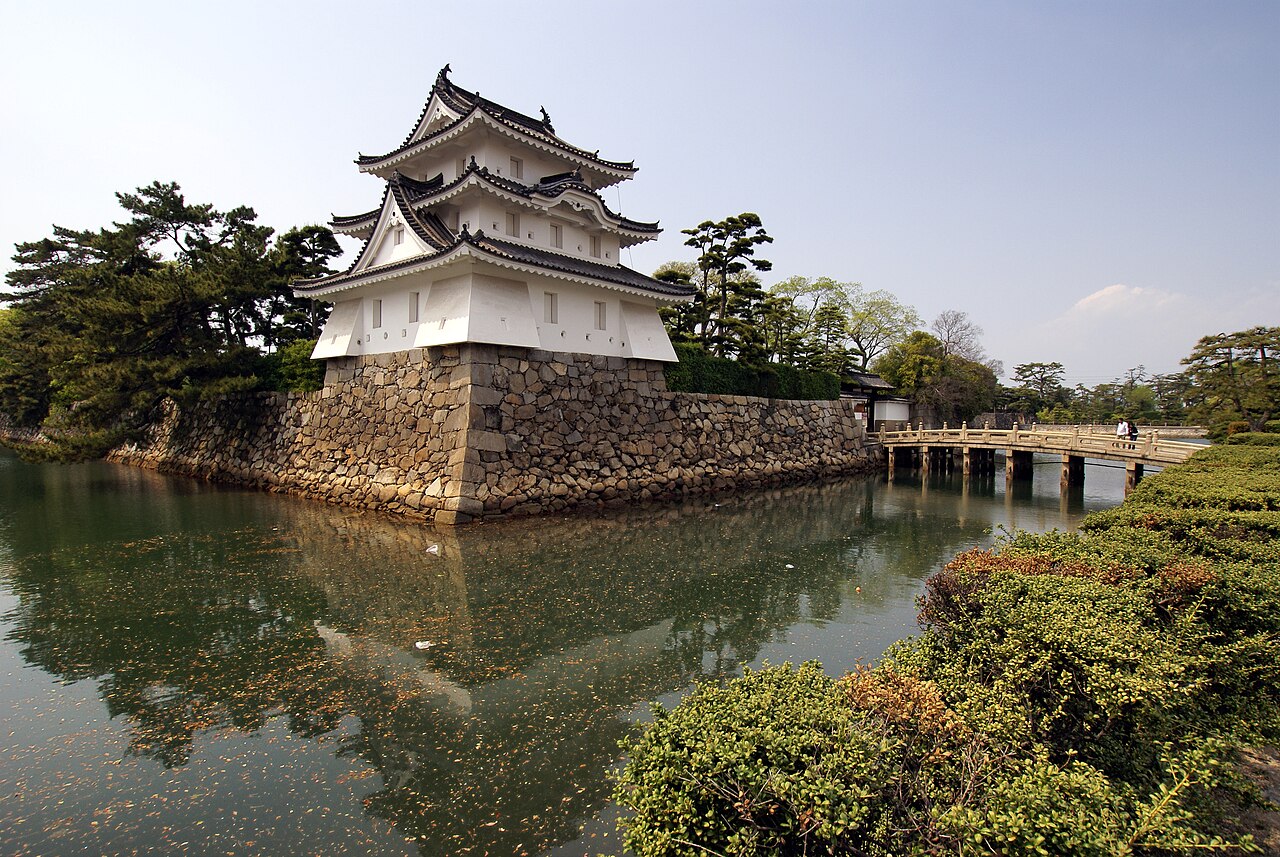
Kagawa is the smallest of Japan’s forty-seven prefectures, occupying the northeastern corner of Shikoku and facing the calm, island-studded Seto Inland Sea. Its historical name is Sanuki, and that older provincial name still attaches to its crafts — Sanuki Shikki, Sanuki udon, the Sanuki plain. Takamatsu, the prefectural capital, grew as a castle-and-port town: close enough to the sea to trade across the Inland Sea toward Osaka and Okayama, and mild enough in climate to keep the multi-week lacquer-curing cycle workable through much of the year.

The domain history matters here, because a carving-based lacquer craft is slow and needs a patron. From 1642, Takamatsu was governed by a Matsudaira house — a branch of the Mito-Tokugawa, one of the shogunate’s senior collateral families. That connection placed the town inside a network of refined, court-adjacent taste, exactly the environment in which an artisan could spend years perfecting engraving and inlay rather than churning out plain utility ware.
The decisive figure is Tamakaji Zokoku (1806–1869). A Takamatsu artisan, he studied imported lacquerwork from China, Thailand, and Burma — including the incised, colored-inlay style that gives kinma its name — and reworked those foreign methods into a local school. From his workshop came the family of techniques that still defines Sanuki Shikki: kinma, the related zonsei, and the ridged zokoku-nuri that carries his name. Where painted maki-e builds a picture on top of the lacquer, Zokoku’s methods put the decoration into the surface, so it is felt as much as seen.
“Kinma is decoration you can feel with a fingertip — lines cut into cured lacquer and packed with color, then polished flush, so the pattern lives inside the surface rather than sitting on it.”
- 1642 — A Matsudaira branch of the Mito-Tokugawa house takes control of the Takamatsu domain, seeding refined artisan patronage.
- c. 1745 — Ritsurin Garden is completed under the Takamatsu-Matsudaira lords, whose taste shaped the town’s crafts.
- 1806 — Tamakaji Zokoku is born in Takamatsu.
- 1830s–1860s — Zokoku studies imported Chinese, Thai, and Burmese lacquer and reworks kinma, zonsei, and zokoku-nuri into a local school.
- 1869 — Zokoku dies, leaving the carving-and-inlay tradition that becomes the core of Sanuki Shikki.
- 20th c. — Sanuki Shikki is recognized as a designated traditional craft of Japan; workshops in Takamatsu continue the kinma line today.
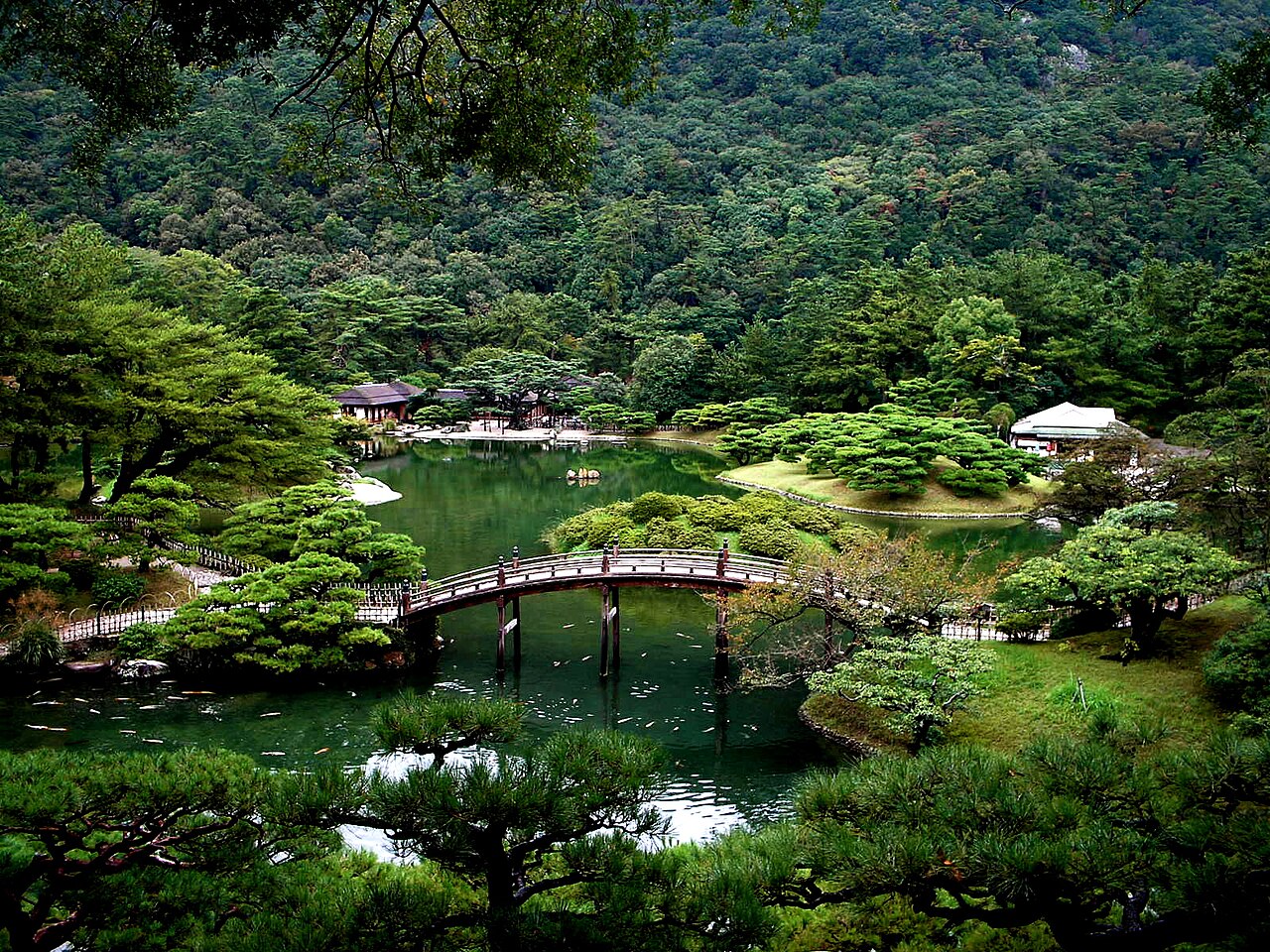
That restraint is the through-line. Ritsurin Garden, laid out under the same Matsudaira lords, is celebrated less for spectacle than for composed, deliberate views — the same sensibility that favors a lacquer surface where the pattern is engraved and level rather than raised and glittering. A Sanuki kinma tray belongs to that world: it is meant to be handled, set with a few sweets or cups, and read up close.
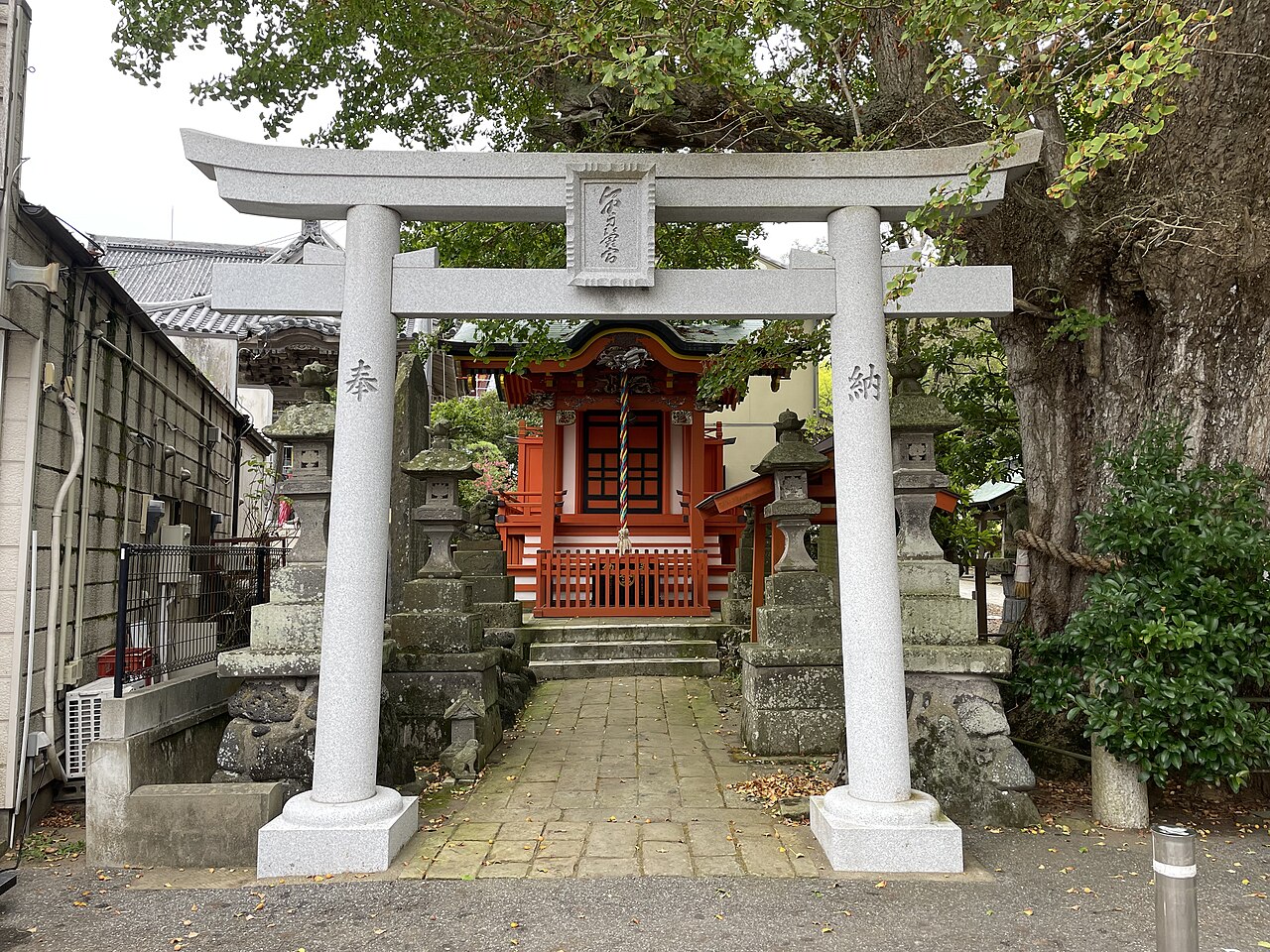
Kagawa’s craft did not develop in isolation, either. Konpira-san (Kotohira-gu), the great pilgrimage shrine in the prefecture’s west, drew travelers from across western Japan for centuries and made the region a busy channel for goods and reputation. A tray carrying Takamatsu’s most identifiable technique is, in that sense, a small piece of Sanuki’s long-standing role as a place where things were made, refined, and passed onward.
Price snapshot across stores
The primary path below is Amazon US search (useful for US shoppers comparing Japanese lacquer and serving trays broadly); the specific tray in this guide is sourced from the Amazon JP Global Store listing. Pricing for the exact item was not present in the fetched data, so the JPY figure is marked as to-verify rather than stated.
| Store | Item / Variant | Price (JPY + USD est.) | Notes |
|---|---|---|---|
| 🇺🇸 Amazon US (search) | Browse Japanese lacquer serving trays | varies (USD) | Best if you are shopping from the US — Prime shipping, USD pricing, no international customs. Amazon US carries assorted Japanese urushi and serving trays for comparison; this Takamatsu kinma piece is sourced from Japan (next row). |
| 🇯🇵 Amazon JP Global Store | Sanuki Shikki kinma tray (ASIN B00MHGBNZQ) | ¥ — (verify at listing; USD est. depends on rate) | The sourced listing for the exact item. Ships internationally from Japan to most major destinations. |
| Maker direct | Takamatsu Sanuki Shikki workshops / associations | varies | Some Takamatsu workshops sell directly; catalogs are often Japan-only and may not ship abroad. Useful for confirming technique and provenance. |
| Proxy services (Buyee / Tenso) | Forwarding for Japan-only listings | item + fee + forwarding | Use when a listing does not ship abroad directly. Adds a service fee and a forwarding leg; expect customs duty over your local threshold. |
Prices in USD are approximate and depend on the current exchange rate (¥150/USD baseline as of mid-2026). The JPY price on the listing is the authoritative figure. Prices and stock fluctuate — always confirm on the affiliate link before ordering.
What it does well
Weaknesses and things to verify before buying
- Sparse listing data. Exact dimensions, weight, and current price were not in the fetched data. Confirm all three on the live listing before ordering.
- Not dishwasher- or microwave-safe. Urushi requires hand-washing with mild soap, prompt drying, and no soaking; heat and abrasion damage the finish.
- Sunlight and dryness. Cured urushi can dull, crack, or lift under prolonged direct sunlight or very dry indoor air — treat it as you would fine wood furniture.
- Ground color varies. The tray is traditionally red or black; the exact finish of this listing should be verified from the listing photos, not assumed.
- Lacquer sensitivity. Fully cured urushi is inert, but individuals with a known lacquer-sap allergy should be aware of the material and buy from a clearly described source.
- International shipping variables. As a Japan-sourced item, delivery time, shipping cost, and any customs duty depend on your country; factor these into the total.
Conclusion — which buyer type are you?
Other ways to approach this purchase
🏆 Editor’s Pick
❓ Frequently Asked Questions
What is kinma, and how is it different from maki-e?
Kinma is a carving-and-inlay technique: lines are incised into cured, hardened urushi and packed with colored lacquer, then polished flush so the pattern is felt as shallow relief. Maki-e is the opposite approach — metal powder such as gold is sprinkled onto wet lacquer to build a picture on top of the surface. Kinma is carved in; maki-e is applied on.
Does this ship outside Japan?
The item is sourced from an Amazon JP Global Store listing, which ships internationally to most major destinations. Delivery time, shipping cost, and any customs duty depend on your country. If a particular listing does not ship to you, a proxy service such as Buyee or Tenso can forward it for a fee.
How do I care for a Sanuki lacquer tray?
Hand-wash with mild soap and a soft cloth, dry promptly, and avoid soaking. Keep it out of the dishwasher and microwave, and away from prolonged direct sunlight and very dry air, which can dull or crack the finish. Treated like fine wood, urushi lasts for decades.
Why is the price not shown here?
The fetched data for this specific listing was thin and did not include a confirmed price or dimensions. Rather than guess, we direct you to the listing for the current figure. The JPY price shown there is the authoritative one; any USD estimate depends on the exchange rate at the time.
Is it safe if I have a lacquer allergy?
Fully cured urushi is chemically inert and generally not reactive, unlike raw lacquer sap. Still, anyone with a known lacquer-sap sensitivity should be cautious, buy from a clearly described source, and consult a medical professional if unsure.
Who created the Sanuki kinma style?
The carving-and-inlay techniques that define Sanuki Shikki — kinma, zonsei, and zokoku-nuri — were consolidated by Tamakaji Zokoku (1806–1869), a Takamatsu artisan who studied imported Chinese, Thai, and Burmese lacquerwork and reworked it into a distinctly local school.
jpmono.com is curated by a Japan-based editorial team (working out of Toyama in the Hokuriku region and Nara in Kansai) and is independent. We do not take payment from the makers we feature; income comes from affiliate links. We do not physically test every product — we read maker’s specs and source listings.
Note: This article was drafted with AI assistance and reviewed against the available source listing. Craft-history context reflects the tradition as generally documented; product specifics should be confirmed on the live listing before purchase.
Affiliate disclosure: jpmono.com may earn a commission on qualifying purchases made through links on this page, at no additional cost to you.