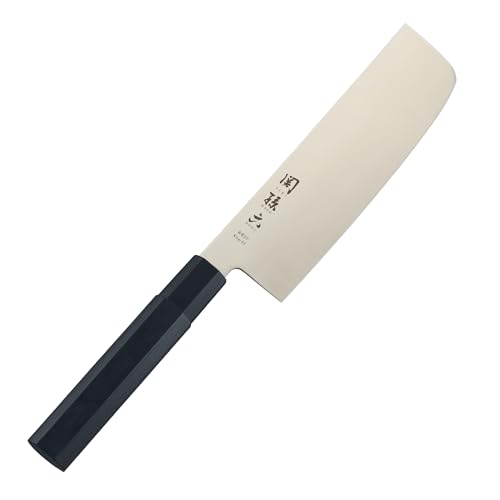
- What it is: a nakiri — a flat-edged Japanese vegetable knife, sold here as one 165 mm stainless blade with a squared-off tip.
- Made in: Japan — the listing states 日本製 (made in Japan); the line name, Seki Magoroku, points to Seki in Gifu Prefecture.
- Price band: mid-range for a Japanese-made stainless nakiri — ¥4,691 (about $31 USD at ¥150/USD) as of October 22, 2026; verify on the listing.
- Best for: a home cook who cuts cabbage, daikon, onions and greens every day and wants a dedicated vegetable blade.
- Skip if: you want one knife for meat, fish and bones, or you expect a saya, a sharpener or a gift box in the price.
- Shipping: sold through Amazon JP, which ships internationally — jump to our pick ↓
A nakiri has almost no tip. The edge runs out to a squared corner, the spine comes down nearly straight, and the whole blade is built for one motion: the push cut, straight down through a vegetable and out the other side.
That shape is why the knife reads as strange to anyone raised on a chef’s knife — and why it makes sense the moment a cabbage is involved. This one comes from Kai (貝印), sold under the Seki Magoroku Kinju line (関孫六 金寿), in a 165 mm stainless version listed as made in Japan.
Seki is not a marketing word here. The city in Gifu Prefecture has been one of Japan’s blade centers for centuries, and the nakiri itself is a very specific shape that tradition produces for the home kitchen. Below is what the listing actually confirms, where the knife sits among other Japanese blades, what it does well, and what a buyer outside Japan should check before ordering.
Updated
Read time: about 10 minutes

- Who this is for — and who should skip it
- Product overview (from published specs)
- 🔤 Terms used in this guide
- 📍 Where this comes from — Seki, Mino, and a blade trade older than the Edo period
- Which finish should you choose?
- 📌 How does it compare?
- Price snapshot across stores
- 📦 Shipping & where to buy from outside Japan
- What it does well
- Weaknesses and things to verify before buying
- Conclusion — which buyer type are you?
- Other ways to approach this purchase
- 🏆 Editor’s Pick
- ❓ Frequently Asked Questions
Who this is for — and who should skip it
- cook Japanese or vegetable-forward food several times a week and cut cabbage, daikon, onions or greens by hand.
- want clean, straight slices rather than the rocking motion of a Western chef’s knife.
- prefer a stainless blade that does not need drying the second you set it down.
- have a board at least 30 cm wide and room to store a 165 mm blade flat or on a magnetic strip.
- are buying a first Japanese knife and want a defined task rather than an all-rounder.
- need one knife to break down chicken, portion fish and chop herbs — a gyuto or santoku covers more ground.
- cut on glass, stone or bamboo-heavy boards that dull a thin edge quickly.
- want a knife that arrives with a saya, a sharpener or a wooden box; this listing is the blade.
- expect a carbon-steel edge that patinas and takes a razor polish — this is a stainless model.
- are shopping to a tight budget and can accept a shorter-lived entry-level blade instead.
Product overview (from published specs)
ℹ️ This guide relies on the Amazon JP listing; no US listing for this exact model was confirmed at the time of writing. Attributes the listing does not print are marked as not stated rather than filled in from elsewhere.
Seki Nakiri Vegetable Knife Guide
貝印 KAI 菜切 包丁 関孫六 金寿 ステンレス 165mm 日本製 AK1121
在庫あり。 · Sold by Amazon.co.jp · ASIN B08KVN7FXW
Price and availability as of 2026-10-22 09:17 JST. The Amazon listing at the time of purchase is authoritative. jpmono.com earns a commission on qualifying purchases at no extra cost to you.
| Attribute | What is published | Basis |
|---|---|---|
| Type | Nakiri (菜切) — flat-edged vegetable knife | Listing title |
| Blade length | 165 mm | Listing title |
| Steel | Stainless steel | Listing title |
| Maker and line | Kai (貝印) — Seki Magoroku (関孫六) Kinju (金寿) | Listing title |
| Model number | AK1121 | Listing title |
| Country of manufacture | Japan (日本製) | Listing title |
| Edge profile | Flat to near-straight, squared tip | Nakiri type; not restated in the title |
| Set contents | One knife | Listing title (single piece, no set) |
| Handle material | Not stated in the listing | — |
| Weight | Not stated in the listing | — |
| Price | ¥4,691 (about $31 USD at ¥150/USD), as of October 22, 2026 | Amazon JP listing |
| Availability | In stock (在庫あり) at Amazon.co.jp, sold by Amazon.co.jp | Amazon JP listing |
The listing gives the type, the length, the steel, the maker, the model and the country of manufacture — and stops there. It does not print the handle material, the weight, the bevel geometry or a hardness figure, so those points stay open rather than being borrowed from another knife in the same family. Buyers who need a specific weight or handle wood should confirm on the live page before ordering.
🔤 Terms used in this guide
Open the glossary — six terms worth knowing
Nakiri (菜切) — literally “vegetable cutter.” A rectangular blade with a flat edge and a squared tip, used with a straight downward push rather than a rock.
Seki (関) — the cutlery city in Gifu Prefecture whose name appears in the line name here; also the word used on the blade’s series.
Seki Magoroku (関孫六) — Kai’s knife series. The name pairs the city with Magoroku, a name long associated with the Seki blade trade.
Kinju (金寿) — the sub-line named in this listing, printed between the Seki Magoroku name and the steel type.
Mino — the historical region covering much of southern Gifu Prefecture, the area Seki belongs to.
Push cut — moving the blade straight down through the food without sliding the edge forward or rocking the handle. The motion a nakiri is shaped for.
📍 Where this comes from — Seki, Mino, and a blade trade older than the Edo period
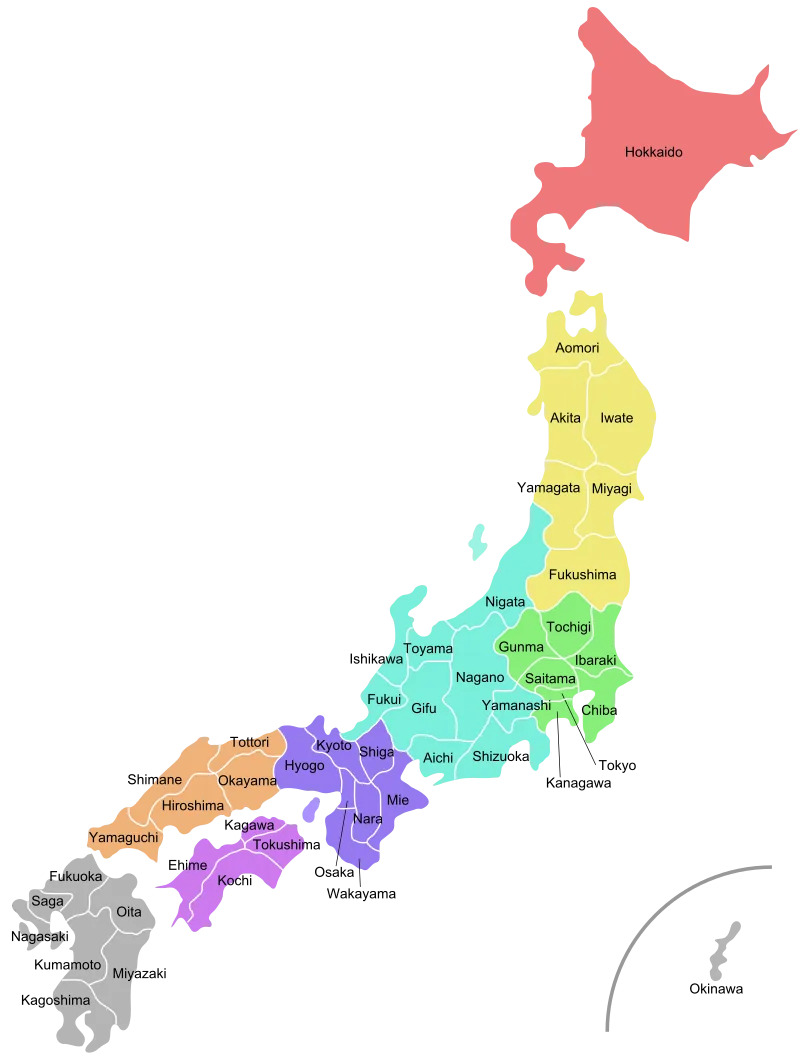
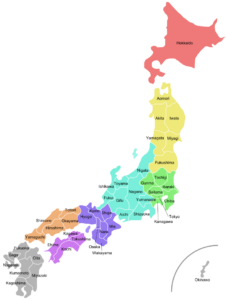
Seki City sits in Gifu Prefecture, in the Mino region of central Honshu, north of Nagoya. Gifu has no coastline: the northern half of the prefecture is mountain country, the southern plains run toward the Nagoya basin, and the Nagara river system drains the ground in between. A knife town in a landlocked prefecture makes sense once you see what the trade needed — clean water, charcoal and iron within reach of the same valley.

The commonly told account places the start of Seki’s blade work in the Kamakura period, when swordsmiths settled in Mino. The attraction was practical: water clean enough for quenching and sharpening, charcoal for the forge, and iron stock that could be brought into the valley. Whatever the exact route, the settlement pattern held — a cluster of smiths working within reach of the same materials, generation after generation, is what turns a local skill into a town’s identity.

-
1185–1333 (Kamakura period) — swordsmiths settle in Mino, with water, charcoal and iron materials to hand. -
1603–1868 (Edo period) — makers produce swords alongside cutlery and farm tools. -
From 1868 (Meiji) — the area shifts toward pocket knives and kitchen knives as sword demand ends. -
20th century — Seki establishes itself among Japan’s main cutlery centers, a position it still holds. -
October 22, 2026 — the Kinju ST 165 mm nakiri in this guide is listed at ¥4,691 on Amazon.co.jp.
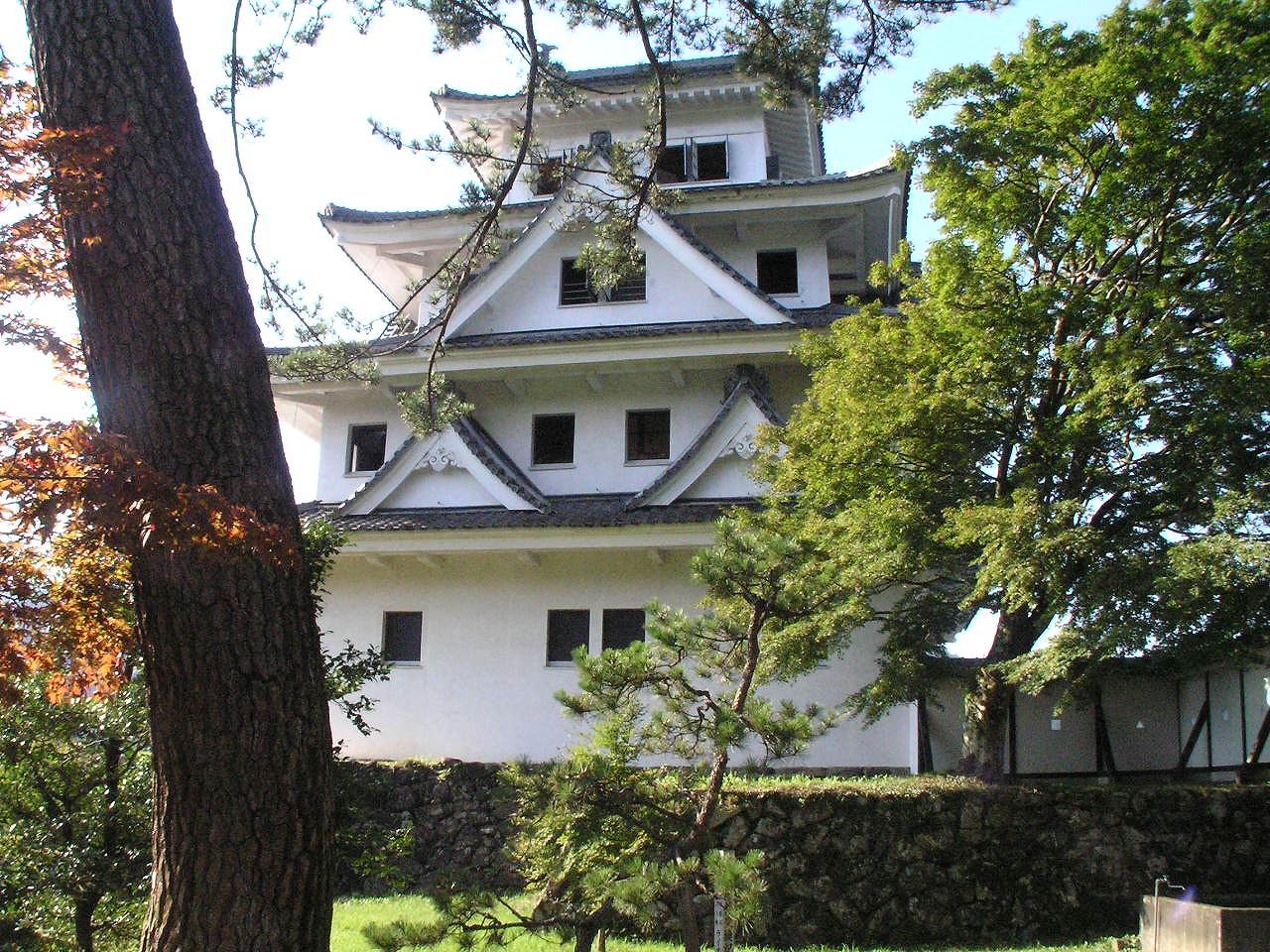
In the Edo period the town’s smiths made swords and, in the same workshops, cutlery and farm tools — a hedge that kept the skill alive when one market thinned. After Meiji the sword trade collapsed and the town moved toward pocket knives and kitchen knives, which is the turn that made Seki a consumer cutlery name rather than a purely military one. That sequence explains a small oddity of the modern product: a mass-market stainless nakiri still carrying an old sword-smith line name on the package.
“A nakiri is not a smaller chef’s knife. It is a different answer to the question of how a vegetable should be cut.”

Water is the quiet part of the story. Quenching needs a steady supply at a consistent temperature, and sharpening on a whetstone needs water clean enough not to load the stone with grit. The Nagara and its tributaries supplied both, along with the flat valley ground that let workshops sit close together. Even now, the geography reads as a single long workshop street with a river running past it.
The continuity claim should be stated narrowly. Seki remains one of Japan’s main cutlery centers today, and the line in this listing uses the city’s name. What the listing does not do is print the city, the workshop or the smith on the title — it says 日本製, made in Japan. Treat the Seki association as the strongest available signal, and the exact workshop as unconfirmed until the maker’s own page states it.
The seasonal side of the craft is domestic rather than ceremonial. A nakiri is the knife that appears when cabbage is shredded for okonomiyaki, daikon is cut for pickles or simmered dishes, and greens are trimmed in quantity. That is everyday cooking, not kaiseki — and it is the use case this blade is priced and shaped for.
Which finish should you choose?
This piece is listed in 3 colours. The photos below are the actual colour options on the listing right now — pick the one you want and confirm it on the product page before ordering, since hand-finished wares vary slightly piece to piece.


📌 How does it compare?
Other Japanese kitchen and craft pieces covered on this site, for readers weighing a nakiri against a different blade or a different part of the table.
 Mino Shino Matcha Bowl
Read the guide →
 Hida Shunkei Lacquer Tray
Read the guide →
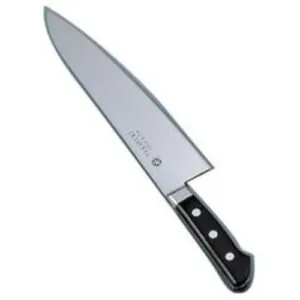 Sakai Gyuto Chef Knife
Read the guide →
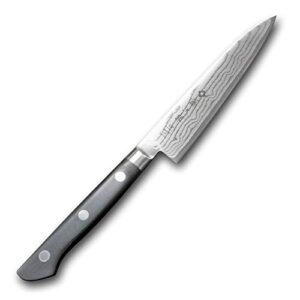 Tojiro DP Gyuto Knife
Read the guide →
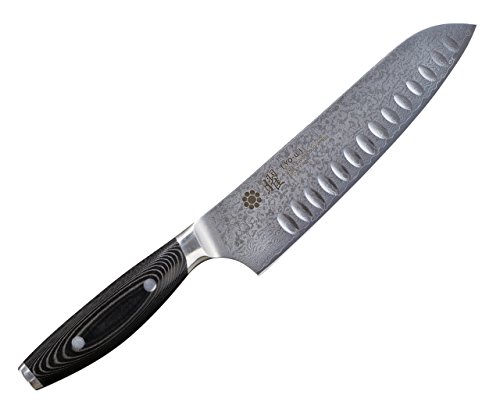 Yaxell Ran Seki Hamono Damascus Santoku: Where to Buy [2026]
Read the guide →
Bizen Osafune Nakiri Knife: Hand-Forged Okayama Vegetable Blade [2026]Read the guide →
Price snapshot across stores
JPY is the authoritative figure. The USD conversion is an estimate at ¥150/USD and will move with the exchange rate; the yen price on the listing is the one to check at checkout.
| Store | Item / variant | Price | Notes |
|---|---|---|---|
| 🇺🇸 Amazon US (search) | Browse Japanese nakiri and vegetable knives | Varies (USD) | Best if you are shopping from the US — Prime shipping, USD pricing, no import paperwork. Amazon.com carries Japanese knives from several makers; this exact Kai model is sourced from Japan (next row). |
| 🇯🇵 Amazon JP Global Store | Kai Seki Magoroku Kinju ST nakiri, 165 mm, AK1121 | ¥4,691 (about $31 USD at ¥150/USD), as of 2026-10-22; verify on the listing | Ships internationally from Japan to 65+ countries — including Canada, the UK and Australia — with import fees estimated at checkout. In stock, sold by Amazon.co.jp. |
| Maker direct (Kai) | Same model, regional availability varies | Unconfirmed — check the manufacturer site | Kai sells through regional distributors rather than one global store; price and stock were not confirmed at the time of writing. |
| Proxy services (Buyee / Tenso) | Any Japanese seller that will not ship abroad | Item price plus proxy and forwarding fees | Useful only if a domestic seller is the sole source; fees and consolidation add to the total, and the knife must be packed to protect the edge. |
📦 Shipping & where to buy from outside Japan
From Japan: the Amazon JP listing ships internationally to 65+ countries, including Canada, the UK and Australia. Delivery time depends on the destination and the shipping option shown at checkout, and import fees are estimated there for most countries.
Shipping cost: budget roughly $15–$40 for a single knife to the US or EU, with similar ranges to Canada, the UK and Australia. Small parcels travel cheaply; the knife’s weight is not the issue, the flat international rate is.
Customs: orders above your country’s low-value threshold may attract duty or tax. Amazon collects an import-fee deposit on many destinations, but a parcel sent by a proxy service can arrive with a separate bill — check the threshold before choosing a route.
What it does well
Weaknesses and things to verify before buying
- It is one knife, not a set. The listing title names a single nakiri; no saya, sharpener, gift box or block is mentioned. Budget for a cover if the knife will live in a drawer.
- The tip is squared by design. Trimming silverskin, scoring fish or mincing herbs in a rocking motion is awkward — this is not a substitute for a petty or a chef’s knife.
- Handle material and weight are not printed. The listing stops at steel, length and model. If grip shape or balance matters to you, confirm on the live page or look for a shop that lists the handle.
- Stainless trades peak sharpness for easy care. Buyers who want a carbon edge that sharpens quickly and patinas will find this blade conservative by comparison.
- No US listing for the exact model was confirmed. The practical route is the Japan listing, which means an import timeline and possible customs handling rather than next-day delivery.
- “Made in Japan” is not the same as a printed workshop. The title does not name the city or the smith; the Seki association comes from the line name, so treat the exact production site as unconfirmed.
- 🍽️ Dishwasher: no — hand-wash and dry. Detergent and long soaking dull the edge and stress the handle.
- 🔪 Board: wood or soft plastic. Glass and stone boards roll a thin edge almost immediately.
- 🧴 Daily care: rinse, wipe dry, and store where the edge touches nothing hard. Stainless resists rust but is not stain-proof.
- 🪨 Sharpening: a medium whetstone, both bevels worked evenly. A pull-through sharpener removes more steel than a nakiri needs.
Conclusion — which buyer type are you?
Other ways to approach this purchase
🏆 Editor’s Pick
❓ Frequently Asked Questions
Is this a single knife or a set?
A single knife. The listing title names one 165 mm nakiri, model AK1121, with no saya, sharpener, box or block included.
What is a nakiri actually used for?
Vegetables, cut with a straight push. The flat edge goes through cabbage, daikon, onions and greens in one downward motion. It is not designed for meat, fish or rocking cuts.
Does Amazon Japan ship this knife to the US, Canada, the UK and Australia?
The Amazon JP Global Store ships internationally to 65+ countries, including Canada, the UK and Australia. Import fees are estimated at checkout for most destinations, and availability can change between orders.
How much is ¥4,691 in US dollars?
About $31 USD at a ¥150/USD baseline, as of October 22, 2026. The yen price is authoritative; the dollar figure moves with the exchange rate.
Is the blade stainless, and can it go in the dishwasher?
The listing specifies stainless steel. Hand-washing and drying is still the better habit: dishwasher heat and long soaking dull the edge and stress the handle.
How is this different from a santoku or a gyuto?
A nakiri is a vegetable specialist: flat edge, squared tip, no rocking. A santoku is a shorter general-purpose home knife, and a gyuto is a longer chef’s knife with a curved edge and a fine tip for meat, fish and detail work.
jpmono.com is curated by a Japan-based editorial team (working out of Toyama in the Hokuriku region and Nara in Kansai) and is independent. We do not take payment from the makers we feature; income comes from affiliate links. Read more about our editorial standards.
This article was drafted with the help of AI tools and reviewed by our editorial team. Product facts come from the listed retailer page as of the date shown; prices, stock and shipping terms can change.
Affiliate disclosure: jpmono.com may earn a commission on qualifying purchases made through links on this page, at no additional cost to you.