![Shinshu Uchihamono Soba-Kiri Noodle Knife: Where to Buy [2026]](https://jpmono.com/wp-content/uploads/2026/05/japan-map-regions-and-prefectures-800x1050.png)
A soba-kiri (蕎麦切り, “soba cutter”), also called a menkiri (麺切り, “noodle knife”), is the wide, square-shouldered blade a soba maker brings down through a folded sheet of hand-rolled buckwheat dough to cut it into even strands. It is one of the most single-purpose knives in the Japanese kitchen, and the version forged in Nagano’s Shinshu Uchihamono (信州打刃物, “Shinshu hand-forged blades”) district carries an unusually direct line of descent: the same forging tradition that began with the swordsmiths of the Kawanakajima battlefields now shapes the tool that turns Nagano’s own buckwheat into noodles.
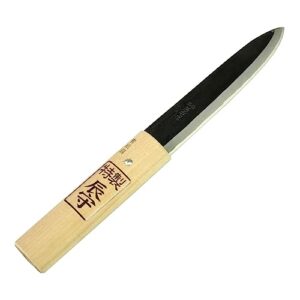
What makes the Shinshu soba-kiri notable to an international reader is that geography, history, and craft all point at the same place. Nagano is Japan’s buckwheat heartland — its cold nights and well-drained volcanic slopes suit the crop — so the cuisine that needs a dedicated noodle knife and the smiths who could forge one grew up in the same mountains. The blade is built around the tsukekane (付鋼) method, forge-welding a hard high-carbon steel edge onto a softer iron body, and ground as a single bevel so the flat face rides clean against the cutting board for even, repeatable slices.
This guide is written for the buyer outside Japan who wants a genuine hand-forged soba-kiri rather than a stamped stainless noodle knife — and who needs to know where to buy one, how to read the specs, what carbon steel asks in return, and who should pass on a knife this specialized. We cover the craft, the spec sheet, the realistic purchase paths from abroad, and the regional story that sits behind the steel.
🗓️ Published:
🔄 Updated:
⏱️ Read time: ~10 min
- Who this is for — and who should skip it
- Product overview (from published specs)
- 📍 Where this comes from — place, era, and the craft tradition
- Buying options across stores
- What it does well
- Weaknesses and things to verify before buying
- Conclusion — which buyer type are you?
- Other ways to approach this purchase
- ❓ Frequently Asked Questions
Who this is for — and who should skip it
- Make hand-rolled soba or udon at home and want even, repeatable noodle strands
- Already own a cutting board or noodle guide board (komaita) and want the proper blade to match
- Appreciate hand-forged, single-bevel carbon steel and are willing to maintain it
- Want a tool tied to a documented regional craft tradition, not a generic import
- Already oil and sharpen carbon-steel knives, so rust care is routine for you
- Want one do-everything kitchen knife — a soba-kiri is a single-task tool, not a santoku
- Want a zero-maintenance, rust-proof stainless blade you can leave wet
- Only buy dried noodles and never cut a hand-rolled sheet
- Need a left-handed grind but the product is right-hand single bevel
- Cannot accept that a carbon edge will patina, stain, and rust if neglected
Product overview (from published specs)
The table below is built from the craft specification and maker-district facts. Blade dimensions and steel grade should be treated as category-typical rather than guaranteed, because hand-forged knives vary by maker.
| Attribute | Detail | Source |
|---|---|---|
| Craft tradition | Shinshu Uchihamono (信州打刃物), METI-designated traditional craft | Craft spec |
| Item type | Soba-kiri / menkiri (蕎麦切り・麺切り) — wide rectangular noodle knife | Craft spec |
| Blade construction | Tsukekane (付鋼) forge-welding — high-carbon steel (hagane) bonded to a softer iron body | Craft spec |
| Grind | Single bevel — flat face rides the board for even slices | Craft spec |
| Steel | Carbon steel (specific grade unconfirmed — check product details) | Category-typical |
| Blade length / weight | Not provided in the available product information — verify with the seller | — |
| Origin | Shinshu-Shinmachi / Nagano City blade district, Nagano Prefecture | Craft spec |
| Designation | Shinshu Uchihamono, designated a national traditional craft (1982) | Craft spec |
| Price | Purchase terms were unavailable at time of writing — verify current details | — |
Prices and dimensions may shift over time, so treat the figures here as general guidance rather than fixed specifications.
📖 Glossary — key terms
- Soba-kiri (蕎麦切り) — literally “soba cutting”; both the act of cutting buckwheat dough into noodles and the wide rectangular knife made for it.
- Menkiri (麺切り) — “noodle cutter,” the general name for this knife type, used for soba and udon alike.
- Shinshu Uchihamono (信州打刃物) — “Shinshu hand-forged blades,” the blade craft of the Nagano region; “Shinshu” is the old provincial name for Nagano.
- Tsukekane (付鋼) — “attached steel,” a forge-welding method that bonds a hard high-carbon steel edge onto a softer iron body so the edge stays keen while the body stays tough.
- Hagane (鋼) — the hard high-carbon steel that forms the cutting edge.
- Komaita (駒板) — the wooden guide board pressed onto the folded dough; the knife slides against its edge to set noodle width.
- Densan (伝産) — shorthand for a craft designated under Japan’s Traditional Craft Industries law (METI).
- Single bevel — a blade ground on one face only; it cuts cleanly along a board but is handed (right or left).
📍 Where this comes from — place, era, and the craft tradition

Nagano — “Shinshu” in its older provincial name — is a landlocked basin in the center of Honshu, fenced on nearly every side by the high ranges of the Japanese Alps. Nagano City grew up around the great temple of Zenko-ji and along the Sai River, where the blade-making villages of the district, including the area later organized as Shinshu-Shinmachi, took root. Mountains, heavy snow, and well-drained volcanic slopes shaped two things at once: a farming-and-forestry economy that needed tough cutting tools, and a cold highland climate that happens to suit buckwheat.
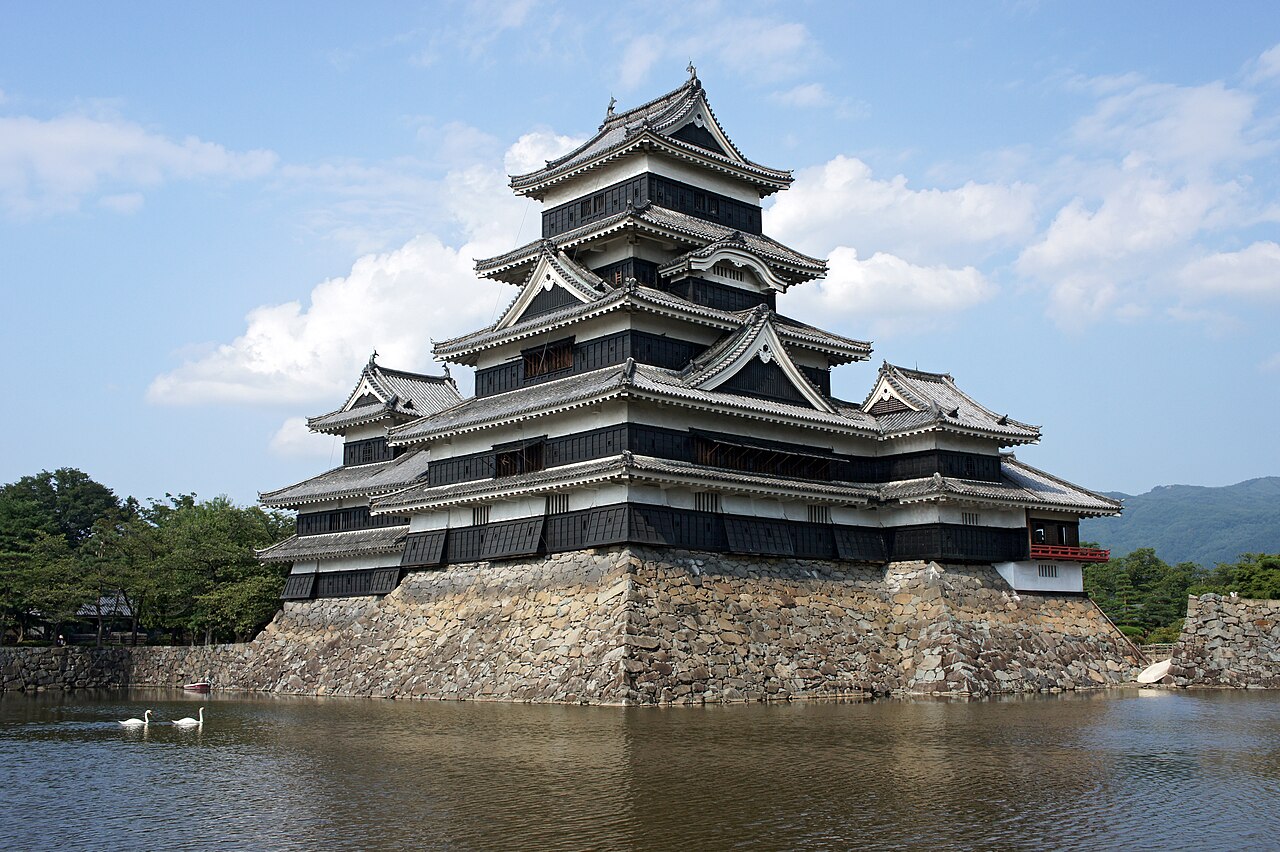
The historical anchor of the craft is martial. Between 1553 and 1564, the plain of Kawanakajima — just south of present-day Nagano City — was the contested ground of five battles between Takeda Shingen of Kai and Uesugi Kenshin of Echigo. Armies of that scale traveled with smiths to repair swords, spears, and armor. When the campaigns ended and peace settled over the Edo period, those forging skills did not vanish; the itinerant swordsmiths drawn to the region stayed on, and their craft was redirected to the blades a mountain economy actually used every day.
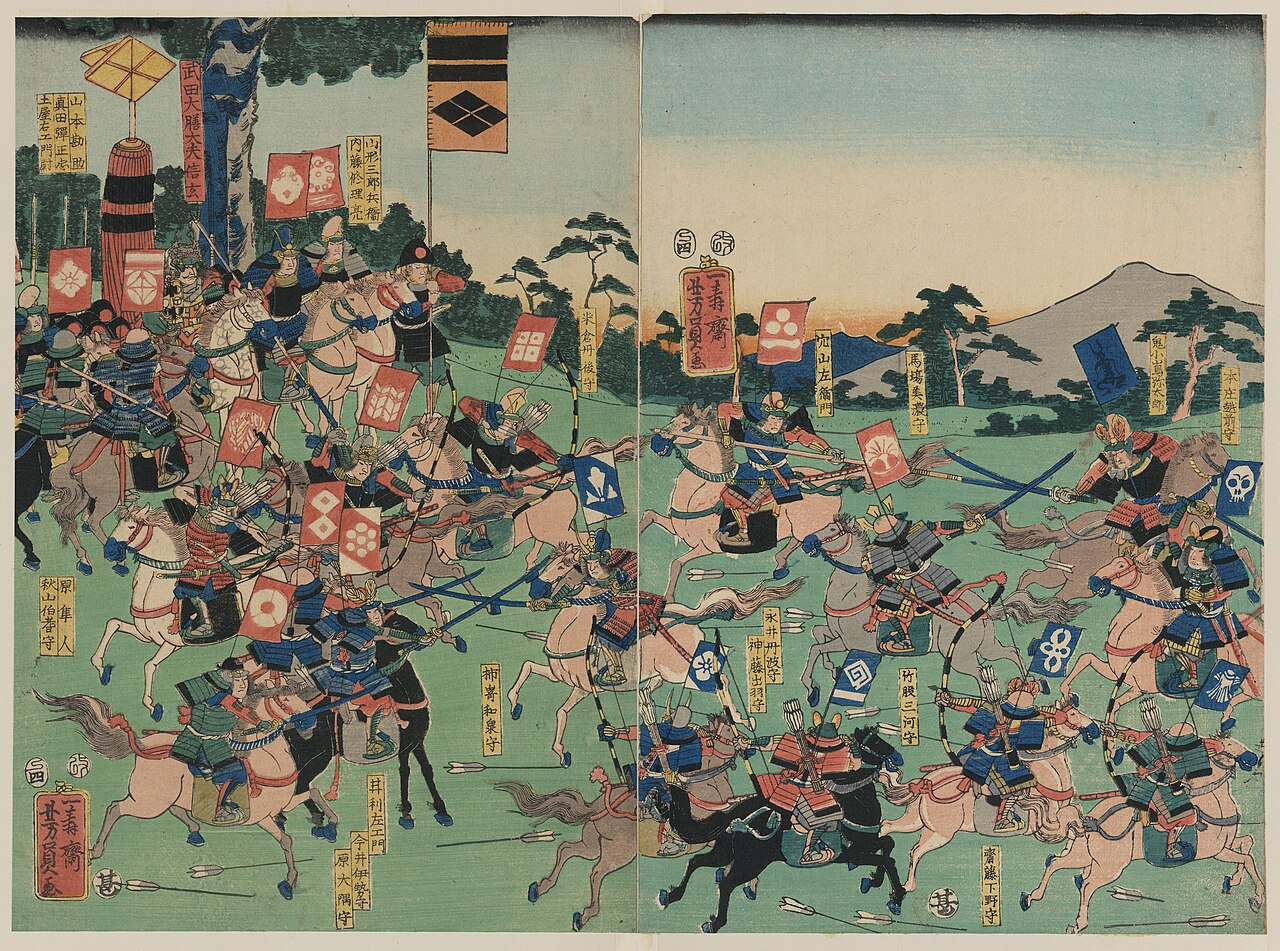
- 1553 — The first Battle of Kawanakajima begins between Takeda Shingen and Uesugi Kenshin.
- 1564 — The fifth and final Kawanakajima battle; itinerant swordsmiths remain in the region.
- Late 1500s — Smiths settle along the Sai River near present-day Shinshu-Shinmachi.
- Edo period (1603–1868) — Forging skill is redirected to sickles (kama), knives, and — where buckwheat culture demanded — the soba-kiri.
- 1982 — Shinshu Uchihamono is designated a national traditional craft (Densan / METI).
- 2026 — District smiths still forge kitchen knives, sickles, and soba-kiri for home cooks and professionals.
The reason a dedicated noodle knife evolved here, rather than anywhere with smiths, is buckwheat. Nagano’s cold climate and well-drained volcanic slopes suit the crop where rice struggles, and over centuries the province built a soba culture deep enough to need its own tools. Togakushi, north of Nagano City, is one of the most famous soba districts in Japan; the noodle and the knife belong to the same landscape.
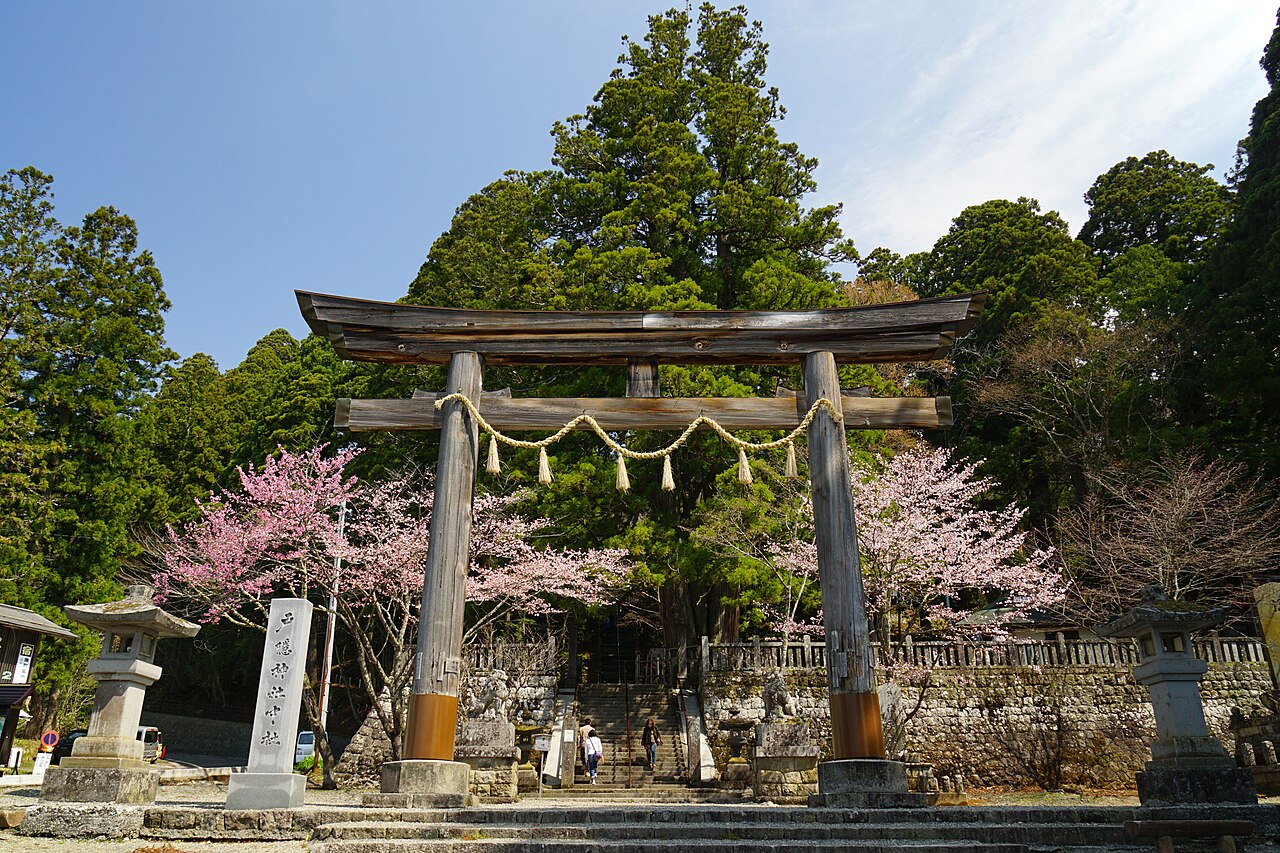
“The forge fire that once shaped swords for the armies at Kawanakajima now sets the edge that turns Nagano’s buckwheat into noodles — the war ended, but the steel kept working.”
The metallurgy connecting sword to noodle knife is direct. The blade is made by tsukekane, forge-welding a hard high-carbon steel edge onto a softer iron body — the same logic that lets a Japanese blade hold a fine edge without becoming brittle. On a soba-kiri, the single-bevel grind adds a second job: the flat back face rides flush against the board so each downward cut lands parallel to the last, which is exactly what even noodle strands require. Designation as a national traditional craft in 1982 formalized what the district had done for centuries — hand-forging blades for people who actually use them.
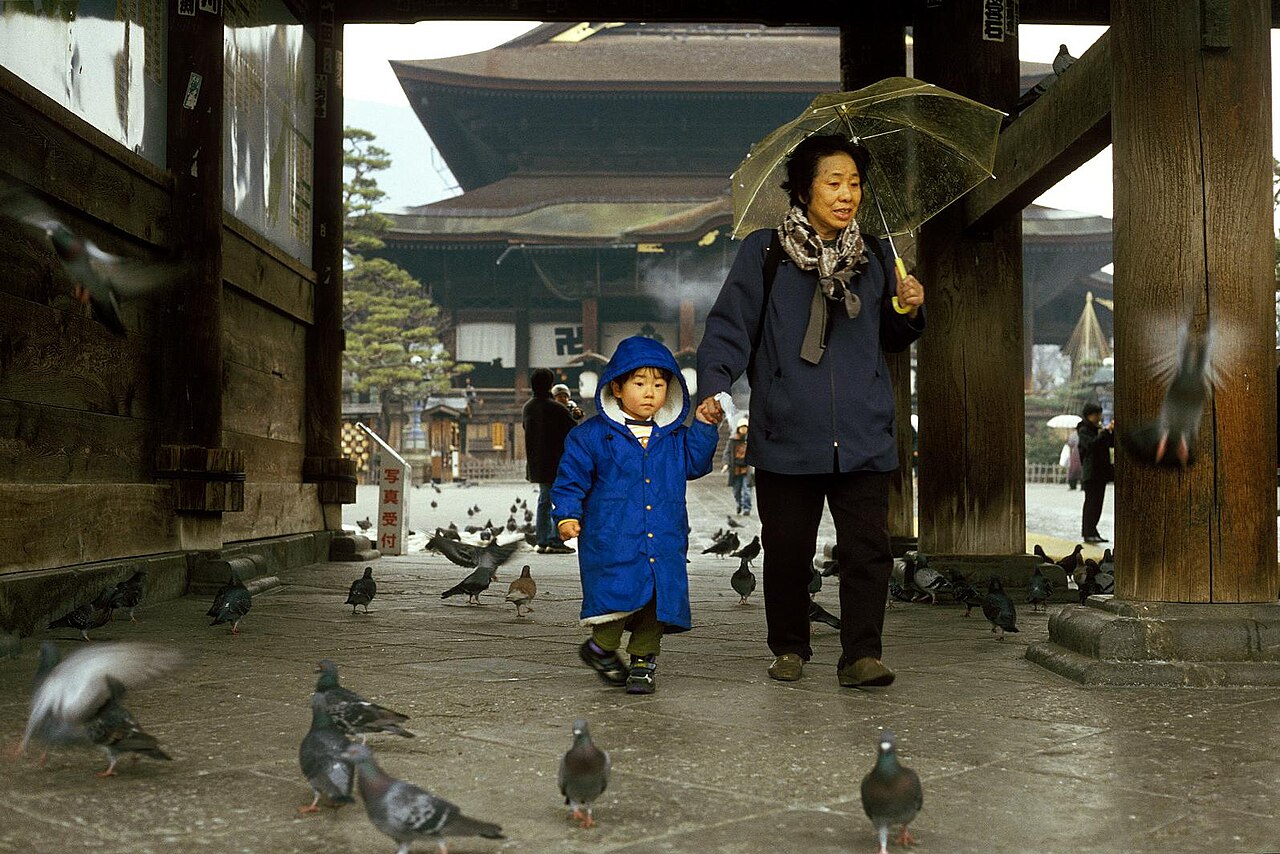
The continuity case is plain. The smiths who supply home cooks and soba shops today are the inheritors of that Kawanakajima-era forge knowledge, and the soba-kiri remains a working kitchen tool in a province where hand-cut noodles are still an everyday food, not a museum demonstration.
Other hand-forged Japanese blades and Nagano crafts we have covered — useful for placing the soba-kiri in the wider landscape of regional steel and craft.
Buying options across stores
JPY is the currency used for figures in this article; USD estimates use a ¥150/USD baseline as of mid-2026, and exchange rates change.
| Store | Item / variant | Price (JPY + USD est.) | Notes |
|---|---|---|---|
| 🇺🇸 Amazon US (search) | Browse Japanese soba & noodle knives | varies (USD) | Best if you are shopping from the US — Prime shipping, USD pricing, no international customs. Amazon US carries Japanese kitchen and noodle knives from various makers for comparing geometry and steel; the exact Shinshu soba-kiri is sourced from Japan (next row). |
| 🇯🇵 Amazon JP Global Store | Shinshu Uchihamono soba-kiri | Purchase terms unavailable at time of writing — check current details | The product page for the item. Ships internationally to most major destinations; bladed items may face destination-specific import rules. |
| Maker direct | Shinshu blade-district smiths / cooperative | Varies — often JP-only | District makers may sell direct, but many ship domestically only; a proxy is usually needed from abroad. |
| Proxy services (Buyee / Tenso) | Forwarding of a JP-only purchase | Item price + forwarding fee | Useful when a smith or shop ships only within Japan. Adds a service fee and may add customs handling at your destination. |
What it does well
Weaknesses and things to verify before buying
- Single-task tool. A soba-kiri cuts noodle sheets and little else. If you want one versatile knife, a santoku or gyuto is the better buy; this blade earns its place only if you actually roll dough.
- Carbon steel rusts. The blade will stain, patina, and corrode if stored wet or left unoiled. This is the defining trade-off versus a stainless knife, and it is not optional maintenance.
- Single bevel is handed. A single-bevel grind is made for one hand; confirm whether it is right- or left-handed before buying, since a left-handed user will struggle with a right-hand grind.
- Specs need confirmation. Blade size and exact steel grade were not provided. Verify the relevant details before purchase.
- Purchase terms were unavailable. Only a product reference was available; confirm current availability and terms before ordering.
- You may also need a board. Even noodles depend on a flat cutting board and ideally a komaita guide board; the knife alone does not guarantee uniform strands without the matching surface and technique.
- Shipping and import rules vary. Bladed kitchen tools can face destination-specific carriage and customs rules. Confirm that your country and courier accept the item before ordering from Japan.
Conclusion — which buyer type are you?
Other ways to approach this purchase
❓ Frequently Asked Questions
What is a Shinshu Uchihamono soba-kiri?
It is a hand-forged Japanese noodle knife (soba-kiri or menkiri) made in the Shinshu Uchihamono blade district of Nagano Prefecture. The craft is a nationally designated traditional craft (designated in 1982) with roots in the swordsmiths of the Kawanakajima era, who turned to farm, forestry, and kitchen blades in peacetime.
Why is a soba-kiri shaped so wide and rectangular?
The blade has a long straight edge so the whole edge contacts the board on each downward cut, and the broad face provides weight and a flat surface to ride a guide board (komaita). Together these produce even, repeatable noodle widths, which a curved chef’s knife cannot do as consistently.
What is tsukekane construction, and why does it matter?
Tsukekane is “attached steel,” a forge-welding method that bonds a hard high-carbon steel edge onto a softer iron body. The steel core holds a keen edge while the iron body stays tough, so the blade takes a fine edge and resists becoming brittle.
Is a single-bevel soba-kiri right- or left-handed?
A single-bevel grind is ground for one hand and is typically right-handed unless stated otherwise. Left-handed users should look for a left-hand or double-bevel version.
Does Amazon JP Global Store ship a soba-kiri internationally?
Amazon JP Global Store ships many items internationally from Japan to most major destinations. Bladed kitchen tools can be subject to destination-specific carrier and customs rules, so verify that your country and courier accept the item, and budget for possible import handling.
How do I care for a carbon-steel soba-kiri?
Keep it dry, wipe it clean after use, and apply a light film of oil (camellia or a food-safe mineral oil) before storage. Re-sharpen the single bevel on a whetstone as needed. Carbon steel will patina and can rust if left wet or unoiled, so treat maintenance as part of ownership.
jpmono.com is curated by a Japan-based editorial team (working out of Toyama in the Hokuriku region and Nara in Kansai) and is independent. We do not take payment from the makers we feature; income comes from affiliate links. Read more about our editorial standards.
🤖 This article was prepared with AI assistance and reviewed against the available product and craft information. Specifications and pricing are presented with the limitations noted in the article.
Affiliate disclosure: jpmono.com may earn a commission on qualifying purchases made through links on this page, at no additional cost to you.