![Toyooka Kiryu Willow Basket: Where to Buy Japan’s Woven Craft [2026]](https://jpmono.com/wp-content/uploads/2026/07/toyooka-kiryu-willow-basket-where-to-buy-2026-featured.jpg)
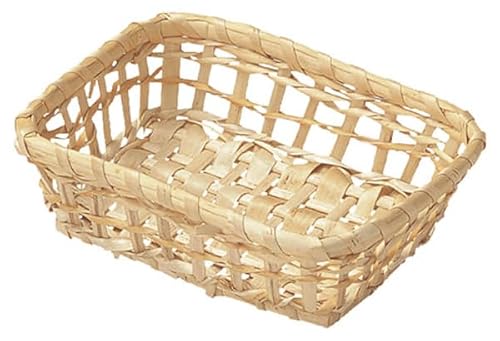
- What it is: A hand-woven storage or bread basket made from koriyanagi (basket willow), not bamboo.
- Made in: Toyooka, Hyogo (former Tajima province) — Kiryu-zaiku, a nationally designated Traditional Craft.
- Price band: Mid-range for hand-woven Japanese baskets — see the live listing (no confirmed figure in our snapshot).
- Best for: Buyers who want a light, breathable natural basket with a soft honey tone and gentle give.
- Skip if: You need something waterproof, rigid, or dishwasher-safe.
- Shipping: ships internationally from Amazon Japan — jump to our pick ↓
In the Shōsō-in repository at Nara — the 8th-century treasure house of the imperial court — sits a woven willow box that came out of Tajima, the old name for northern Hyogo. It is roughly thirteen centuries old, and it is made the same way a Toyooka basket is made today: from peeled, pliable rods of koriyanagi (行李柳, “basket willow”), bent and locked into a light, breathable frame. That single object is the reason the craft can honestly claim to be over a thousand years old.
What makes Toyooka’s Kiryu-zaiku (杞柳細工, “willow-work”) interesting to an international buyer is not exoticism but material. Bamboo — the more familiar Japanese basket material from Beppu or Suruga — is split into flat, rigid strips. Willow is different. Peeled willow rods stay round and springy, so a Kiryu-zaiku basket has a soft honey color, real lightness in the hand, and a gentle give that bamboo simply does not have. It behaves less like a hard container and more like a woven textile with structure.
This guide is written from a Japan-based editor’s desk for readers buying from outside Japan. It covers what the basket is and who made it, how it differs from bamboo work, where the honest gaps in the available data are, and — because the specific piece here is sourced from an Amazon Japan listing — exactly how to buy it internationally, with the comparison points that matter before you spend.
♻️ Last updated: July 14, 2026
⏱️ Read time: ~9 min
ℹ️ Live pricing and some specs weren’t in our snapshot — the linked Amazon Japan listing is authoritative; unconfirmed attributes are marked below.
- Who this is for — and who should skip it
- Product overview (from published specs)
- 📍 Where this comes from — place, era, and the craft tradition
- Price snapshot across stores
- What it does well
- Weaknesses and things to verify before buying
- 📦 Shipping & where to buy from outside Japan
- Conclusion — which buyer type are you?
- Other ways to approach this purchase
- 🏆 Editor’s Pick
- ❓ Frequently Asked Questions
Who this is for — and who should skip it
- Want a light, breathable basket for bread, fruit, linens, or small storage.
- Prefer the soft, rounded honey tone of willow over the flat sheen of split bamboo.
- Value a nationally designated traditional craft with a documented, millennium-long lineage.
- Like natural materials that develop character and a warmer color with age.
- Are comfortable buying from Amazon Japan’s Global Store and reading the live listing for exact dimensions.
- Need a waterproof or wipe-clean container — willow is porous and dislikes prolonged damp.
- Want machine-washable or dishwasher-safe homeware.
- Expect a rigid, hard-sided box; willow has intentional give.
- Require exact confirmed dimensions before ordering (our snapshot lacks them).
- Are shopping strictly on lowest price rather than provenance and craft.
Product overview (from published specs)
The table below reflects what could be confirmed from the available sources. Where a value was not present in our snapshot, it is marked Unconfirmed rather than guessed — always verify measurements on the live listing before buying.
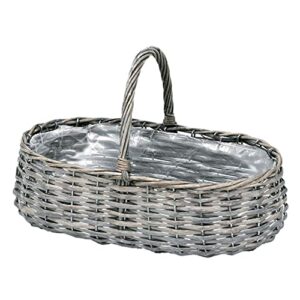
Toyooka Kiryu Willow Basket
千鳥産業(Chidori-sangyo) Willow 柳 ウィローバスケット 43-55
一時的に在庫切れ; 入荷時期は未定です。 · Sold by Amazon.co.jp · ASIN B00522KTBQ
Price and availability as of 2026-08-31 02:30 JST. The Amazon listing at the time of purchase is authoritative. jpmono.com earns a commission on qualifying purchases at no extra cost to you.
| Attribute | Detail | Source |
|---|---|---|
| Craft | Kiryu-zaiku (willow-work), nationally designated Traditional Craft | Maker direct / heritage record |
| Material | Koriyanagi (basket willow), peeled pliable rods | Maker direct |
| Origin | Toyooka, Hyogo (former Tajima province) | Maker direct |
| Typical use | Storage / bread basket; light, breathable | Amazon JP Global Store listing |
| Weight | Lightweight (willow is far lighter than bamboo); exact figure Unconfirmed — check listing | Amazon JP Global Store listing |
| Dimensions | Unconfirmed — check listing | Amazon JP Global Store listing |
| Item ID (ASIN) | B00522KTBQ | Amazon JP Global Store listing |
Sources consulted: Amazon US search (primary path, moonill-20), Amazon JP Global Store (secondary, moonill-22 — the sourced listing for this exact item), and maker/heritage records. Only the Amazon JP listing reference was available in our snapshot; live pricing and exact measurements were not, so verify them on the listing.
📖 Glossary — key terms
- Kiryu-zaiku (杞柳細工, “willow-work”) — Toyooka’s willow-weaving craft, a nationally designated Traditional Craft.
- Koriyanagi (行李柳, “basket willow”) — the willow species grown on the Maruyama River floodplain and peeled into the pliable rods used for weaving.
- Tajima (但馬) — the historical province covering northern Hyogo, including Toyooka, Izushi, and Kinosaki.
- Shōsō-in (正倉院) — the 8th-century imperial repository at Nara that preserves a Tenpyō-era willow box from Tajima.
- Kaban (鞄, “bag/luggage”) — the bag industry that grew out of Toyooka’s willow-weaving skill; the city remains Japan’s largest bag producer.
📍 Where this comes from — place, era, and the craft tradition

Toyooka sits at the northern edge of Hyogo Prefecture, where the Maruyama River widens into a low, wet floodplain before it reaches the Sea of Japan. This is Tajima — the inland, mountain-and-marsh half of Hyogo, a world away from the port bustle of Kobe on the prefecture’s southern coast. The wetlands here did two things at once: they made the land hard to farm as ordinary paddy, and they grew koriyanagi, the basket willow, in abundance. A crop that thrived in flood-prone ground became the raw material for a craft.
The historical anchor is unusually firm for a folk craft. A woven willow box from Tajima survives in the Shōsō-in at Nara, dated to the Tenpyō era of the 8th century — the height of the Nara period, when Nara served as Japan’s capital from 710 to 794. That a Tajima willow object was deemed worthy of the imperial treasure house tells us the craft was already accomplished more than 1,200 years ago.
-
8th century (Tenpyō era) — A Tajima willow box enters the Shōsō-in repository at Nara. -
Early Edo period — Izushi develops as a castle town, the “Little Kyoto of Tajima.” -
Edo period — The Izushi domain protects willow weaving as a peasant side-industry. -
Meiji era (late 19th c.) — Willow-weaving skill begins to seed Toyooka’s luggage and bag trade. -
20th century — Toyooka becomes Japan’s largest kaban (bag) production center. -
Present — Kiryu-zaiku is a nationally designated Traditional Craft; hand-weaving continues alongside the bag industry.
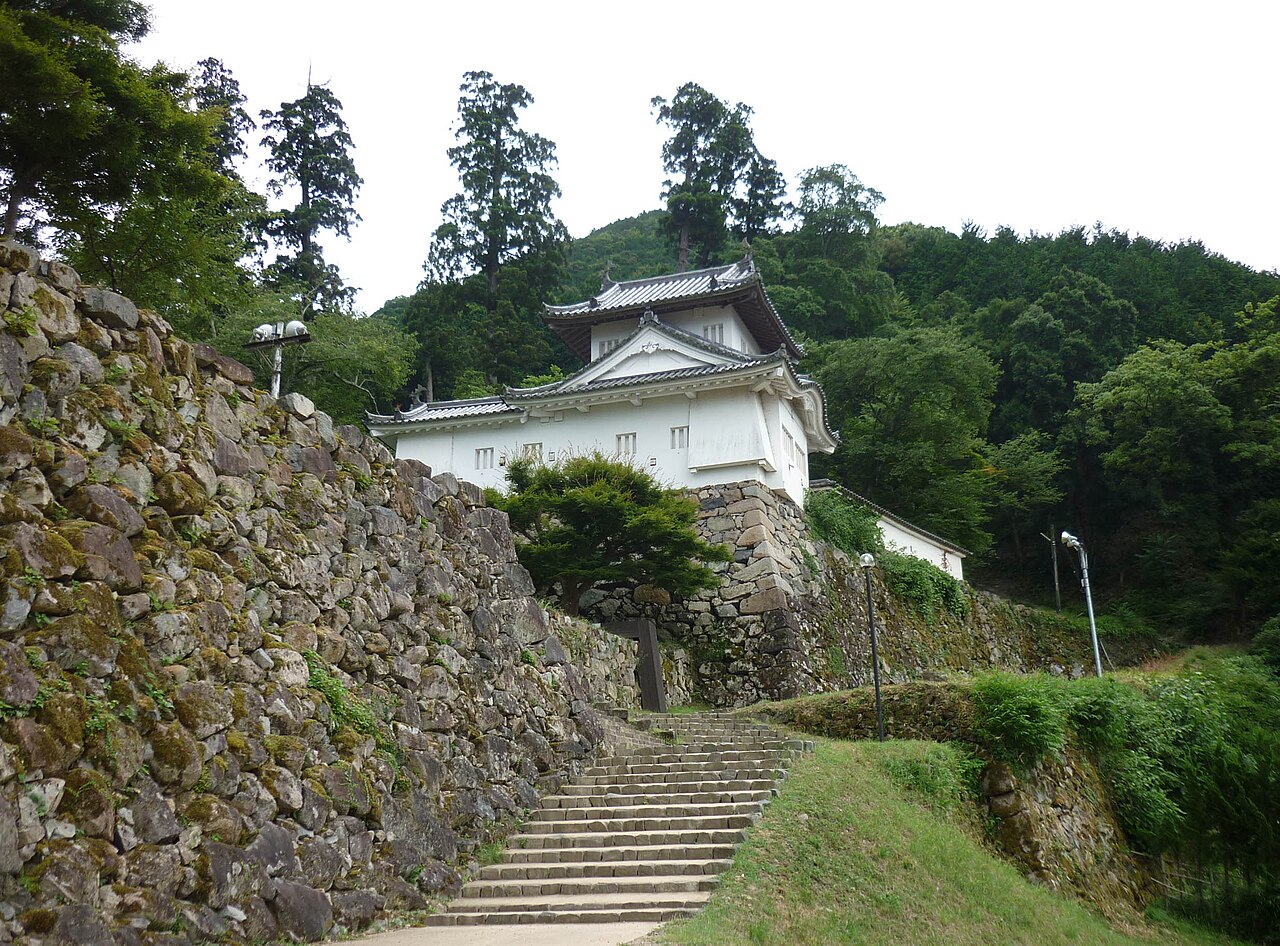
In the Edo period the Izushi domain protected willow weaving deliberately, as a sanctioned side-industry for farming households. That patronage matters, because it is the bridge between the ancient Shōsō-in box and the modern city. The same manual skill — bending and locking willow into strong, light structures — was later redirected into wicker trunks and, eventually, manufactured luggage. Toyooka is still Japan’s largest producer of bags, and that entire industry traces back to the willow that grew in the floodplain.
“A crop that only grew because the land flooded became a craft in the Shōsō-in, and then an entire luggage industry. Few household objects carry a thread that long.”
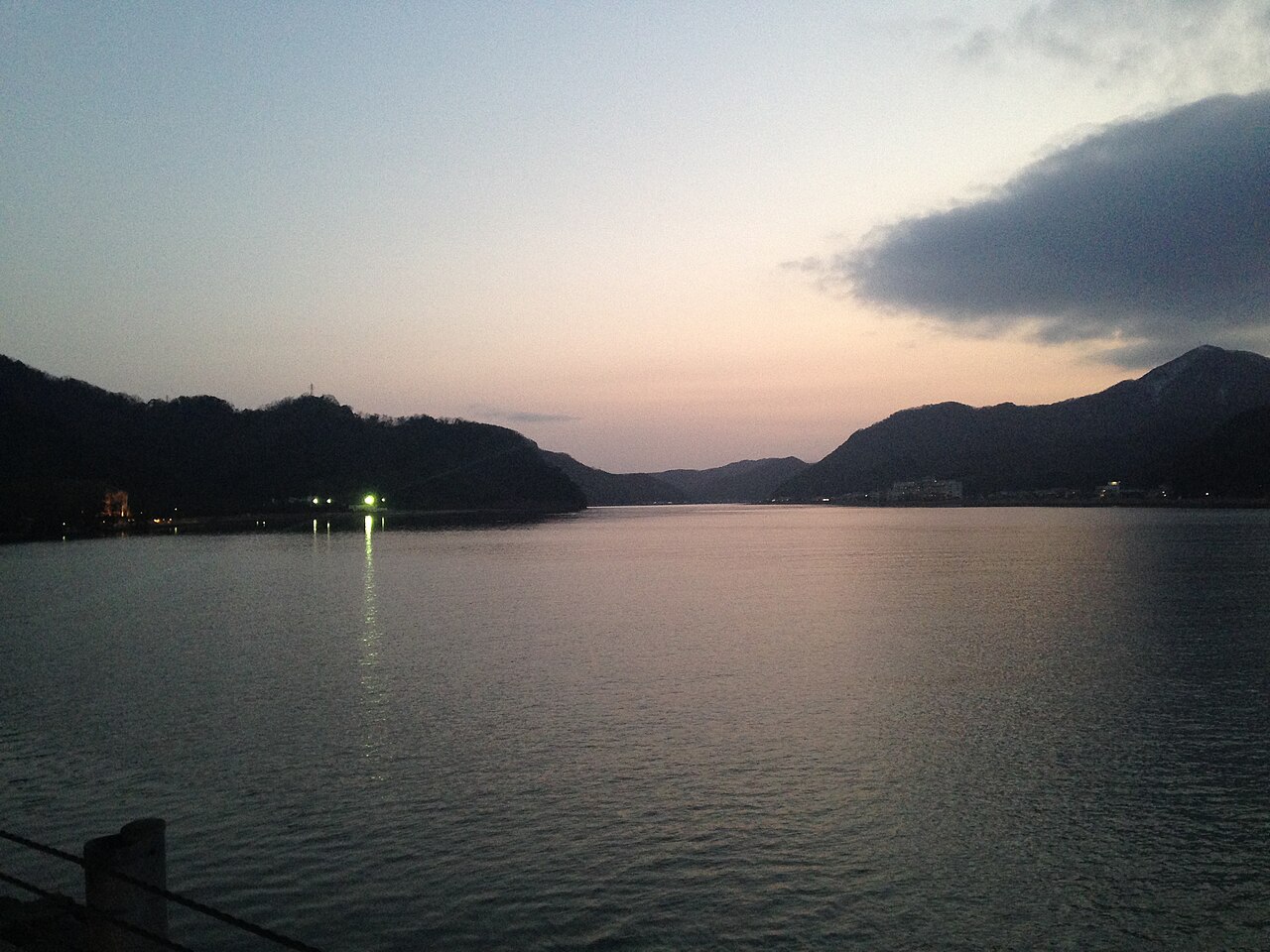
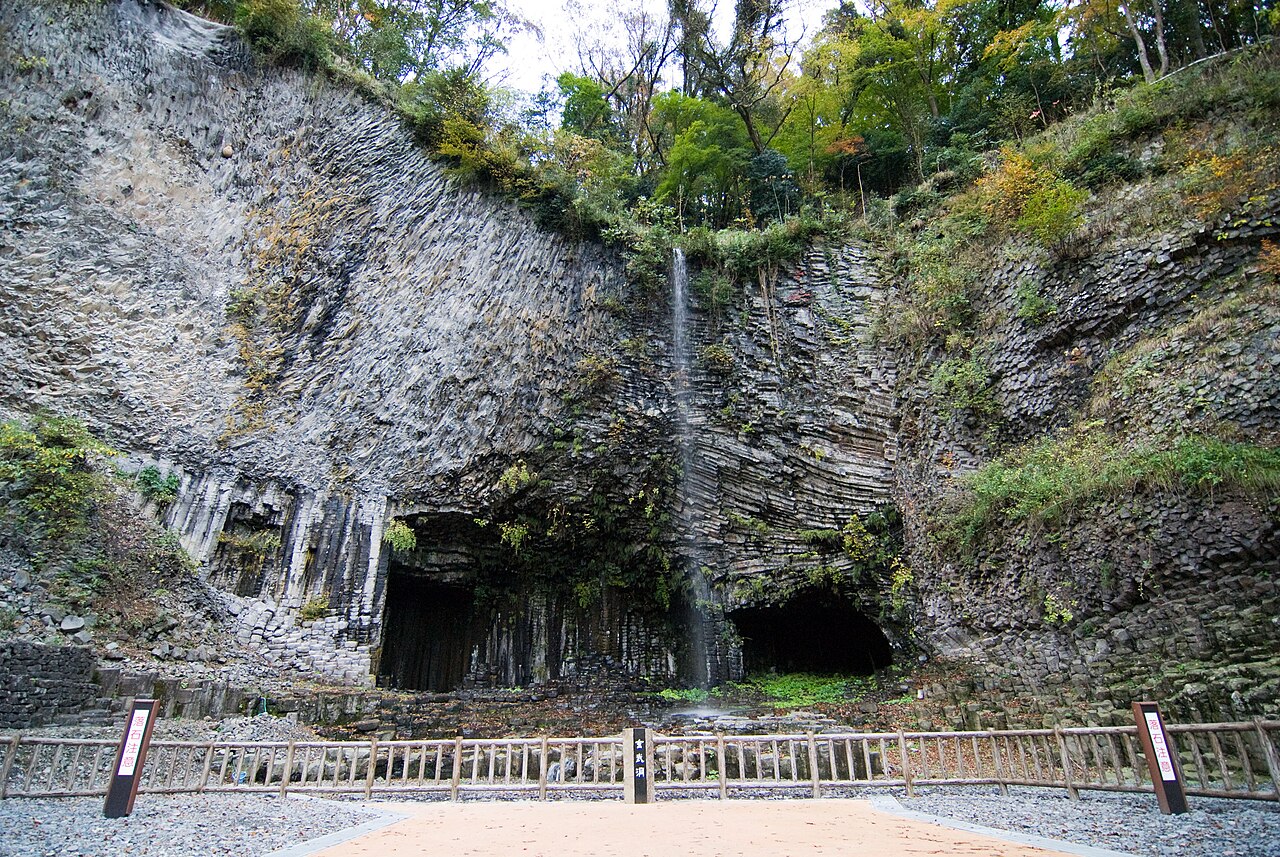
What “still made here” means is that the material and the method are continuous. The willow is peeled, softened, and woven by hand into the same round, springy structure the craft has always used; the honey color and the light weight are not a finish applied afterward but a property of the material itself. Toyooka today is better known abroad for its bags and for Kinosaki Onsen, its willow-lined hot-spring town, but the willow basket is the older root of both.
Other Japanese basketry, wood, and paper crafts we have covered — useful for comparing material, region, and price tier.
Price snapshot across stores
JPY is the authoritative price for the sourced item; USD figures elsewhere are approximate at a ¥150/USD baseline (mid-2026). Live pricing was not in our snapshot — confirm on the listing.
| Store | Item / Variant | Price | Notes |
|---|---|---|---|
| 🇺🇸 Amazon.com (US) | Browse Japanese willow & woven baskets | varies (USD) | Best if you’re shopping from the US — Prime shipping, USD pricing, no international customs. Amazon US carries Japanese willow and woven-basket homeware for comparing size and price tiers; the exact Toyooka Kiryu-zaiku piece ships from Japan (next row). |
| 🇯🇵 Amazon JP Global Store | This exact basket (ASIN B00522KTBQ) | See listing (¥, not in snapshot) | Ships internationally from Japan to 65+ countries — including Canada, the UK and Australia — with import fees estimated at checkout. This is the sourced listing for the specific item. |
| Maker direct | Kiryu-zaiku workshops / Toyooka craft associations | Varies | Widest selection of forms and sizes, but most maker sites are Japan-only and rarely ship abroad directly. |
| Proxy services (Buyee / Tenso) | Any Japan-only listing forwarded abroad | Item + forwarding fee | Use when a piece is sold only on a Japan-domestic shop; adds a handling/forwarding cost on top of the item price. |
- 🍽️ Dishwasher: no — willow is porous; hand-wipe with a barely damp cloth and let it dry fully.
- 💧 Water: keep out of prolonged damp; the breathable weave is a feature for bread and produce, not a wet container.
- ☀️ Everyday care: air it out after use and keep it out of harsh direct sun to prevent brittleness; the honey tone warms with age.
What it does well
Weaknesses and things to verify before buying
- No confirmed dimensions in our snapshot. Basket size varies widely; check the exact width, depth, and height on the live listing before ordering.
- No confirmed live price. Our snapshot did not include a JPY figure — treat the listing as authoritative and expect it to change.
- Not waterproof or wipe-clean. Willow is porous and dislikes prolonged moisture; it is unsuitable as a wet or food-contact wash container.
- Handmade variation. As a hand-woven natural product, color, tone, and small structural details differ piece to piece.
- Give, not rigidity. If you expect a hard-sided box, the intentional springiness of willow may feel less sturdy than bamboo or wood.
- Care commitment. It needs to dry out and be kept from harsh sun to stay in good condition over years.
📦 Shipping & where to buy from outside Japan
The specific basket here is sourced from the Amazon Japan Global Store, which ships internationally to 65+ countries — including Canada, the UK, and Australia. Amazon typically estimates and collects any import fees at checkout for most destinations, so there are usually no surprise duties on delivery.
Shipping cost for a light, low-value woven basket is generally modest — roughly $15–$40 to the US, EU, Canada, the UK, or Australia, depending on size and speed. Because willow is so light, it is one of the cheaper craft categories to ship. If a particular piece is listed only on a Japan-domestic shop rather than the Global Store, a proxy service such as Buyee or Tenso can forward it abroad for an added handling fee. Prices in USD are approximate and depend on the current exchange rate.
Conclusion — which buyer type are you?
Other ways to approach this purchase
🏆 Editor’s Pick
❓ Frequently Asked Questions
Is a Toyooka Kiryu-zaiku basket made from bamboo?
No. It is woven from koriyanagi (basket willow) — peeled, pliable willow rods that stay round, unlike bamboo, which is split into flat strips. That is why willow baskets are lighter, softer in tone, and have more give.
Does it ship outside Japan?
Yes. The featured item is sold through the Amazon Japan Global Store, which ships to 65+ countries including Canada, the UK, and Australia, with import fees usually estimated at checkout.
How is it different from Beppu or Suruga bamboo baskets?
Beppu and Suruga baskets are bamboo — split into flat, rigid strips with a cooler sheen and crisp geometric weave. Toyooka willow keeps whole rounded rods, giving a warmer honey color, less weight, and a gentle spring.
How do I care for a willow basket?
Hand-wipe with a barely damp cloth and let it dry fully; do not put it in a dishwasher or leave it in prolonged damp. Air it out after use and keep it from harsh direct sun to avoid brittleness.
Is it a good bread basket?
Yes — the open, breathable weave is well suited to bread, fruit, and linens, which is a common use for these baskets. It is not meant to hold liquids or wet items.
Why is Toyooka also famous for bags and luggage?
The same willow-weaving skill protected by the Izushi domain in the Edo period was later redirected into wicker trunks and manufactured bags. Toyooka remains Japan’s largest bag-producing city, and the craft traces directly back to the local basket willow.
jpmono.com is curated by a Japan-based editorial team (working out of Toyama in the Hokuriku region and Nara in Kansai) and is independent. We don’t take payment from the makers we feature; income comes from affiliate links. Read more about our editorial standards.
🤖 This article was drafted with AI assistance and reviewed against maker and heritage sources by the jpmono editorial team. Specifications, pricing, and availability should be confirmed on the retailer’s live listing before purchase.
Affiliate disclosure: jpmono.com may earn a commission on qualifying purchases made through links on this page, at no additional cost to you.