![Toyooka Kiryu Willow Storage Basket: Hyogo Kōri Weave [2026]](https://jpmono.com/wp-content/uploads/2026/07/toyooka-kiryu-willow-storage-basket-where-to-buy-2026-featured.jpg)
The Toyooka Kiryu Zaiku (豊岡杞柳細工, “Toyooka willow work”) storage basket is a hand-woven household object from the Toyooka basin in northern Hyogo Prefecture, the region historically known as Tajima. Split rods of koriyanagi (杞柳, purple willow) are soaked, woven both wet and dry, and finished with a reinforced, bound rim and a natural bark surface. It is one of Japan’s oldest continuously practiced weaving crafts, and the Ministry of Economy, Trade and Industry (METI) designated it a traditional craft in 1992.
What makes this piece unusual is its documented age. Willow goods from Tajima were sent to the imperial court during the Nara period, and a “Tajima willow box” survives to this day in the Shōsō-in repository in Nara — the same city that serves as one of this site’s editorial bases. That is not marketing language; it is a physical object in a public collection, and it means the weave in front of you has a paper trail longer than almost any other item you can still buy new.
This guide is written for international readers deciding whether a genuine Toyooka Kiryu Zaiku basket is worth sourcing from Japan. We cover who it suits, where the craft comes from, how it compares to related Japanese woven-fiber pieces, what to verify before buying, and the two purchase paths — Amazon US (search) as the primary route and the Amazon JP Global Store as the sourced-listing route. Note up front: the fetched data for this listing did not include a confirmed live price, so pricing figures below are marked as such rather than guessed.
🔄 Last updated: July 2, 2026
⏱️ Read time: about 12 min

- Who this is for — and who should skip it
- Product overview (from published specs)
- 📍 Where this comes from — place, era, and the craft tradition
- 📌 How does it compare?
- Price snapshot across stores
- What it does well
- Weaknesses and things to verify before buying
- Conclusion — which buyer type are you?
- Other ways to approach this purchase
- 🏆 Editor’s Pick
- ❓ Frequently Asked Questions
Who this is for — and who should skip it
✅ A good fit if you…
- 🧺 Want breathable open storage for linens, produce, stationery, or accessories
- 🌿 Value a natural, un-dyed material that ages and mellows with use
- 🏯 Collect or gift METI-designated Japanese traditional crafts
- 📜 Appreciate a documented, 1,000-plus-year craft lineage over mass production
- 🪶 Prefer a light, resilient basket with a hand-bound, reinforced rim
⚠️ Probably not for you if you…
- 💧 Need an airtight or waterproof container (willow breathes and has gaps)
- 🧽 Want a dishwasher-safe, machine-washable plastic bin
- 📏 Require exact, repeatable dimensions and modular stacking
- 💴 Are shopping at the lowest possible price point (this is artisan-made)
- ☀️ Plan unprotected outdoor or humid-bathroom use (natural fiber degrades)
Product overview (from published specs)
👉 The table scrolls horizontally on mobile. Competitor cells are limited to qualitative traits a reader can verify; specs absent from the fetched data are marked “Unconfirmed.”
| Attribute | Toyooka Kiryu Zaiku basket ★ this article | Typical woven-fiber storage basket |
|---|---|---|
| Craft name | Toyooka Kiryu Zaiku (豊岡杞柳細工) | Varies by maker |
| Material | Split koriyanagi (purple willow) | Rattan, bamboo, or dyed willow |
| Weave technique | Rods soaked, woven wet and dry, then rim-bound | Machine or hand weave; varies |
| Finish | Natural bark, reinforced bound rim | Often lacquered, dyed, or coated |
| Origin | Toyooka, Hyogo (former Tajima) | Varies |
| National designation | METI traditional craft (1992) | Usually none |
| Dimensions / weight | Unconfirmed — check listing | Unconfirmed — check listing |
| ASIN | B0GGC1W4NC | — |
Data note: only the Amazon JP listing reference was available for this item, and it did not include confirmed dimensions, weight, or a live price at the time of writing. Verify all measurements and pricing at the retailer before purchasing. Do not rely on the figures here as final specifications.
📚 Glossary — key terms for Toyooka willow work
Toyooka Kiryu Zaiku (豊岡杞柳細工, “Toyooka willow work”): willow weaving from the Toyooka basin in northern Hyogo. Designated a traditional craft by METI in 1992.
koriyanagi (杞柳, “purple willow”): the wild willow that thrived in the flood-fed marshland of the Maruyama River. Its long, pliable rods are the raw material for the craft.
kōri / yanagi-gōri (柳行李, “willow trunk”): the woven willow travel trunk that this craft matured into during the Edo period and later — the ancestor of Toyooka’s modern bag industry.
Tajima (但馬): the historical province covering northern Hyogo, including Toyooka, Izushi, and Kinosaki. Willow goods bearing this name reached the Nara-period court.
Shōsō-in (正倉院): the 8th-century imperial repository at Tōdai-ji in Nara. It preserves a “Tajima willow box,” a direct physical link between this craft and the Nara period.
METI-designated traditional craft: national recognition under Japan’s 1974 traditional-crafts law, requiring a century-plus of history, traditional materials, and largely hand-made processes. Toyooka Kiryu Zaiku was designated in 1992.
📍 Where this comes from — place, era, and the craft tradition

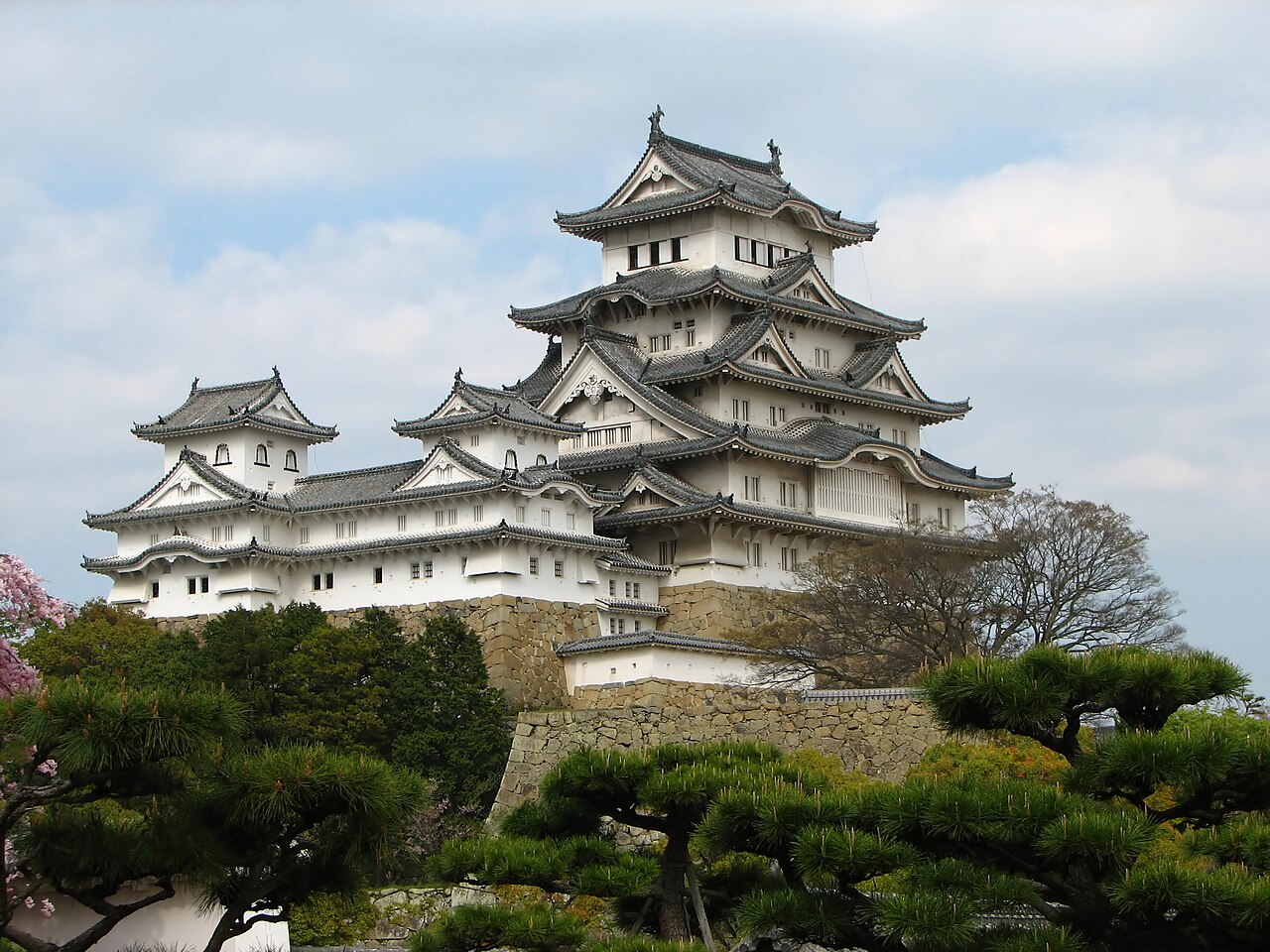
Toyooka sits in the far north of Hyogo Prefecture, on the Sea of Japan coast of the Kansai region. This is the old province of Tajima, a world away from the castle-town image most travelers associate with Hyogo’s southern face at Himeji. The city grew up along the Maruyama River, a slow, low-gradient river that historically flooded its basin often — and that flooding is the whole reason the craft exists.
Repeated floods left behind wet marshland, and in that marshland wild koriyanagi (purple willow) grew in abundance. A pliable, fast-growing rod that is easy to split and soak is exactly the raw material a weaving tradition needs, and the people of the basin had it for free, refreshed every season by the river. Geography, in other words, handed Toyooka its industry.
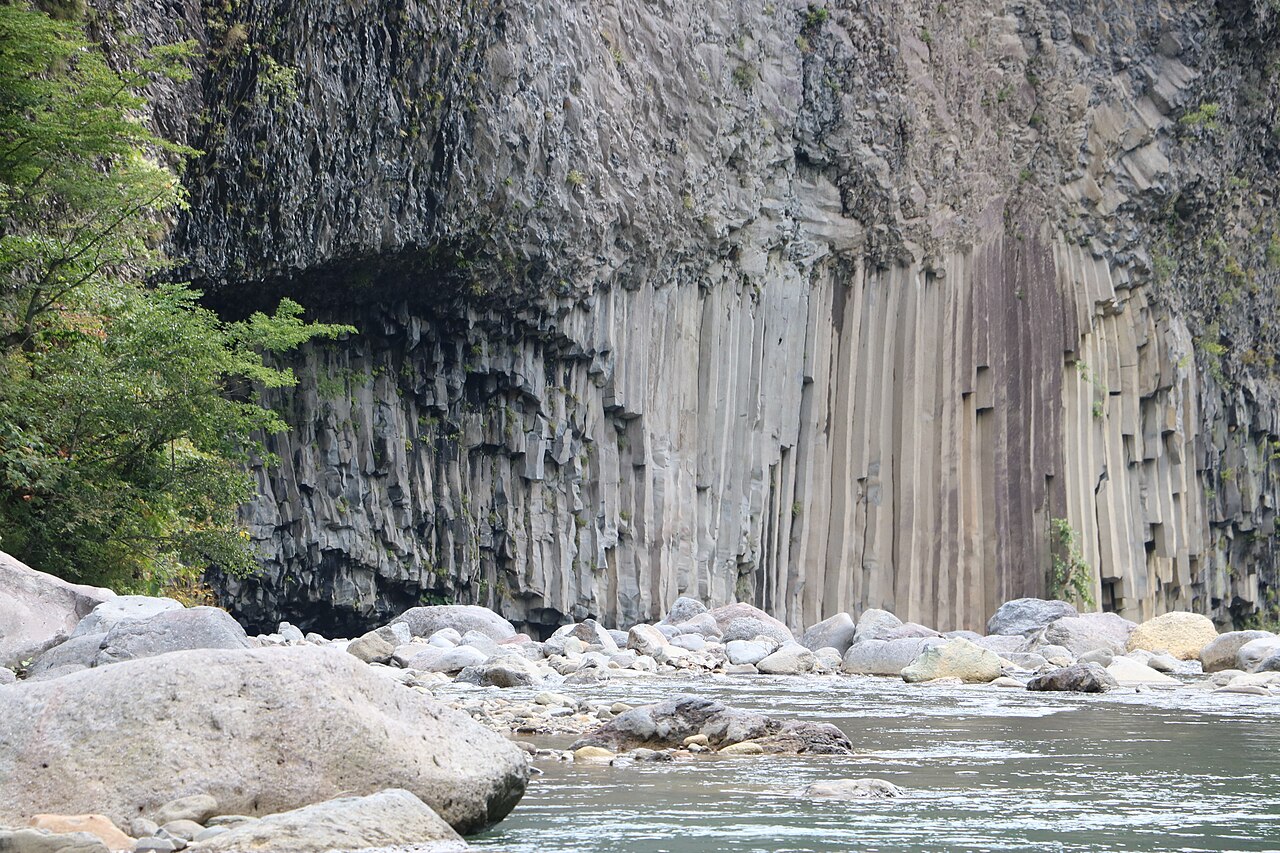
The historical anchor here is unusually deep. Willow work in the Tajima basin is traditionally traced back to roughly the 1st century, and by the Nara period — when Japan’s capital sat at Nara from 710 to 794 — willow goods from Tajima were being sent to the imperial court. One of them survives: a “Tajima willow box” is held in the Shōsō-in repository at Tōdai-ji in Nara, the 8th-century imperial storehouse that also preserves Persian glass and Silk Road treasures.
“A willow box from Tajima still rests in the Shōsō-in at Nara — which means this weave carries a documented paper trail older than almost any other household object you can still buy new.”
- 1st century CE — Willow weaving traditionally traced to the flood-fed Tajima marshland along the Maruyama River.
- 710–794 — Nara period: Tajima willow goods sent to the imperial court; a “Tajima willow box” is preserved in the Shōsō-in repository at Nara.
- 1603–1868 — Edo period: the Izushi domain protects willow work as a local specialty.
- 19th–early 20th c. — The craft matures into the yanagi-gōri (willow trunk), a mass-traded travel case.
- Early 20th c. — The willow-trunk trade seeds Toyooka’s rise as Japan’s bag-making capital.
- 1992 — METI designates Toyooka Kiryu Zaiku a traditional craft.
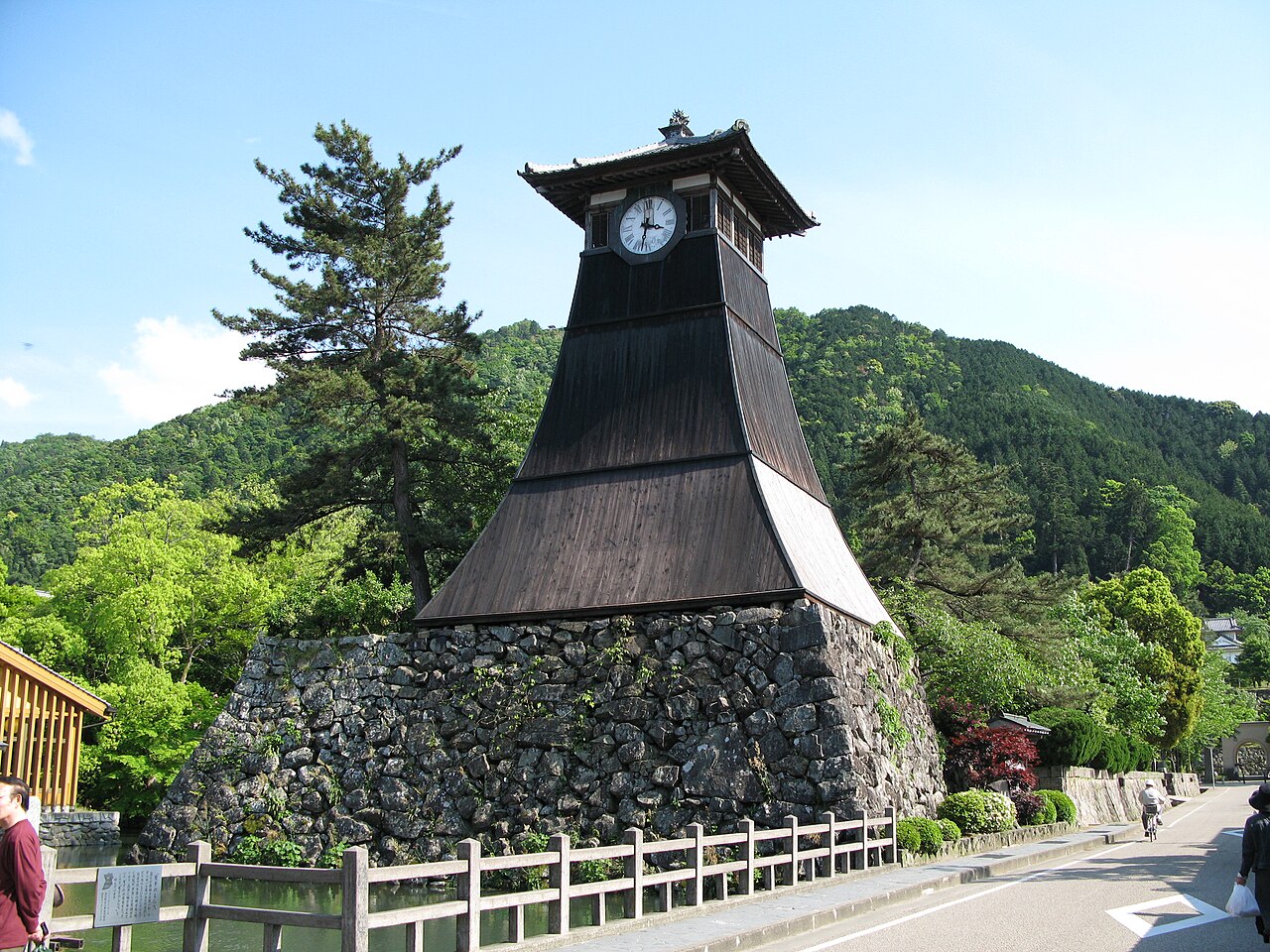
During the Edo period, the Izushi domain that governed the area treated willow work as a protected local specialty — a common pattern in which a domain nurtured a craft as both a source of tax revenue and off-season income for farmers. Over the following centuries the humble household basket matured into the yanagi-gōri, a woven willow trunk light enough to carry yet strong enough to survive travel. That trunk-making know-how is the direct ancestor of Toyooka’s modern identity: the city became, and remains, Japan’s leading bag- and case-making center.
So “still being made here” carries real weight in Toyooka. The willow basket, the willow trunk, and the modern luggage industry are one continuous thread, and the METI designation in 1992 formally recognized the traditional end of that thread. A basket like this is not a revival or a pastiche; it is the surviving domestic form of a craft that once supplied both the imperial court and every traveler on the road.
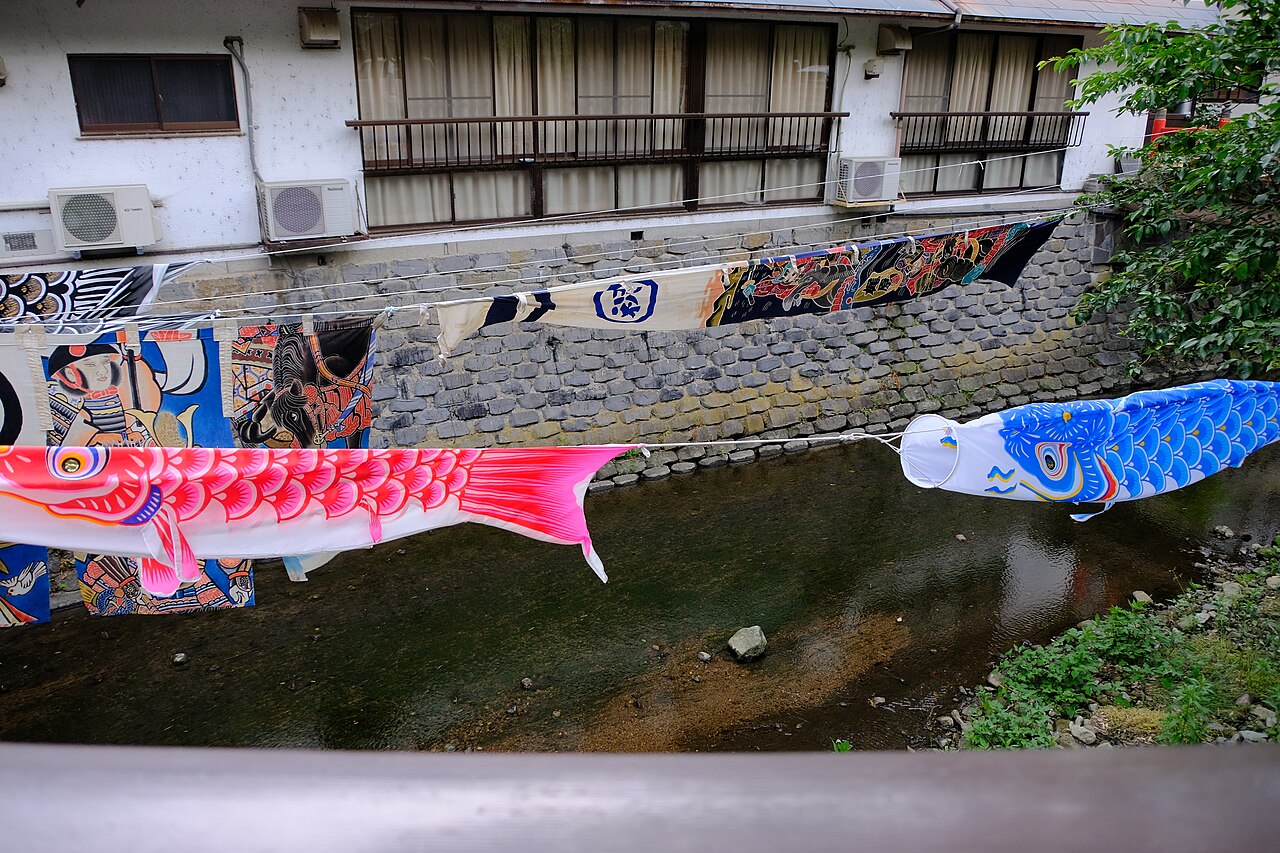
The district is also a place travelers already know without knowing the craft. Kinosaki Onsen, a hot-spring town famous for its willow-lined canal and seven public baths, sits a short distance from central Toyooka. The willows along its streets are the same botanical family that feeds the weaving tradition — a quiet reminder that the material and the landscape here are the same thing.
📌 How does it compare?
Wondering how Toyooka willow work sits against other Hyogo crafts, other woven-fiber pieces, and Kansai woodwork? These related jpmono guides help you place it.
 🍶Hyogo: Tamba Tachikui-yaki GuinomiAnother Hyogo craft — one of Japan’s Six Ancient Kilns, for comparing the prefecture’s pottery lineage.
 📜Hyogo: Najio Gampi WashiHyogo’s rare gampi-fiber art paper — a fellow plant-fiber craft from the same prefecture.
 🎋Woven basketry: Beppu BambooBamboo basketry from Oita — the closest woven-craft comparison to willow work.
🪟Woven natural fiber: Iyo SudareA woven reed blind from Ehime — another natural-fiber craft with a different technique.
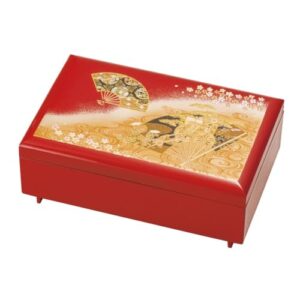 🧰Kansai woodwork: Kyo Sashimono BoxKyoto joinery box — a Kansai storage alternative in solid wood rather than weave.
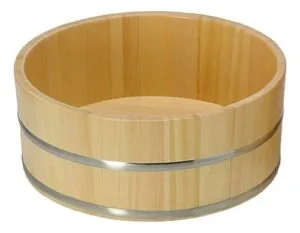 🪣Kansai woodwork: Kishu Hinoki BucketWakayama cypress bath bucket — natural material, different Kansai household object.
 🌸Plant-fiber craft: Suruga Bamboo VaseShizuoka fine-bamboo work — a precision plant-fiber craft to contrast with willow.
Price snapshot across stores
👉 The table scrolls horizontally on mobile. Prices and availability fluctuate; verify at the link before buying. JPY is the authoritative price for the specific listed item; USD figures, where shown, are approximate at a ¥150/USD baseline.
Currency note: JPY (¥) is the authoritative price for the specific listed item; USD estimates use a generous ¥150/USD baseline as of mid-2026 and depend on the current exchange rate. Because a live price was not present in the fetched data, no USD estimate is shown for this listing — confirm the current figure at the retailer.
What it does well
🌬️ Breathable by design
The open willow weave lets air circulate, which suits linens, root vegetables, and anything you would rather not seal in plastic. The data suggests this breathability is the core functional argument for a natural-fiber basket over a closed bin.
🪶 Light but rim-reinforced
Willow is prized for being light and resilient, and the listing highlights a reinforced, bound rim — the part of a basket that takes the most stress in daily lifting and carrying.
🏯 Documented heritage
A METI-designated craft (1992) with a Nara-period object in the Shōsō-in is about as verifiable as heritage gets. For collectors and gift-givers, that provenance is the differentiator from a generic import basket.
🌿 Natural finish that ages
The natural bark finish, left un-dyed, mellows in tone with handling. Buyers who appreciate materials that visibly age will find that satisfying; those who want a fixed, uniform color should note it will change.
Weaknesses and things to verify before buying
- Not airtight or waterproof. An open willow weave has gaps by nature. It is unsuitable for containing liquids, fine powders, or anything that needs a sealed environment. Use it for dry, bulky, or breathable contents.
- Dimensions and weight are unconfirmed. The fetched data did not include measurements. If size matters for a specific shelf or drawer, confirm the exact dimensions on the listing before ordering — do not assume from the photo.
- Live price was not available. Only a listing reference was on hand at the time of writing, with no confirmed price. Treat any figure you see as current-at-checkout only, and compare across the purchase paths above.
- Natural fiber needs care. Willow can dry, crack, or snag if stored in prolonged direct sun, near heat, or in damp conditions. It is an indoor object; unprotected outdoor or bathroom use will shorten its life.
- Handmade variation. Each basket is woven by hand, so weave tightness, tone, and minor proportions vary piece to piece. That is intrinsic to the craft, not a defect — but buyers expecting factory-identical units should be aware.
- International shipping and customs. The Amazon JP Global Store ships many household items abroad, but confirm your destination is served, budget for shipping, and check whether the order value crosses your local customs-duty threshold.
Conclusion — which buyer type are you?
Premium — heritage collector
You want a documented, METI-designated craft and value provenance over price. → The genuine Toyooka Kiryu Zaiku basket is the point; buy the sourced piece.
Mainstream — breathable storage ★ most buyers
You want a beautiful, breathable basket for shelves or closets and like that it is real. → This fits well; confirm the size for your space first.
Budget — just needs a bin
You want storage at the lowest cost and do not need the heritage. → A mass-market rattan or plastic basket is more practical; browse the Amazon US options.
Skip it
You need airtight, washable, or exactly modular storage. → A sealed container is the right tool; willow is not.
Other ways to approach this purchase
Wait for a sale
Amazon JP Global Store and Amazon US both run periodic sale events. If timing is flexible, adding the listing to a watchlist and buying during a promotion can offset shipping costs.
Vintage & secondhand
Old yanagi-gōri willow trunks and baskets circulate in Japanese secondhand markets. A well-kept vintage piece can be a lower-cost way into the craft — inspect for cracked rods and loose rim binding.
Points & rewards
If you already hold Amazon points or store credit, applying them here reduces the effective cost. Within Japan, some Toyooka crafts also appear as furusato nōzei (hometown-tax) return gifts.
Skip it
If breathability and heritage are not priorities, a sealed, washable container serves better and costs less. There is no need to buy a craft object for a purely utilitarian job.
🏆 Editor’s Pick
Toyooka Kiryu Zaiku hand-woven willow storage basket (B0GGC1W4NC)
For the reader who wants a real, documented Japanese craft rather than a generic basket, this is the piece to start with: split koriyanagi willow, woven wet and dry, finished with a reinforced bound rim and a natural bark surface. It carries the METI designation and the unbroken Tajima-to-Nara lineage described above.
- Genuine Toyooka Kiryu Zaiku — a METI-designated traditional craft (1992).
- Breathable, light, and rim-reinforced for daily open storage.
- Sourced from the Amazon JP Global Store, which ships internationally from Japan.
Note: a live price was not present in the fetched data at the time of writing — confirm the current figure at the listing before ordering.
❓ Frequently Asked Questions
Is Toyooka Kiryu Zaiku the same as bamboo basketry?
No. It is willow work, made from split koriyanagi (purple willow), not bamboo. The material behaves differently from bamboo — willow rods are typically softer and more pliable — and the tradition is specific to the Toyooka basin in Hyogo.
Is it waterproof, and can I wash it?
No. The open willow weave is breathable, not waterproof, and it should not be submerged or machine-washed. Wipe it with a dry or barely-damp cloth, keep it out of standing water, and let it air-dry fully if it gets wet.
Does the Amazon JP Global Store ship this internationally?
The Amazon JP Global Store ships many household items to most major destinations, and this listing is the sourced route for the exact piece. Confirm your country is served at checkout, and budget for international shipping plus any customs duties over your local threshold.
How do I care for a willow storage basket?
Keep it indoors, away from prolonged direct sun and heat sources, and avoid damp storage. Dust it periodically and dry it fully if it becomes wet. With reasonable care, willow work is durable; neglect in humid or sun-baked conditions is what causes rods to dry and crack.
Why is this craft linked to Nara and the Shōsō-in?
During the Nara period (710–794), willow goods from Tajima — the region that includes Toyooka — were sent to the imperial court, and a “Tajima willow box” is preserved in the Shōsō-in repository at Nara to this day. That surviving object gives the craft a documented lineage stretching back more than a thousand years.
Is every basket identical?
No. Each piece is woven by hand from a natural material, so weave tightness, tone, and small proportions vary between units. This variation is normal for a hand-made craft rather than a fault.
What does the reinforced rim do?
The rim is the part of a basket that absorbs the most stress during lifting and carrying. A bound, reinforced rim helps the basket hold its shape and resist the loosening that eventually affects lightly finished edges, which supports a longer service life.
jpmono.com is curated by a Japan-based editorial team (working out of Toyama in the Hokuriku region and Nara in Kansai) and is independent. We do not take payment from the makers we feature; income comes from affiliate links. We do not physically test every product — we read maker specs and source listings. Read more about our editorial standards on our About page.
🤖 This article was drafted with AI assistance and reviewed against the source listing and public references by the jpmono editorial team. Facts about place and craft history draw from the provided data notes; specifications and pricing should be confirmed at the retailer before purchase.
Affiliate disclosure: jpmono.com may earn a commission on qualifying purchases made through links on this page, at no additional cost to you.