![Ueda Tsumugi Silk Card Case: Sanada-Domain Shinshu Weave Guide [2026]](https://jpmono.com/wp-content/uploads/2026/06/ueda-tsumugi-silk-card-case-where-to-buy-2026-featured.jpg)
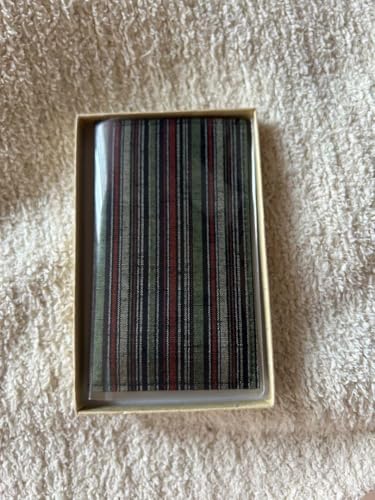
Ueda Tsumugi (上田紬, “Ueda pongee”) is one of the three Shinshu tsumugi silks, hand-woven in Ueda — the castle town of the Sanada clan, in the mountain basins of Nagano Prefecture. It is a slubbed, hand-spun silk: the yarn keeps the knots and irregularities of the cocoon, so the woven surface has a dry, textured hand rather than the glassy smoothness of formal silk. The card case covered here turns that cloth into something a foreign reader can actually use every day — a slim meishi-ire (名刺入れ, business-card holder) cut from striped Ueda tsumugi.
What makes Ueda tsumugi notable is not delicacy but toughness. The Ueda domain protected the weave as a local product through the Edo period, and the cloth earned a saying that has followed it for centuries: an Ueda tsumugi kimono will outlast three changes of lining. The body of the cloth survives the silk underneath it, twice over. For a card case — an object that lives in a pocket or bag and is opened dozens of times a day — that durability is the whole argument.
This guide is written for readers shopping from outside Japan who want a small, giftable piece of a named regional silk rather than a generic “Japanese-pattern” accessory. We cover what the listing actually states, the craft and place behind it, how it compares to other Japanese silk weaves we have profiled, where to buy it (Amazon US search first, Amazon JP Global Store for the specific sourced item), and the honest caveats — including the fact that, at the time of writing, the source data for this listing is thin.
🔄 Updated: June 20, 2026
⏱ Read time: ~9 min
- Who this is for — and who should skip it
- Product overview (from published specs)
- Price snapshot across stores
- What it does well
- Weaknesses and things to verify before buying
- Conclusion — which buyer type are you?
- Other ways to approach this purchase
- 🏆 Editor’s Pick
- 📍 Where this comes from — place, era, and the craft tradition
- ❓ Frequently Asked Questions
Who this is for — and who should skip it
- Want a small, pocket-sized object made from a named regional silk, not a generic souvenir.
- Value a durable, textured weave that ages well over a smooth, formal finish.
- Are buying a gift for someone who exchanges business cards and would notice the material.
- Appreciate stripes (shima) and a quiet, muted aesthetic over bright color.
- Are comfortable ordering from Japan and verifying price and stock at the listing.
- Need a high-capacity wallet — a meishi-ire is a slim card holder, not a billfold.
- Expect glossy, perfectly even silk; tsumugi is deliberately slubbed and matte.
- Want a precise color match — exact stripe colorways are set by the listing, not chosen here.
- Need machine-washable durability; silk requires gentle, specialist care.
- Require a firm delivered price up front before you click through to the listing.
Product overview (from published specs)
The product data available for this specific listing is limited. Only the Amazon JP Global Store listing snapshot is available, and it carries little structured specification beyond the title, the maker description, and the product image. Where a value is not stated in the source, the table below says so rather than guessing. Always confirm the live details at the listing before buying.
Ueda Tsumugi Silk Card Case
伝統的工芸 信州紬 上田紬 名刺入れ カードケース
通常6~7日以内に発送します。 · Sold by JIMMY Online Shop · ASIN B0FHGYWNJ2
Price and availability as of 2026-08-31 02:30 JST. The Amazon listing at the time of purchase is authoritative. jpmono.com earns a commission on qualifying purchases at no extra cost to you.
| Attribute | What the listing / maker description indicates |
|---|---|
| Item type | Card case / meishi-ire (business-card holder) |
| Material | Ueda Tsumugi — hand-woven slub silk (tama-ito / floss silk) |
| Pattern | Striped (shima no Ueda); exact colorway varies by listing variant |
| Origin | Ueda, Nagano Prefecture (Chūbu), Japan |
| Construction | Cloth woven in Ueda; sewn into a card-case body (frame/snap details unconfirmed — check listing) |
| Dimensions / weight | Unconfirmed — not stated in source data; check manufacturer / listing |
| ASIN | B0FHGYWNJ2 (Amazon JP Global Store — sourced listing) |
| Price | Unconfirmed at time of writing — verify the current price at the listing |
Sources: Amazon US search (primary, moonill-20) + Amazon JP Global Store (secondary, moonill-22, sourced listing) + maker description. Live pricing may have shifted since the writing date.
📖 Glossary — key terms
- Tsumugi (紬) — silk woven from hand-spun yarn that retains the knots and slubs of the cocoon, giving a dry, textured, matte cloth. Historically everyday silk, prized today for its character and durability.
- Tama-ito (玉糸) — irregular “double-cocoon” silk yarn, thick and knotty, that gives tsumugi its slubbed surface.
- Shima (縞) — stripes. “Shima no Ueda” (“the striped Ueda”) is the historical nickname for Ueda tsumugi’s signature look.
- Meishi-ire (名刺入れ) — a slim case for business cards (meishi). Card exchange is a formal courtesy in Japan, so the holder is itself a small statement of taste.
- Shinshu (信州) — the historical name for the province of Shinano, today’s Nagano Prefecture.
- Sanada (真田) — the warrior clan that built and held Ueda Castle; Masayuki and his son Yukimura (Nobushige) are among Japan’s most famous Sengoku-era figures.
Related jpmono guides — two more Nagano crafts, and five Japanese silk weaves to set Ueda tsumugi in context.
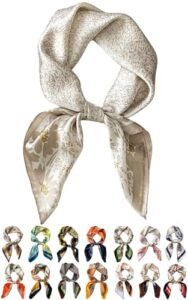
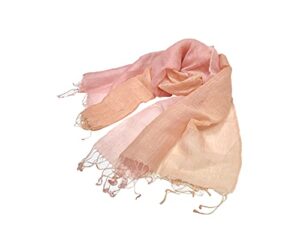
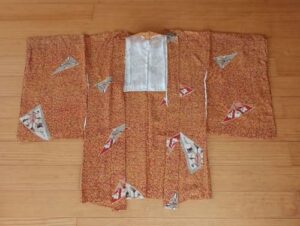
Of these, Johana shike-ginu is the closest cousin in texture — another slubbed, irregular silk — while Yonezawa, Chichibu, Kiryu, and Isesaki sit on the smoother, more decorative side of the Japanese silk family. Ueda tsumugi’s distinguishing claim is durability rather than sheen.
Price snapshot across stores
| Store | Item / Variant | Price (JPY → USD est.) | Notes |
|---|---|---|---|
| 🇺🇸 Amazon.com (US) | Browse Japanese silk card cases & meishi-ire | varies (USD) | Best if you are shopping from the US — Prime shipping, USD pricing, no international customs. Amazon US carries Japanese silk and textile card cases from various makers, useful for comparing styles and price tiers. The exact Ueda tsumugi piece is sourced from Japan (next row). |
| 🇯🇵 Amazon JP Global Store | Ueda Tsumugi striped card case (ASIN B0FHGYWNJ2) | Price unconfirmed — verify at listing | The specific sourced listing. Ships internationally from Japan to most major destinations. Live pricing may have shifted since the writing date. |
| Maker direct | Ueda tsumugi workshops / regional ateliers | — | Several small Ueda workshops sell direct; international shipping is case-by-case and often Japan-domestic only. |
| Proxy services (Buyee / Tenso) | Forwarding from Japan-only sellers | item price + fees | Useful when a workshop ships within Japan only; adds a service fee plus onward international postage. Watch for customs duties above your local threshold. |
JPY (¥) is the authoritative price; USD figures are approximate estimates at a ¥150/USD baseline as of mid-2026. Prices in USD depend on the current exchange rate. Because the source snapshot did not carry a confirmed price, no figure is invented here — confirm at the listing before purchase.
What it does well
“An Ueda tsumugi cloth was said to outlast three changes of lining — the body of the silk surviving the silk beneath it, twice over.”
Weaknesses and things to verify before buying
- Thin source data. At the time of writing, only the Amazon JP listing snapshot was available, and it did not carry a confirmed price, dimensions, or weight. Treat the spec table as indicative and verify everything at the listing.
- No firm price up front. Because no price was present in the source data, this guide does not quote one. Click through and confirm before committing.
- Exact colorway varies. Ueda tsumugi is defined by stripes, but the specific stripe pattern and color you receive are set by the listing variant, not chosen here. If color matters, confirm the variant photo.
- Silk care. Silk is not machine-washable; it can water-spot and abrade. A card case lives in friction-heavy spots (pockets, bag interiors), so expect to treat it gently.
- Card-case hardware unconfirmed. Whether the case uses a metal frame, a snap, or a simple fold is not stated in the source data — and that affects capacity and feel. Check the listing images.
- It is a card holder, not a wallet. A meishi-ire holds a stack of cards; it is not built for cash, coins, or many credit cards. Buy it for what it is.
- International shipping and duties. Amazon JP Global Store ships many items worldwide, but availability and landed cost vary by destination, and orders above your local threshold may attract customs duty.
Conclusion — which buyer type are you?
Other ways to approach this purchase
🏆 Editor’s Pick
📍 Where this comes from — place, era, and the craft tradition

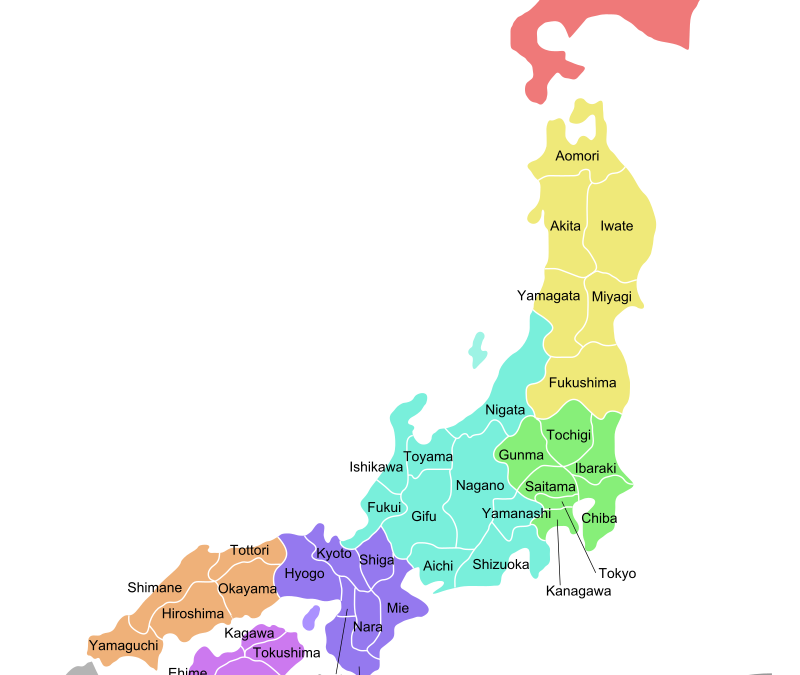
Ueda sits in the eastern half of Nagano Prefecture, in the landlocked heart of the Chūbu region. This is Shinshu (信州) — the old province of Shinano — a country of mountain basins, cold winters, and clean water, historically well suited to sericulture and silk weaving. Nagano was for generations one of Japan’s great silk-producing regions, and Ueda, set on the Chikuma River in one of those basins, grew its textile tradition on local cocoons and the dry mountain climate.
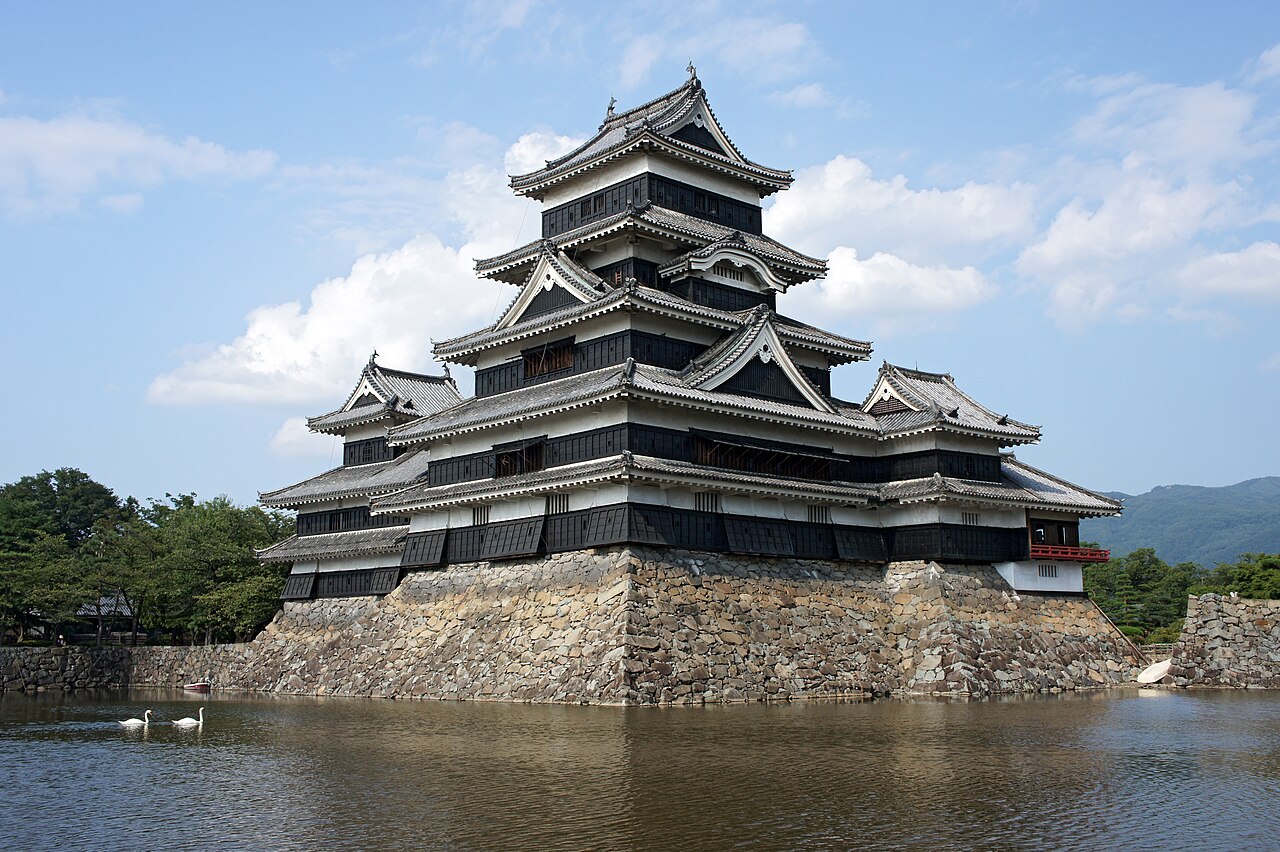
The town’s name is inseparable from the Sanada (真田) clan. Sanada Masayuki built Ueda Castle in 1583, and the fortress became famous when its small garrison twice held off far larger Tokugawa forces — most memorably in 1600, when the castle delayed Tokugawa Hidetada’s army on its way to the decisive Battle of Sekigahara. Masayuki’s son Yukimura (Nobushige) went on to become one of the most celebrated warriors in Japanese history. Ueda is, before anything else, the Sanada castle town.
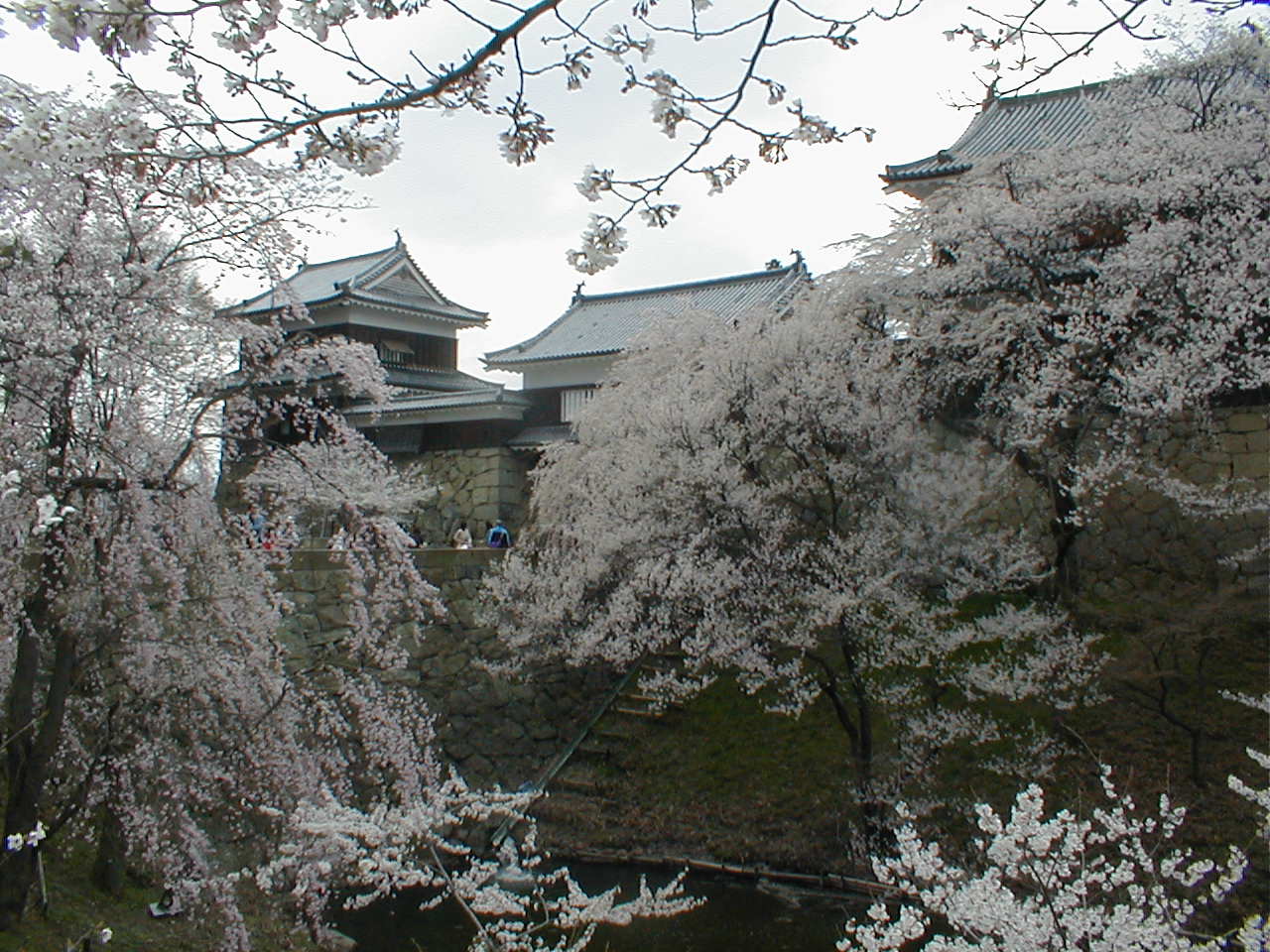
The weave reaches back further than the castle, though. The roots of Ueda tsumugi are traced to ancient Shinano cloth (Shinano-nuno) offered to the imperial court as tax in the Nara period (8th century), long before the Sanada arrived. Under the Edo-era Ueda domain — held by the Sanada, and later by Matsudaira lords — tsumugi weaving was protected and encouraged as a local product. That domain patronage is the engine that turned a regional cloth into a recognized name.
- 8th century — Shinano cloth (Shinano-nuno) offered to the imperial court as tax in the Nara period.
- 1583 — Sanada Masayuki completes Ueda Castle.
- 1600 — Second Battle of Ueda; the Sanada delay Tokugawa Hidetada’s army en route to Sekigahara.
- Edo period — The Ueda domain protects and promotes tsumugi weaving as a local product.
- 18th–19th c. — “Shima no Ueda” — striped Ueda tsumugi — becomes known nationwide; the cloth earns its reputation for outlasting three changes of lining.
- Present day — Small workshops continue to weave Ueda tsumugi in and around Ueda.
The signature look is the stripe. “Shima no Ueda” — “the striped Ueda” — became the cloth’s nickname as its lengthwise stripes grew popular in the Edo period and after. The signature property, though, is durability. The yarn is spun thick and knotty from tama-ito and floss silk, and the resulting cloth is dense and abrasion-resistant. This is the source of the saying that an Ueda tsumugi kimono outlasts three changes of its lining — folk-traditional shorthand, but a vivid one for how the cloth wears.
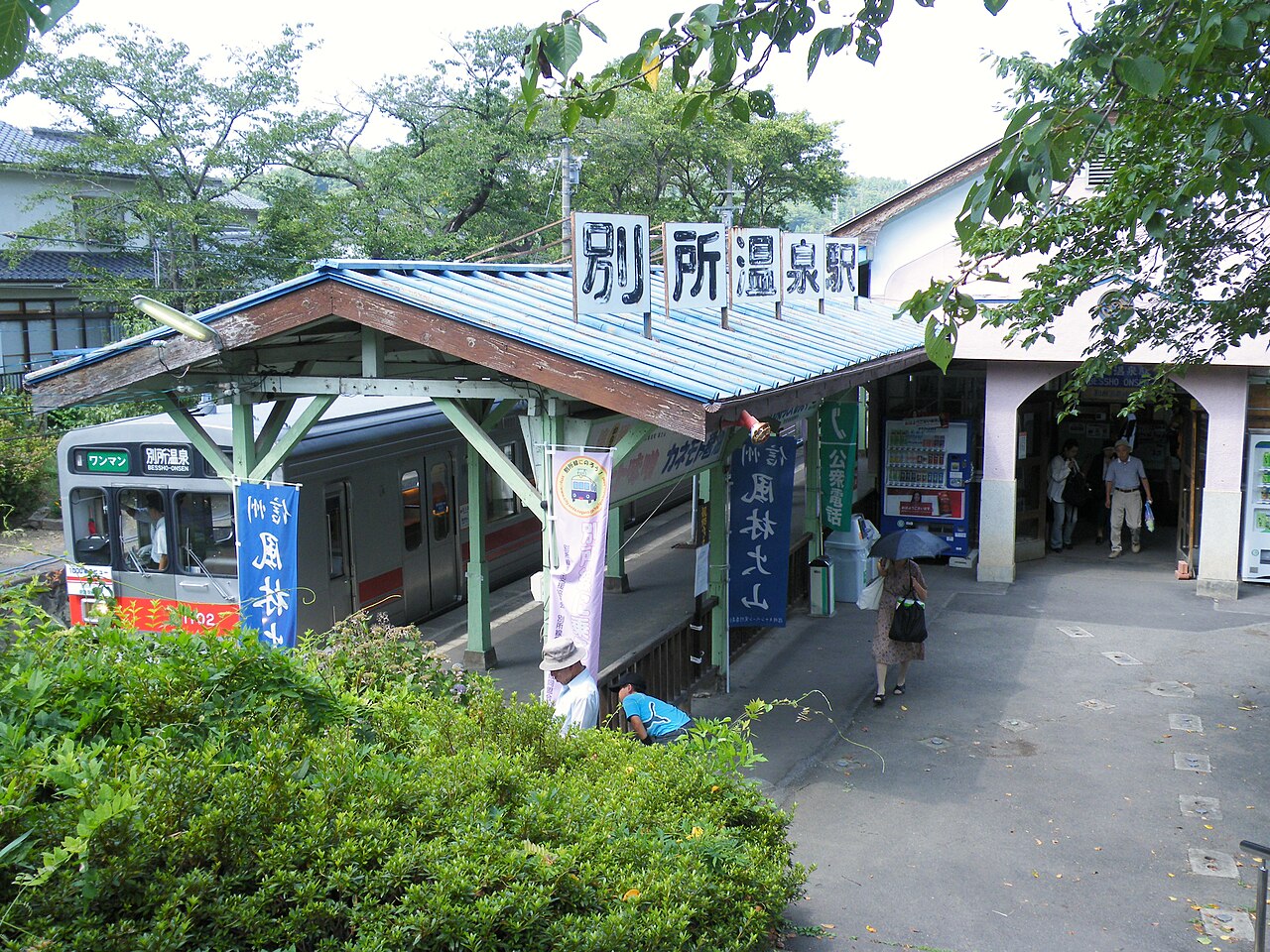
The district around Ueda carries the rest of the story. Bessho Onsen, a short ride from the town, is called “the Kamakura of Shinshu” for its cluster of historic temples — a reminder that this was a settled, cultured corner of the country, not a remote outpost. The pilgrim and trade routes that once carried Shinshu cloth also led toward Zenko-ji in Nagano City, one of Japan’s most important temples and a pilgrimage destination for centuries.
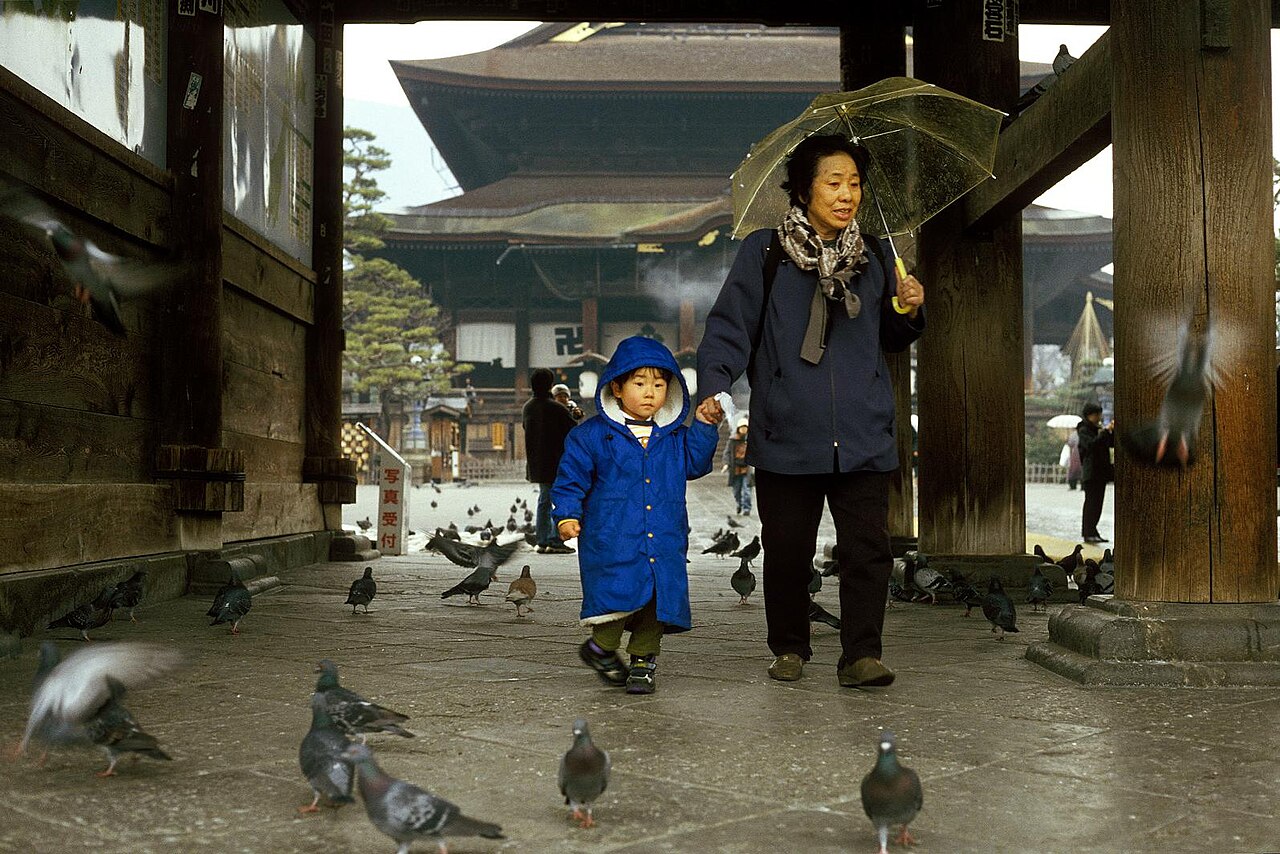
Ueda tsumugi today is woven by a small number of workshops, in much-reduced volume from the silk era’s peak — which is exactly why a piece carrying the name is worth treating as a considered object rather than a commodity. The card case is a way to own a working fragment of that tradition.
❓ Frequently Asked Questions
What is Ueda Tsumugi, exactly?
Ueda Tsumugi is a hand-woven slub silk from Ueda in Nagano Prefecture, one of the three Shinshu tsumugi silks. It is spun from thick, knotty tama-ito and floss silk, which gives it a dry, textured surface, and it is known for stripes (“shima no Ueda”) and for exceptional durability.
Does Amazon ship this card case internationally?
The item is sourced from the Amazon JP Global Store, which ships many products internationally to most major destinations. Availability and landed cost vary by country, and orders above your local threshold may attract customs duty. Confirm shipping to your address at the listing.
How much does it cost?
The source data available at the time of writing did not include a confirmed price, so this guide does not quote one. JPY is the authoritative currency; any USD figure would be an estimate at roughly ¥150/USD. Check the current price directly at the Amazon JP Global Store listing before buying.
How do I care for a silk card case?
Silk is not machine-washable and can water-spot or abrade. Keep it out of prolonged friction where you can, avoid soaking it, and follow any care guidance on the listing. For deeper cleaning, a textile specialist is safer than home washing.
Is it a good gift?
It suits someone who exchanges business cards and would appreciate a named regional silk over a generic accessory. It is small, light, and easy to post, and it carries a specific provenance — the Sanada castle town of Ueda — which gives it a story beyond its appearance.
How does Ueda tsumugi compare to other Japanese silks?
Among the weaves we have profiled, Johana shike-ginu is the closest in texture — another slubbed, irregular silk — while Yonezawa, Chichibu, Kiryu, and Isesaki sit on the smoother, more decorative side. Ueda tsumugi’s distinguishing claim is durability rather than sheen.
Can I buy it if it only ships within Japan?
If a particular workshop or listing ships within Japan only, a proxy forwarding service such as Buyee or Tenso can receive the item and re-ship it to you internationally. Expect a service fee plus onward postage, and factor in possible customs duties.
jpmono.com is curated by a Japan-based editorial team (working out of Toyama in the Hokuriku region and Nara in Kansai) and is independent. We do not take payment from the makers we feature; income comes from affiliate links.
🤖 This article was prepared with AI assistance and edited against the source listing and maker descriptions. We do not physically test every product; we read maker specs and source listings. Facts were drawn from available data at the time of writing.
Affiliate disclosure: jpmono.com may earn a commission on qualifying purchases made through links on this page, at no additional cost to you.