![Bitchu Washi Letter Set: Handmade Okayama Kozo Paper Stationery [2026]](https://jpmono.com/wp-content/uploads/2026/05/japan-map-regions-and-prefectures-800x1050.png)
Bitchu Washi (備中和紙, “Bitchu paper”) is the hand-couched paper of the Takahashi highlands in Okayama Prefecture — the inland district that was the old province of Bitchu. This letter set, from the Tange family workshop in Takahashi, is made the slow way: paper-mulberry fiber suspended in cold river water and drawn sheet by sheet across a bamboo screen. The result is writing paper with the soft, slightly warm surface that only handmade kozo gives, paired with matching envelopes and washi postcards.
What makes it notable to an international reader is not novelty but survival. Provincial Japan once made paper in hundreds of valleys; mechanization erased most of them. Only a handful of Bitchu makers remain, and the Tange workshop is the best known, keeping the nagashi-zuki couching method entirely by hand. Buying a sheet of it is, in a small way, buying the continuation of a craft that is documented in this valley all the way through the Edo period.
This guide is for letter-writers, calligraphers, and gift-buyers outside Japan who want to understand Bitchu washi — its material, place, and trade-offs — before buying. We cover the regional and historical context, honest weaknesses, general price paths, and practical ways to obtain it from outside Japan.
🔄 Last updated:
⏱️ Read time: about 9 minutes
Who this is for — and who should skip it
- Write letters by hand and want paper with character rather than office-grade smoothness
- Use fountain pen, brush, or sumi ink and like a fiber surface that holds ink softly
- Are buying a considered gift for someone who values handmade objects
- Want a small, low-risk way to own a piece of a surviving regional craft
- Appreciate undyed, natural-toned paper over bright bleached white
- Need a uniform, machine-perfect sheet for laser/inkjet printing
- Want the lowest possible cost per sheet for everyday notes
- Expect every sheet identical — handmade paper varies slightly in texture and tone
- Require fast domestic shipping and free returns (this ships from Japan)
- Are looking for heavily decorated or dyed stationery rather than a natural sheet
Product overview (from published specs)
Bitchu washi letter sets can differ in sheet count, size, fiber blend, and finish. Use the information supplied with the set to confirm those details; the table distinguishes craft context from points that vary by edition.
| Attribute | Detail | Source |
|---|---|---|
| Craft | Bitchu Washi — handmade kozo (paper mulberry) paper | Maker / spec |
| Maker | Tange family workshop, Takahashi, Okayama | Spec |
| Method | Nagashi-zuki (flowing-water hand couching) | Spec |
| Set contents | Letter paper + envelopes + washi postcards (configuration varies) | Product reference |
| Color | Natural, undyed sheet | Spec |
| Origin | Takahashi (former Bitchu province), Okayama, Chūgoku region, Japan | Spec |
| Dimensions / weight | — | — |
| Price | — | — |
📖 Glossary — key terms
- washi (和紙) — traditional Japanese handmade paper, typically from plant bast fiber rather than wood pulp.
- kozo (楮, paper mulberry) — the most common washi fiber; long, strong bast fibers that give the paper its tear-resistance and soft surface.
- nagashi-zuki (流し漉き) — the “flowing” couching method, in which the vatman repeatedly throws and drains a fiber slurry (with a mucilage called neri) across the screen, building thin, even, interlocked layers.
- danshi (檀紙) — a thick, crinkled formal paper historically used for ceremonial documents and gifts; Bitchu sheets were valued for this and for durable record stock.
- Bitchu (備中) — the old province covering western inland Okayama; “Bitchu Washi” means the paper of that district.
- shokunin (職人) — a skilled trade craftsperson; here, the vat-side papermaker.
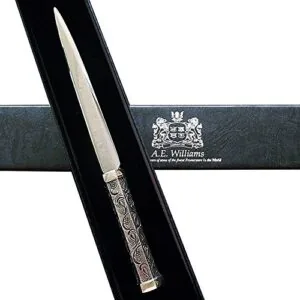
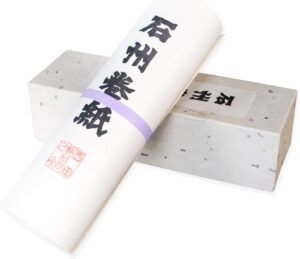
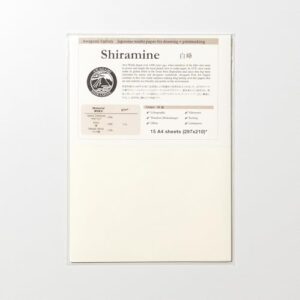
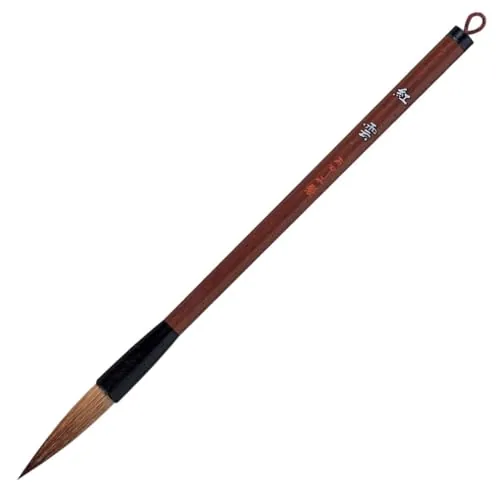
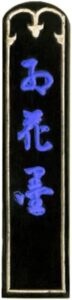
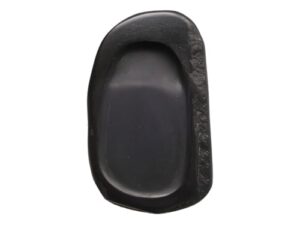
Other Japanese-craft pieces on jpmono that pair naturally with handmade Bitchu paper — Okayama neighbors, other regional washi, and the calligraphy tools that go on the page.
Where this comes from

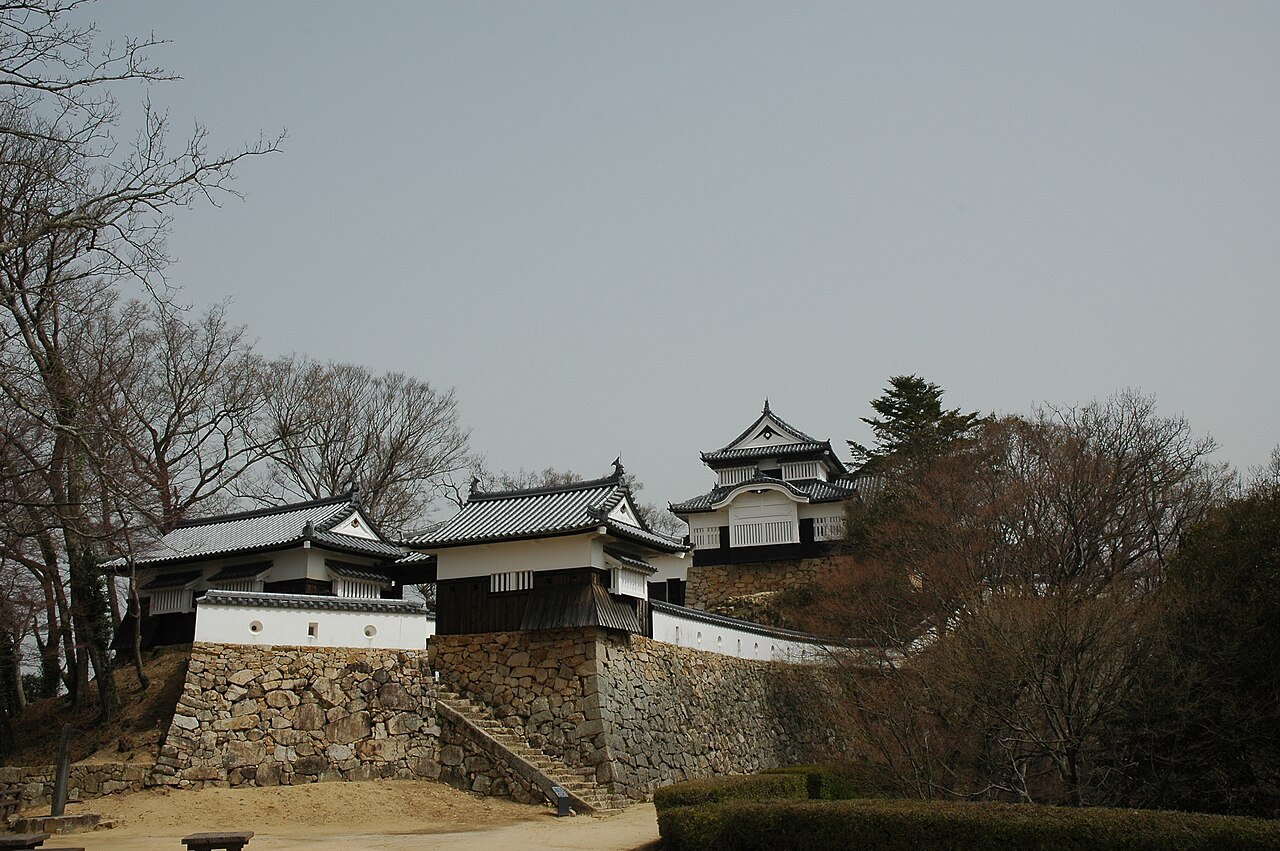
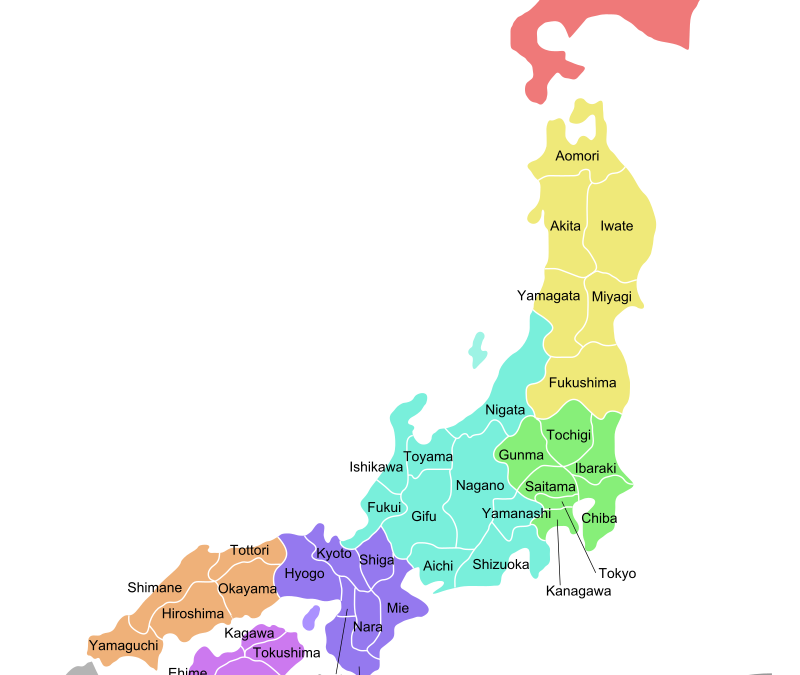
Takahashi is a small inland city in western Okayama Prefecture, set in the river valleys of the Chūgoku mountains rather than on the coast. In the old provincial map it was the heart of Bitchu — one of the three “Bi” provinces (Bizen, Bitchu, Bingo) that together made up what is now Okayama and eastern Hiroshima. It is a highland town of terraced hills, cold winters, and clear streams, and those streams are the reason paper took root here.
Hand-papermaking needs three things in one place: long bast fiber, abundant clean cold water, and a slack agricultural season to do the soaking and couching. The Takahashi highlands supplied all three. Paper mulberry grew well on the slopes, and the cold, clear water of the Takahashi River system gave the craft the pure water it depends on — cold water slows the slurry and keeps the fiber clean, which is part of why winter is the classic papermaking season across washi-making Japan.
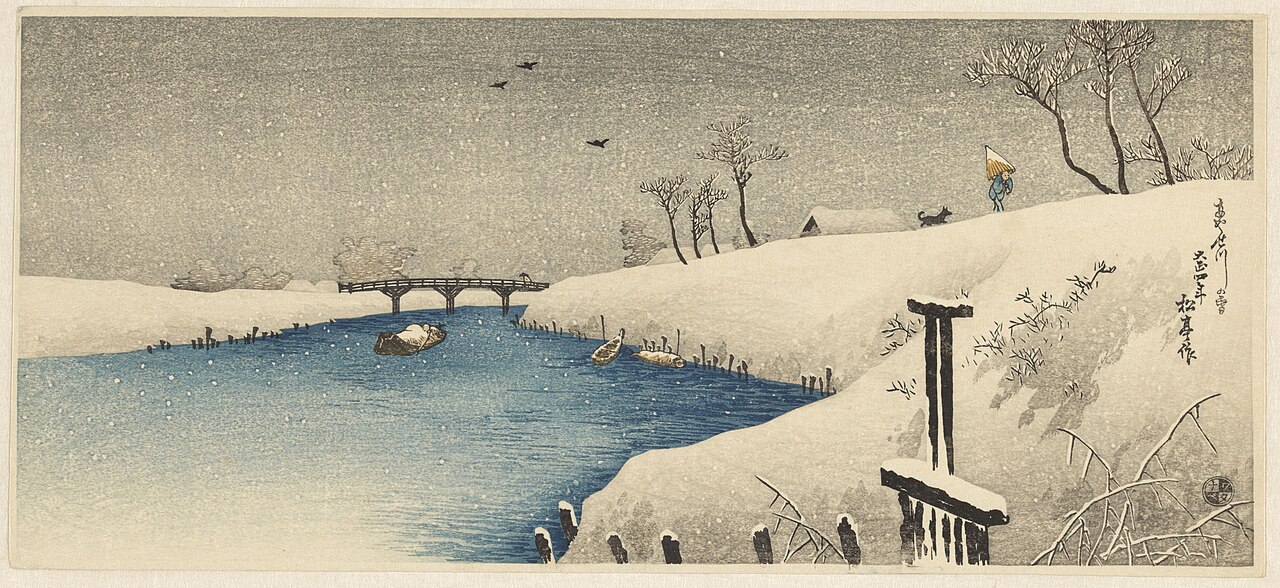
The historical anchor of the district is right above the workshops. Bitchu Matsuyama Castle stands on Mt. Gagyū over Takahashi and is the highest original mountain-castle keep still standing in Japan — “original” meaning its keep survived rather than being a modern reconstruction. A castle town meant administrators, temples, and record-keeping, and record-keeping meant a standing demand for durable paper. Bitchu sheets were valued through the Edo period for danshi and for tough account-book and document stock — paper that had to last decades of handling.
- 8th–9th c. — Paper-making spreads through provincial Japan as Buddhist scriptoria drive demand for kozo paper.
- 1240 — Bitchu Matsuyama Castle is first established on Mt. Gagyū above present-day Takahashi.
- c. 1609 — Tea master Kobori Enshu, then administering Bitchu, is credited with the Zen garden at Raikyu-ji — a marker of the district’s refined paper-and-tea culture.
- Edo period (1603–1868) — Bitchu paper is documented and prized for danshi and for durable account-book and document stock.
- Modern era — Mechanized pulp paper displaces most provincial washi; Bitchu makers dwindle to a handful.
- Today — The Tange family workshop continues Bitchu Washi by hand, couching kozo sheets with the nagashi-zuki method.
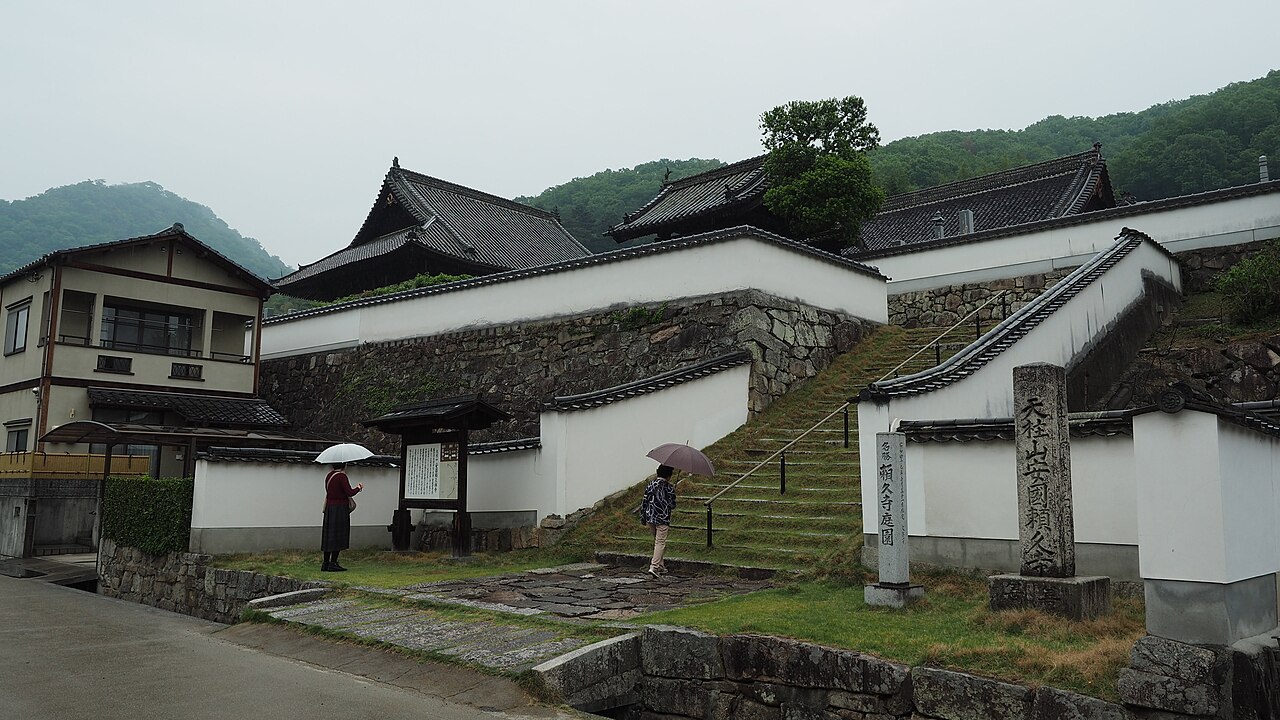
That cultural refinement matters to the paper. A town that produced a tea master’s garden was a town where letters, poems, and gifts were written on paper chosen with care. Fine paper was not a luxury bolted onto the district — it was native to its way of life. The same valley that built a mountain castle and laid out a Zen garden also kept its papermakers busy.
“Hundreds of Japanese valleys once made paper by hand. Bitchu is one of the few where the vat is still wet.”
What “still being made here” means, concretely, is fragility. Only a handful of Bitchu makers survive, with the Tange family workshop the best known. Nagashi-zuki couching is done entirely by hand, sheet by sheet, which is exactly why machine paper outcompeted it and exactly why the survivors are worth seeking out. When you choose Bitchu washi stationery, you are supporting a very short list of living hands, not buying from an industry.
Buying options
| Store | Item / variant | Price (JPY + USD est.) | Notes |
|---|---|---|---|
| 🇺🇸 Amazon US (search) | Browse Japanese washi letter paper & stationery | varies (USD) | Best if you are shopping from the US — Prime shipping, USD pricing, no international customs. Amazon US carries handmade Japanese washi paper and stationery from several makers, useful for comparing weight and price tiers. The exact Tange Bitchu set is sourced from Japan (next row). |
| 🇯🇵 Amazon JP Global Store | Bitchu Washi letter set | — | Ships internationally from Japan to most major destinations. Confirm the set contents before ordering. |
| Maker direct | Tange workshop, Takahashi | Unconfirmed | Small workshops may not run an international storefront; availability varies and may be Japanese-language only. |
| Proxy services (Buyee / Tenso) | Japan-only sources, forwarded abroad | Item price + forwarding fee | Useful when Japan-only sources offer a different configuration; adds a forwarding fee and a little time. |
What it does well
Weaknesses and things to verify before buying
- Set contents vary. Confirm how many sheets, envelopes, and postcards are included before ordering.
- Handmade variation. Texture, thickness, and tone differ slightly sheet to sheet. That is intrinsic to the craft, not a defect — but it disappoints buyers who expect machine uniformity.
- Printer compatibility is not guaranteed. Fibrous, deckle-textured washi is made for hand-writing; feeding it through inkjet or laser printers is unreliable and not the intended use.
- Ink behavior depends on your pen. Very wet fountain-pen nibs or heavy sumi loading can feather or show-through on softer sheets; test on one sheet first.
- Ships from Japan. Expect international shipping time and possible customs handling; returns are less convenient than a domestic purchase.
- Limited supply. Because few makers remain, stock and exact configurations can be intermittent.
Conclusion — which buyer type are you?
Other ways to approach this purchase
❓ Frequently Asked Questions
Does Amazon JP Global Store ship this internationally?
Yes. Bitchu washi letter sets are generally available through Japanese craft retailers that ship to most major international destinations, either directly from the workshop or via larger platforms that carry regional paper goods. Shipping time and customs handling vary by country, so confirm the delivery estimate and any duty thresholds at checkout.
Can I run Bitchu Washi through my printer?
It is not designed for that. Handmade kozo paper has a fibrous, slightly uneven surface meant for hand-writing with pen or brush. Feeding it through inkjet or laser printers is unreliable, so treat it as letter and brush paper rather than printer stock.
Will fountain-pen ink feather on it?
It depends on your pen and ink. A handmade kozo sheet takes ink softly, but very wet nibs or heavily loaded sumi brushes can feather or show through on thinner sheets. Test on one sheet first to find what suits the paper.
Why does the price column say “not captured”?
Live pricing for handmade Bitchu washi sets shifts with paper weight, sheet count, and whether the set includes envelopes or printed guides, so always confirm the current JPY figure on the seller’s page. As a rough guide, a basic kozo-paper letter pack sits well below the cost of an imported leather stationery set, while a multi-sheet gift set with envelopes lands noticeably higher. Treat any listed figure as the seller’s current quote rather than a fixed market price.
How is Bitchu Washi different from other Japanese washi?
Bitchu Washi is the handmade kozo paper of the Takahashi highlands in Okayama, made with local paper mulberry and Takahashi River water, and historically valued for danshi and durable document stock. Other regions, such as Sekishu in Shimane or Awa in Tokushima, have their own fibers, water, and traditions, which is why the surface and tone differ between them.
Is this a good gift for someone outside Japan?
Yes, for a recipient who writes by hand or values handmade objects. The undyed natural sheet, envelopes, and postcards make a complete, usable gift with clear regional provenance. Pair it with a calligraphy brush, sumi inkstick, or inkstone for a fuller writing set.
jpmono.com is curated by a Japan-based editorial team (working out of Toyama in the Hokuriku region and Nara in Kansai) and is independent. We do not take payment from the makers we feature; income comes from affiliate links. We do not physically test every product — we consult maker specifications and public craft references.
This article was prepared with AI assistance and reviewed by the jpmono editorial team. Descriptions of the region and craft are grounded in editorial notes and public references; unknown details are left unfilled rather than guessed.
Affiliate disclosure: jpmono.com may earn a commission on qualifying purchases made through links on this page, at no additional cost to you.