![Kawashiri Hocho Kurouchi Nakiri: Hand-Forged Kumamoto Vegetable Knife [2026]](https://jpmono.com/wp-content/uploads/2026/05/japan-map-regions-and-prefectures-800x1050.png)
A nakiri is the knife a Japanese home cook reaches for first. It is a flat-edged, double-bevel rectangle built for one job — pushing straight down through cabbage, daikon, and onion without the rocking motion a Western chef’s knife needs. The Kawashiri version of that knife comes from a small river-port south of Kumamoto City, on the southern island of Kyūshū, where the blacksmiths once forged swords for a medieval warrior clan before the work turned, generation by generation, toward the kitchen.
What makes the Kawashiri kurouchi nakiri notable to an international reader is not novelty but lineage. The blade is hand-forged from carbon steel and finished kurouchi — the dark, matte forge-scale left deliberately on the flat of the blade, a look that is functional as much as it is traditional. Kawashiri hamono (刃物, “edged tools”) is a designated traditional craft of Kumamoto Prefecture, and the nakiri is its most domestic expression: a working vegetable knife, not a display piece.
This guide is written for the cook outside Japan who is weighing a hand-forged carbon-steel knife against a stainless factory blade — and who wants to understand the place and the history behind the price before committing. We cover who a hand-forged Kurouchi nakiri suits, what to check on the maker’s or seller’s page, how Kawashiri Hocho compares to other Japanese kitchen blades, and the realistic paths to buying one from abroad.
🔄 Updated:
⏱️ Read time: ~9 min
Who this is for — and who should skip it
- Prep a lot of vegetables and want a flat, straight-down cutting edge rather than a rocking blade
- Want a hand-forged carbon-steel knife and accept the maintenance that carbon steel requires
- Value a documented regional craft lineage over a mass-produced stainless blade
- Appreciate the kurouchi forge-scale aesthetic and do not need a mirror-polished finish
- Are comfortable buying from Japan via the Amazon JP Global Store or a proxy service
- Want a zero-maintenance blade — carbon steel rusts if left wet and needs drying after each use
- Prefer a single all-purpose knife; a nakiri is a dedicated vegetable form, not a meat or fish knife
- Need a dishwasher-safe knife (hand-wash only for carbon steel and a wooden handle)
- Want a precise specification? Product details here are limited.
- Are uncomfortable with patina; carbon steel darkens and stains with use by design
Product overview (from published specs)
The table below reflects documented characteristics of Kawashiri kurouchi nakiri blades and the general category rather than measurements of one particular knife. Treat dimensions, weight, and steel grade as unconfirmed unless the individual knife’s supplied specifications state them.
| Attribute | Kawashiri kurouchi nakiri | Source |
|---|---|---|
| Knife type | Nakiri (flat-edged vegetable knife) | Craft category |
| Edge geometry | Double-bevel (ryoba), for right- or left-handed use | Craft category |
| Blade material | Hand-forged carbon steel | Kumamoto traditional-craft designation |
| Finish | Kurouchi (black forge-scale left on the blade flat) | Craft category |
| Origin | Kawashiri, Kumamoto City, Kumamoto Prefecture (old Higo Province) | Data notes |
| Construction | Hand-forged (tanzō), individually made | Craft category |
| Blade length / weight | — | — |
📖 Glossary — key terms in this article
- nakiri (菜切り) — literally “vegetable cutter”; a flat-edged, double-bevel knife designed for straight downward cuts through produce.
- kurouchi (黒打ち) — “black forged”; the dark forge-scale deliberately left on the blade after hammering, rather than ground and polished away.
- hōchō / -bōchō (包丁) — the general Japanese word for kitchen knife; “Kawashiri-bōchō” means the Kawashiri kitchen-knife tradition.
- hamono (刃物) — “edged tools,” the umbrella term for knives, scissors, and blades; Kawashiri hamono is a Kumamoto designated craft.
- tanzō (鍛造) — forging; shaping heated steel by hammering, as opposed to stamping from sheet stock.
- ryōba (両刃) — “double edge”; a symmetric bevel ground on both sides, usable by right- and left-handed cooks.
- Higo (肥後) — the old province name for present-day Kumamoto Prefecture.
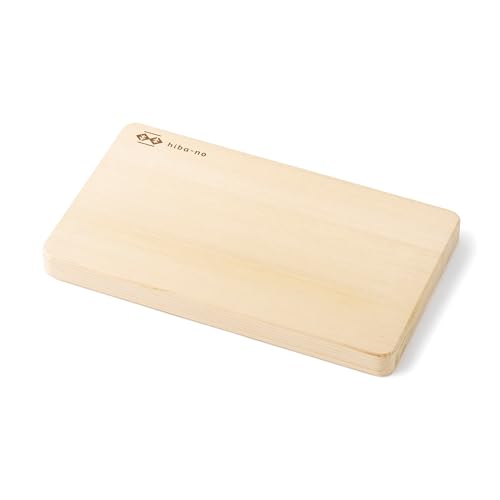
Related guides on jpmono.com — other Japanese kitchen blades, a board to pair with a Kurouchi nakiri, and Kyūshū craft from the same island.
Where this comes from

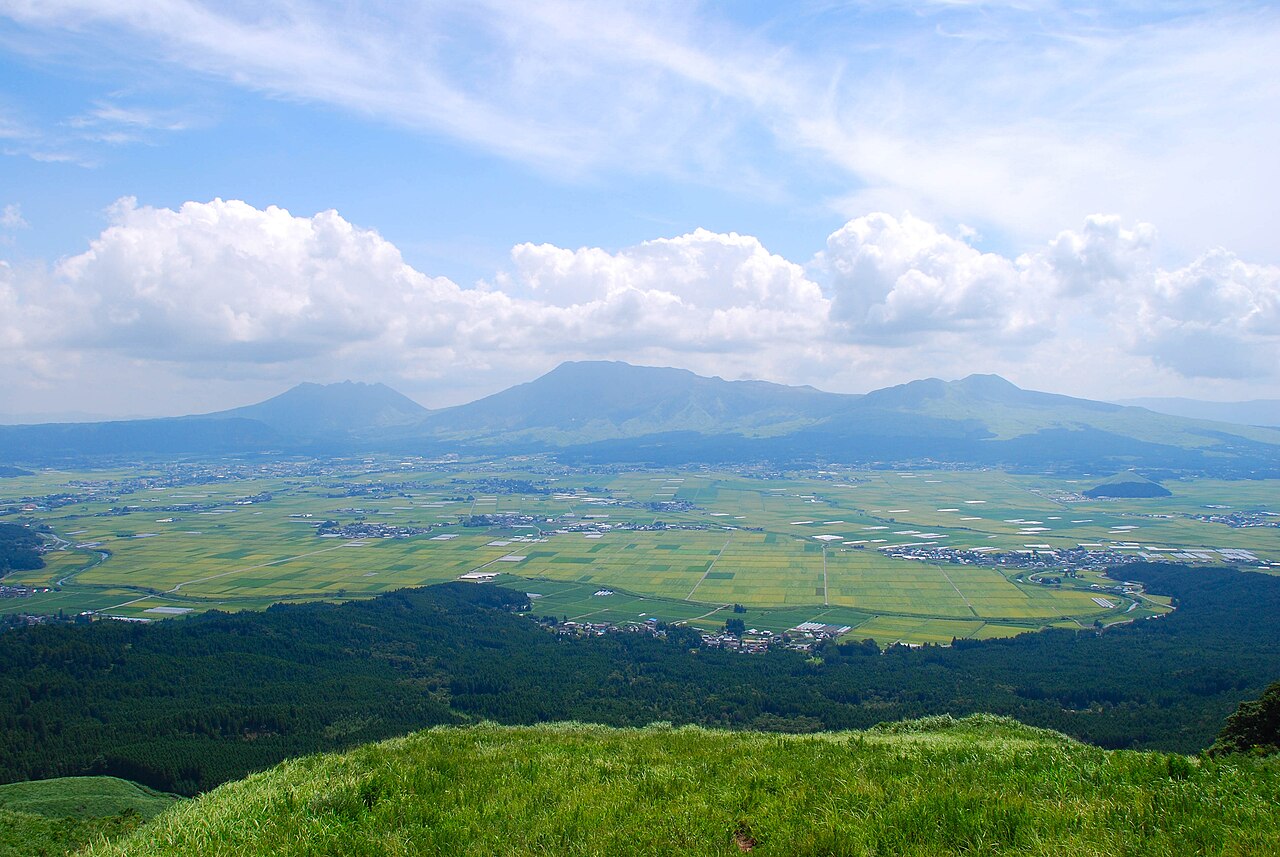
Kawashiri is a former castle and river-port town on the Midori River, just south of present-day central Kumamoto City. In old administrative terms this is Higo Province, the fertile, volcanic country of western Kyūshū. The port mattered: river-and-coastal trade made Kawashiri a node where goods, rice, and tools moved — and where the demand for everyday iron implements was constant.
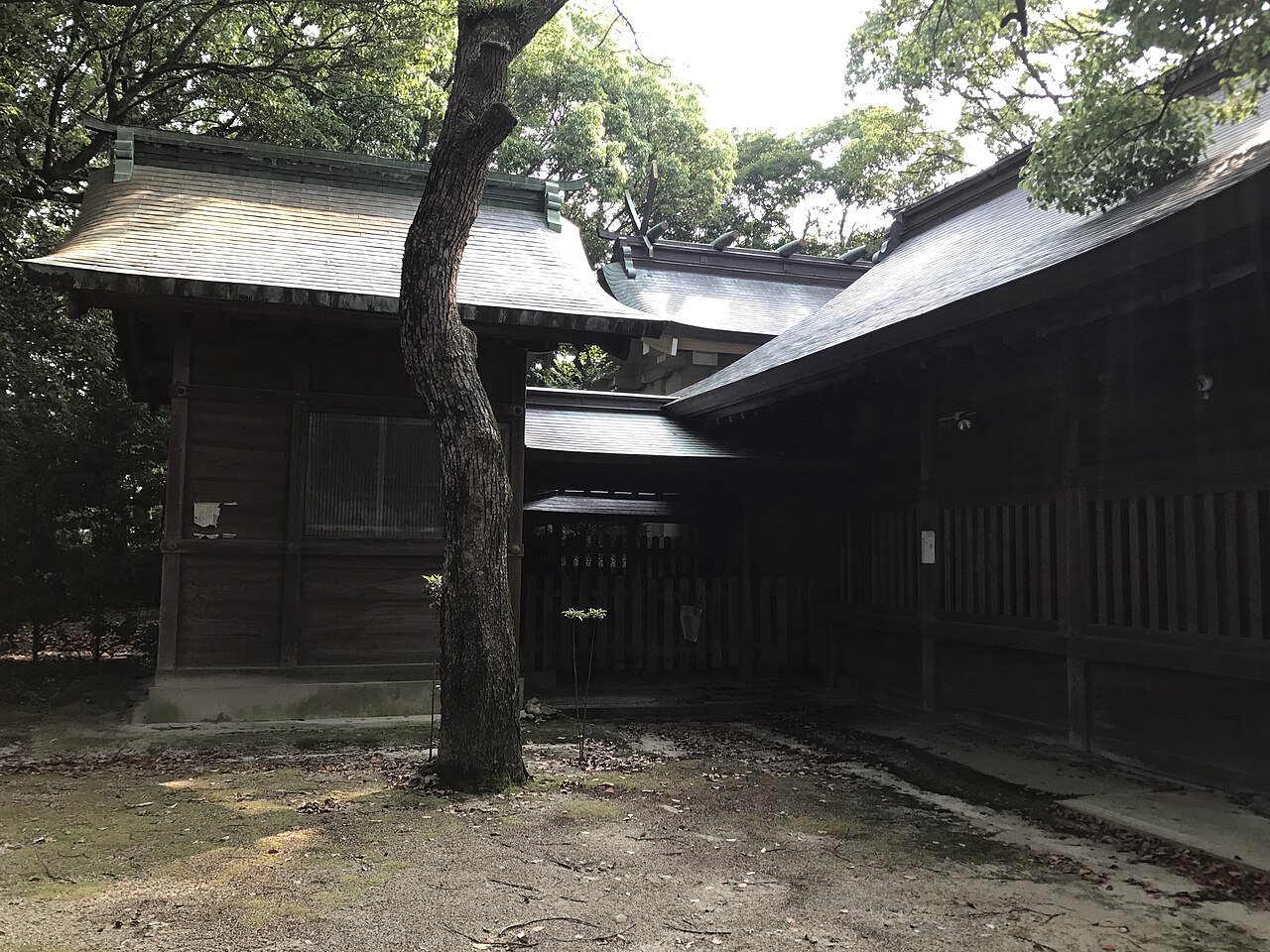
The blade-making here is old. Its roots reach to the Nanbokuchō and Muromachi eras, when swordsmiths worked the area forging blades for the Kikuchi clan, the dominant warrior house of medieval Higo. Sword-forging is the parent craft of Japanese kitchen knives: the same charcoal forge, the same hammer-welding of hard and soft steels, the same water quench.
- 12th–14th c. — The Kikuchi clan rises as the dominant warrior house of Higo Province.
- 1336–1392 (Nanbokuchō) — Swordsmiths forge blades for the Kikuchi clan near Kawashiri.
- 1392–1573 (Muromachi) — Blade-making takes root in the Kawashiri river-port.
- Edo period (1603–1868) — Under the Hosokawa domain of Kumamoto, smiths shift from swords to farm and household tools — the Kawashiri-bōchō lineage.
- Modern era — Kawashiri hamono is recognized as a designated traditional craft of Kumamoto Prefecture.
- 2026 — Hand-forging of carbon-steel kurouchi blades continues in Kawashiri.
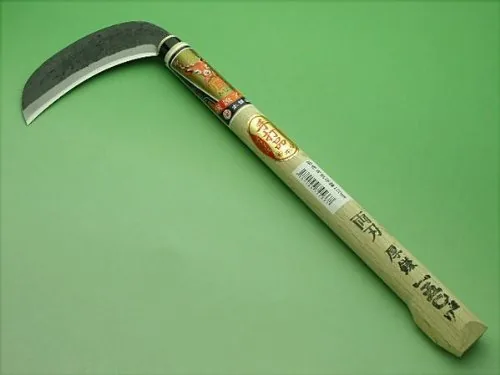
The decisive shift came under the Edo-period Hosokawa domain, which governed Kumamoto. With the country at peace, demand for swords collapsed and demand for farm and kitchen tools grew. The port’s prosperity and the steady need for sickles, hoes, and knives moved the Kawashiri smiths from weapons to agricultural and household implements. The kitchen-knife tradition known today as Kawashiri-bōchō is the direct descendant of that pivot.
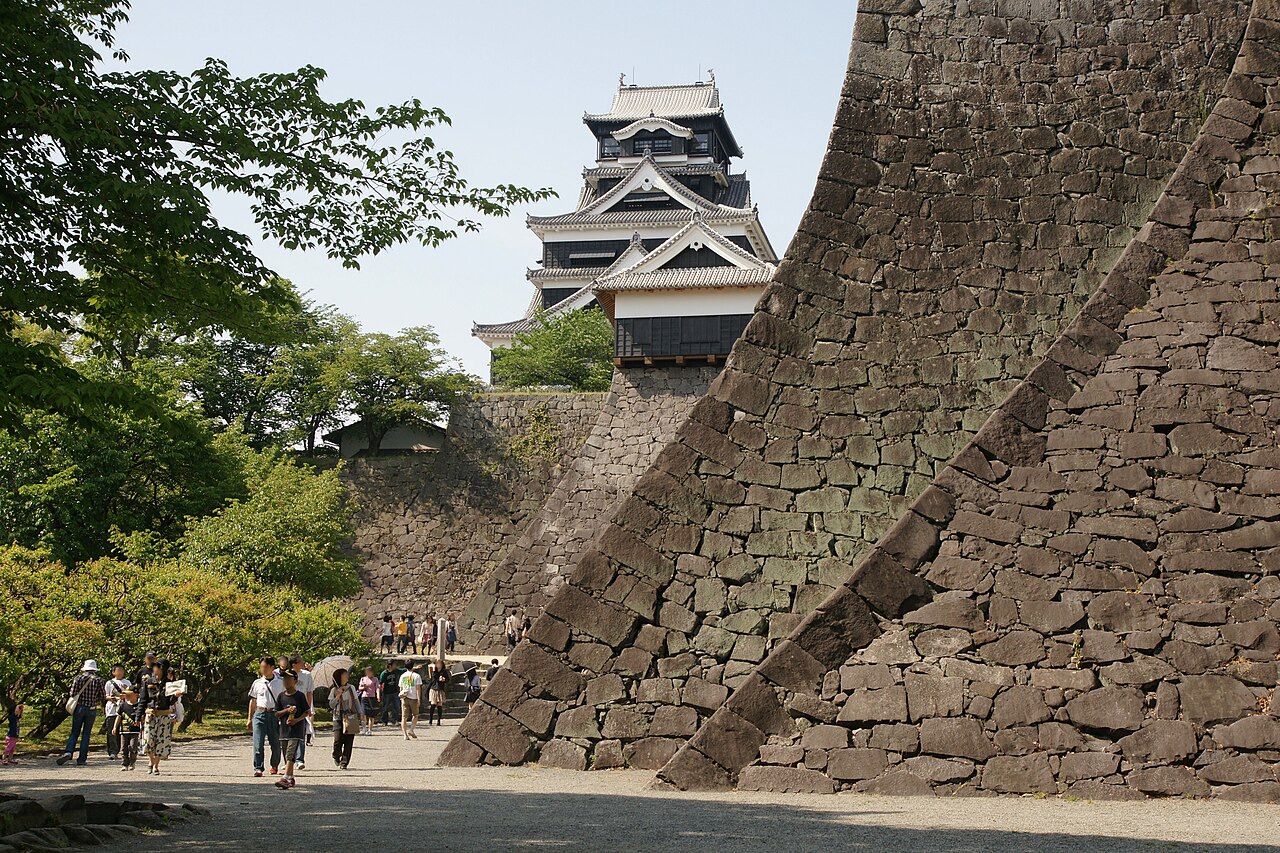
“The same forge that once made swords for the Kikuchi clan now makes a knife for cutting cabbage — and the difference is mostly a matter of which century you ask.”
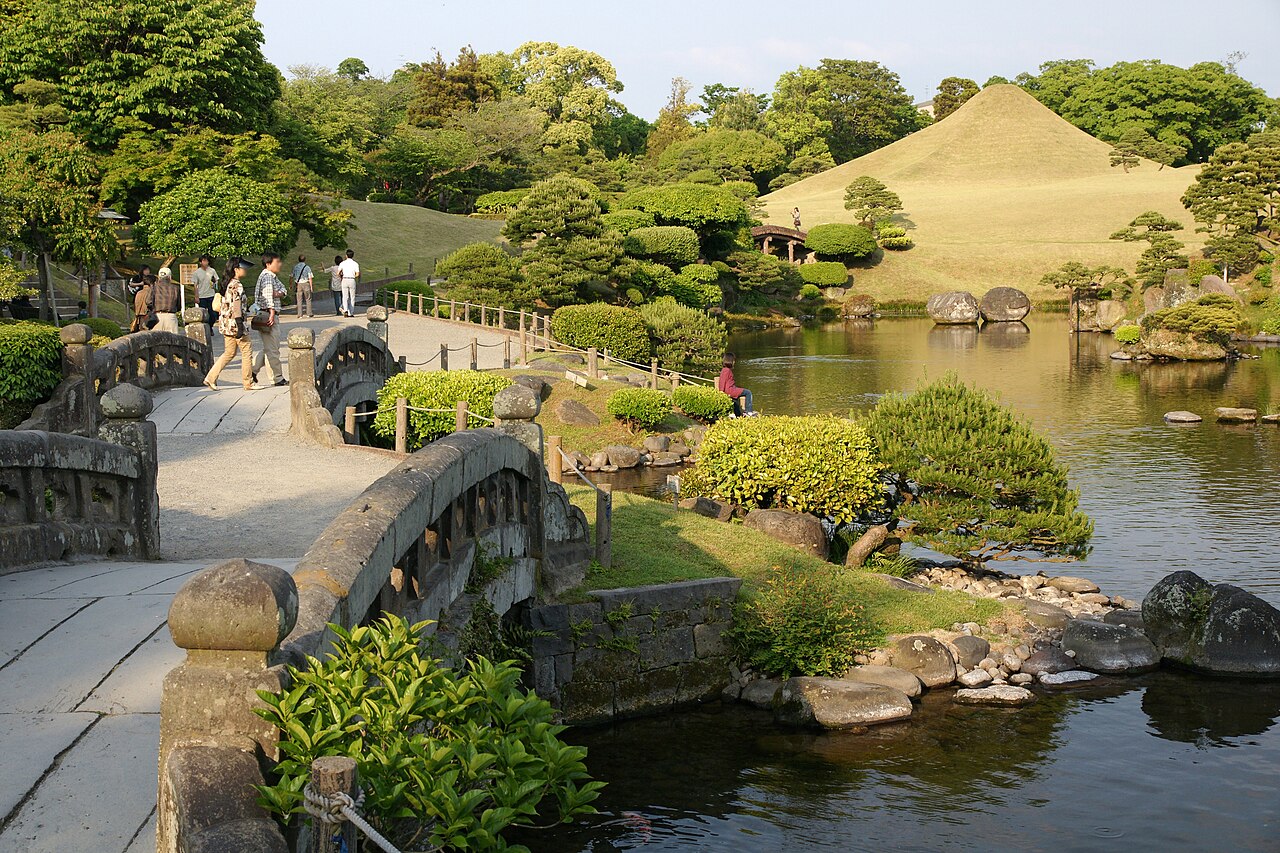
That continuity is the point of buying a Kawashiri blade rather than a stainless factory knife. Kawashiri hamono is hand-forged carbon steel finished kurouchi — the smith leaves the dark forge-scale on the blade flat rather than grinding it bright. It is a working-tool aesthetic, born of the same domain culture that built the courtly gardens of Higo.
Buying options
Hand-forged Kawashiri Hocho nakiri pricing varies with steel grade (the harder aogami series commands a premium over basic yellow-paper steel), handle material, and whether the blade is kurouchi-finished or polished. As a rough range, a basic carbon-steel nakiri sits below a fully hand-forged Kurouchi piece, while a longer or thicker aogami blade climbs further still. Treat any listed figure as the seller’s current quote rather than a fixed market price.
| Store | Item / Variant | Price | Notes |
|---|---|---|---|
| 🇺🇸 Amazon.com (US) | Browse Japanese kitchen knives | varies (USD) | Best if you are shopping from the US — Prime shipping, USD pricing, no international customs. Amazon US carries hand-forged Japanese nakiri and santoku from various makers, useful for comparing geometry and steel. The exact Kawashiri piece is sourced from Japan (next row). |
| 🇯🇵 Amazon JP Global Store | Kawashiri kurouchi nakiri | — | Ships internationally from Japan to most major destinations. |
| Maker direct | Kawashiri workshop / regional craft shops | Varies | Individual Kawashiri smiths and Kumamoto craft outlets may sell directly, often Japanese-language only and without international shipping. |
| Proxy services (Buyee / Tenso) | Forwarding from JP shops | Item + fee + shipping | Useful when a maker or shop does not ship abroad. Adds a service fee and consolidated international postage; confirm that knives are accepted for export to your country. |
What it does well
Weaknesses and things to verify before buying
- Carbon steel rusts. It must be dried immediately after washing and lightly oiled for storage. Leaving it wet in a sink will produce rust spots within hours.
- It will patina. The blade darkens and discolors with use — normal and protective for carbon steel, but unwelcome if you want a permanently bright edge.
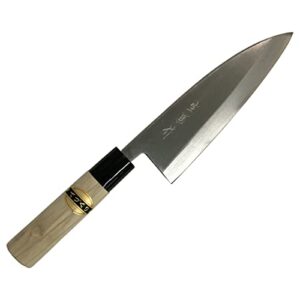
- Single-purpose form. A nakiri is a vegetable knife. It is poor at slicing meat off the bone or filleting fish; pair it with a deba or gyuto for those tasks.
- Hand-wash only. Carbon steel and a wooden handle are not dishwasher-safe; heat and detergent will damage both.
- Published details are limited. Confirm the blade and steel details before buying.
- Price and stock unconfirmed. No live price was captured; hand-forged single-maker items also go in and out of stock. Verify availability at checkout.
- Export rules vary. Some destinations restrict knife imports or apply customs duties over a threshold; check your country’s rules before ordering from Japan.
Conclusion — which buyer type are you?
Other ways to approach this purchase
❓ Frequently Asked Questions
What is a nakiri, and how is it different from a santoku?
A nakiri is a flat-edged, double-bevel knife dedicated to vegetables; it cuts with a straight downward push. A santoku is a general-purpose knife with a slightly curved edge that also handles meat and fish. The nakiri is more specialized but cleaner on produce.
Does the carbon-steel blade rust?
Yes. Carbon steel will rust if left wet. Dry it immediately after washing, and wipe it with a thin film of food-safe oil before storage. It also develops a darker patina over time, which is normal and helps protect the steel.
Can I put it in the dishwasher?
No. Hand-wash only. Dishwasher heat and detergent will rust the carbon-steel blade and can damage a wooden handle. Wash by hand, rinse, and dry right away.
Will it ship outside Japan?
Japanese knife retailers generally ship to most major destinations from Japan, with international postage and possible customs duties added at checkout. If a maker or shop does not ship abroad, a proxy service such as Buyee or Tenso can forward the item — confirm that knives are accepted for export to your country.
Is it double-bevel, so left-handed cooks can use it?
Kawashiri nakiri are typically double-bevel (ryōba), ground symmetrically on both sides, which makes them usable by right- and left-handed cooks alike. This differs from single-bevel knives like a traditional deba or yanagiba.
How do I sharpen it?
Carbon steel takes well to a Japanese whetstone. A medium grit (around 1000) for regular maintenance and a finer grit for finishing is the common approach. Because the bevel is symmetric, sharpen both sides evenly. Avoid pull-through carbide sharpeners, which remove too much steel.
Why are some product details unavailable?
Hand-forged single-maker knives are often listed with minimal standardized data, so confirming the blade length, weight, and steel grade directly with the seller before purchase is the safer route.
jpmono.com is curated by a Japan-based editorial team (working out of Toyama in the Hokuriku region and Nara in Kansai) and is independent. We do not take payment from the makers we feature; income comes from affiliate links. We do not physically test every product — we consult maker specifications and public craft references.
🤖 This article was prepared with AI assistance and reviewed against craft references. Specifications, pricing, and availability vary and should be confirmed in the information supplied with the knife.
Affiliate disclosure: jpmono.com may earn a commission on qualifying purchases made through links on this page, at no additional cost to you.