![Tosa Uchihamono Garden Sickle (Kama): Hand-Forged in Kochi, Where to Buy [2026]](https://jpmono.com/wp-content/uploads/2026/07/tosa-uchihamono-garden-sickle-where-to-buy-2026-featured.jpg)
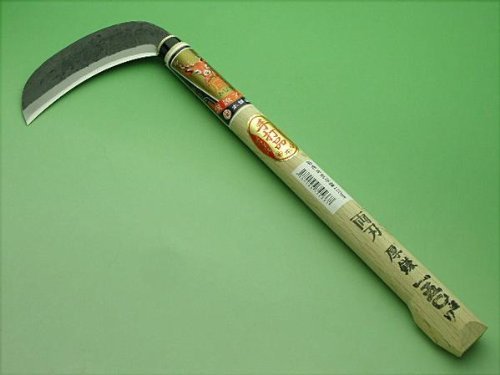
- What it is: A hand-forged Japanese grass sickle (kusakari-gama) with a single-bevel carbon-steel blade set in a wooden handle.
- Made in: Kochi, Kochi Prefecture (old Tosa Province, Shikoku) — Tosa Uchihamono, a METI-designated National Traditional Craft since 1998.
- Price band: entry-level for a hand-forged Japanese garden blade (see the live listing for the current figure) — never an invented number here.
- Best for: gardeners and small-holders who want a keen, resharpenable carbon-steel edge for weeding and light brush.
- Skip if: you want a rust-free, zero-maintenance stainless tool or a two-handed brush cutter.
- Shipping: ships internationally from Amazon Japan — jump to our pick ↓
A grass sickle is one of the oldest tools a Japanese household still keeps by the back door, and in Kochi it comes out of a workshop where the smith never used a die. The Tosa method is called jiyu-tanzo (自由鍛造, “free forging”): no fixed patterns, no stamped shapes — each blade is drawn out on the anvil to suit the job it will do. That is why a single Kochi smithy can make an axe, a billhook, a forestry hatchet, and this small crescent-bladed kusakari-gama (草刈鎌, “grass-cutting sickle”) from the same fire.
Tosa Uchihamono (土佐打刃物, “Tosa forged blades”) is the blade tradition of Kochi Prefecture, on the Pacific side of Shikoku — Japan’s most heavily forested prefecture, where roughly 84% of the land is woodland. The blades grew directly out of that landscape: tools for foresters clearing slopes and farmers reclaiming valley floors. The craft was designated a National Traditional Craft by Japan’s Ministry of Economy, Trade and Industry (METI) in 1998.
This guide is written for gardeners and craft buyers outside Japan who want to understand what actually separates a Tosa hand-forged sickle from a hardware-store weeder — the single-bevel geometry, the carbon steel, the free-forging method — and, practically, where to buy one that ships to the US, Canada, the UK, and Australia. Because the fetched product snapshot for this item was thin, live pricing and some fine specs are noted as unconfirmed below; the linked listing is always the authoritative source.
🗓️ Published: ·
🔄 Last updated: ·
⏱️ Read time: ~9 min
ℹ️ Live pricing and some specs weren’t in our snapshot — the linked listing is authoritative; unconfirmed attributes are marked below.
- Who this is for — and who should skip it
- Product overview (from published specs)
- 📍 Where this comes from — place, era, and the craft tradition
- 📦 Shipping & where to buy from outside Japan
- What it does well
- Weaknesses and things to verify before buying
- Conclusion — which buyer type are you?
- Other ways to approach this purchase
- 🏆 Editor’s Pick
- ❓ Frequently Asked Questions
Who this is for — and who should skip it
- Weed borders, rice-field edges, or vegetable rows by hand and want a clean slicing cut.
- Prefer carbon steel that takes and holds a keen edge, and don’t mind stropping or sharpening it.
- Value a tool made one at a time by a named craft tradition over a mass-stamped blade.
- Want a light, one-handed tool for close, controlled work near plants you want to keep.
- Already own a whetstone, or are willing to buy one.
- Want a zero-maintenance tool — carbon steel rusts if left wet and unoiled.
- Need to clear heavy brush or saplings; that is a nata or brush-cutter job.
- Expect a dishwasher-safe, stainless, “set and forget” garden gadget.
- Are left-handed and need a matching bevel — single-bevel blades are handed (verify before buying).
- Will never sharpen a blade and want an edge that “just stays sharp forever.”
Product overview (from published specs)
The core facts are consistent across the sourced listing and the Tosa craft record: a single-bevel carbon-steel grass sickle, hand-forged in Kochi, mounted on a wooden handle. Where a specific measurement was not in our snapshot, it is marked Unconfirmed — check the listing rather than guessed.
Tosa Uchihamono Garden Sickle (Kama)
土佐打刃物 手打草刈鎌 雄鹿 厚鎌150mm 両刃
残り16点 ご注文はお早めに · Sold by 厳選刃物道具の専門店 ほんまもん · ASIN B008KTGM3W
Price and availability as of 2026-08-31 02:30 JST. The Amazon listing at the time of purchase is authoritative. jpmono.com earns a commission on qualifying purchases at no extra cost to you.
| Attribute | Detail | Source |
|---|---|---|
| Object | Kusakari-gama (grass-cutting sickle) | Amazon JP Global Store (sourced listing) |
| Tradition | Tosa Uchihamono, Kochi Prefecture | Maker / craft record |
| Blade material | Carbon steel (hagane) | Maker / craft record |
| Edge geometry | Single-bevel (kataba), resharpenable | Maker / craft record |
| Forging method | Jiyu-tanzo (free forging, no fixed die) | Craft record |
| Handle | Wood | Sourced listing |
| Blade length / weight | Unconfirmed — check the listing | — |
| Designation | National Traditional Craft (METI), 1998 | METI |
Store snapshot — the two consumer-facing paths for this specific item:
| Store | What you get | Price |
|---|---|---|
| 🇺🇸 Amazon.com (US) (search) | Browse Japanese garden sickles & hand tools | varies (USD) |
| 🇯🇵 Amazon JP Global Store | The specific hand-forged Tosa sickle (sourced listing) | See live listing (JPY authoritative) |
📖 Glossary — key terms
- Tosa Uchihamono (土佐打刃物) — the hand-forged blade tradition of Kochi Prefecture (old Tosa Province).
- Kusakari-gama (草刈鎌) — a grass-cutting sickle: a short crescent blade on a wooden handle for hand weeding.
- Jiyu-tanzo (自由鍛造, “free forging”) — forging without fixed dies or patterns, so each blade is shaped to its intended use.
- Kataba (片刃) — a single-bevel edge, ground on one face only; sharper and thinner than a double bevel, but handed (left/right specific).
- Hagane (鋼) — high-carbon blade steel; takes a very keen edge but must be kept dry and lightly oiled to resist rust.
- Shokunin (職人) — a trained craftsperson working within a named tradition.
Related Japanese blades, Tosa crafts, and regional goods we’ve covered — useful for comparing steel, geometry, and use case.
📍 Where this comes from — place, era, and the craft tradition


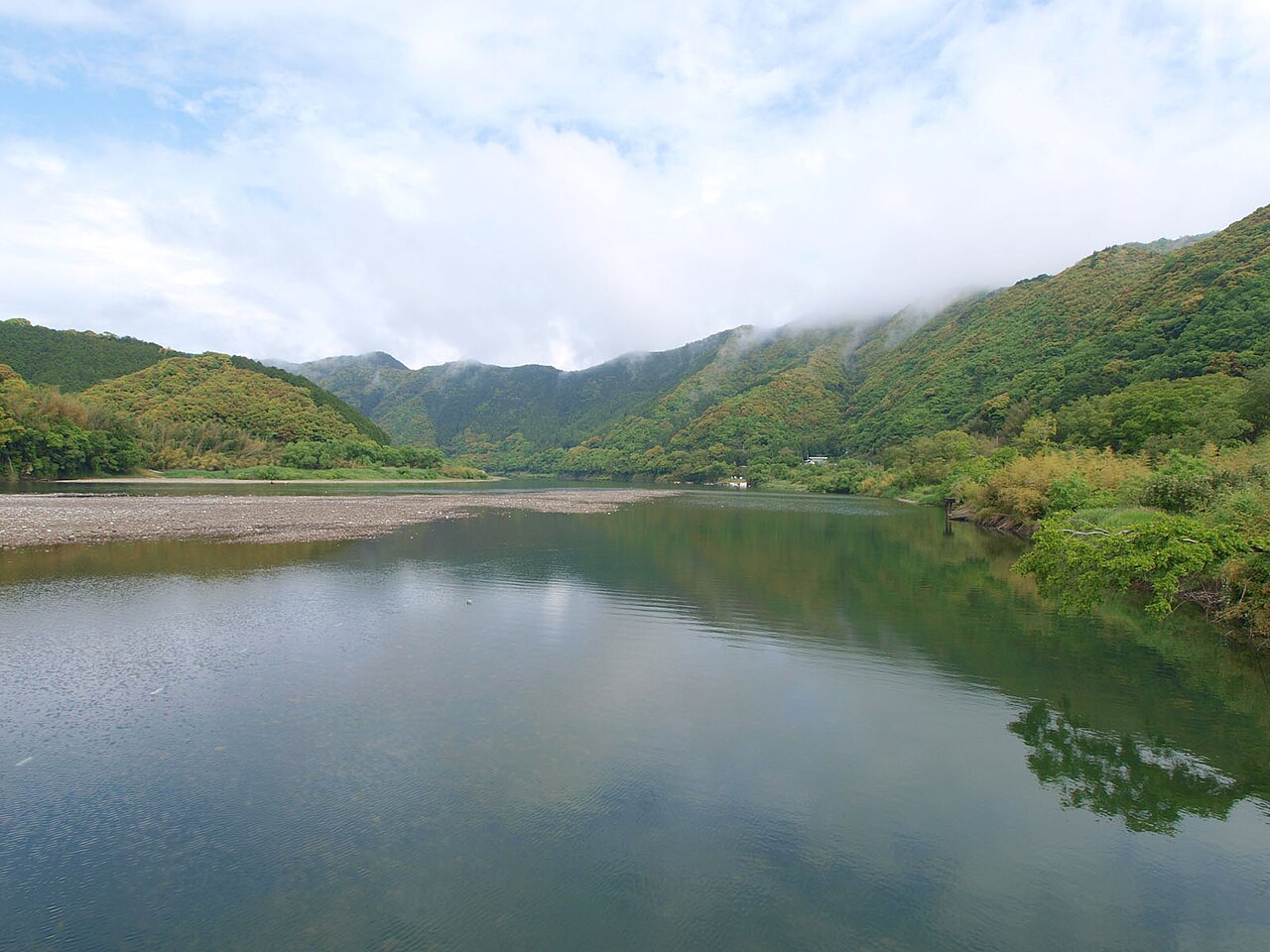
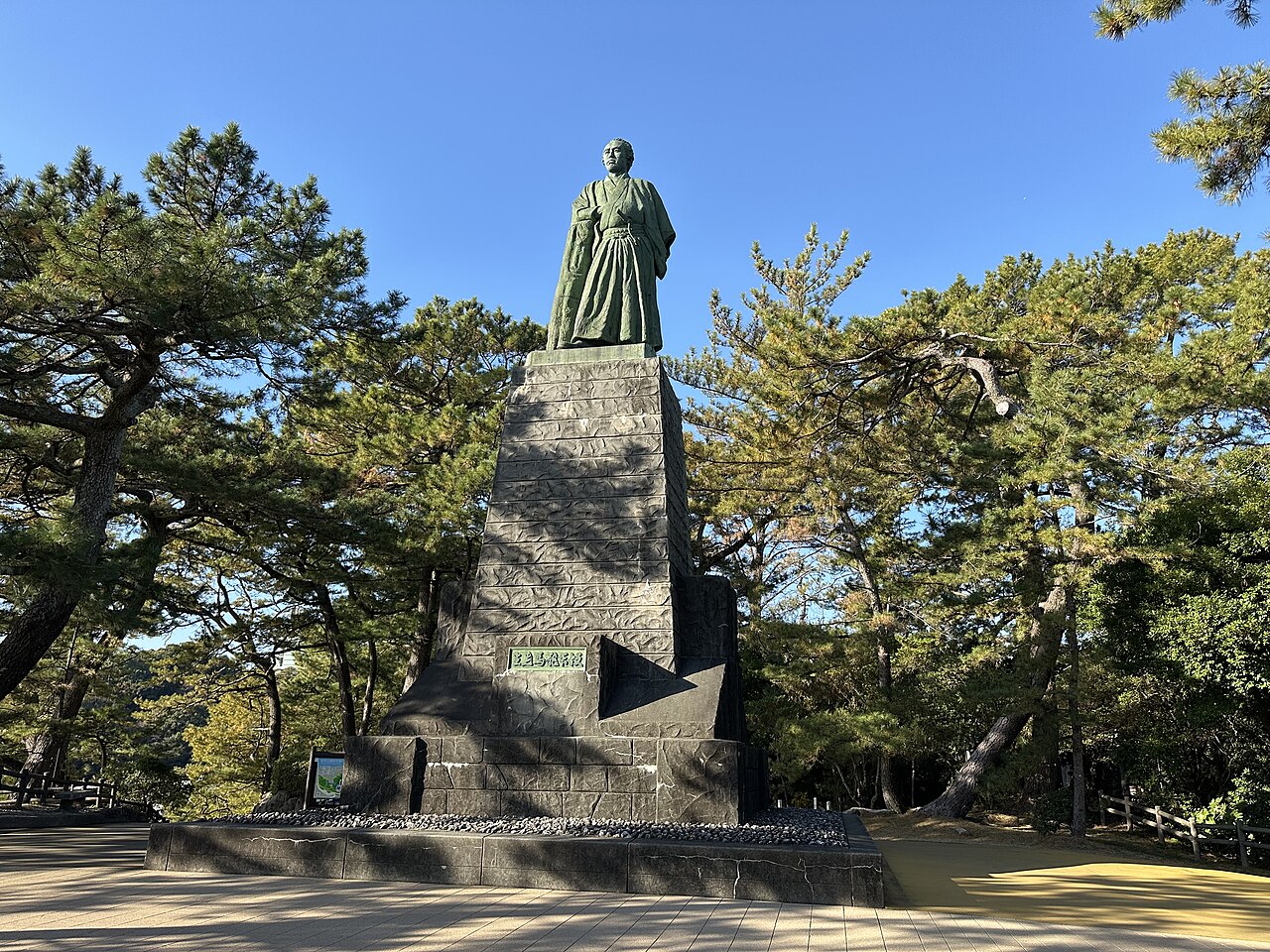
Kochi occupies the whole Pacific-facing south of Shikoku, the smallest of Japan’s four main islands. It is a prefecture of mountains and water: about 84% of its land is forest, and two of Japan’s clearest rivers, the Shimanto and the Niyodo, run down through it to the sea. Historically this was Tosa Province, cut off from the rest of Shikoku by mountain ranges and turned instead toward the ocean — a geography that bred both a timber-and-forestry economy and the famously independent Tosa temperament.
That landscape is the whole reason the blades exist. When most of your economy is trees and steep valley farmland, the tools you need most are the ones that cut wood and clear ground: axes, forestry hatchets, billhooks, and sickles. Tosa smiths forged all of them, and the grass sickle here is simply the smallest member of that family.
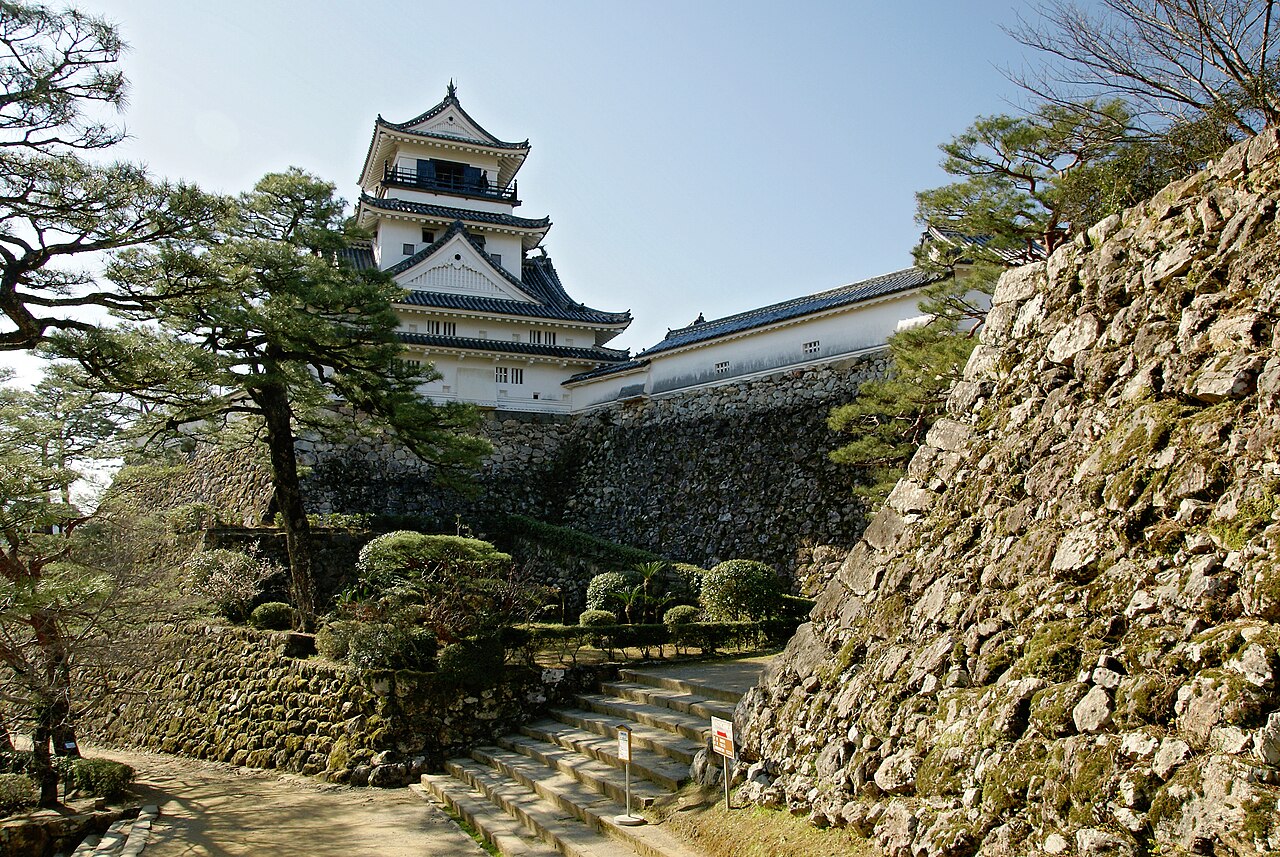
The craft’s roots reach back to the Muromachi and Sengoku eras, when Tosa smiths were already forging farm and forest tools. It was formalized under the Yamauchi lords of the Tosa domain, who from 1601 encouraged smithing to supply tools for land reclamation and forestry — the labor that turned wooded valley floors into rice fields. Under that patronage the number of Tosa smithies grew, and their reputation spread across Shikoku and beyond.
- 1400s (Muromachi era) — Tosa smiths are already forging farm and forest tools.
- 1601 — The Yamauchi lords take the Tosa domain and encourage smithing for reclamation and forestry.
- Edo period — Tosa blades supply foresters and farmers across Shikoku; jiyu-tanzo lets one smithy make many shapes.
- Meiji onward — Kochi’s forestry economy keeps demand steady for axes, hatchets, billhooks, and grass sickles.
- 1998 — Tosa Uchihamono is designated a National Traditional Craft by METI.
- 2026 — Kochi smiths still free-forge sickles, hatchets, and knives one blade at a time.
What sets Tosa apart from other Japanese blade towns is that method — jiyu-tanzo, free forging. Instead of pressing steel into a fixed die, the smith draws each blade out by hand to match the customer’s use. Over centuries that flexibility gave Tosa an unusually wide catalog of shapes, and it is why a small workshop can turn from a heavy forestry billhook to a light garden sickle without retooling.
“There is no die and no template — the shape lives in the smith’s hands, and each blade is drawn to the job it will do.”
The continuity case is straightforward: Tosa is still a working blade district, not a museum. Kochi smithies continue to forge everyday farm and garden tools for a domestic market that still uses them — which is exactly why an unglamorous grass sickle, rather than a display knife, is the honest emblem of the tradition. The single-bevel carbon-steel kusakari-gama is a classic everyday Tosa product, prized by gardeners for a keen, resharpenable edge.
📦 Shipping & where to buy from outside Japan
The specific hand-forged Tosa sickle in this guide is sourced from the Amazon JP Global Store, which ships internationally to 65+ countries — including Canada, the UK, and Australia, not only the US. Country guides: Canada, the UK, and Australia.
Expect international shipping in roughly the $15–$40 range to the US, EU, Canada, the UK, and Australia, depending on weight and speed. Amazon estimates and usually collects import fees at checkout for most destinations, so there is rarely a surprise customs bill on delivery — but orders above your local duty threshold can still attract charges. As a small carbon-steel garden tool, a sickle is inexpensive to ship; the main thing to confirm on the listing is that the seller ships blades to your country, since a few carriers restrict edged tools.
Two practical purchase paths, in order of convenience for most international readers:
| Store | Item / Variant | Price (JPY + USD est.) | Notes |
|---|---|---|---|
| 🇺🇸 Amazon.com (US) | Browse Japanese garden sickles & hand tools | varies (USD) | Best if you’re shopping from the US — Prime shipping, USD pricing, no international customs. Amazon US carries Japanese garden sickles and hand-forged tools from various makers, useful for comparing edge geometry and price tiers. This exact Tosa sickle is sourced from Japan (next row). |
| 🇯🇵 Amazon JP Global Store | The specific Tosa hand-forged sickle (sourced listing) | See live listing (JPY is authoritative; USD approximate at ¥150/USD) | Ships internationally from Japan to 65+ countries — including Canada, the UK and Australia — with import fees estimated at checkout. |
| Maker direct | Kochi Tosa smithies & craft co-ops | Varies; often JP-only checkout | Widest shape selection, but many smithy sites do not ship abroad directly — pair with a proxy. |
| Proxy services (Buyee / Tenso) | Any JP-only listing forwarded abroad | Item price + forwarding fee + shipping | Use when the piece you want is only on a Japan-domestic shop; adds a fee but unlocks the full catalog. |
Prices in USD are approximate and depend on the current exchange rate (¥150/USD baseline as of mid-2026). The JPY price on the listing is the authoritative one.
What it does well
- 🍽️ Dishwasher: no — hand-clean only; never leave carbon steel wet.
- 🧴 Daily care: wipe the blade dry after use and apply a thin film of oil (camellia or a light machine oil) to prevent rust.
- 🔧 Repairs: resharpen on a whetstone as the edge dulls; a single-bevel blade is dressed on its ground face, with only a light deburring on the flat.
Weaknesses and things to verify before buying
- Carbon steel rusts. Left damp after cutting sappy weeds, the blade will spot with rust within a day. This is a wipe-and-oil tool, not a leave-in-the-shed tool.
- Single-bevel edges are handed. A right-hand grind suits right-handed use; confirm the bevel side on the listing if you are left-handed or the tool is a gift.
- Wrong tool for heavy brush. A grass sickle is for grass, weeds, and light stems — not saplings or woody brush, which call for a nata or brush-cutter.
- Blade length and weight were not in our snapshot. If you need a specific size, check the live listing; the fetched data did not confirm exact dimensions.
- Live price was not captured. Only the sourced JP listing snapshot was available; verify the current figure before buying, as it may have shifted since the writing date.
- Requires a whetstone. To keep the advantage of carbon steel you need to sharpen it; if you will not, a stainless garden knife may suit you better.
Conclusion — which buyer type are you?
Other ways to approach this purchase
🏆 Editor’s Pick
For a first Japanese garden blade, this is the one we would start with: an honest, everyday product from a working 400-year tradition, at a price that undercuts most “display” knives.
- Free-forged in Kochi — jiyu-tanzo geometry worked to purpose, not stamped from sheet.
- Single-bevel carbon steel — keen, resharpenable, and it gets better with a whetstone.
- Ships worldwide from Japan — sourced via Amazon JP Global Store to 65+ countries.
❓ Frequently Asked Questions
Does a Tosa garden sickle ship outside Japan?
Yes. The specific item is sourced from the Amazon JP Global Store, which ships internationally to 65+ countries, including Canada, the UK, and Australia, with import fees estimated at checkout for most destinations.
Is carbon steel a problem for a garden tool?
Carbon steel takes a keener, more easily resharpened edge than stainless, but it will rust if left wet. Wipe the blade dry after use and apply a thin film of oil, and it will last for years.
What is jiyu-tanzo, and why does it matter?
Jiyu-tanzo means “free forging” — Tosa smiths work without fixed dies, drawing each blade to the customer’s use. It is why Kochi is known for an unusually wide range of blade shapes, from forestry billhooks to small garden sickles.
Can I use it for heavy brush or small branches?
No. A kusakari-gama is designed for grass, weeds, and light stems. For woody brush or saplings, use a nata hatchet or a dedicated brush cutter instead.
How do I sharpen a single-bevel sickle?
Work the ground bevel face on a whetstone at its existing angle, then lightly deburr the flat back. Because the edge is ground on one side, sharpening is quick once you learn the angle.
Is this a genuine traditional craft, or marketing?
Tosa Uchihamono was designated a National Traditional Craft by Japan’s METI in 1998, and the tradition traces to the Muromachi era, formalized under the Yamauchi lords from 1601. A grass sickle is one of its most everyday, unglamorous products.
Why does the price show as “see live listing”?
Only the sourced JP listing snapshot was available at the time of writing, without a captured live price. The JPY figure on the linked listing is authoritative; USD figures elsewhere are approximate at a ¥150/USD baseline.
jpmono.com is curated by a Japan-based editorial team (working out of Toyama in the Hokuriku region and Nara in Kansai) and is independent. We don’t take payment from the makers we feature; income comes from affiliate links. Read more about our editorial standards.
🤖 This article was produced with AI assistance and reviewed against the sourced listing and public craft records. Specifications and prices should be verified on the linked retailer page before purchase.
Affiliate disclosure: jpmono.com may earn a commission on qualifying purchases made through links on this page, at no additional cost to you.