![Seki Nail Clipper: Gifu’s Sword-City Precision Steel Tool [2026]](https://jpmono.com/wp-content/uploads/2026/06/seki-takumi-no-waza-nail-clipper-where-to-buy-2026-featured.jpg)
For most households, a nail clipper is a throwaway object — a stamped-metal commodity bought without a second thought. The Green Bell Takumi no Waza (匠の技, “the artisan’s skill”) G-1008 sets out to be the exception. It is made in Seki, a small city in Gifu Prefecture that has forged cutting edges since the Kamakura era, and it applies that grinding heritage to a tool you use a few seconds at a time but for the rest of your life.
What makes Seki notable internationally is not romance but continuity of skill. The same town that produced the Mino-den (美濃伝) sword tradition now produces the bulk of Japan’s nail clippers and a large share of its kitchen and grooming steel. The Takumi no Waza line is Green Bell’s expression of that lineage: a compound-lever stainless clipper with a precision-ground catching edge and a mirror-finished lever, packaged with a leather case. It is a different proposition from a hand-finished cantilever nipper, and a very different one from a drugstore clipper.
This guide is for readers deciding whether a precision-ground Seki clipper is worth more than a generic one, and how to buy it from outside Japan. We cover who it suits and who should pass, the published specifications, how it compares to alternatives in the same craft ecosystem, where the craft comes from, and the realistic purchase paths — Amazon US for shopping convenience, and the Amazon JP Global Store where this specific item is sourced.
🔄 Last updated: June 11, 2026
⏱️ Read time: ~9 min

- Who this is for — and who should skip it
- Product overview (from published specs)
- Which finish should you choose?
- Price snapshot across stores
- What it does well
- Weaknesses and things to verify before buying
- Conclusion — which buyer type are you?
- Other ways to approach this purchase
- Where this comes from
- 🏆 Editor’s Pick
- ❓ Frequently Asked Questions
Who this is for — and who should skip it
- Want a clipper that cuts cleanly rather than crushing or tearing the nail edge
- Are willing to pay a craft-tool premium over a commodity clipper for grinding quality
- Value Seki-made stainless steel and a tool intended to last years, not months
- Appreciate small details — a mirror-finished lever, a catching tray, a leather case
- Are buying a practical, giftable object with a genuine regional provenance
- Only need a basic clipper and do not notice cut quality
- Want a hand-finished cantilever nipper for very thick or ingrown nails (consider Suwada instead)
- Need professional podiatry-grade tooling rather than a home grooming tool
- Are unwilling to wait on international shipping or verify the current listing
- Expect a rock-bottom price — this sits above commodity clippers
Product overview (from published specs)
Note on data: at the time of writing, only the maker’s published description and the Amazon JP Global Store listing snapshot were available for this item; the automated price feed returned no live figures. Treat the specification below as the maker’s published values, and always confirm current details on the listing before buying.
Seki Nail Clipper
GREEN BELL 匠の技 グリーンベル ステンレス製高級爪切り 金属キャッチャー付き
在庫あり。 · Sold by Amazon.co.jp · ASIN B07QDWVSL3
Price and availability as of 2026-08-31 02:30 JST. The Amazon listing at the time of purchase is authoritative. jpmono.com earns a commission on qualifying purchases at no extra cost to you.
| Attribute | Published value |
|---|---|
| Product | Green Bell Takumi no Waza G-1008 nail clipper |
| Maker | Green Bell (グリーンベル) |
| Material | Stainless steel |
| Mechanism | Compound-lever clipper, precision-ground catching edge |
| Finish | Mirror-finished lever |
| Included | Leather case |
| Origin | Made in Seki, Gifu Prefecture, Japan |
| ASIN (JP Global Store) | B07QDWVSL3 |
| Price | Unconfirmed — check listing (live feed unavailable at time of writing) |
Sources: Amazon US search (primary, moonill-20) for comparable Japanese grooming steel; Amazon JP Global Store (secondary, moonill-22, sourced listing) for this specific item; maker-published description. Weight, exact dimensions, and steel grade were not present in the fetched data and are marked unconfirmed rather than guessed.
📖 Glossary — key terms
- Takumi no Waza (匠の技) — “the artisan’s skill”; Green Bell’s grooming-tool line name, signaling precision-ground edges.
- Seki (関) — a city in Gifu Prefecture, one of Japan’s historic blade towns alongside Sakai and Echizen.
- Mino-den (美濃伝) — the Mino Province school of swordsmithing centered on Seki; one of the classical traditions of Japanese sword-making.
- Magoroku (孫六) — Kanemoto, a celebrated line of Seki swordsmiths; the name endures today as a cutlery brand and a byword for Seki sharpness.
- Haitōrei (廃刀令) — the 1876 Meiji-era edict restricting the wearing of swords, which pushed Seki smiths toward knives, razors, and scissors.
- Compound lever — a clipper geometry that multiplies hand force at the cutting edge for a cleaner cut.
Which finish should you choose?
This piece is listed in 2 options. The photos below are the actual サイズ options on the listing right now — pick the one you want and confirm it on the product page before ordering, since hand-finished wares vary slightly piece to piece.
![Seki Nail Clipper: Gifu's Sword-City Precision Steel Tool [2026] — 1個 (x 5) finish](https://m.media-amazon.com/images/I/51WeO75APML._SL500_.jpg)
Related guides on jpmono.com — neighboring crafts, the Seki blade ecosystem, and the alternative nipper mechanism.
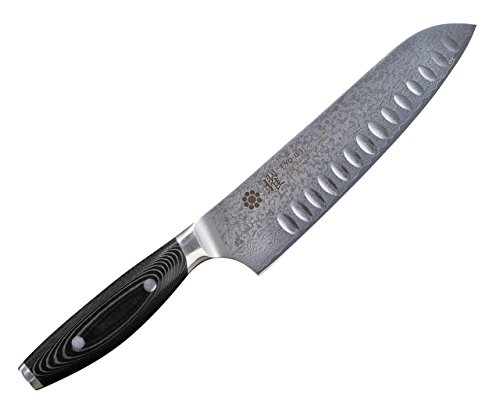 🔪 Yaxell Seki Damascus Santoku
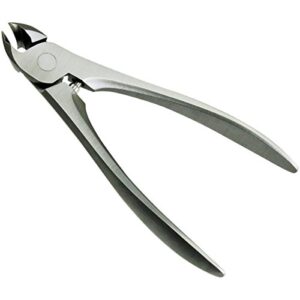 ✂️ Suwada Nail Nipper
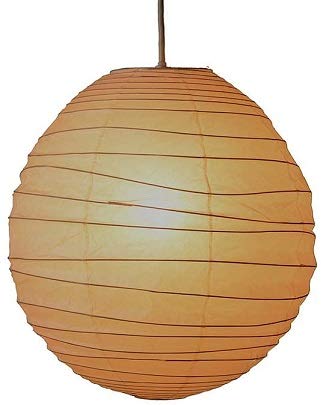 🏮 Gifu Chochin Lantern
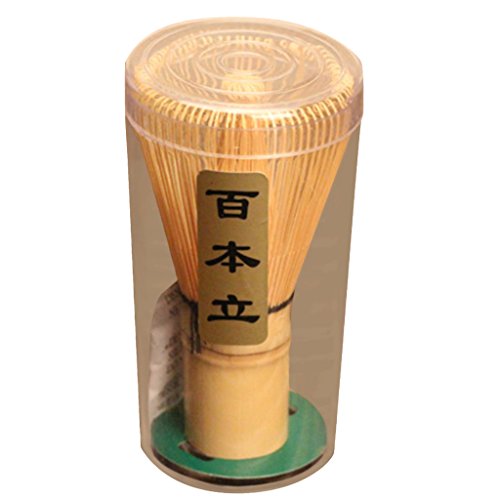 🍵 Takayama Chasen Whisk
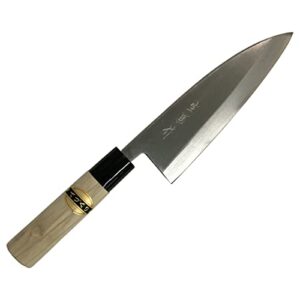 🔪 Echizen Forged Santoku
 🍳 Kuwana Cast Iron Skillet
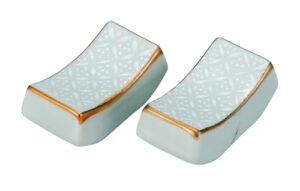 🎨 Owari Shippo Cloisonné
| Tool | Mechanism | City |
|---|---|---|
| Green Bell Takumi no Waza G-1008 | Compound-lever clipper | Seki, Gifu |
| Suwada Classic nipper | Hand-finished cantilever nipper | Sanjō, Niigata |
Price snapshot across stores
| Store | Item / Variant | Price | Notes |
|---|---|---|---|
| 🇺🇸 Amazon US (search) | Browse Japanese nail clippers & grooming steel | varies (USD) | Best if you are shopping from the US — Prime shipping, USD pricing, no international customs. Amazon US carries Seki and other Japanese grooming tools for comparing finish and price tiers; this exact G-1008 is sourced from Japan (next row). |
| 🇯🇵 Amazon JP Global Store | Takumi no Waza G-1008 (ASIN B07QDWVSL3) | Check listing (live price unavailable at writing) | The sourced listing for this specific item. Ships internationally from Japan to most major destinations. USD figures elsewhere are ¥150/USD estimates; the JPY price on the listing is authoritative. |
| Maker direct (Green Bell) | Takumi no Waza line | — | Green Bell’s own catalog lists the line domestically; international fulfillment is typically not offered directly. |
| Proxy services (Buyee / Tenso) | Forwarded from JP retailers | item + service fee + shipping | Useful if a specific finish is only stocked on a Japan-only store. Adds a forwarding fee; expect customs duties on orders over your local threshold. |
Prices in USD are approximate and depend on the current exchange rate (¥150/USD baseline as of mid-2026). Prices and stock fluctuate; verify on the affiliate link before purchasing.
What it does well
The catching edge is ground rather than merely stamped, which the maker positions as the line’s defining quality — a cleaner cut with less tearing.
Made in a city whose blade-grinding know-how runs back to the Kamakura era and still produces most of Japan’s nail clippers.
A built-in catcher keeps clippings contained, a practical touch the maker highlights for tidiness.
The mirror-finished lever and included leather case make it a presentable gift with a genuine regional story.
“Seki did not invent the nail clipper. It inherited the one thing a good clipper needs most — the knowledge of how to grind a cutting edge — from six centuries of sword-making.”
Weaknesses and things to verify before buying
- No live price at time of writing. The automated feed returned no current figure for ASIN B07QDWVSL3. Confirm the price directly on the listing before purchasing.
- It is a clipper, not a nipper. For very thick, hardened, or ingrown nails, a hand-finished cantilever nipper such as Suwada’s may suit better. The mechanisms differ.
- Steel grade and exact dimensions are unconfirmed. The fetched data lists “stainless steel” without a specific grade, weight, or measured dimensions. If those matter to you, check the maker’s spec sheet.
- Premium over commodity clippers. This sits above drugstore clippers in price; the value is in grinding quality and longevity, not in being cheap.
- International shipping and customs. Buying via the JP Global Store means shipping time from Japan and possible duties above your local threshold. Factor that into the total cost.
- Finish is cosmetic at the lever, not the edge. The mirror finish is on the lever; it does not by itself indicate edge sharpness, which is a separate grinding step.
Conclusion — which buyer type are you?
You want the best edge quality and provenance, and a nipper feels like overkill. The G-1008 is your match.
You want a better-than-commodity clipper that will last and looks giftable. This fits well; verify price first.
If price is the priority, a basic clipper does the job. Revisit Seki steel when you want an upgrade.
You need a professional cantilever nipper for thick or problem nails — look at Suwada instead.
Other ways to approach this purchase
Grooming tools rotate through Amazon promotions; if you are not in a hurry, set a watch on the listing.
Uncommon for clippers, but Amazon Warehouse occasionally lists open-box grooming items at a discount.
If you bank Amazon points or card rewards, a low-cost craft tool is a sensible way to spend them.
If your current clipper still cuts cleanly, there is no urgency. This is an upgrade, not a replacement need.
Where this comes from


Seki is a small city in Gifu Prefecture, in Japan’s landlocked Chūbu region. It sits on the Nagara River north of Gifu City, in what was historically Mino Province (美濃国) — a region of clean rivers, dense forests, and the mountain landscapes that fed metalworking with water and charcoal. That combination is the practical reason a blade industry took root here rather than somewhere else.
The town’s reputation begins in the Kamakura era, when swordsmiths settled in Seki and used the pure water of the Nagara and Tsubo rivers, together with local pine charcoal, to refine and quench steel. Out of this grew the Mino-den (美濃伝), one of the classical schools of Japanese sword-making. Its most famous name is Magoroku (孫六) Kanemoto, a line of smiths whose blades became a byword for sharpness — a reputation Seki still trades on today.
- 1185–1333 — Kamakura period: swordsmiths settle in Seki, drawn by Nagara/Tsubo river water and pine charcoal.
- 14th century — The Mino-den (美濃伝) school of swordsmithing takes shape in the province.
- 15th–16th century — Magoroku (孫六) Kanemoto and other Seki smiths build a national reputation for sharpness.
- 1876 — The Haitōrei (廃刀令) sword edict pushes smiths toward knives, razors, and scissors.
- 20th century — Seki becomes Japan’s foremost cutlery town, producing the bulk of the nation’s nail clippers.
- Today — Makers such as Green Bell apply precision grinding to grooming tools like the Takumi no Waza line.
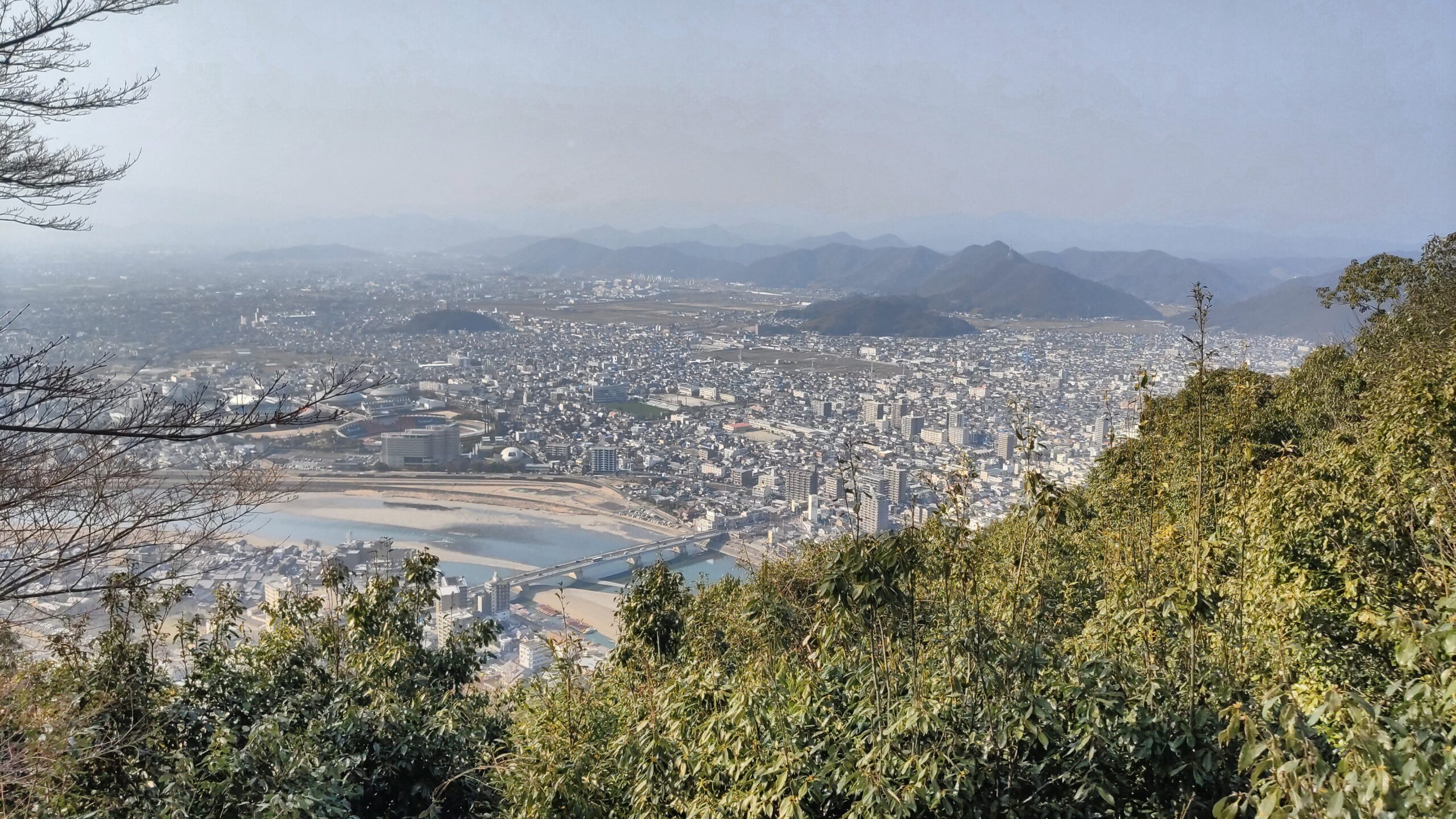
The turning point came in 1876, when the Meiji government’s Haitōrei (廃刀令) restricted the wearing of swords. Demand for blades collapsed, but the underlying skill — how to forge, harden, and above all grind a cutting edge — did not. Seki’s smiths redirected that knowledge into pocket cutlery, razors, scissors, kitchen knives, and grooming tools. Counted with Sakai and Echizen among Japan’s great blade cities, Seki today produces the majority of the country’s nail clippers.
This is the continuity that matters for a buyer. A Seki clipper is not a sword, and Green Bell is a modern manufacturer rather than a sword-forging house. But the precision-grinding discipline that distinguishes a Takumi no Waza edge from a stamped commodity clipper is the same discipline that made Mino-den blades famous. The lineage is in the grinding, not in marketing.

🏆 Editor’s Pick
❓ Frequently Asked Questions
Where is the Green Bell Takumi no Waza G-1008 made?
It is made in Seki, a city in Gifu Prefecture in central Japan that has been a blade-making center since the Kamakura era and now produces the bulk of Japan’s nail clippers.
How is it different from a Suwada nail nipper?
The G-1008 is a compound-lever clipper made in Seki, Gifu. Suwada’s tool is a hand-finished cantilever nipper made in Sanjō, Niigata. The mechanism and the city differ; nippers suit thicker or problem nails, while a clipper is a faster everyday tool.
Does it ship internationally?
The specific item is sourced from the Amazon JP Global Store, which ships to most major destinations from Japan. Expect Japan-origin shipping times and possible customs duties above your local threshold. Proxy services such as Buyee or Tenso are an alternative if a finish is stocked only on a Japan-only store.
How much does it cost?
A live price was not available from the data feed at the time of writing, so we have not quoted a figure to avoid guessing. Check the current price directly on the Amazon JP Global Store listing for ASIN B07QDWVSL3.
What steel is it made from?
The listing describes it as stainless steel. A specific steel grade was not present in the fetched data, so we have not stated one; check the maker’s spec sheet if the exact grade matters to you.
Is it a good gift?
It is well suited to gifting: a mirror-finished lever, an included leather case, and a genuine Seki provenance give it a clear story without relying on hype.
jpmono.com is curated by a Japan-based editorial team (working out of Toyama in the Hokuriku region and Nara in Kansai) and is independent. We do not take payment from the makers we feature; income comes from affiliate links. We do not physically test every product — we read maker specs and source listings.
🤖 This article was prepared with AI assistance and reviewed against the source listing data before publication. Specifications and prices reflect the data available at the time of writing and may have changed.
Affiliate disclosure: jpmono.com may earn a commission on qualifying purchases made through links on this page, at no additional cost to you.