![Yame Chochin Paper Lantern: Fukuoka’s Bamboo-Frame Lanterns [2026]](https://jpmono.com/wp-content/uploads/2026/06/yame-chochin-paper-lantern-where-to-buy-2026-featured.jpg)
A Yame chochin (八女提灯, “Yame paper lantern”) is a hand-painted washi-and-bamboo lantern from southern Fukuoka, on the island of Kyūshū. What sets it apart from a generic paper lantern is hidden inside: rather than dozens of separate bamboo hoops, its entire ribbed body is wound from a single continuous strip of split local bamboo. The technique is called ichijo-jikomi (一条仕込み, “single-strand assembly”), and it is the reason a Yame lantern is unusually light and can collapse nearly flat.
Yame is one of the towns counted, alongside Gifu and historically Odawara, among Japan’s leading lantern-making districts. The craft sits in the same humid Yabe river basin that made Yame Japan’s premier gyokuro green-tea region — the agricultural wealth that, over the Edo and Meiji periods, also funded its lantern and Buddhist-altar trades. Painters decorate the thin Mino-style washi with grasses, flowers, and water scenes that glow softly when the lantern is lit.
This guide is written for an international reader deciding whether a Yame chochin is the right buy: what the craft actually is, who it suits, how it compares to other Japanese paper-and-bamboo objects, and the realistic paths to purchasing one from outside Japan. The fetched listing snapshot for this item returned no pricing or dimensional data, so where numbers are missing we say so plainly rather than guess.
🔄 Updated:
⏱️ Read time: ~12 min

- Who this is for — and who should skip it
- Product overview (from published specs)
- Where this comes from — place, era, and the craft tradition
- Price snapshot across stores
- 📦 Shipping & where to buy from outside Japan
- What it does well
- Weaknesses and things to verify before buying
- Conclusion — which buyer type are you?
- Other ways to approach this purchase
- 🏆 Editor’s Pick
- ❓ Frequently Asked Questions
Who this is for — and who should skip it
- Want a genuinely hand-made Japanese craft object, not a mass-printed party lantern
- Value the engineering of the single-strip ichijo-jikomi frame and the way it collapses flat for storage
- Are furnishing a calm interior, an Obon (お盆) memorial display, or a tea-room corner
- Appreciate hand-painted washi motifs — grasses, flowers, water scenes — that glow when lit
- Are comfortable ordering from Japan and verifying details on the live listing
- Need a rugged outdoor light — thin washi is not weatherproof
- Want a guaranteed-cheap decoration; hand-painted craft lanterns are not commodity-priced
- Require an exact size, color, or wattage before buying and cannot tolerate listing variation
- Expect a built-in electrical fixture; many interior/bon lanterns are decorative or take a small separate light insert
- Will not have time to handle international shipping, customs, or proxy forwarding
Product overview (from published specs)
Spec sheets for traditional lanterns are often sparse, and this listing is no exception. The table below records what can be stated with confidence from the Yame chochin craft profile and the listing; fields the fetched data did not contain are marked unconfirmed rather than guessed.
Yame Chochin Paper Lantern
仏縁堂ブランド:お盆提灯・仏縁堂セレクト【八女提灯:蒔絵入り 一重 銀杏に紗綾(さや)文様・小菊 11号 回転筒付】盆ちょうちん 行灯 盆用品 PC製提灯 新盆 お盆 色柄提灯
通常7~8日以内に発送します。 · Sold by 仏縁堂 · ASIN B08TLRXPMZ
Price and availability as of 2026-09-01 05:22 JST. The Amazon listing at the time of purchase is authoritative. jpmono.com earns a commission on qualifying purchases at no extra cost to you.
| Attribute | Detail (per listing / craft profile) |
|---|---|
| Craft | Yame chochin (八女提灯) — Fukuoka paper lantern |
| Type | Interior / Obon (bon-chochin) decorative paper lantern |
| Frame | Ichijo-jikomi — one continuous strip of split local bamboo, spiraled into the whole body |
| Shade | Thin Mino-style washi (和紙), hand-painted with grasses, flowers, or water scenes |
| Origin | Yame, southern Fukuoka Prefecture, Kyūshū |
| Heritage | Nationally designated traditional craft (bon-chochin and decorative interior lanterns) |
| Size / weight | Unconfirmed — check listing |
| Price | Unconfirmed — fetched data returned no pricing; check the live listing |
| Item ID (Amazon JP) | B08TLRXPMZ |
Source availability: Amazon US (search, primary) carries comparable Japanese lanterns; Amazon JP Global Store (secondary) is where this specific item is sourced; maker-direct and proxy services (Buyee / Tenso) are alternative paths. Only the Amazon JP listing snapshot was available, and it returned no pricing — live pricing may have shifted since the writing date.
📖 Glossary — key Japanese terms
- Chochin (提灯) — a collapsible paper-and-bamboo lantern, traditionally lit from within.
- Ichijo-jikomi (一条仕込み) — “single-strand assembly,” Yame’s signature method of coiling one continuous bamboo strip into the entire frame.
- Washi (和紙) — Japanese handmade paper, here in the thin, translucent Mino style.
- Bon-chochin (盆提灯) — a lantern displayed during Obon, the midsummer festival honoring ancestral spirits.
- Gyokuro (玉露) — a premium shaded green tea; Yame is Japan’s leading gyokuro region.
- Kofun (古墳) — an ancient burial mound; Yame’s Iwatoyama kofun dates to the 6th century.
Where this comes from — place, era, and the craft tradition

Yame is a small city in the south of Fukuoka Prefecture, set in the Yabe river basin where the Kyūshū plain rises into low tea-covered hills. Its climate is warm and humid, and that is not incidental: the same conditions that made the area Japan’s premier gyokuro green-tea region also nurtured the bamboo groves and the Mino-style papermaking that a lantern trade depends on. Raw material, water, and a settled farming economy were all in the same valley.
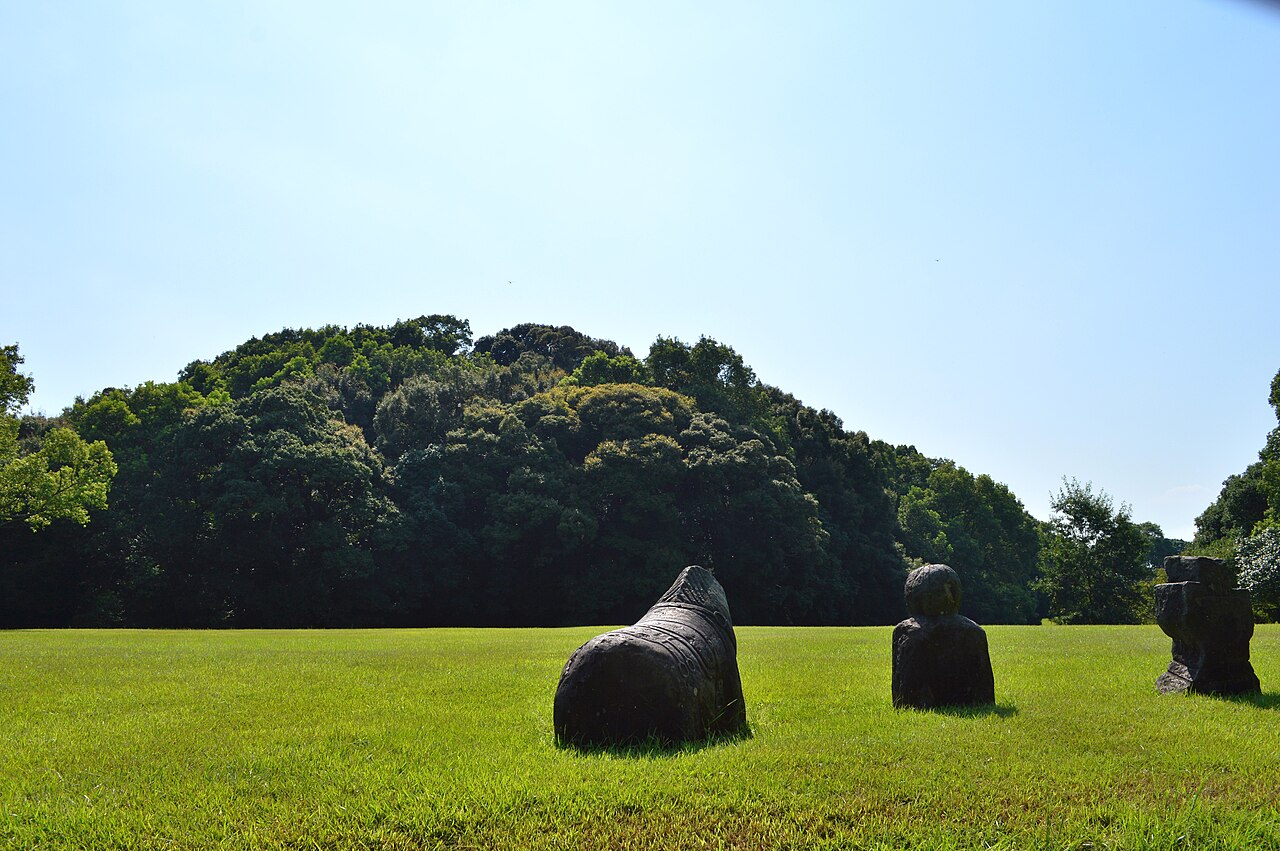
The area’s history runs far deeper than its crafts. On the edge of the modern city stands the Iwatoyama kofun, a 6th-century keyhole-shaped burial mound associated with the chieftain Iwai. Long before lanterns or tea, this was already a seat of regional power. That antiquity matters to the story only as context: Yame was a worked, settled landscape for well over a thousand years before its papermakers and lantern-makers became known by name.
The lantern craft itself is credited to Fukushima Genzo, who is said to have refined Yame chochin around 1816. Earlier Japanese lanterns were crude, with the paper stretched over many separate bamboo rings. Yame’s innovation was structural.
“A single continuous strip of split bamboo, coiled into the entire ribbed body — that is what makes a Yame lantern light enough to lift with two fingers and supple enough to fold nearly flat.”
- 6th century — The Iwatoyama kofun is built in Yame, marking the valley as a seat of regional power.
- Edo period (1600s–1800s) — Mino-style washi papermaking and bamboo cultivation take root in the humid Yabe river basin.
- c. 1816 — Fukushima Genzo is credited with refining the Yame chochin, including the ichijo-jikomi single-strip frame.
- Meiji era (1868–1912) — Gyokuro tea wealth funds Yame’s lantern and Buddhist-altar (butsudan) trades, which flourish together.
- 20th century — Yame is counted with Gifu and historically Odawara among Japan’s leading lantern-producing towns.
- Present — Yame bon-chochin and decorative interior lanterns hold status as a nationally designated traditional craft.
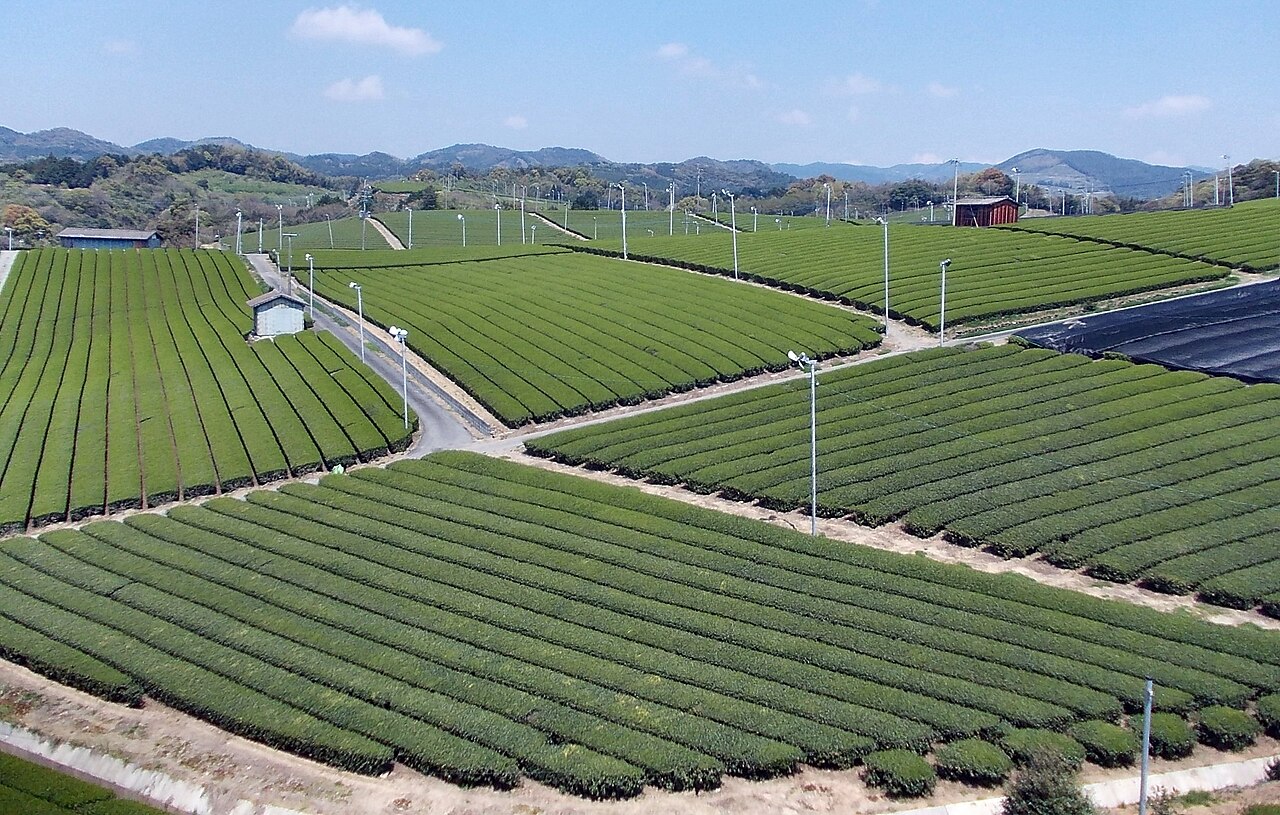
The agricultural and craft economies grew together. Tea made the valley prosperous; that prosperity, over the Edo and Meiji periods, supported skilled trades in lanterns and Buddhist altars that demanded fine bamboo work, lacquer, and hand-painted paper. The lantern and butsudan workshops of Yame are, in that sense, downstream of its tea hills.
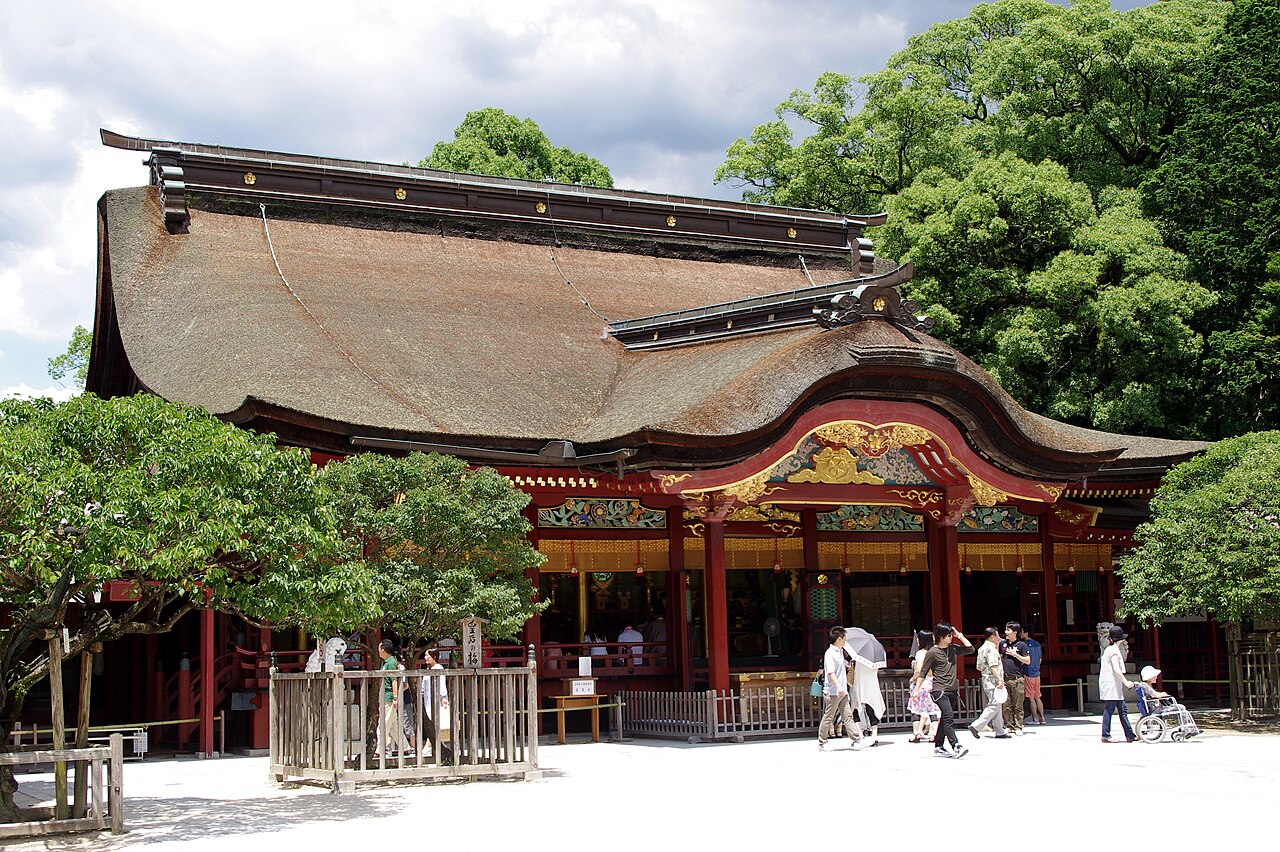
Demand for the lanterns was rooted in devotional and festival life. Across Fukuoka, shrines such as Dazaifu Tenmangu and the rhythm of the ritual year — most of all Obon, when households light bon-chochin to welcome ancestral spirits — kept a steady market for paper lanterns. A Yame chochin is, at heart, a vessel of seasonal observance, even when it is bought today purely for its beauty.
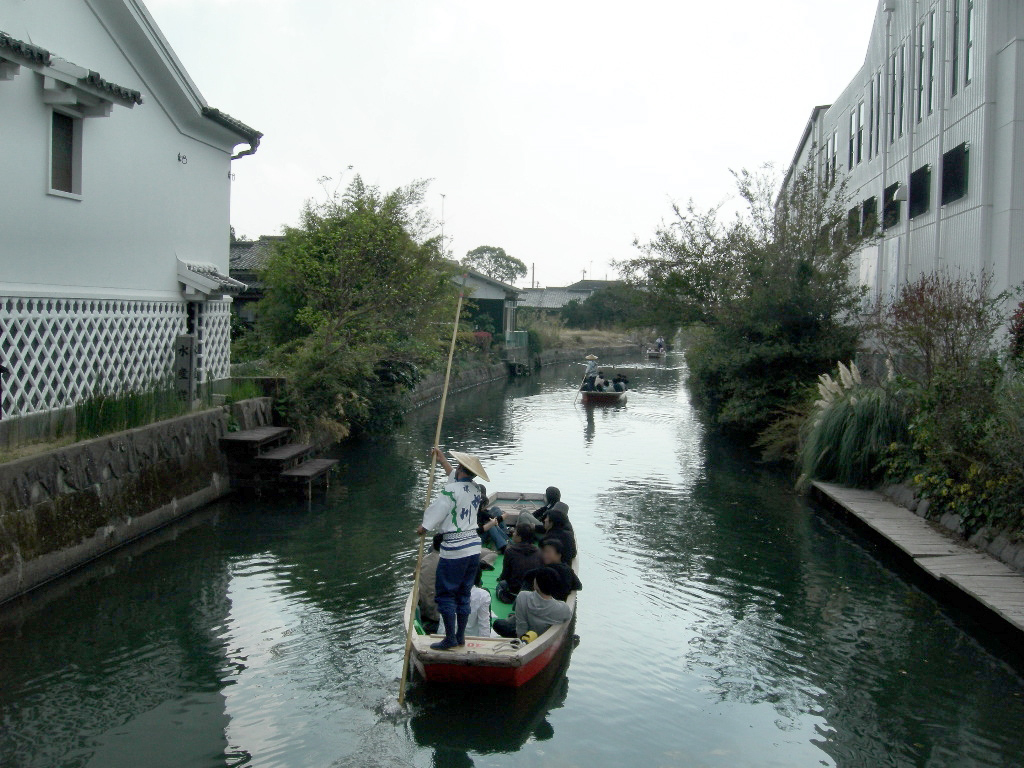
The painting is where each lantern becomes individual. On the thin Mino-style washi, artisans render grasses, seasonal flowers, and water scenes — the kind of willow-and-canal landscape found a short distance away in Yanagawa. The images are deliberately understated when the lantern is dark; lit from within, they soften and glow, which is the whole point. This is craft made to be seen by lamplight, not in a showroom.
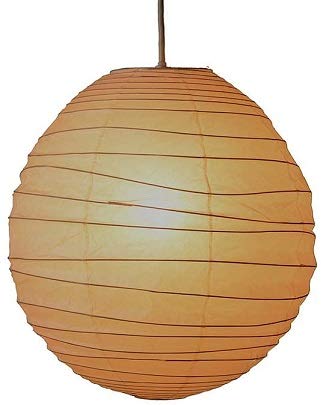
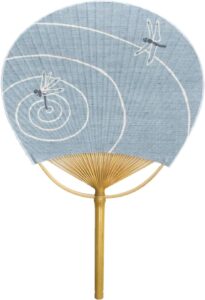
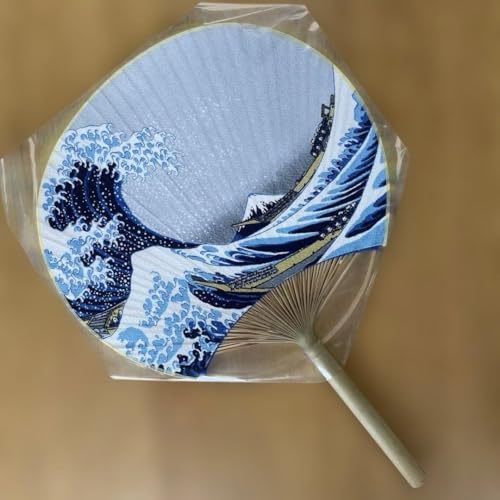
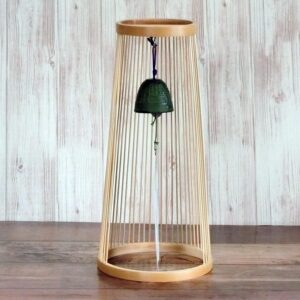
Related jpmono guides to Japanese paper, bamboo, and Kyūshū craft — useful for placing the Yame chochin in context.

Price snapshot across stores
The fetched data returned no price for this item, so the JPY figure below is marked unconfirmed; verify it on the live listing before buying. USD figures elsewhere in this guide are approximate estimates at a ¥150/USD baseline.
| Store | Item / variant | Price (JPY + USD est.) | Notes |
|---|---|---|---|
| 🇺🇸 Amazon US (search) | Browse Japanese paper lanterns | varies (USD) | Best if you are shopping from the US — Prime shipping, USD pricing, no international customs. Amazon US carries comparable Japanese washi and chochin lanterns; the specific Yame piece is sourced from Japan (next row). |
| 🇯🇵 Amazon JP Global Store | Yame chochin (item B08TLRXPMZ) | ¥ unconfirmed — check listing | Source listing for this exact item; ships internationally from Japan to most major destinations. |
| Maker direct | Yame lantern workshops | varies | Some Yame workshops sell directly; international shipping is often limited and Japanese-language only. |
| Proxy services (Buyee / Tenso) | Forwarded from JP retailers | item + forwarding fee | Useful when a seller does not ship abroad; adds a service fee and a consolidation step. |
📦 Shipping & where to buy from outside Japan
The most reliable international path is the Amazon JP Global Store listing, which ships from Japan to most major destinations; international shipping on a lightweight lantern typically runs in the $15–$40 range to the US and EU, higher to other regions. Because a Yame chochin collapses flat, it ships in a compact box, which keeps freight modest for its size. If a particular workshop listing does not ship to your country, a proxy service such as Buyee or Tenso can forward it for an added fee. Orders above your local de minimis threshold may incur customs duty, so factor that in before checkout.
What it does well
Weaknesses and things to verify before buying
- No confirmed price or dimensions. The fetched data returned neither, so size and cost must be checked on the live listing before you commit.
- Fragile by nature. Thin washi and a slender bamboo frame are not made to survive rough handling, pets, or outdoor weather.
- Light source is often separate. Many interior/bon lanterns are decorative or take a small light insert; confirm whether any bulb, cord, or stand is included.
- Painted motif and color may vary. Because the shade is hand-painted, the exact image you receive can differ from the listing photo.
- International logistics add cost and time. Shipping, customs duty, and any proxy-forwarding fees should be budgeted on top of the item price.
- Care is ongoing. Keep it away from open flame, moisture, and direct sun; washi yellows and grows brittle if mistreated.
Conclusion — which buyer type are you?
Other ways to approach this purchase
🏆 Editor’s Pick
❓ Frequently Asked Questions
Does Amazon ship a Yame chochin internationally?
Yes. The item is sourced from the Amazon JP Global Store, which ships from Japan to most major destinations. Because the lantern folds flat, it travels in a compact box. Always confirm that your country is listed as a shipping destination on the live listing.
Is the lantern electric or candle-lit?
Listings describe it as an interior/bon paper lantern. Many such lanterns are decorative or take a small separate light insert rather than including a built-in fixture. The fetched data did not specify a light source, so verify on the listing whether any bulb, cord, or stand is included.
How is a Yame chochin different from a Gifu chochin?
Both are washi-and-bamboo lanterns, and Yame is counted with Gifu among Japan’s leading lantern towns. Yame’s signature is the ichijo-jikomi single-strip frame and its hand-painted shades. For a side-by-side, see our Gifu chochin guide linked in the comparison box above.
What is the ichijo-jikomi frame?
Ichijo-jikomi (一条仕込み) means the entire ribbed body is wound from one continuous strip of split local bamboo, rather than assembled from many separate hoops. This makes a Yame lantern exceptionally light and able to collapse nearly flat.
Can the lantern be folded flat for storage?
Yes. The supple single-strip frame is designed to collapse, which is convenient for a seasonal Obon display and keeps shipping compact. Fold gently along the existing creases to avoid stressing the washi.
How do I care for the washi shade?
Keep it away from open flame, moisture, and direct sunlight. Washi can yellow and grow brittle over time, so dust gently and store the lantern folded in a dry place when not in use.
Why is no price shown in this guide?
The fetched listing snapshot returned no pricing or dimensional data, so we mark those fields unconfirmed rather than guess. Check the live Amazon JP Global Store listing for the current ¥ price and size before purchasing.
jpmono.com is curated by a Japan-based editorial team (working out of Toyama in the Hokuriku region and Nara in Kansai) and is independent. We do not take payment from the makers we feature; income comes from affiliate links. We do not physically test every product — we read maker specs and source listings. Read more about our editorial standards.
🤖 This article was prepared with AI assistance and reviewed against the source listing and craft profile available at the time of writing. Specifications, pricing, and availability should be confirmed on the retailer’s live listing before purchase.
Affiliate disclosure: jpmono.com may earn a commission on qualifying purchases made through links on this page, at no additional cost to you.