![Saga Hizen Cast Iron Incense Burner (Koro): Where to Buy [2026]](https://jpmono.com/wp-content/uploads/2026/05/japan-map-regions-and-prefectures-800x1050.png)
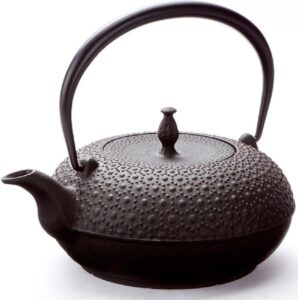
A koro (香炉, “incense burner”) is one of the quietest objects a Japanese household can own — a small vessel meant to hold a single thread of smoke, nothing more. The version covered here is hand-cast in iron in Hizen, the old province that is now Saga Prefecture in northern Kyushu. Its matte black body and vented lid descend directly from the cast-metal butsugu (仏具, “Buddhist altar implements”) that Saga’s domain foundries produced for centuries, adapted for cone or stick incense on a modern shelf rather than a temple altar.
What makes Saga interesting is the gap between its reputation and its metal. Internationally, Saga is known almost entirely for porcelain — Arita, Imari, and Karatsu ware are household names among collectors. Far fewer readers know that the same Nabeshima domain that patronized those kilns also ran iron foundries, and that in the 1850s those foundries cast Japan’s first domestically produced Western-style iron cannons. A contemporary Hizen cast-iron koro sits at the end of that lesser-known iron lineage.
This guide is for readers weighing a small, durable, low-drama incense burner with a genuine regional story behind it — and who want an honest account of what to look for in the craft itself. We cover where it comes from, how to buy it from outside Japan, what it does well, and the several things you should verify before paying. One caveat up front: cast-iron homeware from Saga is a niche, small-foundry product, and detailed spec data on individual kilns and batches varies widely. We flag what to check rather than papering over it.
🔄 Updated:
⏱️ Read time: ~9 min
Who this is for — and who should skip it
- Want a small, heavy, durable incense burner that will outlast ceramic ones you drop
- Prefer a matte, understated object over decorative or glossy pieces
- Like owning items with a verifiable regional craft lineage, not generic imports
- Burn cone or stick incense at home and want a vented lid to manage the smoke
- Are comfortable buying from Japan and verifying maker and stock before paying
- Need a named, certified “traditional craft” maker — this is a small-foundry niche product
- Want a light, easily portable burner; cast iron is deliberately heavy
- Are shopping for ornate, gilded, or colorful altar pieces
- Cannot verify international shipping to your country before ordering
Product overview (from published specs)
Important honesty note: the available spec data on Saga cast-iron koro varies between makers and batches. The summary below states only what is generally true for the category; everything specific to an individual piece — exact dimensions, weight, and maker — should be confirmed with the foundry or retailer before purchase. The piece is generally a sand-cast iron koro with a vented lid.
| Attribute | Detail | Source |
|---|---|---|
| Object | Cast iron incense burner (koro), vented lid for cone or stick incense | Spec brief |
| Material | Sand-cast iron, matte black body | Spec brief |
| Origin | Hizen / Saga, Kyushu (old Hizen province) | Spec brief |
| Dimensions / weight | Not confirmed | — |
| Maker | Unconfirmed — small Saga foundry; verify at publish | — |
| Store | What you get | Price (JPY / USD est.) |
|---|---|---|
| 🇺🇸 Amazon US (search) | Browse Japanese cast iron incense burners & koro | varies (USD) |
| 🇯🇵 Amazon JP Global Store | The specific Hizen koro | — |
| Maker direct | Small Saga foundry — maker unconfirmed | — |
| Proxy services (Buyee / Tenso) | Forwarding if Global Store will not ship to your country | item + forwarding fee |
For international buyers, comparable Japanese incense burners can be found through US-facing searches, Japanese retail channels, maker-direct shops, or proxy services. Prices and stock change over time.
📖 Glossary — key terms
- koro (香炉, “incense burner”) — a vessel for burning incense; the altar form usually has a vented lid and three feet.
- butsugu (仏具, “Buddhist altar implements”) — the cast-metal altar set: incense burner, candlesticks, and flower vases.
- Hizen (肥前) — the old province covering today’s Saga and part of Nagasaki; the historical name for this region’s craft.
- Nabeshima (鍋島) — the daimyo clan that ruled the Saga domain and patronized both its porcelain kilns and its iron foundries.
- hansharo (反射炉, “reverberatory furnace”) — the 19th-century furnace type Saga built to smelt iron for cannon casting.
- sand casting — pouring molten iron into a sand mold; gives cast iron its characteristic matte, slightly textured surface.
Other Saga / Kyushu craft and Japanese cast-iron pieces we have covered, for context on the region and the material:
Where this comes from

Saga sits in the northwest of Kyushu, Japan’s southwesternmost main island, on the broad alluvial Saga plain that drains into the shallow, tide-rich Ariake Sea. To the north, across a low range, lies the Genkai coast and Karatsu; to the east is Fukuoka, the region’s largest city. This is old Hizen province, and the combination of river clay, navigable water, and the patronage of a wealthy domain made it one of Japan’s densest grounds for both ceramics and metal.
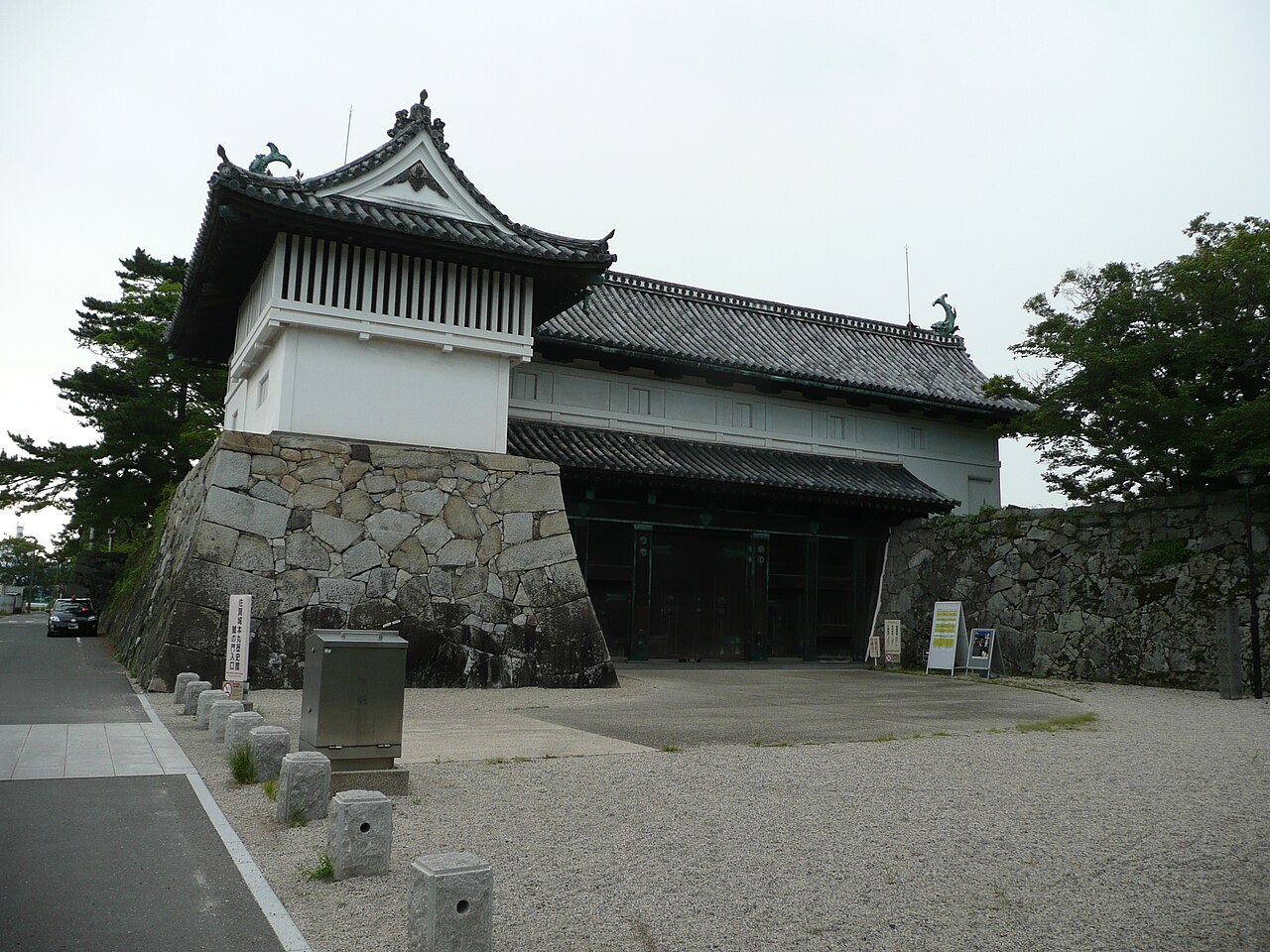
The metalworking roots here run much deeper than the domain era. On the Saga plain stands Yoshinogari, one of Japan’s largest Yayoi-period moated settlements, where bronze artifacts document casting activity centuries before the common era. Long before iron cannons or porcelain kilns, this plain was already a place where metal was worked.
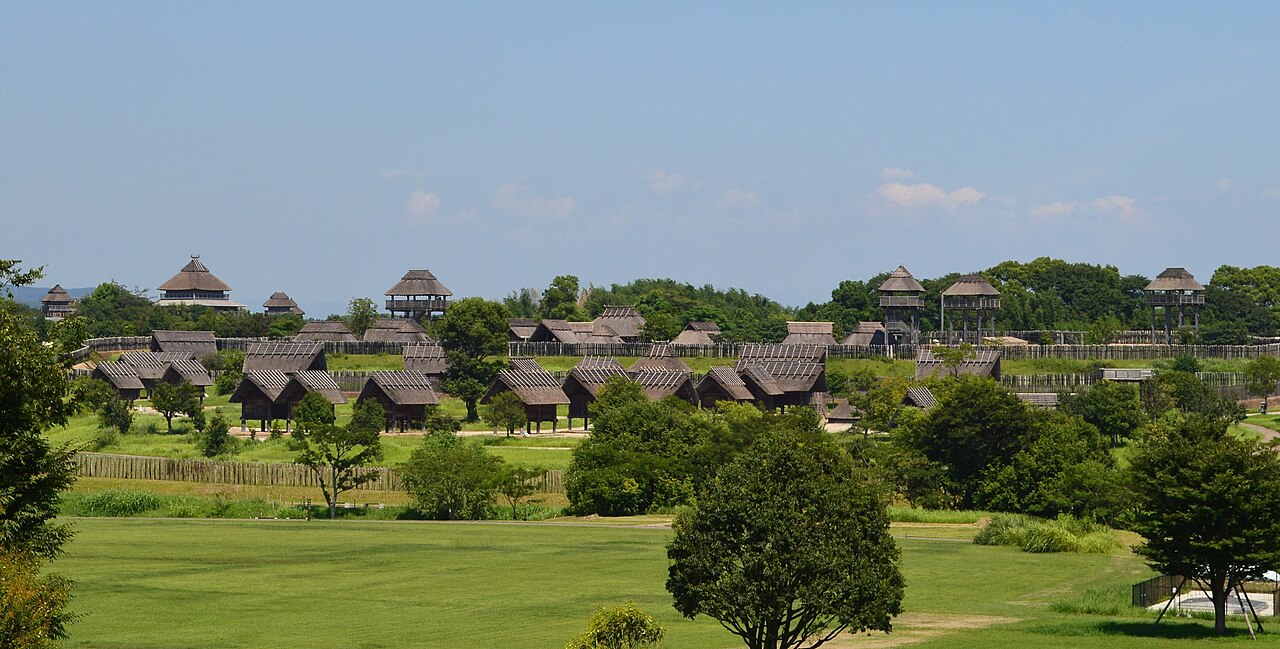
- c. 300 BCE–300 CE — Yayoi-period Yoshinogari settlement; bronze casting documented on the Saga plain.
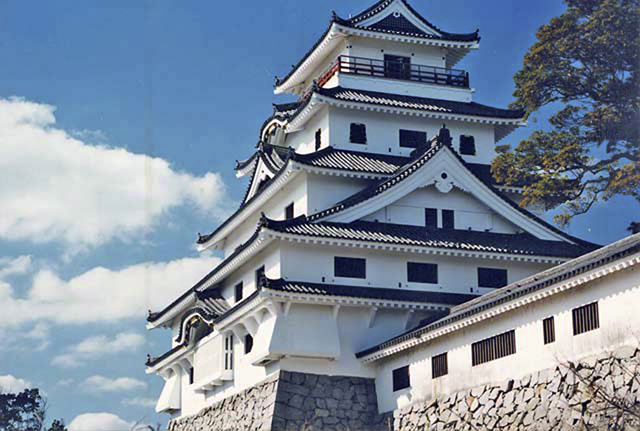
- 1607 — Saga Castle completed; the Nabeshima clan consolidates the Hizen domain.
- 1610s onward — Castle-town foundries supply temple butsugu — koro, candlesticks, flower vases — to the Hizen temple economy.
- 1850 — Daimyo Nabeshima Naomasa builds the Tsukiji reverberatory furnace (hansharo) at Saga.
- 1850s — Saga casts Japan’s first domestically produced Western-style iron cannons.
- 1858 — The Mietsu Naval Dock is established under the domain’s modernization drive.
- 2015 — Mietsu is inscribed as part of the UNESCO “Sites of Japan’s Meiji Industrial Revolution.”
- 2026 — Small Saga foundries continue to cast iron homeware in limited quantities.
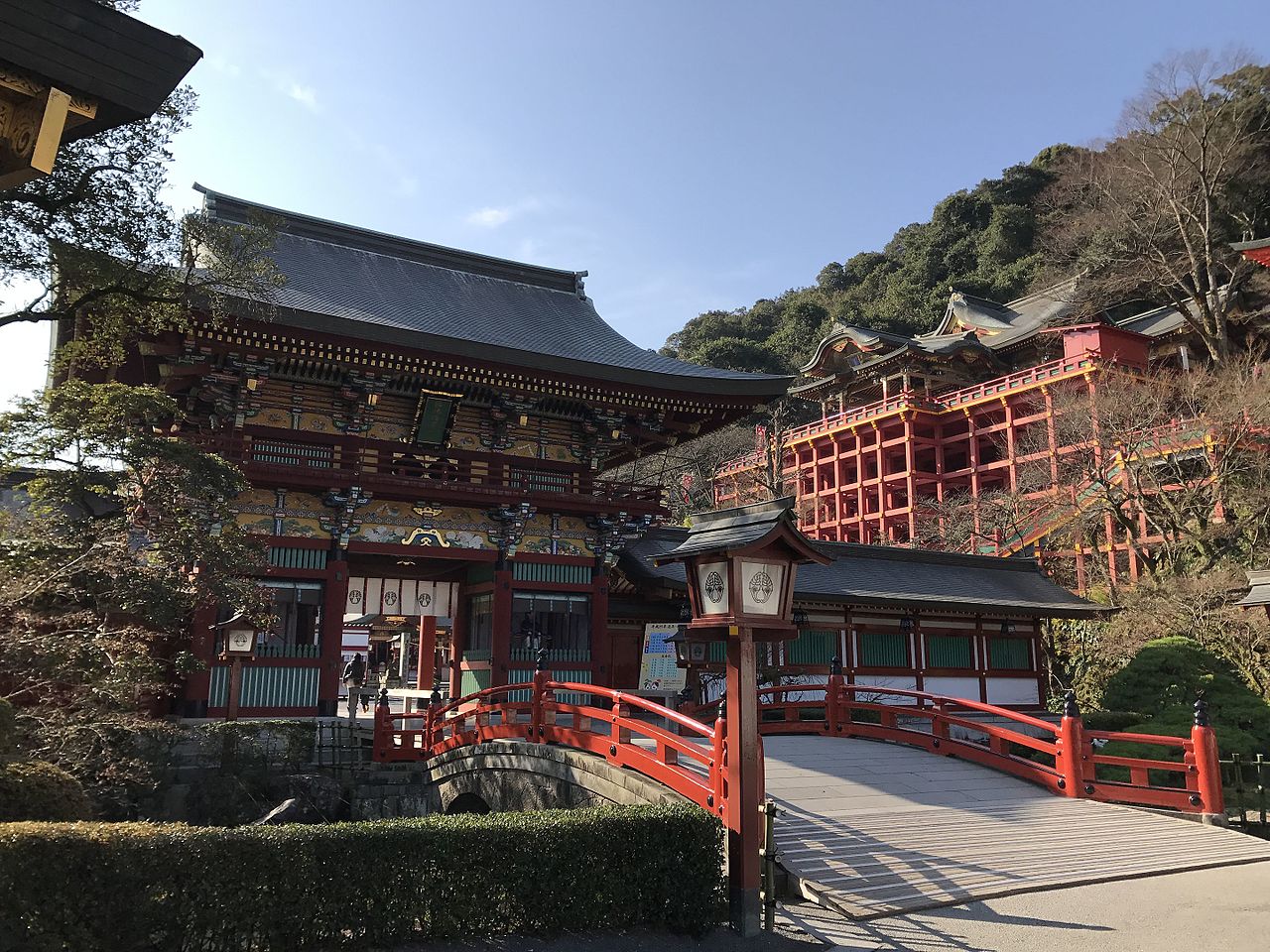
Under the Nabeshima domain, Saga’s castle-town foundries served a steady demand for Buddhist altar metalware. The koro, the candlestick, and the flower vase — together the standard altar trio — were cast in quantity for the temples and shrines that anchored Hizen’s local economy, including the great Yutoku Inari shrine. The household incense burner sold today is a direct, domesticated descendant of that devotional metalwork.
“The same Saga foundries that cast altar incense burners in the 1600s went on to cast Japan’s first modern iron cannons two centuries later — the household koro and the artillery share a lineage.”
That iron identity is what sets a Hizen cast-iron koro apart from the more famous bronze altar burners associated with Takaoka in Toyama. Saga’s signature in the metal record is iron — temple iron, and then, dramatically, the iron of the reverberatory furnace and the cannon. When daimyo Nabeshima Naomasa built the Tsukiji hansharo in 1850 and the domain went on to cast the country’s first domestic Western-style iron guns, it was an extension of an existing iron-casting competence, not a sudden break with it.
The continuity case here is honest but modest. Saga is overwhelmingly known for porcelain — Arita, Imari, and Karatsu ware — and its cast-iron homeware is a niche kept alive by small foundries rather than a large, designated traditional-craft industry. That is precisely why we flag, repeatedly, that the maker and availability should be confirmed with the foundry or retailer before you buy. The lineage is real; the production scale is small.
Price information
Pricing for Saga cast-iron koro varies widely between foundries and sizes, so the table below shows the buying paths in priority order rather than a single live figure; treat every price field as something to verify directly with the seller. JPY is the standard currency for these pieces; any USD figure shown elsewhere is an approximate estimate at a ¥150/USD baseline as of mid-2026.
| Store | Item / Variant | Price (JPY / USD est.) | Notes |
|---|---|---|---|
| 🇺🇸 Amazon US (search) | Browse Japanese cast iron incense burners & koro | varies (USD) | Best if you are shopping from the US — Prime shipping, USD pricing, no international customs. Amazon US carries Nambu and other Japanese cast-iron home goods for comparison; this exact Hizen piece is sourced from Japan (next row). |
| 🇯🇵 Amazon JP Global Store | The specific Hizen koro | — | Where the specific item is sourced. Ships internationally from Japan to most major destinations; confirm your country at checkout. |
| Maker direct | Small Saga foundry | — | Maker unconfirmed in current data; if identified, a direct site may not ship internationally. |
| Proxy services (Buyee / Tenso) | Forwarded from Japan | item + forwarding fee | Useful if Global Store will not ship to your country; adds a forwarding and consolidation fee. |
Prices in USD are approximate and depend on the current exchange rate. Similar cast-iron incense burners can vary in price by size, finish, and workmanship.
What it does well
Weaknesses and things to verify before buying
- Maker unconfirmed. This is a small-foundry niche product; the specific foundry is not identified in the data. If maker provenance matters to you, verify it.
- Saga is a porcelain region first. Do not expect a large, certified traditional-craft cast-iron industry here — this is a minor, low-volume metal line.
- Weight and shipping. Cast iron is heavy, which raises international shipping cost and the risk of carrier handling fees.
- Rust risk. Bare cast iron can rust if left damp; ash residue from incense should be cleared and the piece kept dry.
- Availability can vary. Niche craft goods may appear and disappear from the market.
- Variant ambiguity. Finish and size options may vary.
Conclusion — which buyer type are you?
Other ways to approach this purchase
❓ Frequently Asked Questions
Is this a certified traditional craft item?
No. Saga’s cast-iron homeware is a small-foundry niche, not a designated traditional-craft industry like the prefecture’s porcelain. The form has a genuine Hizen lineage, but you should not expect a formal craft certification, and the specific maker is not confirmed in the available data.
Does it ship internationally?
For readers outside Japan, Amazon JP can send many household items internationally to most major destinations, but cast iron is heavy and some routes are restricted, so check whether your country is served at checkout. If direct international shipping is not available, a proxy service such as Buyee or Tenso can forward a purchase from a Japanese seller to you.
How do I care for a cast-iron koro?
Keep it dry. Clear out ash residue after use, avoid leaving it damp, and wipe it occasionally to prevent surface rust. Bare cast iron is durable but not rust-proof.
Can it burn both cone and stick incense?
A vented lid is intended for cone or stick incense. Because internal dimensions vary, check the fit of long sticks before use.
Why is the price not shown?
Pricing for individual Saga cast-iron koro pieces varies, so we direct you to verify the current price with the foundry or with the Amazon JP retailer carrying the piece. The JPY figure quoted there is the authoritative one.
How is this different from a Takaoka bronze burner?
Takaoka in Toyama is famous for bronze altar metalware. Saga’s distinguishing signature is iron — temple iron and, later, the reverberatory-furnace iron used for cannons. This koro is cast iron, which gives it a heavier, matte character rather than bronze’s warmer tone.
Is Saga better known for something else?
Yes — Saga is one of Japan’s great porcelain regions, home to Arita, Imari, and Karatsu ware. Its cast-iron homeware is a lesser-known sideline, which is part of what makes a Hizen iron koro an unusual find.
jpmono.com is curated by a Japan-based editorial team (working out of Toyama in the Hokuriku region and Nara in Kansai) and is independent. We do not take payment from the makers we feature; income comes from affiliate links.
Affiliate disclosure: jpmono.com may earn a commission on qualifying purchases made through links on this page, at no additional cost to you.
