![Akita Yatsuhashi Ningyo Clay Doll: Tohoku’s Folk Tenjin Figure [2026]](https://jpmono.com/wp-content/uploads/2026/06/akita-yatsuhashi-ningyo-clay-doll-where-to-buy-2026-featured.jpg)
Yatsuhashi ningyo (八橋人形, “Yatsuhashi dolls”) are hand-molded, hand-painted clay folk figures from the Yatsuhashi district of Akita City, in the snow country of northern Tōhoku. They are counted among the oldest doll traditions in the whole region, with origins reaching back into the Edo period. Unlike the papier-mâché folk dolls common elsewhere in Japan, these are tsuchi-ningyo (土人形, “clay dolls”) — solid molded earthenware, fired and then painted by hand.
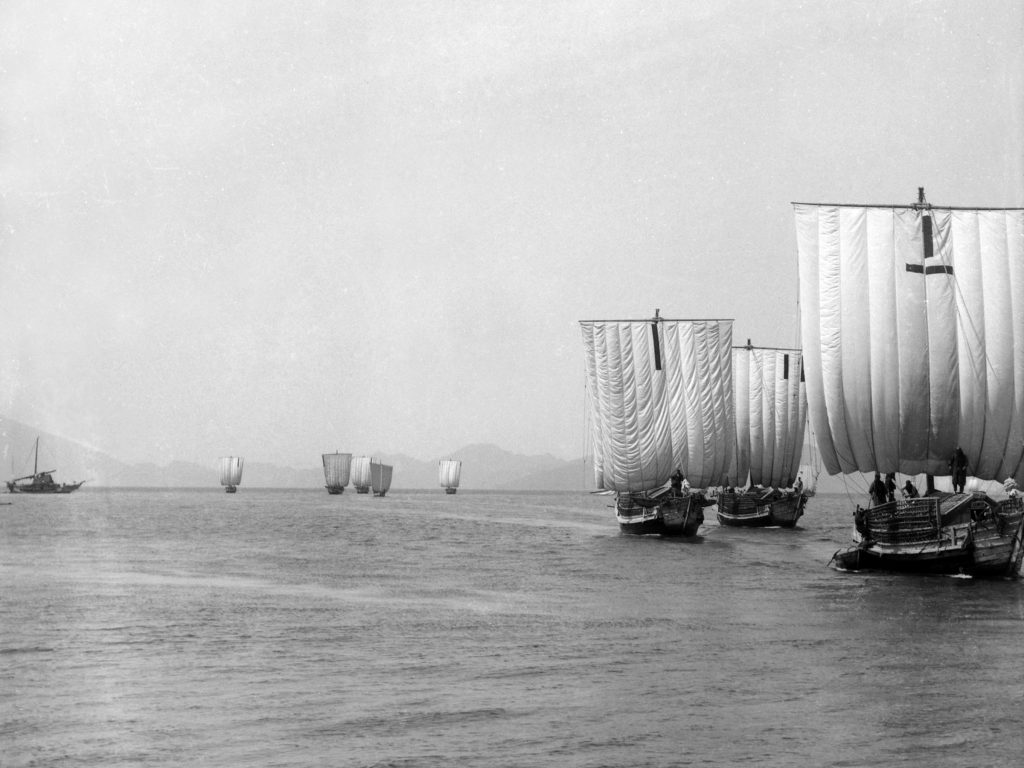
What makes them notable internationally is the route by which they arrived. Stylistically, Yatsuhashi ningyo descend from Kyoto’s Fushimi ningyo, the prototype for nearly every Japanese clay-doll lineage. The molds and motifs traveled north by sea on the Kitamae-bune trade ships, landing at Tsuchizaki — the harbor that fed the Satake clan’s castle town. The most classic subject is Tenjin, the deified scholar Sugawara no Michizane, traditionally given to boys as a prayer for learning and good health.
This guide is written for collectors of Japanese folk craft, parents and grandparents looking for a meaningful Tenjin or Hina figure, and readers who want to understand a near-vanished tradition before deciding whether to buy. We cover what the object is, where it comes from, how it compares to other regional dolls, the realistic purchase paths from outside Japan, and the caveats — because this line is now sustained by essentially a single revival workshop, and availability is genuinely thin.
🔄 Last updated: June 13, 2026
⏱️ Read time: ~10 min

- Who this is for — and who should skip it
- Product overview (from published specs)
- Where this comes from
- Price snapshot across stores
- What it does well
- Weaknesses and things to verify before buying
- Conclusion — which buyer type are you?
- Other ways to approach this purchase
- 🏆 Editor’s Pick
- ❓ Frequently Asked Questions
Who this is for — and who should skip it
- Collect Japanese folk dolls (kyōdo-gangu) and want a Tōhoku clay lineage, not another papier-mâché piece
- Want a Tenjin figure as a traditional gift marking a child’s schooling or a wish for health
- Value rarity and are comfortable with a piece from a near-extinct, single-workshop tradition
- Appreciate visible hand-work — slight asymmetry, brush marks, and color variation between pieces
- Are willing to buy from Japan via the Global Store or a proxy service
- Need guaranteed stock or fast US Prime delivery — supply here is intermittent
- Expect machine-perfect, identical, mass-produced figurines
- Want a low-cost decorative trinket; this is a heritage object, not a souvenir
- Cannot accept fragile fired earthenware that needs careful international packing
- Require a fixed, confirmed price before committing — listing prices here shift and can lapse
Product overview (from published specs)
The data available for this piece is thin. Only the Amazon JP listing snapshot was accessible at the time of writing; live pricing may have shifted since, and the producer name, current stock, and a single-product hero image should all be verified before purchase. The table below records what the listing and the craft tradition establish — nothing is inferred beyond that.
Akita Yatsuhashi Ningyo Clay Doll
学問の神様秋田八橋人形菅原道真縁起物男の子の守り神
通常7~8日以内に発送します。 · Sold by STORE楓 · ASIN B0H1BHRQGC
Price and availability as of 2026-08-31 02:30 JST. The Amazon listing at the time of purchase is authoritative. jpmono.com earns a commission on qualifying purchases at no extra cost to you.
| Attribute | Detail (per published listing / craft record) |
|---|---|
| Object | Yatsuhashi ningyo — hand-molded, hand-painted clay folk doll (tsuchi-ningyo, 土人形) |
| Typical subject | Tenjin (deified Sugawara no Michizane); also Hina dolls and engimono (縁起物, “auspicious”) figures |
| Material | Fired earthenware clay, hand-painted (not papier-mâché) |
| Origin | Yatsuhashi district, Akita City, Akita Prefecture, Tōhoku |
| Lineage | Stylistically descended from Kyoto Fushimi ningyo, via Kitamae-bune trade to Tsuchizaki port |
| Production status | Near-extinct; sustained by essentially a single revival workshop |
| Dimensions / weight | Unconfirmed — varies by subject and mold; check the listing before buying |
| ASIN (Amazon JP) | B0H1BHRQGC |
| Source | What it provides | Price |
|---|---|---|
| Amazon US (search) | Comparable Japanese folk dolls and clay figures from various makers | varies (USD) |
| Amazon JP Global Store | The specific sourced listing (ASIN B0H1BHRQGC) | Unconfirmed — check listing |
| Maker direct | Revival workshop in Akita City (Japanese-language, limited) | Unconfirmed — check maker site |
| Proxy services (Buyee / Tenso) | Forwarding for JP-only listings to international addresses | Item price + forwarding fee |
📖 Glossary — key terms
- Tsuchi-ningyo (土人形) — “clay doll.” Solid molded, fired earthenware painted by hand, as opposed to hariko (張子), the papier-mâché folk dolls made over a mold.
- Tenjin (天神) — the deified spirit of Sugawara no Michizane (845–903), a Heian-era scholar-official. Worshipped as the patron of learning and calligraphy; his figure was traditionally given to boys.
- Fushimi ningyo (伏見人形) — the Kyoto clay-doll tradition from the Fushimi district, regarded as the source of most regional clay-doll lineages across Japan.
- Kitamae-bune (北前船) — the Edo-period coastal trading ships that linked the Sea of Japan ports to Kamigata (the Kyoto–Osaka region), carrying goods, molds, and culture northward.
- Engimono (縁起物) — an “auspicious object,” made or given to invite good fortune, health, or success.
- Kyōdo-gangu (郷土玩具) — “local folk toys,” the broad category of regional handmade dolls and playthings to which Yatsuhashi ningyo belong.
Related folk-craft and regional pieces covered on jpmono — useful for placing Yatsuhashi ningyo within Tōhoku craft and Japan’s wider doll traditions.
Where this comes from

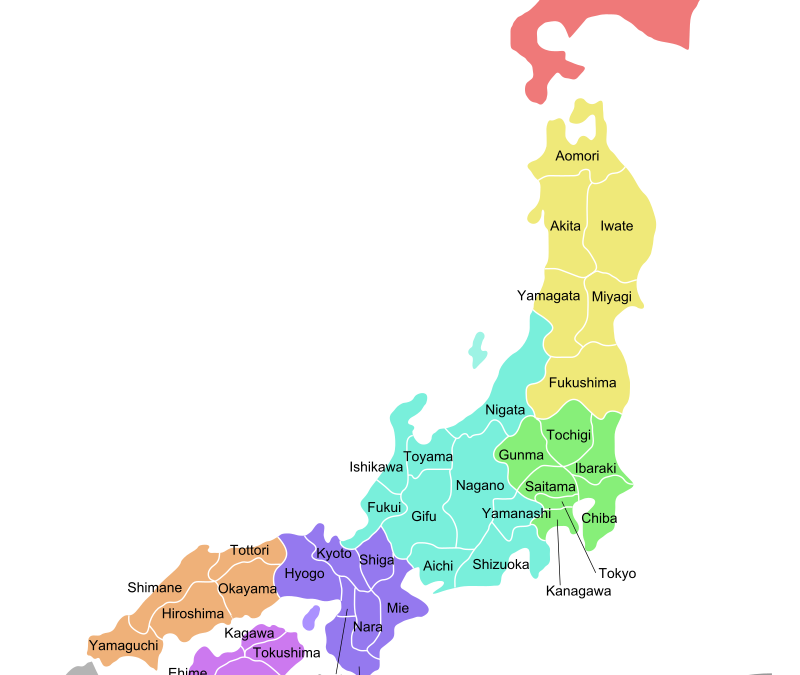
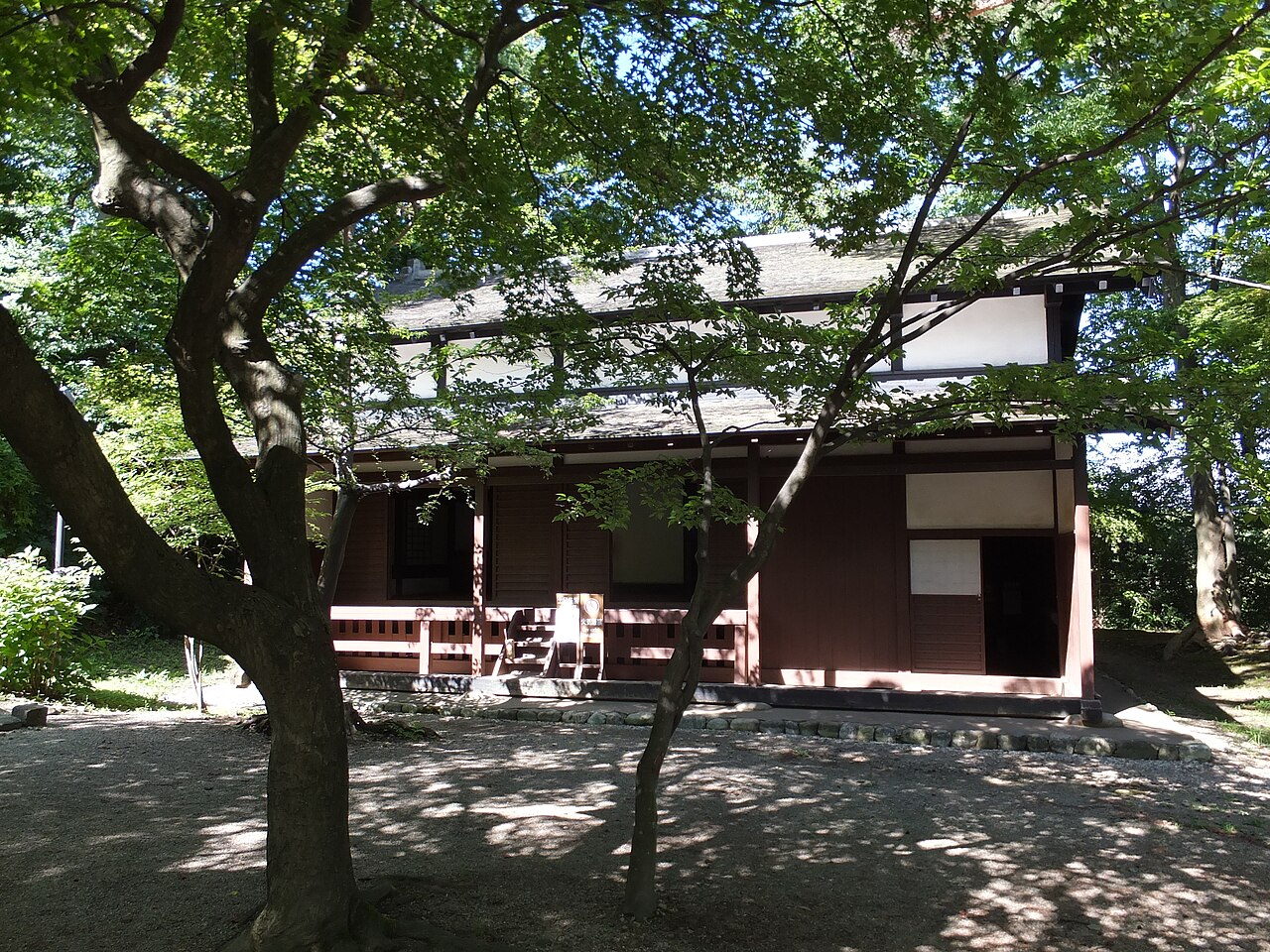
Akita sits on the Sea of Japan side of northern Tōhoku, the cold, heavy-snow region at the top of Honshū. The city grew up around Kubota Castle, the seat of the Satake clan, with the harbor of Tsuchizaki a short way north at the mouth of the Omono River. That harbor is the key to the whole story: it was a port of call on the Kitamae-bune sea route, the Edo-period shipping lane that connected the northern coast to the merchant cities of Kamigata — Kyoto and Osaka.
The Satake clan were transferred to Akita at the start of the seventeenth century and built their castle town here. A castle town meant a concentrated merchant economy, seasonal gift-giving, festivals, and a market for the small auspicious objects that ordinary households bought for their children — exactly the conditions in which a clay-doll workshop could take root.
The clay-doll craft itself was not invented in Akita. Its parent is Fushimi ningyo, the Kyoto tradition from the Fushimi district that is regarded as the ancestor of clay-doll making across Japan. Fushimi molds and painted styles spread along the trade routes, and on the northern run they came up by sea. Landing at Tsuchizaki, the Fushimi manner reached Akita and was reworked locally into what became Yatsuhashi ningyo, named for the Yatsuhashi district of the city where the kilns stood.
- 903 — Sugawara no Michizane dies in exile at Dazaifu; later venerated as Tenjin, patron deity of scholarship.
- 1602 — The Satake clan is transferred from Hitachi to Akita and begins building Kubota Castle.
- 17th–18th c. — The Kitamae-bune sea route links Tsuchizaki port to Kamigata, carrying goods and craft styles north.
- Edo period — Fushimi ningyo molds and painted styles reach Akita; Yatsuhashi clay-doll making takes root.
- Meiji–Shōwa — Workshops produce Tenjin, Hina, and engimono figures for local seasonal observances.
- Late 20th c. — Demand collapses; the tradition declines toward near-extinction as makers cease work.
- 2020s — The line is sustained by essentially a single revival workshop in Akita City; output and supply are limited.
The signature subject is Tenjin, the deified form of Sugawara no Michizane — the Heian-period scholar-official who died in exile in 903 and was later enshrined across Japan as the patron of learning and calligraphy. A Tenjin doll was traditionally placed in a boy’s room as a prayer that he would study well and grow up healthy. Alongside Tenjin, Yatsuhashi workshops made Hina dolls for the spring Doll Festival and a range of engimono figures tied to the seasonal calendar.
“A Fushimi mold rode the Kitamae ships north, came ashore at Tsuchizaki, and became Akita’s own — a Kyoto idea finished in Tōhoku hands.”
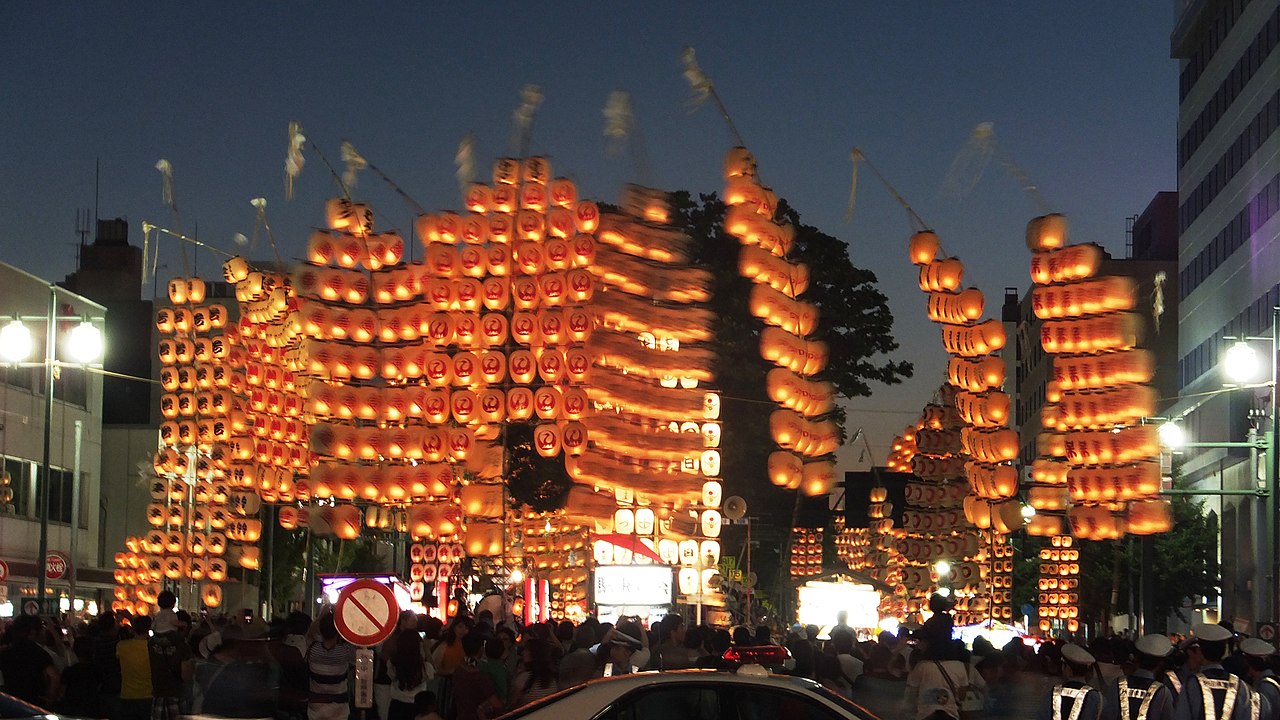
Akita is a region defined by its folk-ritual life — the Kantō pole-lantern festival of the city, and the Namahage straw deities of the nearby Oga Peninsula, who visit homes to admonish children and bless the household. Tenjin dolls belong to that same world of prayer-figures and protective belief. It is a culture in which a small painted clay figure was never merely decorative; it carried a wish.
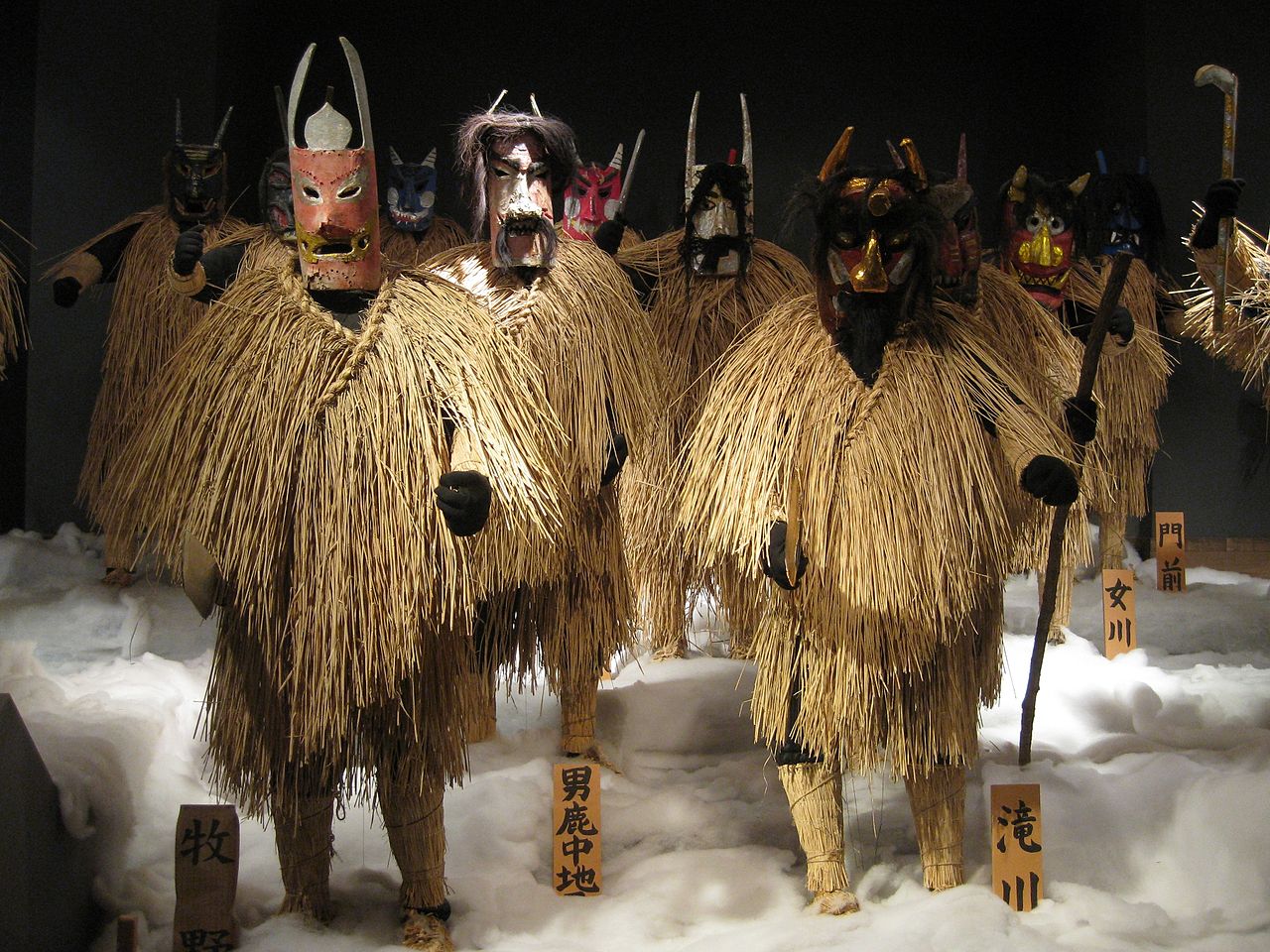
What “still being made” means here is unusually fragile. This is not a craft with ten workshops and an apprenticeship pipeline. The Yatsuhashi line came close to ending, and survives today because essentially one revival workshop kept the molds and the painting going. That rarity is the appeal and the risk in equal measure — every piece is genuinely scarce, and supply can lapse without notice.
Price snapshot across stores
JPY is the authoritative price for the specific listed item; any USD figure is an approximate estimate at a ¥150/USD baseline as of mid-2026. At the time of writing, a confirmed live price was not available from the data, so verify the current figure at the retailer before purchasing.
| Store | Item / variant | Price (JPY + USD est.) | Notes |
|---|---|---|---|
| 🇺🇸 Amazon US (search) | Browse Japanese folk & clay dolls | varies (USD) | Best if you’re shopping from the US — Prime shipping, USD pricing, no international customs. Amazon US carries Japanese folk dolls and clay figures from various makers; this exact Yatsuhashi piece is sourced from Japan (next row). |
| 🇯🇵 Amazon JP Global Store | Yatsuhashi ningyo (ASIN B0H1BHRQGC) | Unconfirmed — check listing | The specific sourced listing. Ships internationally from Japan to most major destinations via the Global Store. |
| Maker direct | Revival workshop, Akita City | Unconfirmed | Japanese-language only; output is limited and may be sold locally rather than shipped abroad. |
| Proxy services (Buyee / Tenso) | Forwarding for JP-only listings | Item price + forwarding fee | Useful when a listing does not ship internationally directly; adds a service fee and a second shipping leg. |
What it does well
Weaknesses and things to verify before buying
- Supply is intermittent. With essentially one workshop sustaining the line, stock can be sold out or the listing can lapse entirely. Do not count on it being available when you return.
- Price is unconfirmed in the available data. A live price was not retrievable at the time of writing; check the current figure on the listing before committing, and treat any USD figure as a rough estimate.
- Fragile fired earthenware. Clay dolls chip and crack. International shipping demands careful packing, and you should inspect on arrival.
- Producer and exact subject need verification. The maker name, the specific subject (Tenjin vs. Hina vs. engimono), dimensions, and the hero image should all be confirmed against the live listing before purchase.
- JP-sourced, limited international reach. The item is sourced from Japan; if the Global Store does not ship it to your country, you will need a proxy service, which adds cost and time.
- Not a uniform product. Color, finish, and pose vary between pieces. If you expect a catalog-identical figurine, this will disappoint.
Conclusion — which buyer type are you?
Other ways to approach this purchase
🏆 Editor’s Pick
❓ Frequently Asked Questions
What is a Yatsuhashi ningyo, exactly?
It is a hand-molded, hand-painted clay folk doll (tsuchi-ningyo) from the Yatsuhashi district of Akita City. It is fired earthenware, not papier-mâché, and is counted among the oldest doll traditions in the Tōhoku region.
Why is the most common figure a Tenjin?
Tenjin is the deified form of the scholar Sugawara no Michizane, worshipped as the patron of learning. A Tenjin doll was traditionally given to a boy as a prayer that he would study well and stay healthy, which made it a staple subject for the workshops.
How is it related to Kyoto’s Fushimi dolls?
Yatsuhashi ningyo descend stylistically from Fushimi ningyo, the Kyoto clay-doll tradition regarded as the ancestor of most Japanese clay-doll lineages. The molds and styles reached Akita by sea on the Kitamae-bune route, landing at Tsuchizaki port, and were then reworked locally.
Can I buy it from outside Japan?
Often yes, through the Amazon JP Global Store, which ships internationally to most major destinations from Japan. If a particular listing does not ship to your country, a proxy service such as Buyee or Tenso can forward it for an added fee. Amazon US carries comparable Japanese folk dolls if you prefer a domestic option.
Why is availability so limited?
The tradition declined toward near-extinction in the late twentieth century and is now sustained by essentially a single revival workshop. Output is small, so listings can sell out or lapse, and stock should not be assumed to be continuous.
How should I care for a clay doll like this?
Treat it as fragile painted earthenware: keep it dry, dust it gently, and avoid handling the painted surface. Because it can chip in transit, inspect it on arrival and keep the original packing if you ever move it.
jpmono.com is curated by a Japan-based editorial team (working out of Toyama in the Hokuriku region and Nara in Kansai) and is independent. We do not take payment from the makers we feature; income comes from affiliate links. We do not physically test every product — we read maker specifications and source listings — and we focus on items with verifiable craft heritage and clear international shipping paths.
This article was prepared with AI assistance and reviewed against the source listing and craft record before publication. Facts about the craft tradition draw on the project’s verified notes; product specifics should be confirmed on the live listing.
Affiliate disclosure: jpmono.com may earn a commission on qualifying purchases made through links on this page, at no additional cost to you.