![Kaga Yuzen Silk Handkerchief: Kanazawa’s Painterly Dyed Craft [2026]](https://jpmono.com/wp-content/uploads/2026/06/kaga-yuzen-silk-handkerchief-where-to-buy-2026-featured.jpg)
Kaga Yuzen (加賀友禅, “Kaga-style yuzen dyeing”) is the flagship hand-painted silk craft of Kanazawa, the old castle town of the Kaga domain on the Sea of Japan coast. Where many people first meet yuzen through the gold-leafed, embroidered kimono of Kyoto, the Kaga school went the other way: muted, painterly, and faithful to how a flower or a bird actually looks — down to the holes an insect has chewed in a leaf. A silk handkerchief is the smallest, most affordable doorway into that aesthetic.
The tradition is usually dated to around 1712, when the fan painter Miyazaki Yuzensai (宮崎友禅斎) relocated from Kyoto to Kanazawa and codified the local style under the patronage of the Maeda lords — the “million-koku” (百万石) clan whose domain was the wealthiest in Edo-period Japan. That wealth paid for the gardens, the tea culture, and the dyeing houses alike. Authentic hand-painted Kaga Yuzen remains, even now, largely a Japanese-market craft.
This guide is written for an international reader deciding whether a Kaga Yuzen silk handkerchief is worth importing, and how to read the listing honestly. We cover what the craft actually is, who it suits, where it comes from, how to buy it from outside Japan, and the caveats — pricing transparency, hand-work variation, and silk care — before you commit.
🔄 Updated: June 16, 2026
⏱️ Read time: ~9 min

- Who this is for — and who should skip it
- Product overview (from published specs)
- Price snapshot across stores
- 📦 Shipping & where to buy from outside Japan
- What it does well
- Weaknesses and things to verify before buying
- Conclusion — which buyer type are you?
- Other ways to approach this purchase
- 📍 Where this comes from — place, era, and the craft tradition
- 🏆 Editor’s Pick
- ❓ Frequently Asked Questions
Who this is for — and who should skip it
- Prefer muted, naturalistic design over flashy gold-and-embroidery kimono ornament
- Want an affordable, pocket-sized entry into a designated Japanese traditional craft
- Are shopping for a meaningful, lightweight gift that ships easily abroad
- Appreciate hand-painting and accept that each piece varies slightly
- Like the idea of owning a Maeda-era Kanazawa craft without buying a full kimono
- Want a heavy-duty everyday cotton handkerchief you can wash carelessly
- Expect bright Kyoto-style gold leaf and dense embroidery — that is a different craft
- Need guaranteed, fixed pricing before ordering (hand-work listings fluctuate)
- Are unwilling to hand-wash or dry-clean delicate silk
- Require a certificate of authenticity for resale or collection grading
Product overview (from published specs)
Based on the listing data available at the time of writing, this is a hand-dyed silk handkerchief executed in the Kaga Yuzen style and made in Kanazawa, Ishikawa. The fetched product feed returned the identifier but no structured price or dimension fields, so the table below marks unconfirmed specs plainly rather than guessing.
Kaga Yuzen Silk Handkerchief
加賀友禅 ハンカチ 水色 花柄
通常9~10日以内に発送します。 · Sold by 島山オンラインショップ · ASIN B0DJPLKVJL
Price and availability as of 2026-09-01 05:22 JST. The Amazon listing at the time of purchase is authoritative. jpmono.com earns a commission on qualifying purchases at no extra cost to you.
| Attribute | Detail | Source |
|---|---|---|
| Craft | Kaga Yuzen hand-dyed silk (designated traditional craft of Japan) | Maker direct / craft designation |
| Item type | Silk handkerchief (pocket-sized cloth) | Amazon JP Global Store listing |
| Material | Silk | Amazon JP Global Store listing |
| Palette | Kaga gosai — indigo, crimson, ochre, deep green, ancient purple | Craft tradition |
| Motif | Realistic bird-and-flower (kachō), with outward gradation (soto-bokashi) | Craft tradition |
| Origin | Kanazawa, Ishikawa Prefecture, Japan | Maker direct |
| Dimensions / weight | Unconfirmed — check the listing before buying | — |
| Item ID (ASIN) | B0DJPLKVJL | Amazon JP Global Store |
Data note: only the Amazon JP Global Store listing reference was available for this item; the fetched feed returned no structured price or dimensions, so live pricing and exact measurements may differ. Verify both at the listing before purchasing.
📖 Glossary — key Kaga Yuzen terms
Yuzen (友禅) — a resist-dyeing technique in which fine rice-paste lines keep colors from bleeding into one another, allowing painterly, multi-color designs on silk.
Kaga gosai (加賀五彩, “Kaga five colors”) — the restrained signature palette: indigo, crimson, ochre, deep green, and ancient purple. Muted rather than bright.
Soto-bokashi (外ぼかし, “outward shading”) — gradation that runs from dark at the outer edge of a motif to pale at the center, the reverse of Kyoto’s inward shading.
Mushikui (虫喰い, “insect-eaten”) — the deliberate rendering of insect-bitten leaves, a hallmark of Kaga realism: nature shown unidealized.
Kachō (花鳥, “flower-and-bird”) — the bird-and-flower genre that dominates Kaga Yuzen motifs.
Yuzen nagashi (友禅流し) — historically, the rinsing of freshly painted silk in a cold river current, famously the Asano River in Kanazawa.
Related jpmono guides — other Ishikawa crafts, the Kyoto yuzen sibling, and comparable silk textile pieces.
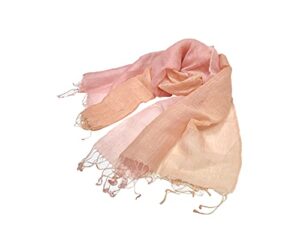
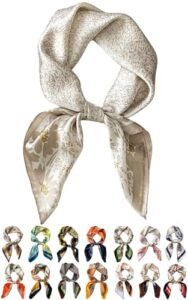
Price snapshot across stores
USD figures are approximate estimates at a ¥150/USD baseline as of mid-2026; the JPY price for the specific listed item is the authoritative one. At the time of writing the fetched feed returned no live price for this listing, so confirm at the retailer before ordering.
| Store | Item / Variant | Price (JPY + USD est.) | Notes |
|---|---|---|---|
| 🇺🇸 Amazon US (search) | Browse Japanese silk handkerchiefs & yuzen textiles | varies (USD) | Best if you are shopping from the US — Prime shipping, USD pricing, no international customs. Amazon US carries assorted Japanese silk scarves and handkerchiefs for comparison; the exact Kaga Yuzen piece is sourced from Japan (next row). |
| 🇯🇵 Amazon JP Global Store | Kaga Yuzen hand-dyed silk handkerchief (ASIN B0DJPLKVJL) | Price varies — confirm at listing (USD est. ≈ JPY × 0.0067) | The sourced listing for the specific item. Ships internationally from Japan to most major destinations. |
| Maker direct | Kanazawa Kaga Yuzen dyeing houses / craft cooperative shops | Varies by piece | Widest selection of hand-painted pieces; most do not ship abroad directly — a proxy may be needed. |
| Proxy services (Buyee / Tenso) | Forwarding from JP-only shops | Item price + forwarding fee + shipping | Use when a maker or shop sells only within Japan; adds a service fee and a second shipping leg. |
📦 Shipping & where to buy from outside Japan
The Amazon JP Global Store listing is the most reliable path for an international buyer: it lists the specific item and ships to most major destinations from Japan. Because a silk handkerchief is light and small, international shipping is typically at the lower end — roughly $15–$40 to the US or EU, and higher to other regions. Customs duties may apply once an order exceeds your country’s de-minimis threshold, so factor that in for higher-value pieces.
If you find a hand-painted piece only on a Kanazawa maker’s or cooperative’s Japan-only storefront, a proxy service such as Buyee or Tenso can forward it abroad for an added service fee and a second shipping leg. Prices in USD are approximate and depend on the current exchange rate.
What it does well
The Kaga gosai palette and realistic bird-and-flower motifs make it instantly distinct from generic printed silk.
Small, flat, and low-cost to ship — a meaningful present that crosses borders without fuss.
A handkerchief is the most affordable way to own Kaga Yuzen without buying a full kimono or obi.
Tied to Kanazawa, the Maeda lords, and a designated traditional craft — not anonymous mass production.
“Kyoto’s yuzen dazzles with gold; Kaga’s persuades with restraint — even the holes an insect chewed in a leaf are painted in.”
Weaknesses and things to verify before buying
- Price was not in the fetched data. Confirm the current price directly on the listing — hand-work pieces fluctuate and the feed returned no live figure here.
- Dimensions are unconfirmed. “Handkerchief” can range from a small pocket cloth to a larger scarf-like square; check the measurement before assuming a size.
- Silk needs gentle care. Expect hand-washing or dry-cleaning; this is not a wash-and-forget cotton handkerchief.
- Hand-painting varies. Each piece differs slightly from the catalog photo; that is the nature of the craft, not a defect, but it means the exact motif placement may not match.
- “Kaga Yuzen style” vs certified hand-painted. Some affordable items use the motif vocabulary without being fully hand-painted certified pieces. If certification matters to you, ask the seller.
- International shipping and customs add cost. Factor forwarding fees (if using a proxy) and possible duties into the real landed price.
Conclusion — which buyer type are you?
You want a certified, fully hand-painted Kaga Yuzen piece. Buy maker-direct or from a Kanazawa cooperative; use a proxy if needed.
You want the Kaga aesthetic in a usable, giftable handkerchief. The Amazon JP Global Store listing is your simplest path.
You like the look but want the lowest landed cost. Browse Japanese silk handkerchiefs on Amazon US first to compare before importing.
You want bright Kyoto gold-leaf ornament or a rugged everyday cloth. This restrained silk craft is not the right buy.
Other ways to approach this purchase
Seasonal Amazon sales can lower the landed cost; set a watch and compare against maker-direct pricing.
Kanazawa dyeing houses and craft cooperatives offer the widest hand-painted selection — pair with a proxy for shipping.
Amazon points or card rewards trim the effective price; useful on a gift you would buy anyway.
If you cannot commit to silk care or unconfirmed sizing, a printed cotton handkerchief may suit you better.
📍 Where this comes from — place, era, and the craft tradition

Kanazawa is the capital of Ishikawa Prefecture, on the Sea of Japan coast of the Hokuriku region in central Japan (Chūbu). It was the seat of the Kaga domain — the largest and wealthiest fief in Edo-period Japan, conventionally measured at “a million koku” (百万石) of rice. That wealth, concentrated under the Maeda lords, funded an unusually deep culture of crafts and the arts: gold leaf, lacquer, ceramics, tea, gardens, and dyeing all flourished side by side rather than in isolation.
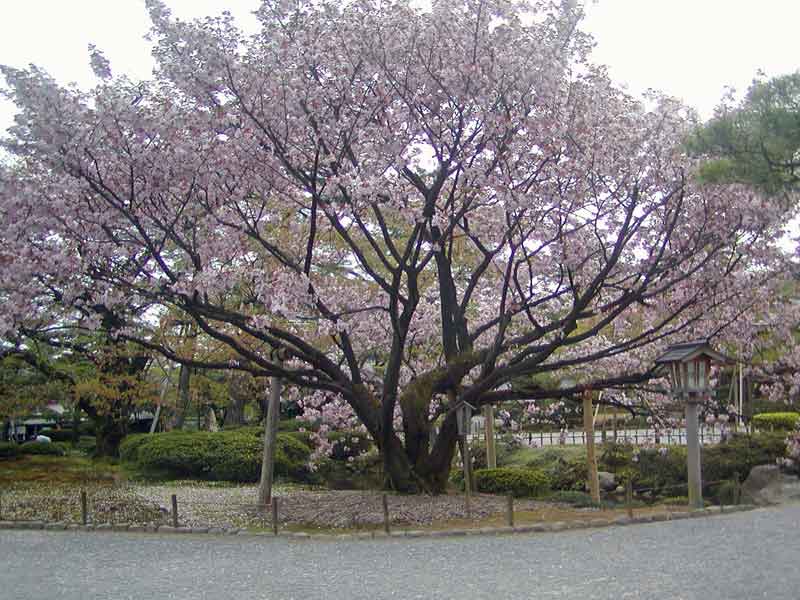
The dyeing tradition itself is usually anchored to around 1712, when the fan painter Miyazaki Yuzensai relocated from Kyoto to Kanazawa and codified the local style under Maeda patronage. The genealogy matters: yuzen began in Kyoto, but in Kanazawa it was deliberately turned away from Kyoto’s flashiness. Where Kyo-yuzen leans on gold leaf and dense embroidery, Kaga Yuzen committed to painted color alone — the muted Kaga gosai palette of indigo, crimson, ochre, deep green, and ancient purple, applied to realistic bird-and-flower motifs.
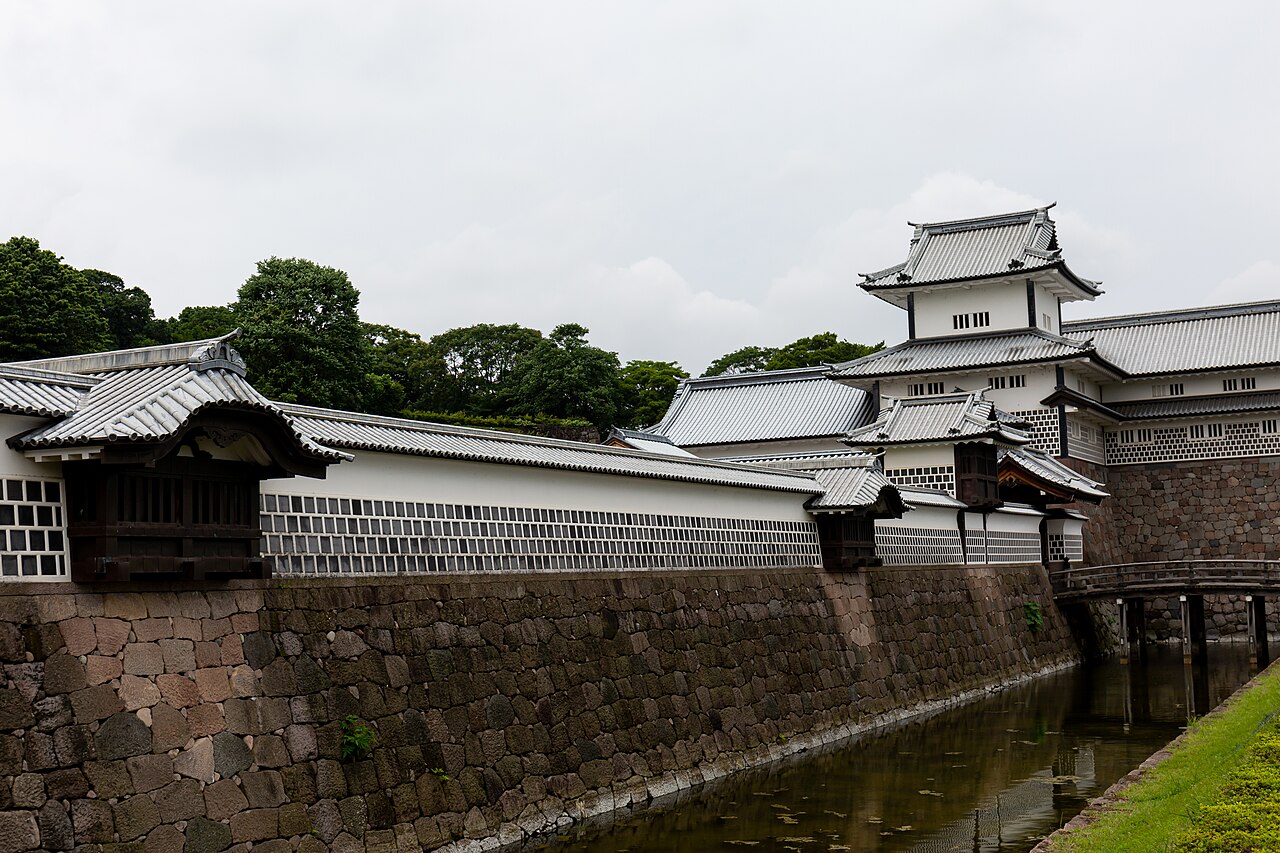
- Late 1500s — The Maeda clan establishes the Kaga domain centered on Kanazawa Castle.
- 1600s — Kaga becomes the wealthiest “million-koku” domain; the Maeda lords bankroll gardens, tea, and crafts.
- c. 1712 — Fan painter Miyazaki Yuzensai relocates from Kyoto to Kanazawa and codifies the Kaga style.
- Edo period — The Kaga gosai palette, soto-bokashi shading, and mushikui detail mature; “Yuzen nagashi” rinsing on the Asano River.
- Modern era — Kaga Yuzen is recognized as a designated traditional craft of Japan.
- 2026 — Hand-painted Kaga Yuzen is still produced in Kanazawa, largely for the Japanese market.
The defining details are technical, not decorative flourish. Soto-bokashi shades each motif from dark at the outer edge inward to a pale center — the reverse of Kyoto’s inward gradation. And the mushikui detail paints leaves as an insect actually left them, chewed and imperfect. Together they express a realism that prefers nature as found over nature idealized.
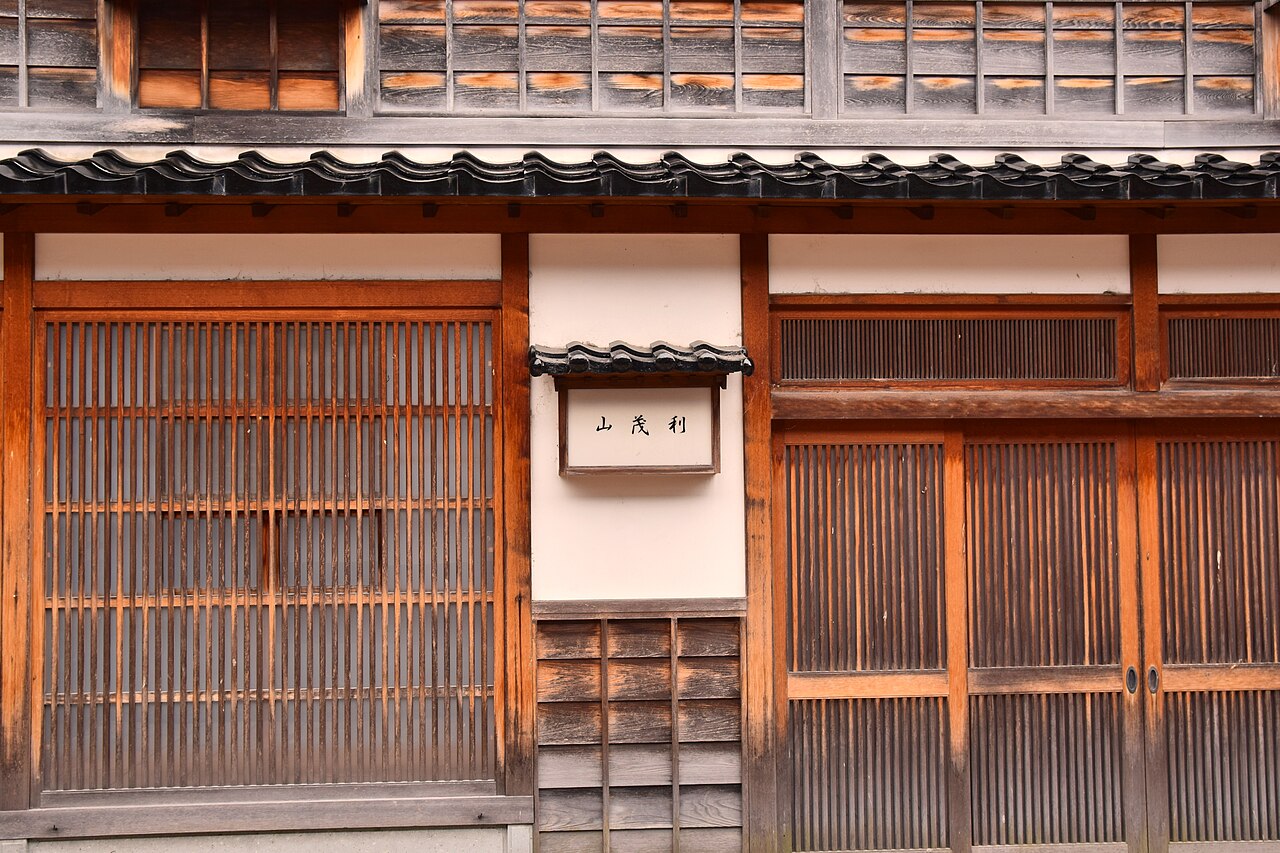
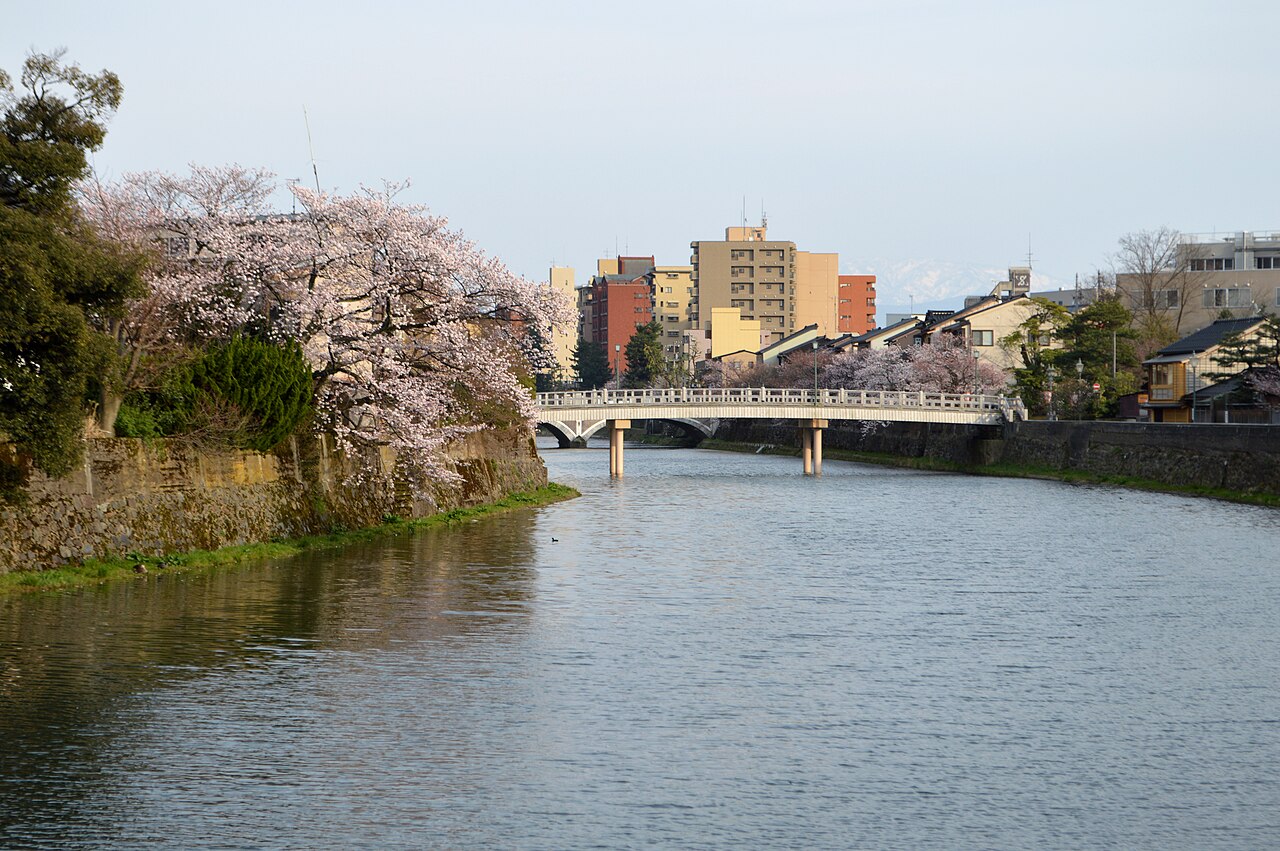
Kaga Yuzen is still part of living Kanazawa, not a museum relic. Its motifs belong to the same townscape that preserves the Higashi Chaya teahouse district, the Maeda gardens, and a continuing kimono culture. The handkerchief in this guide is that whole tradition shrunk to something you can keep in a pocket.
🏆 Editor’s Pick
❓ Frequently Asked Questions
What is the difference between Kaga Yuzen and Kyo-yuzen?
Does this item ship internationally?
How much does it cost?
How do I care for a Kaga Yuzen silk handkerchief?
Is it a good gift?
Is every piece hand-painted?
Why does the design differ slightly from the photo?
jpmono.com is curated by a Japan-based editorial team (working out of Toyama in the Hokuriku region and Nara in Kansai) and is independent. We do not take payment from the makers we feature; income comes from affiliate links. We do not physically test every product — we read maker specs and source listings.
Note: This article was prepared with AI assistance and reviewed against the available listing data. Facts about the craft are drawn from the provided data notes; specifications and pricing should be confirmed at the retailer before purchase.
Affiliate disclosure: jpmono.com may earn a commission on qualifying purchases made through links on this page, at no additional cost to you.