![Naruko Shikki Kijiro Lacquer Soup Bowl: Miyagi’s Hot-Spring Owan, Where to Buy [2026]](https://jpmono.com/wp-content/uploads/2026/05/japan-map-regions-and-prefectures-800x1050.png)
Naruko Shikki (鳴子漆器, “Naruko lacquerware”) is a hand-lacquered wooden bowl tradition from the Naruko Onsen hot-spring district of Osaki, in Miyagi Prefecture on Japan’s Pacific-facing Tōhoku coast. The piece covered here is an owan (お椀, “lidless soup bowl”) turned from keyaki (欅, “Japanese zelkova”) and finished in kijiro-nuri (木地呂塗) — a transparent urushi (漆, “lacquer”) coat that lets the figured wood grain glow through rather than hiding it under opaque color.
What makes Naruko Shikki interesting to an international reader is not exoticism but lineage. The craft grew out of a hot-spring economy: in the Kan’ei era of the 1620s the Date domain of Sendai sent lacquer artisans to study technique in the Kamigata region around Kyoto and Osaka, and the resulting workshops sold their bowls and trays as souvenirs to toji (湯治, “cure-bath”) guests who came to Naruko to soak for their health. A daily miso-soup bowl, in other words, with roughly four centuries of regional patronage behind it.
This guide is for readers considering a transparent-finish lacquer owan in their kitchen. It explains what kijiro-nuri does, how Naruko Shikki compares with other Japanese lacquer bowls, and the care realities of real urushi. The emphasis is on the craft, its finish, and practical use.
🔄 Last updated:
⏱️ Read time: ~12 min
Who this is for — and who should skip it
- Want a daily miso-soup or rice bowl that is warm to the touch and quiet in the hand
- Prefer visible wood grain over opaque color — kijiro-nuri is built to show keyaki figure
- Value a regional craft with documented continuity rather than mass-produced tableware
- Are comfortable hand-washing and keeping the bowl away from dishwashers and microwaves
- Like the idea of an object tied to one place — Naruko’s hot springs, gorge, and kokeshi
- Need dishwasher- and microwave-safe bowls for a busy household
- Want a fixed, confirmed price before buying — compare current offers before committing
- Expect a uniform factory finish; real urushi and natural grain vary piece to piece
- Are sensitive to urushi (lacquer) — fully cured urushi is inert, but uncured sap can irritate skin
- Prefer the cheapest possible bowl; hand-lacquered keyaki sits above synthetic-coated wares
Product overview (from published specs)
Naruko shikki bowls are shaped and finished according to the maker’s practice. The table below separates characteristics of the craft from details that vary by piece; fields not established by the craft description are left unconfirmed.
| Attribute | Detail | Source |
|---|---|---|
| Craft | Naruko Shikki (鳴子漆器), designated traditional craft of Miyagi | Maker tradition |
| Form | Owan (soup / rice bowl), lidless | Product information |
| Body wood | Keyaki (zelkova), turned | Product information |
| Finish | Kijiro-nuri (transparent urushi over bare grain); ryumon-nuri marbled finish also traditional to the line | Maker tradition |
| Origin | Naruko Onsen, Osaki, Miyagi Prefecture, Tōhoku | Data notes |
| Dimensions / capacity | Varies by piece | — |
| Weight | Varies by piece | — |
| Price | Not confirmed | — |
Dimensions, finish, and care instructions can differ between bowls, so confirm them with the maker or retailer before purchase.
📖 Glossary — key terms
- Urushi (漆) — natural lacquer, the refined sap of the lacquer tree. Cures into a hard, water-resistant film. Inert once fully cured; raw sap can irritate skin.
- Owan (お椀) — a lidless wooden bowl for soup or rice, distinct from a lidded wan used in formal meals.
- Keyaki (欅) — Japanese zelkova, a hard, strongly figured hardwood prized for turned and joined work.
- Kijiro-nuri (木地呂塗) — “wood-ground transparent lacquering”: a clear-toned urushi applied so the underlying grain reads through.
- Ryumon-nuri (龍文塗) — a marbled, mottled lacquer finish traditional to Naruko, named for its dragon-like pattern.
- Toji (湯治) — an extended hot-spring “cure-bath” stay; the souvenir trade for toji guests seeded Naruko’s lacquer industry.
- Kokeshi (こけし) — turned wooden dolls; Naruko is one of Tōhoku’s principal kokeshi districts.
- Date domain (伊達藩) — the Sendai-based domain ruled by the Date family, patron of the craftsmen who carried Kamigata lacquer technique north.
Related jpmono guides — other lacquer bowls and other Miyagi / Tōhoku crafts to weigh against this owan.
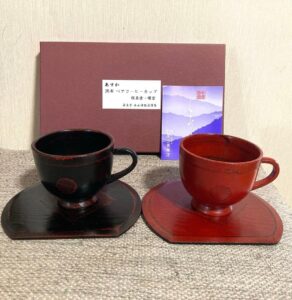 ☕ Honyama Kiso lacquer cups
🍵 Yakumo-nuri tea caddy
🍶 Wajima sakazuki pair
⚙️ Sendai Tansu iron trivet (Miyagi)
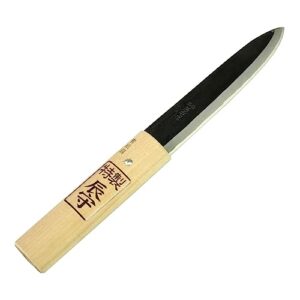 🔪 Sendai kiritsuke knife (Miyagi)
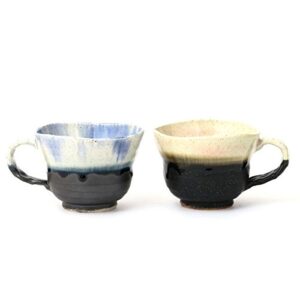 🏺 Tsutsumi-yaki tumbler (Miyagi)
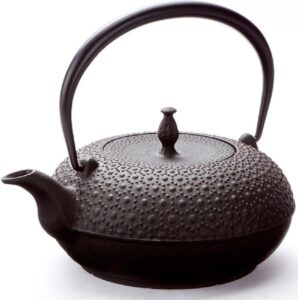 🫖 Nambu Tetsubin (Tōhoku)
Where to buy
Prices for Naruko shikki bowls vary with the wood, urushi finish, size, and handwork. Any USD conversion is approximate and changes with exchange rates.
| Store | Item / Variant | Price (JPY + USD est.) | Notes |
|---|---|---|---|
| 🇺🇸 Amazon.com (US) | Browse Japanese lacquer soup bowls & owan | varies (USD) | Best if you are shopping from the US — Prime shipping, USD pricing, no international customs. Amazon US carries Japanese lacquer and keyaki tableware from various makers, useful for comparing forms and price tiers; this Naruko Shikki piece itself is sourced from Japan (next row). |
| 🇯🇵 Amazon JP Global Store | Naruko Shikki kijiro keyaki owan | — | Where this specific item is sourced. Ships internationally from Japan to most major destinations; confirm shipping and price at checkout. |
| Maker direct | Naruko Onsen lacquer workshops / cooperative | Varies | Workshop and onsen-town storefronts may carry kijiro-nuri and ryumon-nuri pieces; international shipping is not guaranteed. |
| Proxy services (Buyee / Tenso) | Forwarding from Japan-only stores | Item price + proxy fee + forwarding | Useful when a workshop or JP marketplace will not ship abroad directly; adds a service fee and an extra leg of transit. |
What it does well
Kijiro-nuri is engineered to reveal, not conceal. The transparent urushi deepens with age, so the keyaki figure reads more clearly over years of use.
A turned wooden owan stays comfortable to hold with hot soup inside — lacquered wood insulates far better than ceramic or metal.
A documented Date-domain origin and a hot-spring souvenir economy give the bowl a concrete provenance, not generic “artisan” marketing.
Real urushi can be re-coated. A worn or scratched lacquer bowl can be refreshed by a lacquerer rather than discarded — unlike synthetic-coated ware.
“Kijiro-nuri is the rare finish that asks the urushi to step aside — the lacquer is there to protect the keyaki and let its grain do the talking.”
Weaknesses and things to verify before buying
- No confirmed price. Check the current offer before committing.
- Dimensions and weight vary by piece. Confirm they suit your intended use.
- Not dishwasher- or microwave-safe. Real urushi over wood requires hand-washing with mild soap, prompt drying, and no soaking, heat, or abrasive scrubbing.
- Natural variation. Each piece’s grain and lacquer tone differ, so the bowl you receive will not look identical to a product photo.
- Urushi sensitivity. Fully cured urushi is inert and food-safe, but a small number of people react to lacquer. Newly finished pieces may carry a faint urushi scent that fades.
- International shipping and customs. Buying via the JP Global Store or a proxy adds shipping cost (commonly about $15–$40 to the US/EU on small items) and possible import duty above your local threshold.
Where this comes from

Miyagi Prefecture sits on the Pacific coast of the Tōhoku region, the broad northern third of Japan’s main island of Honshū. Its modern center is Sendai, the largest city in the north. Naruko Onsen lies inland and to the northwest, up in the volcanic uplands of Osaki, where hot springs and hardwood forests sit side by side — the two raw ingredients, as it happens, of a lacquerware town: timber to turn and a steady stream of bathing visitors to sell to.
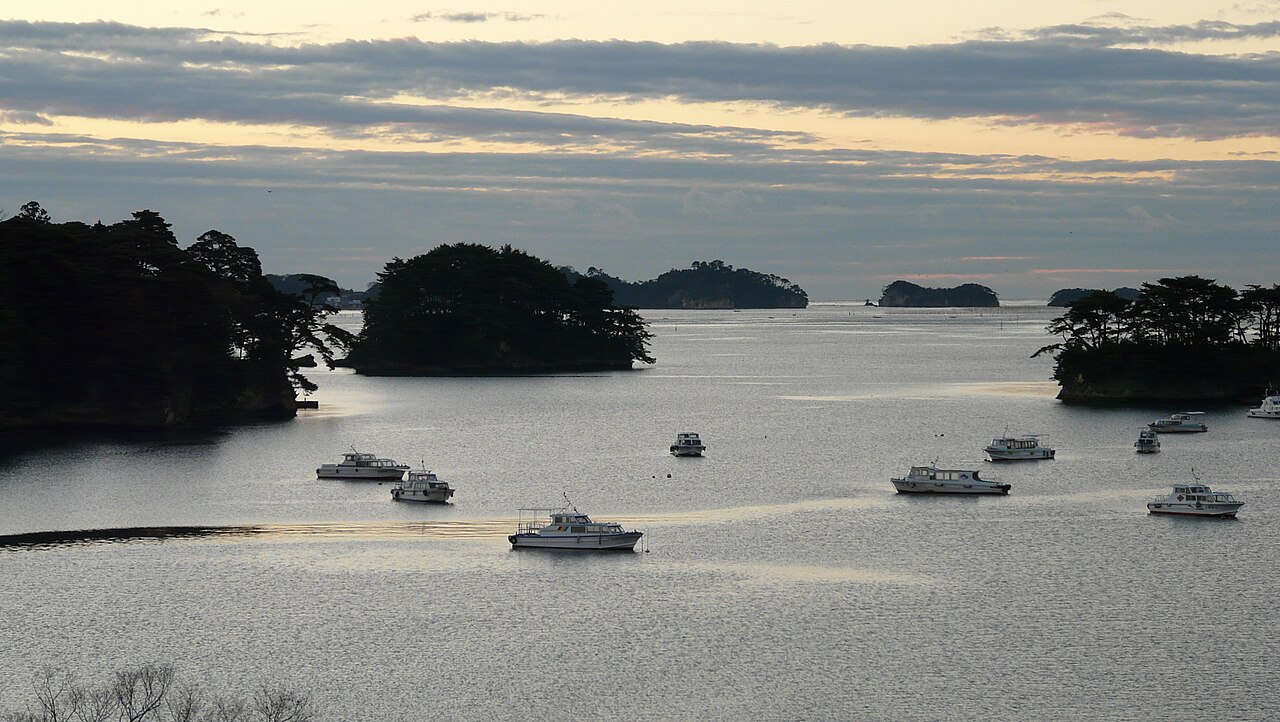
The historical anchor is the Date domain. From the early Edo period the Date family ruled this region from Sendai, and their patronage shaped much of Miyagi’s craft economy. In the Kan’ei era — the 1620s — the domain dispatched lacquer artisans to the Kamigata region around Kyoto and Osaka to study technique, then brought that knowledge north. Naruko’s lacquerware grew from that transfer, maturing over the Edo period as a souvenir trade for toji guests: visitors who came to soak in the hot springs for weeks at a time and carried home a bowl or tray as a memento.
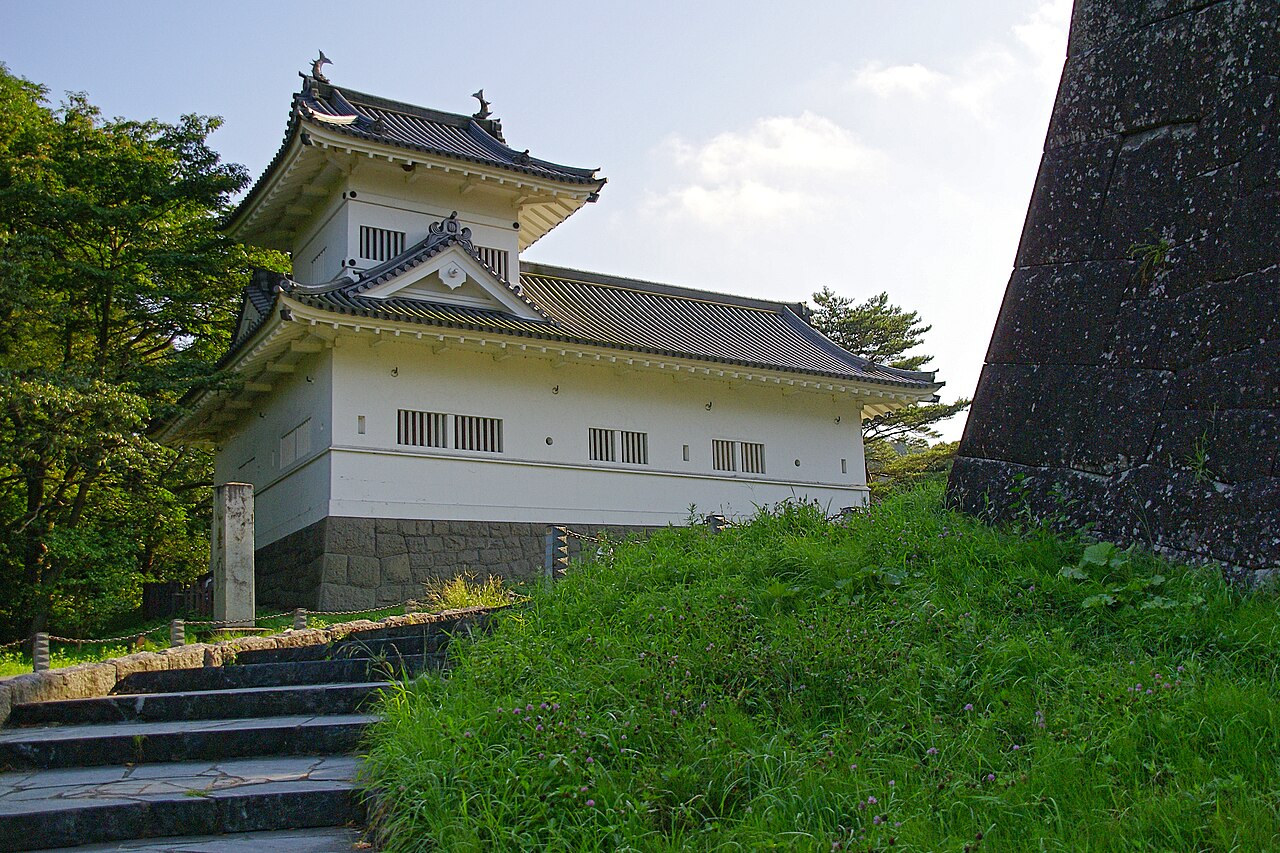
- 1603 — The Edo period begins; domain-level peace lets regional craft economies develop.
- 1620s (Kan’ei era) — The Date domain of Sendai dispatches lacquer artisans to the Kamigata region to study technique.
- Edo period — Naruko Onsen’s toji (cure-bath) souvenir trade grows the lacquerware into a local industry.
- 19th century — Naruko also rises as one of Tōhoku’s principal kokeshi-doll districts, sharing woodturning roots with the bowls.
- 20th century — Kijiro-nuri (transparent grain finish) and ryumon-nuri (marbled finish) settle in as the line’s signatures.
- Modern era — Naruko Shikki is recognized as a designated traditional craft of Miyagi Prefecture.
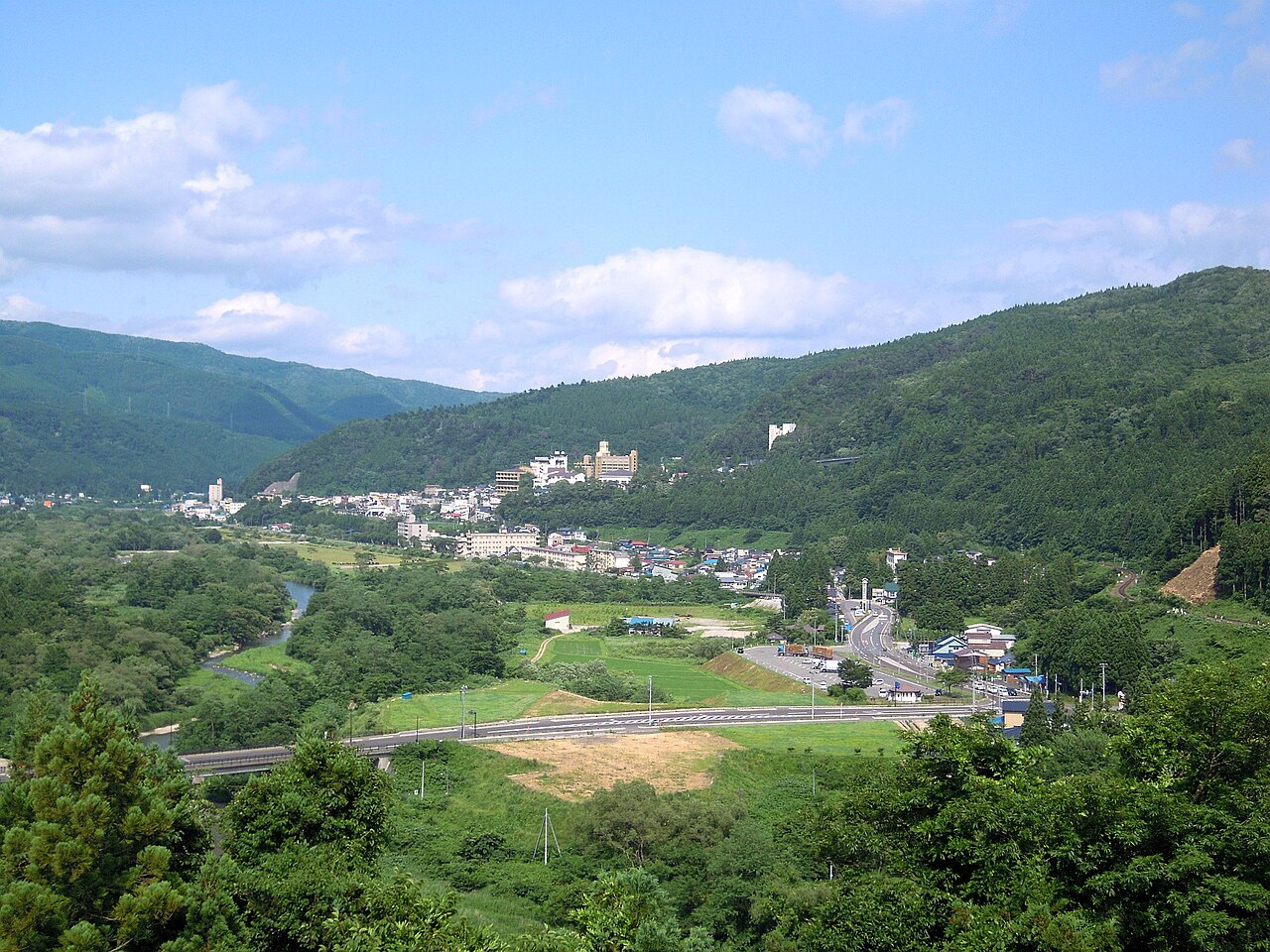
What “still made here” means in Naruko is a tight loop of three crafts in one valley. The gorge supplies hardwoods — keyaki among them — that turners shape into bowls; lacquerers finish those bodies in kijiro-nuri or the marbled ryumon-nuri; and the same woodturning skill base feeds Naruko’s famous kokeshi dolls. The hot springs that first created the customer base are still the town’s anchor, which keeps the souvenir-and-workshop economy intact rather than purely industrial.
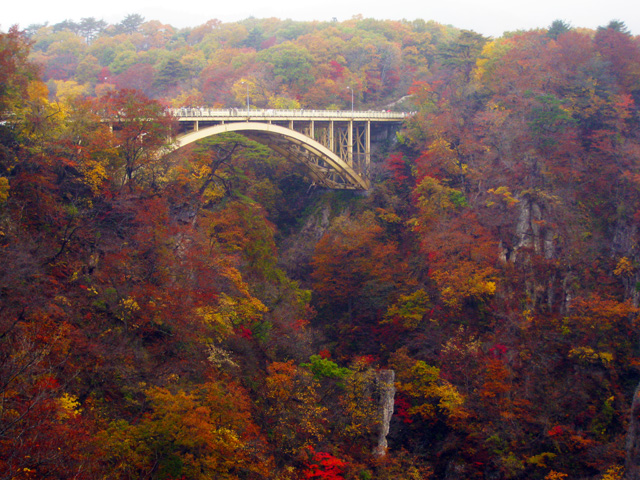
For an everyday object, that is an unusually complete sense of place: a bowl whose wood, finish, and reason for existing all trace to the same hot-spring valley in the Miyagi uplands.
Conclusion — which buyer type are you?
You want documented craft and visible keyaki grain, and will hand-wash gladly. Buy the kijiro-nuri owan and treat it as a daily heirloom.
For a lacquer owan, choose a size that suits your table and intended use, and plan on gentle hand-washing to protect the urushi finish.
You want the warm-wood feel for less. Compare entry lacquer bowls on Amazon US first; real urushi keyaki will sit above synthetic ware.
You need dishwasher- and microwave-safe bowls or have urushi sensitivity. This is not the right bowl for your kitchen.
Other ways to approach this purchase
Lacquerware availability and prices can change around gifting seasons, so allow time to compare makers and finishes.
Lacquer can be re-coated. A used Naruko bowl in sound condition can be refreshed by a lacquerer rather than bought new.
If you already use Amazon points or card rewards, applying them via the JP Global Store can offset international shipping.
If hand-washing is a dealbreaker, choose another tableware material; urushi lacquer is best treated gently and kept away from harsh cleaning.
❓ Frequently Asked Questions
Can a Naruko Shikki lacquer bowl go in the dishwasher or microwave?
No. Real urushi over wood should be hand-washed with mild soap, dried promptly, and kept away from dishwashers, microwaves, prolonged soaking, and abrasive scrubbing.
What is kijiro-nuri, and how is it different from a colored lacquer finish?
Kijiro-nuri is a transparent urushi finish applied so the underlying keyaki grain reads through, rather than being hidden under opaque red or black lacquer. Naruko also uses a marbled finish called ryumon-nuri.
Does Amazon JP ship this bowl internationally?
For international use, lacquerware should be packed carefully and protected from extreme heat, cold, and rough handling; customs or import charges may also apply by destination.
Is urushi lacquer safe for food, and can it cause a reaction?
Fully cured urushi is inert and food-safe. A small number of people are sensitive to lacquer, and a newly finished piece may have a faint urushi scent that fades. If you have a known lacquer sensitivity, lacquerware of this kind may not suit you.
Why is the price not shown in this guide?
How does Naruko Shikki compare to other Japanese lacquer bowls?
Naruko’s kijiro-nuri shares the transparent-grain approach with crafts like Gohara’s mulberry bowls, while finishes such as Wajima-nuri or Yakumo-nuri take different directions. The comparison box above links several jpmono guides for side-by-side context.
jpmono.com is curated by a Japan-based editorial team (working out of Toyama in the Hokuriku region and Nara in Kansai) and is independent. We do not take payment from the makers we feature; we rely on maker specifications and craft references rather than physically testing every product.
This article was prepared with AI assistance and reviewed against craft references. Care guidance and price ranges can vary by maker and should be treated as general guidance.
Affiliate disclosure: jpmono.com may earn a commission on qualifying purchases made through links on this page, at no additional cost to you.