![Akita Hachijo Silk Eyeglass Case: Plant-Dyed Kariyasu Silk [2026]](https://jpmono.com/wp-content/uploads/2026/05/japan-map-regions-and-prefectures-800x1050.png)
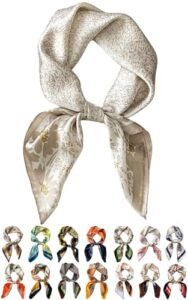
Akita Hachijo (秋田八丈, “Akita’s Hachijo silk”) is a plant-dyed flat-woven silk from the old Kubota domain in northern Tōhoku, and this is one of its quietest, most usable forms: a slim eyeglass case (megane-ire, 眼鏡入れ) wrapped in cloth whose colors come not from chemicals but from grasses and bark. The luminous golden-yellow is kariyasu (刈安, a wild grass dye); the deep reddish-brown comes from tree bark. Woven as plain hira-ori (平織, flat weave) silk, the cloth has the dry, faintly crisp hand that hand-dyed silk keeps when no synthetic finish is added.
What makes this notable to an international reader is its rarity. Akita Hachijo shares a lineage with the famous ki-hachijo of Hachijō-jima island far to the south, but it evolved into a distinct northern variant under the patronage of the Satake clan, who ruled the Akita region from 1602. It is recognized by Japan’s Ministry of Economy, Trade and Industry (METI) as a traditional craft, and today it is woven by only a handful of surviving ateliers — making it one of Tōhoku’s rarest silks, and an eyeglass case made from it a genuinely small-batch object rather than a mass-market accessory.
This guide helps readers decide whether a plant-dyed Japanese silk case is worth sourcing from Japan. It explains the cloth, its Akita origin, why the material matters, how to buy it from outside Japan, and how it compares with other Tōhoku and northern-Japan textiles we have reviewed.
🔄 Last updated: June 20, 2026
⏱️ Read time: ~9 min
Who this is for — and who should skip it
- Want a natural-dyed silk object you can actually carry every day, not display in a case
- Value provenance — a METI-recognized craft from a named region with a documented history
- Prefer the muted, living color of plant dyes (kariyasu yellow, bark brown) over saturated synthetics
- Are buying a meaningful, compact gift that ships well internationally
- Already own or appreciate other Tōhoku textiles and want to extend the collection
- Need a rigid, drop-proof hard case for sports or travel — this is a soft fabric sleeve
- Want a precise color match; plant dyes vary between lots and shift gently with age
- Expect Prime-style domestic pricing — a small-batch silk craft carries a craft price
- Are unwilling to wait for international shipping from Japan
- Want machine-washable, low-maintenance materials (natural-dyed silk needs care)
Product overview (from published specs)
The table below summarizes the published craft details and marks information that is not established here rather than guessing.
| Source | Item | Price (authoritative: JPY) | Notes |
|---|---|---|---|
| 🇺🇸 Amazon US (search) | Browse Japanese plant-dyed silk goods | varies (USD) | Comparable Japanese silk accessories; the exact Akita Hachijo piece ships from Japan (next row) |
| Maker direct | Akita Hachijo atelier (handful remaining) | Unconfirmed — check maker site | Small-batch; availability limited to surviving workshops |
| Proxy services (Buyee / Tenso) | Forwarding for Japan-only orders | Item price + forwarding fee | Useful if a seller does not ship abroad directly |
Material: plant-dyed silk (hira-ori plain weave). Origin: Akita Prefecture, Tōhoku. Recognition: METI traditional craft. Designer / atelier: small-batch workshop. The dyes are described as coming from kariyasu grass (yellow) and tree bark (reddish-brown).
📖 Glossary — Japanese craft terms used here
- Akita Hachijo (秋田八丈) — plant-dyed silk of the Akita region, a northern relative of Hachijō-jima’s ki-hachijo.
- ki-hachijo (黄八丈) — the “yellow Hachijo” silk of Hachijō-jima island, the southern parent tradition.
- kariyasu (刈安) — a wild grass yielding a luminous golden-yellow natural dye.
- hira-ori (平織) — plain weave, the simplest over-under interlacing of warp and weft.
- megane-ire (眼鏡入れ) — an eyeglass case or sleeve.
- kusaki-zome (草木染) — dyeing with plants (grasses, bark, roots) rather than synthetic colorants.
- Satake (佐竹) — the clan that ruled the Akita (Kubota) domain from 1602, patrons of the local dyeing trade.
- METI — Japan’s Ministry of Economy, Trade and Industry, which designates official traditional crafts.
Related Japanese-textile and Akita-region articles on jpmono.com:
Where this comes from

Akita Prefecture sits on the Sea of Japan side of northern Honshū, in the Tōhoku region. It is a land of deep winters, river valleys, and three of Japan’s most famous cedar forests, and that inland geography matters here: the grasses and barks used to dye Akita Hachijo grew within reach of the castle town. Where coastal craft traditions often trace to ports and trade, this one traces to fields and woodland — kariyasu grass for yellow, tree bark for the reddish-brown.
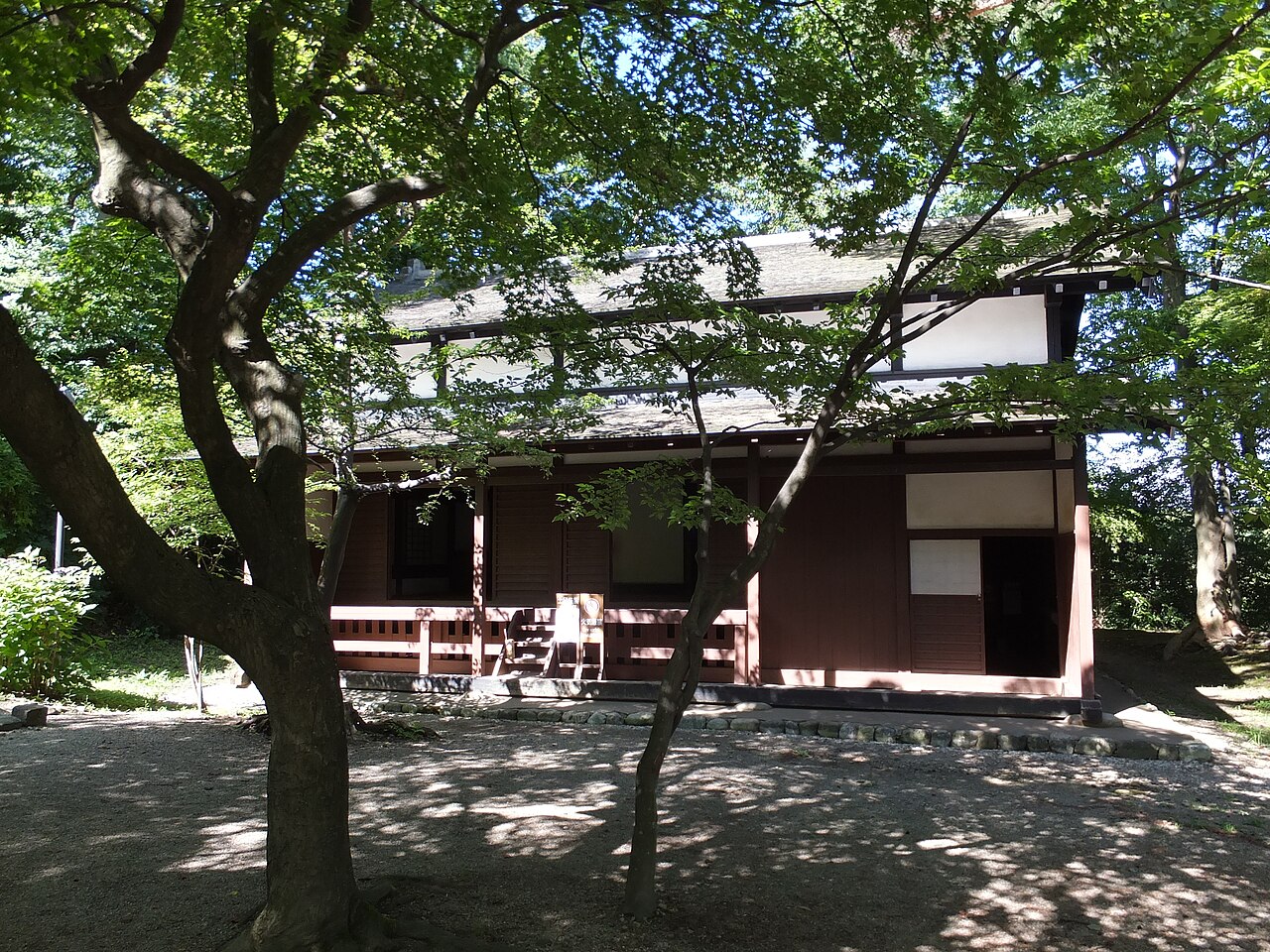
The historical anchor is the Satake clan. In 1602, in the great reshuffling of domains that followed the Battle of Sekigahara, the Satake were transferred from Hitachi (the Mito area, near present-day Ibaraki) north to Akita, where they established the Kubota domain and built Kubota Castle. Under their long rule, the castle town of Kubota — today’s Akita City — accumulated the dyeing and weaving knowledge that would become Akita Hachijo.
- 1602 — The Satake clan is transferred from Hitachi to Akita and founds the Kubota domain.
- 17th c. — Kubota Castle and its castle town develop; dyeing and weaving take root under domain patronage.
- Edo period — Plant-dyed silk in the Hachijo lineage develops into a distinct northern Akita variant.
- Meiji onward — Production continues even as synthetic dyes spread nationally; Akita Hachijo keeps to plant dyes.
- Modern era — Recognized by METI as a traditional craft.
- 2026 — Woven by only a handful of surviving ateliers, among Tōhoku’s rarest silks.
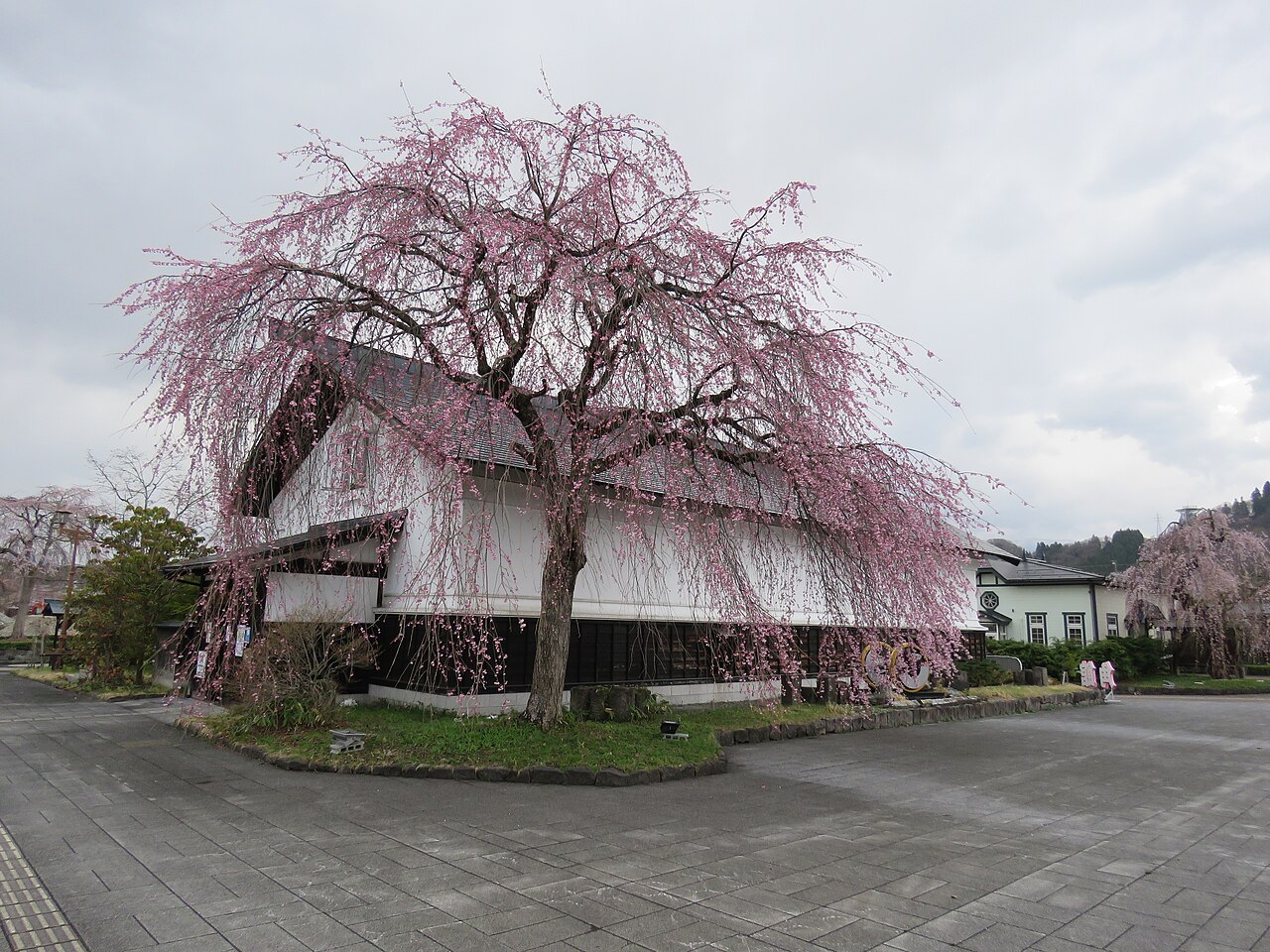
The continuity case is also the cautionary one. Akita Hachijo is not a craft that scaled up; it narrowed. Where many regional textiles industrialized, this one stayed tied to hand dyeing with local plants, and the number of active workshops has dwindled to a few. That scarcity is exactly why an everyday object like an eyeglass case carries weight — each piece represents a thread of an unbroken, and increasingly thin, line.
“The yellow does not come from a dye bottle. It comes from a grass called kariyasu, cut, boiled, and set onto silk by hand — which is why no two lots are exactly the same color.”
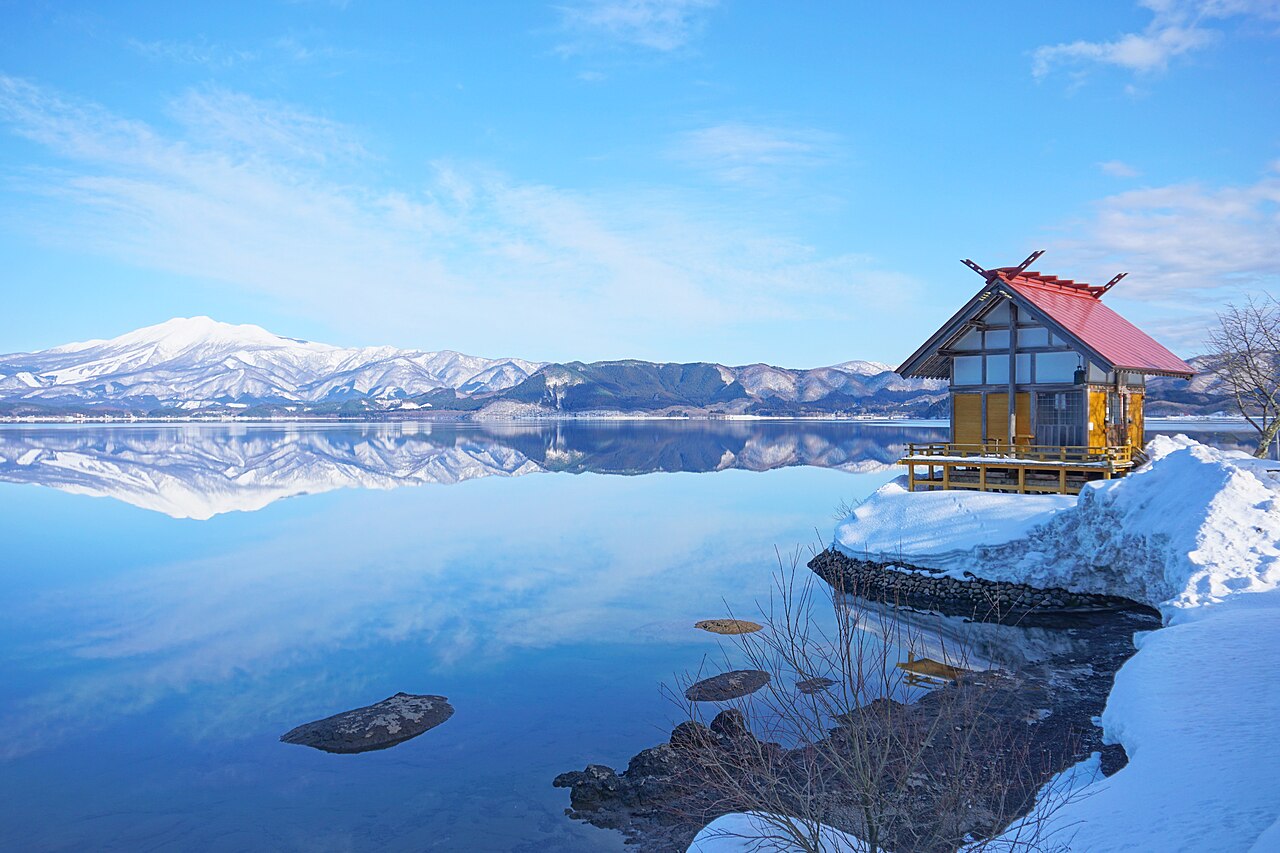
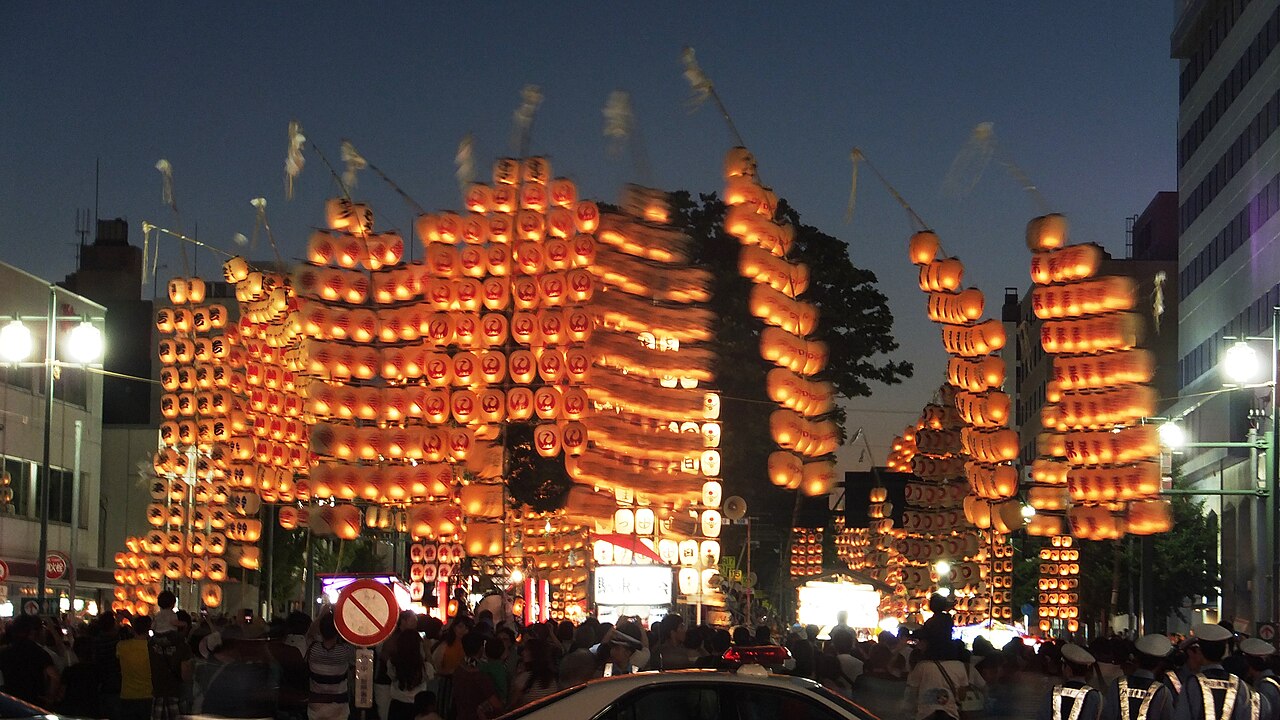
Culturally, Akita is a prefecture of strong seasonal ritual — most famously the Kantō lantern festival of high summer, when performers balance long bamboo poles hung with dozens of paper lanterns. These festivals are the public face of the same Edo-era castle-town prosperity that supported weavers and dyers behind the scenes. An Akita Hachijo case is a small, portable piece of that quieter craft economy.
Buying options compared
This guide focuses on the craft and purchase paths rather than quoting a current price. JPY is the standard currency; any USD figures, where shown, are approximate at a ¥150/USD baseline as of mid-2026.
| Store | Item / variant | Price (JPY authoritative) | Notes |
|---|---|---|---|
| 🇺🇸 Amazon.com (US) | Browse Japanese plant-dyed silk goods | varies (USD) | Best if you are shopping from the US — Prime shipping, USD pricing, no customs. Amazon US carries comparable Japanese silk pouches and accessories; the exact Akita Hachijo case is sourced from Japan (next row). |
| 🇯🇵 Amazon JP Global Store | Akita Hachijo silk eyeglass case | Check current availability | Ships internationally from Japan to most major destinations. |
| Maker direct | Akita Hachijo atelier | Unconfirmed — check maker site | Surviving workshops are few; direct stock is limited and may be Japan-only. |
| Proxy services (Buyee / Tenso) | Forwarding for JP-only sellers | Item price + forwarding fee | Use if a Japanese seller does not ship abroad directly; adds a handling and re-forwarding cost. |
Prices in USD are approximate and depend on the current exchange rate. This guide does not assert a figure where no current figure is established.
What it does well
Weaknesses and things to verify before buying
- Color varies by lot. Plant dyes are not standardized, so the exact shade may differ from any photo, and tones shift gently over years.
- Soft case, not a hard shell. This is a fabric sleeve; it will not protect glasses from crushing or a fall the way a rigid case would.
- Care requirements. Natural-dyed silk is not machine-washable; expect spot care and protection from prolonged direct sunlight to limit fading.
- Limited supply. With only a handful of ateliers left, stock can lapse.
- International shipping and customs. Buying from Japan adds shipping time and possible duties above your local threshold; budget for both.
- Fit is unstated. Confirm the case dimensions against your frames — large or wraparound glasses may not fit a slim sleeve.
Conclusion — which buyer type are you?
Other ways to approach this purchase
❓ Frequently Asked Questions
What exactly is Akita Hachijo silk?
It is a plant-dyed silk from the Akita region of Tōhoku, woven as plain hira-ori. Its colors come from natural dyes — kariyasu grass for golden-yellow and tree bark for reddish-brown. It shares a lineage with Hachijō-jima’s ki-hachijo but developed into a distinct northern variant under the Satake domain.
Does it ship internationally?
The Amazon JP Global Store delivers from Japan to most major destinations. If a particular seller does not deliver to your country, a proxy service such as Buyee or Tenso can forward it. Expect international shipping time and possible customs duties above your local threshold.
How much does it cost?
This guide does not assert a current figure. JPY is the standard currency, and prices may change over time.
How do I care for plant-dyed silk?
Treat it as delicate. It is not machine-washable; use gentle spot care and keep it out of prolonged direct sunlight, since natural dyes can fade over time. Handled this way, the color ages gracefully rather than abruptly.
Will the color match the photos exactly?
Not necessarily. Because the dyes are plant-derived and applied by hand, shade varies between lots. The data suggests treating any image as representative rather than exact — this variation is a feature of natural dyeing, not a defect.
Is it a good gift?
It travels well as one. The case is small, light, and high in meaning-per-gram, with a clear story — a rare Tōhoku silk, plant-dyed, from the Satake domain. For anyone who wears glasses and appreciates craft, it reads as considered rather than generic.
How does it compare to other Tōhoku textiles?
It sits among northern plant- and natural-dyed traditions like Yonezawa’s safflower silk and Aomori’s Hirosaki Kogin-zashi. Akita Hachijo’s distinguishing trait is its kariyasu-and-bark plant palette on plain-weave silk; see the comparison box above for related articles.
jpmono.com is curated by a Japan-based editorial team (working out of Toyama in the Hokuriku region and Nara in Kansai) and is independent. We do not take payment from the makers we feature; income comes from affiliate links. We do not physically test every product — we read maker specifications and craft references.
Affiliate disclosure: jpmono.com may earn a commission on qualifying purchases made through links on this page, at no additional cost to you.