![Aizu Hongo-yaki Nishin-bachi: Ame-Glaze Herring Bowl from Tohoku’s Oldest Kiln [2026]](https://jpmono.com/wp-content/uploads/2026/06/aizu-hongo-yaki-ame-glaze-nishin-bachi-where-to-buy-2026-featured.jpg)
Aizu Hongo-yaki (会津本郷焼, “Aizu Hongō ware”) is the oldest ceramic tradition in the Tōhoku region of northern Japan. Its origin is not a folk legend but a matter of domain record: in 1593, the lord of Aizu, Gamō Ujisato, ordered roof tiles fired at Hongō for the construction of Tsuruga Castle. Half a century later, in 1645, the founding lord of the Aizu domain — Hoshina Masayuki, the half-brother of the third Tokugawa shōgun Iemitsu — invited potters from Seto to put the kiln on a permanent footing. From castle masonry to household vessels, the line runs unbroken for more than four hundred years.
The piece at the center of this guide is the nishin-bachi (鰊鉢, “herring bowl”) — a deep stoneware vessel finished in ame-yū (飴釉), a thick, glossy amber “candy” glaze. It is not a decorative object. The nishin-bachi was a working folk utensil, sized and shaped to marinate migaki-nishin (dried herring) in a sanshō-pepper brine — a preserved food carried inland to landlocked Aizu by the Kitamae-bune coastal trade. The Suzuzen (宗像窯) nishin-bachi is designated an Important Tangible Folk Cultural Property, and the poured ame-glaze was singled out for praise by the leaders of the mingei (folk-craft) movement.
This article is written for international readers weighing a first piece of Japanese folk pottery: what the nishin-bachi actually is, where it sits among comparable kilns, how to buy it from outside Japan, and who should pass on it. We compare it on glaze tradition, use-case, sourcing path, and price visibility — and we are candid about where the data is thin.
📅 Published:
🔄 Updated:
⏱️ Read time: ~11 min

- Who this is for — and who should skip it
- Product overview (from published specs)
- 📍 Where this comes from — place, era, and the craft tradition
- Price snapshot across stores
- What it does well
- Weaknesses and things to verify before buying
- Conclusion — which buyer type are you?
- Other ways to approach this purchase
- 🏆 Editor’s Pick
- ❓ Frequently Asked Questions
Who this is for — and who should skip it
- Want a working folk-craft vessel with documented domain-era history, not a tourist souvenir
- Appreciate the deep, glossy ame (amber) glaze and its poured, slightly uneven character
- Cook or serve dishes that suit a deep stoneware bowl — pickles, simmered foods, marinades, salads
- Are building a collection around mingei (folk-craft) pieces praised by Yanagi, Hamada, and Leach
- Are comfortable buying from the Amazon JP Global Store and waiting on international shipping
- Want a light, thin, everyday bowl — stoneware nishin-bachi run heavy and deep
- Need confirmed live pricing before you commit (listing data was thin at writing)
- Prefer porcelain (Aizu Hongō also makes iso-mono, but this piece is glazed stoneware)
- Expect machine-perfect uniformity — poured ame-glaze varies bowl to bowl by design
- Cannot accommodate possible international shipping cost, lead time, or customs duty
Product overview (from published specs)
The product feed for this listing was thin at the time of writing — the Amazon US search returned no individual .com listing, and the structured JP snapshot did not include a confirmed live price. The table below mixes the verified craft facts with sourcing paths; cells we could not confirm are marked rather than guessed.
Aizu Hongo-yaki Nishin-bachi
会津本郷焼 宗像窯 鰊鉢
通常6~7日以内に発送します。 · Sold by あおぞらshop · ASIN B0GG5C2Y96
Price and availability as of 2026-08-31 02:30 JST. The Amazon listing at the time of purchase is authoritative. jpmono.com earns a commission on qualifying purchases at no extra cost to you.
| Attribute | Detail (per available data) |
|---|---|
| Craft | Aizu Hongo-yaki (会津本郷焼), glazed stoneware (tsuchi-mono) |
| Object | Nishin-bachi (鰊鉢) — deep serving / marinating bowl |
| Glaze | Ame-yū (飴釉), thick poured “candy-amber” glaze |
| Maker (Editor’s Pick) | Suzuzen / Munakata-gama (宗像窯) lineage, Aizu-Hongō |
| Origin | Aizu-Hongō, Aizumisato Town, Fukushima Prefecture, Tōhoku |
| ASIN (JP Global Store) | B0GG5C2Y96 |
| Dimensions / weight | Unconfirmed — check the live listing (nishin-bachi traditionally run deep and heavy) |
| Source — Amazon US (search) | No individual .com listing; search link only (moonill-20) |
| Source — Amazon JP Global Store | Sourced listing, ASIN B0GG5C2Y96 (moonill-22) |
| Source — Maker direct | Aizu-Hongō kilns / Suzuzen showroom (Japan) |
Only the Amazon JP Global Store listing reference (ASIN) was available; no confirmed live price was present in the fetched data, so live pricing may differ from anything quoted by the retailer. Verify at the listing before purchase.
📖 Glossary — key terms
- Nishin-bachi (鰊鉢) — a deep stoneware bowl used to marinate and store migaki-nishin (dried herring) in sanshō-pepper brine; a working folk utensil of inland Aizu.
- Ame-yū (飴釉, “candy glaze”) — a glossy, translucent amber-to-brown iron glaze; when poured thickly it pools and varies bowl to bowl.
- Migaki-nishin (身欠きニシン) — split, dried Pacific herring; a preserved seafood carried inland from the Sea of Japan coast.
- Kitamae-bune (北前船) — the Edo-period coastal cargo ships that linked Hokkaidō and the Sea of Japan ports to the interior, bringing herring to Aizu.
- Mingei (民藝) — the Japanese folk-craft movement led by Yanagi Sōetsu, with potters Hamada Shōji and Bernard Leach, which prized everyday handmade utility.
- Tsuchi-mono / iso-mono — clay-body stoneware (tsuchi-mono) versus stone-body porcelain (iso-mono); Aizu Hongō unusually makes both.
- Kitamae / Kaga / Aizu domain — the Aizu domain (会津藩) was the feudal fief governing this region under the Tokugawa shogunate.
📍 Where this comes from — place, era, and the craft tradition

Aizu-Hongō sits in the Aizu basin of western Fukushima Prefecture, in the southern part of the Tōhoku region — the northern reach of Japan’s main island, Honshū. It is landlocked, sheltered by mountains and centered on the broad plain below Mount Bandai (磐梯山) and Lake Inawashiro. That geography matters twice over: the surrounding hills yielded both good clay and the wood fuel a kiln district needs, and the isolation from the sea is precisely what shaped the bowl this article is about.
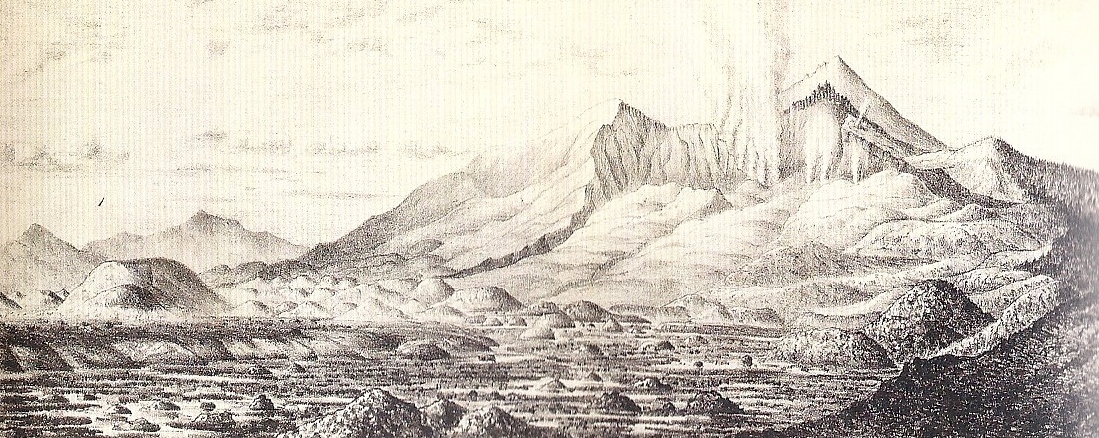
The historical anchor here is unusually concrete because it is tied to a castle and to the early Tokugawa family tree. In 1593, the Aizu lord Gamō Ujisato ordered roof tiles fired at Hongō to build Tsuruga Castle (鶴ヶ城) — the act usually cited as the origin of ceramic production in the district. The kiln became a real industry in 1645, when Hoshina Masayuki, the founding lord of the Aizu domain and a half-brother of the third Tokugawa shōgun, Iemitsu, brought in potters from Seto (in present-day Aichi) to establish full-scale ware-making. This is why local people describe Aizu Hongō as the oldest pottery in Tōhoku: the documented line begins in the late sixteenth century.
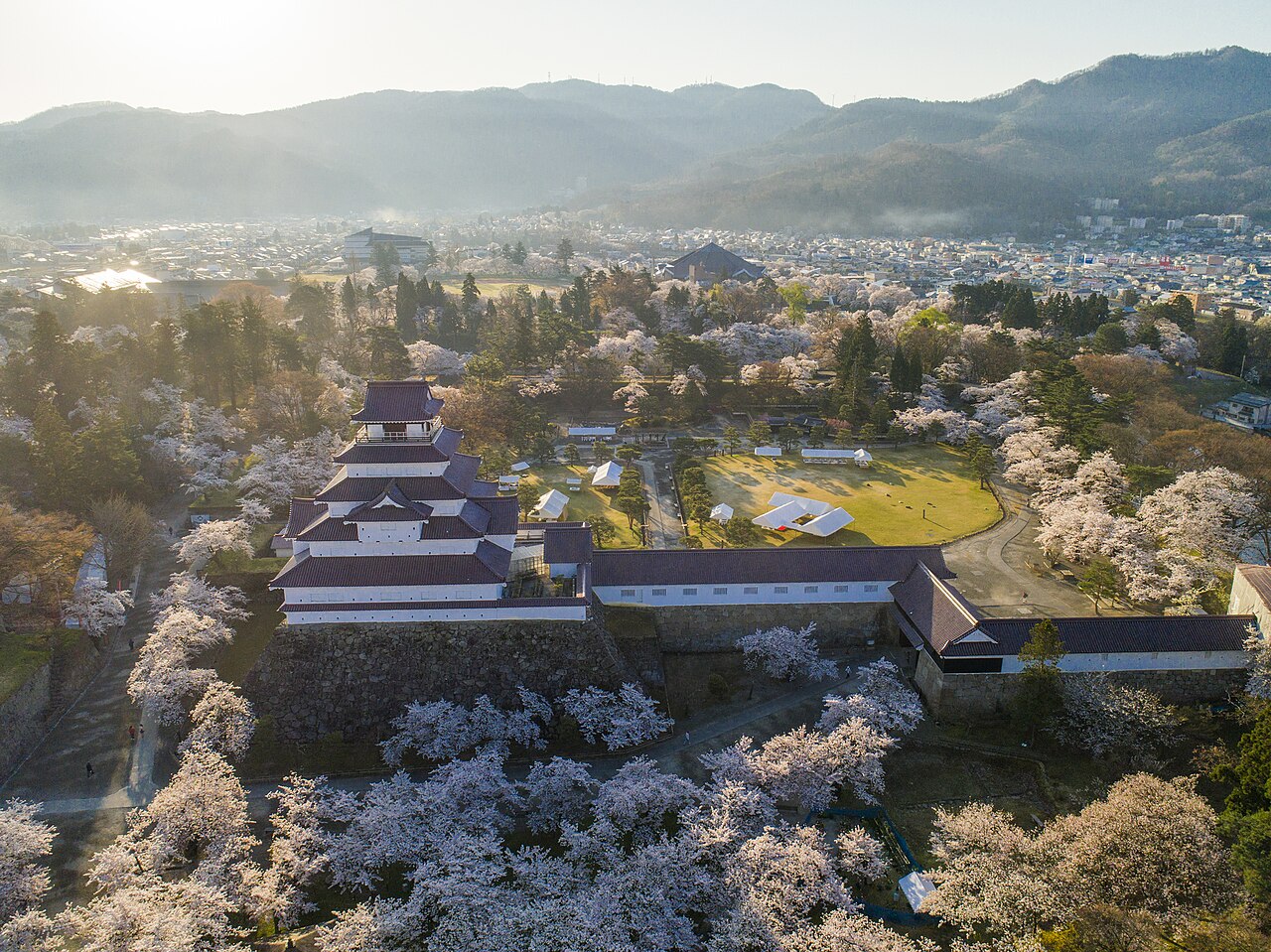
- 1593 — Lord Gamō Ujisato orders roof tiles fired at Hongō for Tsuruga Castle — the origin of the craft.
- 1645 — Hoshina Masayuki, founding Aizu lord and half-brother of shōgun Iemitsu, invites Seto potters; full-scale ware-making begins.
- Edo period — Kitamae-bune trade carries dried herring inland; the deep ame-glazed nishin-bachi becomes an Aizu household staple.
- Early-modern — Aizu Hongō develops both stoneware (tsuchi-mono) and porcelain (iso-mono) — a rare dual-body kiln district.
- 20th century — Mingei leaders Yanagi Sōetsu, Hamada Shōji, and Bernard Leach praise the poured ame-glaze ware.
- Modern — The Suzuzen (Munakata-gama) nishin-bachi is designated an Important Tangible Folk Cultural Property.
- 2026 — Active Aizu-Hongō kilns continue to make both stoneware and porcelain.
What makes Aizu Hongō unusual among Japanese kiln towns is that it produces both stoneware and porcelain side by side. Most districts settle into one or the other; here, clay-body tsuchi-mono and stone-body iso-mono have long been made in the same place. The nishin-bachi belongs firmly to the stoneware tradition, and its identity is inseparable from a single inland food problem.
“A landlocked basin learned to keep the sea in a bowl — the nishin-bachi exists because dried herring had to travel inland and last.”
Because Aizu had no coast, fresh fish was a luxury. What reached it instead was migaki-nishin — split, dried Pacific herring carried by the Kitamae-bune coastal trade. To make it edible and to preserve it through the long Aizu winter, households marinated the herring with sanshō pepper, and the deep, glaze-sealed nishin-bachi was the vessel built for exactly that job. The thick ame glaze gave a non-porous, easily cleaned interior; the depth let layers of herring sit in brine. This is folk-craft in the literal sense: form following a regional diet.
The continuity case is also a reputation case. In the twentieth century, the leaders of the mingei movement — Yanagi Sōetsu and the potters Hamada Shōji and Bernard Leach — singled out the poured ame-glaze ware of Aizu Hongō for praise, the same way they elevated other regional folk kilns. The Suzuzen (宗像窯) nishin-bachi carries that recognition into the present: it is designated an Important Tangible Folk Cultural Property, which places this specific bowl-type among formally protected Japanese folk objects.
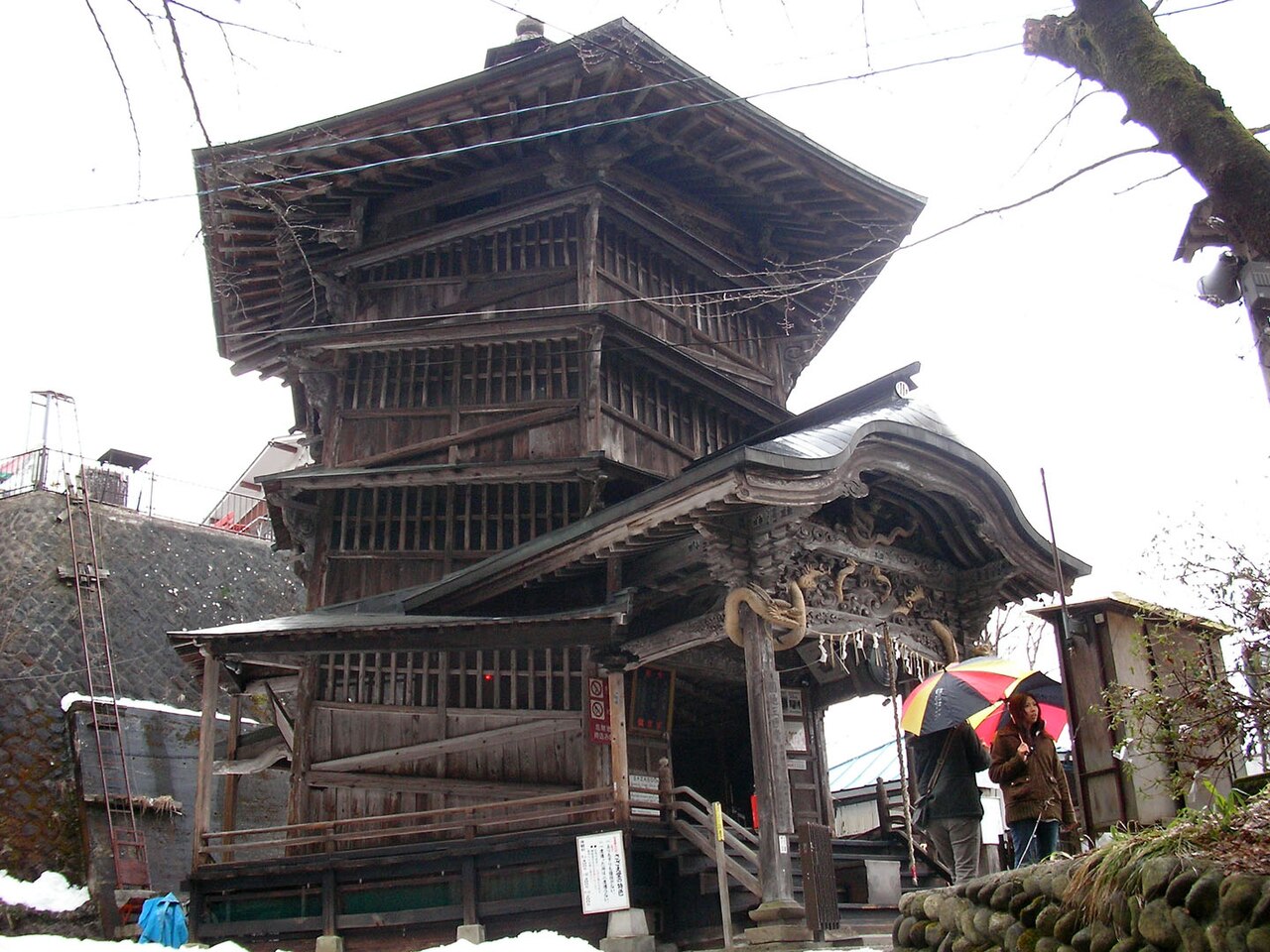
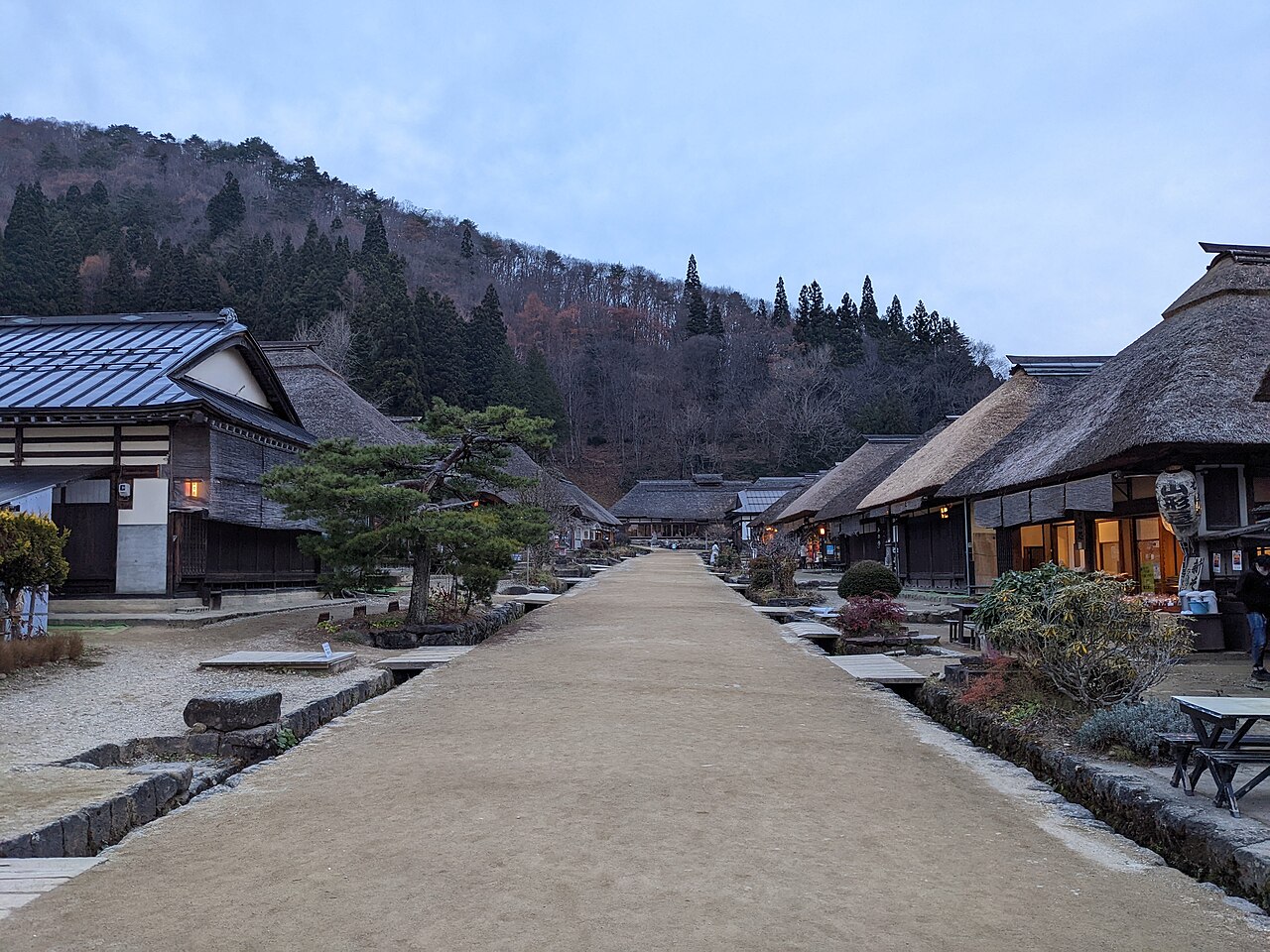
Aizu rewards visitors who care about history beyond pottery: Tsuruga Castle and the Byakkotai story of the Boshin War, the double-helix Sazaedō hall, and the thatched post town of Ōuchi-juku are all within the basin. The nishin-bachi sits inside that landscape — a folk utensil from a domain whose castle, cuisine, and craft all share the same four-century arc.
Other Japanese folk-craft and Tōhoku pieces we have covered — useful for weighing glaze, region, and use-case.
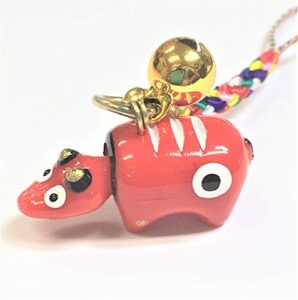 Aizu Akabeko Red CowFukushima folk talisman from the same domain
 Tsutsumi-yaki Tumbler (Miyagi)Tōhoku stoneware, namako glaze
 Shiraiwa-yaki Yunomi (Akita)Northern Tōhoku tea cup
Fujina-yaki Slipware PlateMingei kiln, yellow glaze (Shimane)
 Onta-yaki Mingei MugFolk kiln praised by the mingei movement
Kobushi-yaki TeapotNorthern glaze ware (Hokkaidō)
Sendai Iron Trivet (Tōhoku)Regional metalcraft companion piece
Price snapshot across stores
JPY is the authoritative price; USD figures are approximate estimates at a ¥150/USD baseline (as of mid-2026). No confirmed live price was present in the fetched data — verify at the retailer before buying.
| Store | Item / Variant | Price (JPY + USD est.) | Notes |
|---|---|---|---|
| 🇺🇸 Amazon US (search) | Browse Japanese stoneware bowls | varies (USD) | Best if you are shopping from the US — Prime shipping, USD pricing, no international customs. Amazon US carries comparable Japanese stoneware and folk pottery; this exact Aizu Hongō piece is sourced from Japan (next row). |
| 🇯🇵 Amazon JP Global Store | Suzuzen ame-glaze nishin-bachi (ASIN B0GG5C2Y96) | Price unconfirmed — check listing | The sourced listing. Ships internationally from Japan to most major destinations. |
| Maker direct | Aizu-Hongō kilns / Suzuzen showroom | Varies (JP retail) | Japan-facing; typically no direct international checkout — use a proxy. |
| Proxy services (Buyee / Tenso) | Forwarding from JP shops not shipping abroad | Item + forwarding fee + freight | Useful for maker-direct or domestic-only listings; adds handling and customs. |
What it does well
Weaknesses and things to verify before buying
- No confirmed live price. The fetched data did not include a verified price; treat any figure as provisional and confirm at the listing.
- Weight and depth. Stoneware nishin-bachi are deliberately deep and heavy; verify exact dimensions before assuming it suits your shelf or table.
- Glaze variation is intrinsic. Poured ame glaze pools unevenly by design; if you want uniform finish, this is the wrong object.
- International shipping cost and lead time. Shipping from Japan via the Global Store or a proxy can add meaningfully to the total; budget for it.
- Customs and duties. Orders above your local de minimis threshold may incur import duty — check your country’s rules.
- Care assumptions. Microwave/dishwasher suitability is not confirmed for this specific piece; treat handmade glazed stoneware conservatively and verify with the maker.
- Stoneware vs porcelain confusion. Aizu Hongō makes both; confirm you are buying the glazed stoneware nishin-bachi, not a porcelain piece, if that matters to you.
Conclusion — which buyer type are you?
Other ways to approach this purchase
🏆 Editor’s Pick
❓ Frequently Asked Questions
What is a nishin-bachi, and do I have to use it for herring?
A nishin-bachi is a deep stoneware bowl that Aizu households traditionally used to marinate dried herring (migaki-nishin) in sanshō-pepper brine. You don’t have to use it that way — it works as a general deep serving and marinating bowl for pickles, simmered dishes, or salads.
Why is Aizu Hongo-yaki called Tōhoku’s oldest pottery?
Its documented origin is 1593, when lord Gamō Ujisato ordered roof tiles fired at Hongō for Tsuruga Castle. Full-scale ware-making began in 1645 under Hoshina Masayuki. That recorded line back to the late sixteenth century is why it is described as the oldest ceramic tradition in the Tōhoku region.
Can I buy this from outside Japan?
Yes. The specific piece is sourced from the Amazon JP Global Store (ASIN B0GG5C2Y96), which ships internationally to most major destinations. For maker-direct or domestic-only listings, a proxy service such as Buyee or Tenso can forward the item. Expect shipping fees and possible customs duty.
How much does it cost?
The fetched data did not include a confirmed live price, so we don’t quote one. Check the current price directly on the Amazon JP Global Store listing. JPY is the authoritative price; any USD figure is an estimate at roughly ¥150/USD.
Why does the glaze look uneven between photos?
The ame (candy-amber) glaze is poured thickly and pools naturally, so each bowl differs. That variation is the intended character of the ware and was specifically admired by the mingei movement; it is not a defect.
Is it stoneware or porcelain?
Aizu Hongō unusually produces both clay-body stoneware (tsuchi-mono) and stone-body porcelain (iso-mono). The ame-glaze nishin-bachi belongs to the stoneware tradition. If body type matters to you, confirm on the listing before ordering.
Is it dishwasher- or microwave-safe?
Care specifics are not confirmed for this individual piece. As a general rule, handmade glazed stoneware is best hand-washed and treated conservatively. Verify any dishwasher or microwave claims with the maker or listing before use.
jpmono.com is curated by a Japan-based editorial team (working out of Toyama in the Hokuriku region and Nara in Kansai) and is independent. We don’t take payment from the makers we feature; income comes from affiliate links. We don’t physically test every product — we read maker specs and source listings.
🤖 This article was prepared with AI assistance and reviewed against the source listing data and verified craft facts before publication. Where data was thin or unconfirmed, that is stated plainly rather than filled in.
Affiliate disclosure: jpmono.com may earn a commission on qualifying purchases made through links on this page, at no additional cost to you.