![Takaoka Doki Cast Bronze Flower Vase: Toyama Copperware for Ikebana, Where to Buy [2026]](https://jpmono.com/wp-content/uploads/2026/06/takaoka-doki-bronze-flower-vase-where-to-buy-2026-featured.jpg)
A Takaoka Doki (高岡銅器, “Takaoka copperware”) flower vase is a cast bronze hanaire — a vessel made for holding cut branches and seasonal flowers — produced in Takaoka, a former castle town in Toyama Prefecture on the Sea of Japan coast. The craft traces to 1611, when Lord Maeda Toshinaga of the Kaga domain invited seven foundry casters to settle below his newly built Takaoka Castle and seed a local metalcasting trade. Four centuries later, Takaoka casts roughly nine-tenths of all the cast bronze and brass goods made in Japan.
What makes a Takaoka bronze vase notable to an international reader is not just the metal but the finishing. After a piece is sand-cast or lost-wax cast, its surface is colored by hand with chemical patinas — the niiro (煮色) process and verdigris greens — so that each vessel carries a deep, aged tone rather than a sprayed-on coating. The same foundry tradition produced the bronze Takaoka Daibutsu and countless temple bells, and today those same workshops also export the tin tableware lines that have made the town’s name familiar abroad.
This guide is written from a Japan-based editor’s desk in Toyama, the prefecture where this craft lives. It covers what the object is, where and how it is made, who it suits, who should pass, how international buyers can actually get one, and how it compares to other Hokuriku and metal crafts we have covered. Because Takaoka makers produce vases across a wide range of forms and finishes, treat the specific listing as a representative example of the category rather than a single fixed product.
🔄 Updated: June 21, 2026
⏱️ Read time: ~11 min

- Who this is for — and who should skip it
- Product overview (from published specs)
- 📍 Where this comes from — place, era, and the craft tradition
- 📌 How does it compare?
- 📦 Shipping & where to buy from outside Japan
- Price snapshot across stores
- What it does well
- Weaknesses and things to verify before buying
- Conclusion — which buyer type are you?
- Other ways to approach this purchase
- 🏆 Editor’s Pick
- ❓ Frequently Asked Questions
Who this is for — and who should skip it
- Practice or appreciate ikebana and want a vessel made for it
- Value hand-finished metal with a patina that deepens over time
- Want a quiet, weighty display object for a tokonoma alcove, entryway, or shelf
- Care about verifiable regional craft heritage, not mass-produced décor
- Are comfortable buying from Japan and waiting for international shipping
- Want a lightweight, shatter-proof everyday vase for casual bouquets
- Need a guaranteed water-tight liner for loose-stem arrangements (verify first)
- Are shopping on a tight budget — cast bronze sits well above glass or ceramic
- Dislike the look of aged, darkened metal and prefer bright polished finishes
- Need it quickly; cross-border delivery from Japan takes time
Product overview (from published specs)
The data available for this specific listing is limited. Only an Amazon listing reference (ASIN B01N4DUU3Y) was captured at the time of writing; a live price snapshot was not available, and live pricing and availability may have shifted since. The table below reflects what is confirmed from the listing reference and the craft’s documented production facts; unconfirmed fields are marked rather than guessed.
Takaoka Doki Cast Bronze Flower Vase
花瓶・一輪挿し on the wall mini 斑紋青銅色 高岡銅器 花器・フラワーベース
残り2点 ご注文はお早めに · Sold by – がらんどう – · ASIN B01N4DUU3Y
Price and availability as of 2026-08-31 02:30 JST. The Amazon listing at the time of purchase is authoritative. jpmono.com earns a commission on qualifying purchases at no extra cost to you.
| Attribute | Detail | Source |
|---|---|---|
| Craft | Takaoka Doki (Takaoka copperware), cast bronze flower vase / hanaire | Maker / craft record |
| Material | Cast bronze / copper alloy | Craft record |
| Casting method | Sand-mold (ikigata) or lost-wax (rogata) | Craft record |
| Finish | Hand-applied chemical patina (niiro / verdigris green) | Craft record |
| Origin | Takaoka, Toyama Prefecture (Hokuriku / Chūbu) | Craft record |
| Designation | METI Traditional Craft (designated 1975) | Craft record |
| Dimensions / weight | Unconfirmed — check the listing | Amazon JP Global Store |
| Price | Unconfirmed at time of writing — check the listing | Amazon JP Global Store |
| Listing reference | ASIN B01N4DUU3Y | Amazon JP Global Store |
Spec sources: Amazon US search (primary, moonill-20) + Amazon JP Global Store (secondary, moonill-22, sourced listing) + maker / craft record. Prices in USD shown elsewhere are approximate at a ¥150/USD baseline; the JPY figure on the specific listing is authoritative.
📖 Glossary — key terms
- Takaoka Doki (高岡銅器) — “Takaoka copperware”; the cast bronze and brass craft of Takaoka, Toyama.
- hanaire (花入) — a vessel made to hold flowers, especially for the tea room and ikebana.
- ikebana (生け花) — Japanese floral arrangement, built around line, space, and seasonality rather than mass.
- niiro (煮色) — a traditional hand-finishing process that develops color on the metal surface through heated chemical solutions.
- rogata (蝋型) — lost-wax casting, used for detailed, one-off forms.
- ikigata (生型) — sand-mold casting, used for repeatable production forms.
- tokonoma (床の間) — the recessed display alcove in a traditional Japanese room where a hanaire and scroll are shown.
📍 Where this comes from — place, era, and the craft tradition

Takaoka is a river-and-port city in the western half of Toyama Prefecture, on the Sea of Japan coast of the Hokuriku region. The Toyama plain spreads out below the Tateyama mountain range — a wall of 3,000-meter peaks to the south — and the rivers and coastal access that shaped the city also gave its foundries the logistics they needed: raw material in, finished bronze out. Heavy winter snow and abundant water are part of the regional character that supported a year-round indoor casting trade.

The historical anchor is precise. In 1609, Lord Maeda Toshinaga — second lord of the powerful Kaga domain — built Takaoka Castle and laid out the castle town around it. Two years later, in 1611, he invited seven foundry casters to settle below the castle, deliberately seeding a metalcasting industry that the domain would protect and patronize. That single act of domain policy is the seed of everything that followed.
- 1609 — Lord Maeda Toshinaga builds Takaoka Castle and founds the castle town.
- 1611 — Maeda invites seven foundry casters to settle below the castle, seeding the copperware trade.
- Edo period (17th–19th c.) — Takaoka casters supply temple bells and Buddhist altar fittings nationwide.
- 19th–20th c. — The town becomes Japan’s dominant copperware center (~90% of national output) and casts monumental bronze statuary, including the Takaoka Daibutsu.
- 1975 — METI designates Takaoka Doki a Traditional Craft of Japan.
- Present — The same foundries also produce well-known tin tableware lines for export.
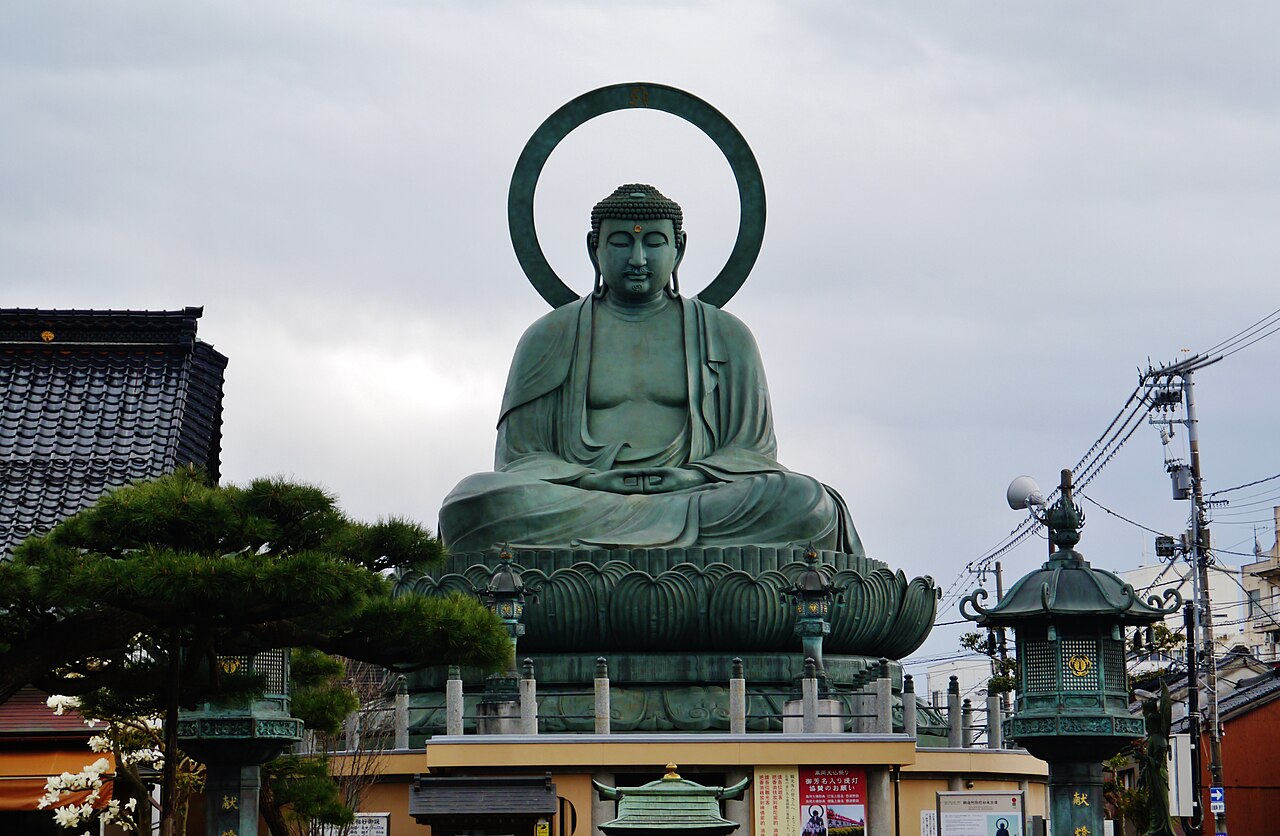
The Kaga domain that backed this trade was no minor fief: it was among the wealthiest domains in Japan, and its patronage gave Takaoka casters the demand and stability to specialize. Maeda Toshinaga himself is memorialized at Zuiryu-ji, the National Treasure Zen temple built as his mortuary temple — a reminder that the founder of the foundry trade and the founder of the city are the same man.
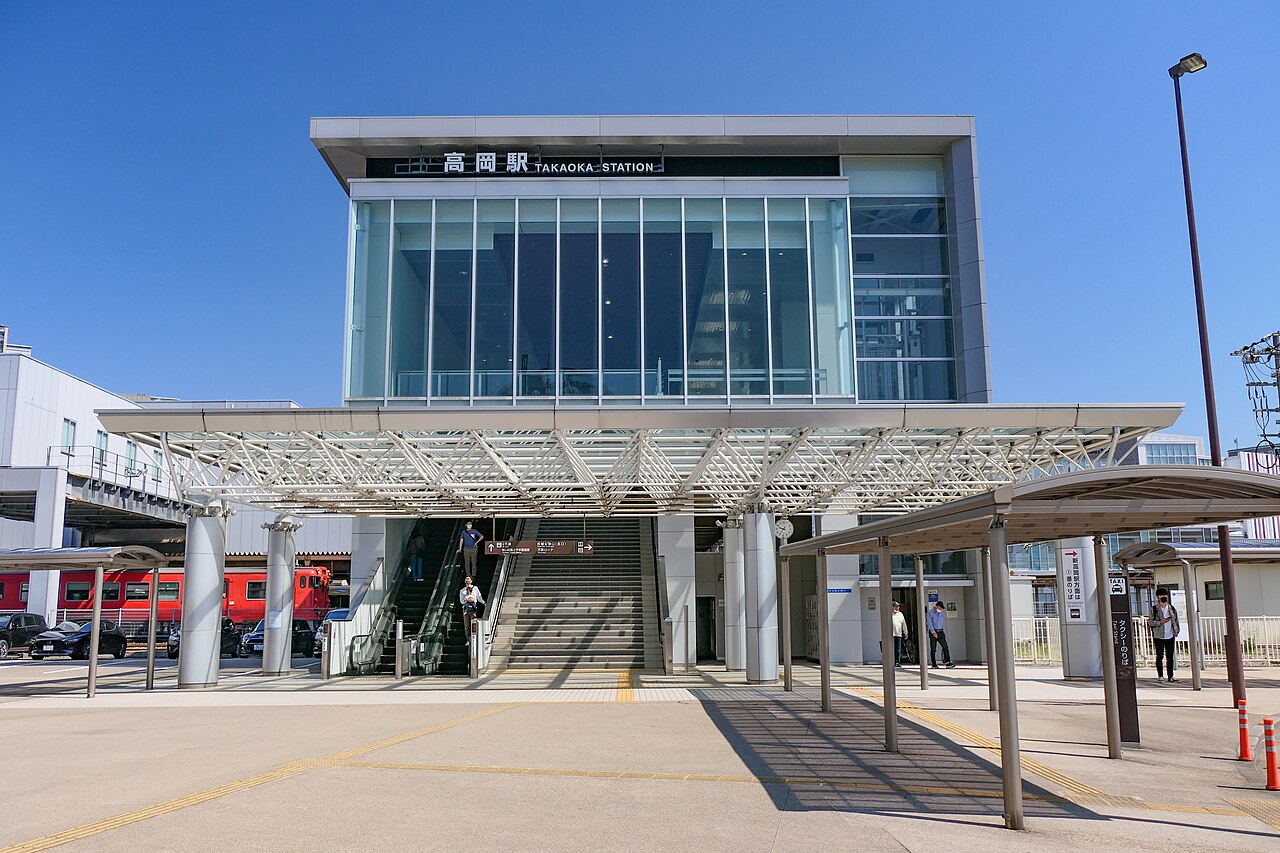
“Roughly nine in ten pieces of cast bronze and brass made in Japan come out of one town — and the trade started with seven casters a lord invited to live below his castle in 1611.”
What “still being made here” means in Takaoka is a living concentration of skill rather than a single workshop. The craft remains a divided-labor trade — modelers, casters, chasers, and the patina finishers who hand-color the metal — and that division is itself the reason Takaoka can produce both monumental statuary and a small flower vase. The historic merchant core survives in the Yamacho-suji district, where dozo storehouse-style homes once belonging to copperware wholesalers and casters still line the street.
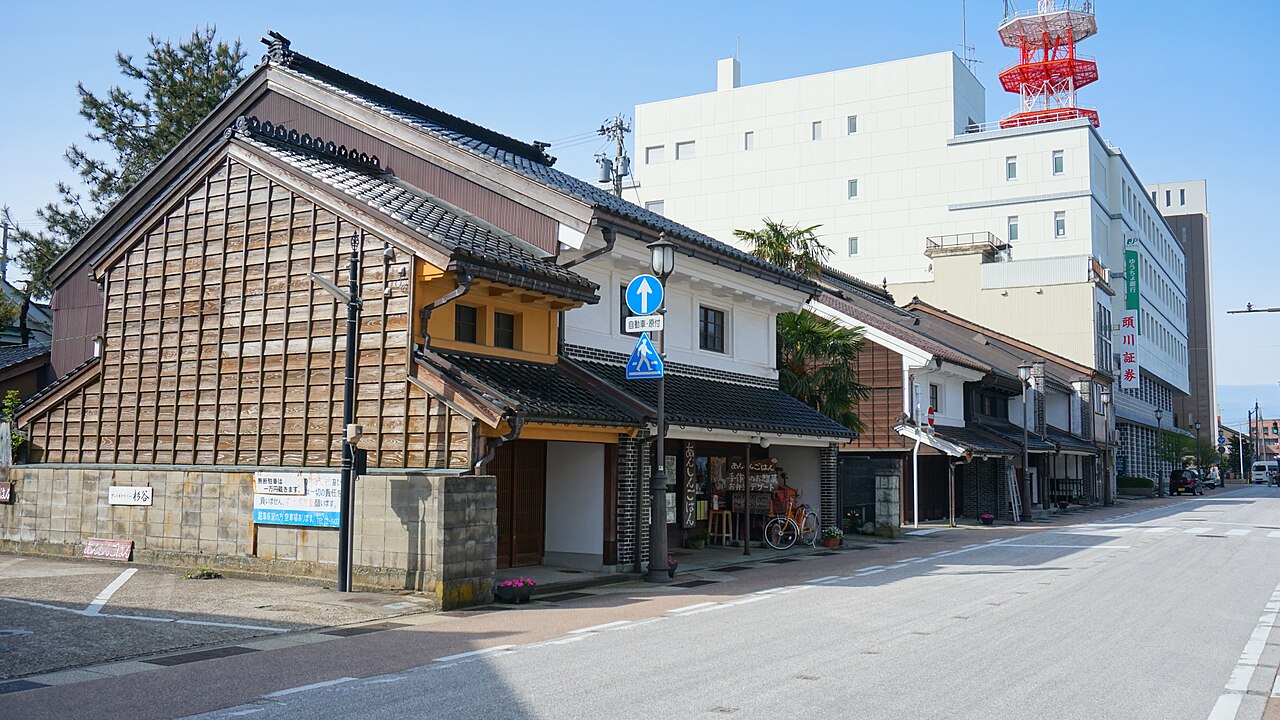
The cultural fit of a bronze hanaire is seasonal and quiet. In a tokonoma alcove it holds a single seasonal branch — plum in late winter, iris in early summer — and its weight and darkened surface are meant to recede behind the flower rather than compete with it. Bronze does not chip like ceramic or shatter like glass; a vase made well in Takaoka is the kind of object that is expected to outlive its first owner, deepening in color as the patina settles.
📌 How does it compare?
Other Hokuriku, Toyama, and Japanese-metal crafts we have covered — useful for comparing material, region, and price tier:
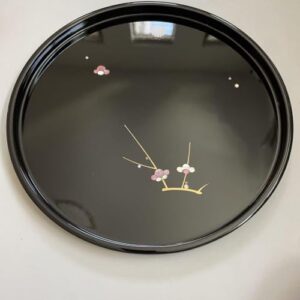 Takaoka Aogai Raden Lacquer Box
Toyama · lacquer & shell inlay
Tateyama Tozan Cotton Book Cover
Toyama · cotton textile
Johana Shike-Ginu Silk Scarf
Toyama · silk textile
Tsubame Stainless Cutlery Set
Niigata · stainless metal
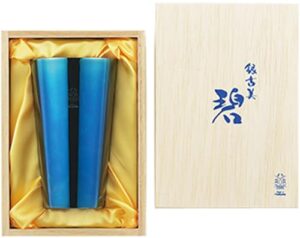 Tokyo Ginki Silver Tumbler
Tokyo · silver metal
Sendai Tansu Iron Trivet
Miyagi · forged iron
 Owari Shippo Cloisonné Rests
Aichi · cloisonné metal
 Kaikado Tin Tea Caddy
Kyoto · tin metal
📦 Shipping & where to buy from outside Japan
The specific item in this guide is sourced from the Amazon JP Global Store (ASIN B01N4DUU3Y), which ships internationally to most major destinations. International shipping for a small-to-mid bronze vase typically runs in the range of about $15–$40 to the US and EU, and higher to other regions; the carrier and final cost are shown at checkout. Buyers outside Japan should expect possible customs duties or import VAT on orders above their local threshold — these are charged by the destination country, not the seller.
If the Global Store listing is unavailable in your country, proxy-buying services such as Buyee or Tenso can forward a domestic Japanese listing abroad, and some Takaoka makers sell directly through their own sites. Because cast bronze is heavy, always confirm the shipping quote before committing.
Price snapshot across stores
JPY (¥) is the authoritative price for the specific listed item. USD figures are approximate estimates at a ¥150/USD baseline (as of mid-2026). A live price was not captured for this listing at the time of writing.
| Store | Item / Variant | Price (JPY + USD est.) | Notes |
|---|---|---|---|
| 🇺🇸 Amazon.com (US) | Browse Japanese bronze flower vases & ikebana vessels | varies (USD) | Best if you’re shopping from the US — Prime shipping, USD pricing, no international customs. Amazon US carries Japanese bronze and metal vases from several makers, useful for comparing form and price tiers; this Takaoka piece itself ships from Japan (next row). |
| 🇯🇵 Amazon JP Global Store | Takaoka Doki cast bronze hanaire (ASIN B01N4DUU3Y) | Check listing (live price not captured) | Ships internationally from Japan. This is the sourced listing for the specific item in this guide. |
| Maker direct | Varies by Takaoka workshop | Varies | Some Takaoka foundries sell through their own sites; international shipping support varies by maker. |
| Proxy services (Buyee / Tenso) | Forwards a domestic JP listing | Item price + forwarding fee | Useful when a listing does not ship to your country directly; adds a service fee and a consolidation step. |
What it does well
Weaknesses and things to verify before buying
- No live price captured. Only the listing reference was available at the time of writing; confirm the current price and availability on the listing before buying.
- Dimensions and weight unconfirmed. Bronze vases vary widely in size; check the listed measurements so the piece fits your alcove or shelf.
- Water-holding is not guaranteed. Some bronze hanaire are meant to be used with an inner liner or otoshi insert rather than filled directly. Verify whether the listing is water-tight for fresh-cut stems.
- Weight and freight. Cast bronze is heavy, which raises international shipping cost and time; get the shipping quote before committing.
- Patina is meant to age. The surface is intentionally darkened and will continue to change. If you want a permanently bright, polished metal look, this is the wrong object.
- Customs and duties. Orders above your country’s import threshold may incur duties or VAT charged at delivery.
- Form varies by listing. “Takaoka Doki flower vase” covers many shapes and finishes; confirm the exact form in the listing photos rather than assuming the example shown here.
Conclusion — which buyer type are you?
Other ways to approach this purchase
🏆 Editor’s Pick
❓ Frequently Asked Questions
Is the vase solid cast bronze?
Takaoka Doki vases are made by casting bronze or copper alloy, using sand-mold (ikigata) or lost-wax (rogata) methods, then finishing the surface by hand. Confirm the exact material on the specific listing, as Takaoka makers also work in brass and other alloys.
Can I put water and fresh flowers in it directly?
Some bronze hanaire are designed to be used with an inner liner or drop-in insert (otoshi) rather than filled directly. Check the listing to confirm whether the piece is water-tight for fresh-cut stems before using it that way.
Does Amazon JP ship this internationally?
The sourced listing is on the Amazon JP Global Store, which ships to most major destinations. Shipping for a bronze vase typically runs about $15–$40 to the US and EU and more elsewhere; the final cost and any customs duties are shown at or after checkout.
How do I care for the patina?
The hand-applied patina is meant to age, so aggressive polishing is generally avoided. Wiping with a soft dry cloth and keeping the piece dry between uses is the usual approach; follow any care guidance included with the specific item.
Is it specifically suited to ikebana?
Yes — a hanaire is the vessel category used in ikebana and the tea room, designed to frame a single seasonal branch rather than hold a dense bouquet. Its weight and recessive color are part of that purpose.
Why choose Takaoka bronze over a cheaper metal vase?
Takaoka is Japan’s dominant copperware center, producing roughly 90% of the nation’s cast bronze and brass goods, and the craft is a METI-designated Traditional Craft (1975). The value is in genuine cast metal with a hand-finished patina and a documented regional tradition, rather than a coated or stamped lookalike.
jpmono.com is curated by a Japan-based editorial team working out of Toyama in the Hokuriku region and Nara in Kansai, and is independent. We do not take payment from the makers we feature; income comes from affiliate links. We do not physically test every product — we read maker specs and source listings.
🤖 This article was prepared with AI assistance and reviewed against the source listing and craft records before publication. Specifications, prices, and availability should be confirmed on the retailer’s page at the time of purchase.
Affiliate disclosure: jpmono.com may earn a commission on qualifying purchases made through links on this page, at no additional cost to you.