![Hirashimizu-yaki Zangetsu Soba Choko: Where to Buy Yamagata Ware [2026]](https://jpmono.com/wp-content/uploads/2026/05/japan-map-regions-and-prefectures-800x1050.png)
Hirashimizu-yaki (平清水焼, “Hirashimizu ware”) is a pottery tradition from the Hirashimizu district at the eastern foot of Mt. Chitose, on the edge of Yamagata City in the Tōhoku region. Potters there began firing the local iron-bearing clay during the Bunka era, around 1818, and a handful of family kilns still work the same hillside clay today. The piece this guide centers on is a soba choko (そば猪口) — a small straight-sided cup — finished in the kiln’s signature zangetsu (残月, “lingering snow”) glaze.
What makes the ware notable to an international reader is the glaze, not marketing. The Chitose-yama clay carries iron oxide, and when it is fired the iron specks bleed up through a milky-white surface, scattering dark flecks across the cup like snow lingering on a dark mountainside. That is what zangetsu describes. A second house glaze, nashiseiji (梨青瓷, “pear-skin celadon”), gives a soft greenish, pear-skin texture instead. Both come from the same local material.
This article is written for buyers outside Japan who want a versatile, real-use Japanese ceramic rather than a display object. A soba choko is one of the most flexible cups in a Japanese kitchen: it holds dipping sauce for cold noodles, but it also serves tea, sake, a small dessert, or a few nuts. We cover what the published data does and does not confirm, where to buy it from outside Japan, how it compares to other Tōhoku ceramics on jpmono, and which buyer it actually suits.
🔄 Updated:
⏱️ Read time: ~11 min
Who this is for — and who should skip it
- Want one cup that handles dipping sauce, tea, sake, and small desserts
- Prefer earthy, iron-flecked stoneware over uniform factory glaze
- Like everyday tableware with a documented regional source
- Are comfortable buying from a Japan-based seller that may ship internationally
- Appreciate that each piece varies because the glaze is reactive
- Need a guaranteed exact color or flawless, repeatable finish
- Want a large mug — a soba choko is a small cup, not a coffee mug
- Expect dishwasher- and microwave-certified specs spelled out
- Need confirmed pricing before deciding (data was thin at writing)
- Want same-day domestic shipping rather than cross-border delivery
Product overview (from published specs)
Hirashimizu-yaki soba choko are small glazed stoneware cups traditionally used for soba dipping sauce and other serving purposes. Dimensions and care can vary by piece, so maker-specific details should not be treated as universal.
| Attribute | Detail (per available data) |
|---|---|
| Item type | Soba choko (small straight-sided cup) |
| Ware | Hirashimizu-yaki, glazed stoneware |
| Glaze | Zangetsu (lingering snow) — milky white with dark iron flecks |
| Clay | Iron-bearing clay dug from Mt. Chitose (Chitose-yama) |
| Kiln | Seiryugama (Seiryū kiln), Hirashimizu district |
| Origin | Yamagata City, Yamagata Prefecture, Tōhoku |
| Dimensions / capacity | Unconfirmed |
| Care (dishwasher / microwave) | Varies by maker |
📖 Glossary — key terms
- Hirashimizu-yaki (平清水焼) — pottery made in the Hirashimizu district of Yamagata City, using local iron-rich clay.
- Soba choko (そば猪口) — a small straight-walled cup originally for soba dipping sauce, now used widely for tea, sake, and small servings.
- Zangetsu (残月) — “lingering snow”; the kiln’s signature milky-white glaze flecked with dark iron spots.
- Nashiseiji (梨青瓷) — “pear-skin celadon”; a soft greenish glaze with a fine, pear-skin texture.
- Chitose-yama (千歳山) — Mt. Chitose, the hill at whose foot the Hirashimizu kilns sit and whose clay they dig.
- Kama / -gama (窯) — a kiln; “Seiryugama” means the Seiryū kiln.
Related Japanese craft guides on jpmono — other Tōhoku ceramics, the iron-flecked namako glaze family, and Yamagata’s own textile tradition.
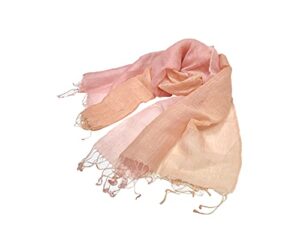 Yamagata safflower silk stole
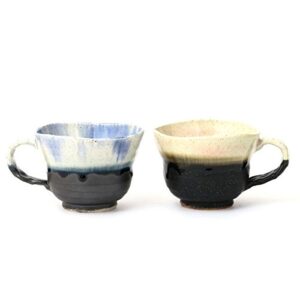 Tsutsumi-yaki namako tumbler (Miyagi)
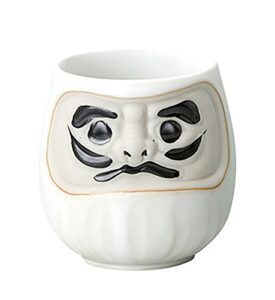 Shiraiwa-yaki namako yunomi (Akita)
Mashiko-yaki kaki rice bowl
Kobushi-yaki blue-glaze teapot
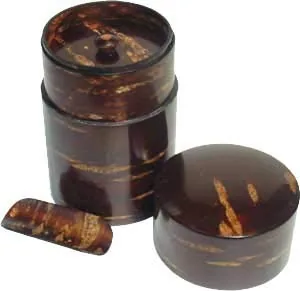 Akita cherry-bark tea caddy
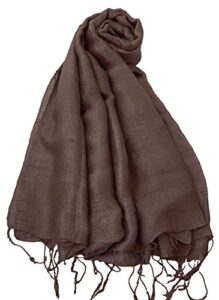 Iwate homespun wool scarf
Where this comes from

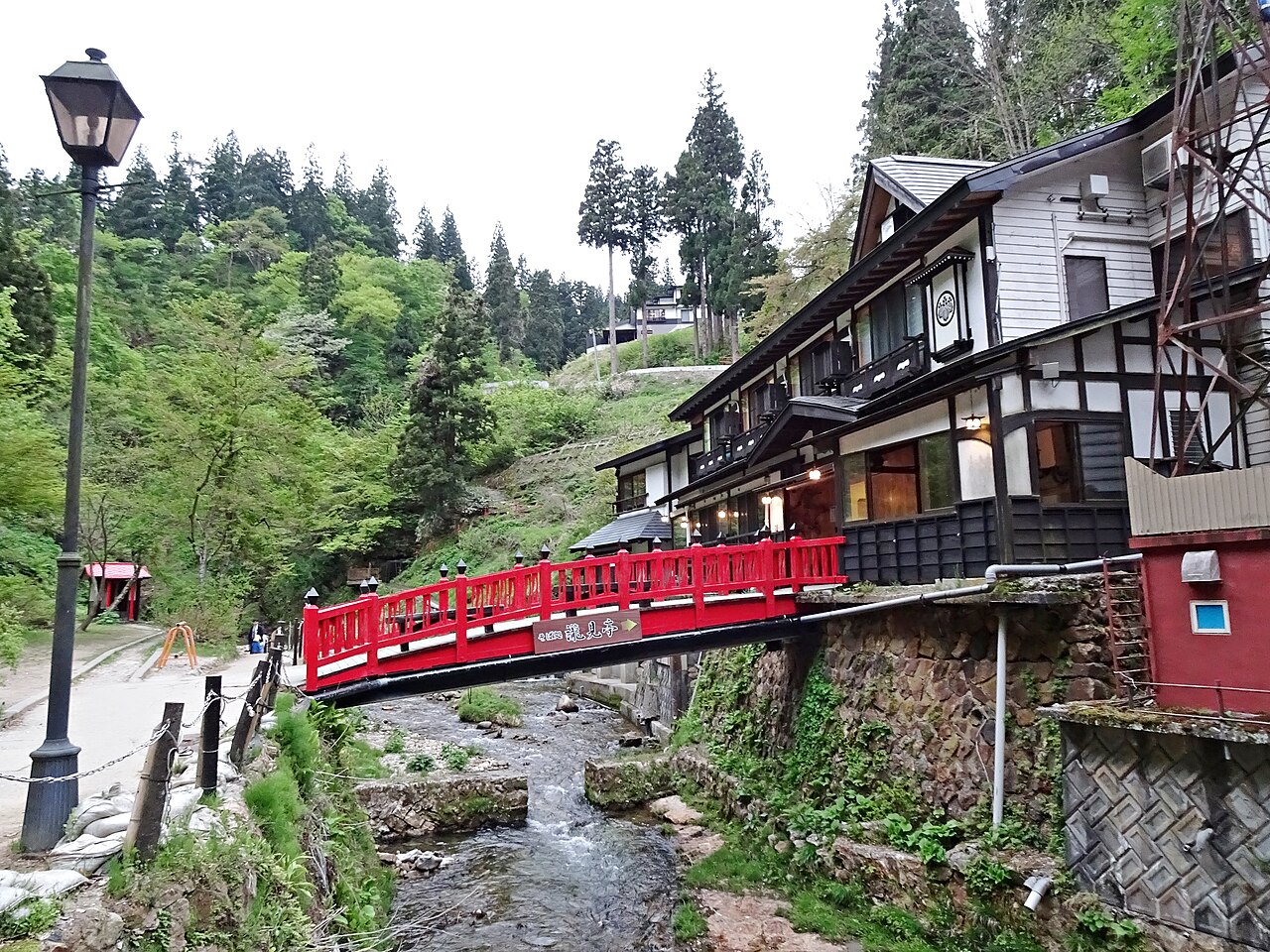
Yamagata City sits inland in the Tōhoku region of northern Honshu, on the basin of the Mogami River and in the shadow of the Zao mountain range. It is a snow country city — winters are long and the surrounding hills hold snow well into spring. That landscape matters here, because the ware’s signature glaze is named for exactly that sight: snow lingering on a dark mountainside.
The craft took root in the Hirashimizu district, at the eastern foot of Mt. Chitose, because the raw material was underfoot. The hill’s clay is rich in iron, and that iron is not a defect to be hidden — it is the whole point. When the clay is glazed and fired, oxide specks rise through the surface and freckle it with dark spots.
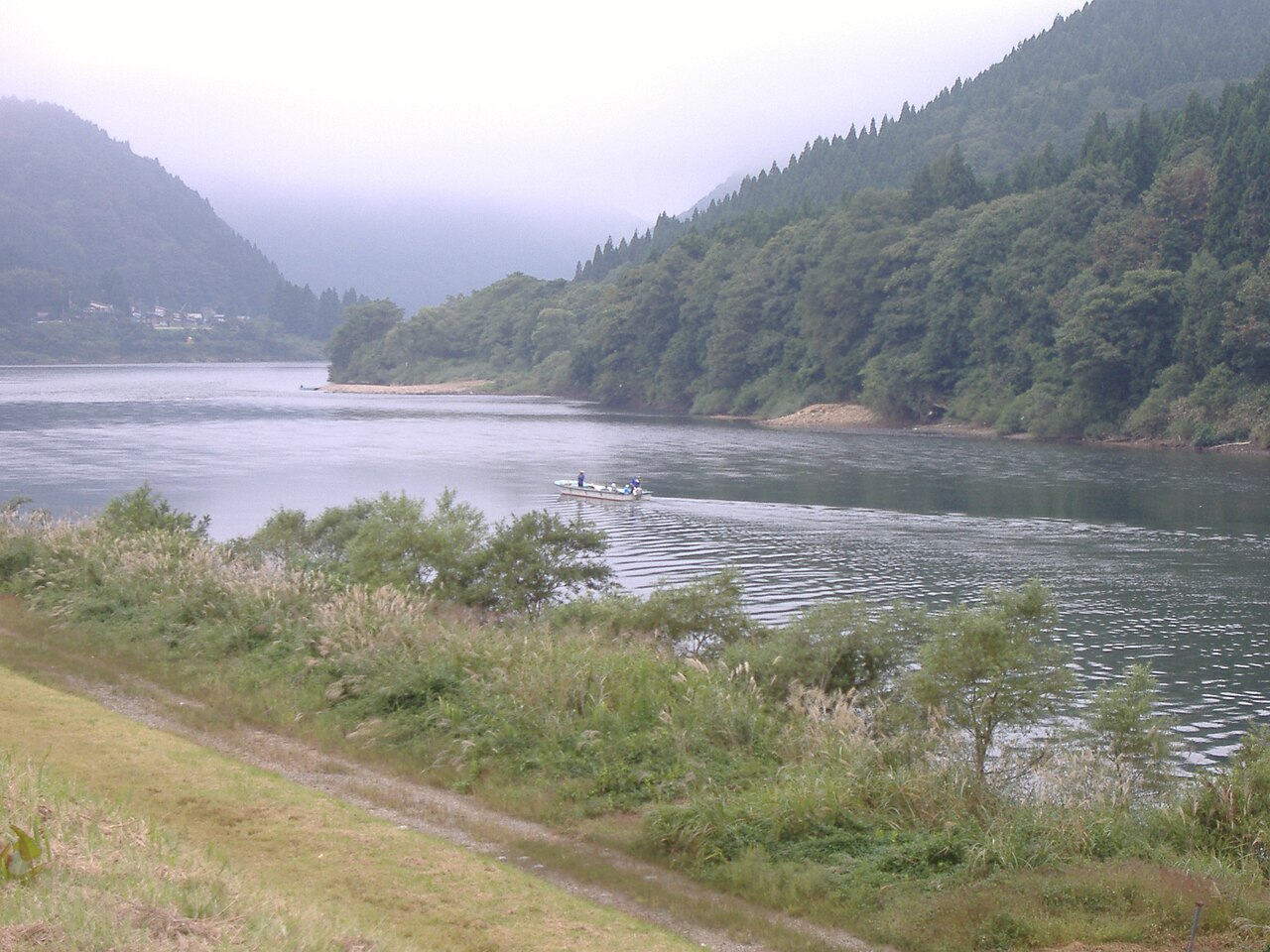
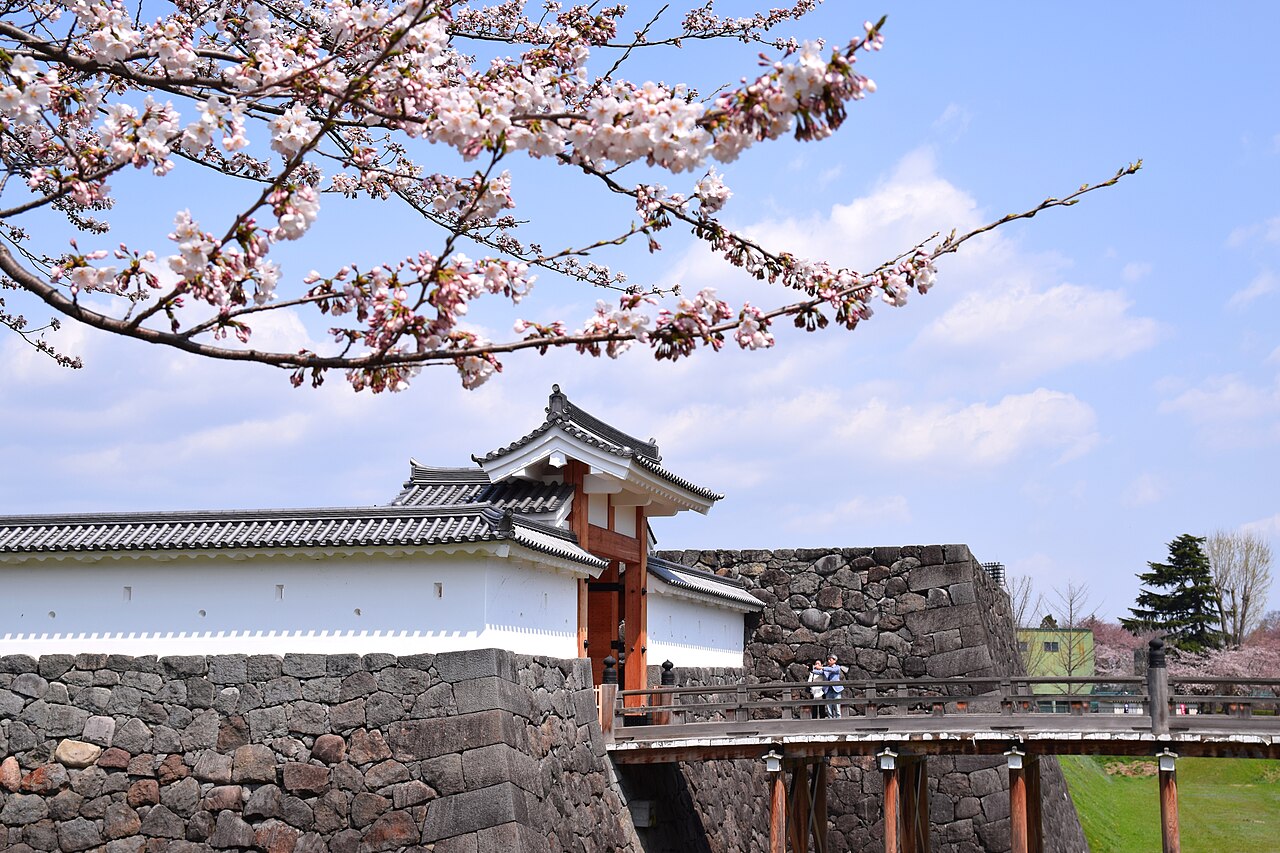
The Hirashimizu kilns began firing during the Bunka era, around 1818. As castle-town ware of the Mogami / Yamagata domain, Hirashimizu-yaki was not a luxury art line; it grew as everyday tableware — the cups, bowls, and serving dishes a domain town actually used. That utilitarian root is still legible in a piece like the soba choko: it is a working cup, not a vitrine object.
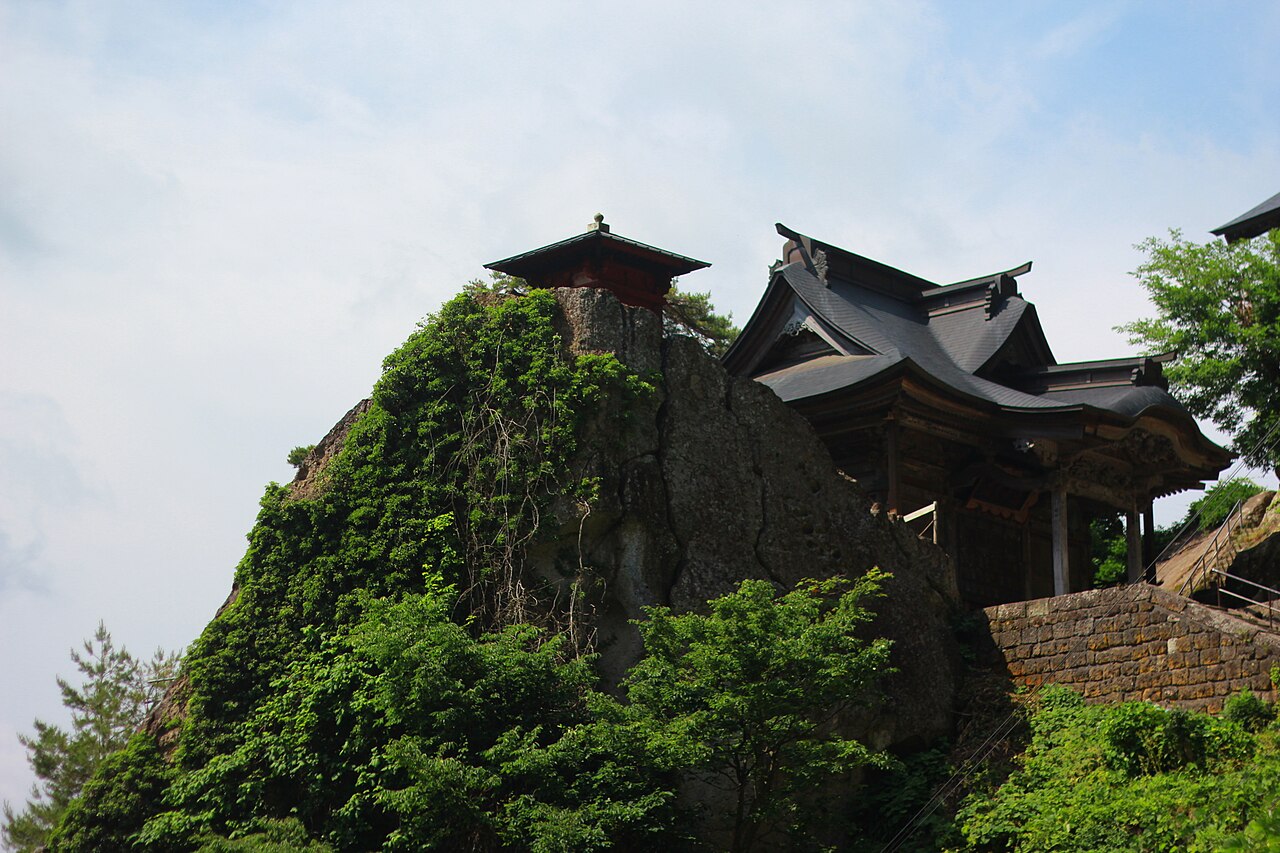
- 860 — Risshaku-ji (Yamadera) is founded on the cliffs above the Yamagata valley.
- 1600s — Yamagata develops as a castle town around Kajo Castle, seat of the Mogami clan.
- c. 1818 (Bunka era) — Potters begin firing iron-rich Chitose-yama clay in the Hirashimizu district.
- Late Edo period — Hirashimizu-yaki spreads as everyday castle-town tableware for the domain.
- 20th century — Production consolidates to a handful of family kilns working the same hillside clay.
- 2026 — Kilns such as Seiryugama continue the zangetsu and nashiseiji glaze tradition.
Today only a handful of kilns keep the tradition going — Seiryugama (the Seiryū kiln) among them. That continuity is the quiet case for the ware: the same district, the same hill clay, the same two house glazes, still being thrown into working cups roughly two centuries after the first Hirashimizu kiln lit.
“The iron in the clay is not hidden under the glaze — it is the design. Each dark fleck is a piece of Mt. Chitose surfacing through the snow.”
The name zangetsu — lingering snow — is best understood against this winter landscape. In a region where snow clings to the dark slopes well past the start of spring, a milky-white glaze flecked with dark iron reads immediately as a mountainside in thaw. The second house glaze, nashiseiji, takes the same clay in a quieter direction: a soft, pear-skin green rather than snow-white.
Where to buy
Prices for Hirashimizu-yaki soba choko vary with kiln, glaze, size, and handwork. JPY is the usual reference currency, while USD conversions change with exchange rates.
| Store | Item / Variant | Price (¥ / ≈ USD) | Notes |
|---|---|---|---|
| 🇺🇸 Amazon US (search) | Browse Japanese soba choko & stoneware cups | varies (USD) | Best if you are shopping from the US — Prime shipping, USD pricing, no international customs. Amazon US carries Japanese ceramic cups from various makers for comparison; the exact Hirashimizu-yaki piece is sourced from Japan (next row). |
| 🇯🇵 Amazon JP Global Store | Seiryugama zangetsu soba choko | — | International availability depends on the seller. |
| Maker direct | Hirashimizu kilns (e.g. Seiryugama) | — | Some Hirashimizu kilns sell on-site or via regional shops; international shipping is not guaranteed. |
| Proxy services (Buyee / Tenso) | Forwarding from Japan-only sellers | Item price + forwarding fee | Useful if a kiln or shop ships only within Japan. Adds a service fee and consolidated international postage; customs duties may apply over local thresholds. |
Prices and stock fluctuate; USD figures are approximate and depend on the current exchange rate. Always confirm the current price at the retailer before purchasing.
What it does well
Weaknesses and things to verify before buying
- Price was not confirmed at writing. Check the current offer before committing.
- Dimensions and capacity are unconfirmed. A soba choko is a small cup; if you want a specific volume (for tea or coffee), check the listed size first.
- Care specs are not spelled out. Dishwasher and microwave suitability were not in the data. Glazed stoneware is often hand-wash-preferred; confirm before machine washing.
- The glaze is reactive, so pieces vary. Flecking, tone, and spot density differ cup to cup. If you need a matched set with identical faces, this ware will frustrate you.
- International delivery may take longer than domestic delivery, and customs duties may apply above local thresholds.
- Single-cup versus set varies by offer. Confirm the quantity before buying.
Conclusion — which buyer type are you?
Other ways to approach this purchase
❓ Frequently Asked Questions
What is a soba choko, and can I use it for things other than soba?
A soba choko is a small straight-sided cup originally made to hold dipping sauce for cold soba noodles. In practice it is one of the most versatile cups in a Japanese kitchen — it works for tea, sake, a small dessert, or nuts and snacks.
What gives Hirashimizu-yaki its flecked look?
The clay is dug from Mt. Chitose (Chitose-yama) and is rich in iron. When the piece is glazed and fired, iron oxide specks bleed up through the surface, producing the dark flecks. The signature zangetsu (“lingering snow”) glaze sets those dark spots against a milky-white field, resembling snow on a dark mountainside.
Will every cup look the same?
No. The glaze is reactive and the iron flecking varies from piece to piece, so each cup differs slightly in tone and spot density. If you want an exactly matched set with identical faces, this ware is not the right choice.
Can it be shipped outside Japan?
Glazed stoneware is durable but should be cushioned carefully during international transport; customs duties may apply depending on the destination.
Is it dishwasher and microwave safe?
Glazed stoneware is often best hand-washed; avoid sudden temperature changes unless the maker states otherwise.
How much does it cost?
As a handmade stoneware cup, a Hirashimizu-yaki soba choko is priced according to kiln, glaze, size, and workmanship. Compare those factors rather than assuming a single standard price.
How does it compare to other Tōhoku ceramics?
Hirashimizu-yaki shares the iron-rich, earthy character of neighboring Tōhoku wares such as Tsutsumi-yaki (Miyagi) and Shiraiwa-yaki (Akita), both of which use the namako glaze family. What sets Hirashimizu apart is the zangetsu snow-fleck glaze tied specifically to the Chitose-yama clay. See the comparison box above for those guides.
jpmono.com is curated by a Japan-based editorial team (working out of Toyama in the Hokuriku region and Nara in Kansai) and is independent. We do not take payment from the makers we feature; income comes from affiliate links.
This article was prepared with AI assistance and reviewed against the available product and source data. Where data was thin or unavailable, that is stated plainly rather than filled in.
Affiliate disclosure: jpmono.com may earn a commission on qualifying purchases made through links on this page, at no additional cost to you.