![Shiroishi Washi Kozo Paper: Miyagi’s Date-Clan Strong Paper, Where to Buy [2026]](https://jpmono.com/wp-content/uploads/2026/05/japan-map-regions-and-prefectures-800x1050.png)
Shiroishi washi (白石和紙, “Shiroishi paper”) is the unusually tough handmade kozo paper of Shiroishi, a castle town in southern Miyagi Prefecture. It was not made to be delicate. It was made to be strong — strong enough to be twisted into thread, woven into cloth, and worn. This is the paper that became shifu (紙布, “paper cloth”) and kamiko (紙子, “paper garments”), worn by samurai and farmers alike during the Edo period, and it survived under the patronage of the Date domain that ruled the region from Sendai.
What makes it notable to an international reader is not exoticism but rarity and function. Most washi traditions you can buy today come from districts with several active workshops. Shiroishi washi has contracted to essentially a single family — the Endo workshop — which makes it one of the rarest of all Tōhoku papers. For anyone who works with paper seriously — bookbinders, conservators, lamp-makers, printmakers, fiber artists — a tough kozo sheet with this kind of lineage is a genuinely different material from the tissue-thin or decorative papers that dominate the market.
This guide is for readers shopping from outside Japan. It explains what Shiroishi washi is, how it differs from other Japanese kozo and gampi papers, where the craft comes from, the honest caveats, and realistic ways to buy it from abroad.
🔄 Updated:
⏱️ Read time: ~9 min
Who this is for — and who should skip it
- Bind books, make boxes, or repair paper and need a sheet that resists tearing and folding fatigue
- Make paper lamps, shades, or shoji-style panels and want a tough, light-diffusing kozo body
- Are a printmaker or fiber artist drawn to a paper that can be twisted into thread (shifu)
- Value rarity and provenance — a paper made by one surviving workshop with a Date-domain lineage
- Already know Japanese washi and want a strong, characterful sheet rather than a decorative one
- Want the thinnest possible tissue for chine-collé or backing — that is Tosa Tengujō territory, not this
- Need a large, consistent, machine-made supply — handmade sheets vary and stock is limited
- Want a low, predictable per-sheet price; rare handmade washi is not budget stationery
- Are buying purely for printer or everyday writing use
- Need guaranteed fast restocking — a single-family workshop cannot scale on demand
Product overview (from published specs)
Published data for Shiroishi washi kozo paper varies by sheet size and supplier. Live retail pricing may have shifted since the writing date. The table below marks anything not confirmed in our documented sources as unconfirmed rather than guessing.
| Attribute | Detail | Source |
|---|---|---|
| Product | Shiroishi washi handmade kozo paper sheets (Endo workshop) | Amazon JP Global Store |
| Fiber | Kōzo (楮, paper mulberry) — the long-fiber bast that gives the sheet its strength | Maker tradition / data notes |
| Method | Handmade (tesuki, 手漉き) in the Shiroishi tradition | Maker tradition |
| Origin | Shiroishi, southern Miyagi Prefecture, Tōhoku | Data notes |
| Sheet size / count | Confirm with the seller | — |
| Weight (gsm) | Confirm with the seller | — |
| Price | Confirm before buying | — |
📖 Glossary — key terms
Washi (和紙) — traditional Japanese handmade paper, typically from plant bast fibers rather than wood pulp.
Kōzo (楮, paper mulberry) — the most common washi fiber; its long fibers produce strong, flexible sheets. The defining fiber of Shiroishi washi.
Shifu (紙布, “paper cloth”) — fabric woven from finely cut and twisted paper thread. Shiroishi’s strong kozo paper made this possible.
Kamiko (紙子) — garments made of treated paper, historically worn by samurai, monks, and farmers for warmth and economy.
Tesuki (手漉き) — the hand-scooping papermaking method, sheet by sheet on a bamboo screen.
Gampi (雁皮) — a different washi fiber, prized for thin, glossy, smooth sheets — the opposite character to Shiroishi’s thick body.
Other Japanese craft guides on jpmono.com — neighboring Miyagi crafts and other washi paper traditions to compare fiber, region, and use.
 Sendai Hira Silk NecktieMiyagi — textile
 Tsutsumi-yaki Namako TumblerMiyagi — pottery
 Naruko Shikki Lacquer BowlMiyagi — lacquer
Sendai Tansu Iron TrivetMiyagi — metal
Nishinosu Washi Kozo PaperIbaraki — kozo washi
 Ogawa Hosokawa-shi WashiSaitama — kozo washi
 Najio Washi Gampi PaperHyōgo — gampi washi
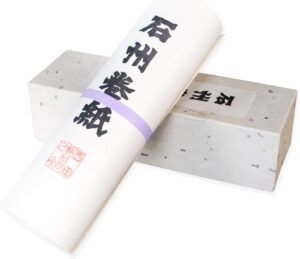 Sekishu Washi Scroll PaperShimane — kozo washi
Buying options compared
| Store | Item / Variant | Price | Notes |
|---|---|---|---|
| 🇺🇸 Amazon.com (US) | Browse Japanese washi paper & kozo sheets | varies (USD) | Best if you are shopping from the US — Prime shipping, USD pricing, no international customs. Amazon US carries washi from various Japanese makers, useful for comparing fiber and sheet weights. The exact Shiroishi (Endo workshop) sheets are sourced from Japan (next row). |
| 🇯🇵 Amazon JP Global Store | Shiroishi washi handmade kozo sheets (Endo workshop) | Check current availability | The Amazon JP Global Store ships internationally to most major destinations. Confirm current availability there. |
| Maker direct | Endo workshop, Shiroishi | Unconfirmed — check manufacturer | A single-family workshop; direct supply is limited and may not ship internationally. Treat as a special-order path. |
| Proxy services (Buyee / Tenso) | Domestic-only Japan sellers forwarded abroad | Item price + forwarding fee | Useful when a Japan-only seller stocks Shiroishi washi. Adds a service fee and a second shipping leg; factor in customs. |
Prices and stock fluctuate; USD figures elsewhere are approximate at a ¥150/USD baseline. No item-specific price is asserted here.
What it does well
Shiroishi kozo was selected for toughness, not delicacy — strong enough to be cut, twisted, and woven into cloth. That fiber strength is its defining feature.
Suited to bookbinding, box-making, paper repair, lamp and shade work, and fiber art. A single durable sheet serves many disciplines.
A castle-town paper tied to the Katakura clan and the Date domain, with a genuine shifu and kamiko history rather than invented heritage.
Made today by essentially one family, it is among the rarest of Tōhoku papers — meaningful for collectors and serious makers.
“This is the rare paper strong enough to be worn — twisted into thread, woven into cloth, and made into the garments of samurai.”
Weaknesses and things to verify before buying
- Single-family supply. Because the Endo workshop is essentially the only producer, restocking can be slow and quantities limited. Do not plan a large run around guaranteed availability.
- Not the paper for ultra-thin work. If you need tissue-thin sheets for backing or chine-collé, Shiroishi’s thick, durable body is the wrong tool — look to Tosa Tengujō instead.
- Handmade variation. Color, texture, and deckle edges will vary sheet to sheet. That is intrinsic to tesuki paper, not a defect — but it matters if you need uniformity.
- International shipping and customs. The Global Store ships from Japan; estimate roughly $15–$40 to the US/EU plus possible duties over local thresholds. Delivery is slower than domestic Prime.
Where this comes from

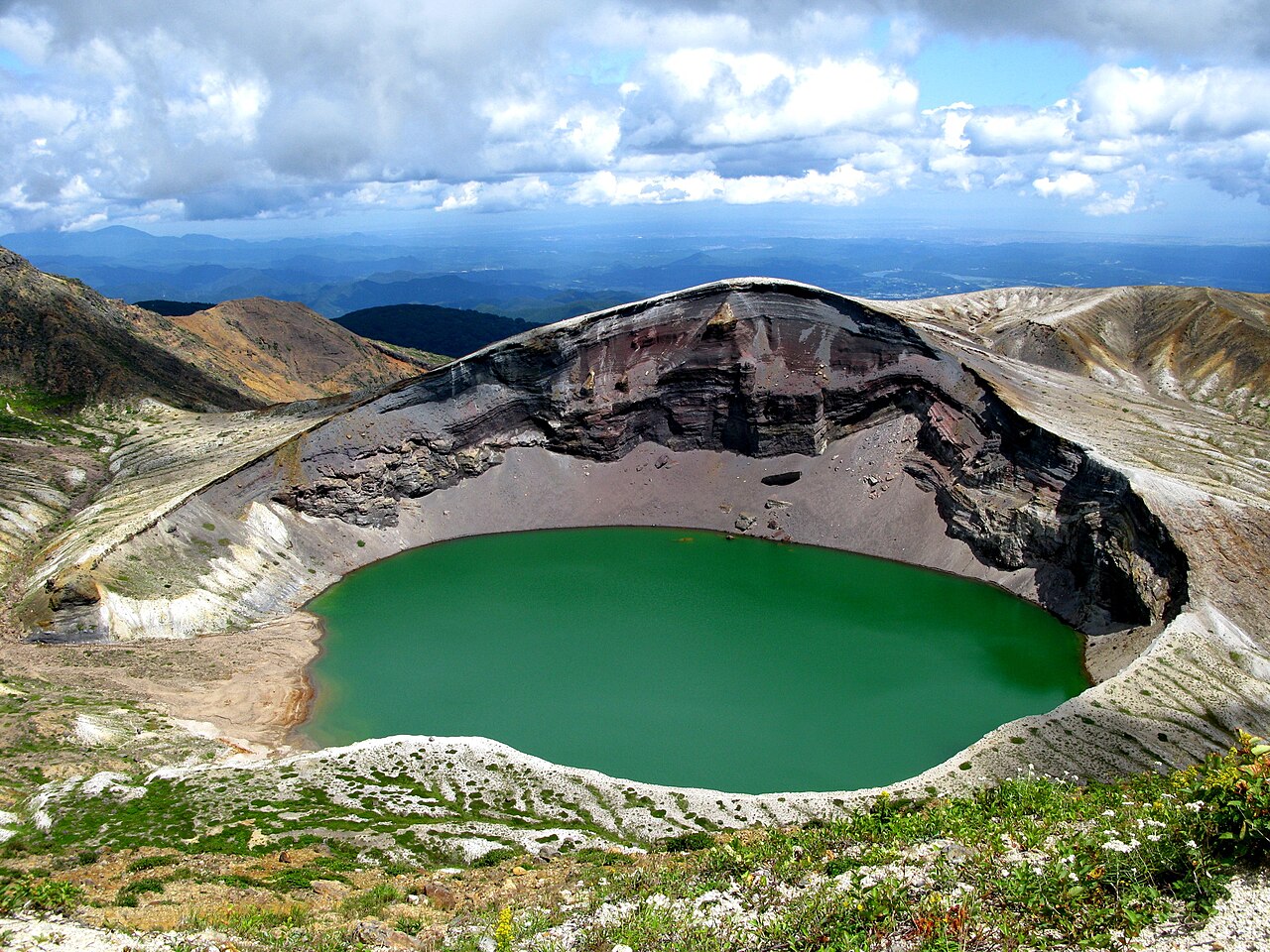
Shiroishi sits in the south of Miyagi Prefecture, in the Tōhoku region of northeastern Honshū. It is a castle town in the literal sense: Shiroishi Castle stood at its center, a key satellite stronghold of the Sendai domain. The land here is snow country, sheltered beneath the Zaō range, and that long cold winter is exactly the kind of climate in which a household papermaking craft takes root — the off-season work of a farming and castle-town population, where clean cold water and time in the snow months favored careful, hand-scooped paper.
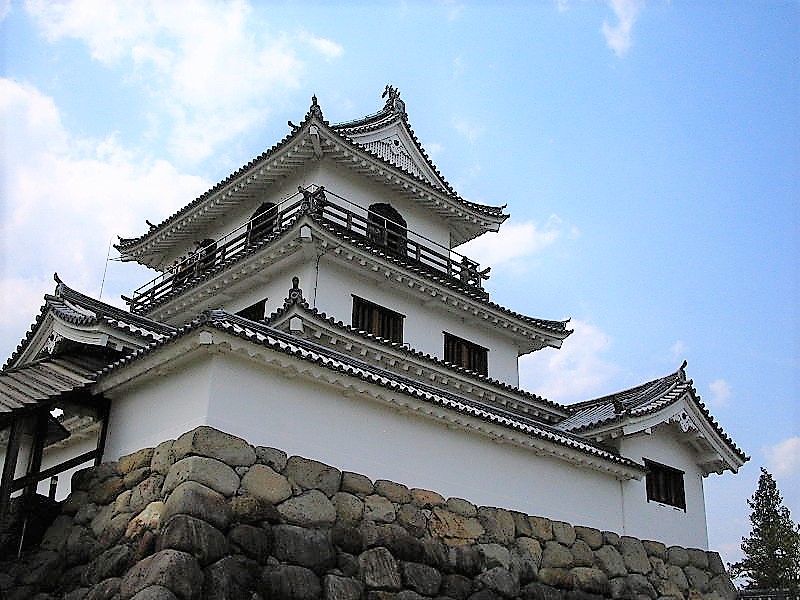
The town’s standing came from its lord. Shiroishi Castle was held by the Katakura clan, and Katakura Kojūrō was Date Masamune’s most trusted retainer — the right hand of the warlord who built the Sendai domain. In an age when the Tokugawa shogunate enforced a “one castle per province” rule, Shiroishi’s survival as a working castle alongside Sendai marks how important it was to the Date. That patronage extended to the crafts of the domain, Shiroishi washi among them.
- 1567 — Date Masamune, founder of the Sendai domain, is born.
- Early 1600s — The Sendai domain is established; Katakura Kojūrō, Masamune’s most trusted retainer, holds Shiroishi Castle as a satellite stronghold.
- Edo period — Shiroishi kozo paper (Shiroishi-gami) becomes prized for strength rather than delicacy, under Date-domain patronage.
- Edo period — The paper is processed into shifu (paper thread woven into cloth) and kamiko (paper garments) worn by samurai and farmers.
- Modern era — Production contracts sharply as paper cloth and paper garments fall out of daily use.
- Today — The Endo workshop carries on the tradition as essentially the sole producer, making Shiroishi among the rarest of Tōhoku papers.
What does it mean that this paper is “still being made here”? Less than it once did, and that is the point. Where most surviving washi districts hold several active workshops, Shiroishi has narrowed to essentially one family — the Endo workshop. The continuity is real but fragile: the techniques that turned a strong sheet into woven paper cloth survive in very few hands. For a buyer, that rarity is the substance of the object, not a marketing flourish.
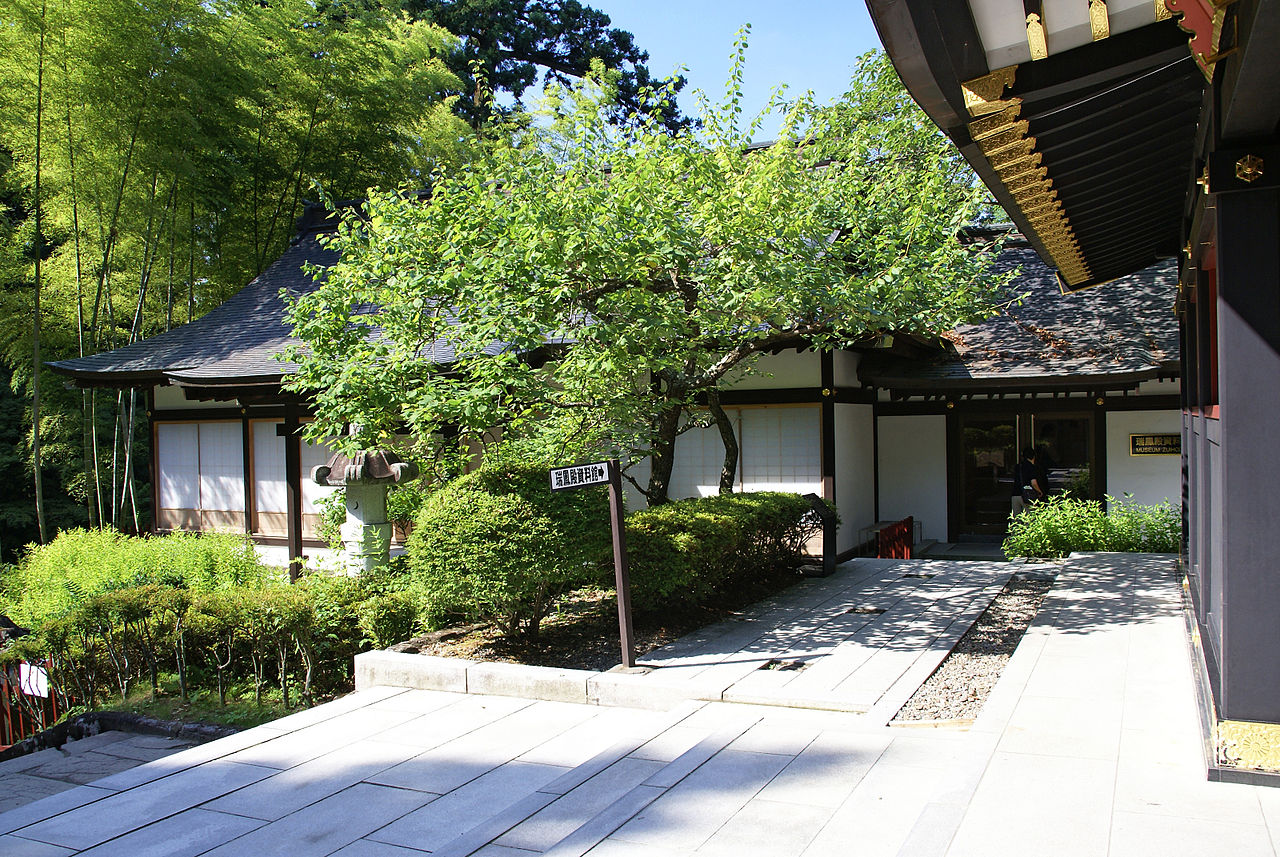
Shiroishi washi belongs to a broader Miyagi craft cluster — the lacquerware of Naruko, the pottery of Tsutsumi, the iron of Sendai, the silk of Sendai-hira — all of which trace some of their footing to the Date domain. Among Japanese kozo papers it is distinct: it differs from Ibaraki’s Nishinosu washi and Saitama’s Ogawa kozo by region and maker, from Hyōgo’s Najio gampi by fiber, and from Tosa Tengujō’s ultra-thin tissue by its thick, durable body. It is a strong paper, from a specific castle town, made by one family.

Conclusion — which buyer type are you?
You value rarity and lineage. A one-family Date-clan paper is exactly the kind of object worth owning and using carefully. Buy it.
You bind, build, or repair and want a tough kozo sheet. A strong fit — just confirm sheet size before ordering for a specific project.
If price is the deciding factor, more common kozo papers (Nishinosu, Ogawa) give you durable washi for less. Start there.
If you need thin tissue, uniform machine sheets, or guaranteed bulk stock, this is the wrong paper. Look elsewhere.
Other ways to approach this purchase
Stock comes and goes. If an option is unavailable, revisit later rather than overpaying a reseller.
For specific sizes or larger quantities, the Endo workshop may take special orders — though direct international shipping is not guaranteed.
If you buy through Amazon regularly, apply points or rewards at checkout to offset the international shipping leg.
If a Japan-only seller stocks Shiroishi washi, Buyee or Tenso can forward it abroad — adding a fee and a second shipping leg.
❓ Frequently Asked Questions
Does Amazon JP ship Shiroishi washi internationally?
What is the difference between Shiroishi washi and other kozo papers like Nishinosu or Ogawa?
Is this paper good for printmaking or thin backing work?
What are shifu and kamiko?
Why is the price not shown?
How should I store and care for handmade washi?
Is it a good gift?
jpmono.com is curated by a Japan-based editorial team (working out of Toyama in the Hokuriku region and Nara in Kansai) and is independent. We do not take payment from the makers we feature; income comes from affiliate links.
Affiliate disclosure: jpmono.com may earn a commission on qualifying purchases made through links on this page, at no additional cost to you.