![Soka Senbei (草加煎餅, individually-wrapped assortment box) — Saitama’s centuries-old soy-glazed rice crackers from the old Nikko Kaido post town [2026 Guide for International Readers]](https://jpmono.com/wp-content/uploads/2026/07/soka-senbei-rice-crackers-where-to-buy-2026-featured.jpg)
- What it is: Individually-wrapped, soy-glazed, hard-baked rice crackers (Soka Senbei, 草加煎餅) in an assortment box.
- Made in: Soka, Saitama Prefecture (Kantō) — a protected regional brand (Japanese GI / regional collective trademark) rooted in an old Nikkō Kaidō post town.
- Price band: Everyday gift-snack range — no live figure was in our snapshot, so treat the listing as authoritative (see live listing).
- Best for: Anyone who wants a shelf-stable, plant-based Japanese gift that survives a long parcel intact.
- Skip if: You need gluten-free, low-sodium, or soft-textured snacks.
- Shipping: ships internationally from Amazon Japan (food-import eligibility is country-specific) — jump to our pick ↓
Soka Senbei (草加煎餅) are firm, soy-glazed rice crackers born on a highway: a disk of pressed, steamed rice, brushed with soy sauce, and grilled over charcoal until it darkens into something dense, glassy, and deeply savory. They come from Soka, a city in southeastern Saitama Prefecture that grew up not as a castle town but as a post station on the old Nikkō Kaidō, the Edo-period road running north out of what is now Tokyo. The version covered in this guide is a 詰め合わせ (tsume-awase, “assortment box”) in which each cracker is individually wrapped against humidity.
What makes Soka Senbei worth a non-Japanese reader’s attention is not novelty but durability and clarity of flavor. They are made from only three plant-based staples — Japanese non-glutinous rice, soy sauce, and a little water — so they carry no dairy, meat, egg, or chocolate, and they stay shelf-stable at room temperature with a long best-by window. That combination makes them one of the rare Japanese regional foods that genuinely survives a long-distance parcel intact.
This guide is written for international readers deciding whether an individually-wrapped Soka Senbei assortment box is the right cross-border gift or personal souvenir. It explains the region and its history, what to look for in a reputable listing, how the food-import and shipping logistics work, and how this snack compares with other Saitama and Japanese-confection items we have covered. We do not invent prices — figures fluctuate, so verify the live listing before ordering.
🔄 Last updated:
⏱️ Read time: ~9 min

- Who this is for — and who should skip it
- Product overview (from published specs)
- Which finish should you choose?
- 📍 Where this comes from — place, era, and the craft tradition
- Price snapshot across stores
- 📦 Shipping & where to buy from outside Japan
- What it does well
- Weaknesses and things to verify before buying
- Conclusion — which buyer type are you?
- Other ways to approach this purchase
- 🏆 Editor’s Pick
- ❓ Frequently Asked Questions
Who this is for — and who should skip it
- Want a shelf-stable, plant-based Japanese gift that survives a long parcel
- Like savory, soy-forward snacks more than sweet ones
- Need individually-wrapped pieces for sharing or office gifting
- Are buying a small personal-souvenir quantity, not bulk resale
- Appreciate authentic regional specialties with a documented history
- Need a strictly gluten-free snack — soy sauce usually contains wheat
- Have dental work that struggles with very hard (kata-yaki) textures
- Want a soft or sweet cracker — this is the firm, savory type
- Live where Amazon does not ship food internationally (check at checkout)
- Are watching sodium closely — soy-glazed crackers are salty by design
Product overview (from published specs)
ℹ️ Only the Amazon Japan listing snapshot (ASIN B0B56PMBTJ) and category-level source notes were available; live pricing may have shifted since the writing date. Unconfirmed attributes are marked below, and the linked listing is authoritative.
Soka Senbei (草加煎餅, individually-wrapped assortment box)
ねこせんべい 醤油味 20枚入り 2箱セット ギフト包装 ねこ ネコ 猫 本場 草加せんべい 個包装 煎餅 お菓子 和菓子 国内産うるち米 猫の顔型 プレゼント 国内製造 ネコ型お菓子 ねこせん お中元
残り12点 ご注文はお早めに · Sold by もあすまいるねっと インボイス対応済 · ASIN B0B56PMBTJ
Price and availability as of 2026-08-31 02:30 JST. The Amazon listing at the time of purchase is authoritative. jpmono.com earns a commission on qualifying purchases at no extra cost to you.
| Attribute | Detail |
|---|---|
| Product type | Soka Senbei (草加煎餅) — soy-sauce-glazed, hard-baked (kata-yaki) rice crackers |
| Format | Individually-wrapped (個包装) assortment box (詰め合わせ) |
| Core ingredients | Domestic non-glutinous rice (uruchimai), soy sauce, water |
| Dietary notes | Plant-based in the plain soy variety; no dairy, egg, meat, or chocolate. Soy sauce typically contains wheat — not gluten-free. |
| Storage | Shelf-stable at room temperature; no refrigeration. Best-by date applies. |
| Origin | Soka and surrounding municipalities, Saitama Prefecture, Kantō region |
| Protection | “Soka Senbei” is a regionally protected brand (Japanese GI / regional collective trademark) |
| ASIN (Amazon JP) | B0B56PMBTJ |
| Price | Not confirmed in fetched data — check the live Amazon JP listing |
| Net weight / piece count | Unconfirmed — check manufacturer / listing |
📖 Glossary — key Japanese terms
- senbei (煎餅) — savory Japanese rice cracker, usually made from non-glutinous rice and grilled or baked.
- Soka Senbei (草加煎餅) — the regional rice cracker associated with Soka, Saitama; a protected regional brand.
- kata-yaki (固焼き) — “hard-baked.” The dense, crunchy style of senbei, as opposed to soft (nure / shimmeri) types.
- uruchimai (うるち米) — ordinary non-glutinous rice (the everyday table rice), distinct from the sticky mochi rice used in some other confections.
- shōyu (醤油) — Japanese soy sauce; the glaze brushed onto the cracker before the final grilling.
- Nikkō Kaidō (日光街道) — the Edo-period highway from Edo to the Tōshō-gū shrines at Nikkō; Soka was an early post station on it.
- juku (宿) — a post town / relay station on an old highway, where travelers rested, ate, and changed horses.
- kobetsu-hōsō (個包装) — individual wrapping; each cracker sealed separately for freshness and easy sharing.
- GI (geographical indication) — a legal designation tying a product name to a region and its production standards.
Which finish should you choose?
This piece is listed in 2 options. The photos below are the actual フレーバー名 options on the listing right now — pick the one you want and confirm it on the product page before ordering, since hand-finished wares vary slightly piece to piece.
![Soka Senbei (草加煎餅, individually-wrapped assortment box) — Saitama's centuries-old soy-glazed rice crackers from the old Nikko Kaido post town [2026 Guide for International Readers] — 醤油 finish](https://m.media-amazon.com/images/I/51BiTazrbVL._SL500_.jpg)
📍 Where this comes from — place, era, and the craft tradition

Soka sits in the flat, river-laced lowlands of southeastern Saitama, the prefecture that wraps around the northern edge of Tokyo. This is the Kantō plain — Japan’s largest stretch of flat, rice-growing land — and Soka grew up as a roadside town rather than a castle town. In the early Edo period it became the second post station on the Nikkō Kaidō, the highway that carried travelers and officials from Edo’s Nihonbashi north toward the Tokugawa mausoleum shrines at Nikkō.
That location explains the food. Post towns lived on travelers, and travelers needed portable food that would not spoil. The origin legend holds that rice farmers along the route preserved surplus steamed rice by flattening it into disks and sun-drying them into a hard, durable snack for the road. Rice was the raw material the plain produced in abundance; the highway was the market.
-
1630s–1650s — Soka-juku is established as the second post station on the Nikkō Kaidō out of Edo. -
Edo period (1603–1868) — Farmers are traditionally said to preserve surplus steamed rice as sun-dried disks for travelers (origin legend). -
Meiji era (1868–1912) — Soy-sauce glazing and charcoal grilling develop as Kantō soy-sauce production (nearby Noda and Chōshi) industrializes, creating the dark, savory cracker recognized today. -
20th century — The hard-baked (kata-yaki) soy cracker becomes Soka’s defining specialty and a national byword for “proper” senbei. -
2000s — “Soka Senbei” is protected as a regional collective trademark / GI, with production standards centered on Soka and surrounding Saitama municipalities. -
2026 — Established Soka makers continue hand-pressed, individually-wrapped production; assortment boxes ship internationally via Amazon JP Global Store.
The flavor that defines Soka Senbei today is a Meiji-era development, and it depended on a neighbor. As soy-sauce brewing industrialized in the nearby Kantō towns of Noda and Chōshi, Soka’s makers began brushing their dried rice disks with local soy sauce and grilling them over charcoal. The result is the cracker now recognized as Soka Senbei: dark, glassy, and built around the deep umami of grilled shōyu rather than sugar.
“Soka Senbei is what happens when a highway, a rice plain, and a soy-sauce district meet — a travelers’ snack that learned to keep, then learned to taste of something.”
“Soka Senbei” is now a protected name. It is registered as a Japanese regional brand (a GI / regional collective trademark) with production standards centered on Soka and the surrounding Saitama municipalities, which means a box carrying the name is not generic supermarket fare but a regionally defined product. Established workshops in and around Soka still press and grill the crackers, and the plain soy-glazed, hard-baked type remains the benchmark against which the flavored varieties are judged.
For an international reader, the practical upshot of all this history is simple. Soka Senbei were engineered, from the start, to survive the road — and a transpacific parcel is just a longer road. Made from rice, soy sauce, and water, hard-baked to drive out moisture, and individually sealed, they are about as travel-proof as a regional Japanese food gets.
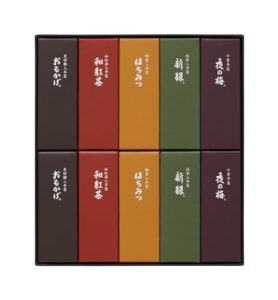

Toraya Small Yokan (Ko-gata Yōkan, 10-Bar Assorted Box) — Ja
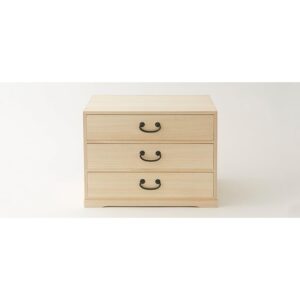

Kasukabe Kiri Paulownia Accessory Chest: Saitama Woodwork [2

Ogawa Hosokawa-shi Washi Paper: UNESCO Kozo Sheets from Sait
Chichibu Meisen Silk Stole: Where to Buy Saitama’s Taisho Ik
Kawaguchi Imono Cast Iron Sukiyaki Nabe: Saitama Iron Castin

Kawagoe Edo-Style Lacquer Jubako Box: Koedo Two-Tier Urushi
Price snapshot across stores
JPY is the authoritative price for the specific listed item; USD figures elsewhere are approximate estimates (¥150/USD baseline as of mid-2026). No live price was present in the fetched data, so confirm the current figure at the listing before ordering.
| Store | Item / Variant | Price (JPY + USD est.) | Notes |
|---|---|---|---|
| 🇺🇸 Amazon US (search) | Browse Japanese senbei & rice crackers | varies (USD) | Best if you’re shopping from the US — Prime shipping, USD pricing, no international customs. Amazon US carries assorted Japanese senbei and rice-cracker gift boxes; the specific Soka Senbei box in this guide is sourced from Japan (next row). |
| 🇯🇵 Amazon JP Global Store | Soka Senbei individually-wrapped assortment box (ASIN B0B56PMBTJ) | Check live listing (price not in fetched data) | The sourced listing for this guide. Ships internationally from Japan to most major destinations; confirm AmazonGlobal eligibility for your country at checkout. |
| Maker direct | Established Soka workshops’ own shops (e.g. long-running 草加せんべい makers) | Unconfirmed — check maker site | May offer freshest stock and larger assortments, but many maker sites ship within Japan only. |
| Proxy services (Buyee / Tenso) | Forwarding from JP retailers that don’t ship abroad | Item price + forwarding fee | Useful when a maker-direct or JP-only listing won’t ship to you; note that food forwarding rules and best-by handling vary by service and destination. |
📦 Shipping & where to buy from outside Japan
Soka Senbei are a room-temperature, shelf-stable food, which is exactly why they travel well across borders. The primary cross-border path is the Amazon JP Global Store listing (ASIN B0B56PMBTJ), which ships internationally to most major destinations. Because it is a food item, AmazonGlobal eligibility is country-specific — some destinations restrict food imports — so confirm that it can ship to your address, and review any customs or duty notes, at checkout.
International shipping to the US or EU commonly lands in roughly the $15–$40 range depending on weight and speed, with higher costs to other regions; this is on top of the item price and is shown at checkout. Buy in small personal quantities — a single assortment box or two — rather than bulk, which keeps you inside personal-import allowances and away from commercial-import scrutiny. If a maker-direct or JP-only listing you prefer does not ship abroad, a proxy service such as Buyee or Tenso can forward it, though food-forwarding rules and best-by handling vary by service and destination.
What it does well
- 🌡️ Storage: room temperature — no refrigeration needed.
- 💧 Humidity: keep each wrapper sealed until eating; crackers soften if exposed to moisture.
- 🗓️ Best-by: long ambient window, but confirm the printed date on the package before gifting.
- 🍵 Serving: eaten as-is, typically with green tea; some styles are dipped in soy or wrapped in nori.
Weaknesses and things to verify before buying
- Not gluten-free. Japanese soy sauce typically contains wheat, so the soy glaze usually means these are unsuitable for gluten-avoiders. Verify the ingredient statement if this matters.
- Hard texture. The kata-yaki (hard-baked) style is genuinely firm. Readers with sensitive teeth or dental work may find it challenging; softer senbei exist but are a different product.
- Salty by design. Soy-glazed crackers carry meaningful sodium. Not ideal if you are watching salt intake closely.
- Price not confirmed in our data. No live price appeared in the fetched listing snapshot. Check the current Amazon JP figure before ordering rather than relying on any quoted number.
- It is food with a best-by date. Unlike a craft object, this is consumable. Plan around the best-by window and your shipping time; it is a “use it” gift, not a keepsake.
- Country-specific import eligibility. AmazonGlobal may not ship food to every destination. Confirm eligibility, and any customs/duty notes, at checkout before assuming it can reach you.
- Flavored varieties differ. Some assortments include nori-wrapped, sugar, or seasoned types; the plain soy variety is the most authentic and the most robustly shelf-stable. Check the assortment contents if you want only the classic type.
Conclusion — which buyer type are you?
Other ways to approach this purchase
🏆 Editor’s Pick
❓ Frequently Asked Questions
Are Soka Senbei plant-based or vegan?
The plain soy-glazed variety is made from just rice, soy sauce, and water, with no dairy, egg, or meat. That makes it plant-based. Always check the specific listing’s ingredient statement, since flavored types in an assortment may differ.
Do they contain gluten or common allergens?
Japanese soy sauce usually contains wheat, so the soy glaze typically means these are not gluten-free. They do not contain dairy, egg, or meat in the plain type. If you have a wheat or soy allergy, verify the ingredient label before buying.
How long do they keep, and do they need refrigeration?
They are shelf-stable at room temperature and do not need refrigeration. Hard-baked, low-moisture crackers carry a long best-by window, and individual wrapping helps preserve crispness. Follow the best-by date printed on the package.
Can they ship to my country?
The Amazon JP Global Store listing ships internationally to most major destinations, but because this is a food item, eligibility is country-specific. Confirm that it can ship to your address — and review any customs or duty notes — at checkout. Buy small personal quantities to stay within personal-import allowances.
Why are they individually wrapped?
Individual wrapping (個包装) seals each cracker against humidity and physical damage. It keeps the crackers crisp over a long shelf life, makes them easy to share or hand out as small gifts, and reduces breakage during long-distance shipping.
What is the difference between hard and soft senbei?
Soka Senbei are traditionally kata-yaki (hard-baked): dense and crunchy. Soft or moist senbei are a different style with a chewier texture. If you prefer a gentler bite, the hard-baked type may not suit you.
How should I serve or gift them?
They are eaten as-is, typically with green tea, and pair well with savory drinks. As a gift, the individually-wrapped assortment box presents cleanly and keeps without refrigeration, which makes it practical to mail or carry across a long distance.
jpmono.com is curated by a Japan-based editorial team (working out of Toyama in the Hokuriku region and Nara in Kansai) and is independent. We do not take payment from the makers we feature; income comes from affiliate links. We do not physically test every product — we read maker specs and source listings. Read more about our editorial standards.
This article was prepared with AI assistance and reviewed against the source listing data. Specifications, pricing, and availability were not independently lab-tested; verify details at the retailer before purchasing.
Affiliate disclosure: jpmono.com may earn a commission on qualifying purchases made through links on this page, at no additional cost to you.