![Kagawa Shikki Kinma Lacquer Soup Bowl: Where to Buy Sanuki-nuri [2026]](https://jpmono.com/wp-content/uploads/2026/05/japan-map-regions-and-prefectures-800x1050.png)
- What it is: A hand-lacquered miso soup bowl (owan) decorated with Kinma — colored lines carved into the urushi surface — in the Sanuki-nuri tradition of Takamatsu.
- Made in: Takamatsu, Kagawa Prefecture (Shikoku) — Kagawa Shikki was designated a National Traditional Craft in 1976.
- Price band: Mid-to-upper range for a single lacquer bowl.
- Best for: Buyers who want a daily-use urushi bowl with genuine carved decoration, not a printed imitation.
- Skip if: You need a dishwasher- and microwave-safe bowl, or a low-cost everyday piece.
- Shipping: ships internationally from Amazon Japan — jump to our pick ↓
The name of the technique that defines a Sanuki Shikki soup bowl finished in this style — Kinma (蒟醤) — did not begin in Japan. It traveled up the trade routes from Southeast Asia, where lacquer surfaces were incised with a fine blade and the grooves rubbed with colored pigment. In Takamatsu, on the north coast of Shikoku, that imported idea was absorbed, refined, and turned into one of the five signature techniques of a craft the Japanese government now recognizes by name.
Kagawa Shikki (香川漆器, “Kagawa lacquerware,” also called Sanuki-nuri after the province’s old name) grew out of the Takamatsu domain, ruled by a Matsudaira branch of the Tokugawa house that patronized fine crafts in its castle town. It was decisively shaped by one man: Tamakaji Zokoku (1806–1869), a domain retainer and lacquer artist who studied Chinese carved lacquer and originated the Zokoku-nuri style. A Kinma-decorated owan is the everyday, dinner-table descendant of that court craft.
This guide is written for international readers deciding whether — and where — to buy an authentic Kinma soup bowl rather than a mass-market lookalike. We cover what the technique actually is, how the object fits daily use, its honest weaknesses, and the two purchase paths that work from outside Japan.
· · ⏱ about 9 min read
ℹ️ Genuine urushi soup bowls are handmade craft objects; dimensions and other specifications vary by maker.
- Who this is for — and who should skip it
- Product overview (from published specs)
- 📍 Where this comes from — place, era, and the craft tradition
- Where to buy
- What it does well
- Weaknesses and things to verify before buying
- Conclusion — which buyer type are you?
- Other ways to approach this purchase
- ❓ Frequently Asked Questions
Who this is for — and who should skip it
- Want real carved-and-inlaid urushi decoration, not a printed pattern.
- Use miso soup or rice-based meals often enough to justify a hand-lacquered bowl.
- Appreciate a craft with a documented lineage back to Tamakaji Zokoku.
- Are comfortable hand-washing and drying a lacquer piece after each use.
- Want a gift with a clear regional story (Takamatsu, Shikoku).
- Need a dishwasher- and microwave-safe everyday bowl.
- Want the lowest possible price per bowl.
- Expect two bowls to match a machine-made pattern exactly.
- Will leave it soaking in the sink or scrub it with abrasives.
- Prefer glazed ceramic or glass for hot, acidic, or oily foods.
Product overview (from published specs)
Because dimensions and other attributes vary between handmade pieces, the table below marks unconfirmed details as “—” rather than guessing. The bowl’s character comes from the wooden core, urushi finish, and regional lacquer tradition.
| Attribute | Detail | Source |
|---|---|---|
| Object | Miso soup bowl (owan) | Amazon JP Global Store |
| Tradition | Kagawa Shikki / Sanuki-nuri, Takamatsu | Maker direct / data notes |
| Decoration | Kinma (蒟醤): carved lines filled with colored urushi | Data notes |
| Material | Urushi (Japanese lacquer) over a turned base | Amazon JP Global Store |
| Dimensions / capacity | — | — |
| Weight | — | — |
| Designation | National Traditional Craft (1976) | Data notes |
📖 Glossary — key terms
- Kagawa Shikki (香川漆器) — “Kagawa lacquerware.” The umbrella name for the lacquer craft of Kagawa Prefecture, also known by the old provincial name as Sanuki-nuri.
- Kinma (蒟醤) — a decoration technique in which fine lines are carved into the cured lacquer surface and the grooves are filled with colored urushi; its name and roots trace to Southeast Asian trade lacquer.
- Urushi (漆) — natural Japanese lacquer, the refined sap of the lacquer tree, applied in thin coats and hardened by humidity.
- Owan (お椀) — a lidless or lidded bowl used for miso soup and rice-based dishes.
- Zokoku-nuri (存清 / 象谷塗) — a carved-lacquer style originated by Tamakaji Zokoku, one of Kagawa’s five signature techniques.
- Shokunin (職人) — a trained craftsperson working within a named tradition.
📍 Where this comes from — place, era, and the craft tradition

Kagawa is Japan’s smallest prefecture, occupying the northeast corner of Shikoku along the Seto Inland Sea. It faces Honshu across a sheltered, island-dotted stretch of water that has functioned as a trade and pilgrimage highway for centuries. The climate is mild and comparatively dry — the “Setouchi” weather pattern — which matters for lacquer: urushi cures by controlled humidity, and a stable coastal climate suited the slow, layered work the craft requires.
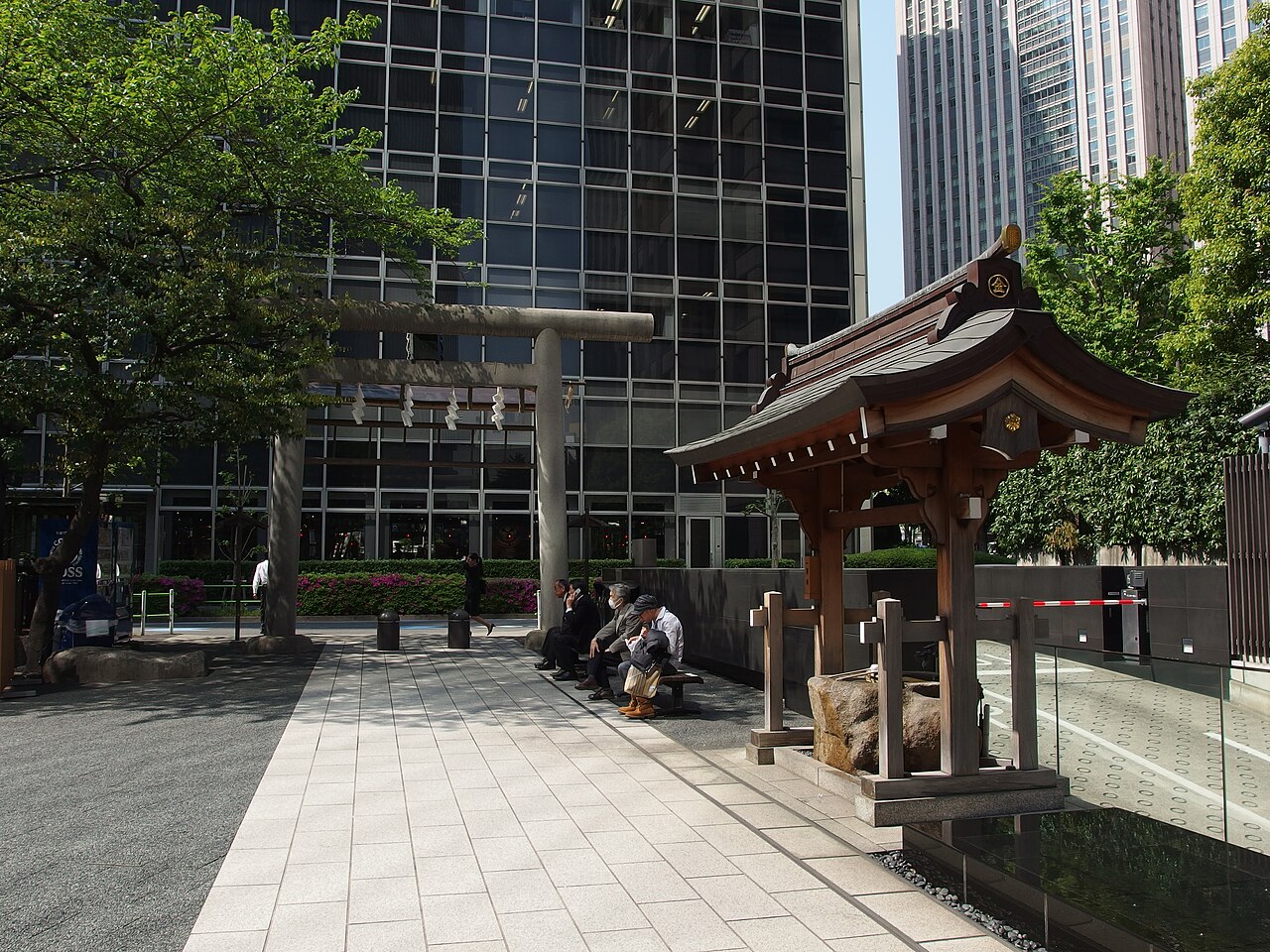
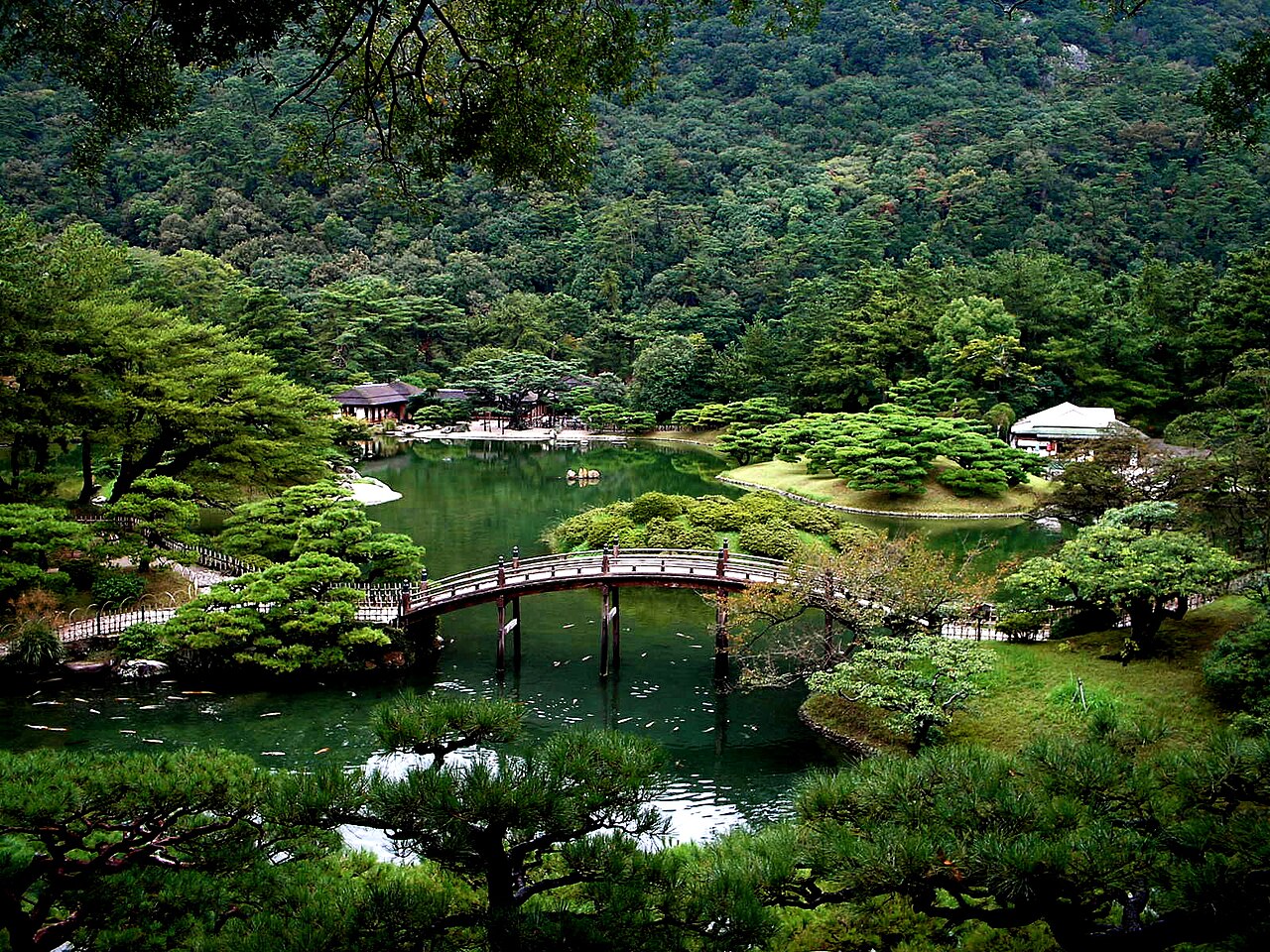
The historical anchor is the Takamatsu domain. From the mid-17th century it was governed by a Matsudaira branch of the Tokugawa house — the same family that ruled the country from Edo — and that lineage brought court taste and the means to support fine crafts in the castle town. Ritsurin Garden, one of Japan’s great strolling gardens, was completed under these lords; the lacquer craft grew up in the same patronage economy.
Into that setting came Tamakaji Zokoku (1806–1869), a domain retainer and lacquer artist. He studied Chinese carved lacquer and absorbed the imported Kinma technique, then reworked both into something distinctly local — the Zokoku-nuri style that gave the whole tradition its direction. What we now call Kagawa Shikki is defined by five techniques: Kinma, Zonsei, Choshitsu, Goto-nuri, and Zokoku-nuri.
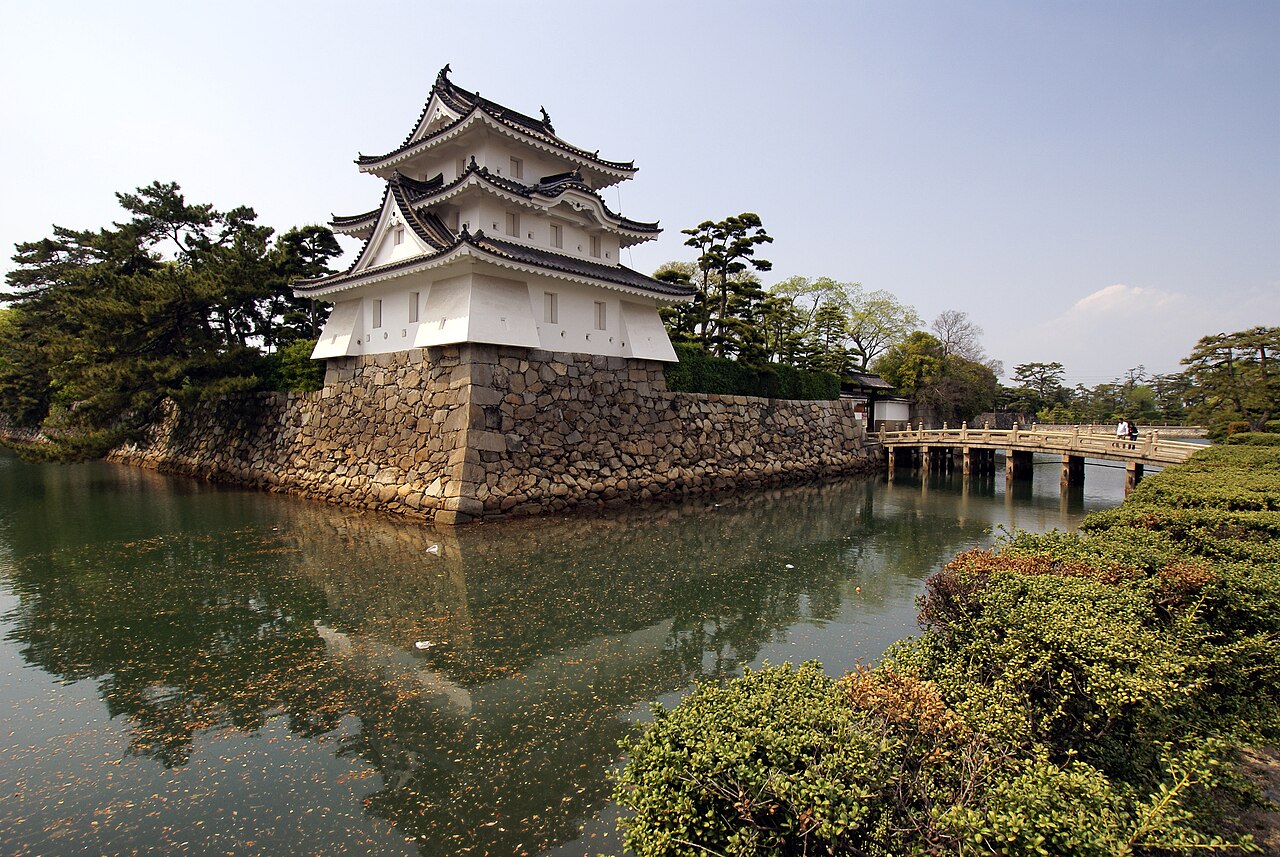
- Early 17th c. — Takamatsu develops as a castle town on the Seto Inland Sea coast.
- Mid-17th c. — A Matsudaira branch of the Tokugawa house takes the Takamatsu domain and patronizes fine crafts.
- 1806 — Tamakaji Zokoku is born; he will serve the domain as a retainer and lacquer artist.
- Mid-19th c. — Zokoku studies Chinese carved lacquer, adapts Kinma, and originates the Zokoku-nuri style.
- 1869 — Zokoku dies, having shaped what becomes Kagawa Shikki.
- 1976 — Kagawa Shikki is designated a National Traditional Craft by Japan’s government.
- 2026 — Kagawa remains one of Japan’s leading lacquerware areas, especially for lacquer chopsticks.
“Kinma is a foreign idea that learned to speak with a Takamatsu accent — a Southeast Asian carving method that a domain retainer turned into a national craft.”
Continuity is the reason a Kinma bowl is worth more than its lookalikes. Kagawa is still one of Japan’s leading lacquerware production areas — its output of lacquer chopsticks in particular is nationally significant — and the five techniques Zokoku’s era codified are still taught and practiced in and around Takamatsu. Buying a Kinma owan is buying into a line of hands that has not been broken, not a revival staged for tourists.
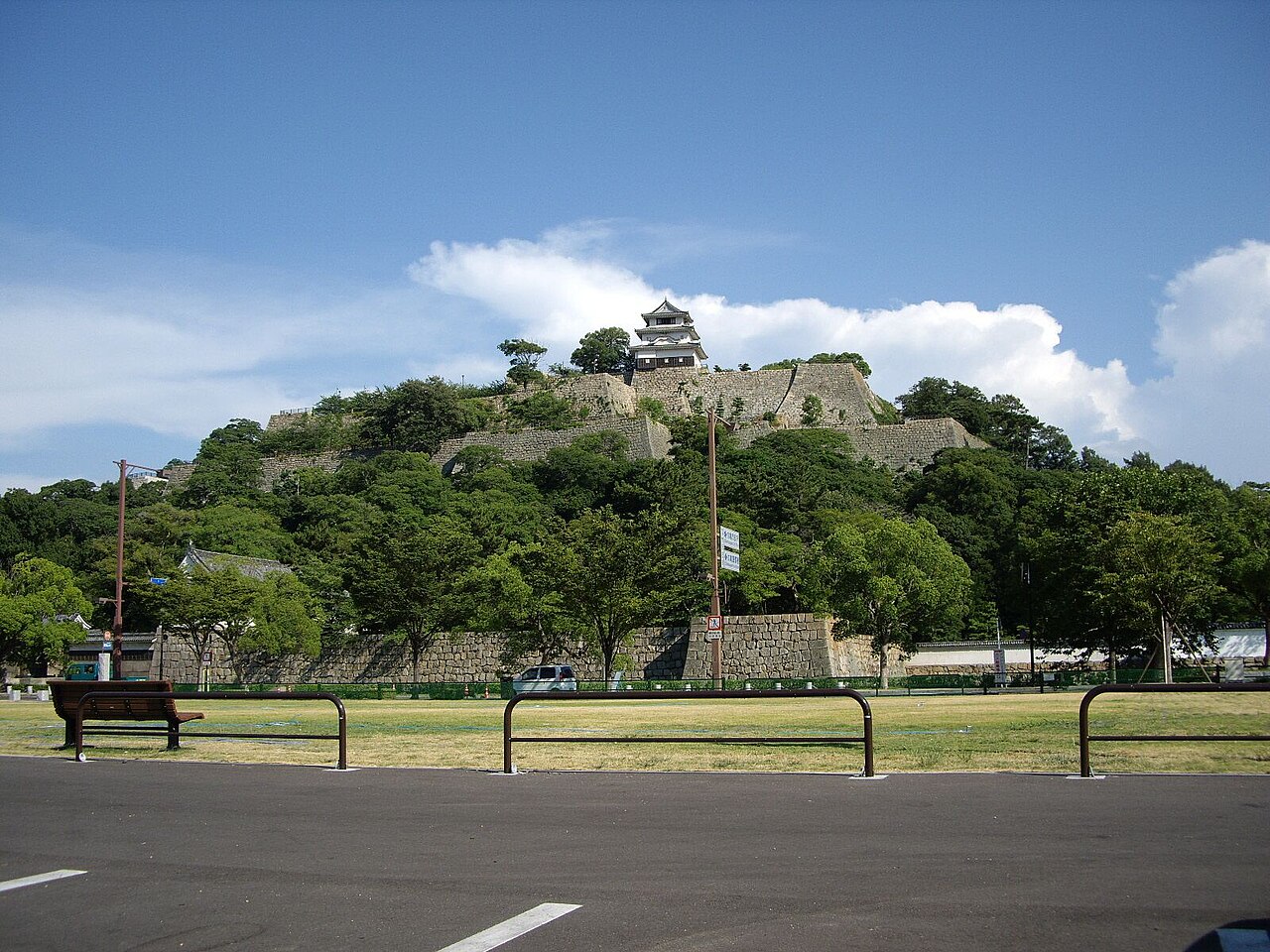
 🪭 Marugame Uchiwa (Kagawa)
 🍶 Tosa Lacquer Katakuchi (Shikoku)
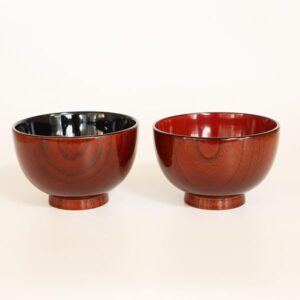 🥣 Naruko Lacquer Soup Bowl
🌳 Gohara Kijiro Mulberry Bowl
🌀 Murakami Carved Lacquer
 🎴 Kyo Shikki Maki-e Kogo
 🥢 Tsugaru-nuri Chopsticks
Where to buy
The bowl is intended for international buyers, but availability, shipping, and import handling vary by retailer and destination. Check the customs rules for your country before ordering.
| Store | Item / Variant | Price (JPY / USD est.) | Notes |
|---|---|---|---|
| 🇺🇸 Amazon.com (US) | Browse Japanese lacquer bowls | varies (USD) | Best if you’re shopping from the US — Prime shipping, USD pricing, no international customs. Amazon US carries Japanese urushi and wooden tableware from various makers, useful for comparing shapes and price tiers. This exact Kinma piece ships from Japan (next row). |
| 🇯🇵 Amazon JP Global Store | The exact Kinma owan in this guide | Current store information | Ships internationally from Japan to 65+ countries — including Canada, the UK and Australia — with import fees estimated at checkout. |
| Maker direct | Kagawa Shikki workshops / prefectural craft outlets | — | Widest technique range (all five styles), but most sites are Japanese-language and domestic-shipping only. |
| Proxy services (Buyee / Tenso) | Forwarding from Japan | item price + service fee + forwarding | Use when a specific workshop piece is sold only inside Japan; adds a handling fee on top. |
USD amounts are approximate and depend on the current exchange rate; use the rate at the time of comparison.
What it does well
- 🍽️ Dishwasher: no — hand-wash authentic urushi lacquerware in warm water with a soft sponge.
- ♨️ Microwave: no — urushi is not microwave-safe; avoid direct heat and prolonged soaking.
- 🧴 Daily care: wipe dry soon after washing; keep out of prolonged direct sunlight to protect the finish.
General guidance for genuine urushi lacquerware: avoid prolonged soaking, strong heat, and direct sunlight, and follow care instructions supplied by the maker.
Weaknesses and things to verify before buying
- Not dishwasher or microwave safe. This is genuine lacquer — machine washing and microwaving can damage the surface. If you want low-maintenance tableware, this is the wrong category.
- Availability varies. Choose the bowl after checking the current product information.
- Handmade variation. Carved Kinma decoration varies slightly from piece to piece; two bowls will not match like machine-printed ware.
- Size and capacity vary by bowl. Choose a bowl that fits your intended use (miso soup vs. donburi-size portions).
- Cross-border shipping and duties. International orders add shipping time and may incur import fees estimated at checkout; factor this into the total.
- “Sanuki-nuri” is a broad label. Confirm the product description specifies Kinma decoration and urushi (not a lacquer-look coating) if the genuine technique is what you are paying for.
Conclusion — which buyer type are you?
Other ways to approach this purchase
❓ Frequently Asked Questions
What is Kinma decoration?
Kinma (蒟醤) is a technique in which fine lines are carved into a cured lacquer surface and the grooves are filled with colored urushi. Its name and roots trace to Southeast Asian trade lacquer, and it is one of the five signature techniques of Kagawa Shikki.
Can I put this lacquer bowl in the dishwasher or microwave?
No. Genuine urushi lacquerware should be hand-washed in warm water with a soft sponge and dried soon after; it is not microwave- or dishwasher-safe. Avoid prolonged soaking and abrasive scrubbing.
Does it ship outside Japan?
Yes. The Amazon Japan Global Store ships internationally to 65+ countries, including Canada, the UK, and Australia, with import fees typically estimated at checkout. See our guides for Canada, the UK, and Australia.
Where is Kagawa Shikki made?
In and around Takamatsu, the castle town of the former Takamatsu domain in Kagawa Prefecture, on the Seto Inland Sea coast of Shikoku. It was designated a National Traditional Craft in 1976.
Is this a good gift?
Yes, for someone who appreciates a daily-use craft object with a clear regional story. It is best for recipients comfortable hand-washing lacquerware; it is a poor fit for anyone who wants dishwasher convenience.
Why is the current store information not shown here?
Prices for urushi soup bowls vary with the wood, lacquer work, decoration, and size. Do not treat an unverified figure as a standard price.
jpmono.com is curated by a Japan-based editorial team (working out of Toyama in the Hokuriku region and Nara in Kansai) and is independent. We do not take payment from the makers we feature; income comes from affiliate links. Read more about our editorial standards.
This article was prepared with AI assistance and reviewed against the maker’s published craft information. Where details vary between pieces, they are described as unconfirmed rather than estimated.
Affiliate disclosure: jpmono.com may earn a commission on qualifying purchases made through links on this page, at no additional cost to you.