![Matsusaka Momen Indigo Stripe Cotton Tote Bag — Where to Buy [2026]](https://jpmono.com/wp-content/uploads/2026/06/matsusaka-momen-indigo-stripe-tote-bag-where-to-buy-2026-featured.jpg)
Matsusaka momen (松阪木綿, “Matsusaka cotton”) is the sober indigo-striped cloth that, three centuries ago, effectively dressed an entire city. In the Edo period its fine vertical stripes — known as Matsusaka-jima — became such a fashion staple among the townspeople of Edo that contemporaries joked the commoners were dressed head to toe in Matsusaka stripes. The cloth came not from the capital but from a quiet merchant town on the Ise plain in what is now Mie Prefecture, carried north along the pilgrim roads by the famously thrifty Ise merchants.
This guide looks at a specific object made from that cloth today: a hand-woven indigo-stripe cotton tote bag associated with the Matsusaka Momen Center, the workshop that now sustains most of the surviving hand-weaving. It is yarn-dyed with natural indigo before weaving, which is why the blue is deep at the seams and softens, rather than smears, as the bag ages.
Written from a Japan-based editor’s desk, this article covers what the cloth actually is, where Matsusaka sits and why cotton took root there, how to read the listing data honestly (which is thin at the time of writing), how the bag compares to other Japanese indigo cottons we have covered, and which kind of buyer it suits — versus who should pass.
🔄 Updated:
⏱️ Read time: ~12 min

- Who this is for — and who should skip it
- Product overview (from published specs)
- Where this comes from
- Price snapshot across stores
- What it does well
- Weaknesses and things to verify before buying
- Conclusion — which buyer type are you?
- Other ways to approach this purchase
- 🏆 Editor’s Pick
- ❓ Frequently Asked Questions
Who this is for — and who should skip it
- Want a daily-carry tote with a quiet, restrained pattern rather than a loud print
- Appreciate yarn-dyed natural indigo that fades gracefully over years of use
- Value a documented regional craft lineage over a generic “Japanese-style” import
- Are comfortable with hand-woven cotton’s slight irregularities and seasonal stock
- Like the idea of carrying the same stripe pattern Edo townspeople wore
- Need a waterproof, structured, or laptop-protective bag
- Want bright, colorfast prints that never shift tone
- Expect exact dimensions and weight confirmed before ordering (listing data is thin)
- Need guaranteed in-stock availability and fast fixed shipping
- Prefer machine-washable synthetics over hand-care natural cotton
Product overview (from published specs)
Listing data for this item is thin at the time of writing. The automated search returned no live Amazon US results and no captured price snapshot, so several rows below are marked unconfirmed rather than guessed. Treat the affiliate links as the place to verify current dimensions, price, and stock.
Matsusaka Momen Indigo Stripe Cotton Tote Bag
正藍染 松阪もめん 手提げバッグ 和装バッグ
通常9~10日以内に発送します。 · Sold by SMILEオンラインショップ · ASIN B0GZFZFWJ6
Price and availability as of 2026-09-01 05:22 JST. The Amazon listing at the time of purchase is authoritative. jpmono.com earns a commission on qualifying purchases at no extra cost to you.
| Attribute | Detail (per available data) |
|---|---|
| Item | Matsusaka Momen Center indigo-stripe hand-woven cotton tote bag |
| Material | Yarn-dyed cotton (Matsusaka-jima), natural-indigo warp stripes |
| Pattern | Fine vertical indigo stripes (jima) |
| Origin | Matsusaka, Mie Prefecture, Japan |
| Construction | Hand-woven cloth; yarn dyed before weaving (saki-zome) |
| Dimensions / weight | Unconfirmed — check listing |
| Price | Unconfirmed — live pricing was unavailable at time of writing |
| Reference ID (ASIN) | B0GZFZFWJ6 |
| Sources | Amazon US search (primary, moonill-20) · Amazon JP Global Store (secondary, moonill-22, sourced listing) · maker direct |
📖 Glossary — key terms in this article
Matsusaka momen (松阪木綿) — “Matsusaka cotton,” the indigo-striped cotton cloth woven historically on the Ise plain.
Matsusaka-jima (松阪縞) — the striped variety of that cloth; jima/shima means “stripe.”
momen (木綿) — cotton, as opposed to silk or hemp.
aizome (藍染め) — natural indigo dyeing; here the yarn is dyed before weaving (saki-zome, 先染め), giving the stripe its depth.
iki (粋) — the Edo-period townsman aesthetic of understated, sober chic; restrained stripes were considered iki.
Ise-shōnin (伊勢商人) — the Ise/Matsusaka merchants who carried regional goods nationwide.
kokugaku (国学) — “national learning,” the Edo-period scholarly movement; Matsusaka was home to its foremost figure.
Related jpmono guides — other Mie crafts, and other Japanese indigo and regional cottons worth weighing against Matsusaka momen.
 Ise Shunkei lacquer (same Mie)
 Kuwana cast iron (same Mie)
Awa aizome indigo
Yumihama-gasuri indigo cotton
Tateyama Tozan cotton
 Yanai-jima cotton pouch
 Hamamatsu Enshu cotton
Where this comes from

Matsusaka sits on the southern Ise plain in Mie Prefecture, the long, sheltered stretch of central Japan that faces Ise Bay on the Pacific side of the Kii Peninsula. It is warm, low-lying farm country a short distance from Ise Grand Shrine — close enough that the pilgrim roads serving the shrine ran straight through the region’s commerce. That location matters: cotton growing took hold on the plain, and the merchant traffic gave the cloth a route to market.
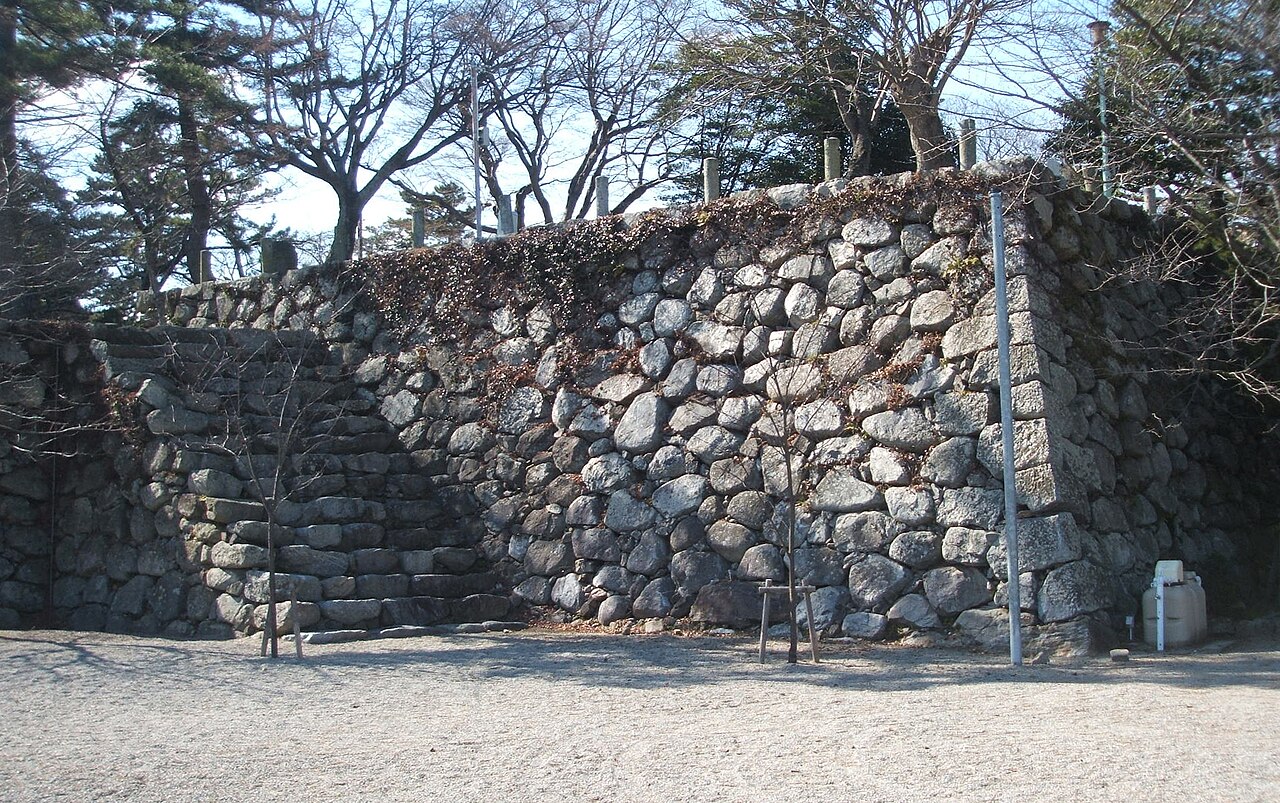
The town itself was laid out as a castle town in 1588 by Gamō Ujisato, who built Matsusaka Castle on the plain. Ujisato did not stay long — the same lord was later transferred north to Aizu — but the merchant town he established outlasted him by centuries. As the Edo period settled in, Matsusaka’s striped cotton found its market in the new shogunal capital.
- 1588 — Gamō Ujisato builds Matsusaka Castle and lays out the castle town.
- 1590 — Ujisato is transferred north to Aizu; the merchant town he founded remains.
- 17th century — Matsusaka-jima stripes spread through Edo and become a townsman fashion staple.
- 1673 — Mitsui Takatoshi, a Matsusaka native, opens the Echigoya draper’s shop in Edo — forerunner of Mitsukoshi and the Mitsui house.
- 1730–1801 — Lifetime of Motoori Norinaga, the kokugaku scholar born in Matsusaka.
- Today (2026) — Hand-weaving is sustained largely by the Matsusaka Momen Center.
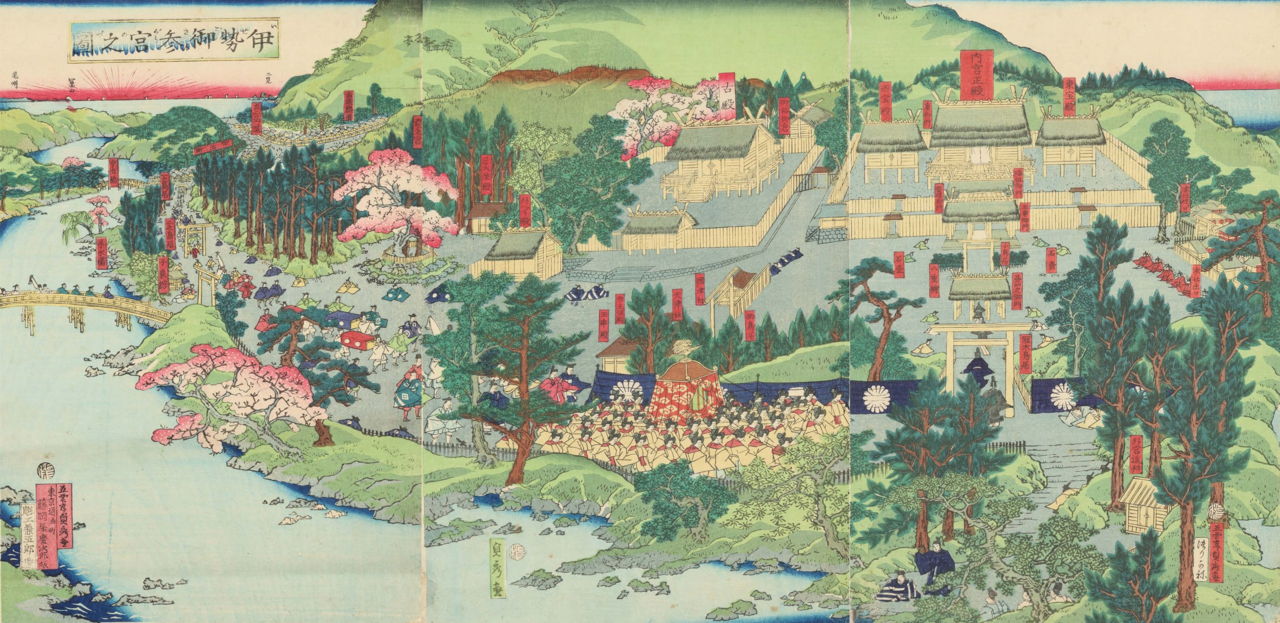
The trade that made the cloth famous was run by the Ise merchants — the Ise-shōnin, who became a byword for nationwide commerce. The most famous of them was Mitsui Takatoshi, a Matsusaka native who founded the Echigoya draper’s shop, the ancestor of both the Mitsukoshi department store and the Mitsui house. Through merchants like him, the plain’s sober striped cotton reached the capital and became, in the saying of the day, the cloth Edo’s commoners wore from head to toe.
“It was said that Edo’s commoners were dressed head to toe in Matsusaka stripes — a provincial cotton that set the capital’s quiet fashion.”
What gives the cloth its character is the dyeing order. Hand-woven hon-Matsusaka momen is yarn-dyed with natural indigo before weaving, not printed or dipped afterward. That is why the blue runs all the way through the thread, why the stripe stays crisp at the edges, and why the color fades slowly and evenly with age rather than washing out in patches. The restraint of those fine vertical stripes was exactly the point: in Edo taste, understatement read as iki — sober chic rather than display.
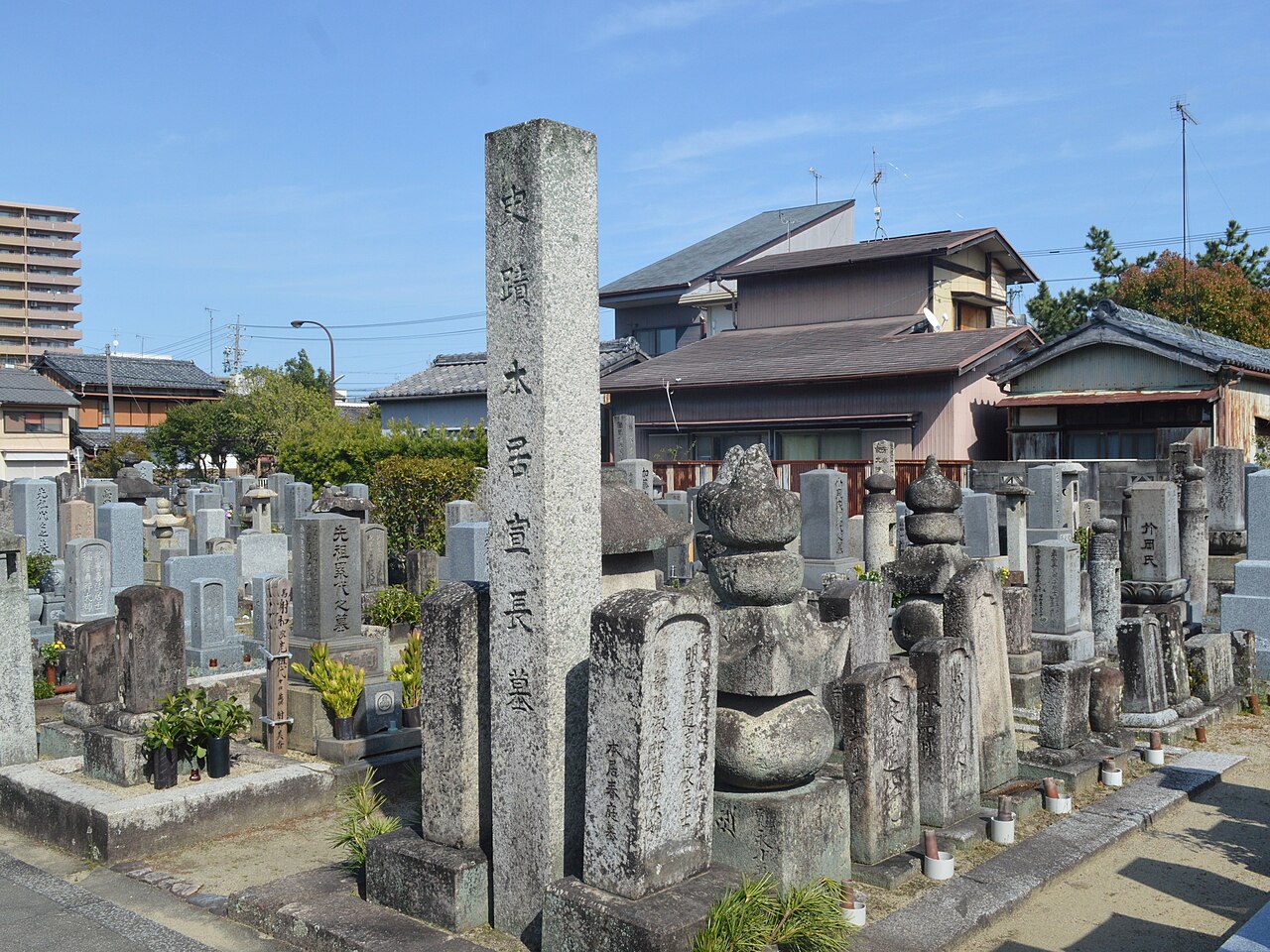
Matsusaka was not only a merchant town. It was also the home of Motoori Norinaga (1730–1801), the foremost scholar of kokugaku — “national learning” — whose decades-long study of classical Japanese texts ranks among the major intellectual projects of the Edo period. A place can hold both a thriving cloth trade and a leading scholar at once, and Matsusaka did. Today the hand-weaving tradition is narrow but alive, carried largely by the Matsusaka Momen Center, which keeps the yarn-dyed indigo cloth in production for goods like the tote covered here.
Price snapshot across stores
Note: no live price was captured for this listing at the time of writing. The JPY figure is the authoritative price for the specific sourced item; verify it at the link before buying. USD figures shown elsewhere are approximate at a ¥150/USD baseline (mid-2026).
| Store | Item / Variant | Price | Notes |
|---|---|---|---|
| 🇺🇸 Amazon US (search) | Browse Japanese indigo cotton totes & bags | varies (USD) | Best if you’re shopping from the US — Prime shipping, USD pricing, no international customs. Amazon US carries Japanese indigo and sashiko-style cotton goods for comparison; this exact Matsusaka momen piece ships from Japan (next row). |
| 🇯🇵 Amazon JP Global Store | Matsusaka Momen Center indigo-stripe tote (ASIN B0GZFZFWJ6) | ¥ — (price unconfirmed at writing) | Sourced listing for the exact item. Ships internationally from Japan to most major destinations; confirm current price and stock at the link. |
| Maker direct | Matsusaka Momen Center | varies | The workshop that sustains the hand-weaving. May not ship internationally directly; check current offerings. |
| Proxy services (Buyee / Tenso) | Japan-only listings forwarded abroad | item + fees | Use if a domestic-only shop carries a variant you want; expect added service and forwarding fees plus possible customs duties. |
What it does well
Weaknesses and things to verify before buying
- Listing data is thin. No live price and no captured dimensions or weight were available at the time of writing. Confirm size, capacity, and price at the link before ordering.
- Indigo can transfer and shift. Natural-indigo cotton may rub off onto light clothing when new and will lighten over time; this is expected behavior, not a defect, but light-colored shirts are at some risk early on.
- Hand-care, not carefree. Hand-woven natural-dyed cotton generally wants gentle, cold, separate washing. It is not a machine-washable synthetic; treat care instructions as conservative.
- Not a protective or structured bag. Cotton totes offer little padding or water resistance — not the choice for laptops, electronics, or rainy commutes without an inner sleeve.
- Stock is seasonal and narrow. Hand-weaving output is limited and sustained by a small number of hands; a specific stripe or size may sell out and not return immediately.
- Shipping and duties from Japan. If you buy via the JP Global Store, factor international shipping (commonly about $15–$40 to the US/EU) and possible customs duties above your local threshold.
Conclusion — which buyer type are you?
Other ways to approach this purchase
🏆 Editor’s Pick
❓ Frequently Asked Questions
What exactly is Matsusaka momen?
It’s indigo-striped cotton cloth woven historically on the Ise plain in Matsusaka, Mie Prefecture. In the Edo period its fine vertical stripes (Matsusaka-jima) became a fashion staple among the townspeople of Edo.
Does Amazon JP ship this tote internationally?
The Amazon JP Global Store ships many household items to most major destinations. Confirm shipping availability and cost (commonly about $15–$40 to the US/EU) at checkout, and budget for possible customs duties.
How should I care for natural-indigo cotton?
Treat care instructions as conservative: gentle, cold, separate washing. Natural indigo may transfer when new and will lighten over time — this is normal aging, not a defect.
Why does the listing not show a price or dimensions?
Listing data was thin at the time of writing — no live price or captured measurements were available. We chose not to guess. Verify current price, size, and stock directly at the affiliate link.
How is it different from other Japanese indigo cottons?
Matsusaka momen is specifically a yarn-dyed striped cotton from the Ise plain, distinct from resist-dyed crafts like Awa aizome tenugui or kasuri-patterned Yumihama-gasuri. See the comparison box above for related guides.
Does it make a good gift?
Yes — a tote with a documented regional lineage and a quiet, adult pattern travels well as a gift. Note that hand-woven stock is seasonal, so order with lead time if you need a specific stripe.
jpmono.com is curated by a Japan-based editorial team working out of Toyama in the Hokuriku region and Nara in Kansai, and is independent. We do not take payment from the makers we feature; income comes from affiliate links. We do not physically test every product — we read maker’s specs and source listings.
🤖 This article was prepared with AI assistance and reviewed against the available listing data. Where data was thin, we marked items unconfirmed rather than guessing.
Affiliate disclosure: jpmono.com may earn a commission on qualifying purchases made through links on this page, at no additional cost to you.