![Takaoka Doki Bronze Orin Meditation Bell: Where to Buy This Rin [2026]](https://jpmono.com/wp-content/uploads/2026/07/takaoka-orin-rin-gong-meditation-bell-where-to-buy-2026-featured.jpg)
- What it is: A cast-bronze orin (rin) standing bell from Takaoka, struck to produce a clear, long-decaying tone for ritual and meditation.
- Made in: Takaoka, Toyama Prefecture — Takaoka Doki copperware, a METI-designated National Traditional Craft since 1975.
- Price band: mid-range for a cast-bronze ritual bell (see the live listing for the current figure) — no invented price shown here.
- Best for: a home meditation or mindfulness practice, a Buddhist altar (butsudan), or a resonant, long-lasting gift.
- Skip if: you want a pocket-sized keychain chime, or a Western tuned “singing bowl” set with fixed musical notes.
- Shipping: ships internationally from Amazon Japan — jump to our pick ↓
Strike a good orin once and the room does not go quiet — it fills, slowly, with a single tone that keeps ringing long after your hand has left the striker. That decay, measured in seconds rather than instants, is the whole point of the object, and in Takaoka it is engineered: the caster tunes the bronze alloy and the thickness of the bowl wall so the bell rings clear and sustains.
The bell in this guide is a cast-bronze orin (also called a rin) from Takaoka, the foundry town in Toyama Prefecture that has poured copper and bronze since 1611. It is the same tradition — and often the same district of workshops — that produced Takaoka’s own 16-meter Great Buddha and much of the Buddhist altar fittings used across Japan. An orin sits at the center of that lineage: a small, bowl-shaped standing bell struck in temple ritual and, increasingly, in secular meditation and mindfulness practice.
This article is written for international readers deciding whether a Takaoka orin is worth buying and shipping home, and where to buy one. We cover what the object is and is not, how to read the (thin) listing data honestly, how it compares to related Japanese metal crafts, the international shipping picture from Amazon Japan, and which buyer profiles it actually fits. Facts about the craft come from verified maker and regional data; where the live listing was thin, we say so rather than guess.
🔄 Updated: July 13, 2026
⏱️ Read time: ~9 min

ℹ️ Live pricing and some specs weren’t in our snapshot — the linked listing is authoritative; unconfirmed attributes are marked below.
- Who this is for — and who should skip it
- Product overview (from published specs)
- Where this comes from — place, era, and the craft tradition
- 📦 Shipping & where to buy from outside Japan
- Price snapshot across stores
- What it does well
- Weaknesses and things to verify before buying
- Conclusion — which buyer type are you?
- Other ways to approach this purchase
- 🏆 Editor’s Pick
- ❓ Frequently Asked Questions
Who this is for — and who should skip it
- Keep a meditation, breathwork, or mindfulness practice and want a physical timer with a long, clean decay.
- Maintain a home Buddhist altar (butsudan) and want a ritual bell made in the traditional casting town.
- Value the sound of solid cast bronze over the brighter ring of thin pressed metal.
- Want a durable, low-maintenance object that ages well and can be handed down.
- Are looking for a meaningful gift with verifiable craft heritage.
- Want a specific musical pitch — cast bells are tuned for tone and sustain, not a guaranteed Western note.
- Need something pocket-sized or travel-portable; a cast-bronze orin has real mass.
- Expect the lowest possible price — pressed-metal or resin chimes cost far less.
- Are shopping for a Tibetan-style rubbing “singing bowl” set; that is a different object with a different technique.
- Cannot confirm the exact bowl diameter you need — the listing snapshot did not include full dimensions (verify before buying).
Product overview (from published specs)
The table below is compiled from the Amazon US search path (primary, moonill-20), the Amazon JP Global Store listing this item is sourced from (secondary, moonill-22), and the maker’s craft tradition. Where the listing snapshot did not confirm a value, it is marked Unconfirmed — check the listing rather than guessed.
Takaoka Doki Bronze Orin Meditation Bell
高岡銅器 リン布団 総金 3号 81-27
通常5~6日以内に発送します。 · Sold by ハーモ · ASIN B086Q7XFLL
Price and availability as of 2026-08-31 02:30 JST. The Amazon listing at the time of purchase is authoritative. jpmono.com earns a commission on qualifying purchases at no extra cost to you.
| Attribute | Value | Source |
|---|---|---|
| Object type | Orin / rin — bowl-shaped standing bell | Maker tradition |
| Material | Cast bronze (Takaoka copperware) | Maker tradition |
| Origin | Takaoka, Toyama Prefecture, Japan | Maker tradition |
| Craft designation | National Traditional Craft (METI), designated 1975 | Maker tradition |
| Tuning | Alloy and wall thickness tuned for a clear, long-decaying tone | Maker tradition |
| Bowl diameter | Unconfirmed — check the listing | — |
| Weight | Unconfirmed — check the listing | — |
| Included accessories | Unconfirmed — striker/cushion may or may not be bundled; check the listing | — |
| Price | Not in our snapshot — the JP Global Store listing is authoritative | Amazon JP Global Store |
📖 Glossary — key terms
- orin (おりん) / rin (鈴) — a bowl-shaped standing bell struck (not rubbed) from above the rim; used in Buddhist ritual and, increasingly, in meditation.
- Takaoka Doki (高岡銅器, “Takaoka copperware”) — the cast copper-and-bronze craft of Takaoka, Toyama; a National Traditional Craft covering bells, altar fittings, and statuary.
- butsudan (仏壇) — a household Buddhist altar; an orin is one of its standard ritual objects.
- Kanayamachi (金屋町) — the historic founders’ district of Takaoka where the first casters settled and where copperware is still made.
- ikin / rin-bo — the wooden striker used to sound the bell (Japanese striker terms vary by maker; confirm what the listing includes).
Other Japanese metal and craft objects we’ve covered — useful for comparing casting traditions, tone, and price tiers before you commit.
Where this comes from — place, era, and the craft tradition


Takaoka is a river-and-port city in Toyama Prefecture, on the Sea of Japan coast of the Hokuriku region — about 350 km northwest of Tokyo and roughly 200 km northeast of Kyoto, with the Tateyama mountains standing to the south. It is a place shaped by water and metal rather than by tourism, and the local craft economy grew out of deliberate domain policy rather than accident.
The trade began by invitation. When the second lord of the powerful Kaga domain established Takaoka as a castle town, he set out to seed an industry that would outlast the castle itself.
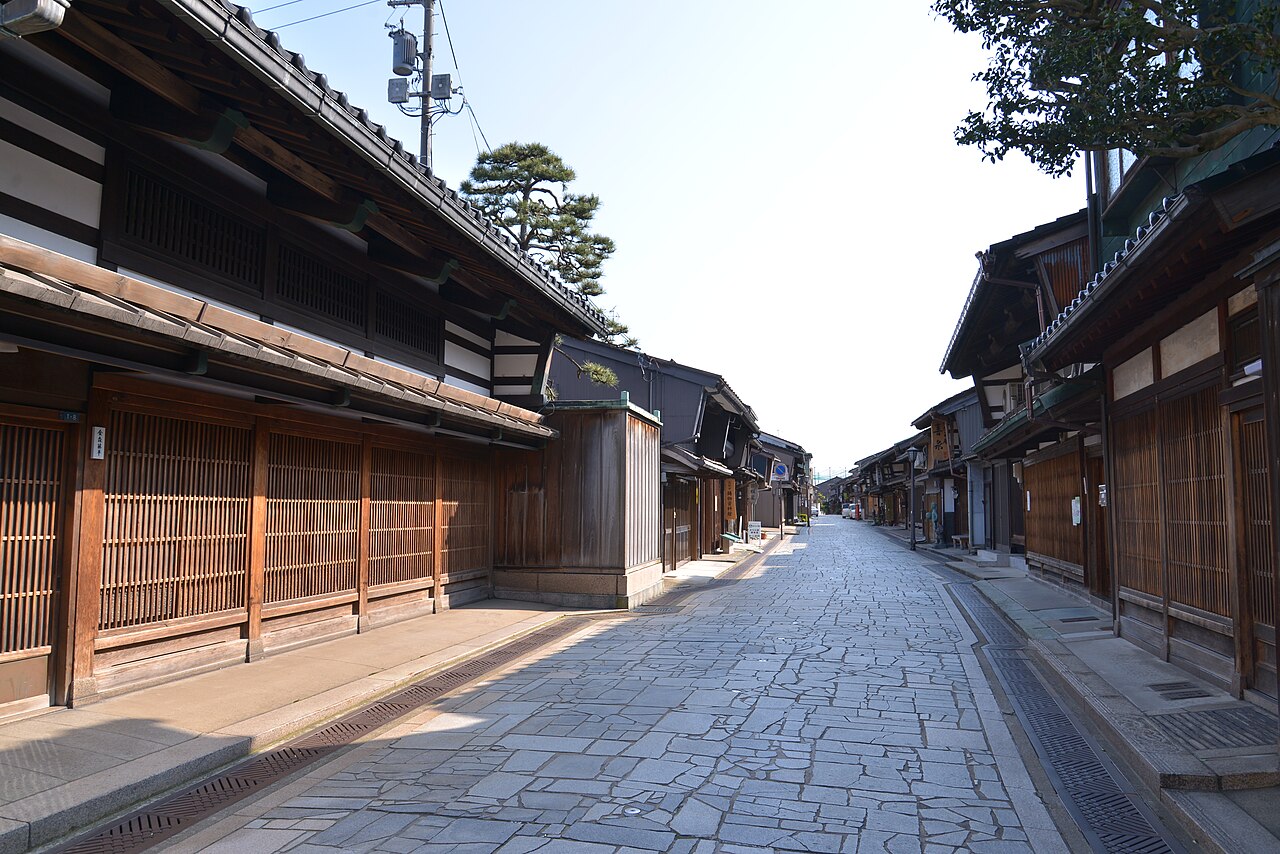
Takaoka copperware — Takaoka Doki (高岡銅器) — began in 1611, when Maeda Toshinaga, second lord of the Kaga domain, invited seven metal casters to settle the Kanayamachi district of his new castle town. What started as cooking pots and everyday ironmongery grew, over the following centuries, into temple bells, incense burners, Buddhist altar fittings, and full-scale bronze statuary. The orin sits squarely inside that arc: a small ritual bell made by the same casting and tuning skills that produce far larger temple bells.
“A feudal lord invited seven casters to a town that was barely two years old — and four centuries later, Takaoka still pours roughly nine out of every ten pieces of copperware made in Japan.”
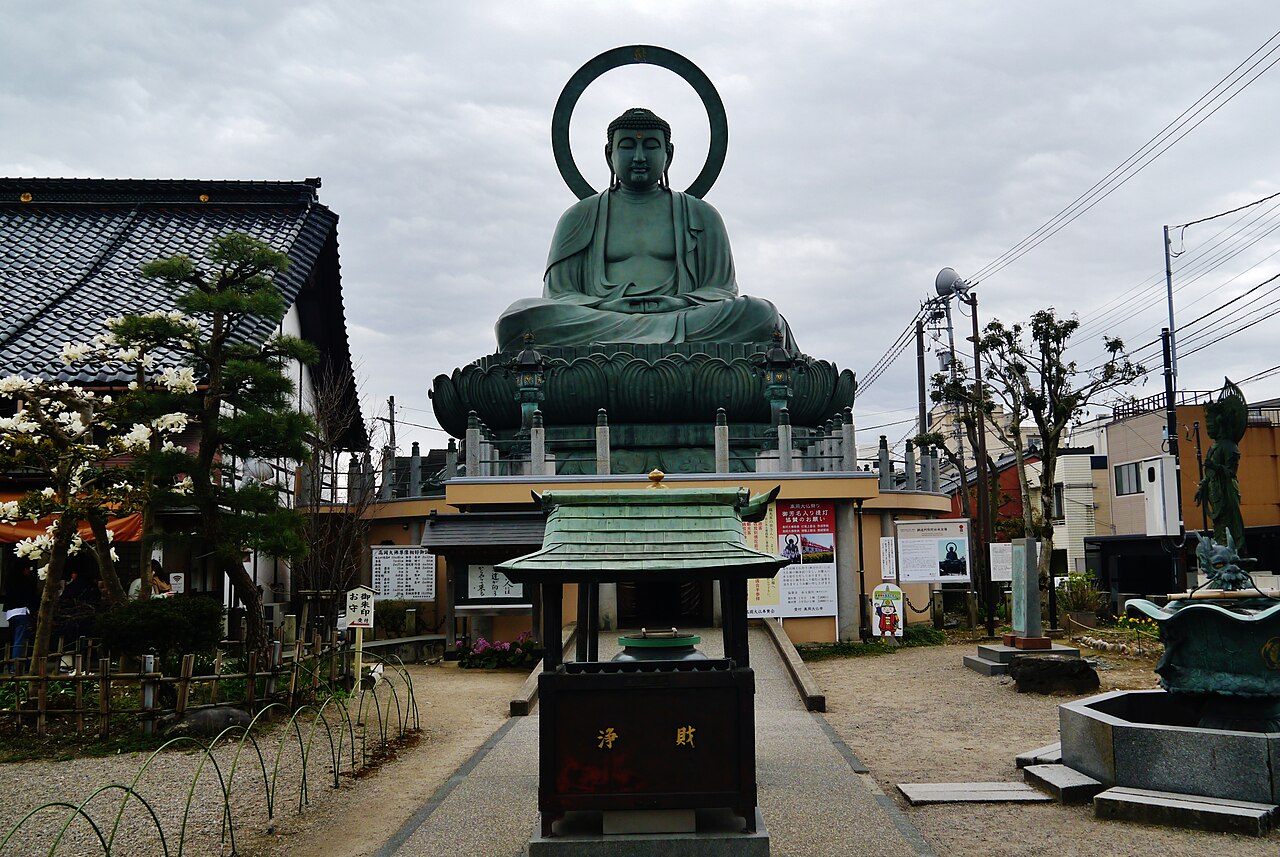
The scale of that industry is easy to underestimate. Today Takaoka produces roughly 90% of Japan’s copperware, and the town cast its own landmark: a 16-meter bronze Great Buddha (the Takaoka Daibutsu), poured by local artisans as a civic demonstration of the same skills used for altar bells. In 1975, Takaoka Doki was formally designated a National Traditional Craft by Japan’s Ministry of Economy, Trade and Industry.
- 1609 — Maeda Toshinaga of the Kaga domain founds Takaoka as a castle town.
- 1611 — Seven metal casters are invited to the Kanayamachi district; Takaoka copperware begins.
- Edo period — Output broadens from cooking pots to temple bells, incense burners, and Buddhist altar fittings.
- Meiji era onward — Takaoka casters turn to large bronze statuary, including the town’s 16-meter Great Buddha.
- 1975 — Takaoka Doki is designated a National Traditional Craft by METI.
- Today — Takaoka produces roughly 90% of Japan’s copperware, orin bells among them.
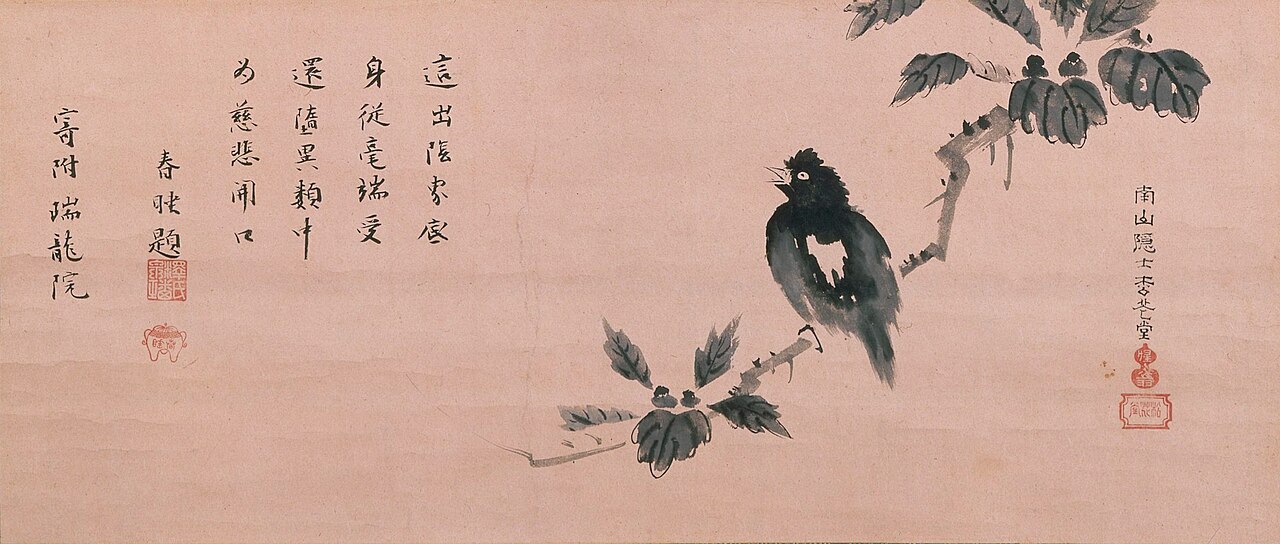
What “still being made here” means, in Takaoka’s case, is a district that never stopped. The Kanayamachi streetscape where the first casters settled is still lined with copperware workshops, and the Maeda family’s patronage left permanent anchors — including Zuiryu-ji, a National Treasure Zen temple. The tuning knowledge that gives a good orin its long decay is the tail end of a four-century line, applied now to a household bell rather than a temple’s.
Culturally, the orin’s role is quiet and daily. On a household altar it is struck to open and close prayer; away from the altar, its long single tone has made it a natural fit for meditation and mindfulness practice, where the fade of the sound becomes something to follow with the breath.
- 🧴 Daily care: wipe dust off with a soft, dry cloth; avoid abrasive cleaners that can scratch the bronze surface.
- 💧 Moisture: keep it dry — bronze can develop a patina over time, which many owners regard as part of its character.
- 🔨 Striking: use the paired wooden striker on the rim; a lighter touch gives a cleaner, longer tone than a hard hit.
- 🔧 Longevity: cast bronze is durable and low-maintenance; there are no coatings to re-apply or blades to re-sharpen.
📦 Shipping & where to buy from outside Japan
The specific orin in this guide is sourced from the Amazon JP Global Store, which ships internationally from Japan to 65+ countries — including Canada, the UK, and Australia. For most destinations, Amazon estimates and collects any import fees at checkout, so there is usually no surprise customs bill on delivery.
Expect international shipping in roughly the $15–$40 range to the US, EU, Canada, the UK, and Australia, depending on weight and speed; a cast-bronze bell has real mass, so shipping leans toward the higher end. If the Global Store listing is unavailable in your country, proxy services such as Buyee or Tenso can forward a domestic Japanese listing, though they add their own handling fee. Prices and availability fluctuate — verify at the retailer before purchasing.
Price snapshot across stores
JPY is the authoritative price for the specific listed item; USD figures elsewhere are approximate at a ¥150/USD baseline (mid-2026). Our snapshot did not include a live figure, so the JP Global Store listing below is the source of truth.
| Store | Item / Variant | Price | Notes |
|---|---|---|---|
| 🇺🇸 Amazon.com (US) | Browse Japanese orin & meditation bells | varies (USD) | Best if you’re shopping from the US — Prime shipping, USD pricing, no international customs. Amazon US carries Japanese meditation and altar bells from various makers, useful for comparing size and tone tiers; this exact Takaoka piece is sourced from Japan (next row). |
| Amazon JP Global Store | Takaoka Doki cast-bronze orin (this item) | See listing (JPY authoritative) | Ships internationally from Japan to 65+ countries — including Canada, the UK and Australia — with import fees estimated at checkout. This is the sourced listing for the exact item. |
| Maker direct | Takaoka copperware workshops | Varies | Some Kanayamachi foundries sell directly, but many do not ship abroad; treat as a comparison reference rather than a purchase path. |
| Proxy services (Buyee / Tenso) | Forwards a domestic JP listing | Item + handling fee | Use only if the Global Store listing is unavailable in your country; adds a service fee on top of item and shipping. |
What it does well
Weaknesses and things to verify before buying
- No confirmed dimensions in our snapshot. Bowl diameter and height were not in the listing data we captured — confirm the size on the live listing before ordering, since orin range widely.
- Accessories are unconfirmed. Whether a striker and cushion (zabuton) are bundled was not stated in our snapshot; check the listing photos and description.
- Not tuned to a fixed musical note. Cast bells are tuned for tone and sustain, not a guaranteed Western pitch; if you need a specific note, this may disappoint.
- Weight raises shipping cost. Solid bronze is heavy, which pushes international shipping toward the higher end of the estimated range.
- Live price was not in our data. We do not quote a figure because our snapshot lacked one — treat the JP Global Store listing as authoritative and verify before buying.
- Patina develops over time. Bronze can darken or develop a patina; buyers who want a permanently bright finish should factor that in.
Conclusion — which buyer type are you?
Other ways to approach this purchase
🏆 Editor’s Pick
❓ Frequently Asked Questions
What is an orin (rin) bell used for?
An orin is a bowl-shaped standing bell struck for Buddhist ritual — typically to open and close prayer at a household altar — and, increasingly, for meditation and mindfulness, where its long single tone gives the practitioner something to follow.
Is a Takaoka orin the same as a Tibetan singing bowl?
No. An orin is struck from above the rim to produce a single tone; a Tibetan singing bowl is usually rubbed around the rim to build a sustained hum. They are different objects with different techniques, though both are metal bowls.
Does it ship outside Japan, including Canada, the UK, and Australia?
Yes. It is sourced from the Amazon JP Global Store, which ships internationally from Japan to 65+ countries, including Canada, the UK, and Australia. Amazon estimates and collects import fees at checkout for most destinations.
How do I care for a bronze orin?
Wipe it with a soft, dry cloth and keep it dry; avoid abrasive cleaners. Bronze can develop a patina over time, which many owners regard as part of its character. There are no coatings to re-apply.
Will the bell arrive tuned to a specific musical note?
Not necessarily. Takaoka casters tune the alloy and wall thickness for a clear, long-decaying tone rather than a guaranteed Western pitch. If you need a specific note, confirm with the seller before buying.
Are a striker and cushion included?
Our data snapshot did not confirm the bundled accessories. Some orin ship with a wooden striker and a small cushion (zabuton) and some do not — check the current listing photos and description before ordering.
jpmono.com is curated by a Japan-based editorial team (working out of Toyama in the Hokuriku region and Nara in Kansai) and is independent. We do not take payment from the makers we feature; income comes from affiliate links. Read more about our editorial standards.
🤖 This article was drafted with AI assistance and reviewed against verified maker and regional craft data before publication. Specs and prices should be confirmed on the live listing.
Affiliate disclosure: jpmono.com may earn a commission on qualifying purchases made through links on this page, at no additional cost to you.