![Echizen Shikki Lacquer Jubako Tiered Box: Where to Buy Fukui’s Urushi Stacking Box [2026]](https://jpmono.com/wp-content/uploads/2026/07/echizen-shikki-lacquer-jubako-box-where-to-buy-2026-featured.jpg)
- What it is: A two-tier jubako stacking box with a solid wood body and layered urushi lacquer, made for osechi, layered bento, and formal gifting.
- Made in: Sabae / Kawada district, Fukui Prefecture — Echizen Shikki, a METI-designated traditional craft with a lineage traced back roughly 1,500 years.
- Price band: Mid-range for wood-and-urushi lacquerware (see the live listing — our snapshot did not include a confirmed figure).
- Best for: Households that host New Year osechi or want one heirloom-grade serving box that doubles as a gift.
- Skip if: You want something dishwasher-and-microwave safe for daily rough use.
- Shipping: ships internationally from Amazon Japan — jump to our pick ↓
For roughly fifteen centuries, one small valley in Fukui has been coating wood in tree sap until it turns to glass. The tradition begins with a legend: a future Emperor Keitai, still a prince based in Echizen, is said to have handed a damaged crown to a local lacquerer for repair — and the craftsman, when he returned it, also presented a bowl finished in deep, jet-black urushi. Whether or not the story is literally true, it fixes the point that this region was working urushi lacquer long before most of the crafts foreign readers associate with Japan even existed.
That valley is the Kawada district of Sabae and Echizen City, and the craft is Echizen Shikki (越前漆器, “Echizen lacquerware”). It grew into one of the largest urushi production centers in the country — so large that a commonly cited 80–90% of Japan’s commercial and restaurant lacquerware is made here. Much of the black and vermilion dining ware set in front of diners across Japan is Echizen-made, without the diners ever knowing it. The jubako (重箱, a multi-tier stacking box) is the format where that everyday competence turns into something ceremonial.
This guide is written for international readers deciding whether a wood-and-urushi jubako is worth buying and shipping from Japan, and — if so — through which path. We cover what the object is, how a real lacquered jubako differs from a molded resin lookalike, the place and history behind it, honest caveats about care and cost, and where to buy it from outside Japan. The specific piece we anchor to is a two-tier Echizen jubako (ASIN B078KCMYZP) on the Amazon Japan Global Store.
🔄 Last updated:
⏱️ Read time: ~11 min

ℹ️ Live pricing and some specs weren’t in our snapshot — the linked Amazon Japan listing is authoritative; unconfirmed attributes are marked “Unconfirmed” below.
- Who this is for — and who should skip it
- Product overview (from published specs)
- 📦 Shipping & where to buy from outside Japan
- Price snapshot across stores
- 📍 Where this comes from — place, era, and the craft tradition
- What it does well
- Weaknesses and things to verify before buying
- Conclusion — which buyer type are you?
- Other ways to approach this purchase
- 🏆 Editor’s Pick
- ❓ Frequently Asked Questions
Who this is for — and who should skip it
- Host or want to start hosting New Year osechi and need a proper stacking box.
- Value a solid wood core under real urushi rather than molded plastic.
- Want one serving vessel that also works as a formal gift.
- Are comfortable with hand-washing and gentle, long-term care.
- Appreciate buying from a craft center that supplies most of Japan’s professional lacquerware.
- Want a dishwasher- and microwave-safe box for daily lunches.
- Need it in a few days — international shipping from Japan takes longer.
- Expect to store acidic or oily food in it for long periods.
- Are shopping purely on price and don’t need real lacquer.
- Dislike hand-washing delicate tableware.
Product overview (from published specs)
The table below draws on the Amazon US search path (primary), the Amazon Japan Global Store listing for the specific item (secondary, sourced), and general Echizen Shikki craft facts. Where our snapshot did not confirm a numeric spec, it is marked “Unconfirmed” rather than guessed.
Echizen Shikki Lacquer Jubako Tiered Box
3段重箱 胴張 溜 箔沈金松 6寸三段重 越前漆器 日本製
通常2~3日以内に発送します。 · Sold by 漆器かりん本舗 · ASIN B078KCMYZP
Price and availability as of 2026-08-31 02:30 JST. The Amazon listing at the time of purchase is authoritative. jpmono.com earns a commission on qualifying purchases at no extra cost to you.
| Attribute | Detail |
|---|---|
| Craft | Echizen Shikki (越前漆器) — urushi lacquerware |
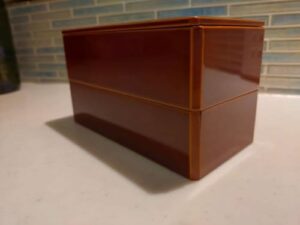
| Object | Two-tier jubako stacking box |
| Body / finish | Solid wood body coated in layered urushi lacquer; traditional finishes are jet-black (kuro) or vermilion (shu) |
| Origin | Kawada district, Sabae / Echizen City, Fukui Prefecture |
| Dimensions | Unconfirmed — check the live listing |
| Weight | Unconfirmed — check the live listing |
| Typical use | Osechi at New Year, layered bento, formal gifting |
| Source | What you get |
|---|---|
| 🇺🇸 Amazon.com (search) | Comparable Japanese lacquer jubako and bento boxes from various makers; USD pricing, Prime shipping |
| Amazon JP Global Store | The specific Echizen jubako sourced for this guide (ASIN B078KCMYZP); ships internationally from Japan |
| Maker direct | Kawada-district workshops list boxes on their own sites; commonly Japan-only shipping |
| Proxy services (Buyee / Tenso) | Forward domestic Japanese listings abroad when a maker does not ship internationally |
📖 Glossary — key terms
- Urushi (漆) — natural lacquer refined from the sap of the lacquer tree; applied in thin layers that cure into a hard, water-resistant, glossy surface.
- Shikki (漆器) — “lacquerware”; objects finished in urushi.
- Jubako (重箱) — a multi-tier stacking box, literally “piled boxes,” used for osechi and layered bento. Distinct from a single-tier bento box.
- Osechi (御節) — the traditional New Year meal, arranged in a jubako by category (sweet, simmered, vinegared).
- Kuro / Shu (黒 / 朱) — the two classic urushi finishes: jet-black and vermilion.
- Monozukuri (ものづくり) — “the making of things”; the Japanese ethos of patient, disciplined craftsmanship.
Other jpmono guides to Fukui and lacquer crafts worth reading alongside this one:
📦 Shipping & where to buy from outside Japan
The specific box in this guide is listed on the Amazon Japan Global Store, which ships many household items to most major international destinations. Based on the listing path, expect the box to travel from Japan rather than a local warehouse, so build in longer transit than a domestic Amazon order.
Estimated international shipping typically runs about $15–$40 to the US and EU, and higher to other regions; Amazon calculates the exact figure at checkout. Orders above your country’s de minimis threshold may attract customs duty or import VAT — that is on the buyer, not the seller. If a maker-direct listing is Japan-only, a proxy service such as Buyee or Tenso can forward it abroad for a fee.
Price snapshot across stores
Prices in USD are approximate and depend on the current exchange rate (¥150/USD baseline as of mid-2026). The JPY price on the specific listing is the authoritative one.
| Store | Item / Variant | Price (JPY + USD est.) | Notes |
|---|---|---|---|
| 🇺🇸 Amazon.com (US) | Browse Japanese lacquer jubako & bento boxes | varies (USD) | Best if you’re shopping from the US — Prime shipping, USD pricing, no international customs. Amazon US carries lacquer stacking and bento boxes from several makers, useful for comparing tiers and finishes. The exact Echizen piece is sourced from Japan (next row). |
| Amazon JP Global Store | Two-tier Echizen jubako (ASIN B078KCMYZP) | See live listing (snapshot did not confirm a figure) | Ships internationally from Japan. This is the sourced listing for the specific item. |
| Maker direct | Kawada-district workshop jubako | Varies by workshop | Often the widest finish and tier selection, but many sites ship within Japan only. |
| Proxy services (Buyee / Tenso) | Any domestic Japanese listing | Item price + forwarding fee | Use when a maker-direct or domestic listing does not ship abroad. |
📍 Where this comes from — place, era, and the craft tradition

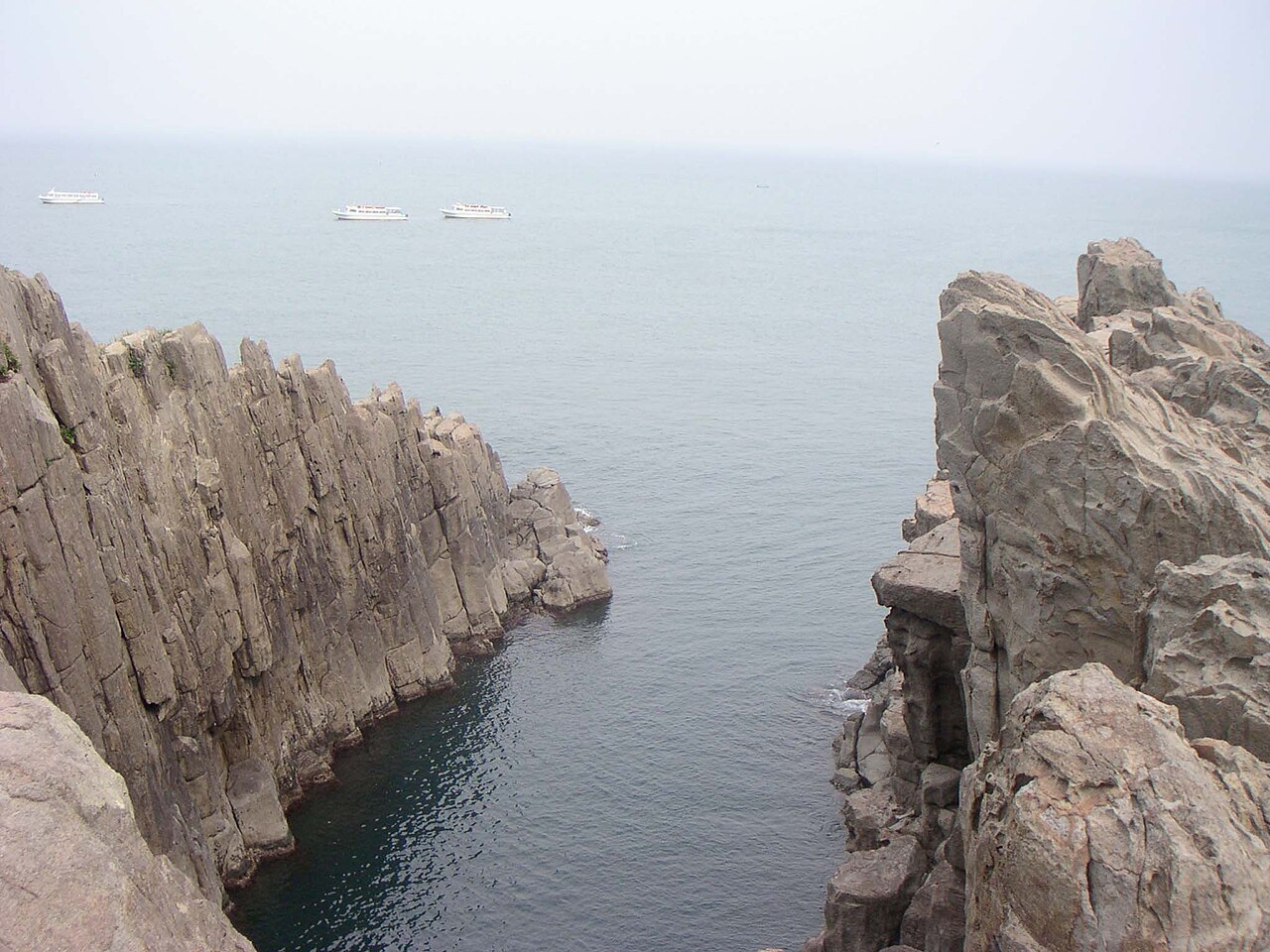
Fukui sits on the Sea of Japan coast of central Honshu, in the region variously called Chūbu or, more locally, Hokuriku. It is snow country: cold, wet winters drove much of the year’s fine handwork indoors, which is exactly the climate that sustains urushi lacquer — a material that cures best in cool, humid conditions and rewards long, patient application over many weeks. The Kawada district of Sabae and Echizen City, tucked into the valleys inland from the coast, became the heart of Echizen Shikki.
The historical anchor is unusually deep. Echizen Shikki traces its origin roughly 1,500 years, to a legend that a future Emperor Keitai — while still a prince based in Echizen — asked a local lacquerer to repair a damaged crown, and that the craftsman also presented a jet-black lacquer bowl. It is a founding story, and it should be read as one, but it places serious urushi work in this valley at the very dawn of recorded Japanese statecraft.
- c. 6th century — A future Emperor Keitai, then a prince in Echizen, is said to have a lacquerer repair his crown; the craftsman also presents a jet-black urushi bowl — the traditional origin of Echizen Shikki.
- 1244 — Dōgen founds Eiheiji, the Soto Zen head temple, in the Fukui mountains, seeding the region’s ethic of disciplined, repetitive craft.
- 15th–16th c. — The Asakura clan governs Echizen from their castle town at Ichijodani during the Sengoku period, under which the province’s lacquer and paper crafts mature.
- Edo period — Kawada grows into one of Japan’s largest urushi production centers, shifting from single pieces toward volume production.
- Modern era — Echizen Shikki is designated a traditional craft and today supplies a commonly cited 80–90% of Japan’s commercial and restaurant lacquerware.
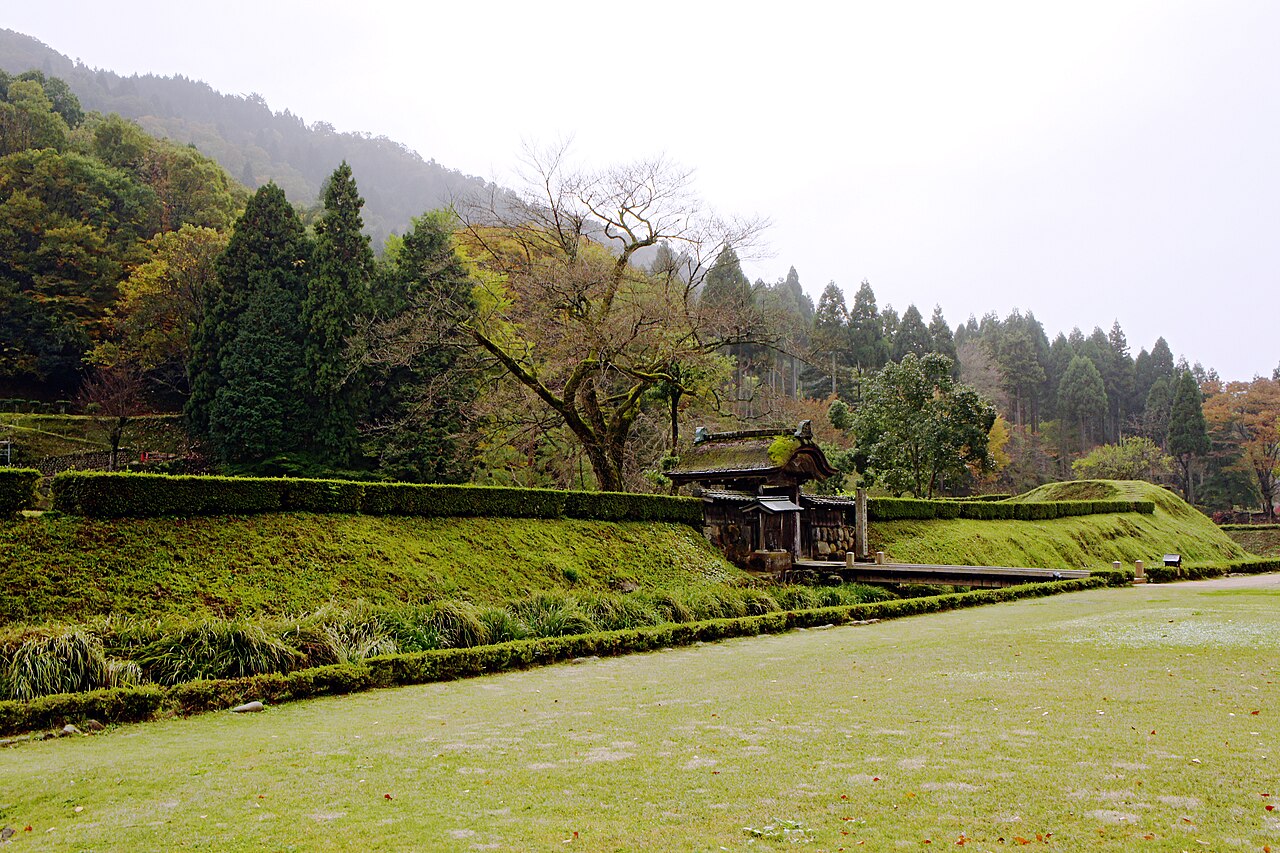
Echizen was ruled by the Asakura clan from their castle town at Ichijodani during the Sengoku period — the seat of provincial power under which the region’s lacquer and paper crafts matured. That patronage matters: a craft this labor-intensive needs a stable market of temples, courts, and merchant houses to survive its long apprenticeships, and Echizen had one for centuries.
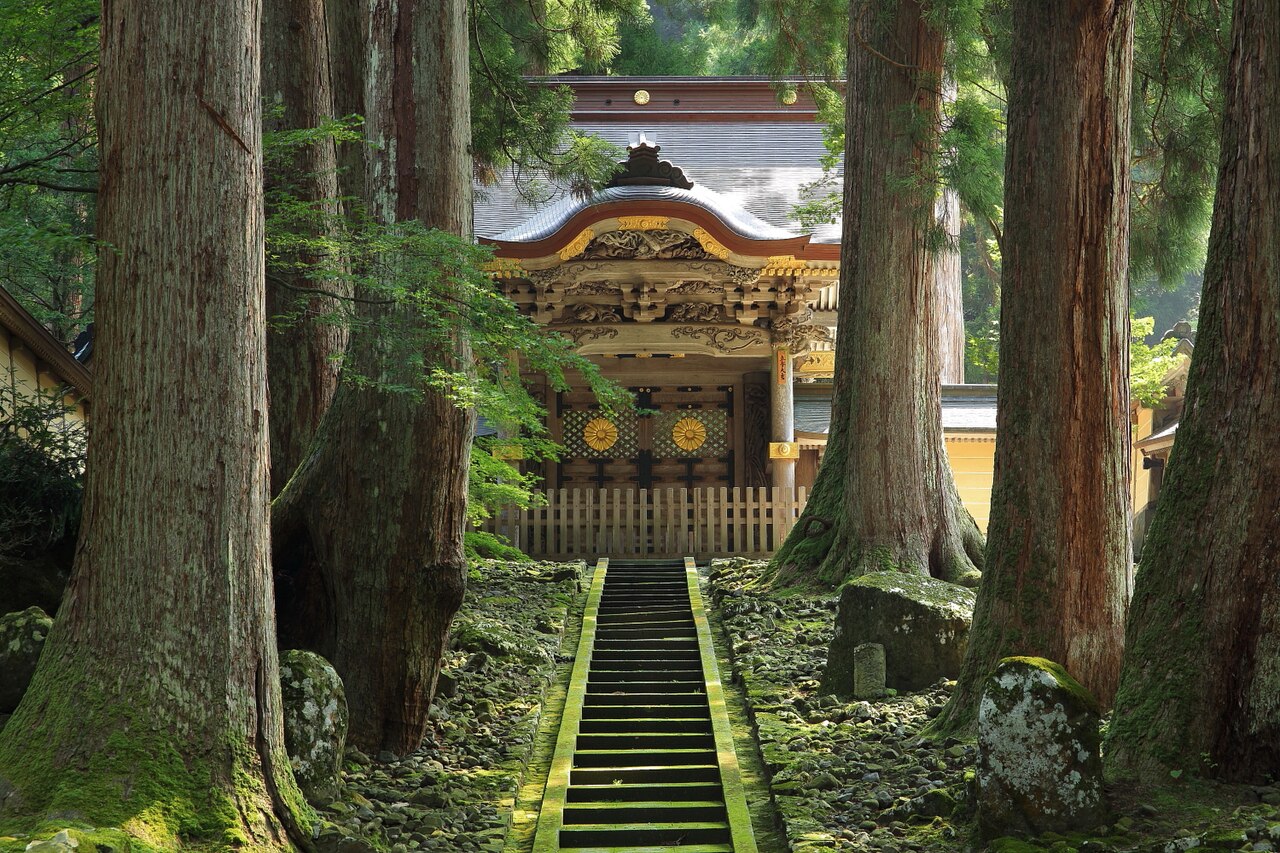
Fukui’s other formative influence is Zen. Eiheiji, the Soto Zen head temple, was founded here in 1244 by Dōgen, and the surrounding culture of patient, repetitive, ego-quieting practice maps neatly onto how urushi is applied — coat, cure, sand, coat again, for weeks. Whether or not one draws a direct line, the regional monozukuri ethic of layered, unhurried craft is real, and it is the same ethic that produces a jubako meant to be handed down rather than replaced.
“Most Japanese have eaten off Echizen lacquer without knowing it — the district supplies a commonly cited 80–90% of the country’s commercial and restaurant lacquerware.”
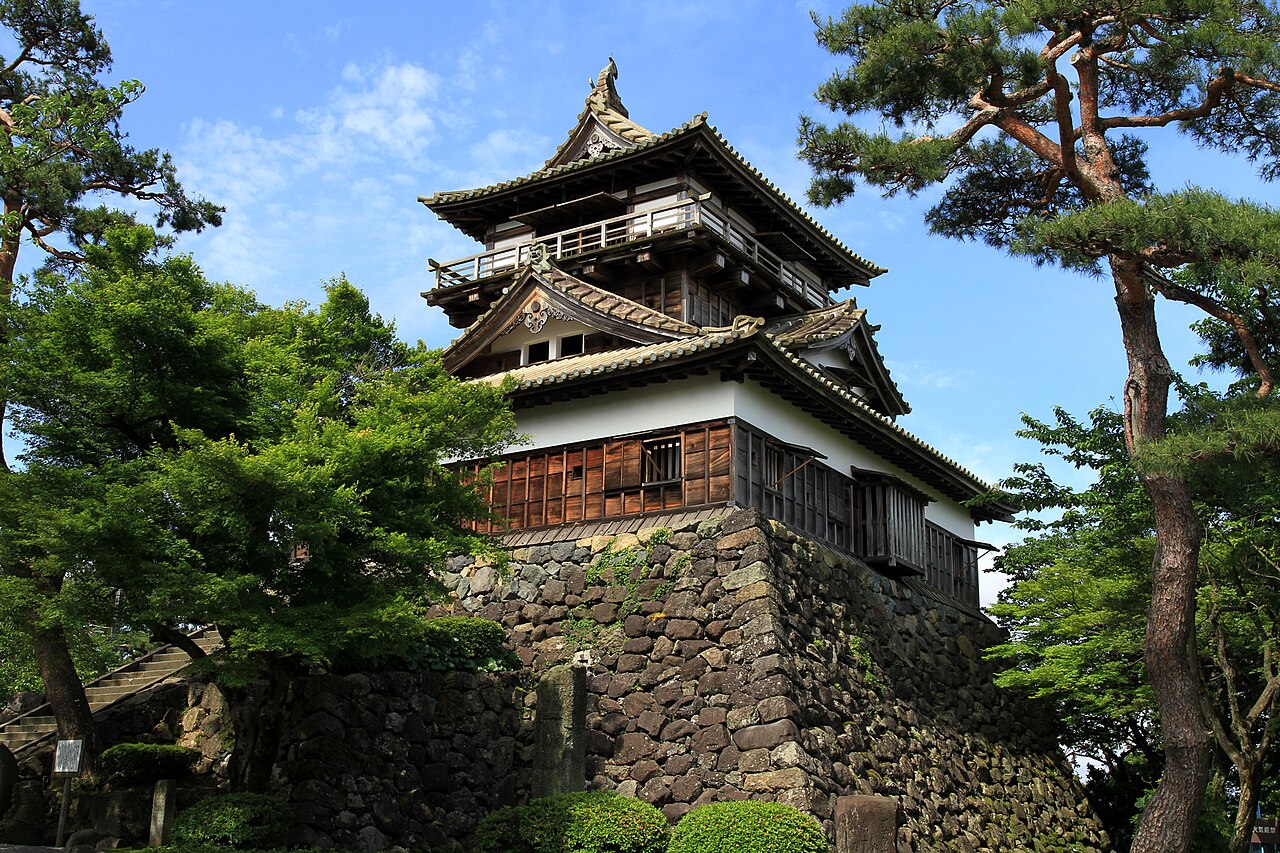
What “still being made here” means today is scale as much as heritage. Echizen did not become a boutique survival; it became the workhorse of Japanese lacquer, the place professional kitchens quietly rely on. A jubako from Kawada therefore carries an unusual combination: ceremonial format, everyday competence, and a production lineage that runs — by tradition — back roughly fifteen centuries.
What it does well
General guidance for wood-and-urushi lacquerware (confirm specifics on the listing):
- 🍽️ Dishwasher: no — hand-wash in warm water with a soft sponge.
- ♨️ Microwave: no — lacquer and a wood core are not microwave-safe.
- 🧴 Daily care: wipe dry promptly; avoid prolonged soaking, direct sun, and abrasive scrubbers.
Weaknesses and things to verify before buying
- Not dishwasher- or microwave-safe. This is delicate serving ware, not everyday plasticware; if you want low-maintenance daily lunch boxes, look elsewhere.
- Dimensions and weight were not in our snapshot. Confirm the exact tier size before buying — jubako sizing varies widely, and osechi portions depend on it.
- Finish is described in general terms only. Traditional Echizen finishes are jet-black or vermilion; verify the actual finish and any decoration on the live listing rather than assuming.
- Wood-and-urushi vs. molded lookalikes. The market is full of resin “lacquer-look” boxes; if authentic construction matters to you, read the material description closely.
- International shipping adds time and possible duty. Transit from Japan is longer than a domestic order, and customs may apply above your country’s threshold.
- Live price was not confirmed in our snapshot. Treat the linked listing as authoritative and check before ordering.
Conclusion — which buyer type are you?
Other ways to approach this purchase
🏆 Editor’s Pick
❓ Frequently Asked Questions
Does Amazon Japan ship this jubako internationally?
Yes. The item is listed on the Amazon Japan Global Store, which ships many household goods to most major international destinations. Shipping is calculated at checkout and typically runs about $15–$40 to the US and EU, higher elsewhere.
Can I put a lacquered jubako in the dishwasher or microwave?
No. Wood-and-urushi lacquerware should be hand-washed in warm water with a soft sponge, dried promptly, and kept out of the dishwasher, microwave, and direct sunlight.
What is a jubako actually used for?
A jubako is a multi-tier stacking box used mainly for osechi — the traditional New Year meal — as well as layered bento and formal gifting. The tiers let you separate foods by category while keeping a compact, stackable footprint.
How is Echizen Shikki different from other Japanese lacquerware?
Echizen Shikki comes from the Kawada district of Fukui, one of Japan’s largest urushi centers, and supplies a commonly cited 80–90% of the country’s commercial and restaurant lacquerware. It is known less as a boutique survival than as the workhorse behind much of Japan’s professional dining ware.
Is this a good gift?
Yes. In Japan a lacquered jubako is a recognized formal gift, and the jet-black or vermilion finish reads as ceremonial on its own. Confirm the finish and tier size on the listing so it matches the recipient’s use.
Why does the guide show an Amazon US search link if the item is from Japan?
Many US and EU readers find it easier to buy comparable items with local shipping and USD pricing, so we lead with an Amazon US search. The specific Echizen piece is sourced from the Amazon Japan Global Store, which is the second link.
jpmono.com is curated by a Japan-based editorial team (working out of Toyama in the Hokuriku region and Nara in Kansai) and is independent. We don’t take payment from the makers we feature; income comes from affiliate links. Read more about our editorial standards.
🤖 This article was drafted with AI assistance and edited against the maker listing and verified craft facts. Specs, prices, and availability were current at the time of writing and may change; confirm on the retailer listing before purchasing.
Affiliate disclosure: jpmono.com may earn a commission on qualifying purchases made through links on this page, at no additional cost to you.