![Shigaraki-yaki Matcha Chawan: Wabi-Sabi Tea Bowl from Shiga’s Ancient Kiln, Where to Buy [2026]](https://jpmono.com/wp-content/uploads/2026/07/shigaraki-yaki-matcha-chawan-tea-bowl-where-to-buy-2026-featured.jpg)
- What it is: a wood-fired Shigaraki-yaki (信楽焼) matcha tea bowl in coarse, feldspar-rich local clay, finished by fire rather than applied glaze.
- Made in: the Shigaraki district of Koka, southern Shiga Prefecture — one of Japan’s Rokkoyo (Six Ancient Kilns), with a pottery origin traced to 742 AD.
- Price band: mid-range for a boxed single-kiln chawan — check the live listing, as our data snapshot did not include a confirmed figure.
- Best for: matcha drinkers and collectors who want an unpretentious, one-of-a-kind wabi-sabi bowl with visible fire marks.
- Skip if: you want a flawless, uniform, machine-glazed bowl — Shigaraki’s character is deliberate irregularity.
- Shipping: ships internationally from Amazon Japan — jump to our pick ↓
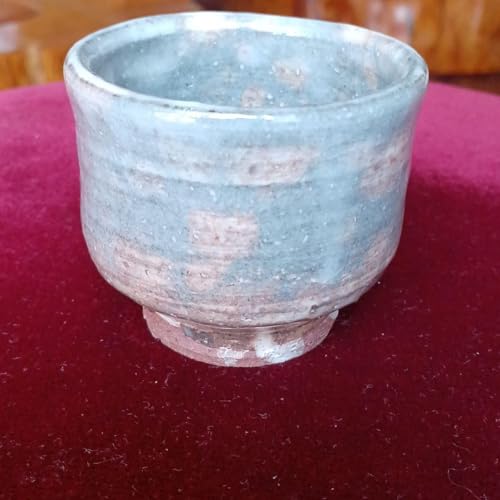
Fire does the glazing here. A Shigaraki-yaki matcha bowl goes into the kiln bare, and when wood ash settles on the shoulder at more than 1,200°C it melts into a glassy green-amber film the potters call bidoro (ビードロ, “glass”). Where the flame licks the exposed clay, the iron in the coarse local earth flushes a warm scarlet — hiiro (緋色, “fire color”) — and where embers pile against the wall, the surface scorches to a matte charcoal koge. No two bowls leave the same kiln alike.
This is stoneware from the Shigaraki district of Koka, in the hills of southern Shiga Prefecture, and it belongs to Japan’s Rokkoyo (六古窯, “Six Ancient Kilns”) — the handful of kiln towns that have fired continuously since medieval times. Abroad, Shigaraki is best known for the pot-bellied ceramic tanuki raccoon-dogs that stand outside restaurants across Japan. Among tea people, though, the town has meant something quieter for six centuries: from the Muromachi period onward, tea masters — Sen no Rikyu among them — prized Shigaraki’s rough, unglazed wares as the physical embodiment of wabi-sabi.
This guide is written for matcha drinkers, tea-ware collectors, and gift buyers outside Japan who want to understand what they are actually buying — the clay, the firing, the history, and the honest trade-offs — before they commit. We cover the maker’s context, how to read the surface, care and everyday use, international shipping, and where the best purchase paths are.
· · ⏱️ ~11 min read

ℹ️ Live pricing and some specs weren’t in our snapshot — the linked Amazon listing is authoritative; unconfirmed attributes are marked below.
- Who this is for — and who should skip it
- Product overview (from published specs)
- 📍 Where this comes from — place, era, and the craft tradition
- 📦 Shipping & where to buy from outside Japan
- Price snapshot across stores
- What it does well
- Weaknesses and things to verify before buying
- Conclusion — which buyer type are you?
- Other ways to approach this purchase
- 🏆 Editor’s Pick
- ❓ Frequently Asked Questions
Who this is for — and who should skip it
- Drink matcha at home and want a bowl with genuine kiln character, not a printed pattern.
- Appreciate wabi-sabi — irregular form, visible fire marks, and a rough foot ring.
- Collect Japanese tea ware and want a Six Ancient Kilns piece to sit beside Bizen or Iga.
- Are buying a meaningful gift with a story behind the object.
- Understand that each bowl is one-of-a-kind and will not match a catalog photo exactly.
- Want a flawless, uniform, glossy bowl with no surface irregularity.
- Expect an exact color match to the listing photo — fire color varies piece to piece.
- Need dishwasher- and microwave-proof daily mugs rather than tea utensils.
- Dislike a coarse, slightly gritty unglazed foot ring on the underside.
- Want the cheapest possible bowl and do not value hand-finishing or provenance.
Product overview (from published specs)
The table below draws on the Amazon US search path (primary), the Amazon JP Global Store listing where the specific item is sourced (secondary), and the maker’s traditional-craft context. Where our snapshot did not confirm a hard figure, the cell says so rather than guessing.
Shigaraki-yaki Matcha Chawan
丸伊製陶 信楽焼 へちもん 抹茶茶碗 直径約14cm 露草 ブルー MR-3-4121
在庫あり。 · Sold by Amazon.co.jp · ASIN B0D5Q2ZFMS
Price and availability as of 2026-08-31 02:30 JST. The Amazon listing at the time of purchase is authoritative. jpmono.com earns a commission on qualifying purchases at no extra cost to you.
| Attribute | Detail (per listing / craft context) |
|---|---|
| Object | Matcha chawan (抹茶碗, “tea bowl”) for whisking and drinking matcha |
| Ware | Shigaraki-yaki (信楽焼) — one of the Rokkoyo, the Six Ancient Kilns |
| Material | Coarse, feldspar-rich local stoneware clay; high-fired |
| Surface | Natural ash-glaze bidoro, scarlet hiiro fire color, and koge scorch marks from wood-firing — not applied glaze |
| Origin | Shigaraki district, Koka, southern Shiga Prefecture, Kansai |
| Presentation | Boxed (per listing) — suitable for gifting |
| Dimensions / weight | Unconfirmed in our snapshot — check the live listing |
| ASIN (JP Global Store) | B0D5Q2ZFMS |
📖 Glossary — key Shigaraki & tea terms
- Shigaraki-yaki (信楽焼) — stoneware fired in the Shigaraki district of Koka, Shiga; one of the Six Ancient Kilns.
- Rokkoyo (六古窯, “Six Ancient Kilns”) — the six kiln towns firing continuously since medieval times: Shigaraki, Bizen, Tamba, Echizen, Seto, and Tokoname.
- Chawan (茶碗) — a bowl for whisking and drinking matcha in the tea ceremony (sadō).
- Bidoro (ビードロ, “glass”) — the glassy green-amber film formed where wood ash melts onto the clay during firing.
- Hiiro (緋色, “scarlet / fire color”) — the warm red-orange flush that the iron-bearing clay develops in the flame.
- Koge (焦げ) — the dark scorch marks left where embers bank against the surface.
- Wabi-sabi (侘寂) — the aesthetic of quiet imperfection and transience that Shigaraki tea ware is prized for.
- Noborigama (登り窯, “climbing kiln”) — a stepped wood-fired kiln built up a slope, still used in Shigaraki today.
- Tanuki (狸) — the raccoon-dog figurine that is Shigaraki’s most famous export, fired from the same clay as its bowls.
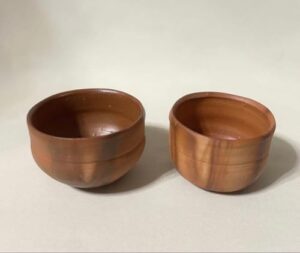
Related tea ware and Shiga crafts we’ve covered — useful for placing this bowl within its region and its kiln family.
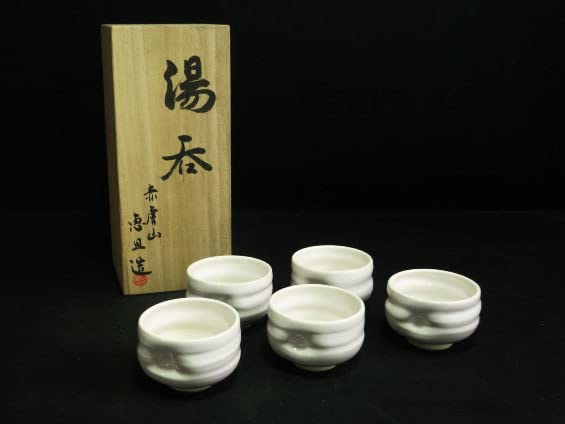
📍 Where this comes from — place, era, and the craft tradition

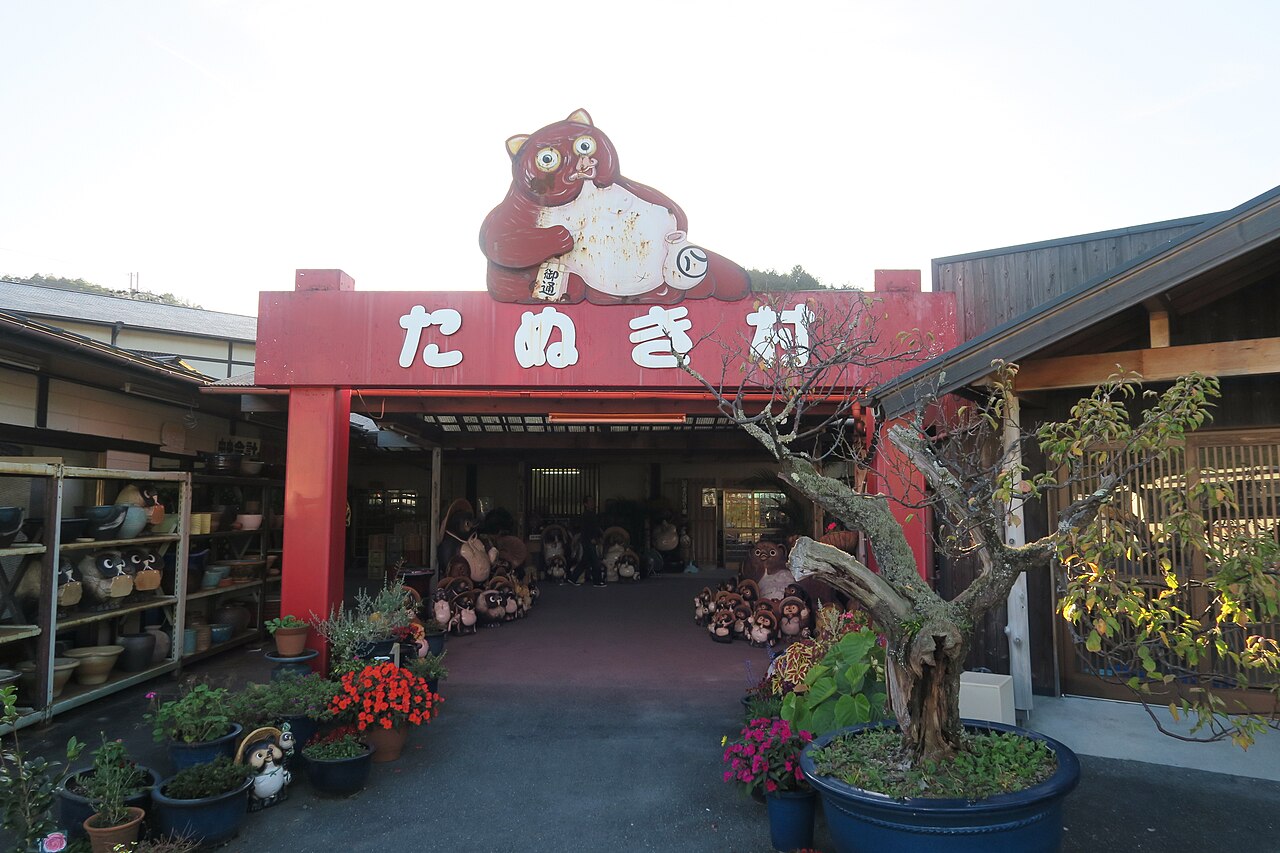
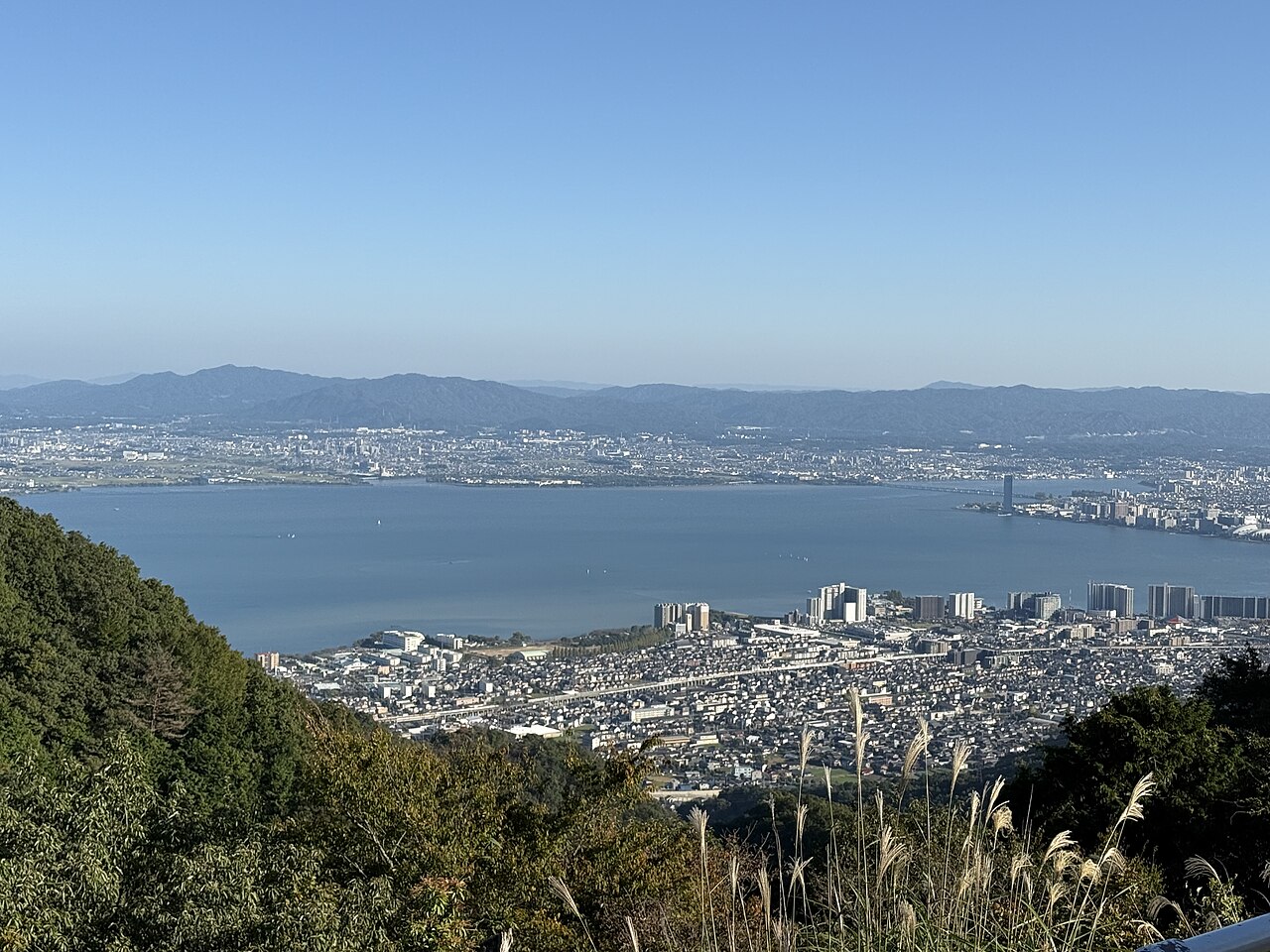
Shigaraki sits in the wooded hills of Koka, in the far south of Shiga Prefecture — the landlocked heart of the Kansai region, wrapped around Lake Biwa, Japan’s largest freshwater lake. Kyoto lies just over the western ridgeline, and the old routes down from the hills carried Shigaraki’s pottery to the capital’s tea houses and beyond. The district’s clay is the reason a kiln town grew here at all: a coarse, feldspar-rich earth left by ancient lake sediments, plastic enough to throw yet tough enough to survive a long wood firing.
The historical anchor is remarkable. In 742 AD, Emperor Shomu ordered the building of the Shigaraki Palace (Shigaraki-no-miya), and roof tiles were fired locally — the traditional origin point of the ware. For a brief window in 743–745, this hill district actually served as Japan’s capital before the court returned to Nara. The kilns outlived the palace by more than a thousand years.
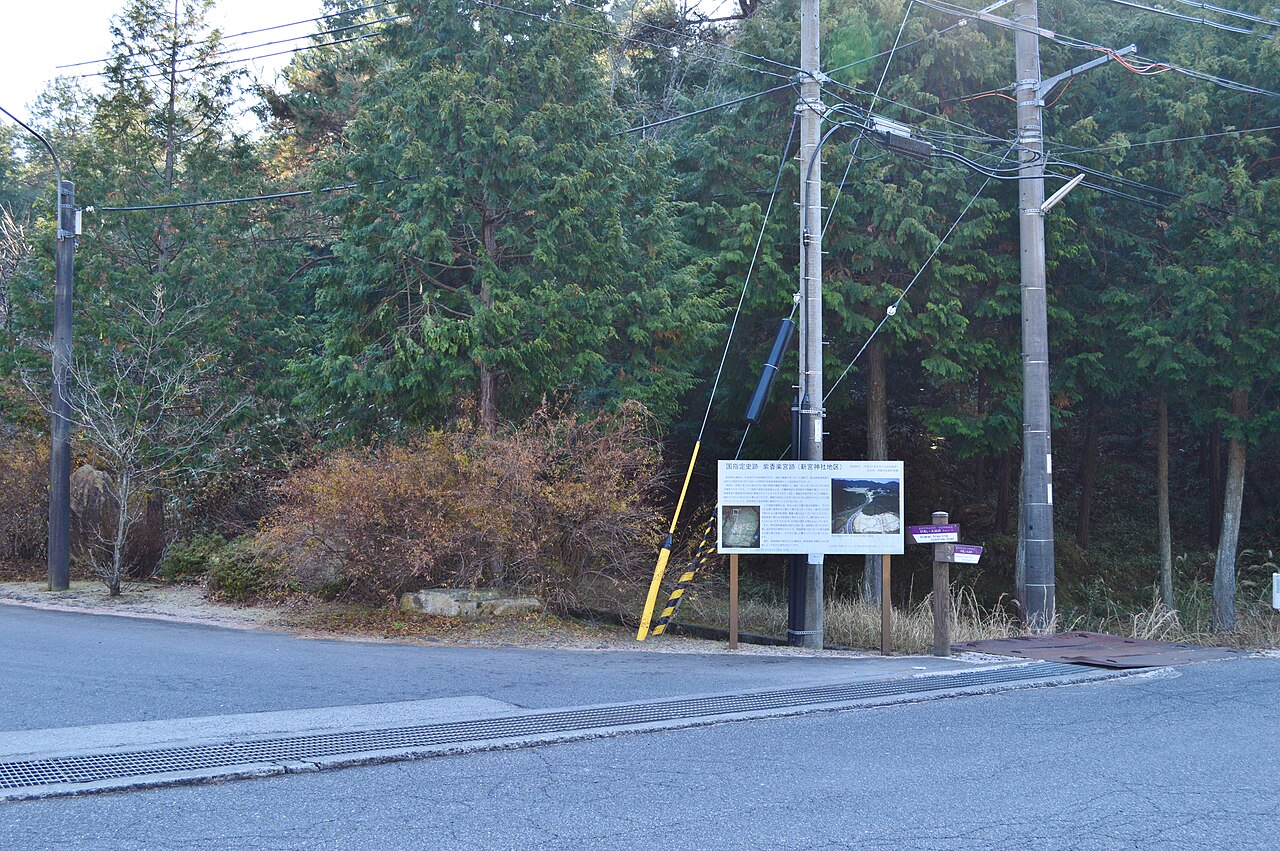
- 742 — Emperor Shomu orders the Shigaraki Palace built; roof tiles are fired from local clay (traditional origin of the ware).
- 743 — Shigaraki-no-miya briefly becomes Japan’s capital.
- 745 — The capital returns to Nara; the kilns continue firing everyday stoneware.
- 14th–16th c. (Muromachi) — Tea masters begin prizing Shigaraki’s unglazed wares for their wabi-sabi character.
- Late 16th c. — Sen no Rikyu and other wabi-tea masters treasure Shigaraki hana-ire, mizusashi, and chawan.
- Edo period onward — Noborigama climbing kilns spread; the tanuki figurine becomes a popular Shigaraki motif.
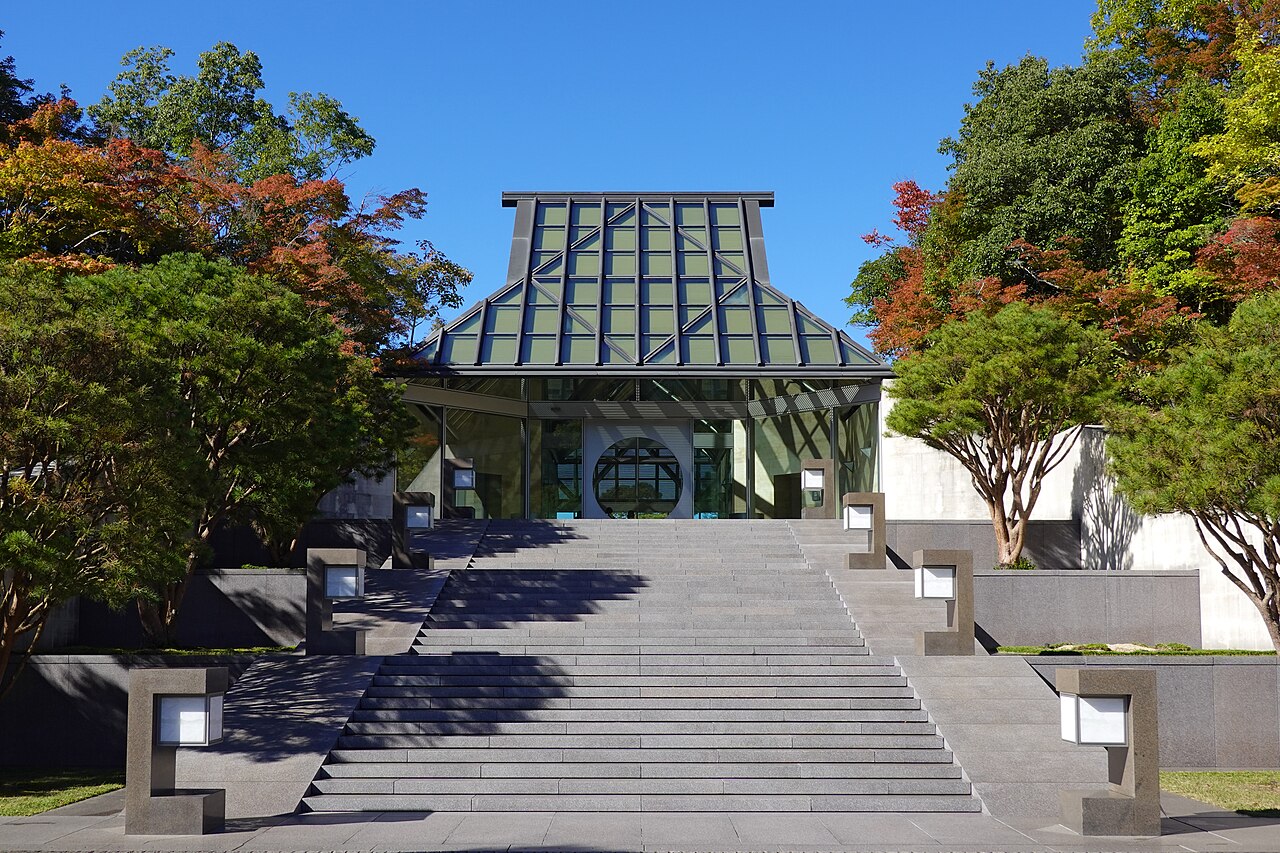
- Today — The ancient wood-firing tradition continues near Lake Biwa and the I.M. Pei-designed MIHO Museum.
Shigaraki was never a court ware. Its status came from the tea world, where the very qualities that made it look unfinished — the gritty body, the accidental ash runs, the uneven fire color — read instead as honesty. From the Muromachi period onward, and decisively under Sen no Rikyu and the wabi-tea masters of the late sixteenth century, Shigaraki flower vases (hana-ire), water jars (mizusashi), and tea bowls were sought precisely because nothing about them was staged.
“Abroad, Shigaraki is the smiling tanuki at the restaurant door. In the tea room, it has meant the opposite for six centuries — the plainest possible object, treasured for having nothing to hide.”
The tradition is not a museum piece. Shigaraki remains a working pottery district: potters still fire in noborigama climbing kilns, still let the flame and ash decide the surface, and still throw everything from garden tanuki to tea bowls out of the same local clay. The presence of the I.M. Pei-designed MIHO Museum in the surrounding hills has kept southern Shiga on the map as a center of art and craft, drawing visitors within reach of the kilns themselves.
- 🍽️ Dishwasher: not recommended — hand-wash this unglazed, wood-fired stoneware.
- ♨️ Microwave: avoid; a tea bowl is not made for reheating, and rapid heating stresses coarse clay.
- 🧴 Daily care: rinse with warm water and dry fully before storing; skip long detergent soaks, which the porous body can absorb.
- 🔧 Repairs: a chipped or cracked bowl can traditionally be mended with kintsugi (金継ぎ) gold-lacquer repair rather than discarded.
📦 Shipping & where to buy from outside Japan
The specific bowl in this guide is sourced from the Amazon JP Global Store, which ships internationally from Japan to 65+ countries — including Canada, the UK, and Australia. For most destinations, Amazon estimates and collects any import fees at checkout, so there are no surprise customs charges on delivery.
Expect shipping in roughly the $15–$40 range to the US and EU, and similar to Canada, the UK, and Australia, depending on weight and speed. If your country is not covered by the Global Store, a Japan-based proxy service such as Buyee or Tenso can forward a domestic Amazon JP or maker order onward. As a fragile ceramic, a chawan should always ship boxed and cushioned — the boxed presentation noted on the listing helps.
Price snapshot across stores
JPY is the authoritative price for the specific listed item; USD figures elsewhere are approximate (¥150/USD baseline, mid-2026). Our snapshot did not include a confirmed figure — verify at the listing before buying.
| Store | Item / Variant | Price | Notes |
|---|---|---|---|
| 🇺🇸 Amazon US (search) | Browse Japanese matcha tea bowls | varies (USD) | Best if you’re shopping from the US — Prime shipping, USD pricing, no international customs. Amazon US carries matcha chawan from various Japanese makers, useful for comparing shapes and price tiers. This exact Shigaraki bowl is sourced from Japan (next row). |
| 🇯🇵 Amazon JP Global Store | This Shigaraki-yaki matcha chawan (boxed) | See live listing (¥ + USD est.) | Ships internationally from Japan to 65+ countries — including Canada, the UK and Australia — with import fees estimated at checkout. This is the sourced listing for the specific item. |
| Maker direct | Kiln / studio pieces | varies | Shigaraki kilns and studios sell directly; selection is wider but international shipping is often not offered. |
| Proxy services (Buyee / Tenso) | Forward a JP domestic order | item + service fee | Useful if your country isn’t served by the Global Store or you want a maker-direct piece; adds a handling fee and a consolidation step. |
What it does well
Weaknesses and things to verify before buying
- Appearance varies piece to piece. Because fire color and ash runs are unrepeatable, your bowl will not match the listing photo exactly. Buy the ware, not the picture.
- Coarse, unglazed elements. The foot ring and parts of the body are unglazed and slightly gritty by design — pleasant to some hands, off-putting to others.
- Not everyday-dishware convenient. Hand-wash only, and not intended for the dishwasher or microwave; treat it as a tea utensil, not a mug.
- Porous body. Unglazed stoneware can absorb moisture and odors if soaked; dry it fully and avoid long detergent baths.
- Fragile in transit. As ceramic, it needs careful boxing; confirm protective packaging when ordering internationally.
- Specs unconfirmed in our snapshot. Exact dimensions, weight, and price were not in our data — verify all three on the live listing before committing.
Conclusion — which buyer type are you?
Other ways to approach this purchase
🏆 Editor’s Pick
For a first real Shigaraki tea bowl, this boxed wood-fired chawan is the one we’d reach for — a genuine Six Ancient Kilns piece where the surface is decided by fire, not decoration.
- Authentic surface: natural ash-glaze bidoro and scarlet hiiro fire color, not applied glaze.
- Real pedigree: Shigaraki-yaki, one of Japan’s Rokkoyo, with a lineage traced to 742 AD.
- Gift-ready: boxed and one-of-a-kind — every bowl leaves the kiln unique.
❓ Frequently Asked Questions
Is a Shigaraki-yaki bowl safe to use for drinking matcha every day?
Yes. A chawan is made for whisking and drinking matcha. Because the stoneware is porous and largely unglazed, hand-wash it and dry it fully rather than leaving it to soak.
Why does each Shigaraki bowl look different?
The surface is created by the wood firing, not by glaze. Where ash melts you get glassy bidoro; where flame touches bare clay you get scarlet hiiro; where embers bank you get dark koge. None of this repeats, so every bowl is unique.
Can I put it in the dishwasher or microwave?
We do not recommend either. Hand-wash this wood-fired, unglazed stoneware and avoid the microwave; a tea bowl is a utensil for serving, not for reheating.
Does Amazon Japan ship a Shigaraki bowl to my country?
The Amazon JP Global Store ships to 65+ countries, including Canada, the UK, and Australia, and estimates import fees at checkout. If your country isn’t covered, a proxy service such as Buyee or Tenso can forward the order.
What is the difference between Shigaraki-yaki and Iga-yaki?
They are neighboring sister kilns using related clays across the Shiga–Mie border, both prized for wood-fired ash effects. Shigaraki is in Shiga and is one of the Six Ancient Kilns; Iga (in Mie) is celebrated especially for rugged tea and sake vessels. See our Iga-yaki tokkuri guide for a comparison.
Is this bowl only for formal tea ceremony?
No. While Shigaraki chawan have been treasured in the tea ceremony since the Muromachi period, the same bowl works beautifully for everyday matcha at home.
How do I care for the unglazed foot and coarse clay?
Rinse with warm water, avoid long detergent soaks that the porous body can absorb, and dry it completely before storing. A chip or crack can be mended traditionally with kintsugi gold-lacquer repair.
jpmono.com is curated by a Japan-based editorial team (working out of Toyama in the Hokuriku region and Nara in Kansai) and is independent. We don’t take payment from the makers we feature; income comes from affiliate links. We don’t physically test every product — we read maker’s specs and source listings.
🤖 This article was drafted with AI assistance and edited against source listings and verified craft context. Specifications, pricing, and availability should be confirmed on the retailer’s live listing before purchase.
Affiliate disclosure: jpmono.com may earn a commission on qualifying purchases made through links on this page, at no additional cost to you.