![Takaoka Doki Bronze Flower Vase (Kabin): Where to Buy It [2026]](https://jpmono.com/wp-content/uploads/2026/07/takaoka-doki-bronze-flower-vase-kabin-where-to-buy-2026-featured.jpg)
- What it is: A cast-bronze flower vase (kabin) with a hand-applied patinated finish, made for ikebana and single stems alike.
- Made in: Takaoka, Toyama Prefecture — Takaoka Dōki (高岡銅器), a nationally designated Traditional Craft with a foundry line running back to 1611.
- Price band: Sits at the collectible-craft tier for cast metalware; the live listing carries the current figure (see the snapshot below).
- Best for: Buyers who want foundry-grade weight that anchors an arrangement and a finish that deepens with age.
- Skip if: You want something light to move around often, or a dishwasher-safe, disposable-price vase.
- Shipping: ships internationally from Amazon Japan — jump to our pick ↓
Pour molten bronze into a sand mold, let it cool, break the mold away, and file the seam smooth — that sequence has been repeating in one district of Takaoka since 1611. The vase in this guide is the small, domestic end of that four-century line: a cast-bronze kabin (花瓶, “flower vase”) whose weight is not an accident but the whole point.
Takaoka Dōki is Japan’s dominant center for art bronze. The foundries here cast the majority of the nation’s large bronze statuary, temple bells, and Buddhist altar ware — including the Takaoka Daibutsu, counted among Japan’s three great bronze Buddhas. A flower vase is the version of that craft you can actually keep on a shelf, and the hand-applied chemical patina (chakushoku, 着色) is what turns raw metal into the muted bronze, verdigris-green, or brown-black tones collectors look for.
This article is written for readers outside Japan who are weighing a genuine cast-bronze vase against lighter, cheaper alternatives. We cover who it suits, how to read the listing, how the finish behaves over time, what international shipping looks like, and where the price actually lives. Facts here come from the product listing and the documented history of the craft — not from having handled this specific piece.
📅 Published:
🔄 Updated:
⏱️ Read time: ~9 min
ℹ️ Live pricing and some specs weren’t in our snapshot — the linked Amazon Japan listing is authoritative; unconfirmed attributes are marked below and no price is invented anywhere in this guide.

- Who this is for — and who should skip it
- Product overview (from published specs)
- Price snapshot across stores
- 📦 Shipping & where to buy from outside Japan
- What it does well
- Weaknesses and things to verify before buying
- 📍 Where this comes from — place, era, and the craft tradition
- Conclusion — which buyer type are you?
- Other ways to approach this purchase
- 🏆 Editor’s Pick
- ❓ Frequently Asked Questions
Who this is for — and who should skip it
- Want a vase heavy enough to hold a tall or off-center ikebana arrangement without tipping.
- Value a hand-patinated bronze finish that deepens rather than chips.
- Are furnishing a tokonoma alcove, entryway, or a quiet display shelf.
- Prefer buying directly from the craft’s home region over a mass-market import.
- See a vase as a long-keep object, not a seasonal purchase.
- Need something light to reposition often or ship onward cheaply.
- Want a dishwasher-safe, worry-free everyday vessel.
- Are shopping at a disposable price point.
- Expect a bright, glassy, uniform surface — patina is intentionally uneven.
- Cannot confirm the interior is watertight for your intended use before buying.
Product overview (from published specs)
The snapshot below reflects what the listing and the craft’s documented practice support. Cells we could not confirm from the fetched data are marked rather than guessed.
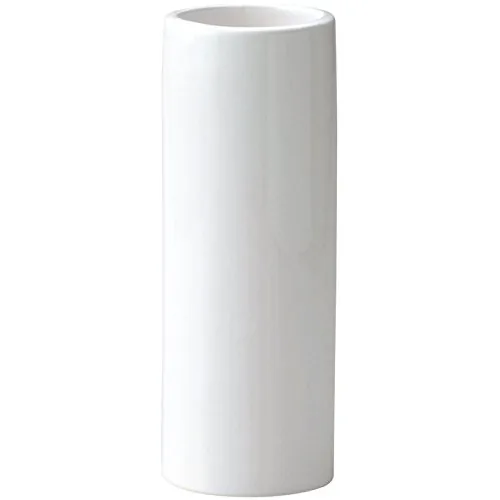
Takaoka Doki Bronze Flower Vase (Kabin)
333仏具 花立 色付 4.5寸 2本(1対) 花瓶 真鍮製 高岡銅器
残り6点 ご注文はお早めに · Sold by 333仏具【インボイス発行事業者】 · ASIN B0G6DHXGXF
Price and availability as of 2026-08-31 02:30 JST. The Amazon listing at the time of purchase is authoritative. jpmono.com earns a commission on qualifying purchases at no extra cost to you.
| Attribute | Detail | Source |
|---|---|---|
| Object | Cast-bronze flower vase (kabin / hanaike) | Listing |
| Craft | Takaoka Dōki (高岡銅器), nationally designated Traditional Craft | Maker / craft record |
| Material | Cast bronze (copper alloy) | Listing |
| Finish | Hand-applied chemical patina (chakushoku) | Maker / craft record |
| Origin | Takaoka, Toyama Prefecture, Japan | Listing |
| Dimensions / weight | Unconfirmed — check the live listing | — |
| Price | Not in our snapshot — see the live listing (authoritative) | Amazon JP Global Store |
Sources for this section: Amazon US search (primary path, moonill-20), Amazon JP Global Store (secondary, moonill-22, the sourced listing), and the maker / craft record for Takaoka Dōki. Live figures fluctuate; the listing is authoritative.
📖 Glossary — key terms
- Takaoka Dōki (高岡銅器) — the bronze/copperware casting craft of Takaoka, Toyama; a nationally designated Traditional Craft.
- Kabin (花瓶) / hanaike (花生) — a vase made for holding cut flowers or a formal arrangement.
- Chakushoku (着色) — the hand-applied chemical coloring that gives cast bronze its patina.
- Imonoshi (鋳物師) — a caster; the founding trade of Takaoka’s metal district.
- Ikebana (生け花) — the Japanese discipline of flower arrangement.
- Dentō kōgei-hin (伝統工芸品) — an officially designated traditional craft product.
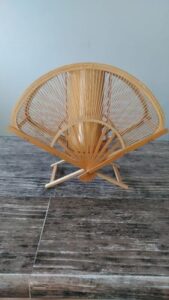
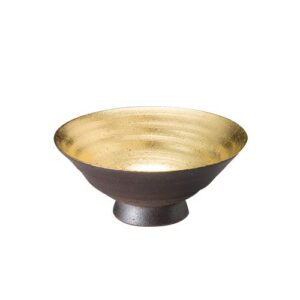
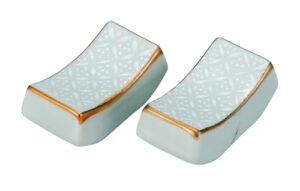
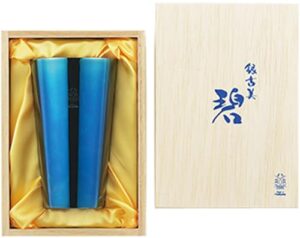
Other Japanese craft objects we’ve covered, useful for weighing material, price tier, and use:
Price snapshot across stores
No live price was captured in our snapshot, so the JPY figure below is deliberately left as “see listing” rather than invented. The Amazon Japan listing is the authoritative source for the current price.
| Store | Item / Variant | Price | Notes |
|---|---|---|---|
| 🇺🇸 Amazon US (search) | Browse Japanese bronze & metal flower vases | varies (USD) | Best if you’re shopping from the US — Prime shipping, USD pricing, no international customs. Amazon US carries Japanese metal and ceramic vases from various makers, useful for comparing weight, size, and price tiers; this exact Takaoka Dōki piece ships from Japan (next row). |
| 🇯🇵 Amazon JP Global Store | This Takaoka Dōki cast-bronze kabin (ASIN B0G6DHXGXF) | see listing (JPY authoritative) | Ships internationally from Japan to 65+ countries — including Canada, the UK and Australia — with import fees estimated at checkout. This is the sourced listing for the exact piece. |
| Maker direct | Takaoka foundry / gallery lines | varies | Many Takaoka foundries sell through their own shops or regional galleries; selection and re-patination service can be broader than a marketplace listing. |
| Proxy services (Buyee / Tenso) | Japan-only listings forwarded abroad | item + forwarding fee | Useful when a specific piece is listed only within Japan; adds a forwarding fee and a second shipping leg. |
Prices in USD are approximate and depend on the current exchange rate (¥150/USD baseline as of mid-2026). The JPY price on the listing is the authoritative one.
📦 Shipping & where to buy from outside Japan
This Takaoka Dōki vase is sourced from the Amazon Japan Global Store, which ships to 65+ countries — including Canada, the UK, and Australia. Amazon estimates and typically collects import fees at checkout for most destinations, so there is rarely a surprise customs bill on delivery.
Expect international shipping in roughly the $15–$40 band to the US, EU, Canada, the UK, and Australia, though a cast-bronze vase is dense, so weight-based surcharges are more likely than with a light object. If a particular piece is listed only inside Japan, a proxy service such as Buyee or Tenso can forward it, adding a forwarding fee and a second shipping leg.
Because bronze is heavy, factor the shipping estimate into your budget before you commit — on a dense metal object it is a meaningful share of the total, not a rounding error.
What it does well
- 🍽️ Dishwasher: no — hand-wash only; harsh detergents and abrasives strip the patina.
- 💧 Water use: empty and wipe dry after each use; confirm the interior is watertight or use a liner tube for fresh flowers.
- 🧴 Daily care: dust with a soft dry cloth; the patina is meant to deepen, so leave it be.
- 🔧 Repairs: Takaoka foundries and galleries can often re-patinate a worn or scratched surface — a maker-direct service worth asking about.
Weaknesses and things to verify before buying
- No confirmed price in our snapshot. Treat the listing as the single source of truth and check it before committing.
- Dimensions and weight are unconfirmed here. A bronze vase can be far heavier than it looks in a photo; read the listing’s size and weight fields carefully.
- Watertightness varies. Some bronze kabin are meant for dried arrangements or use an inner liner. Confirm whether it holds standing water before assuming it will.
- Shipping cost scales with weight. Dense metal means the international shipping charge is a real line item, not a rounding error.
- Patina is intentionally uneven. If you expect a bright, uniform, glassy surface, the mottled hand-colored finish may read as “inconsistent” to you.
- Not low-maintenance. It is hand-wash, wipe-dry, keep-away-from-abrasives — the opposite of a grab-and-go glass vase.
📍 Where this comes from — place, era, and the craft tradition

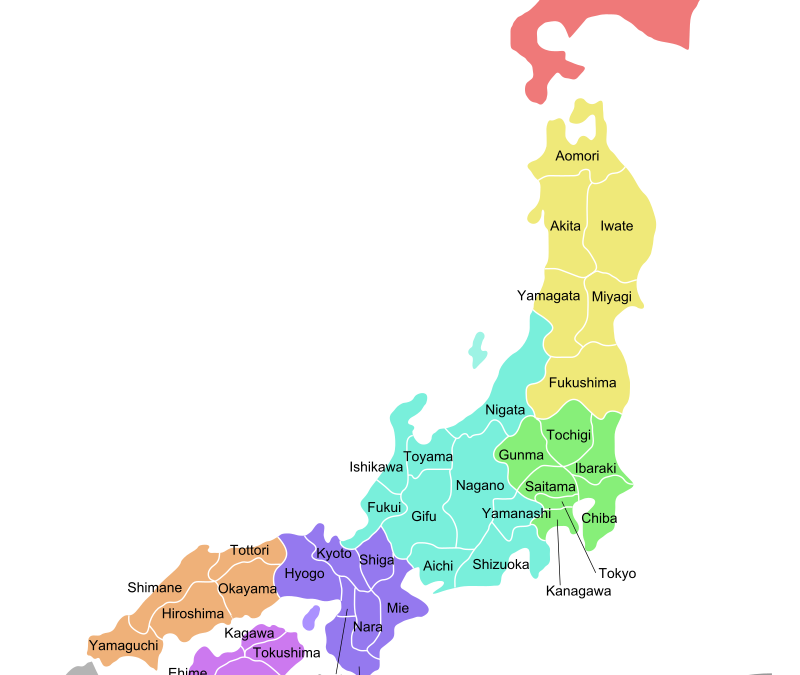
Takaoka is a river-and-port city in Toyama Prefecture, on the Hokuriku coast facing the Sea of Japan. The plain it sits on is fed by rivers running off the Tateyama range and opens to a working harbor — the combination of water, fuel, and shipping that a foundry town needs. The craft did not take root here by chance; it was placed here, deliberately, by a domain that wanted an industry.
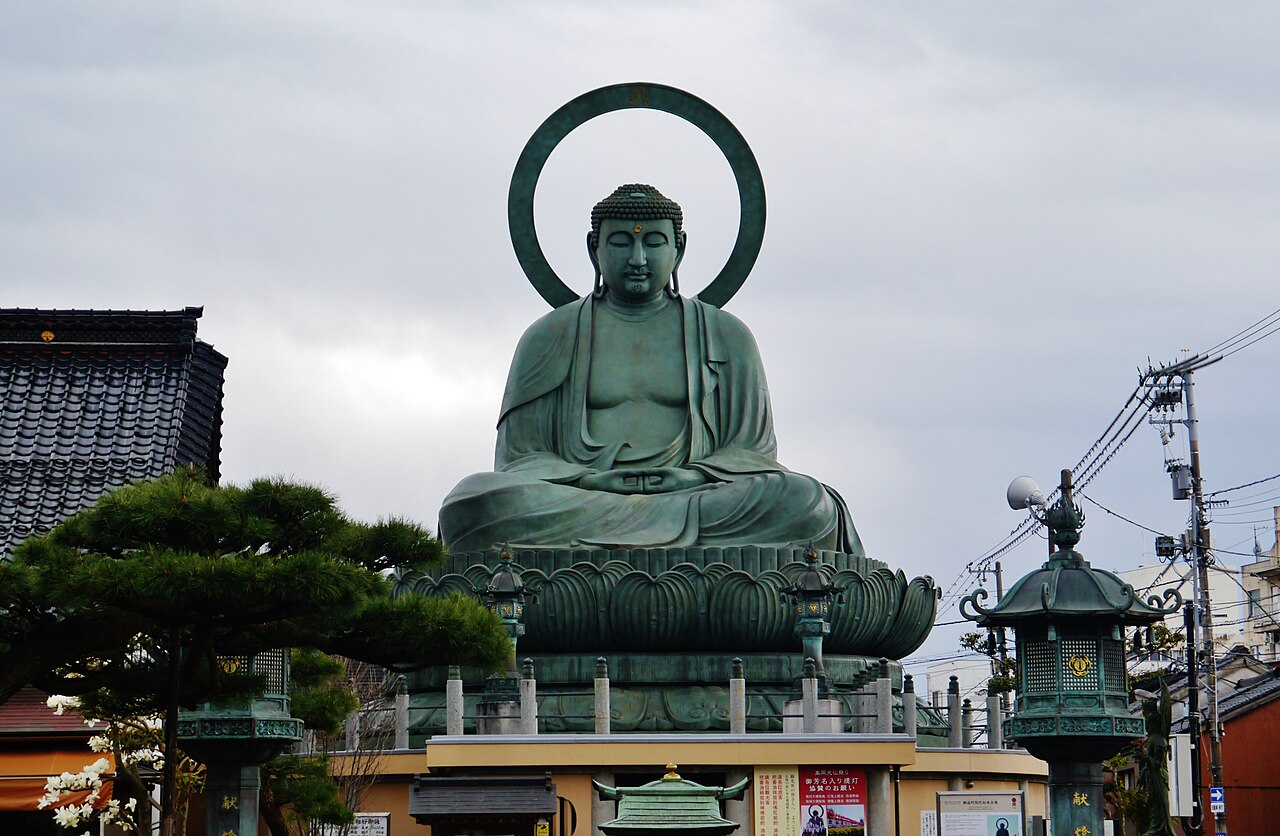
The origin is precise. In 1609, Maeda Toshinaga — second lord of the Kaga domain, one of the wealthiest fiefs in Edo-period Japan — established Takaoka as a castle town. Two years later, in 1611, he invited seven master casters (imonoshi) to the Kanayamachi district to seed a metalcasting industry from scratch.
Those seven foundries are the root of everything that followed.
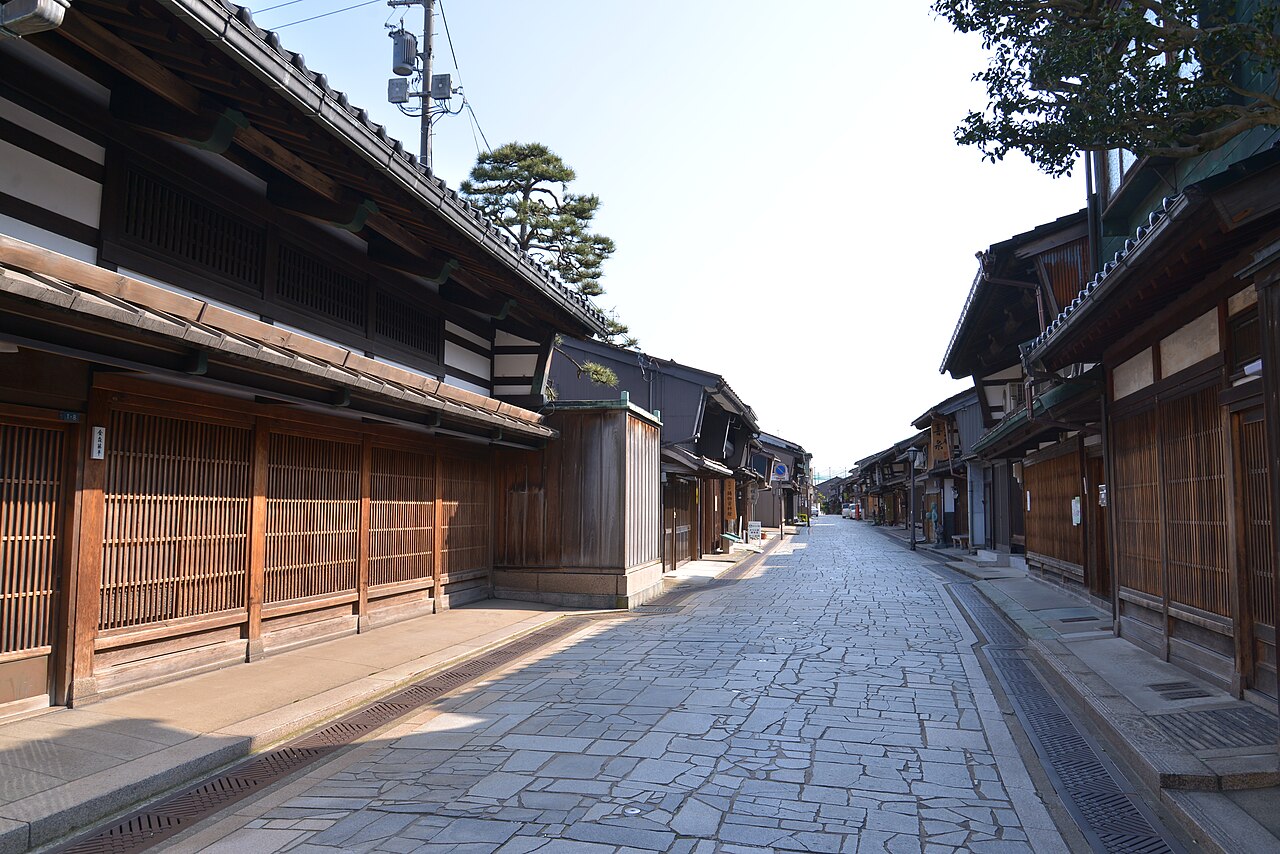
When the shogunate’s one-castle-per-province edict forced Takaoka Castle to be abandoned around 1615, the Kaga domain kept the town alive by redirecting it toward metalworking and commerce rather than administration. The casters started with cast-iron kitchenware and farm tools, then, over the Edo period, moved up-market into decorative bronze, temple fittings, and Buddhist altar ware — the higher-value work the town is now known for.
- 1609 — Maeda Toshinaga establishes Takaoka as a Kaga-domain castle town.
- 1611 — Seven master casters (imonoshi) are invited to the Kanayamachi district, seeding the foundry town.
- c. 1615 — Under the one-castle-per-province edict the castle is abandoned; the domain pivots Takaoka to metalcasting and commerce.
- Edo period — Foundries expand from cast-iron goods into decorative bronze, temple bells, and Buddhist altar ware.
- 1933 — The Takaoka Daibutsu, one of Japan’s three great bronze Buddhas, is completed.
- 1975 — Takaoka Dōki is designated a national Traditional Craft (dentō kōgei-hin).
- 2026 — Takaoka’s foundries still pour bronze, from public statuary down to household kabin like this one.
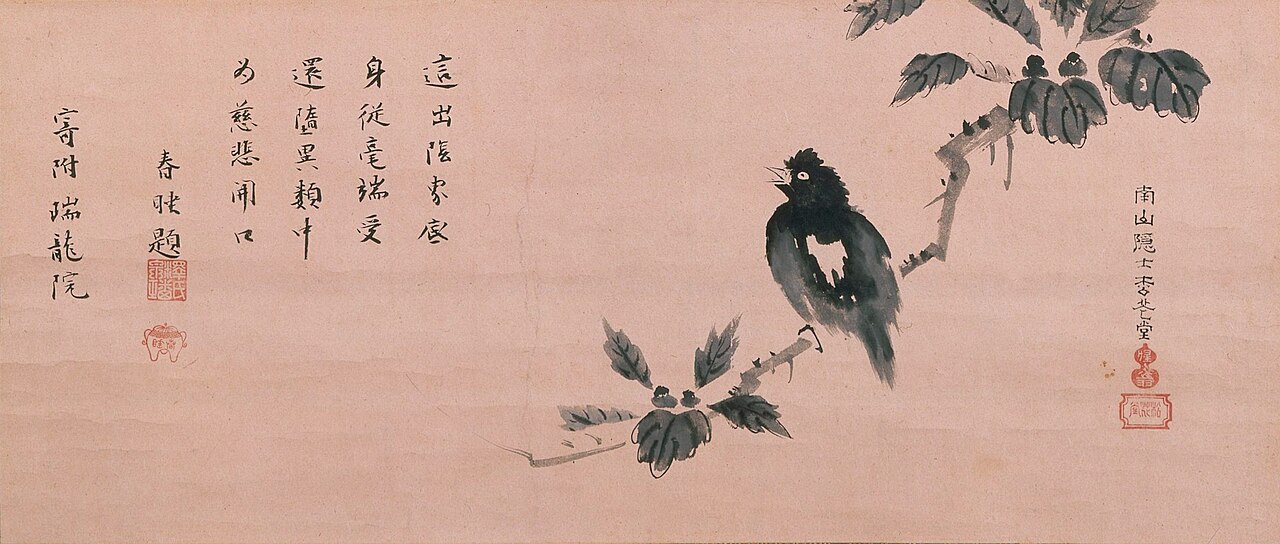
That domain patronage is the quiet engine behind it all. The Maeda family’s temple, Zuiryū-ji, and the wealth of the Kaga domain gave the casters steady, high-value commissions — temple bells, altar fittings, statuary — that a purely local market could never have sustained. Craft towns survive on demand, and Takaoka had a patron large enough to guarantee it for generations.
“The seven foundries invited in 1611 did not just start a business — they started an industry that still casts the majority of Japan’s art bronze four centuries later.”
Today Takaoka remains Japan’s dominant center for cast bronze, producing the large majority of the nation’s bronze statuary, temple bells, and Buddhist altar ware. A household kabin sits at the domestic end of that same skill set: the weight, the alloy, and the hand-applied patina come out of the identical foundry practice that produced the Great Buddha down the road.
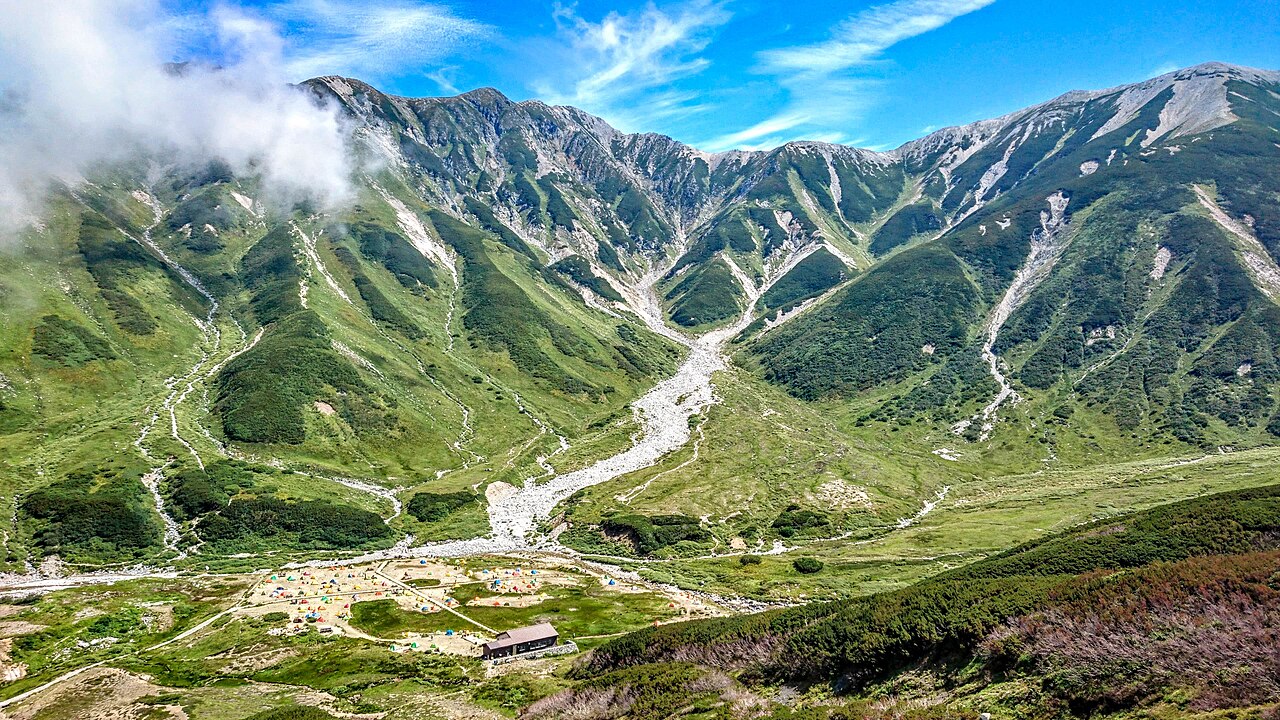
Our editorial base is in Toyama, so this is home ground. A bronze kabin here is not an exotic curio; it is the kind of object that sits in a tokonoma alcove or an entryway, holds a seasonal branch, and quietly outlasts the household that bought it.
Conclusion — which buyer type are you?
Other ways to approach this purchase
🏆 Editor’s Pick
❓ Frequently Asked Questions
Is a Takaoka bronze kabin watertight for fresh flowers?
It depends on the piece. Some bronze kabin are cast watertight, while others are intended for dried arrangements or use a removable inner liner tube. Confirm the interior on the listing before assuming it will hold standing water.
Does Amazon Japan ship this vase internationally?
Yes. The Amazon Japan Global Store ships to 65+ countries, including Canada, the UK, and Australia, and estimates import fees at checkout for most destinations. Because bronze is dense, weight-based shipping charges are higher than for a light object.
How do I care for the patinated bronze finish?
Hand-wash only, empty and wipe dry after use, and dust with a soft dry cloth. Avoid dishwashers, harsh detergents, and abrasives, which strip the chakushoku patina. The finish is meant to deepen over time, so minimal intervention is best.
Why is a cast-bronze vase so heavy, and is that a drawback?
The weight comes from solid cast bronze, and it is largely a feature: a low center of gravity holds tall or asymmetric ikebana steady. The trade-off is that it is harder to move and costs more to ship internationally.
Is this suitable for formal ikebana?
Cast-metal kabin are a traditional choice for ikebana precisely because their weight anchors an arrangement. Whether a specific piece suits a given school or style depends on its shape and mouth width, which you can check against the listing photos.
How much does it cost?
No live price was captured in our snapshot, so we have not printed a figure. The Amazon Japan Global Store listing shows the current JPY price, which is authoritative; USD equivalents fluctuate with the exchange rate.
jpmono.com is curated by a Japan-based editorial team (working out of Toyama in the Hokuriku region and Nara in Kansai) and is independent. We don’t take payment from the makers we feature; income comes from affiliate links. Read more about our editorial standards.
🤖 This article was drafted with AI assistance and reviewed against the source listing and documented craft history before publication. Specs, prices, and shipping details should be confirmed at the retailer before purchase.
Affiliate disclosure: jpmono.com may earn a commission on qualifying purchases made through links on this page, at no additional cost to you.