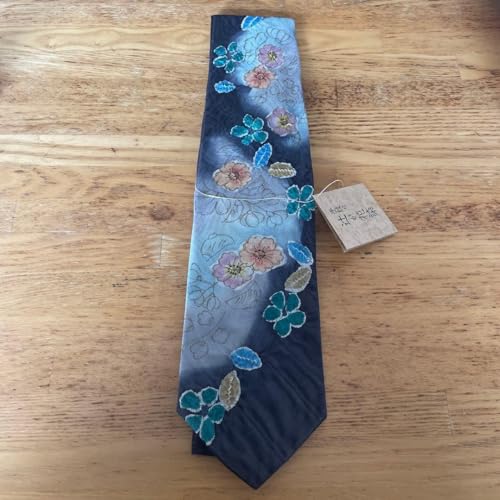
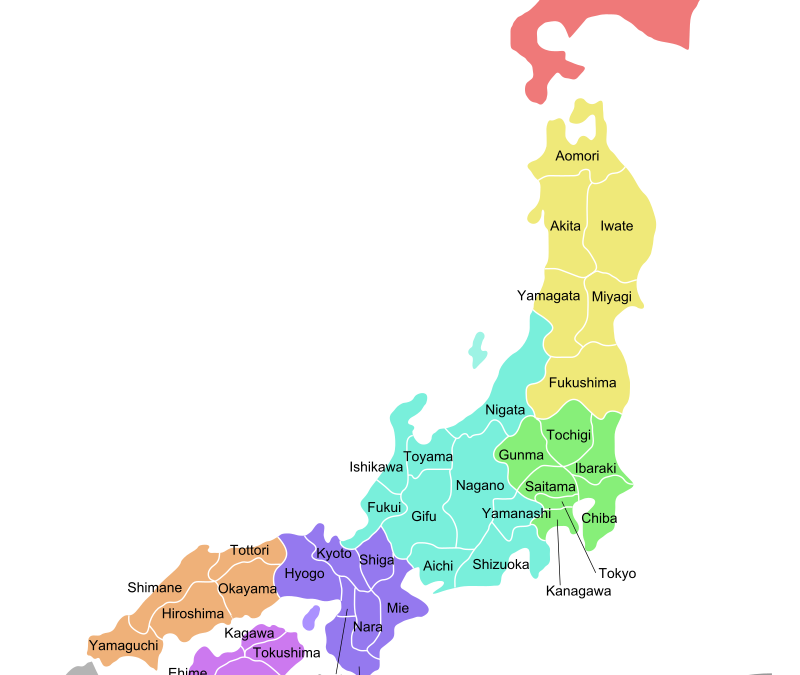
![Choshi Chijimi Cotton Crepe Stole: Chiba’s Tone River Weave [2026]](https://jpmono.com/wp-content/uploads/2026/05/japan-map-regions-and-prefectures-800x1050.png)
- What it is: a light indigo cotton-crepe stole with a crimped “shibo” surface, woven with strongly twisted weft threads.
- Made in: Choshi, Chiba Prefecture (Kantō) — a Chiba prefecture-designated traditional craft, kept alive by the small Tokoyoda (常世田) workshop.
- Positioning: hand-woven cotton stole; production is very limited, so confirm current availability before ordering.
- Best for: readers who want a breathable, non-clinging natural-fiber wrap for humid summers and a rare regional weave.
- Skip if: you want a warm winter muffler, a large silk shawl, or guaranteed in-stock availability.
- Shipping: ships internationally from Amazon Japan — jump to our pick ↓
At the easternmost tip of the Kantō plain, where the Tone River empties into the Pacific, the air stays humid and salted for much of the year. That climate is not a footnote to Choshi Chijimi (銚子ちぢみ, “Choshi crepe”) — it is part of why the cloth exists. Cotton crepe weaving is said to have taken root here in the early Edo period, after the crimping technique of Echigo chijimi reached the coast, and the damp, salt-air conditions suited the craft that followed.
The signature of the cloth is shibo — a crinkled, pebbled surface produced by strongly twisted weft threads that pull the weave into tiny ridges. Dyed with indigo, the finished fabric barely touches the skin: it holds itself away from the body, moves air, and stays cool. That is why a Choshi Chijimi stole is a summer object first, not a winter one. The piece featured here is woven by Tokoyoda (常世田), the small preservation workshop that carries the tradition today.
This guide is written for international readers weighing a rare, prefecture-designated Japanese textile: what the crepe actually does on the skin, where it comes from, how to buy it from outside Japan, and — honestly — the caveats, because production is very limited and stock can vanish. We compare it to other Japanese indigo-cotton and stole-format weaves so you can place it before you commit.
🔄 Updated: July 4, 2026
⏱️ Read time: ~9 min
ℹ️ Live pricing and some specifications can vary. Unconfirmed attributes are marked below, and availability may be limited because Choshi Chijimi is made in very small quantities.
- Who this is for — and who should skip it
- Product overview (from published specs)
- 📍 Where this comes from — place, era, and the craft tradition
- Buying options across stores
- What it does well
- Weaknesses and things to verify before buying
- Conclusion — which buyer type are you?
- Other ways to approach this purchase
- ❓ Frequently Asked Questions
Who this is for — and who should skip it
- Want a breathable natural-fiber wrap for hot, humid weather
- Like textured, matte, non-shiny cloth over slick silk
- Value a rare, prefecture-designated regional weave over mass production
- Appreciate indigo (aizome) and its lived-in fading over time
- Are comfortable with hand-care and a small-workshop item
- Need a warm winter muffler — this is a summer, cooling cloth
- Want a large silk shawl or evening scarf with drape and sheen
- Require guaranteed, always-in-stock availability
- Dislike any risk of indigo color transfer on first washes
- Prefer machine-wash-and-forget synthetics
Product overview (from published specs)
| Attribute | Detail (per product information) |
|---|---|
| Item | Choshi Chijimi indigo cotton-crepe stole |
| Maker | Tokoyoda (常世田), Choshi preservation workshop |
| Material | Cotton (crepe weave with twisted weft) |
| Surface | Shibo crimp — crinkled, pebbled hand-feel |
| Dye | Indigo (ai, 藍) |
| Origin | Choshi, Chiba Prefecture, Japan |
| Designation | Chiba prefecture-designated traditional craft |
| Dimensions / weight | Unconfirmed — check current product information |
- 🧺 Washing: hand-wash cold and gently is the safe default for indigo cotton crepe; verify the maker’s care tag before machine washing.
- 🎨 Indigo transfer: natural indigo can bleed on the first few washes — wash separately, and avoid pairing with pale garments until it settles.
- 🌀 Keep the crimp: skip high-heat ironing and hard wringing; the twisted-weft shibo texture is the point and heavy pressing flattens it.
General guidance for indigo cotton crepe; the maker’s own care instructions are authoritative.
📖 Glossary — key terms
- Chijimi (縮, “crepe”) — a crinkled cloth whose surface is textured rather than flat.
- Shibo (しぼ) — the crimped, pebbled ridges raised by strongly twisted weft threads; the defining feel of the fabric.
- Aizome (藍染, “indigo dyeing”) — the traditional Japanese indigo dye process that gives the deep blue.
- Echigo chijimi (越後縮) — the older Niigata (Echigo) crepe tradition whose crimping technique is said to have reached the Choshi coast.
- Stole — a long, narrow wrap worn over the shoulders; lighter than a muffler.
📍 Where this comes from — place, era, and the craft tradition


Choshi sits at the far eastern edge of the Kantō plain, on the cape where the Tone River — the largest river system in eastern Japan — pours into the Pacific. That geography made the town. The river gave it a transport route to Edo (old Tokyo), and the open ocean gave it fish. The climate that comes with a Pacific cape — humid, salted, breezy — is also what the local textile came to suit.
Cotton crepe weaving is said to have taken root in Choshi in the early Edo period, after the crimping technique of Echigo chijimi (the crepe tradition of what is now Niigata) reached the coast. The damp, salt-air conditions of the port helped the craft settle. The twisted weft that gives the cloth its crimp is easier to keep in a humid workshop, and the resulting shibo surface became the town’s textile signature.

In the Edo period, Choshi grew rich on two industries besides textiles: soy-sauce brewing and fishing. Yamasa was founded in the town in 1645, and Higeta brewed nearby; both shipped their soy sauce up the Tone River to feed Edo’s enormous appetite. The port’s trade wealth and its working population created exactly the kind of local economy in which a regional cotton craft could survive alongside bigger businesses.
- Early Edo period — Echigo chijimi crimping technique reaches the Choshi coast; cotton crepe weaving is said to take root.
- 1645 — Yamasa soy sauce founded in Choshi; the port’s brewing-and-fishing wealth grows.
- Edo period — River transport on the Tone links Choshi directly to Edo, supporting the local textile alongside soy sauce.
- Meiji onward — Industrial textiles spread nationwide; hand-woven Choshi Chijimi gradually declines.
- 20th century — The craft survives through a small preservation workshop, Tokoyoda (常世田).
- Today — Choshi Chijimi is a Chiba prefecture-designated traditional craft, made in very limited quantities.
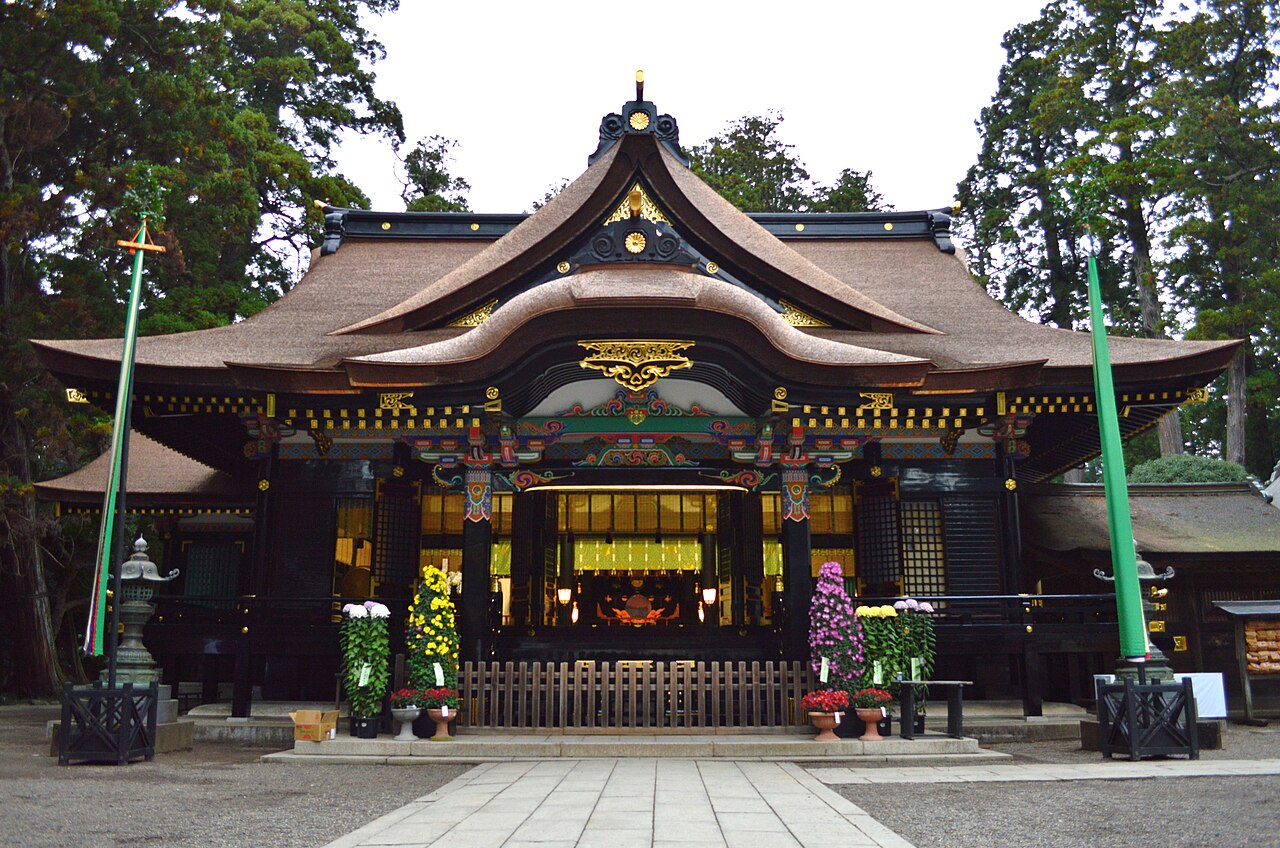
Choshi belongs to the old province of Shimousa, whose chief shrine, Katori Jingu, still stands upriver along the Tone. Placing the town in that cultural region matters: this is not an isolated novelty weave but part of a long-settled Kantō landscape of rivers, ports, and shrines that gave the craft a place to belong.
“The twisted weft does the work: it pulls the weave into ridges, and those ridges are what lift the cloth off your skin on a humid day.”
What “still being made here” means for Choshi Chijimi is unusually literal. The tradition declined with industrial textiles, and it now survives through the small Tokoyoda (常世田) preservation workshop rather than a broad industry. That is both the appeal and the caveat: each piece is a hand-woven product of a craft that came close to disappearing, and output is correspondingly small.
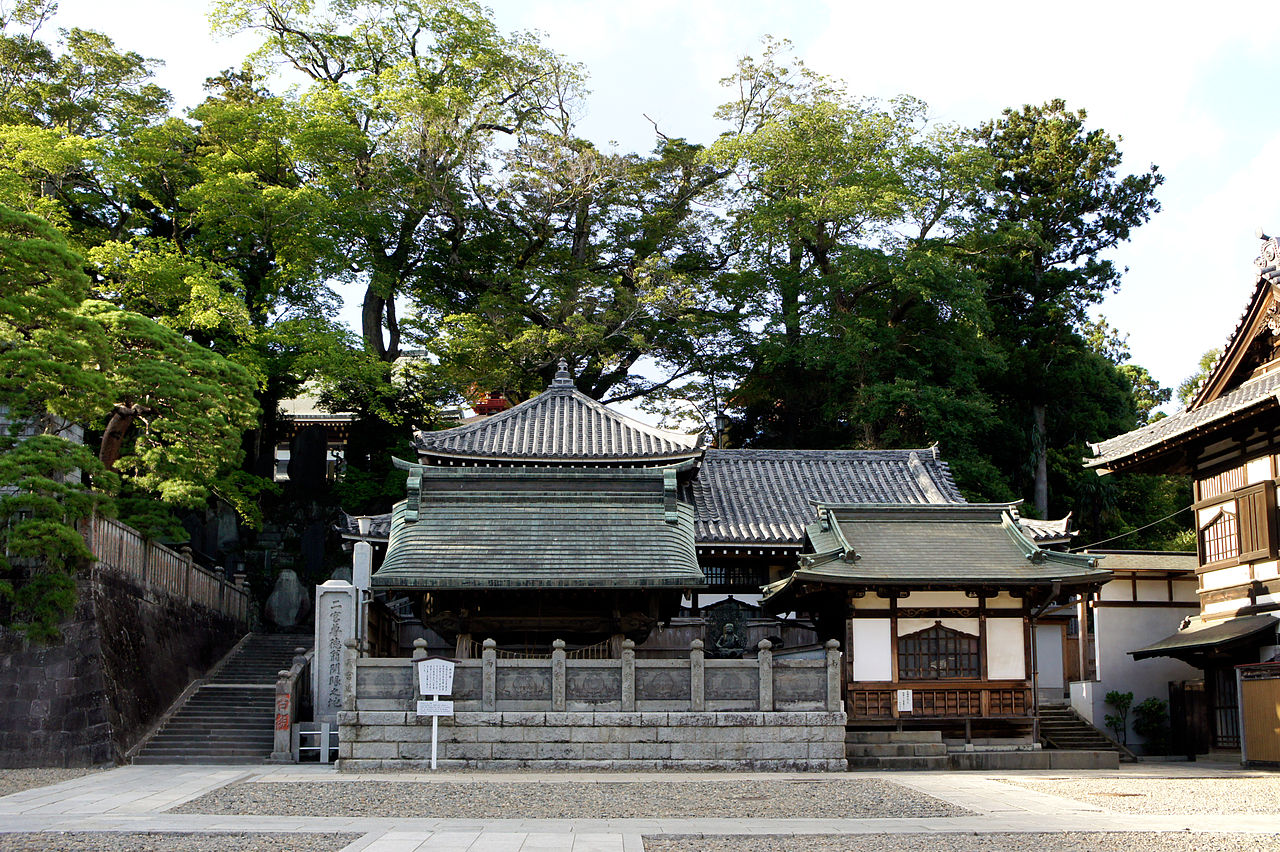
Zoom out to the prefecture and Choshi is one corner of a rich Chiba (Bōsō) landscape — from Naritasan Shinshoji, one of Japan’s most-visited pilgrimage temples, to the Pacific fishing coast. A Choshi Chijimi stole carries a specific place with it: a humid cape at the mouth of a great river, where a cooling summer cloth made complete sense.
Other Japanese indigo-cotton and stole-format weaves we’ve covered — useful for placing Choshi Chijimi before you buy.
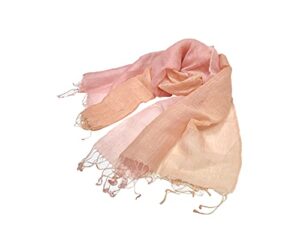 🧣 Yonezawa-ori silk stole (same product type)
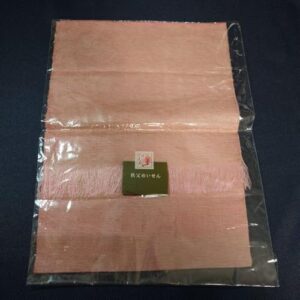 🧵 Chichibu Meisen silk scarf (Saitama, Kanto)
🟦 Yumihama-gasuri indigo cotton runner
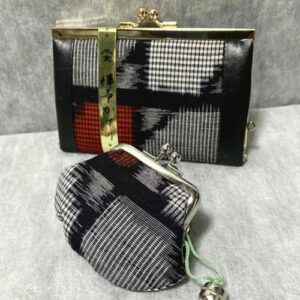 👛 Iyo-Gasuri indigo cotton coin purse
🟦 Buaisou Awa indigo aizome tenugui
 🧶 Kishu Nel cotton flannel muffler
 👔 Kiryu-ori silk necktie (Gunma, Kanto)
Buying options across stores
| Store | Item / Variant | Price (JPY / USD est.) | Notes |
|---|---|---|---|
| 🇺🇸 Amazon.com (US) | Browse Japanese cotton stoles & indigo wraps | varies (USD) | Best if you’re shopping from the US — Prime shipping, USD pricing, no international customs. Amazon US carries Japanese cotton scarves and indigo wraps for comparison; the exact Tokoyoda Choshi Chijimi piece is sourced from Japan (next row). |
| 🇯🇵 Amazon JP Global Store | Tokoyoda Choshi Chijimi indigo stole | Check current product information | Ships internationally from Japan. The specific listed item; stock is very limited — confirm availability before ordering. |
| Maker direct | Tokoyoda (常世田) workshop | — | Small preservation workshop; direct/online availability is limited and may require Japanese-language contact. |
| Proxy services (Buyee / Tenso) | Any JP-only purchase | item + forwarding fee | Useful if a domestic-only purchase appears; adds a forwarding fee and possible customs duty. |
Prices in USD are approximate and depend on the current exchange rate (¥150/USD baseline as of mid-2026). JPY is the reference currency used in this article.
What it does well
The twisted-weft shibo lifts the cloth off the skin, so it moves air and does not cling — the reason it is prized for summer wear.
Indigo (aizome) gives a deep, matte blue that ages into character rather than fading flat.
A Chiba prefecture-designated craft kept alive by a single small workshop — the opposite of mass production.
All-cotton with a crinkled, pebbled surface — breathable, light, and matte rather than slick.
Weaknesses and things to verify before buying
- Very limited production. Choshi Chijimi survives through one small preservation workshop; products can sell out and stay out. Confirm availability before you set your heart on it.
- Seasonal, not year-round. This is a cooling summer cloth, not a warm winter muffler. If you want insulation, look at a flannel muffler instead.
- Indigo transfer risk. Natural indigo can bleed on early washes; wash separately and keep it away from pale garments at first.
- Hand-care expected. To keep the shibo crimp, avoid high-heat ironing and hard wringing — plan on gentle care.
- Specs need confirmation. Confirm the product details with the seller before ordering.
- Purchase terms need confirmation. Verify current maker availability and the Amazon JP product page before purchase.
Conclusion — which buyer type are you?
Choose this fabric when you value the prefecture-designated Tokoyoda weave and its rarity. Because production is limited, availability may be intermittent.
You want a breathable summer wrap and are open to alternatives. Compare it against other Japanese cotton stoles first.
You like the look but not the price. A machine-washable indigo cotton scarf will get you most of the feel for less.
You need winter warmth, guaranteed stock, or wash-and-forget care. This is not the piece for you.
Other ways to approach this purchase
Because output is small, patience often beats price-hunting; compare sellers carefully rather than overpaying for a scarce textile.
The Tokoyoda workshop is the source; direct contact may be Japanese-language only but gets you closest to the craft.
If you buy through Amazon anyway, use accumulated points or a rewards card to offset the international shipping.
If a cooling summer wrap isn’t what you need, don’t force it — a warm muffler or a silk scarf may fit better.
❓ Frequently Asked Questions
Is Choshi Chijimi warm enough for winter?
No. It is a light, cooling summer cloth. The crimped shibo surface is designed to lift off the skin and move air, so it does not insulate. For cold weather, a cotton flannel muffler is a better choice.
Does it ship internationally?
International shipping from Japan varies by destination. If a Japanese retailer does not ship to your country, a proxy service such as Buyee or Tenso can forward the purchase for an added fee.
Will the indigo dye rub off?
Natural indigo can transfer during the first few washes. Wash the stole separately in cold water and keep it away from pale garments until the color settles.
How do I care for the crepe texture?
Hand-wash gently in cold water and avoid high-heat ironing or hard wringing. The twisted-weft shibo crimp is the point of the cloth, and heavy pressing flattens it. The maker’s own care tag is authoritative.
Why is it hard to find in stock?
Choshi Chijimi declined with industrial textiles and now survives through one small preservation workshop, Tokoyoda. Production is very limited, so availability can be intermittent; compare sellers carefully rather than overpaying for a scarce textile.
How does it compare to a silk stole?
Silk stoles (such as Yonezawa-ori) are smoother, shinier, and drape closer to the body. Choshi Chijimi is matte cotton with a textured, air-moving surface — cooler in humid heat, but without silk’s sheen. Choose by whether you want cooling texture or refined drape.
Is the price shown final?
No single price should be treated as universal for a small-batch textile. JPY is the reference currency used in this article; any USD estimate uses a ¥150/USD baseline. Prices should be treated as changeable.
jpmono.com is curated by a Japan-based editorial team (working out of Toyama in the Hokuriku region and Nara in Kansai) and is independent. We don’t take payment from the makers we feature; income comes from affiliate links. Read more about our editorial standards.
🤖 This article was drafted with AI assistance and edited against the maker’s published craft information and public-domain regional sources. Details about price and availability can change, so the article marks uncertainty where relevant.
Affiliate disclosure: jpmono.com may earn a commission on qualifying purchases made through links on this page, at no additional cost to you.