![Bankaku Sohonpo Yukari Ebi Senbei (坂角総本舗 ゆかり, individually-sealed prawn rice crackers, gift box) — Nagoya’s Signature Aichi Meika [2026 Guide for International Readers]](https://jpmono.com/wp-content/uploads/2026/07/bankaku-yukari-ebi-senbei-where-to-buy-2026-featured.jpg)
- What it is: Yukari (ゆかり) — a thin, twice-baked prawn rice cracker (ebi-senbei) from Bankaku Sohonpo, sold as an individually-sealed gift box.
- Made in: Nagoya (Higashi-ku), Aichi Prefecture — from a confectioner founded in 1889 (Meiji 22), and a standard formal Aichi gift.
- Price band: mid-range boxed omiyage (see live listing) — never an invented figure.
- Best for: anyone who wants a savory, shelf-stable Japanese sweet with a named, century-old maker and a fixed origin.
- Skip if: you have a shellfish allergy, or you want a soft, moist wagashi rather than a dry, densely baked crisp.
- Shipping: ships internationally from Amazon Japan — jump to our pick ↓
Whole prawns go into the dough — shell, tail and all — ground down and kneaded straight into a rice-flour paste before the mixture is ever pressed flat. That single detail is what separates Yukari (ゆかり) from an ordinary rice cracker: the prawn is not a topping or a flavoring, it is the body of the crisp. Bankaku Sohonpo (坂角総本舗) has made this cracker in Nagoya since the shop was founded in 1889, and in Aichi the name is close to shorthand for a proper, give-it-to-your-boss omiyage.
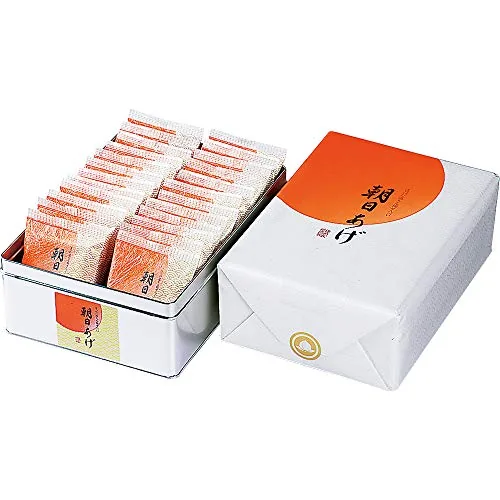
What makes Yukari travel-worthy is the way it is finished. The ovals are formed thin and then slow-fired and dried until almost all the moisture is driven off, leaving a hard, glassy crisp with a shell-pink surface and a concentrated toasted aroma. That low-moisture bake is also a preservation technique: a dry cracker keeps for weeks at room temperature where a fresh, moist sweet would not. Each piece is then sealed in its own foil sleeve inside a tin or paper gift box, which is exactly why a box made in Nagoya can cross an ocean and still snap clean.
This guide is written for international readers deciding whether a box of Yukari is worth ordering from Japan. It covers what the cracker actually is, why the sealed-box format suits shipping, how it compares to the moist regional sweets it is often shelved beside, and how to tell a genuine Bankaku listing from lookalike prawn crackers on Amazon Japan. Prices and stock move constantly, so we point you to the live listing for the authoritative number rather than quoting one here.
🔄 Updated:
⏱️ Read time: ~9 min

- Who this is for — and who should skip it
- Product overview (from published specs)
- Where this comes from — place, era, and the maker
- Which finish should you choose?
- 📦 Shipping & where to buy from outside Japan
- Price snapshot across stores
- What it does well
- Weaknesses and things to verify before buying
- Conclusion — which buyer type are you?
- Other ways to approach this purchase
- 🏆 Editor’s Pick
- ❓ Frequently Asked Questions
Who this is for — and who should skip it
- Want a savory, umami-forward Japanese snack rather than a sweet one.
- Need a shelf-stable gift that survives a long room-temperature journey.
- Like the reassurance of a named, century-old maker with a fixed origin.
- Enjoy pairing a crisp with green tea, sake, or a cold drink.
- Appreciate individually-wrapped pieces you can open one at a time.
- Have a shellfish or prawn allergy — the prawn is the main ingredient.
- Prefer soft, moist wagashi over a hard, dry cracker.
- Want a very cheap everyday snack rather than a formal gift box.
- Are shopping for something that reads as candy-sweet to a child.
- Need a firm live price before ordering — this listing’s price varies.
Product overview (from published specs)
ℹ️ Live pricing and some pack specifics weren’t in our snapshot — the linked Amazon Japan listing is authoritative; unconfirmed attributes are marked below.
Bankaku Sohonpo Yukari Ebi Senbei (坂角総本舗 ゆかり, individually-sealed prawn rice crackers, gift box)
【公式】坂角総本舖 ゆかり 24枚入
在庫あり。 · Sold by 【公式】坂角総本舖 アマゾンショップ · ASIN B0DJGPSXK7
Price and availability as of 2026-08-31 02:30 JST. The Amazon listing at the time of purchase is authoritative. jpmono.com earns a commission on qualifying purchases at no extra cost to you.
| Attribute | Detail |
|---|---|
| Product | Yukari (ゆかり) — prawn rice cracker (ebi-senbei), individually-sealed gift box |
| Maker | Bankaku Sohonpo (坂角総本舗), founded 1889 (Meiji 22) |
| Origin | Nagoya (Higashi-ku), Aichi Prefecture, Chūbu region, Japan |
| Type | Twice-baked, low-moisture rice cracker with whole prawn kneaded into the dough |
| Ingredients | Rice, prawns, sugar, salt, starch — contains shellfish allergen; no dairy, no meat |
| Format | Each cracker foil-wrapped inside a tin or paper gift box; room temperature; printed best-by date |
| Pack size | Varies by box (medium assortment) — confirm the exact count on the live listing |
| ASIN | B0DJGPSXK7 |
| Price | Unconfirmed — check the live Amazon Japan listing |
Sources consulted: Amazon US search (primary, moonill-20) · Amazon JP Global Store listing (secondary, moonill-22, sourced) · maker direct · proxy services where relevant.
- 📦 Storage: keep at room temperature, dry, and out of direct sunlight or heat — no refrigeration needed.
- 🗓️ Shelf life: the low-moisture bake gives long keeping; a best-by date is printed on the box — check it on arrival.
- 🍵 Serving: open one sealed piece at a time; pairs with green tea, sake, or a cold drink.
- 🦐 Allergen: contains prawn (shellfish); no dairy and no meat.
📖 Glossary — key terms
- senbei (煎餅) — a Japanese baked or grilled rice cracker; usually savory, and drier than Western crackers.
- ebi-senbei (海老煎餅) — a prawn rice cracker, where prawn is worked into the dough itself.
- Yukari (ゆかり) — the flagship ebi-senbei of Bankaku Sohonpo; the word means a “bond” or “connection.”
- omiyage (お土産) — a regional gift brought back from a trip, chosen to represent a place; boxed, shelf-stable sweets are the classic form.
- meika (銘菓) — a “named” or signature confection strongly associated with a specific region or maker.
- Meiji era (明治) — 1868–1912; the modernizing period during which Bankaku Sohonpo (1889) was founded.
Where this comes from — place, era, and the maker

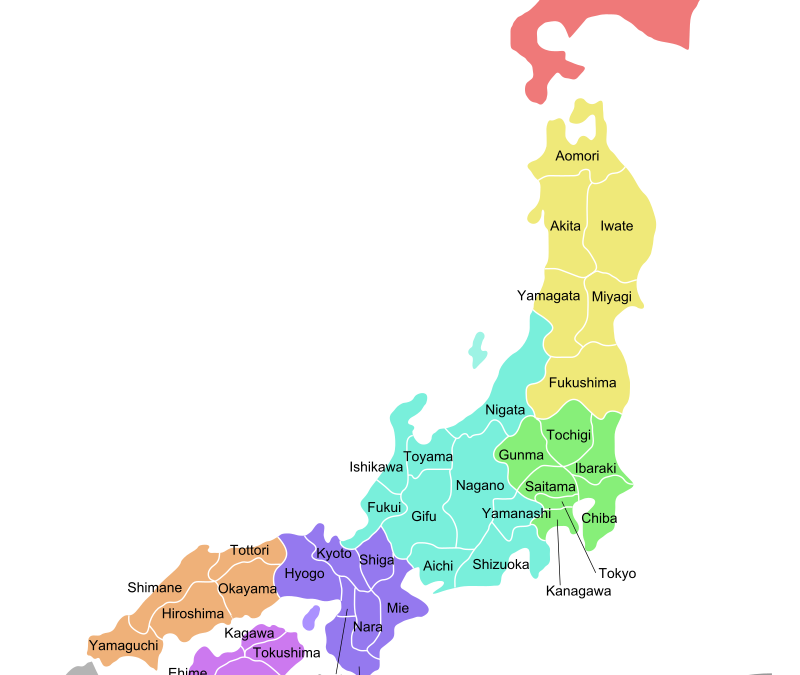
Nagoya is the largest city of Aichi Prefecture and the anchor of the Chūbu region, sitting on the Nōbi Plain where the Kiso, Nagara, and Ibi rivers drain toward Ise Bay. It has long been Japan’s manufacturing heartland — the automotive and machine-tool industries cluster here — but it is also a city with a deep gift-giving culture, and a dense catalog of named confections that visitors carry home. Yukari belongs to that catalog. Bankaku Sohonpo’s principal address is in Higashi-ku, one of the central wards of the city.
The city’s modern shape was set in 1610, when Tokugawa Ieyasu ordered the construction of Nagoya Castle and moved the seat of the Owari domain here, seeding a castle town that became one of the largest in the country. When the feudal domains were dissolved after the Meiji Restoration, Aichi Prefecture was formed in 1872, and Nagoya carried its merchant and craft traditions into the industrial era. Bankaku Sohonpo was founded in 1889, a generation into that transition, as a Nagoya shop specializing in prawn crackers.
-
1610 — Tokugawa Ieyasu orders the construction of Nagoya Castle; the castle town of Nagoya is established. -
1612 — The main keep of Nagoya Castle is completed; the city grows as the seat of the Owari domain. -
1872 — Aichi Prefecture is established during the Meiji reforms, with Nagoya as its center. -
1889 — Bankaku Sohonpo is founded in Nagoya as a prawn-cracker maker (Meiji 22). -
1964 — The Tōkaidō Shinkansen opens through Nagoya, tightening the omiyage culture that boxed sweets like Yukari serve. -
2026 — Yukari is sold as individually-sealed gift boxes and ships internationally via Amazon Japan Global Store.
“Yukari” the flagship became “Yukari” the standard gift the way most regional meika do: through consistency and the density of the local gift economy. In Aichi households it is a safe, respectable box to bring to an office, a host, or a relative — savory rather than sweet, recognizable by name, and made continuously by the same house for well over a century. That continuity is much of the appeal for an international buyer: you are not guessing at an anonymous snack, you are buying a specific maker’s signature product.
“A cracker built to keep: every oval sealed in its own foil sleeve, so a box made in Nagoya can cross an ocean and still snap clean.”
Which finish should you choose?
This piece is listed in 6 sizes. The photos below are the actual size options on the listing right now — pick the one you want and confirm it on the product page before ordering, since hand-finished wares vary slightly piece to piece.
![Bankaku Sohonpo Yukari Ebi Senbei (坂角総本舗 ゆかり, individually-sealed prawn rice crackers, gift box) — Nagoya's Signature Aichi Meika [2026 Guide for International Readers] — 12枚入り finish](https://m.media-amazon.com/images/I/511nH6hbs3L._SL500_.jpg)
![Bankaku Sohonpo Yukari Ebi Senbei (坂角総本舗 ゆかり, individually-sealed prawn rice crackers, gift box) — Nagoya's Signature Aichi Meika [2026 Guide for International Readers] — 8枚入り finish](https://m.media-amazon.com/images/I/41k7I0MphdL._SL500_.jpg)
![Bankaku Sohonpo Yukari Ebi Senbei (坂角総本舗 ゆかり, individually-sealed prawn rice crackers, gift box) — Nagoya's Signature Aichi Meika [2026 Guide for International Readers] — 33枚入り finish](https://m.media-amazon.com/images/I/51v46+r2JRL._SL500_.jpg)
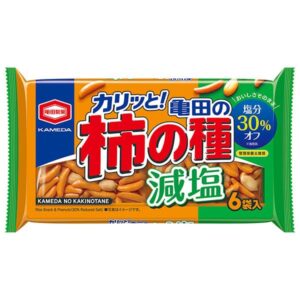

Kameda Kaki no Tane (亀田の柿の種, 6-bag box) — Niigata’s rice-cracker staple
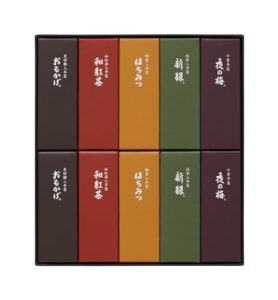

Toraya Small Yokan (Ko-gata Yōkan, 10-Bar Assorted Box) — Japan’s classic sealed sweet
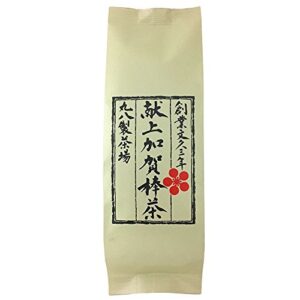

Maruhachi Seichajo Kenjo Kaga Bocha (献上加賀棒茶, sealed bag/tin) — the tea to serve alongside
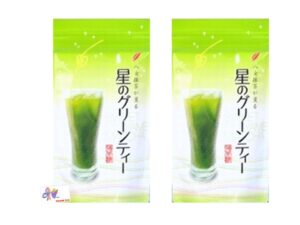

Hoshino Seichaen Yame Matcha (星野製茶園 八女抹茶, sealed 30–40g tin)
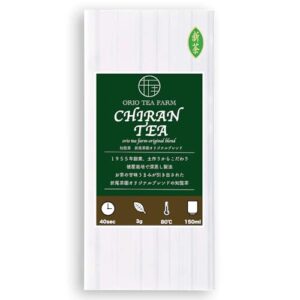

Chiran-cha Deep-Steamed Sencha (知覧茶 深蒸し煎茶, sealed 100g bag)

Ooigawa Chaen Fukamushi Sencha (大井川茶園 深蒸し煎茶, sealed foil bag)
📦 Shipping & where to buy from outside Japan
Yukari is a shelf-stable food kept at room temperature with a printed best-by date, which makes it one of the easier Japanese sweets to order internationally. Based on listings, it is available through the Amazon Japan Global Store, which ships to 65+ countries — including Canada, the UK and Australia. For most destinations, Amazon estimates and collects any import fees at checkout, so the total you agree to is the total you pay.
Because it is a food item, treat it as a small personal-quantity purchase and confirm two things before you commit: that AmazonGlobal international shipping is offered to your country for this specific listing, and that your country permits importing a prawn-based product for personal use. Both are shown or flagged at checkout. As a rough guide, international shipping on a single boxed food item typically lands somewhere in the $15–$40 range to the US, EU, Canada, the UK, and Australia, but the figure shown at checkout is the one that governs. If the Global Store will not ship to you, a proxy forwarder such as Buyee or Tenso can buy the box domestically and re-ship it, at the cost of an added service fee.
Price snapshot across stores
| Store | Item / variant | Price | Notes |
|---|---|---|---|
| 🇺🇸 Amazon US (search) | Browse Japanese senbei & prawn crackers | varies (USD) | Best if you’re shopping from the US — Prime shipping, USD pricing, no international customs. Amazon US carries a range of Japanese rice crackers and sweets; the exact Bankaku box ships from Japan (next row). |
| 🇯🇵 Amazon JP Global Store | Bankaku Yukari individually-sealed gift box (ASIN B0DJGPSXK7) | See live listing (¥, authoritative) | Ships internationally from Japan to 65+ countries — including Canada, the UK and Australia — with import fees estimated at checkout. This is the sourced listing for the exact box. |
| Maker direct | Bankaku Sohonpo official range | See official site | Widest selection of box sizes; the official site is primarily domestic — international shipping may be limited. |
| Proxy services (Buyee / Tenso) | Any domestic listing, re-shipped | Listing price + service fee | Useful if the Global Store will not ship to your country; adds a forwarding fee and a second shipping leg. |
JPY is the authoritative price for the specific listed box; USD is approximate and depends on the exchange rate (¥150/USD baseline as of mid-2026). No live figure was in our snapshot — verify on the listing before ordering.
What it does well
Weaknesses and things to verify before buying
- Shellfish allergen. Prawn is the primary ingredient, not a garnish — unsuitable for anyone with a shellfish allergy, and worth flagging before you gift it.
- Not a sweet sweet. Despite being sold among confections, Yukari is savory and umami-forward; someone expecting candy or chocolate will be surprised.
- Price is unconfirmed here. Our snapshot had no live figure. Boxed omiyage sits in the mid range, but confirm the current price and pack count on the listing before ordering.
- Lookalike risk. Generic ebi-senbei can resemble Yukari. Verify the seller and that the box states Bankaku Sohonpo (坂角総本舗) to be sure you are buying the genuine article.
- Shipping eligibility varies by country. As a prawn-based food, it may face import restrictions in some destinations; confirm both AmazonGlobal eligibility and your country’s rules at checkout.
- Best-by date matters. It keeps well but is not indefinite — check the printed date on arrival, especially if the box travels a long distance.
Conclusion — which buyer type are you?
Other ways to approach this purchase
🏆 Editor’s Pick
❓ Frequently Asked Questions
What exactly is Bankaku Sohonpo Yukari?
Yukari is the flagship prawn rice cracker (ebi-senbei) of Bankaku Sohonpo, a Nagoya confectioner founded in 1889. Whole prawns are kneaded into a rice-flour dough, formed into thin ovals, and repeatedly baked and dried into a hard, glassy crisp. It is savory rather than sweet, and a standard Aichi gift.
Does it contain allergens?
Yes. The main ingredient is prawn, so it contains shellfish. The other listed ingredients are rice, sugar, salt, and starch; it contains no dairy and no meat. Anyone with a shellfish allergy should not eat it, and it should be flagged before gifting.
How is it stored, and does it need refrigeration?
No refrigeration is needed. It is a low-moisture baked cracker kept at room temperature, away from heat and direct sunlight, with a best-by date printed on the box. The repeated bake is what gives it a long shelf life.
Can it be shipped internationally?
Based on listings, it ships via the Amazon Japan Global Store to 65+ countries, including Canada, the UK, and Australia, with import fees estimated at checkout. Because it is a prawn-based food, confirm both that shipping is offered to your country and that your country permits importing it for personal use — both are shown at checkout.
How do I identify the genuine Bankaku listing?
Generic prawn crackers can look similar. Check that the listing and the box name Bankaku Sohonpo (坂角総本舗) and the product name Yukari (ゆかり), and that the crackers are individually foil-wrapped in a tin or paper gift box. When in doubt, verify the seller.
How is Yukari best enjoyed?
It works as an everyday accompaniment to green tea or a cold drink, and as a light savory snack before a meal. The individual wrapping means you can open one piece at a time and keep the rest crisp.
What does it cost?
Our snapshot did not include a live price, so we do not quote one. It sits in the mid range for boxed omiyage, with the exact figure depending on the box size and count. The linked Amazon Japan listing shows the authoritative current price in yen.
jpmono.com is curated by a Japan-based editorial team (working out of Toyama in the Hokuriku region and Nara in Kansai) and is independent. We don’t take payment from the makers we feature; income comes from affiliate links. Read more about our editorial standards.
Note: this article was drafted with AI assistance and reviewed against the maker’s published information and the source listing before publication. Specs, prices, and shipping eligibility can change — verify on the linked listing before ordering.
Affiliate disclosure: jpmono.com may earn a commission on qualifying purchases made through links on this page, at no additional cost to you.