![Echigo Yoita Kanna: Japanese Hand Plane from Niigata Forges [2026]](https://jpmono.com/wp-content/uploads/2026/09/echigo-yoita-kanna-hand-plane-where-to-buy-2026-featured.jpg)
- What it is: a Japanese hand plane (kanna) forged in Yoita, where the blade is laminated hard steel on soft iron and the wooden body is tuned by the user.
- Made in: Yoita, now part of Nagaoka, Niigata — Echigo Yoita Uchihamono, a nationally designated traditional craft since 1986.
- Price band: our data snapshot returned no live price for this listing; check the linked listing, which is authoritative.
- Best for: woodworkers who already sharpen their own edges and want a hand-forged Japanese plane from a named regional tradition.
- Skip if: you expect a tool that cuts out of the box — a kanna arrives needing blade sharpening and body conditioning.
- Shipping: ships internationally from Amazon Japan — jump to our pick ↓
In 1598 the Uesugi clan was transferred out of Echigo, and the swordsmiths who had followed their retainers into the river town of Yoita lost their entire market in a single administrative stroke. They did not leave. They changed what they made, and by the end of the Edo period the same forges were turning out chisels and planes for the temple carpenters of the Echigo plain.
That pivot is why a Yoita kanna (鉋, “hand plane”) is worth an international reader’s attention. The construction has not fundamentally changed: a hard layer of shirogami (白紙, “white paper steel”) or aogami (青紙, “blue paper steel”) is forge-welded onto a soft iron backing, then finished by hand. It is the same laminated method used in Sanjo, 20 km upriver, but it descends from a separate and older lineage. Echigo Yoita Uchihamono (越後与板打刃物) received national traditional-craft designation — dentōteki kōgeihin — in 1986.
This guide is written for woodworkers outside Japan who are weighing a hand-forged Japanese plane against a Western bench plane or a mass-produced alternative, and who want to know what they are actually buying before they commit. We cover what the listing confirms and what it does not, the setup work a kanna demands before it will cut, the shipping and customs path from Japan to the US, Canada, the UK, and Australia, and where this tool sits relative to the other Japanese blades we have covered.
🔄 Last updated:
⏱️ Read time: about 12 minutes

ℹ️ Live pricing and several specs were not in our data snapshot — the linked listing is authoritative; unconfirmed attributes are marked as such below.
- Who this is for — and who should skip it
- Product overview (from published specs)
- 📍 Where this comes from — place, era, and the craft tradition
- 📌 How does it compare?
- 📦 Shipping & where to buy from outside Japan
- Price snapshot across stores
- What it does well
- Weaknesses and things to verify before buying
- Conclusion — which buyer type are you?
- Other ways to approach this purchase
- 🏆 Editor’s Pick
- ❓ Frequently Asked Questions
Who this is for — and who should skip it
- Already own waterstones and sharpen your own edges as a matter of routine.
- Want a laminated hard-steel-on-soft-iron blade rather than a homogeneous modern alloy.
- Are comfortable tuning a wooden body — flattening the sole, adjusting the bed, seating the blade.
- Value provenance from a named, designated regional tradition over brand marketing.
- Do fine joinery, shoji and furniture work, or instrument work where a pulling plane suits the task.
- Expect a tool that takes a translucent shaving straight out of the box. It will not.
- Have no sharpening setup and no intention of building one.
- Need a single adjustable plane to cover roughing through finishing — a kanna is task-specific.
- Want a warranty and a service counter in your own country.
- Are buying a display object; the blade needs use and maintenance or it will rust.
Product overview (from published specs)
The Amazon Japan listing for this item is titled 与板利器 創一郎 四方反鉋 24mm ブラウン — a Yoita Riki “Sōichirō” shihō-zori kanna (四方反鉋, a plane whose sole is curved in all four directions, used for hollowed and concave surfaces), 24 mm, in brown. That is a more specialized tool than a flat smoothing plane, and it is the single most important thing for an international buyer to register before ordering.
Echigo Yoita Kanna
与板利器 創一郎 四方反鉋 24mm ブラウン
この商品は現在お取り扱いできません。 · ASIN B09SKQXJY3
Price and availability as of 2026-09-05 16:23 JST. The Amazon listing at the time of purchase is authoritative. jpmono.com earns a commission on qualifying purchases at no extra cost to you.
| Attribute | Value | Source |
|---|---|---|
| Item | Yoita Riki “Sōichirō” shihō-zori kanna (four-way curved plane) | Amazon JP Global Store listing title |
| Blade width | 24 mm | Amazon JP Global Store listing title |
| Finish / color | Brown | Amazon JP Global Store listing title |
| Origin | Yoita, Nagaoka, Niigata (old province of Echigo) | Maker location |
| Craft designation | Echigo Yoita Uchihamono — national traditional craft, designated 1986 | Craft designation record |
| Blade construction | Laminated — hard shirogami or aogami steel forge-welded to soft iron, hand-finished. This is the standard construction of the Yoita craft; the specific steel grade for this item is not itemized in our snapshot. | Craft tradition; grade unconfirmed for this item |
| Dai (body) timber | Unconfirmed — check the listing. White oak is the conventional timber for kanna bodies, but our snapshot does not state it for this item. | Not in fetched data |
| Weight | Unconfirmed — check the listing | Not in fetched data |
| Price | Not returned by our data snapshot — see the live listing | Not in fetched data |
📖 Glossary — the Japanese terms used in this article
- kanna (鉋) — a Japanese hand plane. The blade is bedded in a wooden block and the tool cuts as it is drawn toward the user.
- dai (台) — the wooden body of a kanna. It is not a fixed fitting: the user flattens and relieves it, and re-tunes it as the wood moves with humidity.
- shihō-zori kanna (四方反鉋) — a plane whose sole is curved in all four directions, for working hollowed and concave surfaces rather than flat boards.
- nomi (鑿) — a chisel. Along with the kanna, the signature product of the Yoita forges.
- uchihamono (打刃物) — hand-forged bladeware. The term marks the tool as forged and hammered rather than stamped or ground from stock.
- shirogami (白紙) / aogami (青紙) — “white paper” and “blue paper” steels, named for the color of the mill’s wrapping paper. Both are high-carbon tool steels used for the hard cutting layer.
- Echigo (越後) — the old provincial name for what is now Niigata Prefecture.
- ichinomiya (一宮) — the highest-ranked Shinto shrine of a historical province.
- dentōteki kōgeihin (伝統的工芸品) — Japan’s national traditional-craft designation, applied to a regional craft as a whole rather than to an individual maker.
📍 Where this comes from — place, era, and the craft tradition

Yoita is not a city in its own right anymore. It is a district of Nagaoka, in Niigata Prefecture, sitting on the Shinano River in what was until the Meiji reforms the province of Echigo. The river is the whole explanation for the town: it carried iron in and finished tools out, across a broad agricultural plain that has always had more carpentry work than it could easily supply. Sanjo, the better-known Niigata blade town, is about 20 km upriver and uses the same laminated construction — but from a separate lineage, and a later one.

The origin of metalworking here is traceable to the Tenshō era, 1573 to 1592. Swordsmiths attached to the retainers of Uesugi Kenshin — specifically the Naoe clan, whose seat was Yoita — settled in the town and worked for the household. This is Sengoku-period industry in its most literal sense: armed men needed edged steel, and the smiths lived where the armed men were.
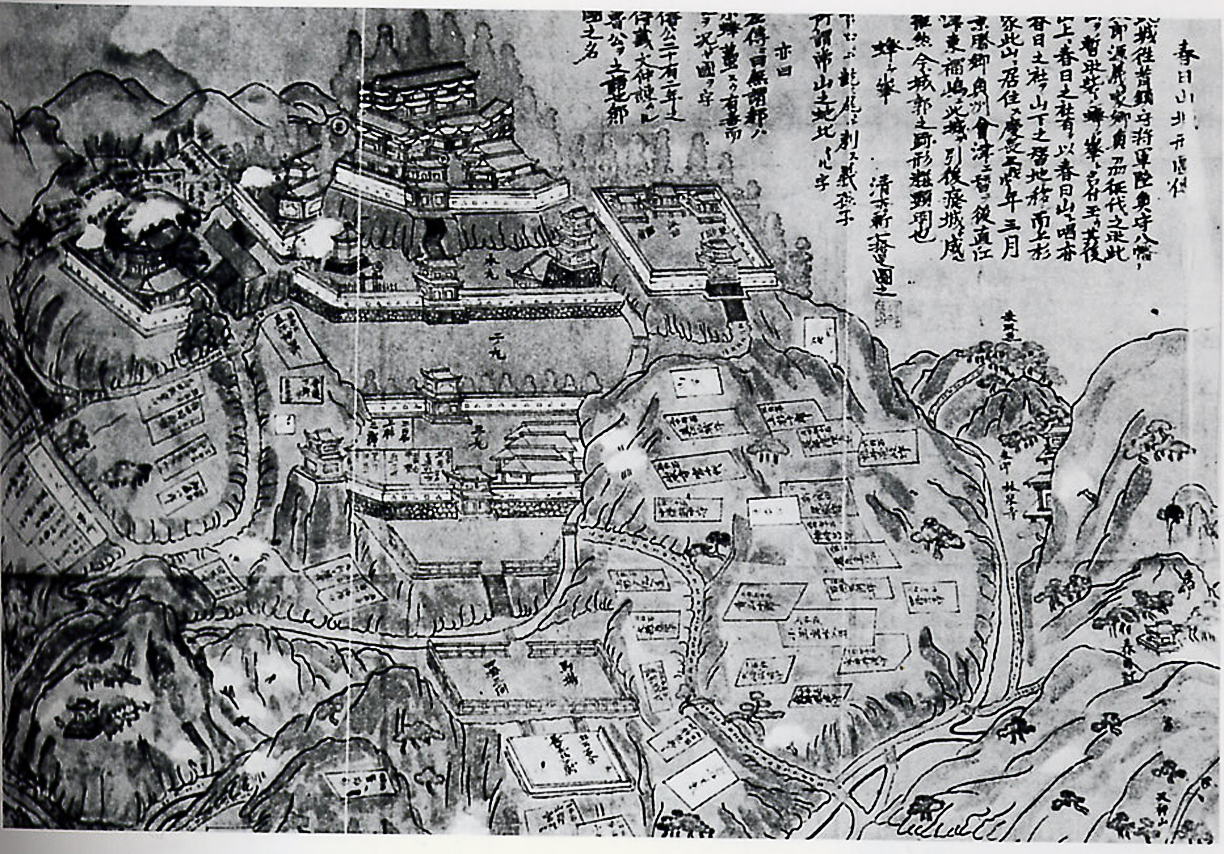
Then the armed men left. The Uesugi were transferred out of Echigo in 1598, and the demand for weapons collapsed with them. What follows is the part of the story that matters most for anyone holding one of these planes today: through the Edo period, under the Ii clan’s small Yoita domain, the forges converted from weapons to carpentry tools — nomi and kanna for the temple and shrine carpenters working the Echigo plain.
“The market for swords in Yoita ended in 1598. The market for chisels and planes never has.”
That conversion held because the demand was structural rather than fashionable. Heavy snow and the rebuilding cycles it forces kept joinery work constant across the province, and shrine and temple carpentry was the steady customer that turned weapon smiths into toolmakers. A craft that depends on warfare is fragile. A craft that depends on roofs being rebuilt is not.

-
1573–1592 (Tenshō era) — Swordsmiths attached to the Naoe clan, retainers of Uesugi Kenshin, settle at Yoita. Local metalworking is traced to this period. -
1598 — The Uesugi are transferred out of Echigo. Demand for weapons collapses, and the forges face the end of their market. -
Edo period, under the Ii clan’s Yoita domain — The forges convert to carpentry tools: chisels (nomi) and planes (kanna) for temple and shrine carpenters on the Echigo plain. -
Same era, 20 km upriver — Sanjo develops the same laminated hard-steel-on-soft-iron construction, from a separate and later lineage than Yoita’s. -
1986 — Echigo Yoita Uchihamono is designated a national traditional craft (dentōteki kōgeihin). -
Present day — Yoita is a district of the city of Nagaoka. Blades are still laminated and hand-finished under the designation.
What “still being made here” means in Yoita is narrower and more technical than heritage language usually suggests. It means the lamination is still done: a hard layer of shirogami or aogami forge-welded onto soft iron, then finished by hand rather than ground to a number on a machine. The designation granted in 1986 attaches to that method, not to a logo.
It also means the craft has kept its two signature products intact — the chisel and the plane — rather than diversifying into whatever sells. Of the two, the kanna is decisively the harder to sell abroad, and the reason is honest: it does not work when it arrives. The buyer sharpens the blade. The buyer conditions and tunes the wooden dai. Only then does it take a translucent shaving.
The last piece of context is the weather. Nagaoka gets serious snow, and long snowbound months made indoor forge and workshop trades a rational livelihood here rather than a romantic one — the same winters that shut down field work kept the forges busy and kept carpenters rebuilding.

📌 How does it compare?
Related guides on jpmono — other Niigata crafts, other hand-forged Japanese blades, and the woodworking objects those blades produce.
🎴 Murakami Kibori Tsuishu coasters (Niigata)
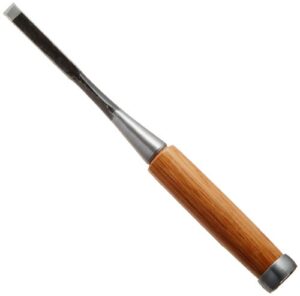 🔨 Miki oire nomi bench chisel
 🔪 Echizen hand-forged santoku
 🥬 Shinshu nakiri knife
 🔪 Kawajiri gyuto chef knife
 🪵 Kiso Oroku-gushi wooden comb
 🍵 Kabazaiku cherry bark chazutsu
📦 Shipping & where to buy from outside Japan
The specific item covered here is sourced from an Amazon Japan listing, and Amazon Japan’s Global Store path ships to 65+ countries — including Canada, the UK, and Australia, alongside the US and most of the EU. Import fees are estimated and generally collected at checkout for these destinations, which removes the customs surprise that catches buyers using smaller Japanese retailers.
Shipping for a small hand tool typically lands in the $15–$40 range to the US, EU, Canada, the UK, and Australia, depending on the service selected at checkout. Confirm the figure on the listing page before ordering, since carrier options and rates change.
Price snapshot across stores
| Store | Item / Variant | Price | Notes |
|---|---|---|---|
| 🇺🇸 Amazon US (search) | Browse Japanese hand planes and woodworking tools | varies (USD) | Best if you are shopping from the US — Prime shipping, USD pricing, no international customs. Amazon US carries Japanese pull-saws, chisels, waterstones, and plane blades that are useful for comparing steel types and price tiers. The Yoita-forged plane in this guide ships from Japan (next row). |
| 🇯🇵 Amazon JP Global Store | Yoita Riki “Sōichirō” shihō-zori kanna, 24 mm, brown (ASIN B09SKQXJY3) | See live listing — no price in our snapshot | Ships internationally from Japan to 65+ countries — including Canada, the UK and Australia — with import fees estimated at checkout. This is the sourced listing for the exact item covered here. |
| Maker direct | Full Yoita kanna and nomi range | Unconfirmed — check maker site | Yoita forges and Japanese tool specialists typically carry a wider range of widths and profiles than the Amazon listing shows. Most sell in Japanese only and many do not ship abroad directly. |
| Proxy services (Buyee / Tenso) | Any domestic-only Japanese listing | Item price + service fee + forwarding | Worth using only when the width or profile you want is not on an internationally shipping listing. Expect a longer transit and duties settled on delivery. |
Prices and stock fluctuate. Our data snapshot for this article returned no live price, so no figure is quoted above — follow the affiliate link for current pricing. Where USD estimates appear elsewhere on this site, they are approximate at a ¥150/USD baseline and the JPY price is the authoritative one.
What it does well
- 🪵 Setup before first use: required. The blade is sharpened by the buyer, and the wooden dai must be conditioned and tuned before the plane will cut a translucent shaving.
- 💧 Washing: never. This is a carpentry tool, not tableware — no water, no dishwasher.
- 🧴 Daily care: wipe the blade dry and store it dry. The soft iron backing on a laminated blade will rust if it is left damp.
- 🔧 Sharpening and repairs: re-sharpening is expected and routine — the hard steel layer is meant to be taken back on waterstones many times. The dai is re-flattened as the wood moves with humidity.
Weaknesses and things to verify before buying
- It does not work out of the box. This is the single biggest reason a kanna disappoints international buyers. The blade needs sharpening and the dai needs conditioning and tuning before it will take a proper shaving. Budget hours, not minutes.
- The listing is for a 24 mm shihō-zori (four-way curved) plane. If you came here expecting a wide flat smoothing plane, check the width and profile selector on the listing before ordering — a curved-sole plane will not flatten a board.
- Steel grade is not itemized in our snapshot. Yoita blades are laminated shirogami or aogami as a craft standard, but which one this specific blade uses is not confirmed in the data we retrieved. Verify on the listing if the distinction matters to you.
- No price was returned by our data snapshot. We are not quoting a figure rather than guessing one. Treat the live listing as authoritative on price and availability.
- Dai timber and weight are unconfirmed. White oak is conventional for kanna bodies, but our snapshot does not state the timber for this item, and no weight is listed.
- Support is in Japan and in Japanese. There is no local warranty counter, and maker-direct sites for Yoita forges are generally Japanese-language and often domestic-shipping only.
- Humidity will move the body. A wooden dai shipped from a snowy Japanese river valley to a dry or tropical climate will change dimension, and re-tuning is part of ownership rather than a defect.
Conclusion — which buyer type are you?
Other ways to approach this purchase
🏆 Editor’s Pick
❓ Frequently Asked Questions
Does a Yoita kanna work straight out of the box?
No. A kanna is sold as a tool the user finishes. The blade is sharpened by the buyer, and the wooden dai must be conditioned and tuned before the plane will cut a translucent shaving. This is the main reason the kanna is harder to sell abroad than the chisel from the same forges.
What is the difference between Yoita and Sanjo tools?
They use the same laminated construction — hard shirogami or aogami steel forge-welded to soft iron — but they come from separate lineages, and Yoita’s is the older one. The two towns sit about 20 km apart on the Shinano River. Yoita’s tradition is traced to the Tensho era and was designated a national traditional craft in 1986.
Does Amazon Japan ship this outside Japan?
The Global Store path ships to 65+ countries, including Canada, the UK, and Australia as well as the US and most of the EU, with import fees estimated and generally collected at checkout. Confirm the destination and shipping cost on the listing page, since availability changes.
Why does the listing say 24 mm when I expected a wider plane?
The listing our data captured is for a 24 mm shiho-zori kanna, a plane with a sole curved in all four directions for hollowed and concave work. It is not a wide flat smoothing plane. If you need a smoother, check the width and profile options on the listing before ordering.
How much does one cost?
Our data snapshot returned no live price for this listing, so we are not quoting a figure. The linked listing is authoritative on both price and stock, and both fluctuate.
How do I care for the blade?
Keep it dry. A laminated blade has a soft iron backing that will rust if stored damp, so wipe it down after use. Never wash a plane. Re-sharpening on waterstones is routine and expected — the hard steel layer is designed to be taken back many times over the tool’s life.
Would a Japanese chisel be a better first purchase?
For most people who have not tuned a wooden-bodied plane before, yes. A chisel from the same laminated tradition needs sharpening but no body conditioning, so it teaches the sharpening skill without the setup barrier. Our Miki oire nomi guide, linked above, covers that route.
jpmono.com is curated by a Japan-based editorial team, working out of Toyama in the Hokuriku region and Nara in Kansai, and is independent. We do not take payment from the makers we feature; income comes from affiliate links. We do not physically test every product — we read maker specifications and source listings, and we say plainly when the data is thin.
This article was drafted with AI assistance and reviewed by the jpmono editorial team against the source listing and craft records. Factual claims about Yoita’s history are drawn from the craft-tradition record; product attributes are drawn from the Amazon Japan listing as captured on September 3, 2026. Attributes our data did not confirm are marked as unconfirmed rather than filled in.
Affiliate disclosure: jpmono.com may earn a commission on qualifying purchases made through links on this page, at no additional cost to you.