![Tanba-Tachikui Ware Tokkuri Sake Flask — Six Ancient Kilns Guide [2026]](https://jpmono.com/wp-content/uploads/2026/07/tanba-tachikui-yaki-tokkuri-sake-flask-where-to-buy-2026-featured.jpg)
- What it is: A tokkuri (sake flask) in Tanba-Tachikui ware — wood-fired iron-rich stoneware with a natural ash glaze.
- Made in: Tachikui, Tamba-Sasayama, Hyogo — one of Japan’s Nihon Rokkoyo (Six Ancient Kilns), roughly 800 years of continuous production.
- Price band: Typical for small hand-thrown stoneware from a heritage kiln — check the live listing for the current figure.
- Best for: Sake drinkers who want an everyday flask with an earthy, one-of-a-kind fired surface rather than a decorated porcelain set.
- Skip if: You want a matched, perfectly uniform, dishwasher-and-microwave-rated tableware set.
- Shipping: ships internationally from Amazon Japan — jump to our pick ↓
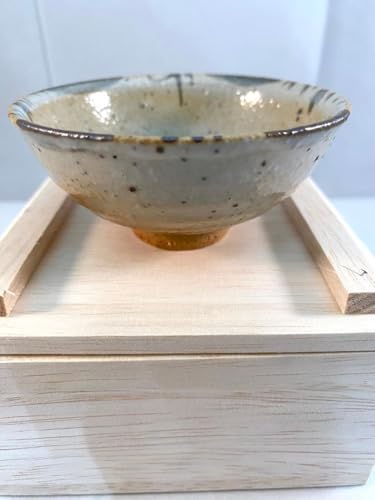
Airborne wood ash, settling on raw clay over several days inside a climbing kiln, is what glazes a Tanba-Tachikui tokkuri. No one paints it on. As the pine ash melts against the iron in the local clay, it pools into streaks of red-brown, olive, and scorched umber — a surface the potter guides but never fully controls. That is why two flasks pulled from the same firing rarely match.
Tanba-Tachikui ware (丹波立杭焼, also written Tamba ware) is counted among the Nihon Rokkoyo — the Six Ancient Kilns of Japan — alongside Bizen, Shigaraki, Seto, Tokoname, and Echizen. It has been fired continuously at Tachikui, in the Hyogo hills northwest of Kobe, since the late Heian and Kamakura periods: close to eight centuries of storage jars, tea vessels, and sake flasks made from the same reddish, iron-heavy earth. A tokkuri is the small carafe you warm or pour sake from; in Tanba-Tachikui stoneware it becomes a study in what fire alone can do to a surface.
This guide is for readers deciding whether an unglazed-looking, wood-fired Japanese sake flask suits how they actually drink and entertain. Below we cover who it fits and who should pass, what the listings do and do not confirm, where the ware comes from and why that matters, how it compares to other Japanese sake vessels, care and shipping, and where to buy one from outside Japan.
🗓️ Published:
🔄 Updated:
⏱️ Read time: about 9 min

ℹ️ Live pricing and some specs weren’t in our snapshot — the linked listing is authoritative; unconfirmed attributes are marked below.
- Who this is for — and who should skip it
- Product overview (from published specs)
- 📍 Where this comes from — place, era, and the craft tradition
- 📦 Shipping & where to buy from outside Japan
- Price snapshot across stores
- What it does well
- Weaknesses and things to verify before buying
- Conclusion — which buyer type are you?
- Other ways to approach this purchase
- 🏆 Editor’s Pick
- ❓ Frequently Asked Questions
Who this is for — and who should skip it
- Warm or pour sake at home and want a flask with character, not a factory-uniform look.
- Appreciate a natural ash glaze where each piece’s coloring is unrepeatable.
- Value a craft with a documented, roughly 800-year lineage from one of the Six Ancient Kilns.
- Prefer earthy, iron-rich stoneware to bright decorated porcelain.
- Are comfortable hand-washing and caring for unglazed-style ceramics.
- Want every piece in a set to match exactly in color and pattern.
- Need guaranteed dishwasher- and microwave-safe tableware.
- Are shopping for a large-capacity decanter rather than a single small flask.
- Expect a precise, confirmed volume and weight before ordering (listings vary).
- Prefer smooth, fully glossy glazed surfaces over a matte, fire-marked one.
Product overview (from published specs)
The table below draws on the Amazon US search results (primary), the Amazon JP Global Store listing where this specific flask is sourced (secondary), and general facts about the Tanba-Tachikui tradition. Attributes not confirmed in our data snapshot are marked rather than guessed.
Tanba-Tachikui Ware Tokkuri Sake Flask
丹波立杭焼 徳利ぐい呑み3点セット
通常6~7日以内に発送します。 · Sold by 伊糖ショップ · ASIN B0GGC381HK
Price and availability as of 2026-08-31 02:30 JST. The Amazon listing at the time of purchase is authoritative. jpmono.com earns a commission on qualifying purchases at no extra cost to you.
| Attribute | Detail | Source |
|---|---|---|
| Craft | Tanba-Tachikui ware (Tamba ware), one of the Nihon Rokkoyo (Six Ancient Kilns) | Tradition |
| Object | Tokkuri (sake flask / carafe) | Amazon JP Global Store listing |
| Origin | Tachikui, Tamba-Sasayama, Hyogo Prefecture (Kansai) | Tradition |
| Material | Iron-rich local clay, fired to stoneware | Tradition |
| Glaze | Shizen-yu (natural ash glaze) in red-brown to olive tones | Maker / tradition |
| Firing | Wood-fired, historically anagama then noborigama (climbing) kilns | Tradition |
| Capacity / weight | Unconfirmed — check manufacturer / live listing | — |
| Price | Not in our snapshot — see the live listing (authoritative) | — |
📖 Glossary — key terms
- Tokkuri (徳利) — the small flask or carafe used to serve sake, often warmed in hot water before pouring.
- Tanba-Tachikui ware (丹波立杭焼) — stoneware fired at Tachikui in Hyogo; also written Tamba ware.
- Nihon Rokkoyo (日本六古窯, “Six Ancient Kilns”) — the six medieval Japanese kiln sites with continuous production: Tanba, Bizen, Shigaraki, Seto, Tokoname, and Echizen.
- Shizen-yu (自然釉, “natural glaze”) — a glaze formed when wood ash melts onto the clay during firing, rather than being applied by hand.
- Anagama (穴窯) — an early single-chamber tunnel kiln dug into a slope.
- Noborigama (登窯, “climbing kiln”) — a multi-chamber kiln built up a hillside, giving more control and a varied surface.
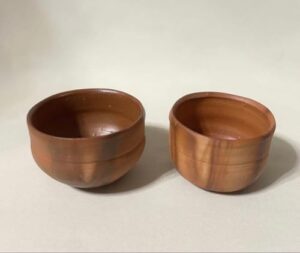
Other Japanese sake and pottery guides on jpmono, useful for weighing kiln, clay, and drinking vessel against this Tanba-Tachikui tokkuri:
📍 Where this comes from — place, era, and the craft tradition

Tamba-Sasayama sits in a basin in the north-central hills of Hyogo Prefecture, in Japan’s Kansai region — inland from the port city of Kobe and the Seto Inland Sea, and reached by the old San’in road that ran northwest out of Kyoto toward the Sea of Japan. The Tachikui potting district lies in the valley south of the town center. Iron-rich clay in the surrounding hills, wood fuel for the kilns, and steady passing trade along the road gave the craft everything it needed to take root and stay.
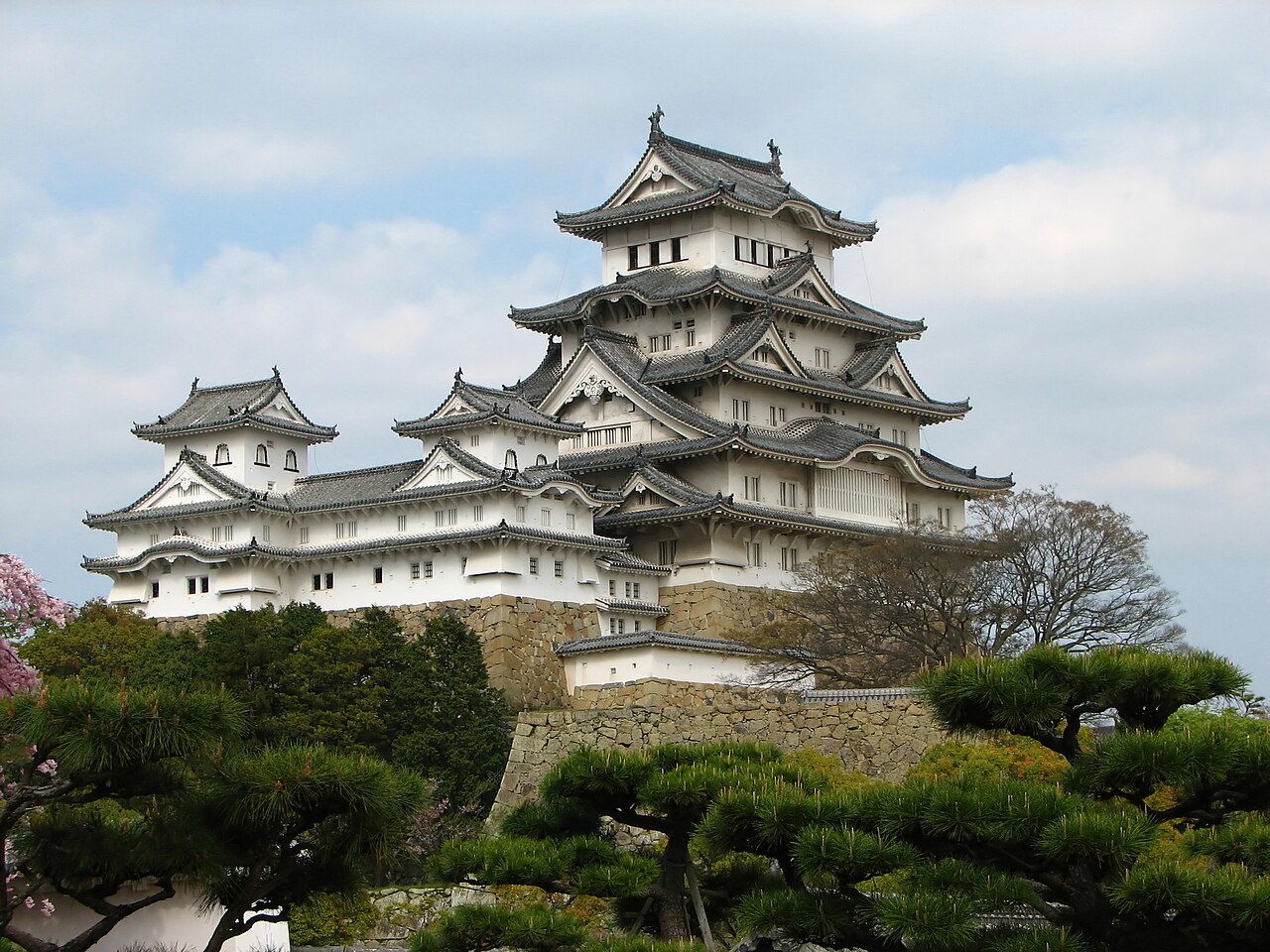
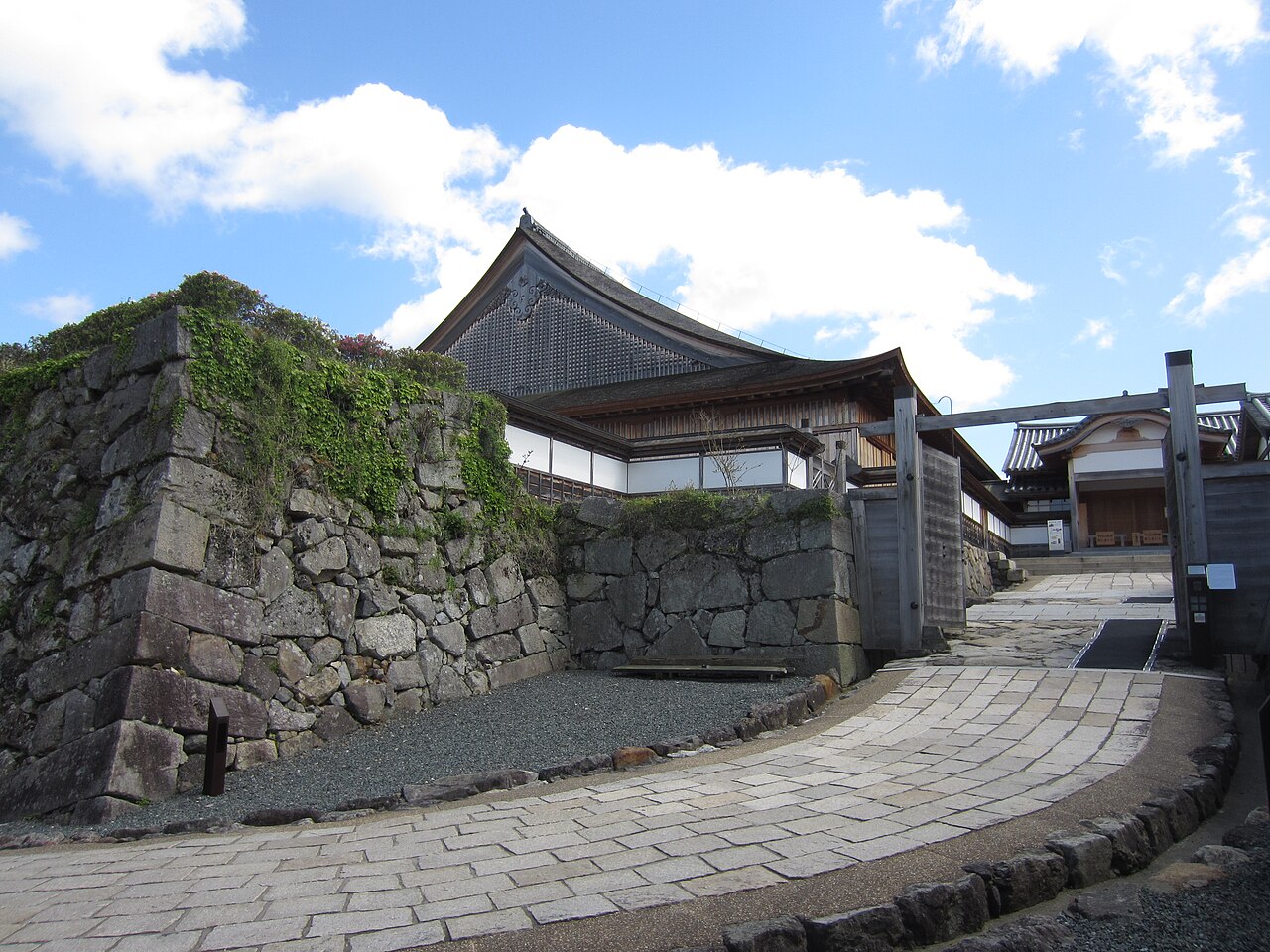
Production traces to the late Heian and Kamakura periods — roughly 800 years of continuous work, which is what earns Tanba its place among the Nihon Rokkoyo, the Six Ancient Kilns. In the Edo period, Tamba-Sasayama grew as a castle town of the Aoyama clan, positioned on the road out of Kyoto. That status kept a reliable market close at hand: storage jars for the domain, tea vessels for its households, and tokkuri for its sake. Demand for everyday ware, more than for showpieces, is what sustained the kilns across generations.
- Late Heian (to 1185) — Potting begins at Tachikui; the origin of Tanba ware.
- Kamakura (1185–1333) — Anagama tunnel kilns fire iron-rich clay into storage jars and everyday ware.
- Azuchi-Momoyama (1568–1600) — Refined stoneware from this era survives in museum collections, including spouted vessels.
- Early Edo (1600s) — Kilns shift from anagama to noborigama climbing kilns; tokkuri and tea vessels multiply.
- Edo period — Tamba-Sasayama functions as an Aoyama-clan castle town on the San’in road, sustaining steady demand.
- 2026 — Roughly 800 years on, Tachikui potters still fire the same iron-rich clay in wood kilns.
The surface is where the tradition shows itself. As the kiln burns for days, airborne pine ash lands on the raw clay and, under the heat, melts into the iron in the body to form shizen-yu (自然釉, “natural glaze”). The result is not a smooth even coat but a run of earthy tones — red-brown, amber, olive — that pool and streak according to where each piece sat in the flames. The potter chooses the clay, the form, and the placement; the fire finishes the job.
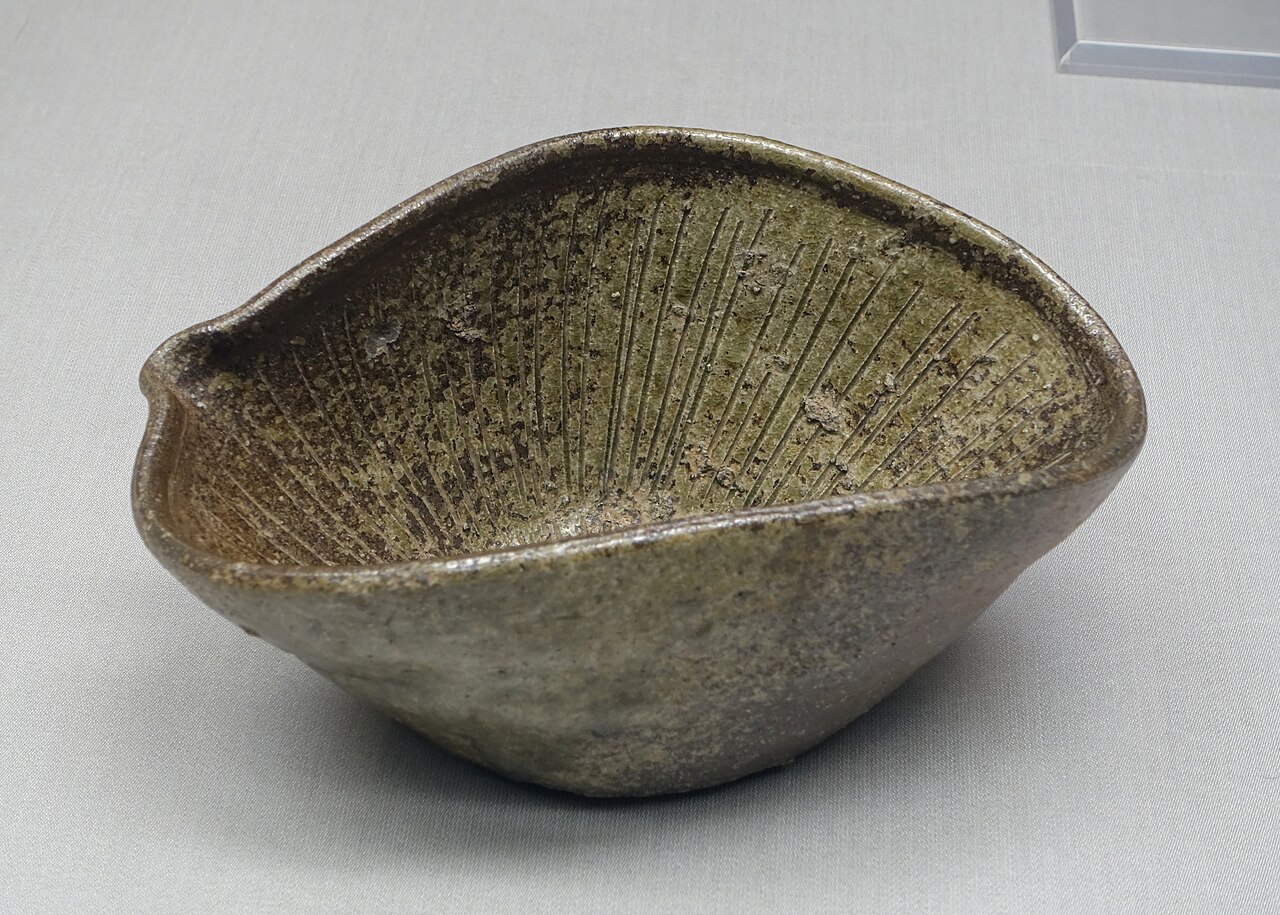
“The potter chooses the clay and the form; the fire chooses the color. Eight centuries on, no two Tanba tokkuri leave the kiln alike.”
Tanba is also known for an unusual detail of technique: its potters have traditionally worked a left-turning wheel, the opposite of most Japanese kilns. It is the kind of local habit that survives precisely because the craft never stopped. The chambered noborigama, meanwhile, is what gives each firing its range — different chambers reach different temperatures and catch different amounts of ash, so a single load can yield surfaces from pale scorch to deep glassy green.
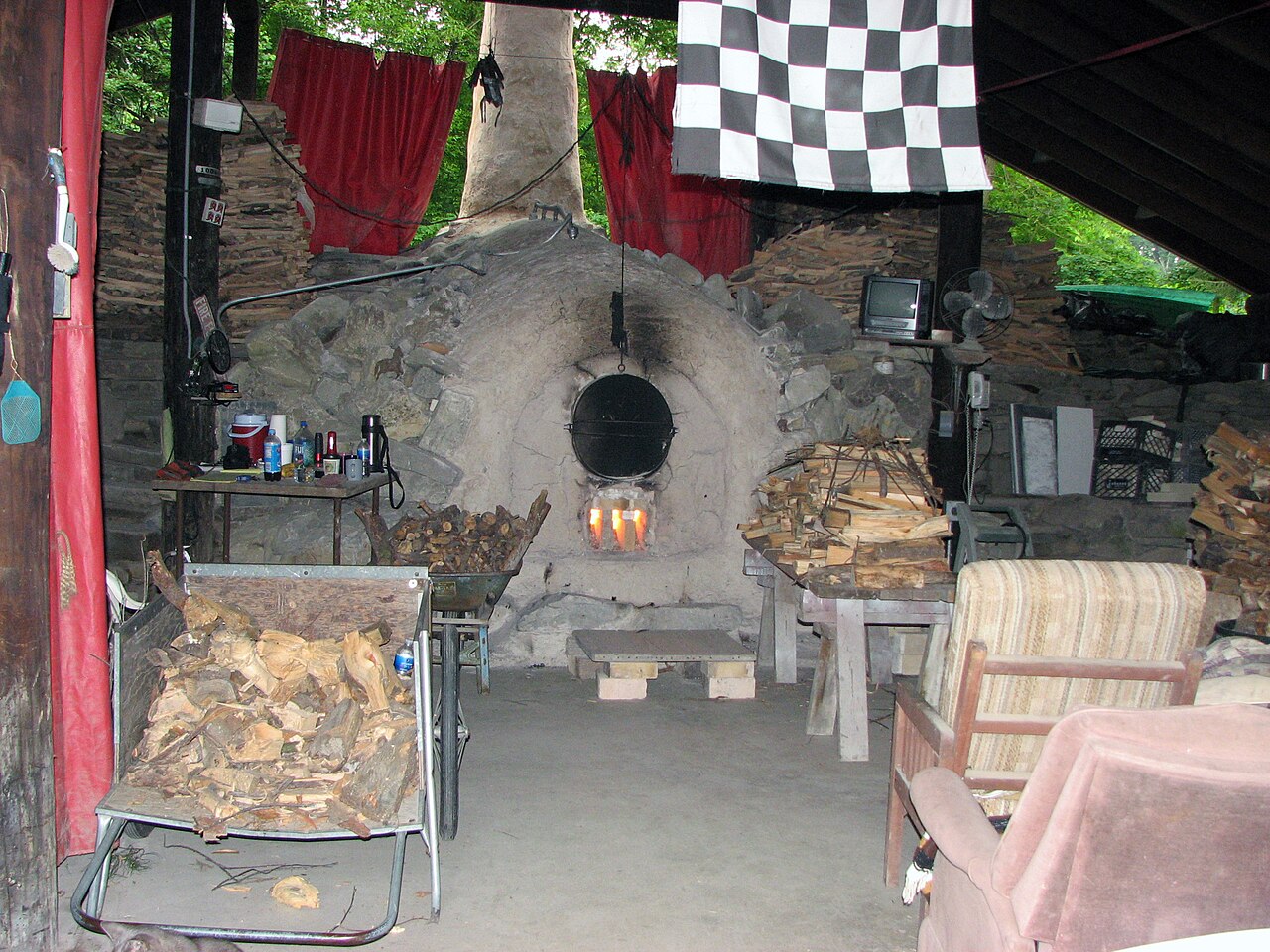
General guidance for iron-rich wood-fired stoneware — confirm specifics against the live listing before buying:
- 🍽️ Dishwasher: no — hand-wash is safest for hand-thrown stoneware.
- ♨️ Microwave: not recommended; avoid sudden temperature changes that can shock the clay.
- 🧴 Daily care: rinse with warm water, air-dry fully before storing; the fired surface deepens with use.
- 🔧 Repairs: a chipped piece can traditionally be restored with kintsugi (gold-lacquer repair) rather than discarded.
📦 Shipping & where to buy from outside Japan
The specific flask covered here is sourced from the Amazon JP Global Store, which ships internationally to 65+ countries — including Canada, the UK, and Australia — with import fees estimated and collected at checkout for most destinations. Ceramics are not electrical, so there are no voltage or certification concerns; the main shipping consideration is careful packing of a fragile item.
Expect international shipping in roughly the $15–$40 range to the US, EU, Canada, the UK, and Australia, depending on weight and destination, plus any local import duties above your country’s threshold. If a listing does not ship to your country directly, a proxy service such as Buyee or Tenso can forward a domestic-Japan order onward. Prices and availability shift, so treat the live listing as authoritative.
Price snapshot across stores
JPY is the authoritative price for the specific listed item; USD figures elsewhere are approximate estimates at a ¥150/USD baseline. No live figure was in our snapshot — verify at the retailer.
| Store | Item / variant | Price | Notes |
|---|---|---|---|
| 🇺🇸 Amazon US (search) | Browse Japanese sake flasks & tokkuri | varies (USD) | Best if you are shopping from the US — Prime shipping, USD pricing, no international customs. Amazon US carries Japanese sake sets and stoneware from various makers; this exact Tanba-Tachikui piece ships from Japan (next row). |
| 🇯🇵 Amazon JP Global Store | This Tanba-Tachikui tokkuri (Sasayama kiln) | See live listing (¥, authoritative) | Ships internationally from Japan to 65+ countries — including Canada, the UK and Australia — with import fees estimated at checkout. |
| Maker direct | Tachikui kiln pieces | Varies | Individual Tachikui kilns and Tamba-Sasayama pottery co-ops sell direct; selection is wider but often Japan-domestic only. |
| Proxy services (Buyee / Tenso) | Forwarded domestic listings | Item + forwarding fee | Useful when a Japan-only shop does not ship abroad; adds a service fee and a consolidation step. |
What it does well
Weaknesses and things to verify before buying
- Piece-to-piece variation. The ash-glaze coloring you receive will differ from the listing photo; if you need an exact match, this is a drawback, not a feature.
- Unconfirmed capacity and weight. Our data snapshot did not include volume or weight — confirm on the live listing before buying if size matters to you.
- No live price captured. Pricing was not in the snapshot; the linked listing is the only authoritative source at time of purchase.
- Care limits. Treat it as hand-wash, not dishwasher, and avoid microwave and sudden temperature shocks.
- Fragility in transit. Stoneware can chip; verify the seller packs fragile ceramics well, especially for international shipping.
- Single item, not a set. A tokkuri is the flask alone — pair it separately with guinomi or ochoko cups if you want a matching serving set.
Conclusion — which buyer type are you?
Other ways to approach this purchase
🏆 Editor’s Pick
❓ Frequently Asked Questions
Is Tanba-Tachikui ware safe to use for sake and other drinks?
Yes. Tanba-Tachikui tokkuri are functional stoneware made for serving sake. As with any hand-made ceramic, rinse before first use, and confirm any specific food-safety notes on the listing.
Can I put a tokkuri in the dishwasher or microwave?
It is safest not to. Hand-wash iron-rich wood-fired stoneware and avoid the microwave and sudden temperature changes, which can shock the clay.
Does Amazon Japan ship a tokkuri internationally?
The Amazon JP Global Store ships to 65+ countries, including Canada, the UK, and Australia, with import fees estimated at checkout. If a shop does not ship to you directly, a proxy service such as Buyee or Tenso can forward the order.
Why does each piece look different?
The coloring comes from a natural ash glaze (shizen-yu) that forms in the kiln as wood ash melts onto the clay. Because it depends on the fire and the piece’s position, no two flasks match exactly.
How do I warm sake in a tokkuri?
The traditional method is to stand the filled tokkuri in a bath of hot water until the sake is warmed through, rather than heating the flask directly over a flame.
What is the difference between Tanba ware and Bizen or Iga ware?
All three are wood-fired Japanese stoneware, and Tanba and Bizen are both among the Six Ancient Kilns. They differ by locality, clay, and firing character; our Iga-yaki and Bizen-yaki guides linked above compare them directly.
Is the price fixed?
No. Prices and availability change, and no live figure was in our snapshot. The linked Amazon JP Global Store listing shows the current, authoritative price in JPY.
jpmono.com is curated by a Japan-based editorial team (working out of Toyama in the Hokuriku region and Nara in Kansai) and is independent. We do not take payment from the makers we feature; income comes from affiliate links. Read more about our editorial standards.
Note: This article was drafted with AI assistance and edited against the source listing and verified facts about the Tanba-Tachikui tradition. Specifications and prices should be confirmed on the retailer’s live listing before purchase.
Affiliate disclosure: jpmono.com may earn a commission on qualifying purchases made through links on this page, at no additional cost to you.