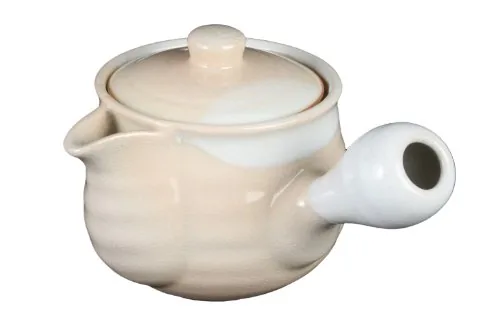
- What it is: An ivory Hime-tsuchi kyusu listing with a tea strainer.
- Made in: The listing does not establish the production location; Hagi ware is associated with Yamaguchi Prefecture.
- Price band: ¥2,369 (about $16 USD), as of 2026-11-03; verify on the listing.
- Best for: A buyer interested in a Japanese teapot and willing to check the listing details.
- Skip if: You need a verified capacity or guaranteed Hagi provenance before ordering.
- Shipping: International eligibility depends on the delivery address — jump to our pick ↓.
A fine network of crackle can spread across the soft, opaque glaze of Hagi ware. With use, the surface can gradually take on the tone of tea, giving a familiar household object a record of the drinks poured through it.
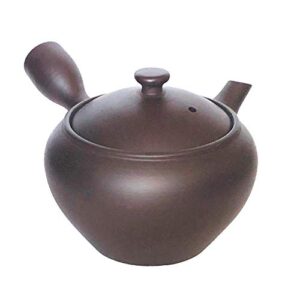
Hagi-yaki (萩焼, Hagi ware) is closely connected with the tea culture of Hagi, a castle town on the Sea of Japan coast in Yamaguchi Prefecture. A kyusu (急須, teapot) offers a way to consider that tradition alongside the practical demands of brewing sencha (煎茶, Japanese green tea).
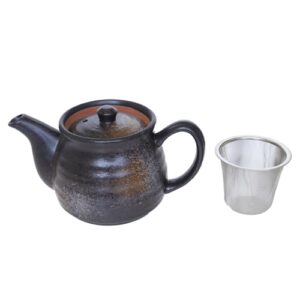
The listing selected here is titled “萩陶苑 姫土急須中(茶こし付) アイボリー 0.48 4511”: a medium Hime-tsuchi kyusu in ivory, with a tea strainer. The title does not establish its place of manufacture or explain the number 0.48, so confirm those details with the seller if they determine your choice. This guide weighs the listing, shipping, and buying considerations from the perspective of jpmono’s Japan-based editors in Toyama and Nara.

- Who this is for — and who should skip it
- Product overview (from published specs)
- 📍 Where this comes from — place, era, and the craft tradition
- 📦 Shipping & where to buy from outside Japan
- Price snapshot across stores
- What it does well
- Weaknesses and things to verify before buying
- Conclusion — which buyer type are you?
- Other ways to approach this purchase
- 🏆 Editor’s Pick
- ❓ Frequently Asked Questions
Who this is for — and who should skip it
- You want a teapot with a strainer included in the listing.
- You enjoy the restrained look of ivory-colored pottery.
- You are curious about Japanese tea ware and its regional context.
- You are comfortable checking dimensions and delivery at checkout.
- You require a confirmed working capacity before choosing.
- You want a documented kiln location or individual maker’s signature.
- You need verified dishwasher or microwave compatibility.
- You cannot accept changes in shipping cost or availability.
Product overview (from published specs)
The Amazon Japan listing identifies the item as 萩陶苑 姫土急須中(茶こし付) アイボリー 0.48 4511. The number in its title should not be treated as a verified capacity without the listing’s supporting dimensions or an answer from the seller.
Hagi-yaki Kyusu Teapot
萩陶苑 姫土急須中(茶こし付) アイボリー 0.48 4511
残り3点(入荷予定あり) · Sold by Amazon.co.jp · ASIN B00IAGS1H0
Price and availability as of 2026-11-03 00:09 JST. The Amazon listing at the time of purchase is authoritative. jpmono.com earns a commission on qualifying purchases at no extra cost to you.
| Source | What to check | Published information |
|---|---|---|
| Amazon US (search) | Japanese teapots | Results vary; check each listing for the exact item. |
| Amazon JP Global Store | Selected item | Hagi Toen, medium Hime-tsuchi kyusu, ivory, with tea strainer; title also states 0.48 and 4511. |
| Maker direct | Capacity and care | Check current maker information. |
| Proxy services (Buyee / Tenso) | Forwarding terms | Confirm eligibility and total fees before ordering. |
Glossary: Hagi-yaki, kyusu, and sencha
Hagi-yaki: pottery associated with Hagi and its tea tradition. Kyusu: a Japanese teapot; a side-handled form is used for sencha. Sencha: Japanese green tea commonly prepared by steeping leaves in water. A tea strainer helps separate leaves from the poured tea; the precise strainer construction of this listing should be checked with the seller.
📍 Where this comes from — place, era, and the craft tradition
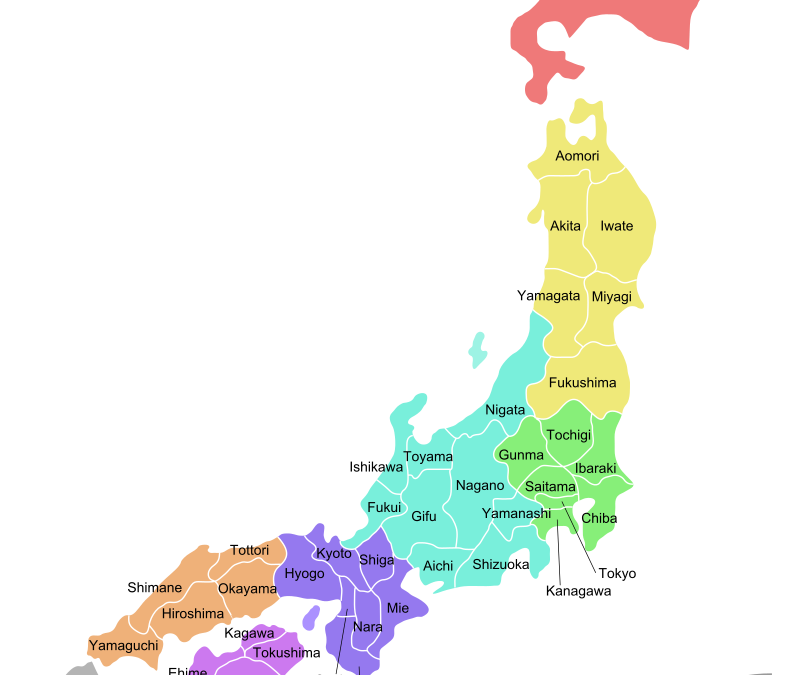
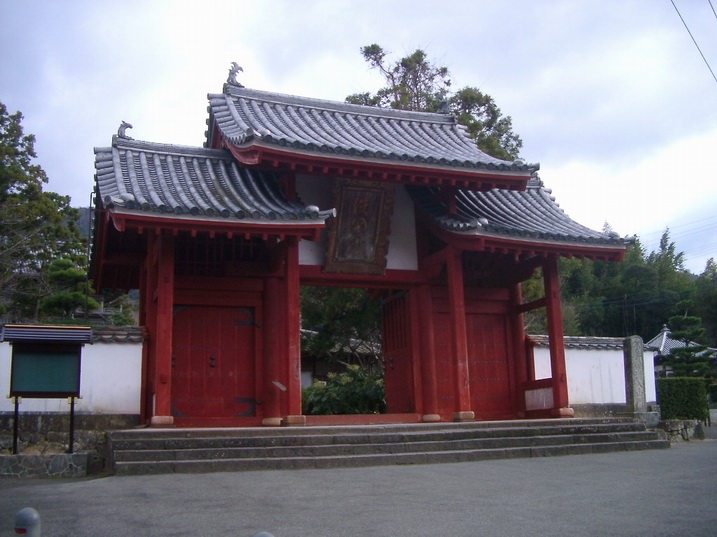
Hagi is a castle town on the Sea of Japan coast of Yamaguchi Prefecture.
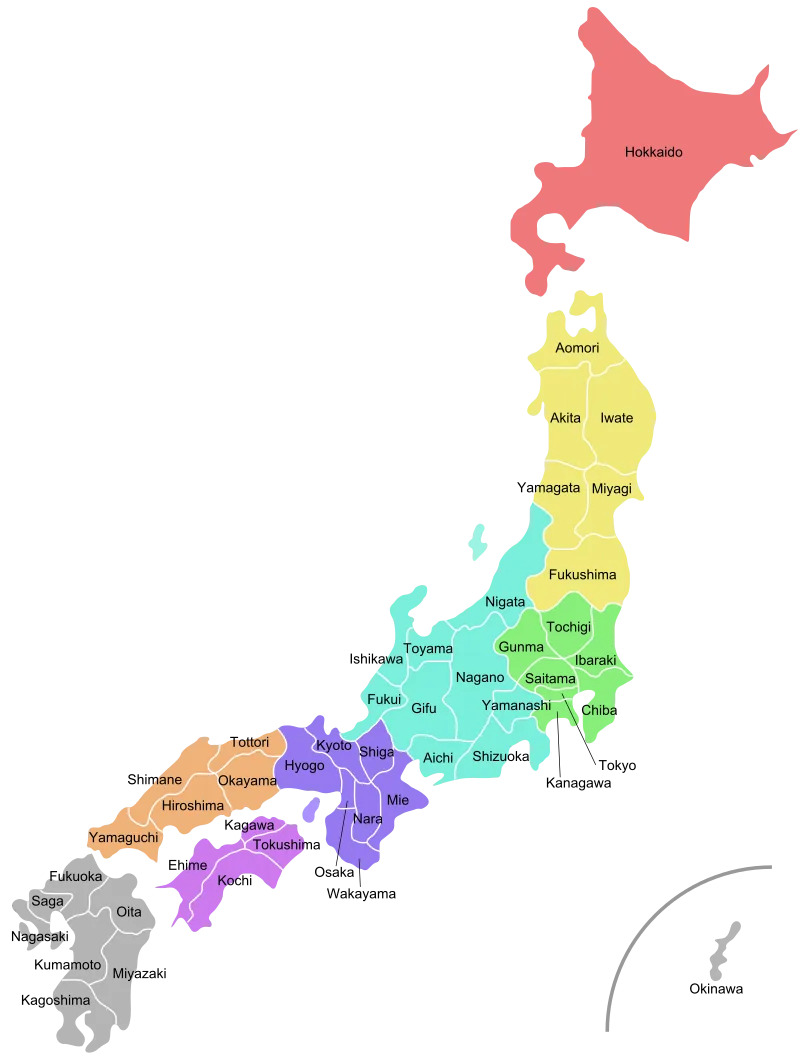
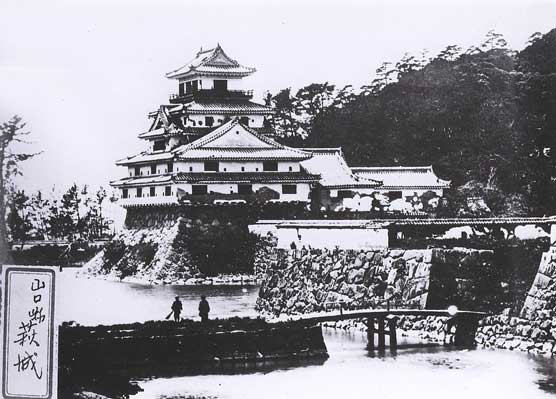
Hagi was historically the seat of the Hagi domain under the Mori clan. Its castle-town setting provides the geographic context for Hagi ware, but the regional tradition and an individual listing are separate questions: a purchase should be judged on the provenance the seller can document.
Hagi ware is generally traced to the early Edo period, when Korean potters settled in the area under Mori patronage. It became closely associated with tea ceremony, and its soft glazes and fine crackle remain part of the visual language for which the ware is known.
- Early Edo period — Korean potters settled in the area under Mori patronage.
- Edo period — Local kilns worked in the setting of the Mori castle town.
- November 3, 2026 — The Amazon Japan listing identified the medium ivory kyusu with a strainer.
- November 3, 2026 — The listed price was ¥2,369.
- November 3, 2026 — Amazon.co.jp was shown as seller, with three remaining and more expected.
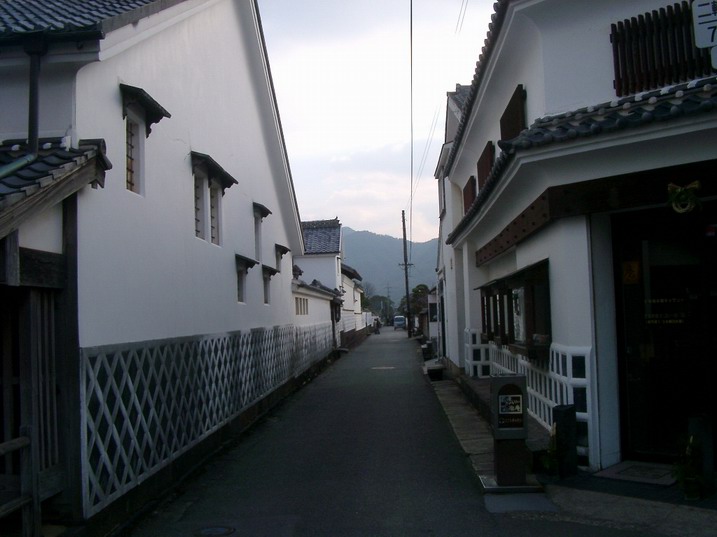
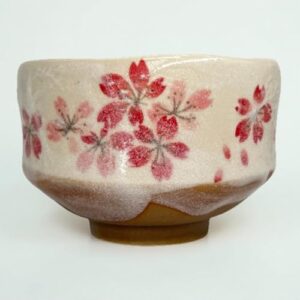
Tea bowls are especially associated with Hagi kilns, while a kyusu is a less common form. That distinction matters when browsing: a bowl for whisked tea and a pot for steeped leaves serve different routines, even when their surfaces share a regional aesthetic.
A tea vessel can carry both a place’s visual tradition and the marks of everyday use.
For the buyer, the distinction between craft context and product description is useful. Ask whether a particular pot was made in the Hagi production area, what its glaze is, and how the strainer is constructed instead of assuming that every listing answers those questions.

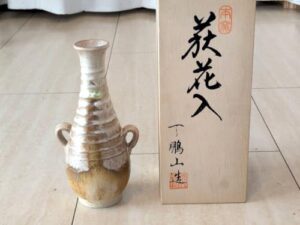
Compare related Hagi forms or explore teapots associated with other pottery traditions. Check each article for the details of its own listed item.
📦 Shipping & where to buy from outside Japan
Amazon Japan offers international delivery on eligible items, but delivery of this particular listing is not confirmed. Enter your address to see whether it can be shipped and what the final charge will be. For country-specific considerations, see the guides to Canada, the UK, and Australia.
Shipping and import charges depend on the destination, order, and checkout terms. Check whether taxes or import fees are collected at checkout and whether any further charges may apply on arrival. A forwarding or proxy service is another route if direct delivery is unavailable; compare its service, domestic shipping, packing, and international forwarding fees before paying.
Price snapshot across stores
The listing price is ¥2,369 (approximately $16 USD at ¥150 per US dollar), as of 2026-11-03; verify on the listing. Prices in USD are approximate and depend on the current exchange rate. Shipping, taxes, and availability can change the total.
| Store | Item | Price | Notes |
|---|---|---|---|
| Amazon US (search) | Browse Japanese teapots | Varies | Check each result for its maker, shipping, and total. |
| Amazon JP Global Store | Hagi Toen Hime-tsuchi kyusu, medium, ivory, with strainer | ¥2,369 (≈ $16 USD), as of 2026-11-03; verify on the listing | New; Amazon.co.jp was the seller. Check delivery and import fees for your country. |
| Maker direct | Check availability | — | Ask about specifications and overseas delivery. |
| Proxy services (Buyee / Tenso) | Eligible Japanese listings | Varies | Service and forwarding fees are additional. |
What it does well
The title explicitly says a tea strainer is included, an immediate practical consideration for loose-leaf tea.
The Japanese title provides a maker name, medium size designation, color, and number 4511 to help identify the item.
The recorded yen price gives a starting point for comparing the item before delivery and taxes.
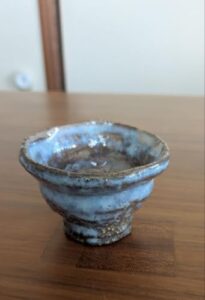
Exploring the Hagi tradition alongside the listing helps buyers distinguish a teapot from a matcha bowl or sake cup.
Weaknesses and things to verify before buying
- Capacity: The title’s “0.48” has no stated unit in the information available here. Ask for usable capacity and dimensions.
- Origin: The name in the listing is not, by itself, a documented production address. Request provenance if a Hagi-made pot is essential.
- Strainer: Its material, whether it is removable, and the fineness of its openings need confirmation.
- Care: Dishwasher and microwave instructions are not established here. Consult the seller or maker before using either.
- Delivery: International eligibility, protective packing, returns, and the final landed cost depend on the order.
- Stock: The recorded count is a moment in time, not a reservation. Check the current listing before deciding.
Conclusion — which buyer type are you?
If documented origin and maker details are central, ask for them first or choose a seller that provides them.
If a medium ivory teapot with a strainer meets your needs, check the measurements and delivered cost of the pick.
Compare the item price together with shipping and taxes; a lower shelf price does not necessarily mean a lower total.
If essential care instructions, capacity, or delivery cannot be verified, wait for a listing that answers those questions.
Other ways to approach this purchase
Recheck the same item and compare the final delivered price rather than the advertised price alone.
If considering a used piece, review photos and seller disclosures for chips, cracks, and return terms. The selected listing was new.
Where available, check whether rewards apply to the item, shipping, or neither before comparing totals.
A pot already in your cupboard may serve your tea routine until a listing with the information you need becomes available.
🏆 Editor’s Pick
❓ Frequently Asked Questions
What is the price of the selected kyusu?
The Amazon Japan listing showed ¥2,369, as of 2026-11-03; verify on the listing. Delivery, taxes, and import fees may be extra.
Does the teapot include a strainer?
Yes. The listing title says a tea strainer is included. Confirm its material and whether it is removable with the seller.
What capacity is the selected pot?
The title includes “0.48,” but the available listing information does not establish its unit or usable capacity. Ask the seller for measurements before ordering.
Can it be shipped outside Japan?
International delivery depends on the item and destination. Enter your address on Amazon Japan or check a proxy service’s terms before paying.
Is it dishwasher or microwave safe?
Those care details are not established in the information available here. Ask the seller or maker for instructions before using either appliance.
How does a kyusu differ from a Hagi matcha bowl?
A kyusu is a teapot for steeping and pouring tea, while a matcha bowl serves a different tea preparation. Choose the form that fits your routine.
jpmono is an independent Japan-based curation site with editorial centers in Toyama and Nara. Its editors review published product information; this item has not been presented as physically tested. Read the editorial standards.
AI assistance was used in preparing this article.
Affiliate disclosure: jpmono.com may earn a commission on qualifying purchases made through links on this page, at no additional cost to you.