![Hiroshima Bingo Hand-Forged Bunka Knife: Carbon Steel K-Tip [2026]](https://jpmono.com/wp-content/uploads/2026/05/japan-map-regions-and-prefectures-800x1050.png)
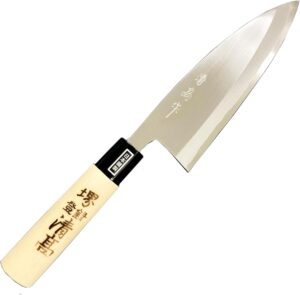
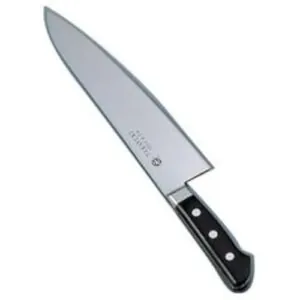
A bunka knife (文化包丁, “culture knife”) sits between a santoku and a gyuto — a flat-bellied, all-purpose blade capped with a reverse-tanto “K-tip” that gives the point precision for fine work. The piece covered here is a hand-forged, carbon-steel bunka from eastern Hiroshima, the old province of Bingo (備後国), where a documented sword-forging school worked the steel for centuries before the trade turned toward kitchen blades.
What makes this region worth a reader’s attention is continuity rather than novelty. The Mihara school of swordsmiths forged blades at Mihara from the late Kamakura period onward; under the Edo-era Fukuyama domain the same metalworking economy was sustained by domain patronage; and into the modern era the area around Hiroshima and Kure became one of Japan’s significant centers for files and tool steel. A hand-forged bunka knife is a natural modern continuation of that Bingo blade lineage — not a costume drama about it.
This guide is written from a Japan-based editor’s desk for international readers who cannot simply walk into a Japanese hardware shop. We cover what the bunka shape is good for, who should skip carbon steel entirely, where the craft comes from, and how to buy it from outside Japan. A note up front on data: published summaries of Hiroshima Bingo bunka knives often lack live pricing or full spec sheets, so where a number is not in hand, we say so rather than invent one.
🔄 Updated: June 9, 2026
⏱️ Read time: ~11 min
Who this is for — and who should skip it
- Want one all-purpose blade for vegetables, boneless meat, and fish fillet work
- Already maintain carbon-steel tools and accept a patina and a strop routine
- Value a thin grind and a crisp, easily re-sharpened edge over stain resistance
- Like the precise K-tip point for scoring, detail cuts, and fine tip work
- Want a knife with a verifiable regional craft lineage rather than a generic brand
- Want a wipe-and-forget blade — carbon steel rusts if left wet
- Run a dishwasher household; hand-wash and dry is mandatory here
- Cut through bone, frozen food, or hard squash (a thin bunka can chip)
- Are new to whetstones and do not want to learn edge maintenance
Product overview (from published specs)
Published specifications for Hiroshima Bingo bunka knives vary by maker. Regional craft descriptions indicate the general class — a hand-forged carbon-steel bunka with a K-tip — while blade length, handle material, and weight can differ. The table leaves unconfirmed fields open rather than guessing.
| Attribute | Value (per available data) | Source |
|---|---|---|
| Knife type | Bunka (K-tip / reverse-tanto multipurpose) | Title |
| Blade steel | Carbon steel (hand-forged) | Title |
| Origin | Eastern Hiroshima / old Bingo Province | Maker context (data_notes) |
| Blade length | Varies by maker | — |
| Handle | Varies by maker | — |
| Edge geometry | Double-bevel is typical for bunka knives | Shape convention |
International availability, pricing, and full specifications can change over time. Compare current maker and retailer information when considering a Hiroshima Bingo blade.
📖 Glossary — key terms
Bunka (文化包丁, “culture knife”) — an all-purpose Japanese kitchen knife with a flat edge and an angled reverse-tanto tip. It overlaps the santoku in use but adds a sharper point for detail work.
K-tip / reverse tanto — the angular, downward-sloping tip profile that defines the bunka silhouette and gives the point its precision.
Hocho (包丁) — the general Japanese word for a kitchen knife.
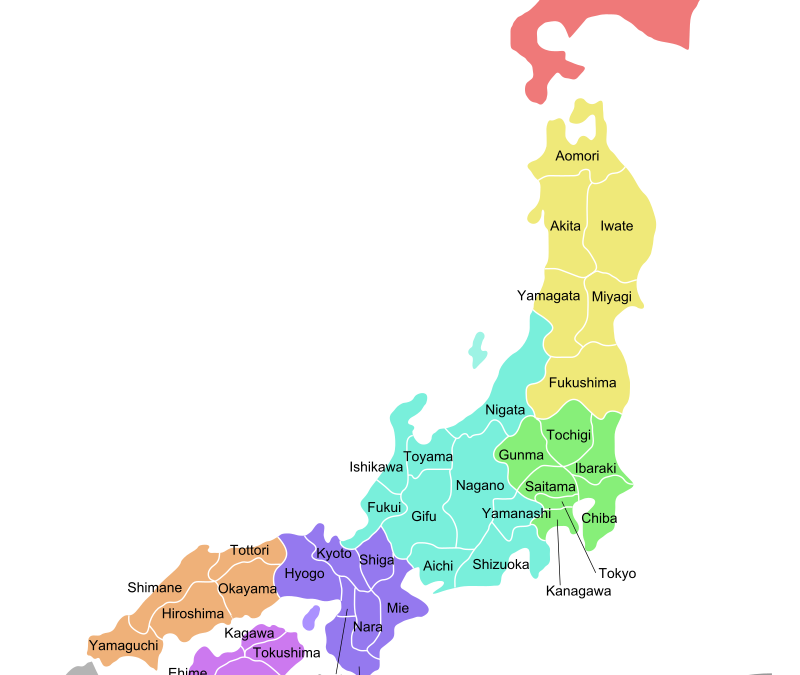
Bingo (備後国, “Bingo Province”) — the historical province covering eastern Hiroshima Prefecture, centered on Fukuyama, Mihara, and Onomichi.
Mihara-ha (三原派, “Mihara school”) — a school of swordsmiths active at Mihara in Bingo from the late Kamakura period; early “Ko-Mihara” work is prized for refined suguha (straight temper-line) edges.
Hand-forged (鍛造, tanzō) — shaped by hammering heated steel rather than stamping it from sheet, the method carried from sword-making into kitchen blades.
Related jpmono guides — other Japanese blades, neighboring Hiroshima crafts, and Chūgoku-region work for context.
Where this comes from

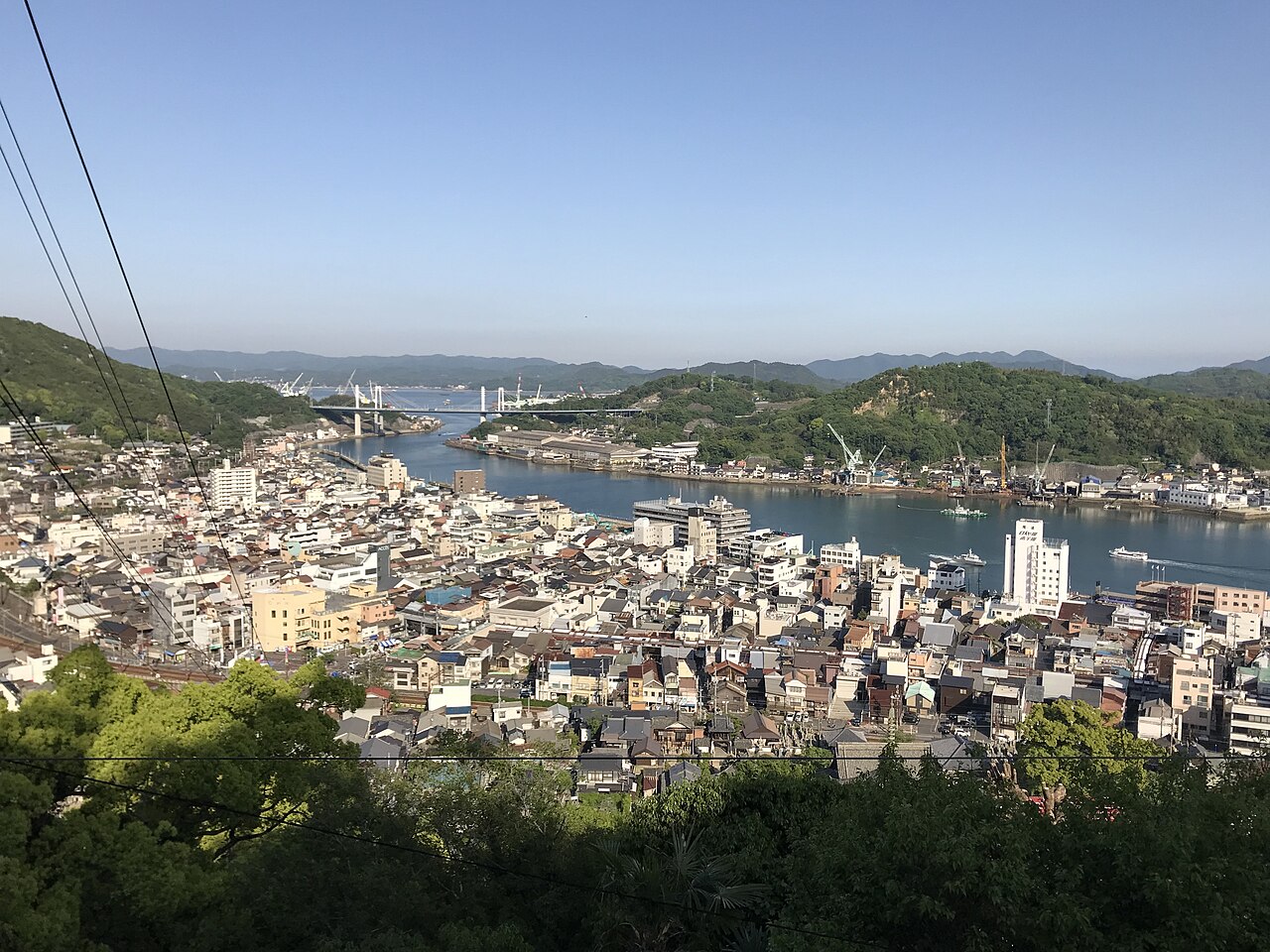
Hiroshima Prefecture occupies the southwestern stretch of Honshū, facing the calm Seto Inland Sea. The eastern third of the prefecture is the old province of Bingo, a coastal-and-river country of port towns — Mihara, Onomichi, Fukuyama — whose protected harbors and river valleys made it a natural junction for moving iron sand, charcoal, and finished metalwork. Sheltered water and steady trade are exactly the conditions a forging economy needs, and Bingo had both.
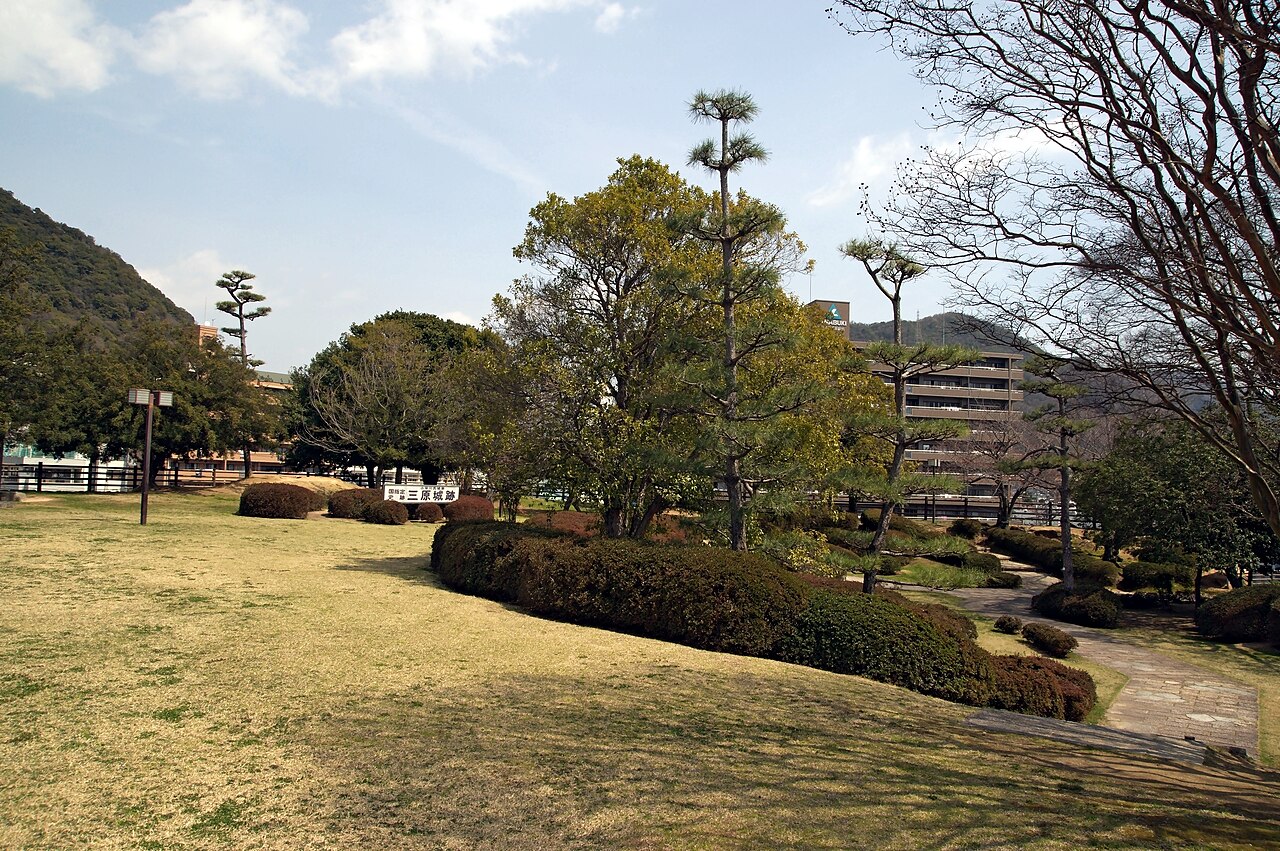
The historical anchor of the region’s blade tradition is the Mihara school of swordsmiths. From the late Kamakura period through the Muromachi period, smiths attributed to the Ko-Mihara (“Old Mihara”) line — names such as Masaie and Masahiro are traditionally associated with it — worked at Mihara and were prized for refined blades carrying a clean suguha, or straight temper-line. This is a documented school, not a folk legend; the Mihara name appears in the standard genealogies of Japanese sword study.
- late 13th c. — Ko-Mihara (“Old Mihara”) swordsmiths active at Mihara, Bingo Province
- 1336–1573 — Muromachi period; the Mihara school continues, valued for clean suguha-edged blades
- 1619 — Mizuno Katsunari enters Fukuyama; the Bingo (Fukuyama) domain is established
- 1622 — Fukuyama Castle completed, seat of the domain that sustained local metalworking
- 1710 — The Abe clan succeeds the Mizuno as Fukuyama lords, continuing artisan patronage
- 1876 — The Haitōrei edict ends sword-wearing; smiths shift toward kitchen and tool blades
- 20th c. — The Hiroshima–Kure area becomes a major center for files and tool steel
- 2026 — Hand-forged carbon-steel bunka knives continue the Bingo blade lineage
Under the Edo-period Fukuyama domain, founded when Mizuno Katsunari entered the region in 1619 and later held by the Abe clan, the metalworking economy of Bingo was kept alive by steady domain patronage. When the 1876 sword ban removed the swordsmith’s market overnight, that accumulated skill did not vanish — it migrated into the tools a peacetime economy actually needed: planes, chisels, files, and kitchen knives.
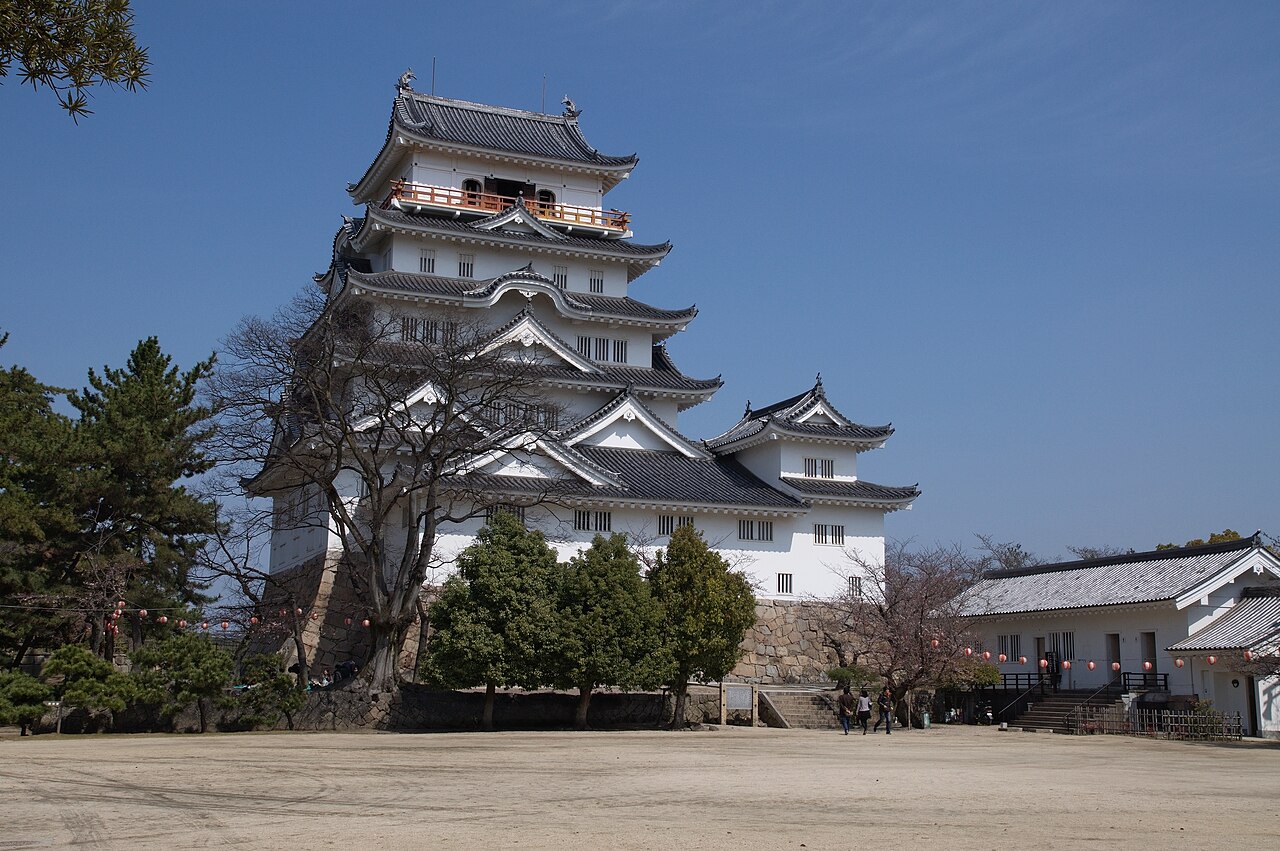
“When the sword ban arrived in 1876, the skill did not die — it moved from the battlefield to the cutting board.”
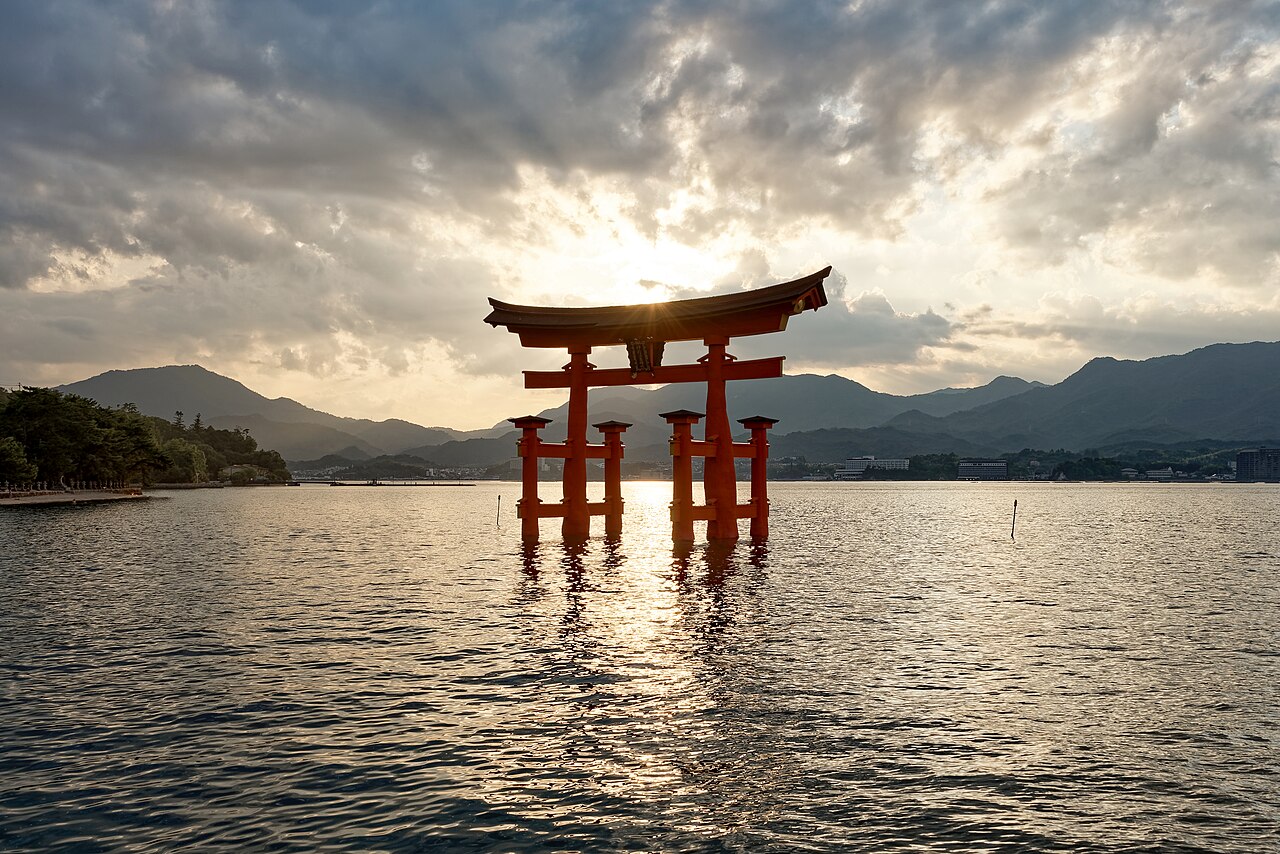
That continuity is the case for buying a knife like this over a generic stamped blade. A hand-forged carbon-steel bunka is not pretending to be a katana; it is the same hammer-and-fire tradition redirected to a tool you will use every evening. The Bingo region also sits beside Japan’s other great blade and craft centers — Bizen’s sword country to the east in Okayama, Hiroshima’s own Miyajima woodwork and Kumano brushes nearby — so the knife arrives inside a dense regional craft landscape rather than alone.
Buying considerations
JPY is the usual reference currency for Japanese craft knives. USD figures, where shown, are approximate at a ¥150/USD baseline as of mid-2026, and prices vary by maker and market.
| Store | Item / Variant | Price (JPY + USD est.) | Notes |
|---|---|---|---|
| 🇺🇸 Amazon US (search) | Browse Japanese kitchen knives | varies (USD) | Best if you’re shopping from the US — Prime shipping, USD pricing, no international customs. Amazon US carries hand-forged Japanese knives from many makers for comparing shape and steel; this exact Bingo piece is sourced from Japan (next row). |
| 🇯🇵 Amazon JP Global Store | This bunka knife | — | International shipping option from Japan; confirm destination coverage and fees before ordering. |
| Maker direct | — | — | No maker-direct storefront was identified in the available data; many small Bingo smiths sell only through retailers. |
| Proxy services (Buyee / Tenso) | Forwarding from JP retailers | Item price + forwarding fee | Useful if a Japan-only shop needs forwarding; expect service and international shipping fees. |
Prices in USD are approximate and depend on the current exchange rate. International shipping and customs costs also vary by destination.
What it does well
The flat belly and bunka profile handle vegetables, boneless meat, and fillet work with a single blade — the practical reason the shape exists.
The reverse-tanto point gives the tip authority for scoring, detail cuts, and fine work that a rounded santoku tip does not.
Carbon steel takes a keen edge and is easy to re-sharpen on a whetstone — the trade most enthusiasts make against stain resistance.
The Bingo / Mihara forging tradition is documented history, not marketing copy — a knife with a real regional provenance.
Weaknesses and things to verify before buying
- Carbon steel rusts. It must be hand-washed, dried immediately, and lightly oiled for storage. It will also develop a grey-blue patina, which is normal but not to everyone’s taste.
- Not a dishwasher knife. Dishwasher detergent and prolonged moisture will corrode and dull the blade. If your household relies on a dishwasher, this is the wrong knife.
- Thin blade, hard limits. A thin bunka is built for clean slicing, not for bone, frozen food, or hard winter squash — those can chip the edge.
- Maintenance skill assumed. Getting the most from carbon steel means learning whetstone sharpening. Pull-through sharpeners are a poor match.
- Price not captured. No live price was recorded at the time of writing; treat any figure you see at purchase time as the real one, and re-check stock.
- International handling. A knife shipped across borders may face customs inspection or import rules depending on your country; check local regulations on importing bladed tools.
Conclusion — which buyer type are you?
You want documented craft heritage and a hand-forged edge, and you already keep carbon steel. This Bingo bunka fits — and pairs well with a single-bevel Sakai blade for specialized work.
You want one capable all-purpose knife and will learn basic care. The bunka covers most kitchen tasks; an Echizen santoku is a close stainless-friendly alternative.
If price is the deciding factor, compare stainless alternatives before choosing a carbon-steel upgrade.
Dishwasher household, no interest in maintenance, or you cut bone and frozen food often — a carbon-steel bunka will frustrate you. Choose a thick stainless blade instead.
Other ways to approach this purchase
Retail prices fluctuate. Compare offers over time before committing to a purchase.
Uncommon for small-maker knives, but used Japanese knives do circulate; a re-ground secondhand blade can be excellent value if condition is verified.
If you buy through Amazon US, stack card or membership rewards; through a proxy service, check whether the JP retailer runs point campaigns.
Not sure carbon steel suits you? Start with a stainless santoku from a known maker, learn the maintenance, then return to the Bingo bunka.
❓ Frequently Asked Questions
What is a bunka knife, and how is it different from a santoku?
A bunka is an all-purpose Japanese kitchen knife much like a santoku, but it is finished with an angular reverse-tanto “K-tip” instead of a rounded point. The flat edge handles the same push-cutting tasks, while the sharper tip adds precision for scoring and detail work.
Does carbon steel rust, and how do I care for it?
Yes. Carbon steel corrodes if left wet, so hand-wash it, dry it immediately, and wipe it with a little food-safe oil before storage. It will form a grey patina over time, which is normal and offers some protection. Do not put it in a dishwasher.
Can it be shipped internationally from Japan?
Hiroshima Bingo bunka knives are commonly distributed through the Amazon JP Global Store and specialist exporters based in Japan, serving most major overseas destinations. International forwarding typically runs about $15–$40 to the US or EU, and orders over local thresholds may incur customs duty. Confirm shipping eligibility at the retailer, as some sellers restrict bladed tools.
What does “Bingo” have to do with knives?
Bingo is the old province covering eastern Hiroshima, home to the Mihara school of swordsmiths from the late Kamakura period. After the 1876 sword ban, that forging skill carried into kitchen and tool blades, which is the lineage a modern hand-forged bunka from the region continues.
Why does the price say “not captured”?
When specifications are incomplete, we leave prices and details unconfirmed rather than guessing. Japanese retail prices can change over time.
Is this a good knife for a beginner?
It can be, if the beginner is willing to learn carbon-steel care and basic whetstone sharpening. A cook who wants a wipe-and-forget blade is better served by a stainless santoku to start, then can move to carbon steel once the maintenance habit is in place.
How does it compare to a Sakai or Echizen knife?
Sakai is known for single-bevel specialist knives such as deba and yanagiba, while Echizen and Kaga produce excellent double-bevel santoku and nakiri. The Bingo bunka is a double-bevel all-rounder; if you want one versatile knife, it competes most directly with those santoku and nakiri options rather than the single-bevel specialists.
jpmono.com is curated by a Japan-based editorial team (working out of Toyama in the Hokuriku region and Nara in Kansai) and is independent. We do not take payment from the makers we feature; income comes from editorial work. We do not physically test every product — we read maker specifications and craft sources and flag incomplete information when we encounter it.
This article was prepared with AI assistance and reviewed against craft references. Specifications, prices, and availability can vary by maker and over time.
Affiliate disclosure: jpmono.com may earn a commission on qualifying purchases made through links on this page, at no additional cost to you.