![Joshu Hand-Forged Mulberry Sickle (Kama): Gunma Silk-Country Blade [2026]](https://jpmono.com/wp-content/uploads/2026/05/japan-map-regions-and-prefectures-800x1050.png)
A hand-forged mulberry sickle (kama, 鎌) is one of those tools that looks almost ordinary until you understand the landscape it came from. In Gunma — historically called Joshu (上州) — the hillsides were once carpeted in mulberry, and mulberry leaves fed the silkworms that made this prefecture the engine of Japan’s silk export. Cutting that mulberry, year after year, and clearing the brush around the fields, required a blade that was keen, hard, and built to be re-sharpened for a lifetime. That is the tool this article is about.
A Japanese hand-forged garden sickle has a high-carbon steel, single-bevel cutting edge and a turned wooden handle — the everyday harvesting and brush-clearing form that village blacksmiths across Joshu produced for generations. It is a working tool rather than a display object: the appeal is geometry and steel, not ornament.
This guide covers what the published specs actually say, who the tool suits (and who should skip it), how Gunma’s silk country shaped the blade, an honest account of provenance caveats, and where to buy it from outside Japan. The data suggests a niche but genuine object; we will be plain about what is confirmed and what you must verify at purchase.
🔄 Updated: June 12, 2026
⏱️ Read time: ~10 min
Who this is for — and who should skip it
- Want a real working harvesting blade, not a decorative piece
- Garden, farm, or forage and regularly cut woody stems and brush
- Appreciate high-carbon steel and are willing to maintain it
- Value a single-bevel Japanese edge geometry for clean draw cuts
- Like owning a tool tied to a specific regional craft tradition
- Want a stainless, zero-maintenance tool that never needs oiling
- Expect a documented single-smithy provenance certificate
- Are left-handed and need a left-bevel grind (verify before buying)
- Only need to trim soft grass or a small lawn occasionally
- Are unwilling to learn basic whetstone sharpening
Product overview (from published specs)
The core attributes of this form are a single-bevel edge, a practical garden profile, and a handle suited to repeated outdoor work. Dimensions, steel details, and finish vary by maker, so category-level notes are used where no common standard applies.
| Attribute | Detail |
|---|---|
| Item type | Hand-forged Japanese garden sickle (kama) |
| Blade steel | High-carbon steel, single-bevel edge |
| Intended use | Mulberry harvesting, brush and weed clearing |
| Handle | Turned wooden handle |
| Regional tradition | Joshu (Gunma) silk-country blacksmithing |
| Blade length / weight | — |
| Producer / smithy | — |
| Price | — (live pricing unavailable at time of writing) |
Single-bevel garden sickles are often ground for right-handed use. Handedness, dimensions, and steel details vary by maker, so left-handed users should ask before ordering.
📖 Glossary — key terms
- kama (鎌) — a Japanese hand sickle, used for harvesting, weeding, and brush clearing.
- Joshu (上州) — the historical name for present-day Gunma Prefecture.
- uchihamono (打刃物) — hand-forged bladeware, where the edge is hammer-forged rather than stamped.
- single bevel (片刃, kataba) — an edge ground on one face only, for a thin, keen cut; usually handed (right or left).
- high-carbon steel (hagane, 鋼) — hard, very sharpenable steel that rusts if neglected; the traditional choice for Japanese edge tools.
- sericulture (養蚕, yosan) — silkworm farming; the industry that mulberry leaves, and these sickles, served.
Related jpmono guides — same-prefecture crafts, other Japanese sickles, and hand-forged blades from across Japan.
What it does well
Weaknesses and things to verify before buying
- High-carbon steel rusts. It must be wiped dry and lightly oiled after use; neglect causes pitting. This is a maintenance tool, not a fit-and-forget one.
- Handedness. A single-bevel edge is typically ground for right-handed users. Left-handed buyers should confirm the bevel direction before ordering.
- Provenance is region-level, not smithy-level. Many Japanese garden blades sold today are forged in Sanjo, Niigata. The Gunma anchor here is the sericulture tool-culture; the exact maker and forging location should be confirmed before purchase.
- Steel grade is not fully stated. Confirm the steel grade before purchase.
- Pricing and stock were unavailable at the time of writing; both fluctuate and should be checked directly before purchase.
- Sharpening skill required. Getting the most from a single-bevel high-carbon edge means basic whetstone competence; a pull-through sharpener will damage the geometry.
Where this comes from

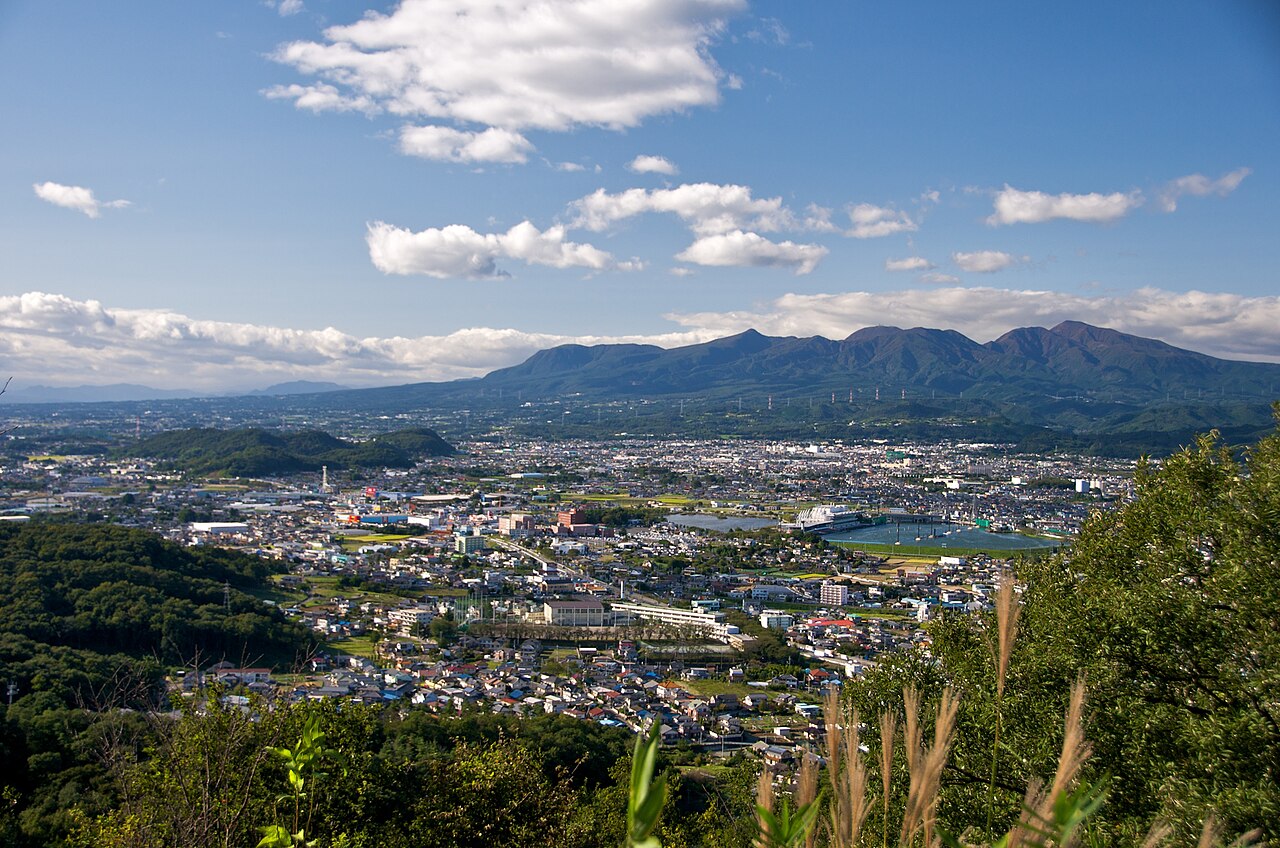
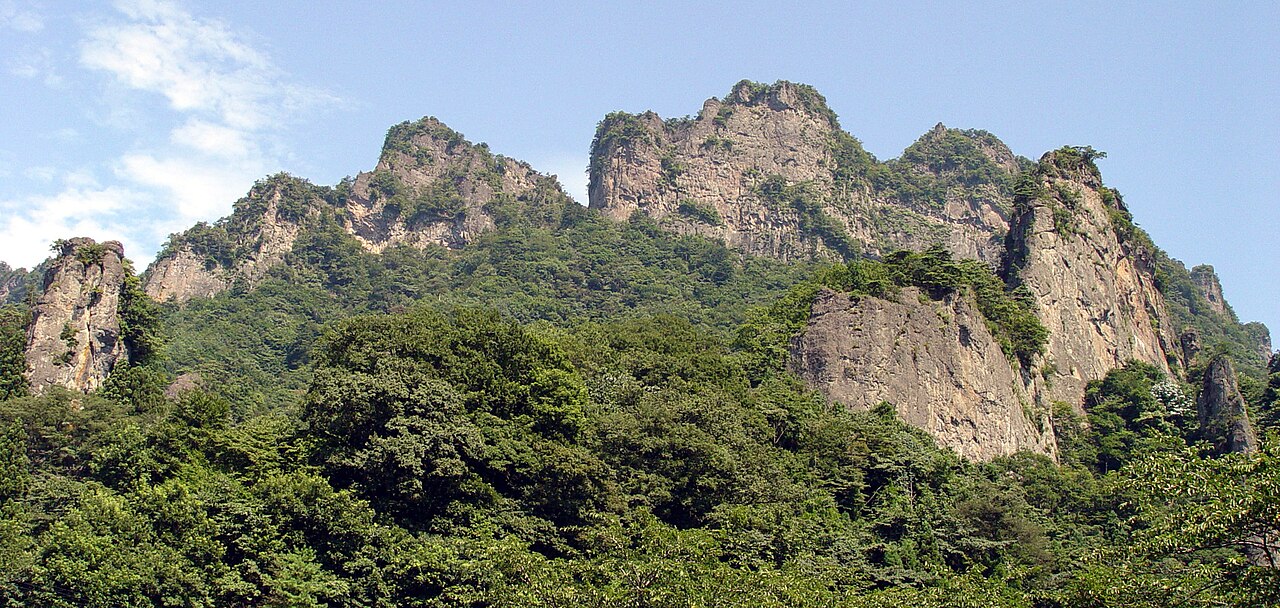
Gunma sits in the northwest corner of the Kantō plain, landlocked and ringed by mountains — the volcanic massifs of Akagi, Haruna, and Myogi to the west and north, with the Tone River draining the highlands toward the Pacific. It is about 100 km northwest of Tokyo, close enough to feed the capital’s markets yet rugged enough to develop a self-reliant village economy. The cool, well-drained volcanic foothills turned out to be ideal mulberry country, and mulberry leaves are the single food of the silkworm.
For centuries, sericulture defined this place. Farm households raised silkworms in their attics, harvested mulberry by hand, and reeled raw silk through the long Joshu winters. The work needed sharp, durable sickles — to cut mulberry shoots cleanly without crushing them, and to clear the brush that crowded the field edges. Village blacksmiths supplied that demand, and the resulting hand-forged kama became an unremarkable but essential part of the rural toolkit.
Then came the moment that made Gunma nationally important.
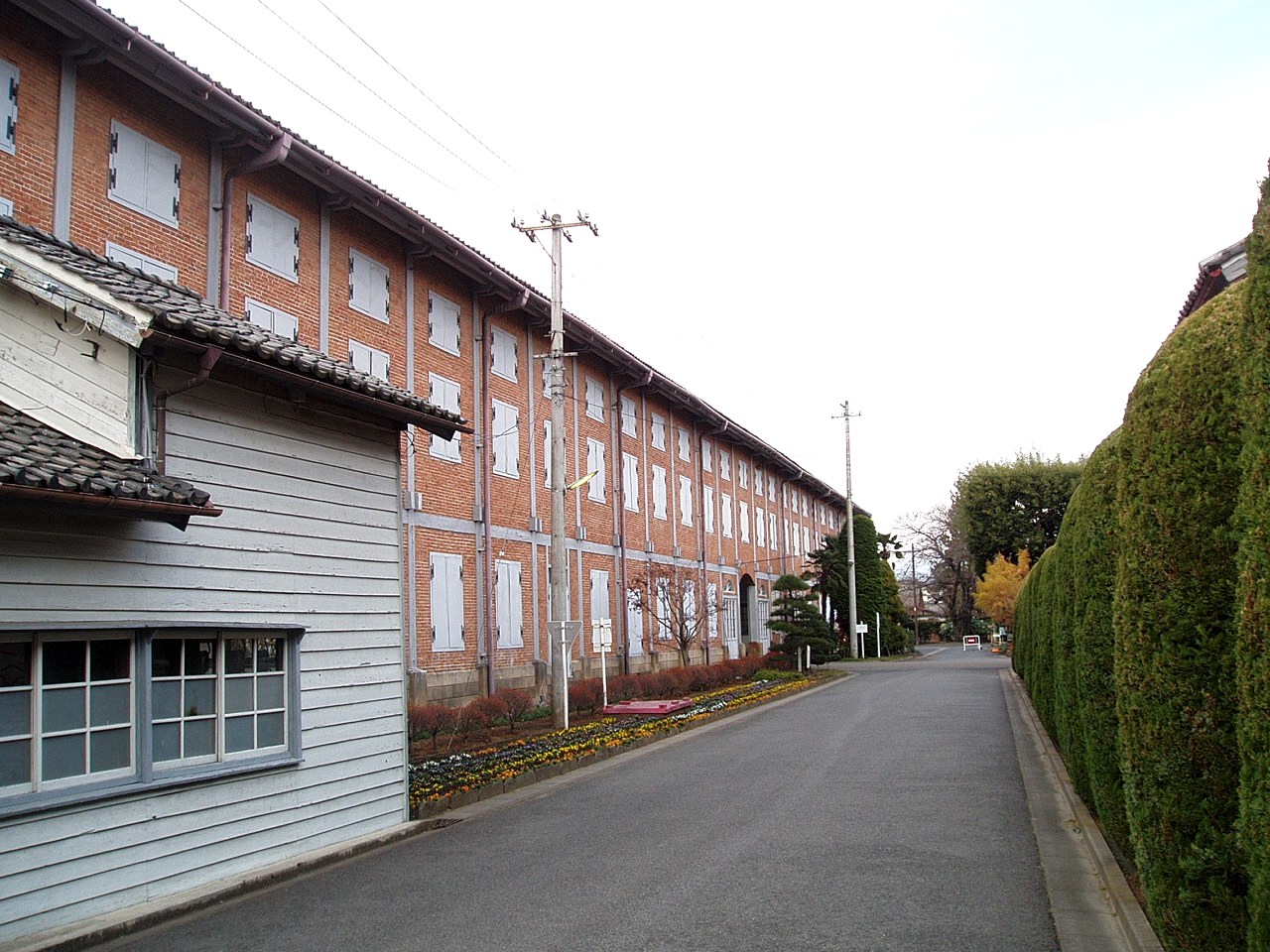
In 1872, the new Meiji government built the Tomioka Silk Mill (富岡製糸場) in Gunma — a model filature with French machinery, designed to industrialize raw-silk reeling and earn the foreign currency that funded Japan’s modernization. Silk became the country’s leading export, and Gunma was its heartland. The mill ran for well over a century and was inscribed as a UNESCO World Heritage Site in 2014. Around it, the entire prefecture organized itself around mulberry, cocoons, and thread; the weaving towns of Kiryu — long called “the Nishijin of the East” — and Isesaki anchored the cloth trade downstream.
- Edo period — Joshu farm villages build a household sericulture economy; mulberry harvesting and brush clearing sustain village blacksmiths.
- 1872 — The Meiji government opens the Tomioka Silk Mill, industrializing raw-silk reeling.
- Late 1800s — Silk becomes Japan’s leading export; Gunma’s mulberry acreage expands across the Akagi–Haruna–Myogi highlands.
- Early 1900s — Kiryu (“the Nishijin of the East”) and Isesaki anchor the weaving trade; demand for field and harvesting blades stays high.
- Mid–late 1900s — Synthetic fiber and import competition shrink sericulture; the mulberry sickle survives as a general garden and brush tool.
- 2014 — The Tomioka Silk Mill is inscribed as a UNESCO World Heritage Site.
- 2026 — Hand-forged Joshu-style kama are still sold as working garden blades and offered internationally through Amazon JP Global Store.
What “still being made here” means today is more modest than the silk-mill era, and honesty requires saying so. Sericulture has shrunk dramatically since the mid-twentieth century, and the prefecture’s blacksmithing is no longer the dense network it once was. Many Japanese garden blades on the market are forged in the larger bladeware hubs — Sanjo in Niigata above all. The tool’s connection to Gunma is therefore best understood as a living tool-culture descended from the silk economy, rather than a guarantee that any given blade left a single Joshu forge. We flag this plainly so buyers can verify the specific maker.
“The mulberry sickle is the silk industry’s humblest survivor — the blade that cut the leaves that fed the worms that spun the thread that built Gunma.”
Price information
The JPY price is the standard reference figure for hand-forged Joshu mulberry sickles; USD figures are approximate estimates at a ¥150/USD baseline as of mid-2026. Pricing varies between smiths, so confirm the current figure at the retailer before ordering.
| Store | Item / Variant | Price | Notes |
|---|---|---|---|
| 🇺🇸 Amazon.com (US) | Browse Japanese garden sickles & kama | varies (USD) | Best if you’re shopping from the US — Prime shipping, USD pricing, no international customs. Amazon US carries hand-forged Japanese sickles and garden blades from various makers; this exact Joshu-style piece is sourced from Japan (next row). |
| 🇯🇵 Amazon JP Global Store | This exact kama | — | International shipping from Japan may involve customs or duties. |
| Maker direct | — | — | No single named smithy is confirmed; the producer may vary. |
| Proxy services (Buyee / Tenso) | Domestic Japan stores | + fees | Useful if you find the blade on a Japan-only shop; proxy forwarders add a service fee plus international shipping. |
Prices in USD are approximate and depend on the current exchange rate. Prices and stock fluctuate — follow the affiliate link for current data.
Conclusion — which buyer type are you?
Other ways to approach this purchase
❓ Frequently Asked Questions
Does Amazon JP Global Store ship this sickle internationally?
Japanese garden blades may face destination restrictions, and availability varies by country. Check import rules and shipping eligibility before ordering.
Is this blade actually forged in Gunma?
The Gunma connection is the prefecture’s sericulture tool-culture, not a guaranteed single smithy. Many Japanese garden blades are forged in Sanjo, Niigata. Treat the regional framing as context, and distinguish it from the origin of any particular maker.
How do I care for high-carbon steel?
Wipe the blade dry after every use and apply a thin film of camellia or light machine oil before storage. High-carbon steel rusts if left wet or dirty, but it rewards that small habit with a much keener, more easily re-sharpened edge than stainless.
Can left-handed users use a single-bevel kama?
Single-bevel blades are usually ground for right-handed use, which can make the draw cut feel wrong for left-handed users. A left-bevel grind exists but must be requested or specifically confirmed.
How is this different from a Chiba Koshogu or Shinshu sickle?
All three are Japanese hand-forged kama, but each carries a different regional tool-culture — Joshu’s silk-country mulberry harvesting, Chiba’s Koshogu grass-sickle tradition, and Shinshu’s Nagano blade lineage. Exact dimensions and finish can differ by maker.
What can I cut with it besides mulberry?
It handles general garden harvesting, weeding, and light brush clearing — woody and fibrous stems that a soft-grass sickle would struggle with. It is not a substitute for a nata hatchet or a saw on thick branches.
Was a price available at the time of writing?
Prices and stock for hand-forged kama vary over time; compare current offers and treat any currency conversion as approximate.
jpmono.com is curated by a Japan-based editorial team (working out of Toyama in the Hokuriku region and Nara in Kansai) and is independent. We don’t take payment from the makers we feature; income comes from affiliate links. We don’t physically test every product — we read maker specifications and published craft information.
Affiliate disclosure: jpmono.com may earn a commission on qualifying purchases made through links on this page, at no additional cost to you.