![Nara Yamato-den Hand-Forged Gyuto Chef Knife: Where to Buy [2026]](https://jpmono.com/wp-content/uploads/2026/05/japan-map-regions-and-prefectures-800x1050.png)
In the back streets of Nara — Japan’s first permanent capital, laid out as Heijō-kyō in the year 710 — a knife house called Kikuichi Monju-Shiro-Kanenaga (菊一文珠四郎包永) still works on Sanjō-dōri, the old approach road to the great temples. Its name carries the word Kanenaga, the same name borne by a Kamakura-era swordsmith of the Tegai school, one of the lineages of the Yamato-den (大和伝) — a tradition of blade-making that armed the warrior-monks of Tōdai-ji and Kōfuku-ji centuries before it ever touched a kitchen. The gyuto (牛刀, “cow sword,” the Japanese chef’s knife) covered here is a high-carbon, hand-forged descendant of that lineage.
What makes a Yamato-den gyuto worth a closer look for an international buyer is not novelty but continuity. The Yamato-den is one of the Gokaden (五箇伝), the five great regional sword traditions of old Japan, and its smiths developed a plain, sturdy aesthetic with a prominent straight grain. When the 1876 Haitōrei (廃刀令) banned the wearing of swords, the surviving Nara lineage houses redirected the same forging skill — folding, fire, and water — into everyday cutlery. A modern gyuto from one of these houses is, in a real sense, temple-sword steelwork rerouted into the kitchen.
This guide is written for the cook or collector deciding whether a carbon-steel Nara gyuto belongs in the kitchen. It explains who the knife suits, how to think about care and international shipping, and how this regional blade sits against other Japanese knives. The discussion is based on maker and craft information rather than first-person testing.
🔄 Updated: June 8, 2026
⏱️ Read time: ~11 min
- Who this is for — and who should skip it
- Product overview (from published specs)
- Where this comes from — place, era, and the craft tradition
- Buying considerations
- What it does well
- Weaknesses and things to verify before buying
- Conclusion — which buyer type are you?
- Other ways to approach this purchase
- ❓ Frequently Asked Questions
Who this is for — and who should skip it
- Want a hand-forged carbon-steel gyuto and accept the maintenance that carbon steel demands.
- Value a documented craft lineage — here, a Nara swordsmith name carried into kitchen cutlery.
- Already hone and strop your own knives and keep them dry.
- Prefer a thin, keen Japanese-geometry chef’s knife over a heavier German profile.
- Are buying a meaningful gift and want the story to be real, not invented marketing.
- Want a zero-maintenance blade — carbon steel rusts if left wet and develops a patina.
- Run knives through a dishwasher or leave them in the sink.
- Want guaranteed local warranty and returns rather than an international order from Japan.
- Are shopping purely on lowest price; comparable mass-market gyuto exist for less.
Product overview (from published specs)
Nara Yamato-den gyuto knives are discussed here as regional carbon-steel blades with a recorded craft lineage. Dimensions, weight, handle materials, and other details vary by maker, so the table leaves unconfirmed fields open rather than guessing.
| Attribute | Value | Source |
|---|---|---|
| Maker | Kikuichi Monju-Shiro-Kanenaga (菊一文珠四郎包永), Sanjō-dōri, Nara | Maker direct / lineage record |
| Item type | Gyuto (chef’s knife), hand-forged | Amazon JP Global Store |
| Craft tradition | Yamato-den / Tegai (Kanenaga) swordsmith lineage | Maker direct / lineage record |
| Steel | High-carbon steel (hagane) | Product description |
| Blade length | Varies by maker | — |
| Weight | Varies by maker | — |
| Origin | Nara Prefecture, Kansai, Japan | Maker direct |
The steel is a high-carbon, non-stainless type; the exact grade, blade length, and weight vary by maker. Japanese craft knives can also change in price and availability over time.
📖 Glossary — Japanese blade and craft terms
Gyuto (牛刀) — literally “cow sword,” the Japanese take on the Western chef’s knife: a long, pointed, gently curved all-purpose blade, thinner and harder than a typical German chef’s knife.
Yamato-den (大和伝) — the Yamato (old Nara) sword tradition, one of the Gokaden. Known for a plain, robust style and pronounced straight grain.
Gokaden (五箇伝) — the “five traditions,” the five great regional schools of classical Japanese swordmaking (Yamato, Yamashiro, Bizen, Sōshū, Mino).
Tegai (手掻) — one of the five Yamato schools, named after Tōdai-ji’s Tegai Gate (Tengai-mon). Its founding smith, Kanenaga, worked in the Kamakura era.
Senjuin (千手院) — the earliest Yamato school, forging near Tōdai-ji from the late Heian period.
Sōhei (僧兵) — the warrior-monks of the great Nara temples, whose demand for arms first drew swordsmiths to the city.
Haitōrei (廃刀令) — the 1876 edict banning the wearing of swords, after which many smiths turned to kitchen and tool cutlery.
Hagane (鋼) — carbon steel; harder and more easily sharpened than stainless, but it can rust and develops a protective patina with use.
Masame (柾目) — the straight, parallel grain pattern in the steel, a hallmark of the Yamato style.
Where this comes from — place, era, and the craft tradition

Nara sits in the Yamato basin, a ring of low mountains enclosing the plain where the Japanese state first took permanent form. When the imperial court moved here in 710 and built Heijō-kyō on a grid modeled after the Tang Chinese capital, it concentrated craftsmen — bronze-casters, lacquerers, paper-makers, and metalworkers — into the new city to serve the court and the temples. That concentration is the deep root of Nara’s craft continuity, which runs unbroken for well over a thousand years.
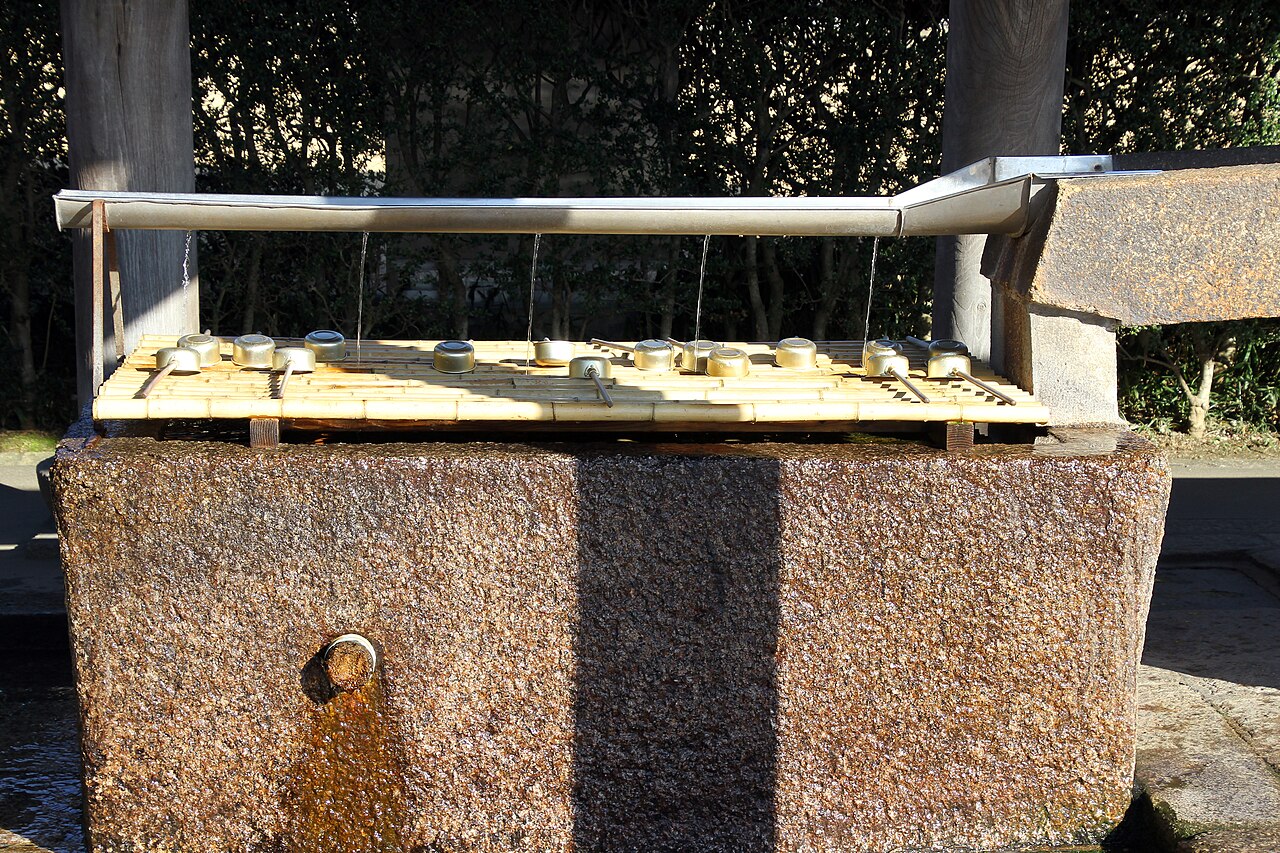
The blade tradition that concerns us is the Yamato-den, one of the Gokaden — the five great regional schools of classical Japanese swordmaking. Its earliest school, Senjuin, forged near Tōdai-ji from the late Heian period to arm the sōhei, the warrior-monks of Tōdai-ji and Kōfuku-ji. The temples were not just spiritual centers; they were landholding powers with armies, and that demand kept smiths working in the shadow of the pagodas for generations.
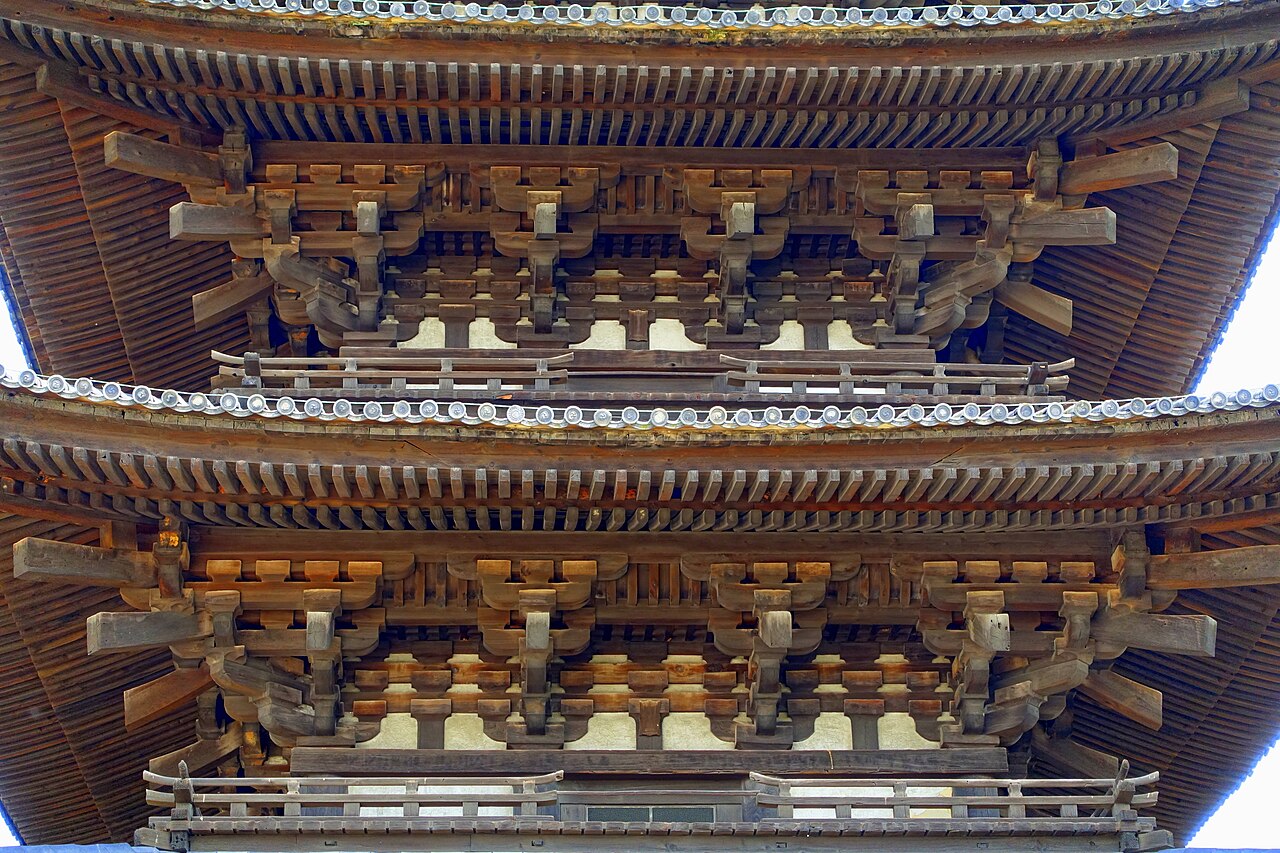
Five schools eventually defined the Yamato-den — Senjuin, Tegai, Hoshō, Shikkake, and Taima — sharing a plain, sturdy aesthetic with a prominent straight (masame) grain in the steel. The Tegai school took its name from Tōdai-ji’s Tegai Gate, the Tengai-mon, and its founding smith Kanenaga was active in the Kamakura era. That name, Kanenaga (包永), is the one the Nara knife house Kikuichi Monju-Shiro-Kanenaga still carries today on Sanjō-dōri.
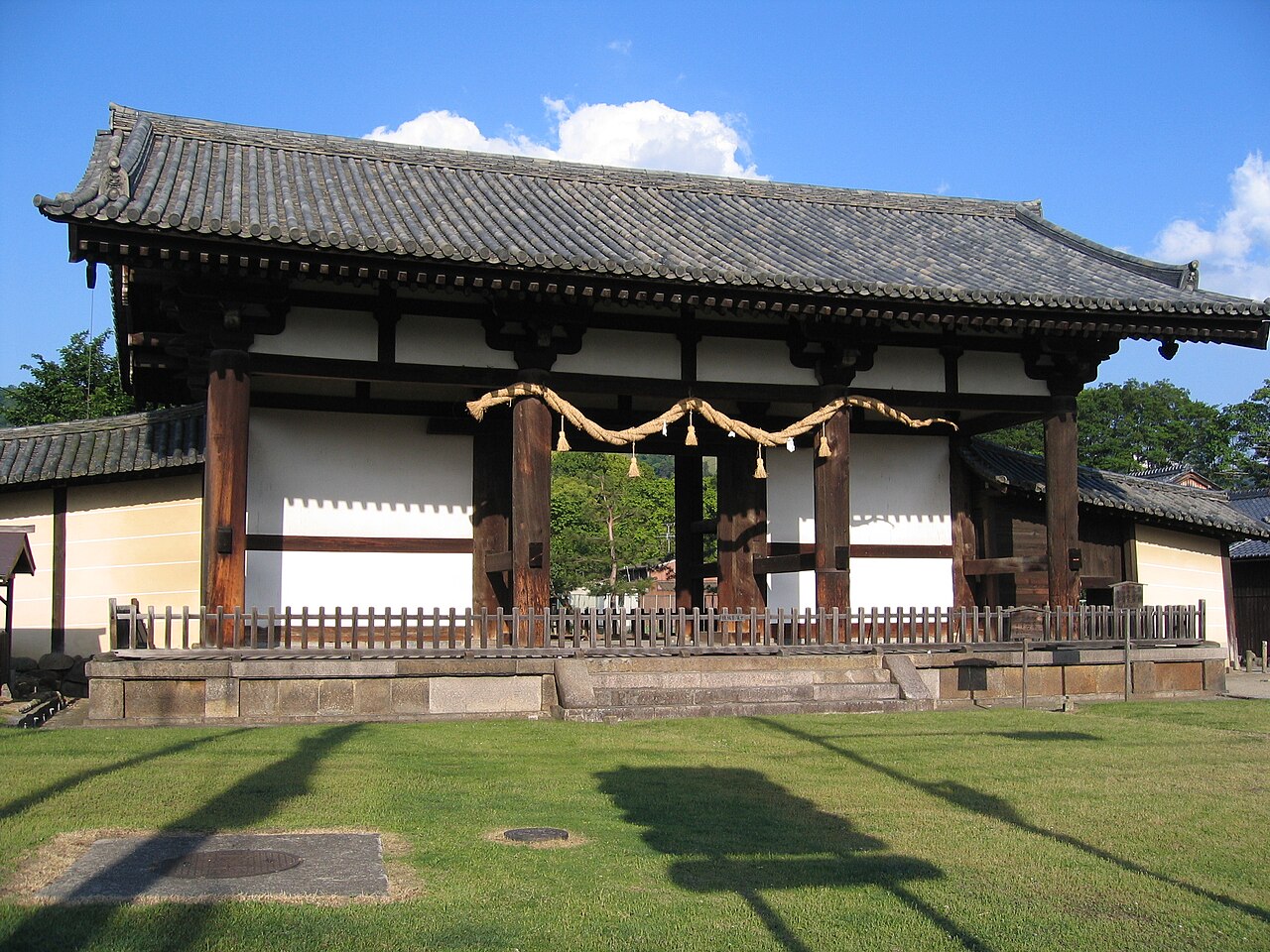
- 710 — The imperial court establishes Heijō-kyō; Nara becomes Japan’s first permanent capital and a hub of concentrated craft workshops.
- Late Heian (11th–12th c.) — Senjuin, the earliest Yamato school, forges near Tōdai-ji to arm the warrior-monks.
- Kamakura era (13th c.) — The Tegai school flourishes; its founding smith Kanenaga works by the Tengai-mon, giving the school its name.
- Classical era — The five Yamato schools (Senjuin, Tegai, Hoshō, Shikkake, Taima) define the Yamato-den, one of the Gokaden.
- 1876 — The Haitōrei abolishes sword-wearing; surviving lineage houses redirect forging skill into kitchen cutlery.
- Present day — Kikuichi Monju-Shiro-Kanenaga on Sanjō-dōri forges high-carbon gyuto and santoku, carrying temple-sword steelwork into the modern kitchen.
“A gyuto from this house is not a replica of a sword — it is the same forging skill, rerouted. When the swords were banned in 1876, the fire did not go out; it moved to the cutting board.”
What does “still made here” mean in practice? The Kanenaga name on Sanjō-dōri is one of a small number of Nara lineage houses that survived the end of the sword era by turning to kitchen and tool cutlery. The continuity is in the method — folding and forge-welding carbon steel, then grinding and water-quenching — rather than in any single unbroken family tree, and that distinction is worth keeping honest. The relevant fact is that the steelwork tradition of the old Yamato schools did not vanish; it adapted.
Other Japanese blades, knives, and Nara crafts we have profiled — useful for comparing geometry, steel, region, and price tier.
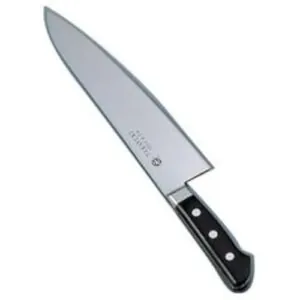 🔪 Sakai gyuto chef knifeCompare with the Sakai forging hub →
 ⚔️ Bizen Osafune sword heritageAnother of the Gokaden traditions →
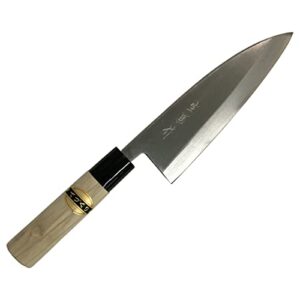 🔪 Echizen hand-forged santokuForged blade, different region →
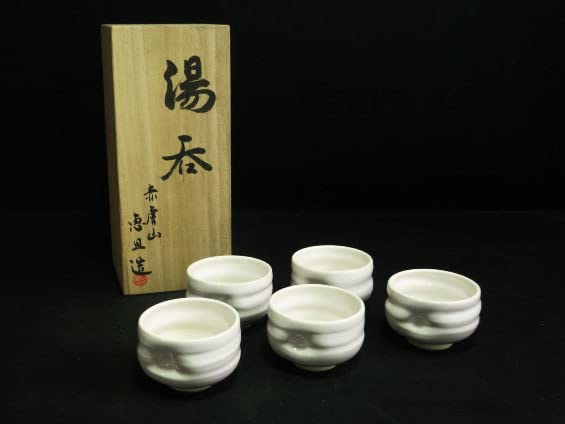 🍵 Nara Akahada-yaki yunomiMore from Nara’s craft world →
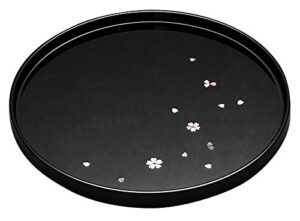 🟥 Nara Shikki raden trayNara lacquer companion piece →
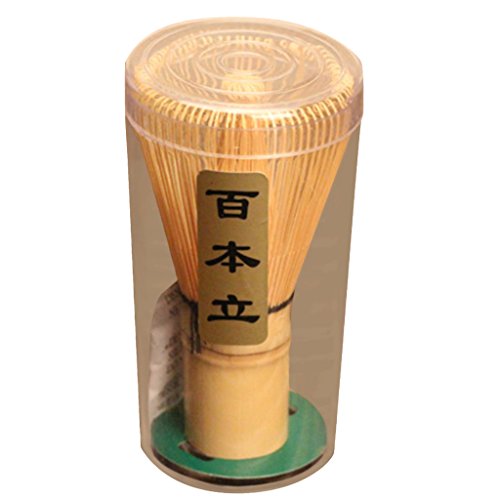 🍵 Nara Takayama chasenNara’s bamboo whisk tradition →
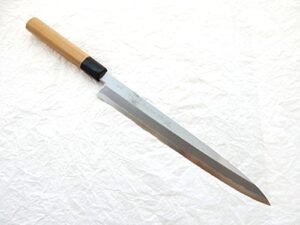 🔪 Tsukiji yanagiba knifeSingle-bevel fish knife contrast →
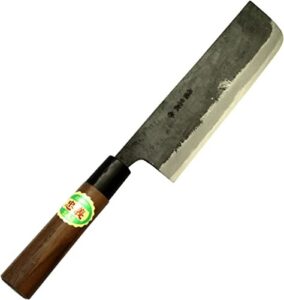 🔪 Kaga hand-forged nakiriVegetable knife, Hokuriku forge →
Buying considerations
Prices for Japanese gyuto knives vary by maker and market. JPY is the usual reference currency, while USD figures are approximate at a ¥150/USD baseline as of mid-2026.
| Store | Item / variant | Price (JPY + USD est.) | Notes |
|---|---|---|---|
| 🇺🇸 Amazon.com (US) | Browse Japanese chef knives | varies (USD) | Best if you are shopping from the US — Prime shipping, USD pricing, no international customs. Amazon US carries hand-forged Japanese kitchen knives from many makers, useful for comparing geometry, steel, and price tiers. The exact Kanenaga piece ships from Japan (next row). |
| 🇯🇵 Amazon JP Global Store | Kikuichi Kanenaga hand-forged gyuto | ¥— (not captured at writing; verify via link) | International shipping option from Japan; customs or duty may apply above local thresholds. |
| Maker direct | Kikuichi Monju-Shiro-Kanenaga (Sanjō-dōri, Nara) | Varies — check shop | The maker’s own shop may list this and related blades; international shipping policy varies and may require an inquiry. |
| Proxy services (Buyee / Tenso) | Forwarding for Japan-only shops | Item price + forwarding fee | Useful if a Japan-only seller has stock the Global Store lacks; adds a service fee and a consolidation step. |
What it does well
Weaknesses and things to verify before buying
- Carbon steel needs care. It can rust if left wet and will develop a patina. Wipe dry immediately after use; this is not a fit for anyone who wants a maintenance-free blade.
- Not dishwasher-safe. Hand-wash and dry only. The dishwasher will damage both the carbon-steel blade and any wooden handle.
- International order logistics. Buying from the Amazon JP Global Store means potential customs duties above local thresholds, longer transit, and returns handled across borders.
- Lineage continuity is in the method, not a guaranteed unbroken family. Treat the Kanenaga name as a tradition carried forward, not proof of a single continuous bloodline.
Conclusion — which buyer type are you?
Other ways to approach this purchase
❓ Frequently Asked Questions
Does the Amazon JP Global Store ship this knife internationally?
Is carbon steel harder to maintain than stainless?
What is the Yamato-den, and how does it connect to a kitchen knife?
What is a gyuto, and how is it different from a santoku?
Can I put this knife in the dishwasher?
Is the “Kanenaga” name the same as the medieval swordsmith?
How much should I expect to pay?
jpmono.com is curated by a Japan-based editorial team (working out of Toyama in the Hokuriku region and Nara in Kansai) and is independent. We do not take payment from the makers we feature; income comes from editorial work. We do not physically test every product — we read maker specifications and craft sources.
This article was prepared with AI assistance and reviewed against maker information and craft references. Specifications and prices can vary by maker and over time.
Affiliate disclosure: jpmono.com may earn a commission on qualifying purchases made through links on this page, at no additional cost to you.