![Koyasan Koro: Wakayama Bronze Buddhist Incense Burner [2026]](https://jpmono.com/wp-content/uploads/2026/05/japan-map-regions-and-prefectures-800x1050.png)
A koro (香炉, “incense burner”) is the quiet center of a Japanese Buddhist altar. The piece covered here is a cast bronze koro in the Shingon altar style — a weighted, round-bellied censer with a pierced openwork (sukashi, 透かし) lid that lets a thread of smoke rise while the embers stay contained. Its design lineage runs back to the temple metalwork of Mount Koya (Koyasan, 高野山) in Wakayama Prefecture, the mountain monastery Kukai founded in 816 as the headquarters of Shingon esoteric Buddhism.
What makes this object worth a closer look for an international reader is not novelty but continuity. Koyasan has burned incense without interruption for more than a thousand years, and the demand from its hundred-plus temples for koro, candlesticks, and ritual bells sustained a metalcasting tradition distinct from the secular gunsmiths and lacquerers of the same Kii domain. The koro is the everyday, domestic face of that devotional metalcraft — small enough for a home altar, plain enough to read as sculpture on a shelf.
This guide is written for buyers deciding whether a cast bronze koro fits their home — whether for a butsudan (仏壇, “household Buddhist altar”), a meditation corner, or simply as an incense vessel with real ritual weight. We cover what the object is, how it compares to other Japanese craft objects, where to source it from outside Japan, and who should pass on it. Current availability and prices vary, so confirm details with the seller.
🔄 Updated:
⏱️ Read time: ~10 min
Who this is for — and who should skip it
- Keep a butsudan or a home altar and want a censer with genuine ritual form, not a decorative imitation
- Burn stick or coil incense (osenko) regularly and want a lidded vessel that contains embers safely
- Value cast bronze for its weight, patina, and the way it ages rather than a glossy modern finish
- Appreciate the Shingon / Koyasan craft lineage as part of what you are buying
- Want a quiet, sculptural object that reads well even when no incense is lit
- Want a lightweight, packable travel burner — cast bronze is deliberately heavy
- Prefer a bright, mirror-polished look; bronze is matte and develops patina over time
- Need exact dimensions and weight before buying — published specs are thin (see below)
- Are price-sensitive and unwilling to verify live cost, since pricing was unavailable at writing
- Burn only essential-oil diffusers or electric warmers — this is an ember-and-ash censer
Product overview (from published specs)
Available descriptions identify a cast bronze (or bronze-brass alloy) koro in the Shingon Buddhist altar style, with a pierced openwork lid and a weighted base. Exact height, diameter, and weight are not confirmed, and we do not guess them here.
| Attribute | What the data shows | Source |
|---|---|---|
| Object type | Koro (incense burner), Shingon altar style | International retailer |
| Material | Cast bronze / brass alloy | International retailer |
| Lid | Openwork (sukashi) pierced lid | Maker direct (design lineage) |
| Base | Weighted, free-standing | International retailer |
| Tradition | Koyasan / Wakayama temple metalwork | Maker direct (design lineage) |
| Dimensions / weight | — | — |
| Price | Unconfirmed — live pricing unavailable at writing | — |
Availability and prices can change. Comparable Japanese bronze and brass altar ware can be found through Japanese craft retailers; confirm the specifications and purchase terms with the seller before purchasing.
📖 Glossary — key terms in this article
- Koro (香炉) — an incense burner; the lidded altar form holds embers and ash beneath a pierced cover.
- Sukashi (透かし) — openwork or pierced metal/wood, here the perforated lid that vents smoke.
- Shingon (真言) — the esoteric (“True Word”) school of Japanese Buddhism that Kukai brought from Tang China.
- Koyasan (高野山) — Mount Koya, the monastic complex in Wakayama founded in 816; UNESCO World Heritage.
- Kobo Daishi (弘法大師) — the posthumous title of Kukai (774–835), founder of Shingon and of Koyasan.
- Shoko (焼香) — the act of offering incense, central to Shingon liturgy.
- Butsudan (仏壇) — a household Buddhist altar cabinet, where a domestic koro sits.
- Okunoin (奥之院) — the inner sanctuary and mausoleum of Kobo Daishi at Koyasan.
Other Japanese craft objects we have covered — useful for placing this koro within a wider table of regional materials and price tiers.
 🪣 Kishu Hinoki Bath Bucket
Wakayama cypress — same domain, different craft
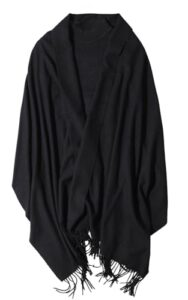 🧣 Kishu Nel Cotton Muffler
Wakayama brushed-cotton textile
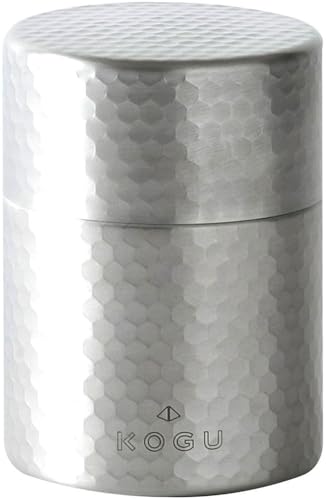 🍵 Kaikado Tin Tea Caddy
Kyoto hand-worked tin
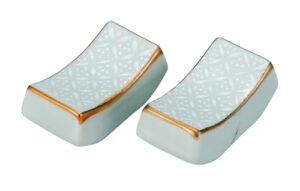 🎴 Owari Shippo Cloisonné Set
Aichi enameled metalwork
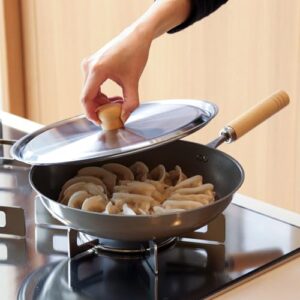 🍳 Kuwana Cast Iron Skillet
Mie cast iron — sister casting craft
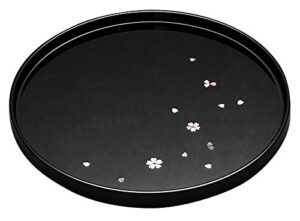 🌙 Nara Raden Lacquer Tray
Kansai lacquer with shell inlay
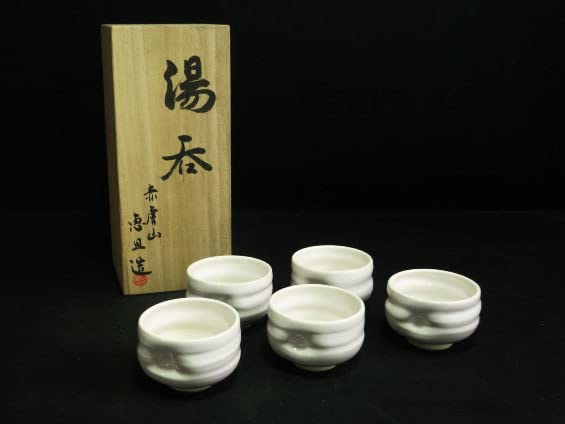 🍶 Akahada-yaki Nara-e Yunomi
Nara pottery with painted motifs
Where this comes from

Wakayama sits at the southwestern corner of the Kii Peninsula, the large mountainous landmass that juts into the Pacific south of Osaka and Nara. Koyasan itself is not on the coast but high inland — a bowl-shaped basin ringed by eight peaks, which Shingon tradition reads as the petals of a lotus. The isolation is the point. The same ridges that made the mountain hard to reach also sealed off its liturgy from the upheavals below, so the esoteric rites and the crafts that served them carried forward with unusual continuity.
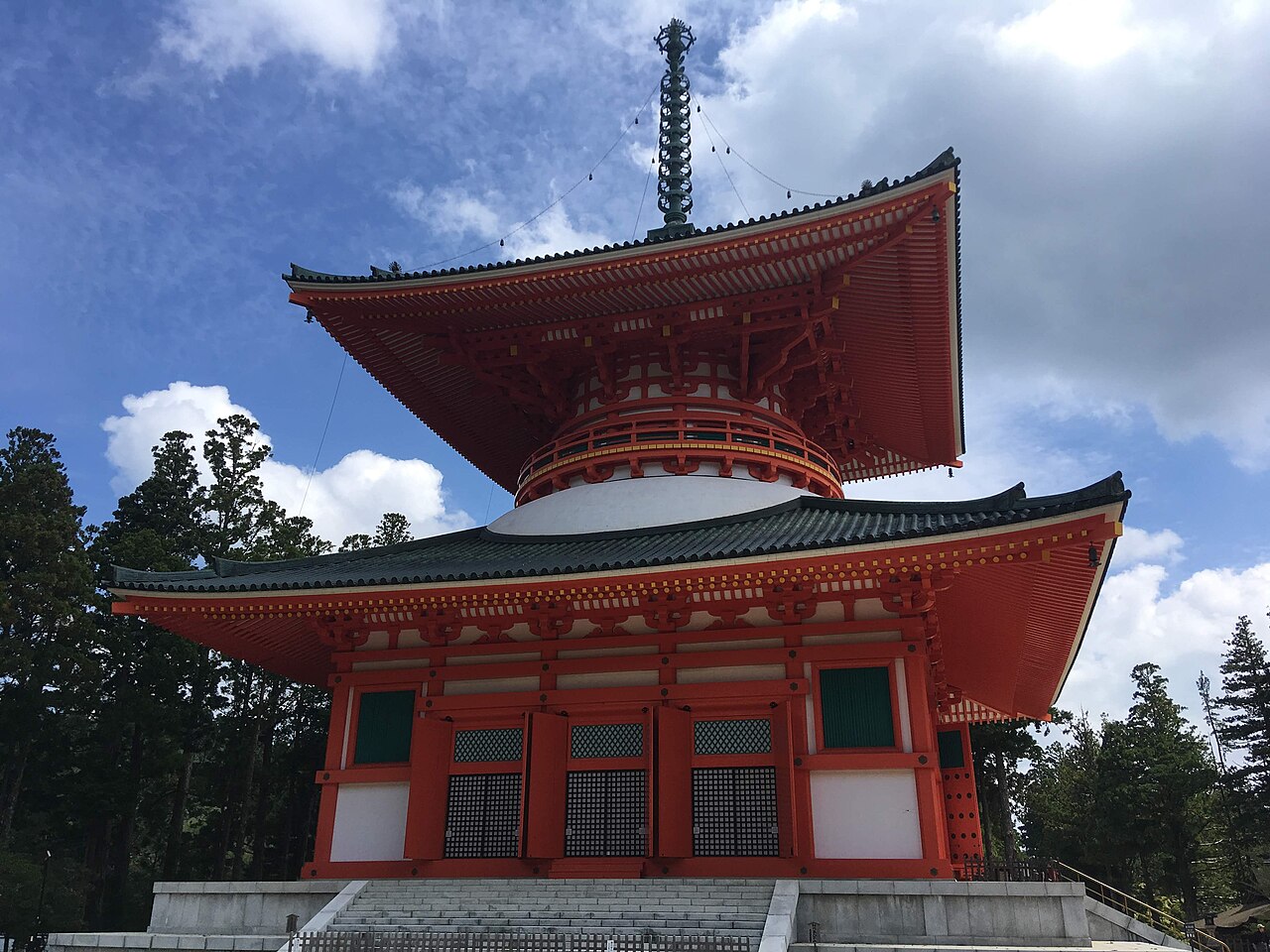
The history is precise. In 816, the priest Kukai — later honored as Kobo Daishi — received the mountain from Emperor Saga and began building the Danjo Garan, the central temple precinct. He had studied esoteric Buddhism in Tang-dynasty China and returned to establish Shingon as a complete system of practice, with incense, mudra, mantra, and ritual implements at its core. When Kukai died in 835, devotees held that he had not died but entered eternal meditation (nyujo) at Okunoin, and the tradition of bringing him daily meals — and daily incense — has continued ever since.
- 774 — Kukai is born in Sanuki Province, on the island of Shikoku.
- 804 — Kukai sails to Tang China to study esoteric Buddhism.
- 816 — Emperor Saga grants Mount Koya to Kukai; the monastic complex is founded.
- 835 — Kukai enters eternal meditation at Okunoin; continuous offerings begin.
- 921 — The court grants Kukai the posthumous title Kobo Daishi.
- 2004 — Koyasan is inscribed as UNESCO World Heritage within the Kii Mountain Range sacred sites.
- 2015 — Koyasan marks the 1,200th anniversary of its founding.
- 2026 — Bronze koro are still cast and used in the Shingon altar tradition.
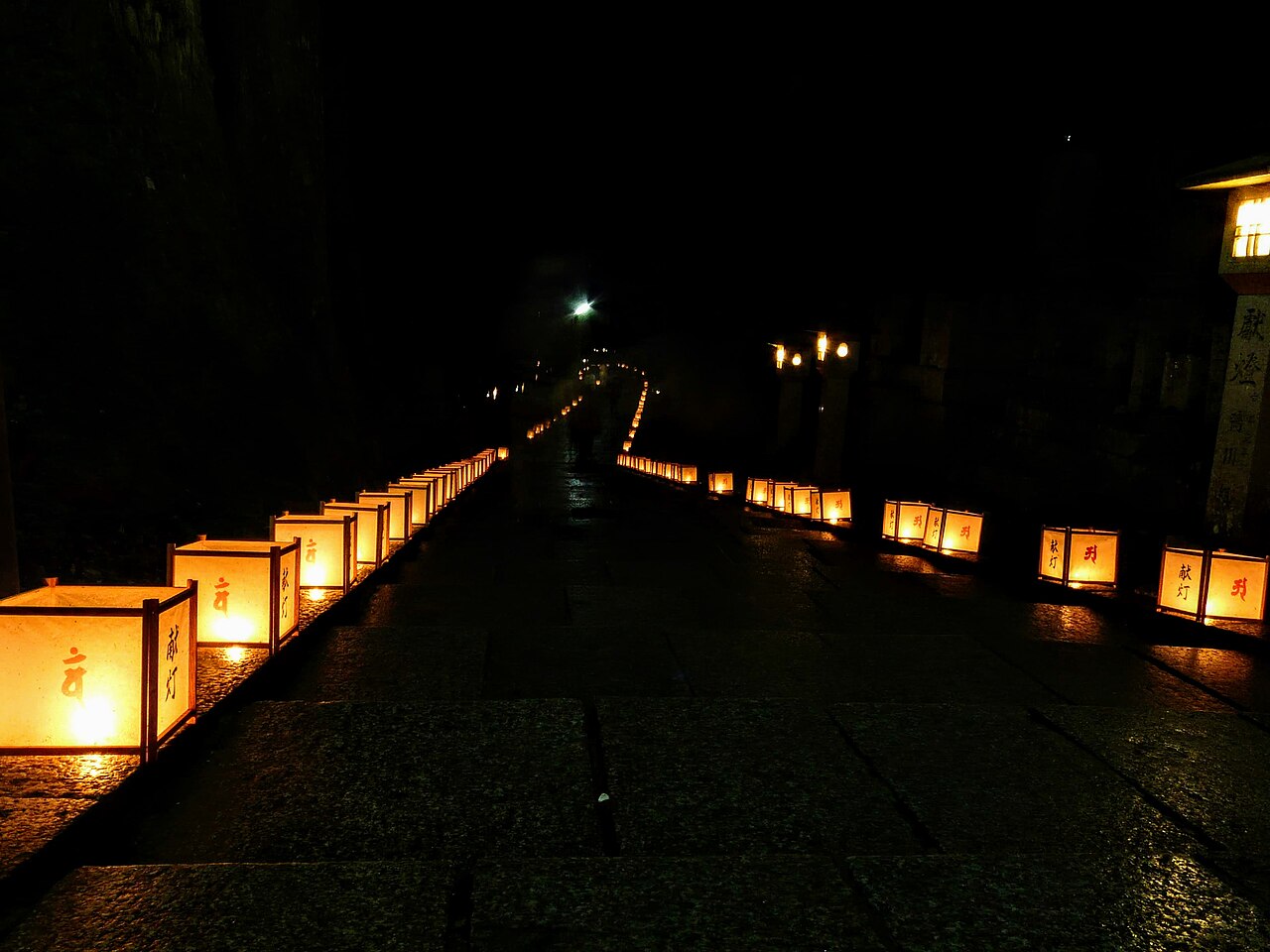
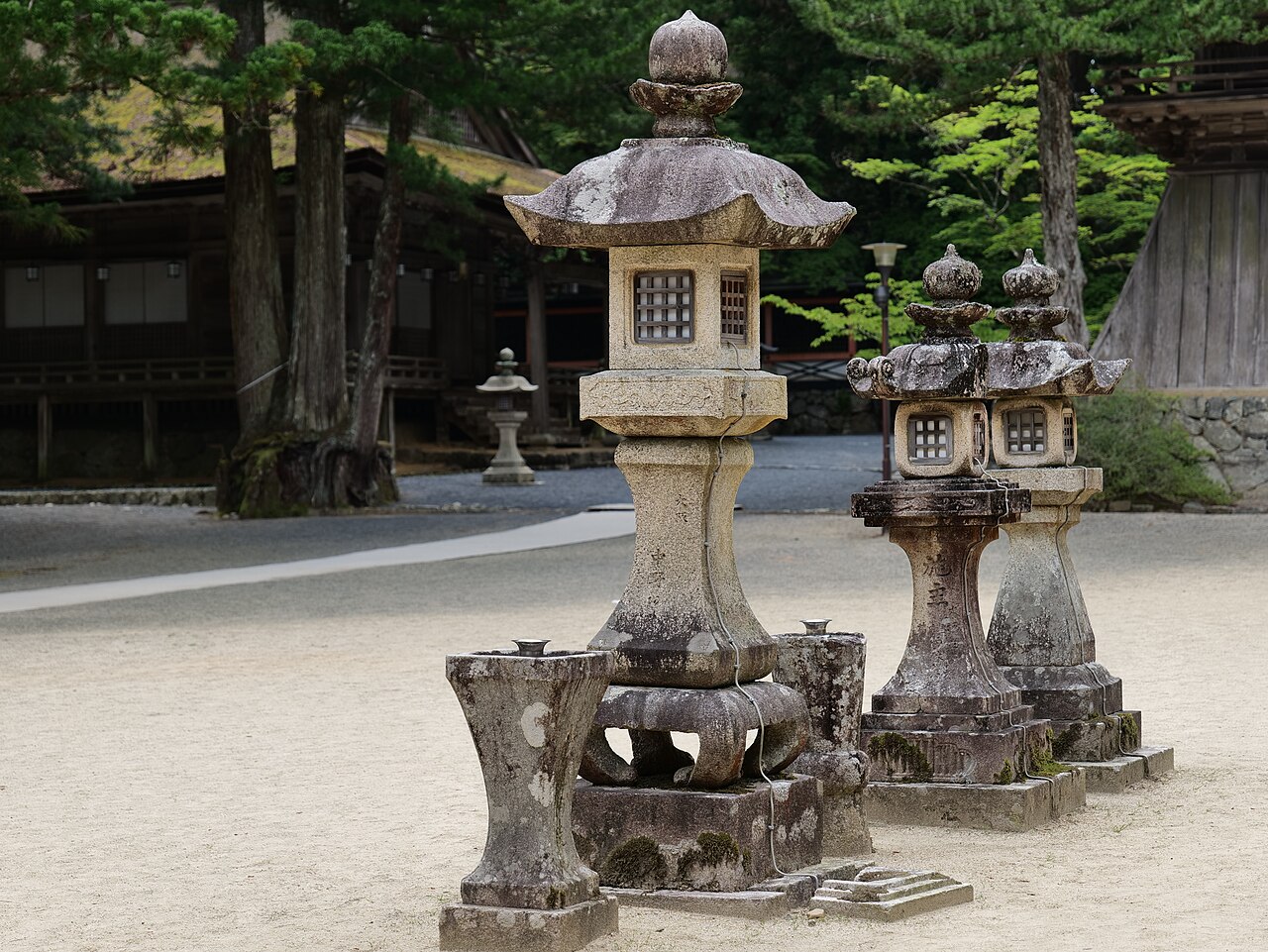
Incense (shoko) is not decoration in Shingon practice; it is one of the offerings, alongside light and water, that structure the daily liturgy. A mountain of a hundred-plus temples, each performing those rites every day, generated a standing demand for koro, candlesticks, and vajra bells over many centuries. That demand is what seeded and sustained a temple-metalwork tradition in and around the Kii domain — a thread separate from the secular gunsmiths of Saiga and the Negoro lacquerers of the same region, who served very different markets.
“Koyasan has not stopped burning incense since the ninth century — the koro is simply the household-sized version of a vessel the mountain has never set down.”
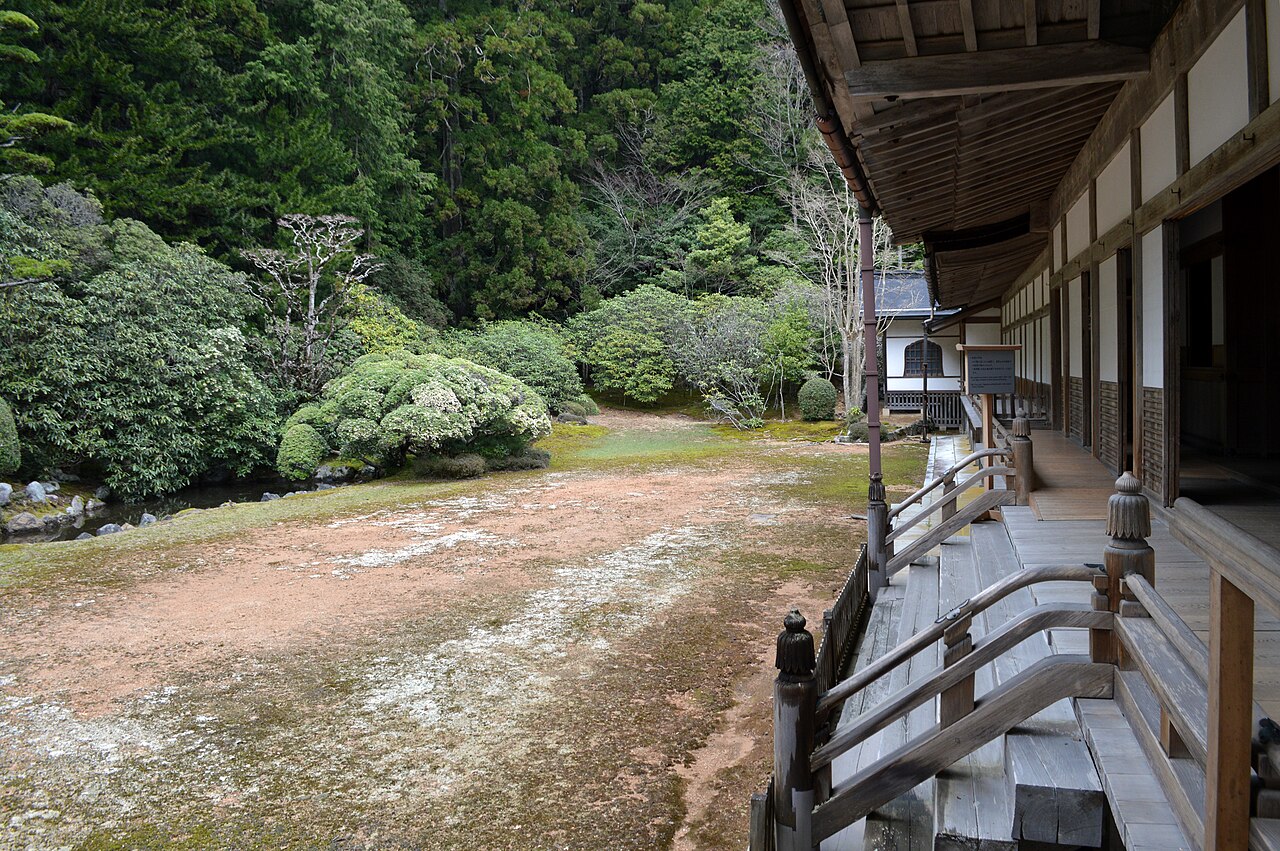
What “still being made here” means in practice is restraint. The koro form did not chase fashion. The weighted base, the round belly, and the pierced sukashi lid solve real problems — stability against tipping, a chamber for ash, and controlled venting of smoke — and once solved, the silhouette stayed. A bronze koro bought today is recognizably the same object the mountain’s altars have used for centuries, which is exactly why it carries presence on a shelf even when cold.
Buying options
Prices for Koyasan koro incense burners vary with size, bronze alloy, and finish. USD figures are approximate estimates at a ¥150/USD baseline as of mid-2026.
| Store | Item / Variant | Price | Notes |
|---|---|---|---|
| 🇺🇸 Amazon US (search) | Browse Japanese bronze & brass incense burners | varies (USD) | Best if you are shopping from the US — Prime shipping, USD pricing, no international customs. Amazon US carries comparable Japanese altar ware; this exact koro ships from Japan (next row). |
| 🇯🇵 Amazon JP Global Store | Cast bronze koro (this article’s item) | ¥— (price unconfirmed; ≈ $— USD) | International shipping from Japan may be available; confirm current terms at checkout. |
| Maker direct | Temple-metalwork koro | Unconfirmed — check maker site | Some Koyasan-area Buddhist-supply makers sell directly but may not ship abroad. |
| Proxy services (Buyee / Tenso) | Japan-only forwarding option | Item price + forwarding fee | Use when direct shipping is unavailable; adds a forwarding fee and possible customs duty. |
What it does well
Weaknesses and things to verify before buying
- Thin published specs. Exact height, diameter, and weight were not in the fetched data. Confirm dimensions before buying if shelf or altar space is tight.
- Budget guidance is limited. Set a budget independently before buying.
- Heavy by design. Cast bronze is not a travel burner; the weight that gives it stability also makes it a fixed-location object.
- Patina is permanent. If you want a bright, mirror finish that stays that way, bronze will disappoint — it is meant to darken.
- Ash management required. An ember-and-ash censer needs incense ash (or sand) inside and periodic cleaning; it is not a plug-in diffuser.
- Maker attribution may be general. “Koyasan temple-metalwork lineage” describes a design tradition; confirm the specific foundry or workshop if provenance matters to you.
- International shipping and customs. Confirm destination eligibility and budget for possible duty on orders above your local threshold.
Conclusion — which buyer type are you?
Other ways to approach this purchase
❓ Frequently Asked Questions
Does Amazon JP Global Store ship this koro internationally?
Japanese retailers ship many household and altar items to major destinations, but coverage varies by item and country. Confirm whether the seller ships to your address and budget for possible customs duty on orders above your local threshold.
How much does it cost?
Prices vary with size, alloy, and finish, so compare current offers rather than relying on a fixed figure. Any USD amount is an estimate at roughly ¥150/USD.
What is the sukashi lid for?
Sukashi (透かし) means openwork or pierced metal. On a koro, the perforated lid lets smoke rise evenly while keeping embers and ash contained beneath it, which is both practical and part of the altar form’s traditional look.
How do I care for cast bronze?
Bronze develops a darker patina with use, which is generally considered desirable on altar ware. Wipe it with a dry or barely damp cloth; avoid abrasive polishes if you want to keep the aged surface. Add incense ash or fine sand inside to insulate the base from heat.
Is this an authentic Koyasan product or just the style?
This form belongs to the Shingon altar koro and Koyasan temple-metalwork lineage, a design tradition rather than a single trademarked maker. If specific foundry provenance matters to you, ask the seller or workshop about it before buying.
Can I use it as a decorative object rather than for incense?
Yes. Because the silhouette follows the centuries-old altar form, a bronze koro reads as a quiet sculptural object on a shelf even when no incense is lit. Many buyers value it as much for its presence as for its function.
What if the item does not ship to my country?
Use a proxy-forwarding service such as Buyee or Tenso: they receive the item at a Japanese address and re-ship it to you. This adds a forwarding fee and possible customs duty, but it opens access to Japan-only offers that do not provide direct international shipping.
jpmono.com is curated by a Japan-based editorial team (working out of Toyama in the Hokuriku region and Nara in Kansai) and is independent. We do not take payment from the makers we feature; income comes from affiliate links. We do not physically test every product — we read maker specifications and craft references.
🤖 This article was prepared with AI assistance and reviewed against the craft notes. Facts about the maker and region are drawn from the provided notes; specifications and pricing should be verified with the seller before purchase.
Affiliate disclosure: jpmono.com may earn a commission on qualifying purchases made through links on this page, at no additional cost to you.