![Kutani Ware Gosai Hand-Painted Coffee Mug — Where to Buy [2026]](https://jpmono.com/wp-content/uploads/2026/07/kutani-yaki-gosai-hand-painted-coffee-mug-where-to-buy-2026-featured.jpg)
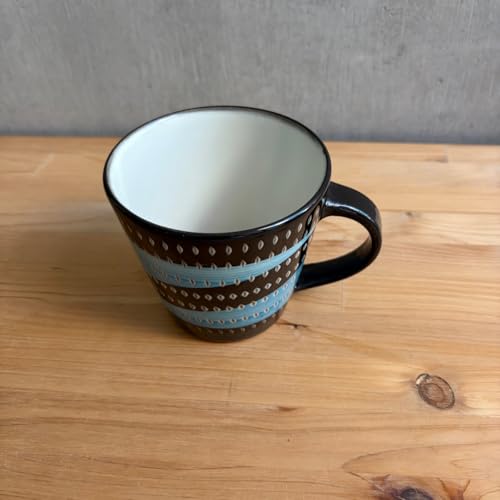
- What it is: a hand-painted Kutani-yaki (九谷焼) porcelain coffee mug decorated in the five-color gosai overglaze palette.
- Made in: the Kaga region of Ishikawa Prefecture, Chūbu (Hokuriku coast) — a nationally designated traditional craft with roots in the 1655 Daishoji-domain kilns.
- Price band: mid-range for hand-painted Kutani porcelain — the live listing is authoritative; no fixed figure was in our snapshot.
- Best for: a coffee or tea drinker who wants one genuinely decorative Japanese porcelain mug for daily use.
- Skip if: you need a stackable, dishwasher-and-microwave-proof everyday mug you can be careless with.
- Shipping: ships internationally from Amazon Japan — jump to our pick ↓
The five colors were mixed to be seen across a room. Kutani ware’s signature gosai-de (五彩手) — thickly laid overglaze enamel in red, green, yellow, purple, and a deep Prussian navy — was never a whisper-quiet decoration; it was a court aesthetic, born in a domain wealthy enough to treat color as a statement. On a coffee mug, that same palette lands in a Western kitchen every morning.
Kutani-yaki began around 1655, when the Daishoji domain — a cadet branch of the Kaga Maeda house, rulers of Japan’s richest Hyakumangoku fief — opened kilns at Kutani village in what is now Kaga City, Ishikawa Prefecture, after local porcelain stone was discovered. The bold early wares from that first period are collected today as Ko-Kutani (古九谷, “Old Kutani”). The kilns later fell silent and were revived in the early 19th century, and the five-color overglaze tradition has continued in the Kaga region ever since.
This guide is written for international readers deciding whether a Kutani gosai mug belongs in their cupboard. We cover what the gosai palette actually is, the Daishoji-domain history behind it, how the mug compares to blue-and-white and other Japanese porcelain, the care a hand-painted overglaze piece needs, and where readers in the US and elsewhere can buy one.
🔄 Last updated: July 4, 2026
⏱️ Read time: about 13 min

- Who this is for — and who should skip it
- Product overview (from published specs)
- Where this comes from — place, era, and the craft tradition
- Which finish should you choose?
- Price snapshot across stores
- What it does well
- Weaknesses and things to verify before buying
- Conclusion — which buyer type are you?
- Other ways to approach this purchase
- 🏆 Editor’s Pick
- ❓ Frequently Asked Questions
Who this is for — and who should skip it
✅ A good fit if you
- ☕ want one decorative daily mug with real craft provenance, not a mass-printed novelty
- 🎨 are drawn to vivid, hand-painted color rather than minimalist white or blue-and-white
- 🎁 need a gift with a clear story — a nationally designated Japanese traditional craft
- 🧼 are willing to hand-wash and treat an overglaze-enamel piece with a little care
- 🇯🇵 like building a small collection of regional Japanese porcelain (Kutani, Arita, Kyoyaki)
⚠️ Probably not for you if you
- want a mug you can throw in the dishwasher and microwave without a second thought
- need stackable, matched sets at a low per-unit price
- prefer plain, understated tableware — gosai is deliberately colorful
- are shopping purely on price and do not value hand-painting or provenance
- need a guaranteed capacity or exact dimensions today — those were not in our data snapshot
Product overview (from published specs)
ℹ️ Live pricing and some specs (capacity, exact dimensions, weight) were not in our snapshot — the linked Amazon JP Global Store listing is authoritative, and unconfirmed attributes are marked below.
| Attribute | Value (per listing / data notes) |
|---|---|
| Craft type | Kutani-yaki (九谷焼) — overglaze-enamel porcelain |
| Material | White porcelain body with gosai overglaze enamel |
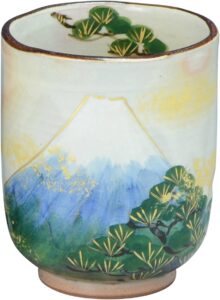
| Decoration | Gosai-de (五彩手), five-color hand painting: red, green, yellow, purple, Prussian/navy blue |
| Form | Coffee mug — a Western daily-use adaptation of the palette |
| Origin | Kaga region, Ishikawa Prefecture, Chūbu (Hokuriku coast) |
| Designation | Kutani ware is a nationally designated traditional craft |
| Capacity / dimensions / weight | Unconfirmed — check the live listing |
| Source listing | Amazon JP Global Store (ASIN B0055RUSTQ) |
Sources: Amazon US search (primary), Amazon JP Global Store listing (secondary, the sourced item), and the historical data notes for this article. Kiln-level attributes vary between individual Kutani makers.
- 🍽️ Dishwasher: hand-washing is the safer choice — repeated dishwasher cycles can dull hand-applied overglaze enamel over time
- ♨️ Microwave: avoid it if the decoration includes any metallic (gold/silver) accents; verify the specific piece before microwaving
- 🧴 Daily care: wash gently with a soft sponge, dry by hand, and avoid abrasive scouring pads over the painted surface
📖 Glossary — Kutani & overglaze terms
- Kutani-yaki (九谷焼, “Kutani ware”) — colored-overglaze porcelain from the Kaga region of Ishikawa Prefecture.
- Gosai-de (五彩手, “five-color style”) — the signature palette of red, green, yellow, purple, and Prussian/navy blue.
- Uwae (上絵, “overglaze”) — enamel painted on top of an already-fired glaze, then fired again at a lower temperature. The opposite of underglaze cobalt (blue-and-white).
- Ko-Kutani (古九谷, “Old Kutani”) — the bold wares of the first 1655-era kiln period, now highly collected.
- Yoshidaya (吉田屋) — one of the 19th-century revival styles, known for green-dominant coverage.
- Hyakumangoku (百万石, “one million koku”) — the Kaga domain’s rice-yield rank, shorthand for its wealth.
Where this comes from — place, era, and the craft tradition

Ishikawa Prefecture sits on the Sea of Japan side of central Honshū, forming the core of the Hokuriku region within the broader Chūbu area. The Kaga region — the prefecture’s southern half — runs from the castle city of Kanazawa down through Komatsu and Nomi to the mountains around the old Kutani village, now part of Kaga City. It was in those hills, where porcelain stone was found in the mid-17th century, that the story begins.
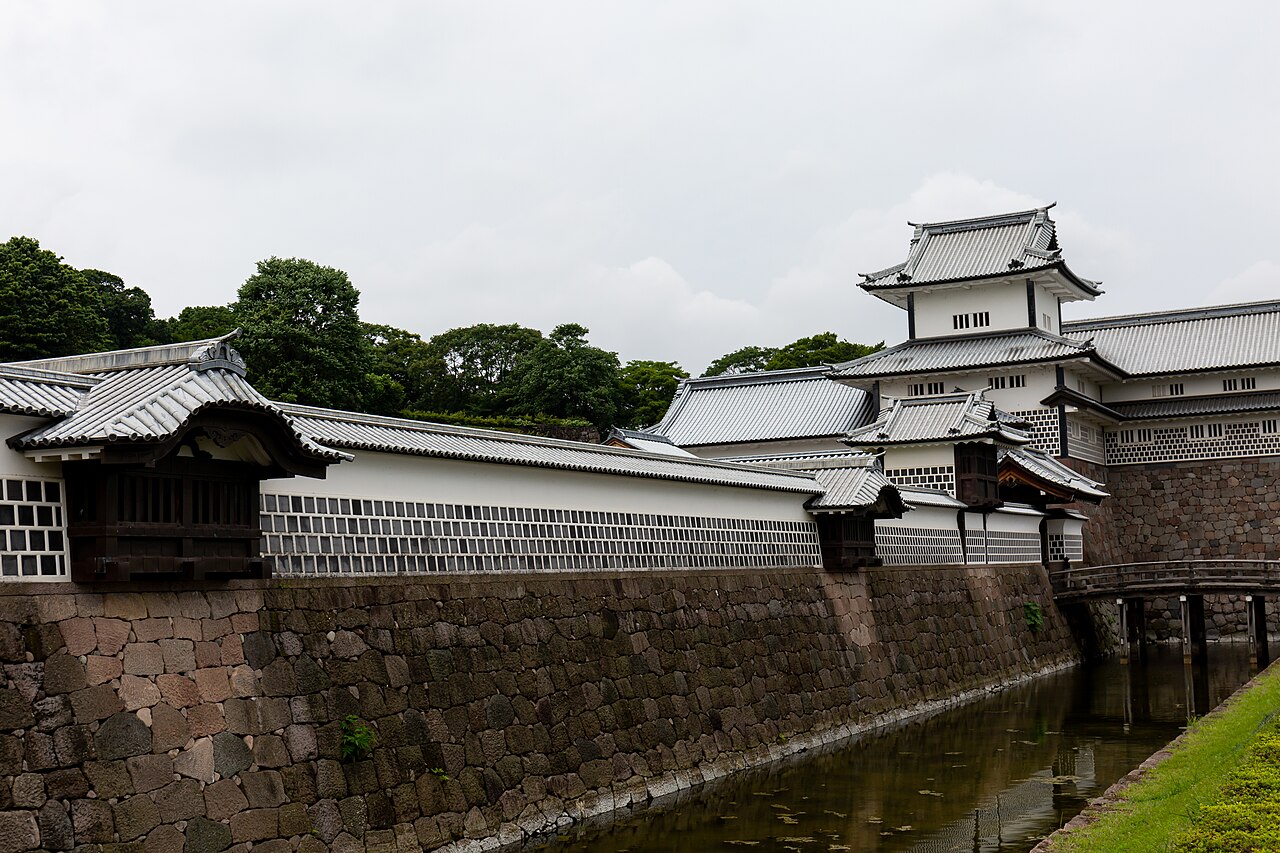
The domain that funded all of this was extraordinary. The Kaga Maeda house governed the wealthiest fief in Japan, rated at over a million koku of rice — the Hyakumangoku that still names Kanazawa’s summer festival. Around 1655 the Daishoji domain, a cadet branch of that house, opened kilns at Kutani village after local porcelain stone was discovered. The bold, dark-palette wares of that first period are the ones collectors now call Ko-Kutani, or Old Kutani.
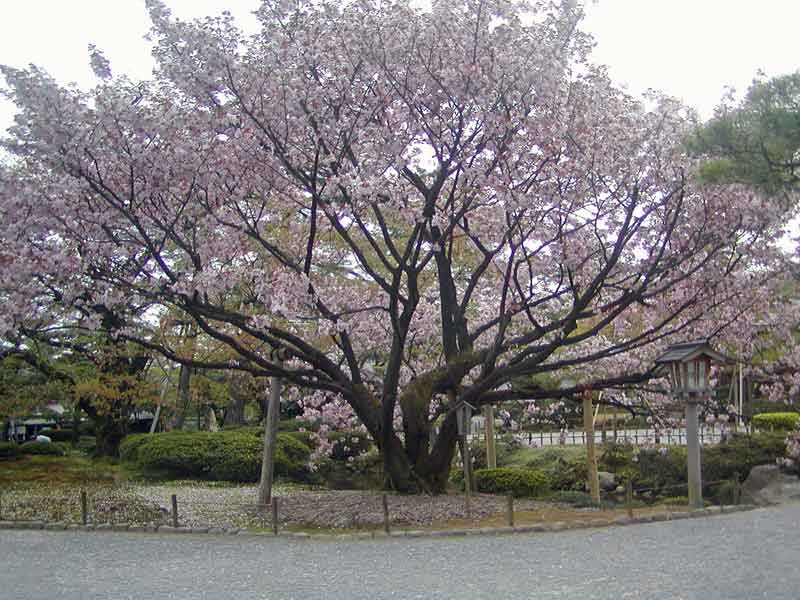
“The five colors were not chosen to be subtle. They were chosen by a domain that could afford color — and treated it as a language of status.”
- 1583 — Maeda Toshiie enters Kanazawa Castle; the Kaga (Hyakumangoku) domain takes shape.
- 1639 — The Daishoji domain is established as a cadet branch in southern Kaga.
- c. 1655 — Daishoji opens the Kutani kilns after local porcelain stone is found; Ko-Kutani begins.
- early 18th century — The original kilns fall silent for roughly a century.
- early 19th century — Revival through the Yoshidaya, Iidaya, and Eiraku styles centered on Terai and Komatsu.
- 1975 — Kutani ware recognized under Japan’s traditional-craft designation program.
- 2026 — Kilns around Kaga, Komatsu, Nomi, and Kanazawa still paint gosai overglaze daily.
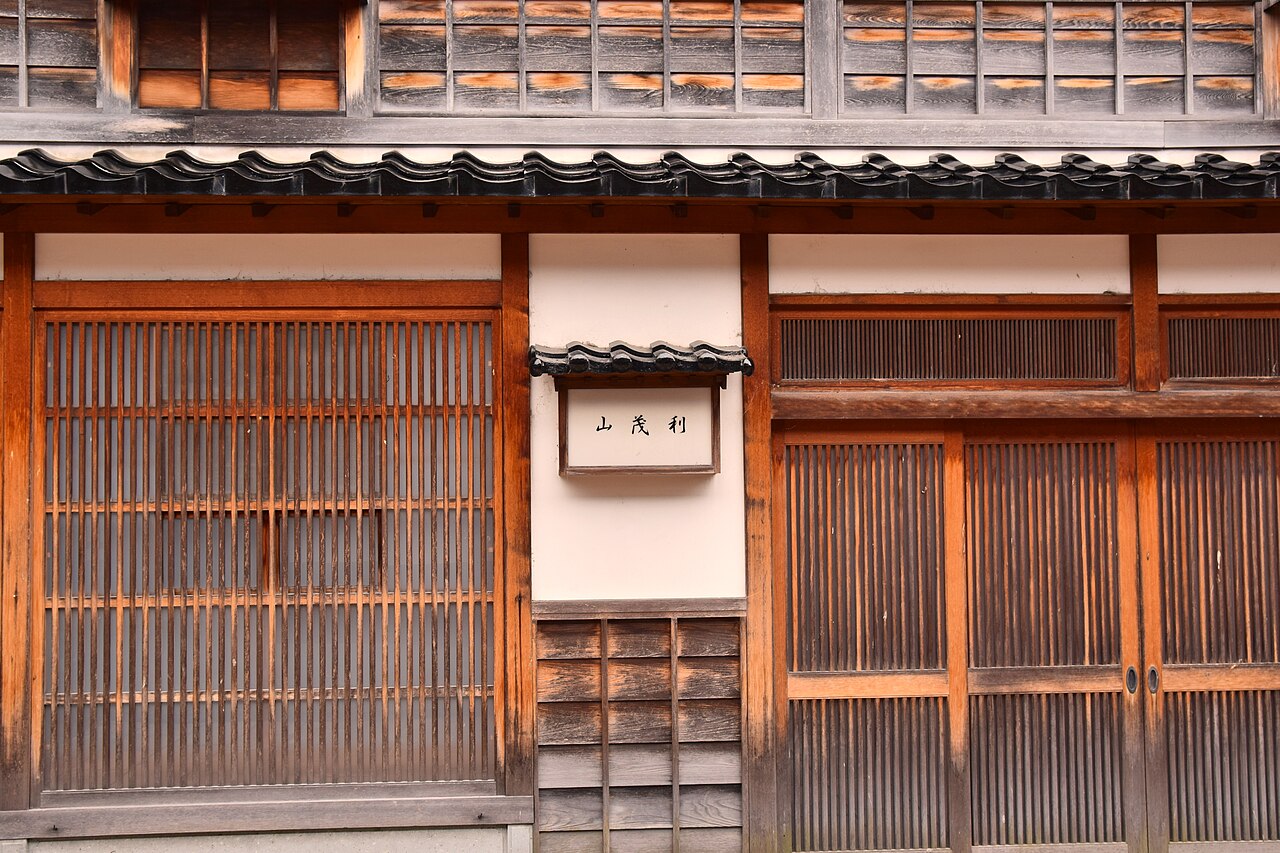
What makes a gosai mug read as Kutani is the overglaze technique. The five enamels — red, green, yellow, purple, and Prussian or navy blue — are painted thickly on top of the fired white porcelain and set in a second, lower-temperature firing. Because the color sits on the surface rather than under a clear glaze, it has a slightly raised, glassy quality you can feel with a fingertip. It belongs to the same gold-and-color decorative culture that produced Kanazawa’s gold leaf and the gilded ornament of the Higashi Chaya teahouse district.
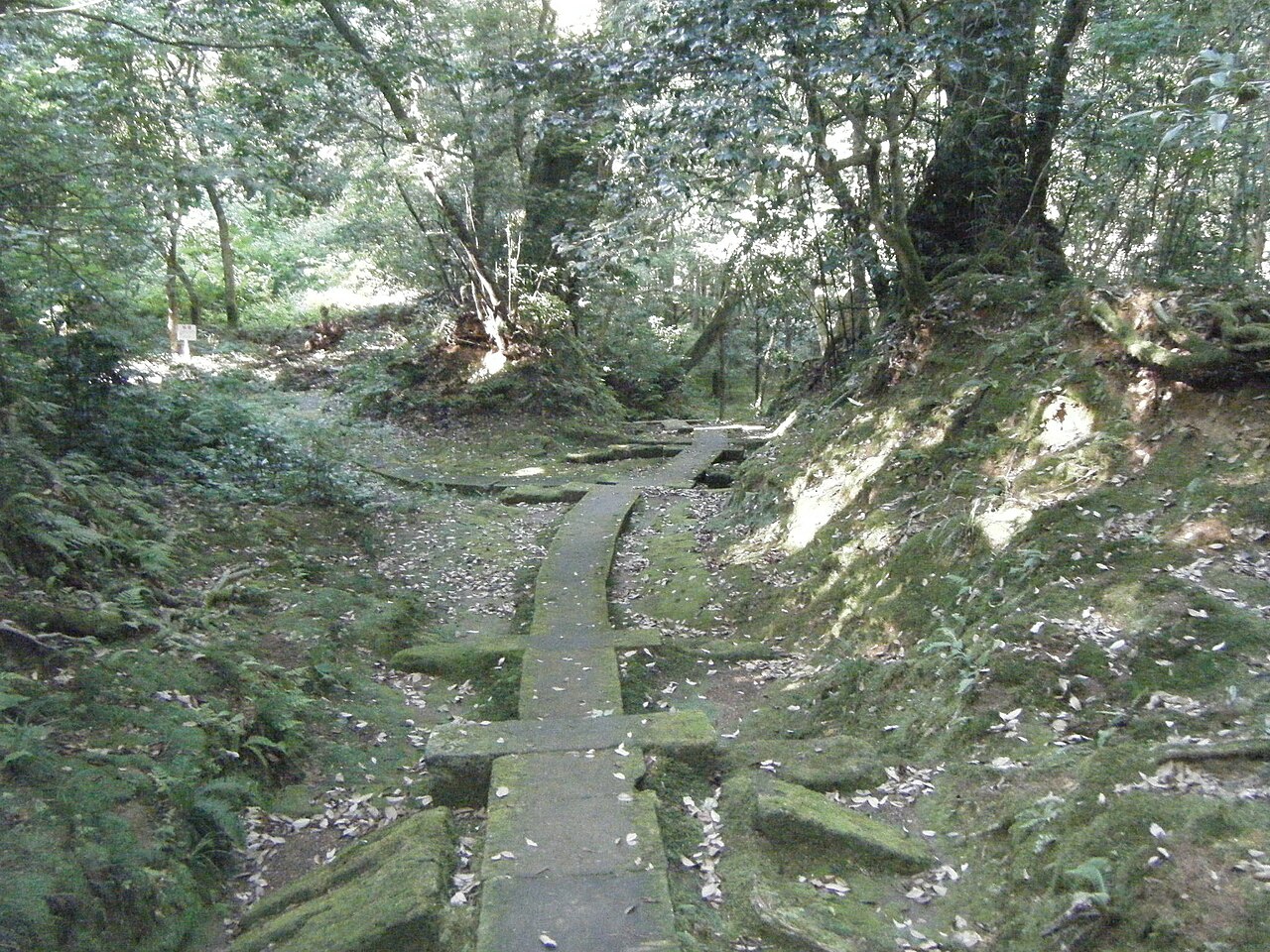
The revival matters as much as the founding. After the first kilns lapsed, potters in the early 1800s rebuilt the tradition around Terai and Komatsu, and the named styles from that period — Yoshidaya, Iidaya, Eiraku — still define the sub-traditions a modern kiln can draw on. A gosai coffee mug is the newest chapter of that continuity: an object shaped for espresso and drip coffee, decorated by a technique that a Kaga-domain painter would recognize.
Which finish should you choose?
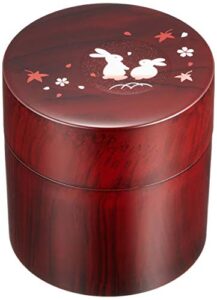
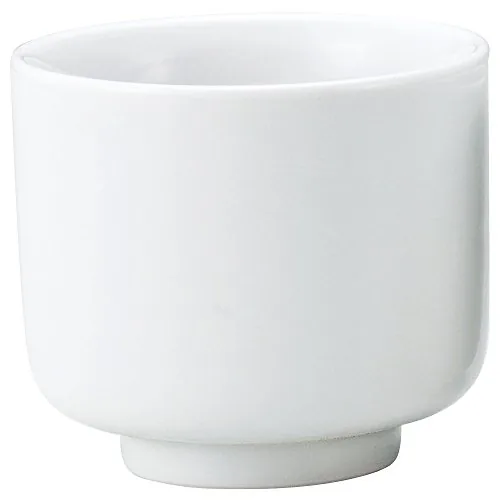
This piece is listed in 2 finishes. The photos below are the actual 色 options on the listing right now — pick the one you want and confirm it on the product page before ordering, since hand-finished wares vary slightly piece to piece.
![Kutani Ware Gosai Hand-Painted Coffee Mug — Where to Buy [2026] — 木米 finish](https://m.media-amazon.com/images/I/41-wdcqqZbL._SL500_.jpg)
Price snapshot across stores
| Store | Item / variant | Price (JPY authoritative · USD est.) | Notes |
|---|---|---|---|
| 🇺🇸 Amazon.com (US) | Browse Japanese Kutani ware & porcelain mugs | varies (USD) | Best if you are shopping from the US — Prime shipping, USD pricing, no international customs. Amazon US carries Japanese porcelain from a range of makers, useful for comparing color styles and price tiers; the specific gosai mug is sourced from Japan (next row). |
| 🇯🇵 Amazon JP Global Store | Kutani gosai hand-painted coffee mug (ASIN B0055RUSTQ) | Check live price (JPY is authoritative) | Ships internationally from Japan to most major destinations. This is the sourced listing for the exact item. |
| Maker direct | Individual Kutani kilns / Kaga galleries | Varies by kiln | Some Kaga-region kilns and galleries sell direct, but there is no single unified English storefront; expect Japanese-language ordering. |
| Proxy services (Buyee / Tenso) | Forwarding for JP-only listings | Service fee + forwarding shipping | Useful only if a particular kiln’s piece appears on a Japan-only marketplace; adds a handling fee on top of shipping. |
Prices in USD are approximate and depend on the current exchange rate (≈ ¥150/USD baseline as of mid-2026). The JPY price on the listed item is the authoritative one. Prices and availability change — verify at the retailer before buying.
What it does well
Weaknesses and things to verify before buying
- Capacity and dimensions were not in our snapshot. Confirm the milliliter capacity on the listing before assuming it suits a large drip coffee.
- Overglaze enamel needs care. Hand-washing is the safer habit; frequent dishwasher cycles can gradually dull hand-applied color.
- Microwave use is not guaranteed. If the piece carries any metallic accents, avoid the microwave and verify the specific listing.
- Hand-painted pieces vary. Slight differences in line, color density, and pattern placement are normal and not defects — but the item you receive may not match a stock photo exactly.
- Price was not fixed in our data. Treat the live listing as authoritative; do not budget from any figure quoted elsewhere.
- Not a low-cost everyday mug. If you want a cheap, replaceable, stackable set, a hand-painted Kutani piece is the wrong tool.
Conclusion — which buyer type are you?
Other ways to approach this purchase
🏆 Editor’s Pick
❓ Frequently Asked Questions
What does “gosai” mean in Kutani ware?
Gosai (五彩) means “five colors.” In Kutani ware it refers to the signature gosai-de palette of red, green, yellow, purple, and a deep Prussian or navy blue, painted as overglaze enamel on top of the fired white porcelain.
Where is Kutani ware made?
In the Kaga region of Ishikawa Prefecture, on the Sea of Japan coast of Chūbu (Hokuriku) — historically at Kutani village in present-day Kaga City, and today across kilns around Kaga, Komatsu, Nomi, and Kanazawa.
Can I put a Kutani gosai mug in the dishwasher or microwave?
As general guidance for hand-painted overglaze porcelain, hand-washing is safer than repeated dishwasher cycles, and you should avoid the microwave if the decoration includes any metallic accents. Confirm the specific piece on the listing before doing either.
Does it ship internationally?
Yes. The sourced listing is on the Amazon JP Global Store, which ships to most major destinations. If you are in the US, you can also browse comparable Japanese porcelain on Amazon.com for Prime shipping and USD pricing.
Is Kutani ware porcelain or pottery?
It is porcelain — a white porcelain body decorated with overglaze enamel. That white ground is what makes the vivid gosai colors read so clearly.
How is a gosai mug different from an Arita blue-and-white mug?
Arita sometsuke (blue-and-white) uses cobalt painted under a clear glaze, so it is a two-tone, smooth surface. Kutani gosai uses several enamel colors painted over the fired glaze, giving a polychrome, slightly raised surface. They are different techniques from different regions.
Is this a genuine traditional craft?
Kutani ware as a category is a nationally designated Japanese traditional craft. Individual attributes — kiln, painter, exact style — vary by piece, so check the listing for the maker details of the specific mug.
jpmono.com is curated by a Japan-based editorial team (working out of Toyama in the Hokuriku region and Nara in Kansai) and is independent. We do not take payment from the makers we feature; income comes from affiliate links. We do not physically test every product — we read maker specs and source listings.
🤖 This article was drafted with AI assistance and reviewed against the source listing and historical notes by the jpmono editorial team. Specifications and prices reflect data available at the time of writing and should be verified on the retailer’s page before purchase.
Affiliate disclosure: jpmono.com may earn a commission on qualifying purchases made through links on this page, at no additional cost to you.