![Kyo Hamono Warabite Ikebana Flower Scissors: Where to Buy [2026]](https://jpmono.com/wp-content/uploads/2026/06/kyo-hamono-warabite-ikebana-scissors-where-to-buy-2026-featured.jpg)
Kyoto is where ikebana began, and the same city forged the tool that made it possible. The warabite-gata hanabasami (蕨手型花鋏, “fiddlehead loop-handle flower scissors”) is a single-purpose blade: a palm-gripped pair of carbon-steel shears built to slice a flower stem — even a thick or slightly woody one — in one clean pass, without crushing the vascular tissue that draws water up the stalk. These are made within the Kyo Hamono (京刃物, “Kyoto blades”) tradition, the lineage of sword and tool smiths who served the imperial court, the great temples, and the tea and flower schools of the old capital.
What makes the form notable internationally is that it is not a general-purpose garden snip. The loop handle and the geometry of the cut descend directly from the demands of formal flower arranging, a discipline that traces to the priests of Rokkaku-dō. Distinct from the thread-and-cloth Hakata hasami, these are horticultural blades still hand-forged in carbon steel and finished by hand — closer to a kitchen knife in their metallurgy than to a hardware-store scissor.
This guide is written for international buyers weighing whether a traditional Kyoto hanabasami is worth sourcing from Japan. We cover what the form is, how the listed item compares to other Japanese blades, the realities of buying carbon steel from abroad, shipping paths, and who should buy a different tool instead. Note up front: only the Amazon JP listing reference was available at the time of writing — live pricing and stock may have shifted since.
🔄 Updated:
⏱️ Read time: ~10 min

- Who this is for — and who should skip it
- Product overview (from published specs)
- Price snapshot across stores
- What it does well
- Weaknesses and things to verify before buying
- Where this comes from — place, era, and the craft tradition
- 📦 Shipping & where to buy from outside Japan
- Conclusion — which buyer type are you?
- Other ways to approach this purchase
- 🏆 Editor’s Pick
- ❓ Frequently Asked Questions
Who this is for — and who should skip it
- Practice ikebana, kadō, or bonsai and want a tool matched to the discipline
- Value a clean, non-crushing stem cut that helps cut flowers last longer
- Appreciate hand-forged carbon steel and are willing to maintain it
- Want a tool from the Kyo Hamono lineage rather than a mass-market snip
- Are comfortable buying from Japan and verifying current price and stock
- Want a general-purpose garden pruner for branches and shrubs
- Will not dry the blade after each use (carbon steel rusts readily)
- Prefer stainless, dishwasher-tolerant, low-maintenance tools
- Need a thread- or cloth-cutting scissor (that is a different form — see Hakata hasami)
- Are not prepared to wait on international shipping or check customs thresholds
Product overview (from published specs)
The data available for this specific listing is limited. Only the Amazon JP listing reference (ASIN B001C0CCYE) was retrievable at the time of writing; the search snapshot returned no live specification fields, so the table below describes the warabite-gata hanabasami form in general terms and marks anything not confirmed in the data.
Kyo Hamono Warabite Ikebana Flower Scissors
坂源 ハンドクリエーション 古流タイプ ブルー F-170
在庫あり。 · Sold by Amazon.co.jp · ASIN B001C0CCYE
Price and availability as of 2026-08-31 02:30 JST. The Amazon listing at the time of purchase is authoritative. jpmono.com earns a commission on qualifying purchases at no extra cost to you.
| Attribute | Detail (form-level) |
|---|---|
| Type | Warabite-gata (loop-handle) hanabasami — ikebana flower scissors |
| Tradition | Kyo Hamono (京刃物), Kyoto |
| Material | Carbon steel, hand-forged and hand-finished (typical for the form) |
| Intended use | Clean cutting of flower and thin plant stems without crushing |
| Dimensions / weight | Unconfirmed — check the listing |
| Origin | Kyoto, Kansai region, Japan |
| Listing reference | Amazon JP Global Store, ASIN B001C0CCYE |
Sources: Amazon US search (primary, moonill-20) + Amazon JP Global Store (secondary, moonill-22, sourced listing) + maker direct where available. Spec sheets indicate the form-level attributes above; item-specific dimensions were not present in the fetched data.
📖 Glossary — key terms
- Hanabasami (花鋏) — “flower scissors”; shears purpose-built for arranging cut flowers.
- Warabite-gata (蕨手型) — “fiddlehead / bracken-frond shape”; the curled loop handle gripped in the palm.
- Kyo Hamono (京刃物) — “Kyoto blades”; the city’s blade-smithing tradition, descended from sword and tool smiths.
- Ikebana (生け花) — the Japanese discipline of formal flower arranging.
- Ikenobō (池坊) — the oldest school of ikebana, rooted at Rokkaku-dō in Kyoto.
- Kadō (華道) — “the way of flowers,” the broader term for ikebana as a practiced art.
Related guides on jpmono — other Japanese blades, and other Kyoto crafts in the same lineage of court-and-temple workshops.
Price snapshot across stores
JPY is the authoritative price for the specific listed item; USD figures are approximate at a ¥150/USD baseline. Only the Amazon JP listing reference was available at the time of writing — no live price field was returned, so the JP price is shown as unconfirmed. Verify at the retailer before purchasing.
| Store | Item / Variant | Price (JPY + USD est.) | Notes |
|---|---|---|---|
| 🇺🇸 Amazon.com (US) | Browse Japanese ikebana flower scissors | varies (USD) | Best if you are shopping from the US — Prime shipping, USD pricing, no international customs. Amazon US carries Japanese flower and garden scissors from several makers, useful for comparing handle styles and steel. This exact Kyo Hamono piece is sourced from Japan (next row). |
| 🇯🇵 Amazon JP Global Store | Warabite-gata hanabasami (ASIN B001C0CCYE) | Unconfirmed — check listing | Where the specific item is sourced. Ships internationally from Japan to most major destinations. |
| Maker direct | Kyo Hamono workshops / Kyoto blade houses | Varies | Some Kyoto blade houses sell direct or via specialist retailers; international shipping is case-by-case. |
| Proxy services (Buyee / Tenso) | Forwarding from JP-only listings | Item price + forwarding fee | Useful when a listing does not ship to your country directly; adds a handling fee and a second shipping leg. |
Prices in USD are approximate and depend on the current exchange rate. Amazon JP Global Store ships many household items internationally; estimate roughly $15–$40 shipping to the US or EU, more to other regions, and check your local customs threshold for duties.
What it does well
The geometry is built to sever a stem in one pass rather than mash it, which helps the cut flower keep drawing water and last longer in the vase.
The warabite (fiddlehead) loop is gripped in the palm, putting the cutting force in line with the wrist — controlled, repeatable cuts during arranging.
Carbon steel takes and holds a keen edge and can be re-sharpened for decades — the same metallurgy reasoning behind Japanese kitchen knives.
It belongs to a tradition of court-and-temple blade smiths, a provenance that the form-and-purpose design reflects rather than a generic snip.
Weaknesses and things to verify before buying
- Carbon steel rusts. It must be wiped dry after every use and lightly oiled for storage. If you will not maintain it, choose stainless instead.
- Single-purpose tool. This is for flower and thin plant stems, not branches, wire, or fabric. It is not a pruner and not a sewing or Hakata-style scissor.
- Item-specific specs were not in the data. Blade length, weight, and exact steel were not present in the fetched listing — confirm them on the product page before buying.
- Price was unconfirmed at the time of writing. No live price field was returned; check the current JPY price and stock at the listing.
- International shipping and customs. Confirm the listing ships to your country, budget for forwarding if it does not, and check whether your order crosses a local duty threshold.
- Sharpening know-how. Re-edging flower scissors differs from sharpening a straight knife; you may need a specialist or specific technique to keep them performing.
Where this comes from — place, era, and the craft tradition

Kyoto sits in a mountain-ringed basin in west-central Japan, in the Kansai region — the historical heartland of Japanese craft, where continuous traditions run back well over a thousand years. The city was laid out in 794 as Heian-kyō and remained Japan’s imperial capital until the court relocated to Tokyo in 1869. For more than a millennium, the court, the great temples, and the tea and flower schools concentrated skilled metalworking in the city, because they were the patrons who needed it.
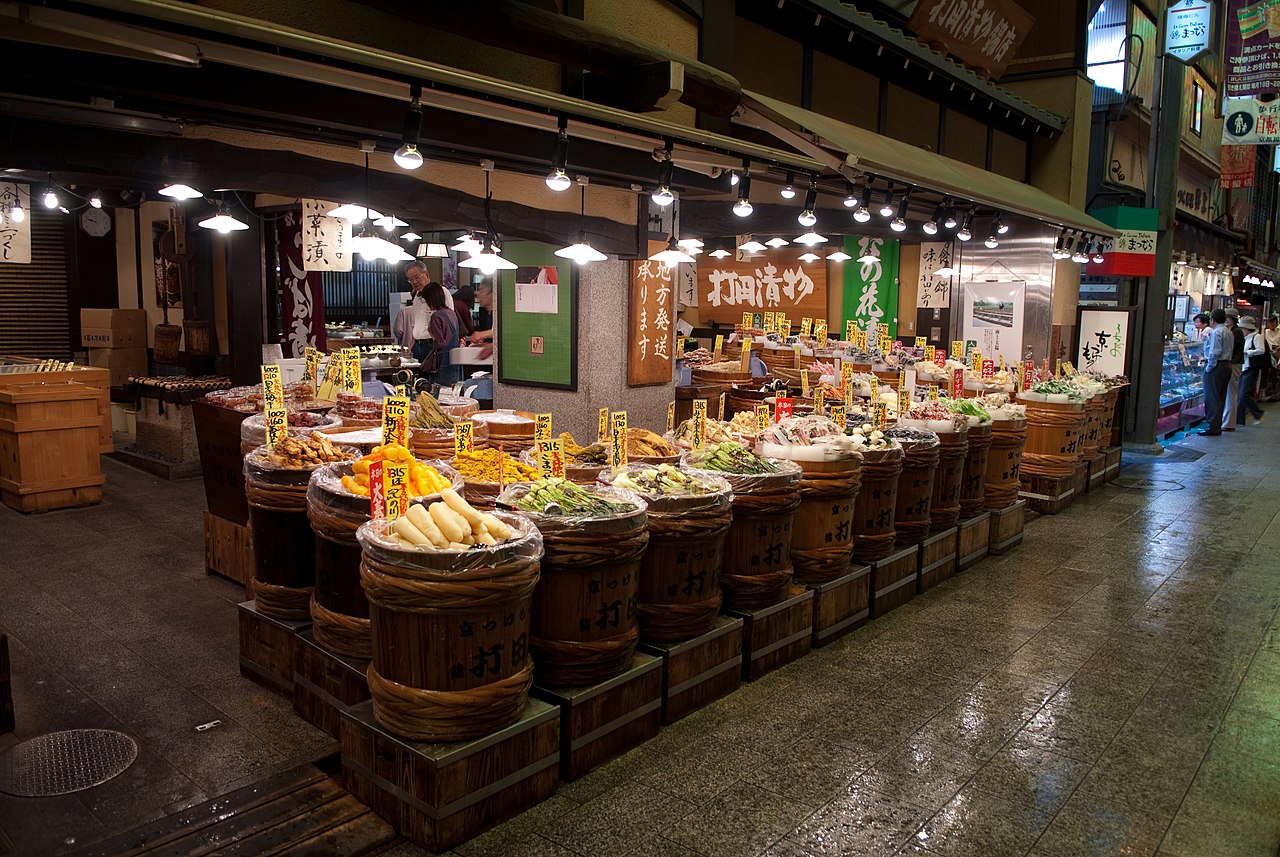
Out of that patronage came the Kyo Hamono (京刃物, “Kyoto blades”) tradition: a lineage of sword and tool smiths who served the aristocracy and the shrines. Two of its blade houses, the Aritsugu and Kikuichimonji lineages, reach back to the 16th century around Nishiki — the central Kyoto street still associated with the city’s knife and blade houses today. When the capital moved and the demand for swords fell away, those smiths turned their forging toward kitchen and flower blades.
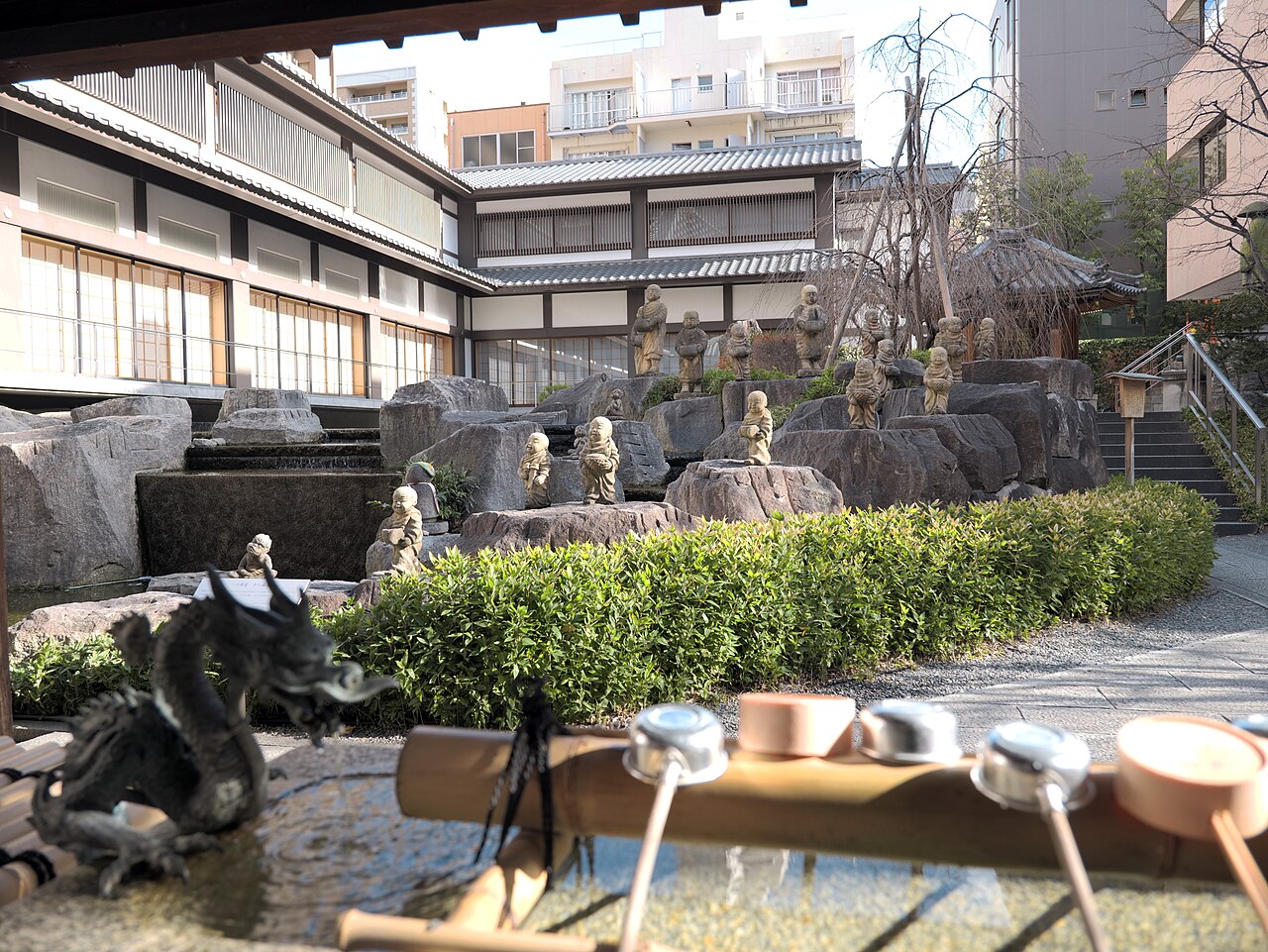
Kyoto is also the cradle of ikebana. The Ikenobō school traces to the priests of Rokkaku-dō (Chōhō-ji), a temple in the heart of the city where Buddhist flower offerings were formalized into the first arranging style in the 15th century. Ikebana is not casual flower-placing — it is a discipline of line, balance, and the life of the cut stem, and it created a precise tool requirement that an ordinary scissor could not meet.
That requirement is the warabite-gata hanabasami. The loop handle is gripped in the palm so the cut runs in line with the wrist, and the blade geometry is set to slice a thick or slightly woody stem in one clean pass — without crushing the vascular tissue that carries water up the stalk, which prolongs the life of the cut flower. The two demands of the old capital, the blade smith and the flower master, met in this one tool.
“When the capital moved and the swords were no longer needed, the smiths of Nishiki kept forging — and the blade that survived was the one the flower masters still asked for.”
- 794 — Heian-kyō (Kyoto) is established as Japan’s imperial capital.
- 15th century — Priests of Rokkaku-dō formalize temple flower offerings into the first ikebana style, founding the Ikenobō school.
- 16th century — The Aritsugu and Kikuichimonji blade lineages take root around Nishiki, serving the court and shrines.
- Edo period — Court, temple, and tea-and-flower demand sustains the Kyo Hamono smiths and the dedicated hanabasami form.
- 1869 — The imperial court relocates to Tokyo; Kyoto smiths turn fully toward kitchen and flower blades.
- 2026 — The warabite-gata hanabasami is still hand-forged in carbon steel and finished by hand.
What “still being made here” means is continuity of purpose, not nostalgia. The Kyo Hamono houses around Nishiki carried their forging skill across the loss of their original market, and the flower scissors they produce today answer the same brief that the Ikenobō masters set centuries ago. The blade is single-purpose precisely because the discipline it serves is exacting.
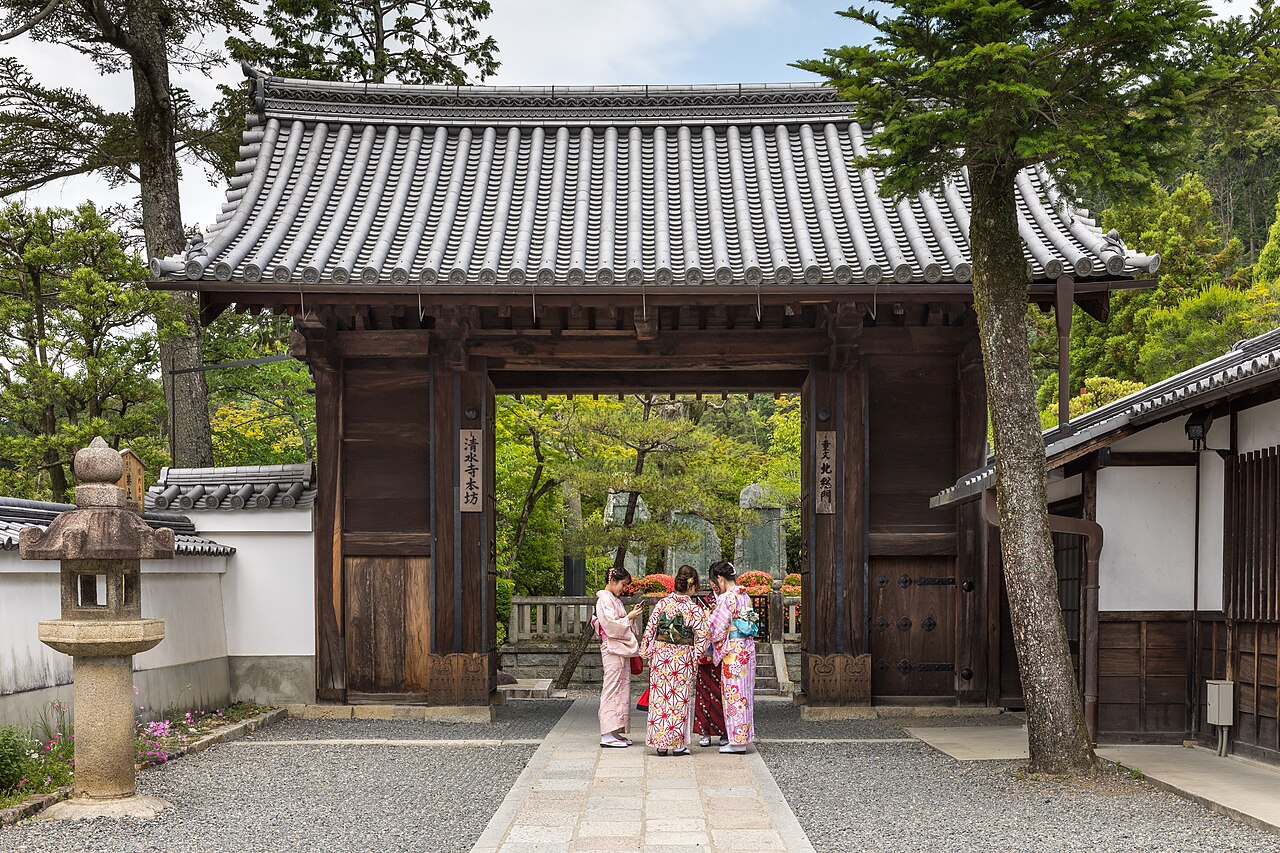
Seen this way, the tool sits inside a whole craft economy — the same Kyoto that produced Kyo Yuzen dyeing, Kyo Sashimono joinery, and Kyo Shikki lacquer also produced the blade trade. Each answered the refined demands of court, temple, and tea, and each was sustained by patrons who could tell the difference between adequate and exact.

📦 Shipping & where to buy from outside Japan
The specific item is sourced from the Amazon JP Global Store (ASIN B001C0CCYE), which ships many household goods internationally to most major destinations. Based on listings, expect rough shipping of $15–$40 to the US or EU, with higher costs to other regions; the listing page shows the exact figure and delivery window for your country at checkout.
If the listing does not ship to your country directly, a proxy or forwarding service such as Buyee or Tenso can receive the item in Japan and re-ship it to you, at the cost of a handling fee and a second shipping leg. For buyers in the US, the Amazon US search path is the simpler route to comparable Japanese flower scissors with Prime shipping and USD pricing — though the exact Kyo Hamono piece itself is sourced from Japan.
Orders above your local duty threshold may incur customs charges on import. As a hand-forged blade, the item is a standard household tool for shipping purposes, but always confirm any blade-import rules for your country.
Conclusion — which buyer type are you?
You want the Kyo Hamono lineage and hand-forged carbon steel, and you will maintain it. Buy the sourced JP listing or a maker-direct piece.
You practice ikebana casually and want a proper hanabasami. Browse Japanese flower scissors on Amazon US, or take the JP listing if you want this exact one.
You want a working flower scissor without the carbon-steel upkeep. A stainless hanabasami from Amazon US is the practical pick.
You need to cut branches, wire, or fabric. This is the wrong tool — use a pruner or the appropriate scissor instead.
Other ways to approach this purchase
Amazon JP Global Store prices fluctuate; if you are not in a hurry, watch the listing for a price dip.
Carbon-steel blades can be re-sharpened, so a well-kept used pair can be sound — but inspect for rust and pivot play first.
If you buy regularly through Amazon, stacking points or rewards can offset the international shipping cost.
If you will not maintain carbon steel or do not arrange flowers, a basic stainless scissor serves you better and costs less.
🏆 Editor’s Pick
❓ Frequently Asked Questions
Does the Amazon JP Global Store ship these scissors internationally?
Amazon JP Global Store ships many household goods, including hand tools, to most major destinations. Confirm shipping availability and cost for your country at checkout. If it does not ship directly, a proxy service such as Buyee or Tenso can forward it.
How do I care for carbon-steel flower scissors?
Wipe the blades dry after every use and apply a light coat of oil before storage. Carbon steel rusts if left damp. With this routine it holds a keen edge and can be re-sharpened for many years.
What is the difference between these and Hakata hasami?
Hakata hasami are thread-and-cloth scissors. The warabite-gata hanabasami is a single-purpose horticultural blade for cutting flower and plant stems cleanly. They are different forms for different jobs, even though both are hand-forged Japanese scissors.
Can I use these to cut branches or wire?
No. They are built for flower and thin plant stems. Cutting branches, wire, or other hard material can chip the edge or spring the pivot. Use a pruner or the appropriate tool for those tasks.
Why is the price shown as unconfirmed?
Only the Amazon JP listing reference was available at the time of writing, and no live price field was returned. JPY is the authoritative price for the specific item, so check the current figure on the listing before buying.
Are these suitable as a gift for someone who does ikebana?
Yes, for a practitioner who maintains their tools, a Kyo Hamono hanabasami is a well-matched gift with clear provenance. For a casual recipient who will not oil and dry the blade, a stainless model is the more forgiving choice.
jpmono.com is curated by a Japan-based editorial team (working out of Toyama in the Hokuriku region and Nara in Kansai) and is independent. We do not take payment from the makers we feature; income comes from affiliate links. Read more about our editorial standards.
This article was prepared with AI assistance and reviewed against the available listing data. Specifications and prices were not independently lab-tested; verify current details at the retailer before purchasing.
Affiliate disclosure: jpmono.com may earn a commission on qualifying purchases made through links on this page, at no additional cost to you.