![Imado-yaki Maneki-neko: Tokyo’s Original Beckoning Cat Clay Figurine [2026]](https://jpmono.com/wp-content/uploads/2026/06/imado-yaki-maneki-neko-clay-cat-figurine-where-to-buy-2026-featured.jpg)
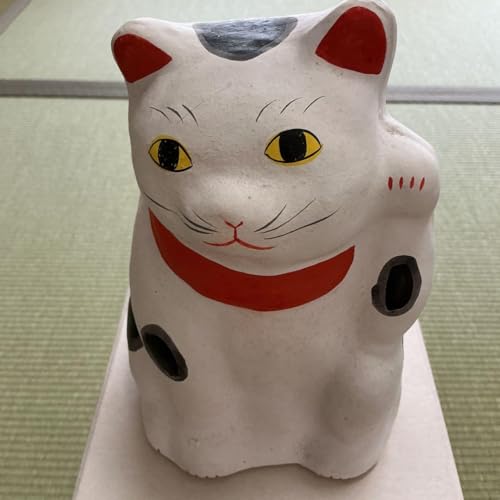
The maneki-neko — the beckoning cat with one raised paw — is so widely copied in molded plastic and cast resin that most people never meet the original. That original is a clay object. It comes from Imado-yaki (今戸焼, “Imado ware”), a low-fired earthenware made since the late 16th to 17th century in the Imado district of old Edo, on the Sumida River just north of Asakusa in what is now Tokyo’s Taito and Sumida wards. Imado is widely cited as a birthplace of the beckoning-cat figurine, and a genuine Imado-yaki cat is hand-shaped from soft local clay and finished with a hand-painted face rather than spray-applied color.
What makes Imado-yaki notable to an international reader is not refinement — this was never elegant tea-ceremony porcelain. It was humble household ware: roof tiles, hibachi braziers, horoku roasting pans, and unglazed folk dolls for Edo’s working townsfolk. The maneki-neko grew out of that folk-doll tradition, tied in local legend to Imado Shrine in the late Edo period. The craft very nearly disappeared. Urbanization and modern industry pushed the kilns to the edge of extinction, and today only a handful of makers keep the hand-shaped, hand-painted method alive, which makes an authentic piece a scarce folk-craft rather than a mass-market souvenir.
This guide is written for readers deciding whether to buy a genuine Imado-style clay maneki-neko rather than a resin lookalike. We cover what the craft actually is, how to read the listing, where the object comes from historically, who it suits and who should skip it, the realistic ways to buy it from outside Japan, and one specific listing we would start a search from. Pricing data for the specific listing was thin at the time of writing — only the Amazon JP listing snapshot was available, and live pricing may have shifted since.
🔄 Updated:
⏱️ Read time: ~11 min
- Who this is for — and who should skip it
- Product overview (from published specs)
- 📍 Where this comes from — place, era, and the craft tradition
- Price snapshot across stores
- 📦 Shipping & where to buy from outside Japan
- What it does well
- Weaknesses and things to verify before buying
- Conclusion — which buyer type are you?
- Other ways to approach this purchase
- 🏆 Editor’s Pick
- ❓ Frequently Asked Questions
Who this is for — and who should skip it
- Want the original clay beckoning cat, not a cast-resin copy
- Value hand-shaping and a hand-painted face over factory uniformity
- Collect Japanese folk craft (mingei) and regional pottery
- Like the Edo / Asakusa story behind the object as much as the object
- Are buying a meaningful housewarming, shop-opening, or good-luck gift
- Want a cheap, identical-looking cat — resin versions cost a fraction
- Need something rugged: low-fired earthenware is fragile and chips
- Expect a glazed, dishwasher-safe, food-contact ceramic
- Dislike small variations — every hand-painted face differs slightly
- Are unwilling to deal with international shipping from Japan
Product overview (from published specs)
Based on the listing, this is a hand-shaped, low-fired clay maneki-neko in the Imado-yaki tradition, finished with a hand-painted face. Earthenware specifics — exact dimensions, weight, and paw orientation — vary by individual piece and were not fully detailed in the data available at the time of writing. Where a value was not confirmed in the fetched data, it is marked rather than guessed.
Imado-yaki Maneki-neko
郷土玩具 今戸焼 火入れ 招き猫
通常6~7日以内に発送します。 · Sold by Happy BOX · ASIN B0FWK98SNQ
Price and availability as of 2026-09-01 05:22 JST. The Amazon listing at the time of purchase is authoritative. jpmono.com earns a commission on qualifying purchases at no extra cost to you.
| Attribute | Detail (per listing / craft tradition) |
|---|---|
| Object | Maneki-neko (beckoning-cat) figurine |
| Craft | Imado-yaki (今戸焼) low-fired earthenware |
| Material | Soft local clay, low-fired (unglazed folk-ware tradition) |
| Forming | Hand-shaped, not slip-cast resin |
| Finish | Hand-painted face |
| Origin | Imado area, Taito / Sumida wards, Tokyo (old Edo) |
| Dimensions / weight | Unconfirmed — check the listing (varies per piece) |
| Listing snapshot | Amazon JP Global Store (ASIN B0FWK98SNQ) |
Sources: Amazon US search (primary, moonill-20) + Amazon JP Global Store (secondary, moonill-22, sourced listing) + maker direct, where available. Only the Amazon JP listing snapshot was available for the specific item; live pricing and exact specs may have shifted since the writing date.
📖 Glossary — key terms in this guide
Imado-yaki (今戸焼, “Imado ware”) — low-fired earthenware made in the Imado district of old Edo (now Tokyo); historically humble household ware and folk dolls.
Maneki-neko (招き猫, “beckoning cat”) — a cat figurine with a raised paw, traditionally believed to invite good fortune or customers.
Yakimono (焼き物, “fired thing”) — the general Japanese word for pottery and ceramics.
Doroningyo (土人形, “clay doll”) — unglazed, hand-painted folk clay dolls; the tradition the Imado cat grew out of.
Mingei (民芸, “folk craft”) — everyday objects made by anonymous or small-workshop artisans, valued for honest utility rather than fine-art status.
Edo (江戸) — the old name for Tokyo, and the era (1603–1868) when it was the shogunal capital.
📍 Where this comes from — place, era, and the craft tradition

Imado sits in the old downtown of Tokyo, on the western bank of the Sumida River a short walk north of Asakusa, in what are today the Taito and Sumida wards. This is the flat, low-lying district that Edo-period residents called shitamachi — the working-class “low city” of merchants, craftsmen, and laborers, as opposed to the samurai uplands. The river mattered enormously: its clay-rich banks supplied raw material, and its water gave the kilns both a working medium and a shipping route into the markets of Edo. A craft that turns river mud into household objects naturally took root exactly here.
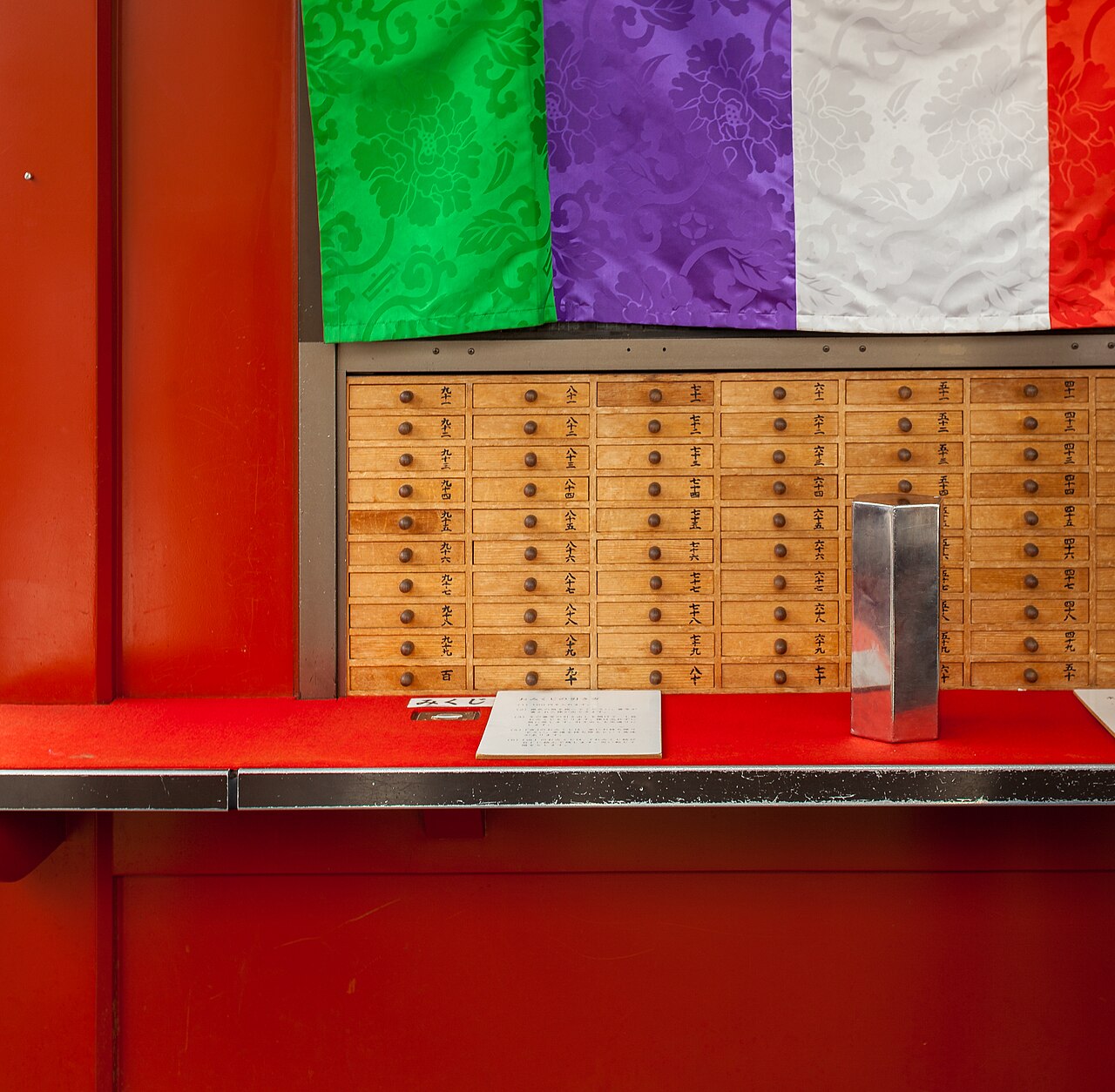
Edo became the political center of Japan in 1603, when Tokugawa Ieyasu established his shogunate there, and it grew into one of the largest cities in the world. That growth created relentless demand for cheap, practical earthenware: roof tiles for new houses, hibachi braziers for heat, horoku pans for roasting tea and beans, and unglazed clay dolls for the household altar and the toy shelf. Imado-yaki served that everyday market. It was never the refined stoneware of a tea master — it was the pottery of ordinary Edo life.
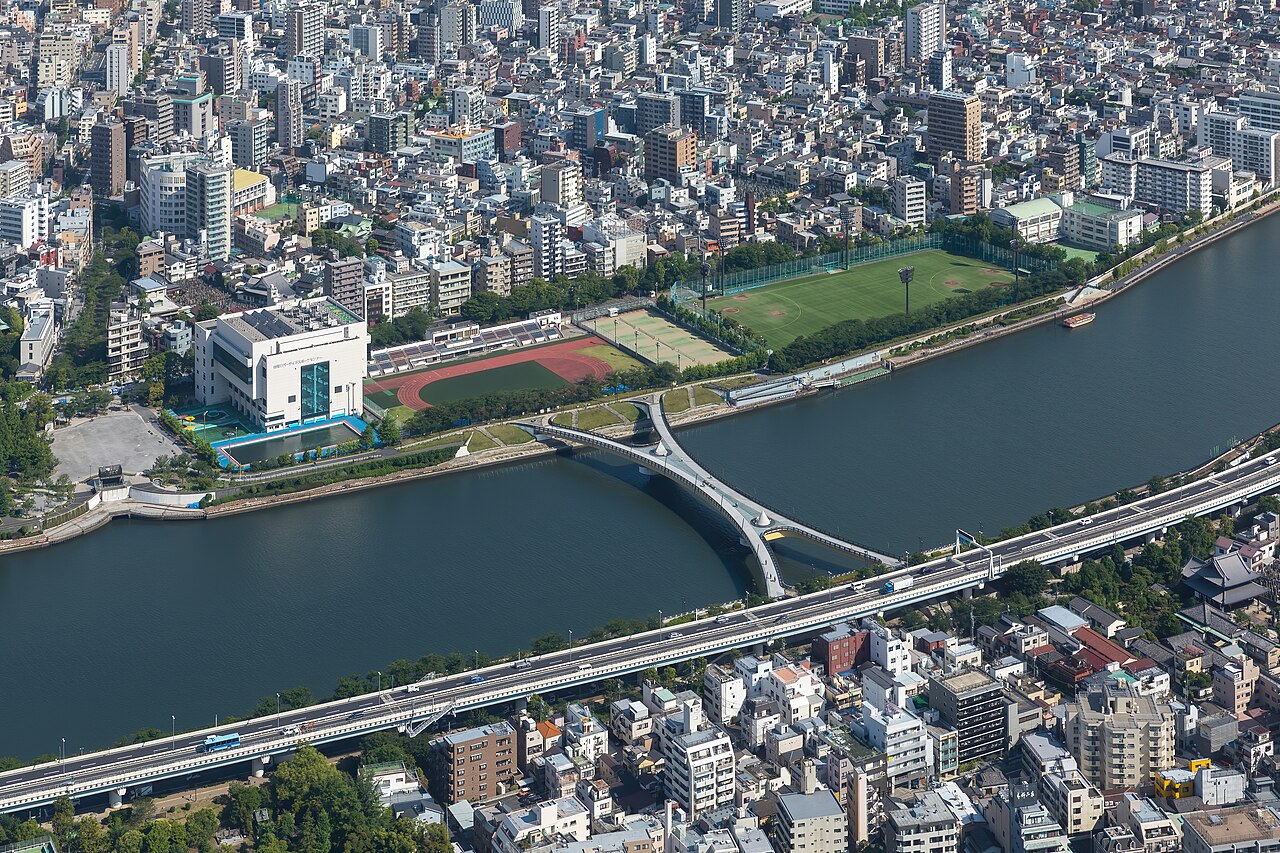
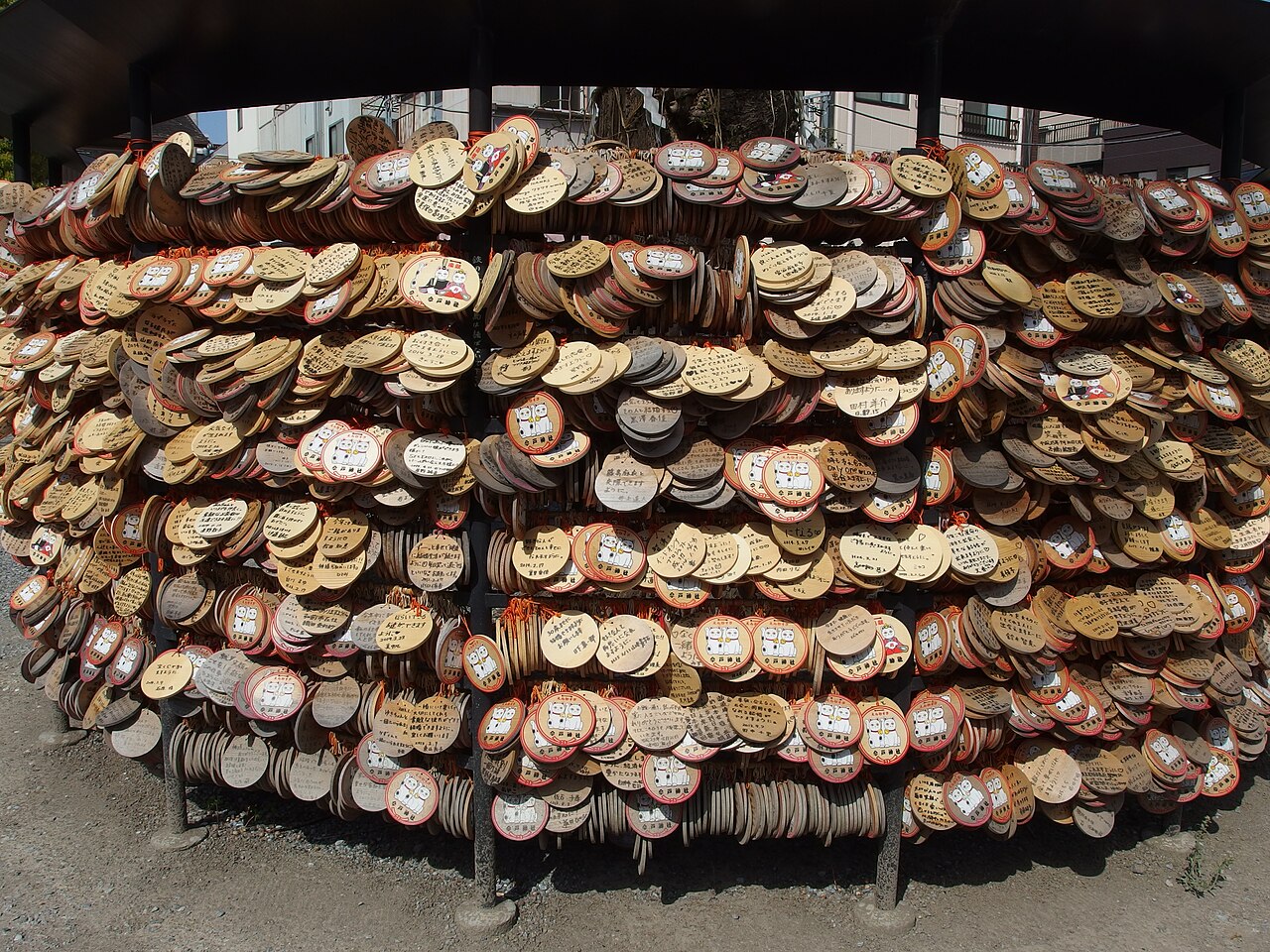
Out of that folk-doll tradition came the maneki-neko. The beckoning cat is traditionally believed to have emerged in the late Edo period, and one of the most repeated origin stories ties it directly to Imado Shrine in Asakusa. By local account, an impoverished old woman who had to part with her beloved cat was visited by it in a dream and told to make its likeness in clay; the figures she sold near the shrine were Imado-yaki cats, and they sold well. Whatever the literal truth, the cultural fact is firm: Imado is one of the places where potters first shaped the cat as a clay talisman, and Imado Shrine remains a pilgrimage point for cat lovers today.
- Late 1500s–1600s — Earthenware production established in the Imado district along the Sumida River.
- 1603 — Edo becomes the shogunal capital; demand for tiles, braziers, and folk ware surges.
- Edo period — Imado-yaki produces roof tiles, hibachi, horoku pans, and unglazed clay dolls for townsfolk.
- Late Edo period — The maneki-neko emerges as a clay talisman, tied in legend to Imado Shrine in Asakusa.
- 1868 onward — Edo is renamed Tokyo; modernization and industry begin to crowd out the small kilns.
- 20th century — Urbanization nearly extinguishes the craft; production shrinks to a few makers.
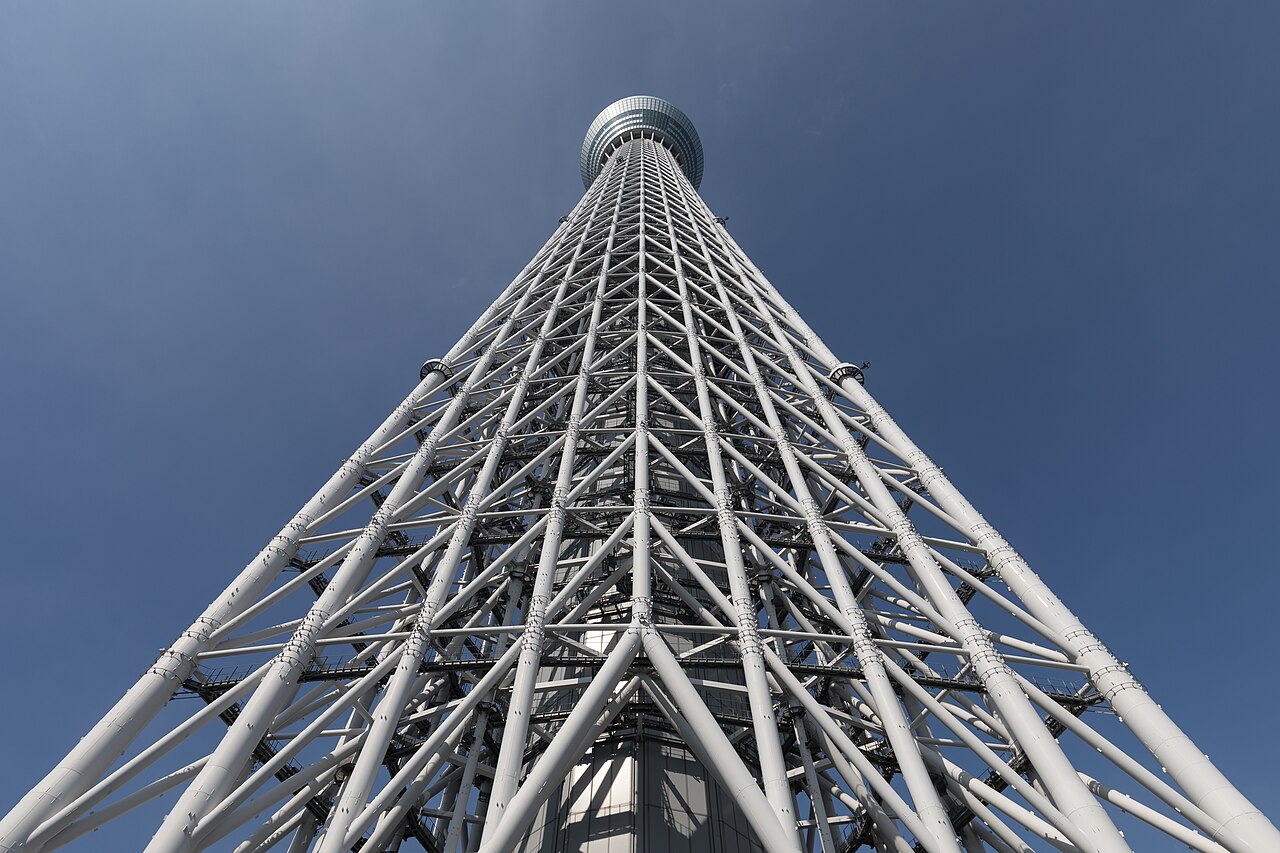
- 2012 — Tokyo Skytree opens beside the old kiln district, towering over what remains of Imado.
- 2026 — A handful of makers still hand-shape and hand-paint Imado-style cats, keeping the tradition alive.
What does “still being made here” actually mean for Imado-yaki? Honestly, less continuity than the great regional kilns can claim. This is the harder, more fragile end of the spectrum: the dense city that gave the craft its market is the same city that almost erased it, as land values, modern materials, and zoning squeezed out the smoky, space-hungry kilns. Only a small number of makers continue the hand-shaped, hand-painted method today, which is precisely why a genuine Imado-style cat reads as a scarce folk-craft and not a souvenir-shop commodity.
“The most copied lucky charm in the world began as river mud, shaped by hand in a downtown Edo workshop — and the place that made it famous is the same place that nearly let it die.”
Other jpmono guides on Japanese pottery, clay figures, and Tokyo craft worth reading alongside this one:
Price snapshot across stores
JPY (¥) is the authoritative price. USD figures are approximate estimates at a ¥150/USD baseline (mid-2026) and depend on the current exchange rate. Only the Amazon JP listing snapshot was available at the time of writing; live pricing was unavailable and may have shifted.
| Store | Item / Variant | Price (JPY + USD est.) | Notes |
|---|---|---|---|
| 🇺🇸 Amazon US (search) | Browse Japanese clay maneki-neko & folk figurines | varies (USD) | Best if you are shopping from the US — Prime shipping, USD pricing, no international customs. Amazon US carries many Japanese maneki-neko and folk-pottery figures for comparing styles and price tiers; the specific Imado-style piece is sourced from Japan (next row). |
| 🇯🇵 Amazon JP Global Store | Imado-style hand-painted clay maneki-neko (ASIN B0FWK98SNQ) | See listing (price not captured in data) — USD est. varies | The sourced listing for this guide. Ships internationally from Japan to most major destinations. Verify the live price at the link. |
| Maker direct | Workshop / Imado-area kiln pieces | Unconfirmed — check maker site | A few makers keep the tradition; direct ordering may need Japanese-language contact and rarely ships abroad on its own. |
| Proxy services (Buyee / Tenso) | Any Japan-only listing or shop item | Item price + proxy fee + forwarding shipping | Useful when a piece is sold only on a Japan-domestic store; adds a service fee and a second shipping leg. Watch for customs duties above your local threshold. |
📦 Shipping & where to buy from outside Japan
The specific listing covered here is on the Amazon JP Global Store, which ships many household items internationally to most major destinations, including the US, EU, and Australia. International shipping on a small, light clay figure is typically in the $15–$40 range to the US and EU, and higher to other regions; the exact cost and any import estimate are shown at checkout. Because earthenware is fragile, confirm that the listing notes adequate packaging before ordering.
If a piece you want is sold only on a Japan-domestic shop, a proxy/forwarder such as Buyee or Tenso can buy it on your behalf and re-ship it abroad, at the cost of a service fee and a second shipping leg. For orders above your country’s duty-free threshold, expect possible customs duties or VAT on arrival — budget for that rather than being surprised by it.
What it does well
Weaknesses and things to verify before buying
- Fragility. Low-fired earthenware is soft and chips or breaks more easily than glazed stoneware or porcelain. This is a shelf object, not a handling toy.
- Not food-safe or washable. Treat it as a decorative figurine. Unglazed, hand-painted clay is not dishwasher-safe and should be kept dry; dust gently rather than washing.
- Authenticity is hard to verify remotely. “Imado-style” and genuine hand-shaped Imado-yaki are not always clearly distinguished in listings. Confirm the maker, forming method, and that it is hand-painted clay — not cast resin — before buying.
- Variation is the norm. Hand-shaping and hand-painting mean the exact face, posture, and size of your piece will differ from the catalog photo. If you want identical units, this is the wrong product.
- Thin published specs. Exact dimensions, weight, and paw orientation were not fully confirmed in the data available at the time of writing — check the live listing for the specific piece.
- Price and stock fluctuate. Only the Amazon JP listing snapshot was available; live pricing may have shifted. Genuine pieces are scarce, so availability can be intermittent.
Conclusion — which buyer type are you?
Other ways to approach this purchase
🏆 Editor’s Pick
❓ Frequently Asked Questions
Is Imado-yaki really the origin of the maneki-neko?
How is genuine Imado-yaki different from a resin lucky cat?
Can it ship internationally?
How do I care for a clay maneki-neko?
Does the raised paw matter?
Is it a good gift?
jpmono.com is curated by a Japan-based editorial team (working out of Toyama in the Hokuriku region and Nara in Kansai) and is independent. We do not take payment from the makers we feature; income comes from affiliate links. We do not physically test every product — we read maker specs and source listings. Read more about our editorial standards.
This article was prepared with AI assistance and reviewed against the source listing and curated reference materials before publication. Specifications and pricing reflect data available at the time of writing and may have changed.
Affiliate disclosure: jpmono.com may earn a commission on qualifying purchases made through links on this page, at no additional cost to you.